
South America, Canary Islands, Spain & France
- 6 Apr ‘27
- 31 nights
- Departing from Rio De Janeiro
- Seabourn Venture

-
Balcony price from$22,184*/pp
-
Suite price from$34,849*/pp
YOUR ITINERARY
Rio De Janeiro, Brazil - Salvador de Bahia, Brazil - Recife, Brazil - Natal, Brazil - Praia, Ilha de Santiago, Cape Verde - Mindelo, Cape Verde - Santa Cruz (Tenerife) - Arrecife, Canary Islands - Tangier, Morocco - Seville, Spain - Seville, Spain - Seville, Spain - Portimao (Algarve) - Portugal - Leixoes (Porto), Portugal - Brest - St Malo (Le Mont Saint Michel), France - Cherbourg, France - Rouen (Paris), France - Amsterdam, Netherlands
Its stunning setting and joyous lust for life make Rio...
Its stunning setting and joyous lust for life make Rio a cidade maravilhosa, “marvelous city.” Ipanema, Copacabana, samba – the words alone conjure Brazilian paradise.
If Rio is the heart of Brazil and Sao Paulo is it...
If Rio is the heart of Brazil and Sao Paulo is its brain, Salvador is its spirit. It was here in 1549 that the Portuguese founded the capital city and chief port of their new colony. Vast fortunes were made through the slave trade, and the introduction of a large African population had an important effect on the local culture. Salvador is built in two levels. The most appealing is in the upper city, the lovely colonial neighborhood of Pelourinho, which in the past few years has been completely restored to its former glory.
Recife, meaning “reef,” was named for the great n...
Recife, meaning “reef,” was named for the great natural mass of coral which lies off its coast. The city is made up of three sections: the mainland, the peninsula, and the island. Bridges of stone and iron connect the three. Founded by fishermen and sailors in the first half of the 16th century, the city grew rapidly along with the sugarcane and slave trades. The city continues to grow, and now skyscrapers are crowding out the beautiful colonial mansions of the sugar era. Today the city is known as a beach resort, and it is one of northeast Brazil’s most popular tourist destinations.
Natal was built on the right bank of the River Potenji, ri...
Natal was built on the right bank of the River Potenji, right where the river meets the Atlantic; the soil is very sandy, with dunes and bays protected by reefs which appear all along the shore line. This “City of Dunes” invites you to ride in a dune buggy over huge sand dunes with sweeping views of the sea.
Santiago is the largest of the Cape Verde islands, and nearly ha...
Santiago is the largest of the Cape Verde islands, and nearly half the nation’s population lives on the island. Originally volcanic, Santiago is unusually fertile, and agriculture is an important part of the islands’ economy. The Cape Verde Islands only won their independence from Portugal in 1974, following a violent revolution. The nation is struggling valiantly to progress after a repressive history. Accordingly visitors will notice a striking difference in development between it and many of its neighbors. The Cape Verdeans, though, are friendly and optimistic, and welcoming to visitors. The old capital, formerly known as Cidade Velha, has been renamed Ribeira Grande de Santiago, which was its name when it was an important port in the infamous slave trade. Dating from 1466, it was the first European colonial settlement in the Tropics. Visitors will notice a cluster of well-restored colonial-period houses, as well as a monument to the original pelourinho, or pillory where slaves were both punished and sold. This area is a UNESCO World Heritage Site.
The most important city on the Cape Verde island ...
The most important city on the Cape Verde island of São Vicente, Mindelo originally thrived as a coal depot for steamships plying the Atlantic. With the advent of diesel engines, its importance waned, although it is still an important port for the maritime trade. The island is volcanic, dry and mostly low. The town has replica of Lisbon’s Belem Tower, located near the fish market, in an interesting part of the city. The late Cape Verdean singer Cesaria Evora started her career singing in the taverns of Mindelo, and later brought the uniquely lilting Cape Verdean form of fado music to the world through her bestselling records and concert tours.
Tenerife is the largest of the seven main islands,...
Tenerife is the largest of the seven main islands, which comprise the Canaries. Beyond its quaint whitewashed villages, the Canary Islands’ eternal spring keeps flowers, fruits and vegetables growing year-round. From Tenerife, you can travel up through pine forests to Mt. Teide, Spain’s highest peak.The Iglesia del Salvador’s Islamic Mudéjar ceiling is one of the best in the islands, and La Palma’s odd, erosion caldera called La Cumbrecita is a UNESCO Biosphere Site.
Lanzarote is the northernmost of the Canary Islands, often kn...
Lanzarote is the northernmost of the Canary Islands, often known as “volcano island.” Its capital is Arrecife, a quiet town of about 30,000 inhabitants. Present day Lanzarote consists of two quite distinct massifs: Famara in the north, and Los Ajaches in the south, where centuries of erosion have sculpted abrupt cliffs and deep ravines, contrasting sharply with the smoothly rounded hills of the island’s central region.
Situated just across the narrow Strait of Gibraltar ...
Situated just across the narrow Strait of Gibraltar from Europe, Tangier has long comprised a hybrid culture that is nearly as European as it is African. Standing atop Cap Spartel, one can gaze down on the place where the Atlantic meets the Mediterranean. The “Hollywood” district where the foreign embassies have traditionally been located reflects the European influence. But ascending the hill above the waterfront, one enters the narrow, winding alleys of the Kasbah, the city’s oldest, most Moroccan section. Down the coast, nearby Tetouan retains a nearly untouched walled medina, with sections originally occupied by Andalusian, Berber and Jewish populations. It is small enough that visitors can explore it without risking becoming lost, making it a perfect choice as a UNESCO World Heritage Site.
With its warm weather and attractive scenery, Andalusia was...
With its warm weather and attractive scenery, Andalusia was settled successively by Phoenicians, Greeks, Romans and Vandals. But it was the Moors who graced it with a rich medieval culture of silver filigree, arches and arabesques, and the domes and minarets of its mosques, making it the center of the most highly developed civilization of the Middle Ages. Sherry wines, well-disciplined horses, brave bulls and the flamboyant flamenco are all part of its allure. Seville has been called “the most interesting town in all of Spain,” and this pretty city, sparkling in the Andalusian sun, has played its part as the setting for Don Juan, Carmen, and Rossini’s famous barber.
With its warm weather and attractive scenery, Andalusia was sett...
With its warm weather and attractive scenery, Andalusia was settled successively by Phoenicians, Greeks, Romans and Vandals. But it was the Moors who graced it with a rich medieval culture of silver filigree, arches and arabesques, and the domes and minarets of its mosques, making it the center of the most highly developed civilization of the Middle Ages. Sherry wines, well-disciplined horses, brave bulls and the flamboyant flamenco are all part of its allure. Seville has been called “the most interesting town in all of Spain,” and this pretty city, sparkling in the Andalusian sun, has played its part as the setting for Don Juan, Carmen, and Rossini’s famous barber.
With its warm weather and attractive scenery, Andalusia was set...
With its warm weather and attractive scenery, Andalusia was settled successively by Phoenicians, Greeks, Romans and Vandals. But it was the Moors who graced it with a rich medieval culture of silver filigree, arches and arabesques, and the domes and minarets of its mosques, making it the center of the most highly developed civilization of the Middle Ages. Sherry wines, well-disciplined horses, brave bulls and the flamboyant flamenco are all part of its allure. Seville has been called “the most interesting town in all of Spain,” and this pretty city, sparkling in the Andalusian sun, has played its part as the setting for Don Juan, Carmen, and Rossini’s famous barber.
Portugal’s southeast coast is a ruggedly beautiful regio...
Portugal’s southeast coast is a ruggedly beautiful region, crowned by Cape St. Vincent, the southeastern-most point in Europe. At nearby Sagres, Henry the Navigator had his school where the most knowledgeable seamen in the world learned their craft. Standing on the high bluff overlooking the windy sea, one can imagine Columbus staring off to the west, pondering what lay beyond that blue horizon.
The commercial center of northern Portugal and hub of the por...
The commercial center of northern Portugal and hub of the port wine trade, Porto is a gracious, cosmopolitan city noted for its 12th century cathedral and medieval churches, picturesque narrow streets and wine lodges at Vila Nova de Gaia. It is clustered on hills overlooking a river, and is a northern European style city with granite church towers, narrow streets and hidden Baroque treasures.
One of France’s most important ports for over a thous...
One of France’s most important ports for over a thousand years, Brest straddles the Penfield River at the tip of the Brittany region. Its history is indicated by the Chateau de Brest on one side of the river, and the medieval Tanguy Tower on the opposite bank. In the Chateau, you will find the naval museum. Brest is still one of France’s three naval bases. The Tower holds more artifacts of the town’s history. A more recent landmark is the dramatic, cable-stayed Pont de I’Iloise bridge, best viewed from the pedestrian-and-cycling Albert Louppe Bridge. Brest also has France’s first téléférique cable car, and an impressive Océanopolis aquarium.
Saint-Malo is a port city in Brittany, in France&#...
Saint-Malo is a port city in Brittany, in France’s northwest. Tall granite walls surround the old town, which was once a stronghold for privateers (pirates approved by the king). The Saint-Malo Cathedral, in the center of the old town, is built in Romanesque and Gothic styles and features stained-glass windows depicting city history. Nearby is La Demeure de Corsaire, an 18th-century privateer’s house and museum.
The seaport and naval station of Cherbourg is situated a...
The seaport and naval station of Cherbourg is situated along the English Channel northwest of Paris at the mouth of the Divette River. Believed to rest on the site of an ancient Roman station, Cherbourg has been occupied since ancient times and was frequently contested by the French and English in the Middle Ages because of its strategic location. Most recently passed to France in the late 18th century, the town was extensively fortified by Louis XVI. During WWII the Germans held Cherbourg until it was captured by the American forces shortly after the Normandy landings. Following a vast rehabilitation program that returned it to working condition, Cherbourg became an important Allied supply port. Today, Cherbourg is important for transatlantic shipping, shipbuilding, electronics and telephone equipment manufacturing, yachting and commercial fishing.
The capital of upper Normandy and fifth largest port i...
The capital of upper Normandy and fifth largest port in France, picturesque and historic Rouen is renowned as a treasury of medieval architecture. With a large part of the city destroyed during World War II resulting in massive postwar reconstruction, Rouen today appears as an interesting blend of ancient and modern. Fortunately, it has kept its medieval character with still-inhabited houses dating from the 15th century, which line its narrow cobblestone streets. Among the city’s most noteworthy attractions are the magnificent Cathedrale Notre-Dame built during the 13th century, and the famous Gros-Horloge, a giant Renaissance clock looming over the renowned pedestrian street of the same name. Two blocks away is the Place du Vieux Marche, or old market square, where Joan of Arc was burned at the stake in 1431. She is publicly commemorated at the site on the last Sunday of each May. The “City of a Hundred Spires” as Rouen is known, was an inspiration for Monet’s impressionistic cathedral paintings. Rouen also makes an excellent point of departure for a visit to Paris, the “City of Light.”
The delightfully attractive city of Amsterdam is home to many o...
The delightfully attractive city of Amsterdam is home to many of the world’s great art treasures, and is a major center of the glamorous diamond trade as well. Unique architectural styles of the past blend with superb modern structures, and the web of curved and straight canals makes the city as easy to traverse by water as by land. The hospitality of the local people has been remarked upon by generations of travelers, and the Dutch’s respect for and tolerance of the beliefs of others has attracted refugees from around the world for centuries.
YOUR SHIP - The Seabourn Venture
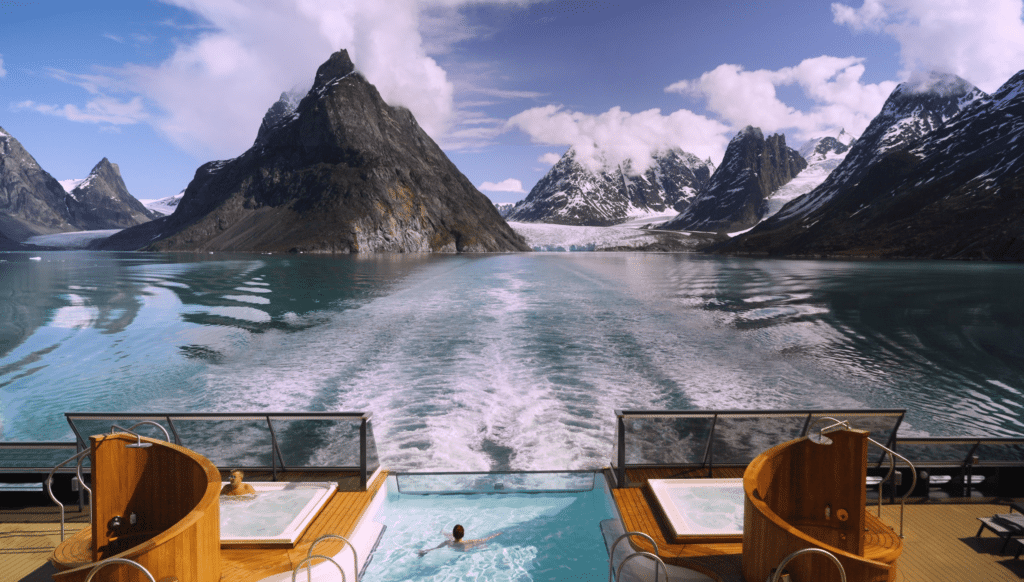
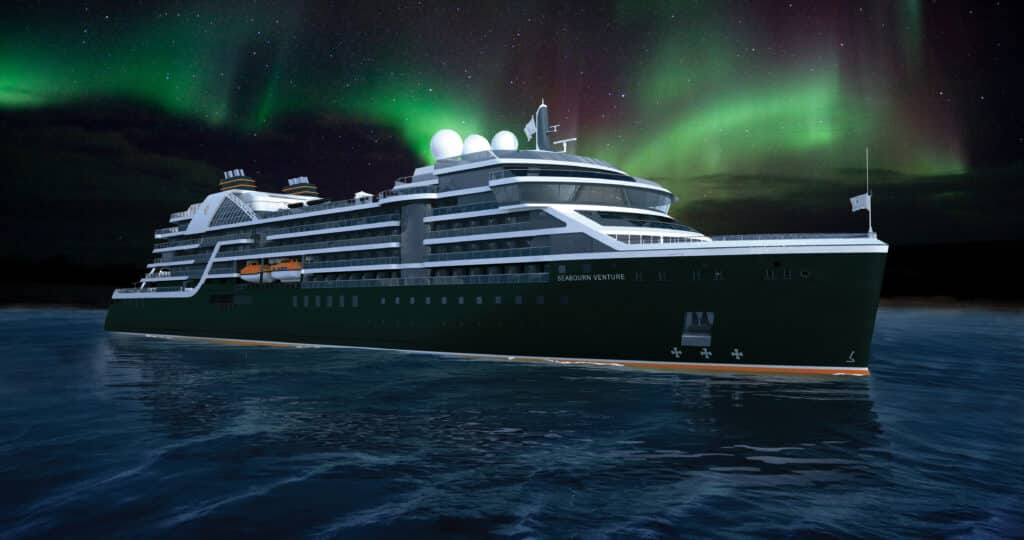
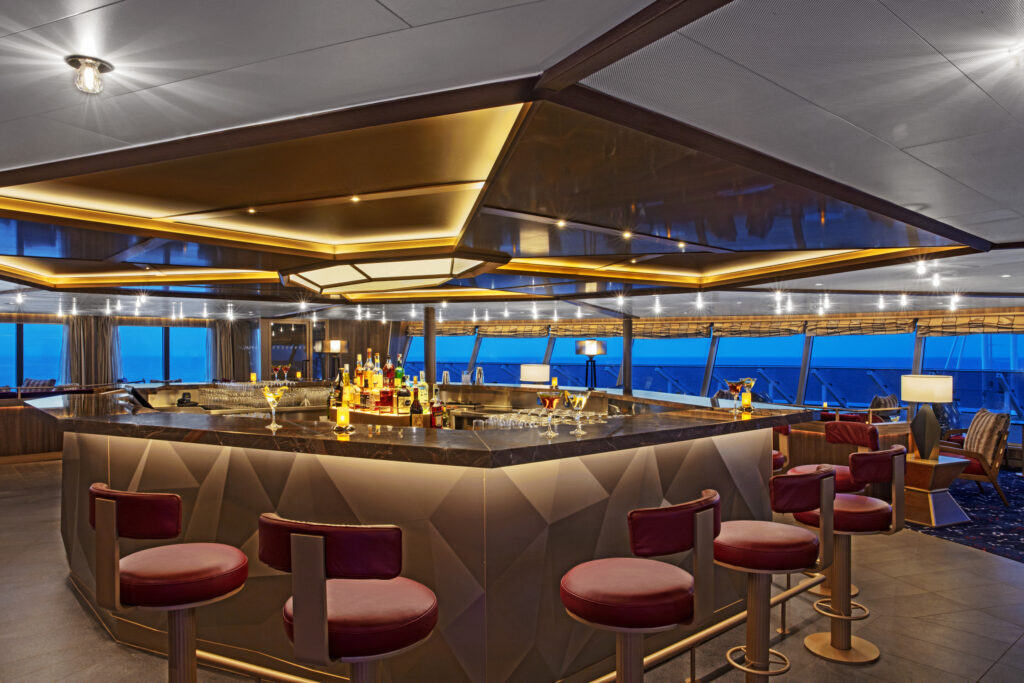
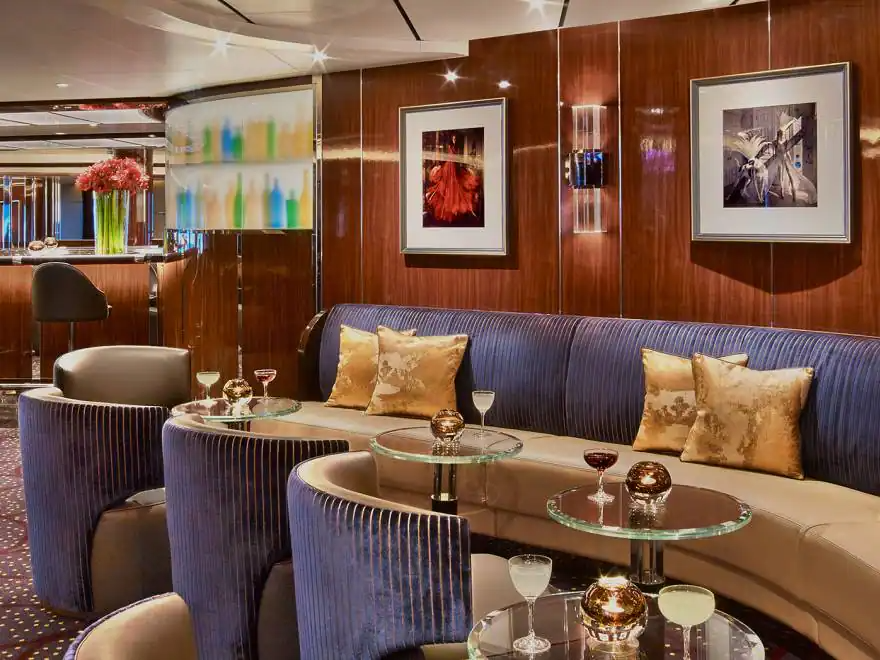
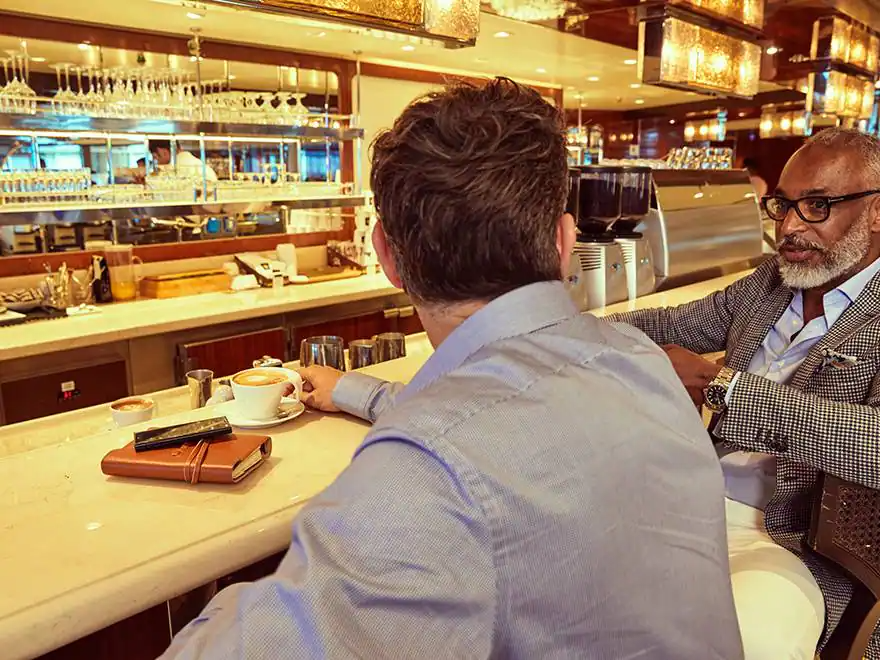
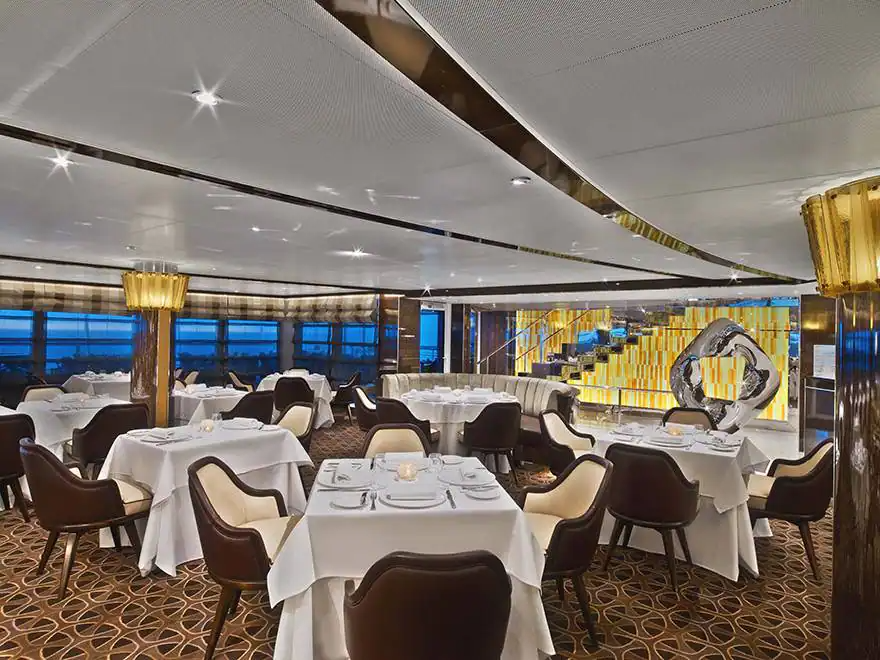
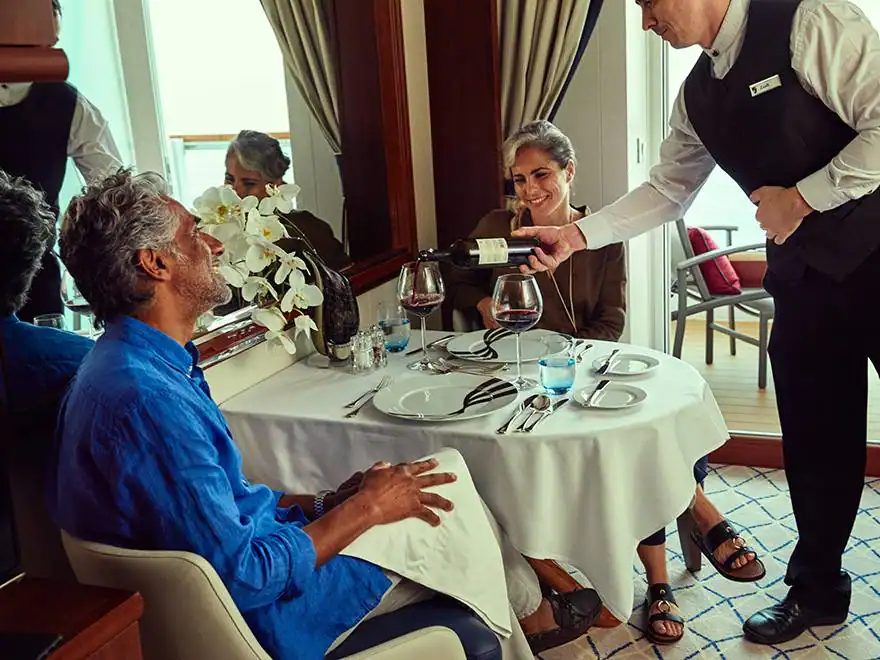
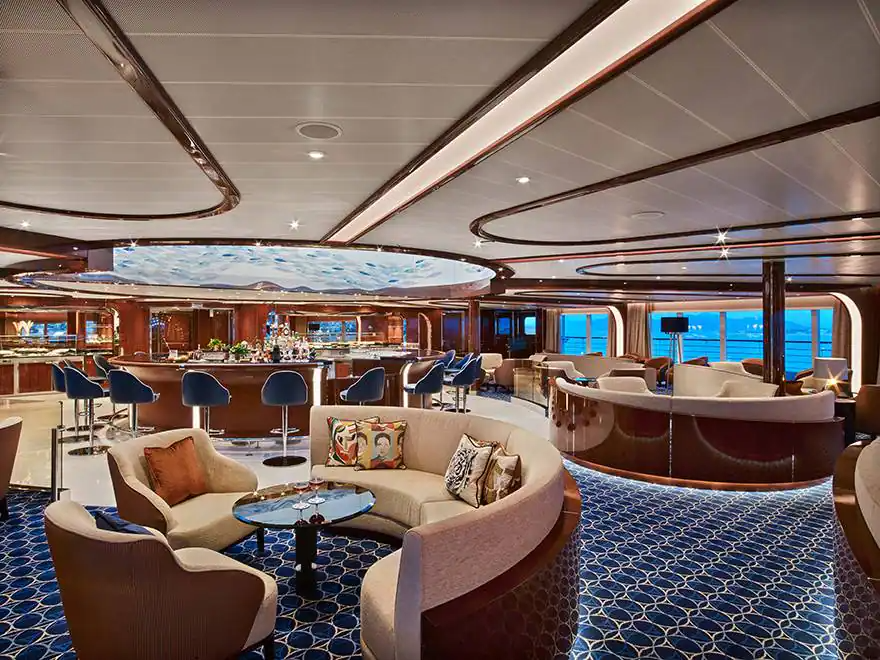
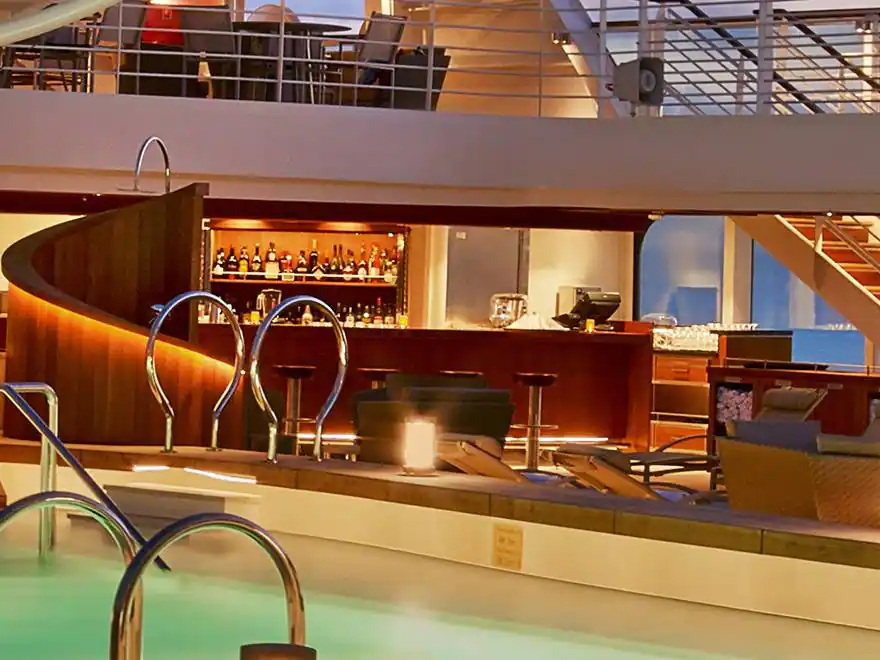
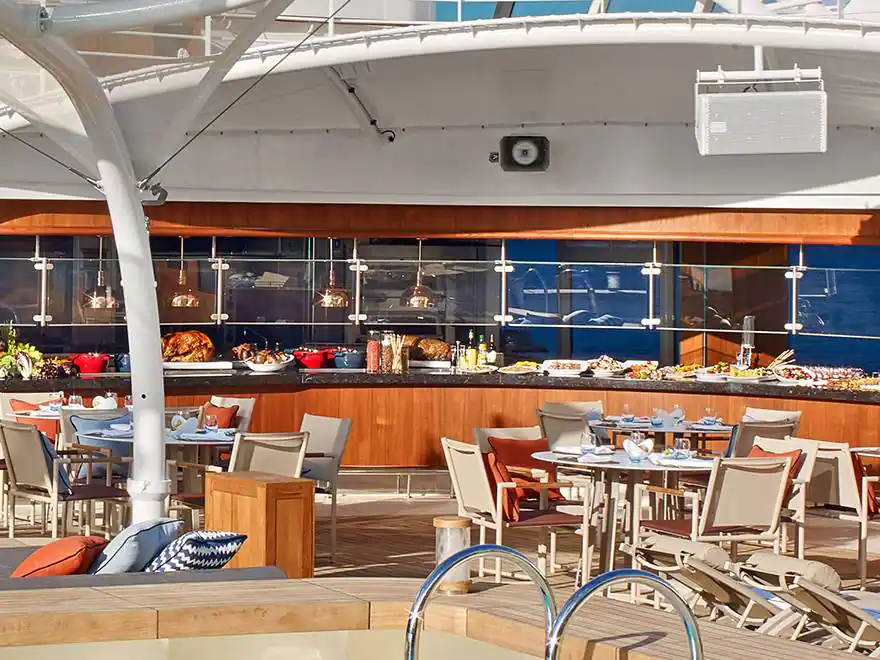
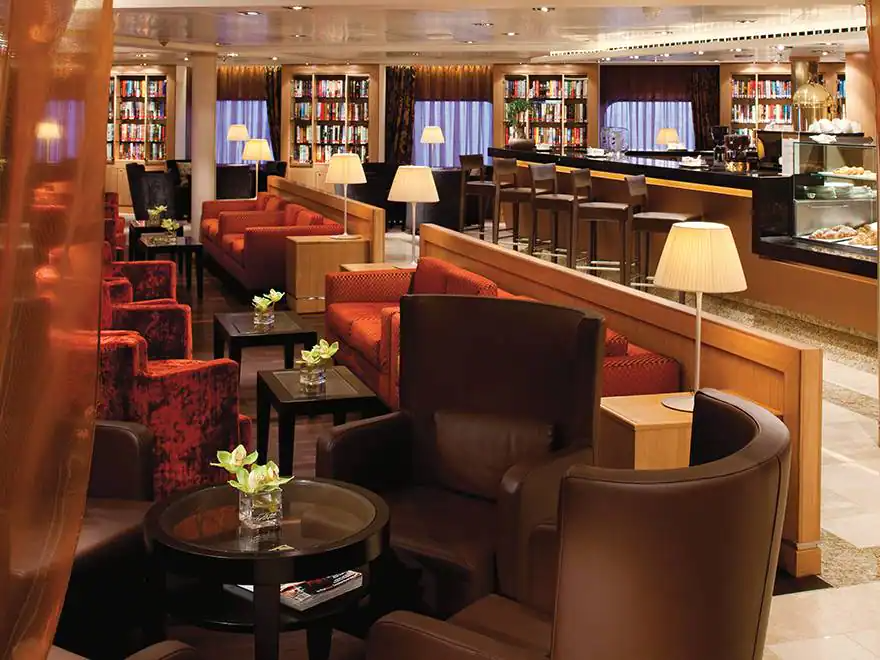
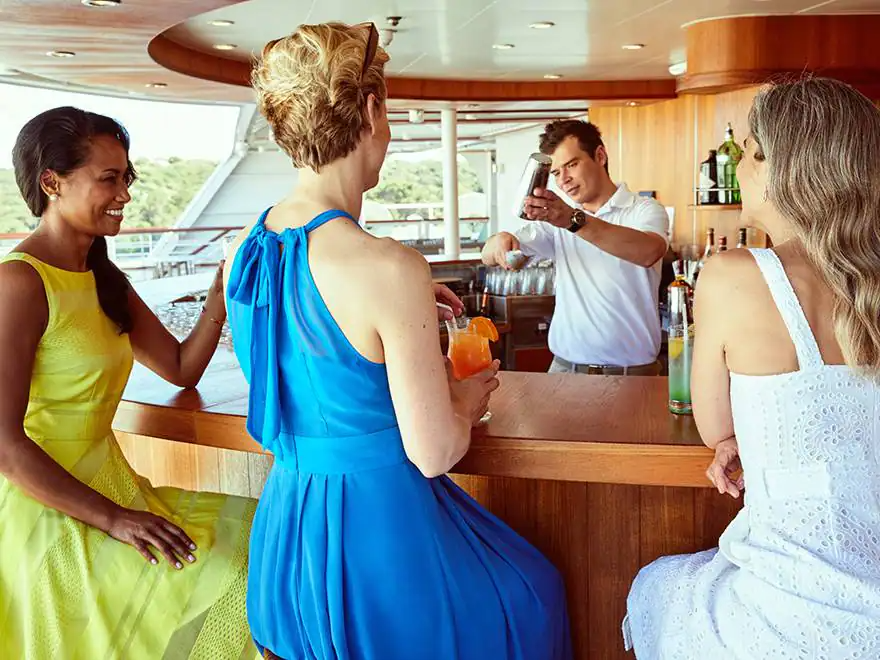
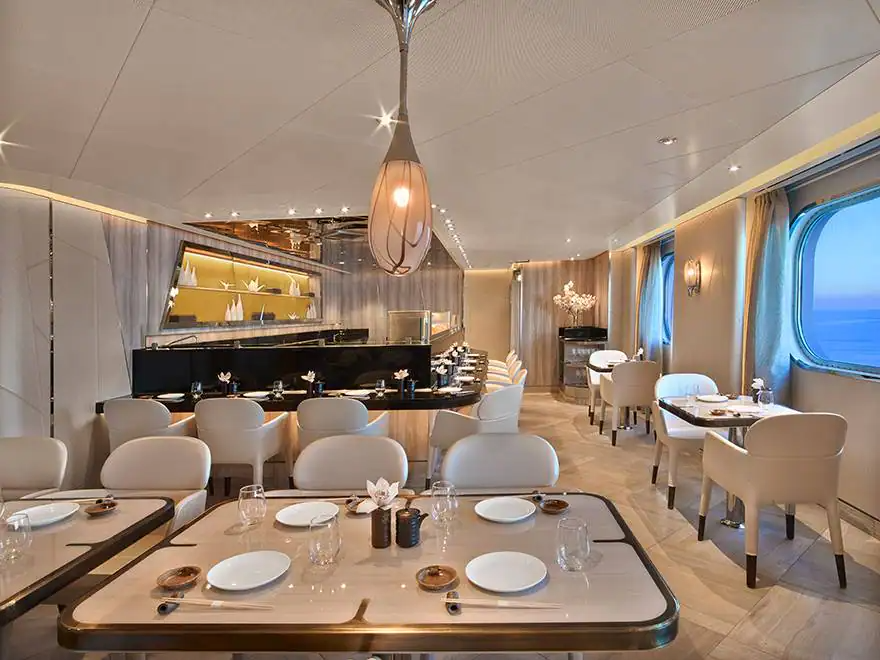
Seabourn’s ultra-luxury purpose-built expedition ship Seabourn Venture, paying tribute to the remote destinations visited by the brand’s highly successful expedition and Ventures by Seabourn excursion programs and the fascinating places yet to be explored in the future.
Seabourn Venture is scheduled to launch in June 2021, with a second yet-to-be-named sister ship slated to launch in May 2022. Both ships will be designed and built for diverse environments to PC6 Polar Class standards and will include a plethora of modern hardware and technology that will extend the ships global deployment and capabilities. The new ships, which are being built by T. Mariotti, will be a brand new innovative design, created specifically for the ultra-luxury expedition traveler, and will include many features that have made Seabourn ships so successful.
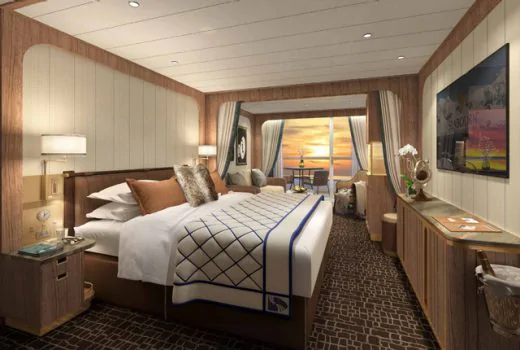
A new and exciting offering will be two custom-built submarines carried onboard, providing an unforgettable view of the world beneath the ocean’s surface. The ships will also be designed to carry a complement of double sea kayaks, mountain bikes and ebikes as well as 24 Zodiacs that can accommodate all onboard guests at once, which will allow for a truly immersive experience. Each ship will feature 132 all veranda, all ocean-front suites.

Description
Seabourn’s ultra-luxury purpose-built expedition ship Seabourn Venture, paying tribute to the remote destinations visited by the brand’s highly successful expedition and Ventures by Seabourn excursion programs and the fascinating places yet to be explored in the future.
Seabourn Venture is scheduled to launch in June 2021, with a second yet-to-be-named sister ship slated to launch in May 2022. Both ships will be designed and built for diverse environments to PC6 Polar Class standards and will include a plethora of modern hardware and technology that will extend the ships global deployment and capabilities. The new ships, which are being built by T. Mariotti, will be a brand new innovative design, created specifically for the ultra-luxury expedition traveler, and will include many features that have made Seabourn ships so successful.
A new and exciting offering will be two custom-built submarines carried onboard, providing an unforgettable view of the world beneath the ocean’s surface. The ships will also be designed to carry a complement of double sea kayaks, mountain bikes and ebikes as well as 24 Zodiacs that can accommodate all onboard guests at once, which will allow for a truly immersive experience. Each ship will feature 132 all veranda, all ocean-front suites.
STATEROOMS
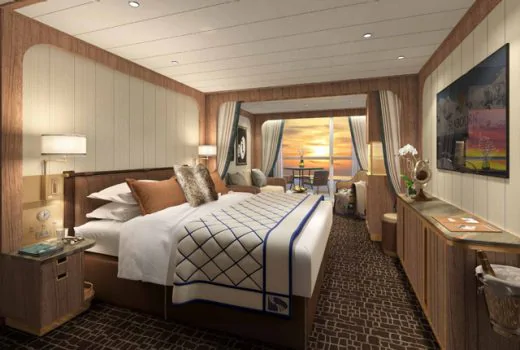
suite