

23-Day Legendary Exploration Of The British Isles
- 24 Apr ‘28
- 23 nights
- Departing from Lisbon
- Seabourn Venture

-
Balcony price from$31,199*/pp
-
Suite price from$40,599*/pp
YOUR ITINERARY
Lisbon, Portugal - Cherbourg, France - Plymouth, England - Lundy Island, United Kingdom - Skomer Island, Wales - Bantry, Ireland - Schull, Ireland - Cape Clear Island, Ireland - Kinsale, Ireland - Calf of Man, Isle of Man - Belfast, Northern Ireland - Calf of Man, Isle of Man - Douglas, Isle of Man - Brodick, Isle of Arran - Rathlin Island - Baile Mor - Staffa, Scotland, UK - Tobermory, Scotland, UK - Isle of Eigg - Am Baile, St Kilda, Scotland, United Kingdom - Scenic Cruising - Stornoway (Isle of Lewis), UK - Kirkwall - Copinsay Island, Scotland - Leith (Edinburgh), UK - Leith (Edinburgh), UK
The great period of “the Discoveries” accou...
The great period of “the Discoveries” accounted for phenomenal wealth brought back from India, Africa and Brazil by the great Portuguese navigators. Gold, jewels, ivory, porcelain and spices helped finance grand new buildings and impressive monuments in Lisbon, the country’s capital city. As you sail up the Tagus River, be on deck to admire Lisbon’s panorama and see some of the great monuments lining the river. Lisbon is one of Europe’s smallest capital cities but considered by many visitors to be one of the most likeable. Spread over a string of seven hills, the city offers a variety of faces, including a refreshing no-frills simplicity reflected in the people as they go unhurriedly through their day enjoying a hearty and delicious cuisine accompanied by the country’s excellent wines.
The seaport and naval station of Cherbourg is situated along th...
The seaport and naval station of Cherbourg is situated along the English Channel northwest of Paris at the mouth of the Divette River. Believed to rest on the site of an ancient Roman station, Cherbourg has been occupied since ancient times and was frequently contested by the French and English in the Middle Ages because of its strategic location. Most recently passed to France in the late 18th century, the town was extensively fortified by Louis XVI. During WWII the Germans held Cherbourg until it was captured by the American forces shortly after the Normandy landings. Following a vast rehabilitation program that returned it to working condition, Cherbourg became an important Allied supply port. Today, Cherbourg is important for transatlantic shipping, shipbuilding, electronics and telephone equipment manufacturing, yachting and commercial fishing.
Plymouth, the largest city in Devon, has a long maritime hist...
Plymouth, the largest city in Devon, has a long maritime history. Construction on the Royal Naval Dockyard was begun by William III in the late 17th century, and the site continues to serve as a naval base today. Excellent views of Plymouth Sound, with its many bays and inlets, may be enjoyed from the grassy esplanade known as the Hoe. Although heavy bombing destroyed much of Plymouth during World War II, a fascinating part of the past may still be seen in the Barbican, the oldest surviving section of the city. The Mayflower Steps mark the spot from which the Pilgrims sailed for the New World in 1620. You may wish to take a look inside the massive Royal Citadel, built by Charles II in 1666. The city houses Europe’s premier oceanography institute with an unrivalled aquarium. An excursion into the lovely Devonshire countryside should prove a most pleasant diversion.
A delightful escape from the hubbub of the modern world,...
A delightful escape from the hubbub of the modern world, three-and-a-half-mile-long Lundy Island is located where the Atlantic Ocean meets the Bristol Channel. Roads are undisturbed by cars. Theres a small village, a Victorian church, even a 13th-century castle. The surrounding waters are home to Great Britains first marine nature reserve. On this granite outcropping, there are farms and open moorlands. Seals blanket the eastern shore. Owned by Britains National Trust and maintained by the Landmark Trust, the island evokes a more tranquil time.
Surrounded by high dramatic sea cliffs, treeless Skomer Isl...
Surrounded by high dramatic sea cliffs, treeless Skomer Island is a National Nature Reserve and one of the finest wildlife sites in the country. This is truly a birders paradise! It’s best known for its large population of breeding seabirds, most notably some 600,000 Manx shearwaters and 20,000 Atlantic puffins, the largest puffin colony in Britain. Nesting razorbills, fulmars, Storm petrels and gannets, as well as the endemic Skomer vole are found here. It is surrounded by nutrient rich waters where harbour porpoises and magnificent whales come to feed. Grey seals are also plentiful on Skomer, especially during the pupping season in September. Currently uninhabited, the island has several important archeological sites. Stone circles, standing stones and the remnants of prehistoric houses, date ancient human settlements as far back as 5,000 years. The volcanic basaltic rocks of which Skomer is comprised date from the Silurian Period around 440 million years ago.
Bantry Bay, framed by the Sheep’s Head Hills and the Cah...
Bantry Bay, framed by the Sheep’s Head Hills and the Caha Mountains, offers one of the Ireland’s most magnificent seascapes and picturesque harbors. As with other areas on Ireland’s south-west coast, Bantry claims an ancient connection to the sixth-century Saint Breandán the Navigator, who was, in Irish folklore, the first person to discover America.
A highlight of the area is stately Bantry House and Garden Estate. The magnificent garden is laid out in the Italian style over seven terraces. In addition to the many spirited Irish pubs are the Bantry Museum and the architecture of St. Brendan’s and St. Finbarr’s Churches. There are pristine, white-sand beaches, interspersed with jagged outcrops of rock and bordered by the verdant-green hills that make Ireland famous. County Cork is renowned for its megalithic stone circles and standing stones. Historic castles dot the landscape. The coastline of Cork is also home to basking sharks and fin, pilot, and minke whales.
Belfast, Northern Ireland’s largest urban area is situated...
Belfast, Northern Ireland’s largest urban area is situated on Ireland’s eastern coast. To the northwest, the city is flanked by hills, including Cavehill, thought to be Jonathan Swift’s inspiration for his novel, “Gulliver’s Travels.” Belfast’s location is ideal for the shipbuilding industry that once made it famous. The Titanic was built here in 1912, at the largest shipyard in the world. Until the Good Friday Agreement of 1998 was reached, the worst of Ireland’s “troubles” was experienced in Belfast, which suffered almost half the conflict’s resulting deaths. Since that time, however, Belfast’s city center has emerged into an attractive pedestrian-oriented environment with street musicians and the like, and a revitalized river front.
Douglas is the capital of the Isle of Man. Mann, as it is als...
Douglas is the capital of the Isle of Man. Mann, as it is also called, is a British Crown Dependency, with its own parliament and postage stamps (a popular souvenir). Here visitors can sample means of transport ranging from horse-drawn trams, to steam trains and the high-speed motorcycles that compete in the renowned Isle of Man TT races. In summer the town maintains much of the seaside resort charm of an earlier period, including the Victorian-era Grand Union Camera Obscura, now restored for your amusement.
Brodick is the main village on the Isle of Arran, in...
Brodick is the main village on the Isle of Arran, in the Firth of Clyde, Scotland. It is halfway along the east coast of the island, in Brodick Bay below Goat Fell, the tallest mountain on Arran. The name is derived from the Norse “breda-vick” meaning “Broad Bay”.
Rathlin Island is an island and civil parish off the coast of C...
Rathlin Island is an island and civil parish off the coast of County Antrim in Northern Ireland. It is Northern Ireland’s northernmost point.
The tiny island of Staffa, part of the Inner Hebrides, is cel...
The tiny island of Staffa, part of the Inner Hebrides, is celebrated for its stunning geology. Vikings named it Stafyi-øy meaning ‘stave island,’ as its rock formations reminded them of the vertically placed logs used to construct their houses. Staffa is made up completely of hexagonal columnar basalt. Sixty-five million years ago, erupting lava cooled quickly, forming these distinctive shapes. Hexagons are most often associated with honeycombs in beehives, however, they are also characteristic in volcanic formations. Over time, a weakness in the rock was eroded by fierce Atlantic waves, creating legendary Fingal’s Cave. It was once known as ‘The Musical Cave’ for the wonderful sounds of the sea water reverberating against the sides of its large cavern.
The island was first promoted by Sir Joseph Banks, who was Captain James Cook’s naturalist in 1772. In the 19th century, Jules Verne, William Wordsworth, John Keats, Alfred Lord Tennyson, Queen Victoria, Prince Albert, the artist JMW Turner and 19-year old Felix Mendelssohn also visited Staffa
Tiny, tidy Tobermory welcomes you to the Isle of Mull, larg...
Tiny, tidy Tobermory welcomes you to the Isle of Mull, largest of the Inner Hebrides. The colorful town is curved around its harbor, and the Mull Museum is a good place to start discovering more about the island, as well as its maritime and crofting background. Iona Abbey is an atmospheric relic of ancient times, with a Gothic and Romanesque nave. Nearby Duart Castle is one of the oldest inhabited castle in Ireland, the seat of Clan MacClean. The central keep was built in 1360. Glengorm Castle is scenically situated overlooking the sea and the distant Outer Hebrides. Retire to the small Tobermory Distillery, one of Scotland’s earliest, for a taste of single malt whisky, then keep an eye out for a glimpse of the magnificent white-tailed sea eagles recently re-introduced on the island.
The St Kilda volcanic archipelago has the highest sea cliffs ...
The St Kilda volcanic archipelago has the highest sea cliffs in Britain and the most important seabird breeding colonies in northwestern Europe. The entire archipelago is owned by the National Trust for Scotland and is one of the few UNESCO World Heritage Sites chosen for both its natural and cultural qualities. In spite of its extreme isolation, some 40 miles (64 km) off of the remote Hebrides, there has been permanent habitation here for 2,000 years. The one-time population of hardy Kildians were finally forced to leave because of starvation. Their abandoned stone huts stand as silent witnesses to past settlement, but two of their ancient sheep species, dating from the Neolithic and Iron Ages, continue to thrive here.
Some one million nesting seabirds breed in St Kilda, including the largest colony of guillemots on earth, and the largest colony of gannets, fulmars, Leach’s petrels and Atlantic puffins in Britain. The St Kilda wren and the St Kilda field mouse are species found only here.
Stornoway, on the Isle of Lewis in the Outer Hebrides, was ...
Stornoway, on the Isle of Lewis in the Outer Hebrides, was founded by Vikings in the 9th century. But the Hebridean culture goes back much further, as testified by the circles of standing stones that are found on the island, and shards of pottery dated from at least 5,000 years in the past. There are remnants of various historic periods to be seen here, including traditional blackhouses, an ancient design, some of which were incredibly still in use into the 1970s. Lews Castle, which overlooks the town, is a more modern copy of a Tudor manse, which was built by a former owner of the island. Latta’s Mill, a 19th century overshot water mill, has been reconstructed and operates as an attraction. The main occupations on Lewis are fishing, farming, and production of Harris Tweed, a traditional cloth named for another nearby Hebrides isle.
Kirkwall is the largest town of Orkney, an archipelag...
Kirkwall is the largest town of Orkney, an archipelago to the north of mainland Scotland. The name Kirkwall comes from the Norse name Kirkjuvágr, which later changed to Kirkvoe, Kirkwaa and Kirkwall.
Two miles distant from its ancient seaport of Leith lies Edinbu...
Two miles distant from its ancient seaport of Leith lies Edinburgh, Scotland’s national capital. The Scottish capital since the 15th century, Edinburgh is comprised of two distinct areas – the Old Town, dominated by a medieval fortress, and the neoclassical New Town, whose development from the 18th century onwards had a far-reaching influence on European urban planning. The harmonious juxtaposition of these two contrasting historic areas, each with many important buildings, is what gives the city its unique character.
Always favored by geography, Edinburgh is ideally situated on the Firth of Forth, an inlet from the North Sea, and built on extinct volcanoes surrounded by woods, rolling hills and lakes. On a clear day, there are glorious vistas from each of these hilltops. Looming above the city is the striking fairy tale castle built on the site of a 7th-century fortress. Towards the Middle Ages life within the fortress spilled onto the long ridge running to the foot of Arthur’s Seat, which crowns Holyrood Park. The city’s most legendary citizens are the arch Presbyterian John Knox and Mary Queen of Scots, who dominated the Edinburgh of the late 16th century. Edinburgh’s delightful city center is a joy to explore on foot. Every alley reveals impressive steeples, jagged, chimney-potted skylines, or lovely rotund domes.
Two miles distant from its ancient seaport of Leith lies Edinb...
Two miles distant from its ancient seaport of Leith lies Edinburgh, Scotland’s national capital. The Scottish capital since the 15th century, Edinburgh is comprised of two distinct areas – the Old Town, dominated by a medieval fortress, and the neoclassical New Town, whose development from the 18th century onwards had a far-reaching influence on European urban planning. The harmonious juxtaposition of these two contrasting historic areas, each with many important buildings, is what gives the city its unique character.
Always favored by geography, Edinburgh is ideally situated on the Firth of Forth, an inlet from the North Sea, and built on extinct volcanoes surrounded by woods, rolling hills and lakes. On a clear day, there are glorious vistas from each of these hilltops. Looming above the city is the striking fairy tale castle built on the site of a 7th-century fortress. Towards the Middle Ages life within the fortress spilled onto the long ridge running to the foot of Arthur’s Seat, which crowns Holyrood Park. The city’s most legendary citizens are the arch Presbyterian John Knox and Mary Queen of Scots, who dominated the Edinburgh of the late 16th century. Edinburgh’s delightful city center is a joy to explore on foot. Every alley reveals impressive steeples, jagged, chimney-potted skylines, or lovely rotund domes.
YOUR SHIP - The Seabourn Venture
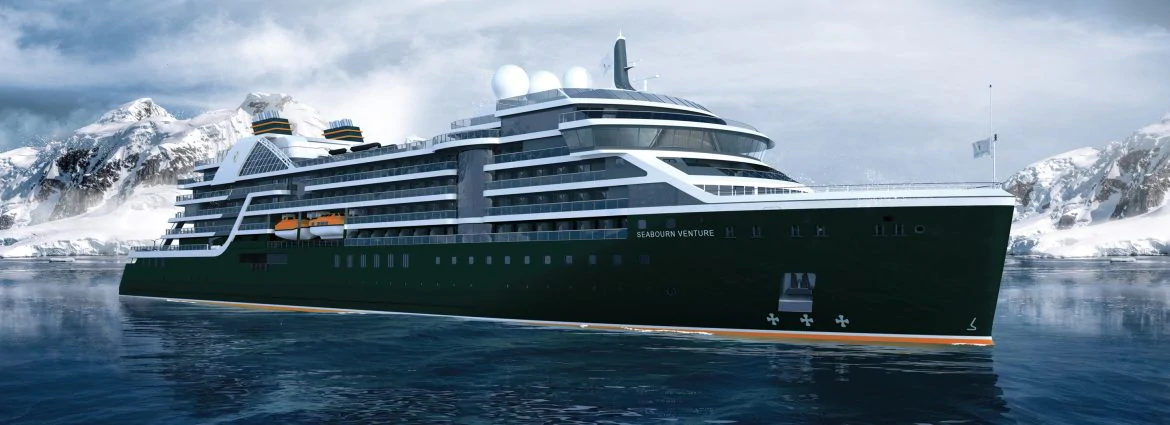
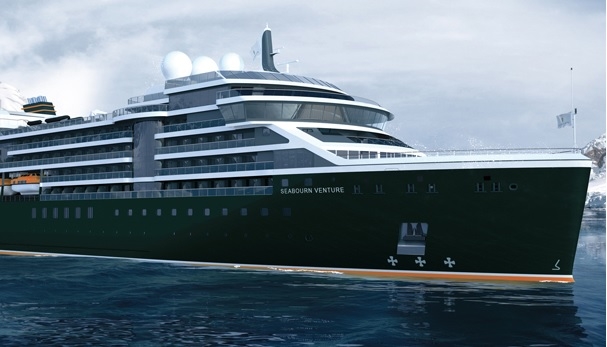




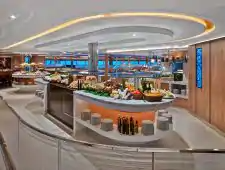
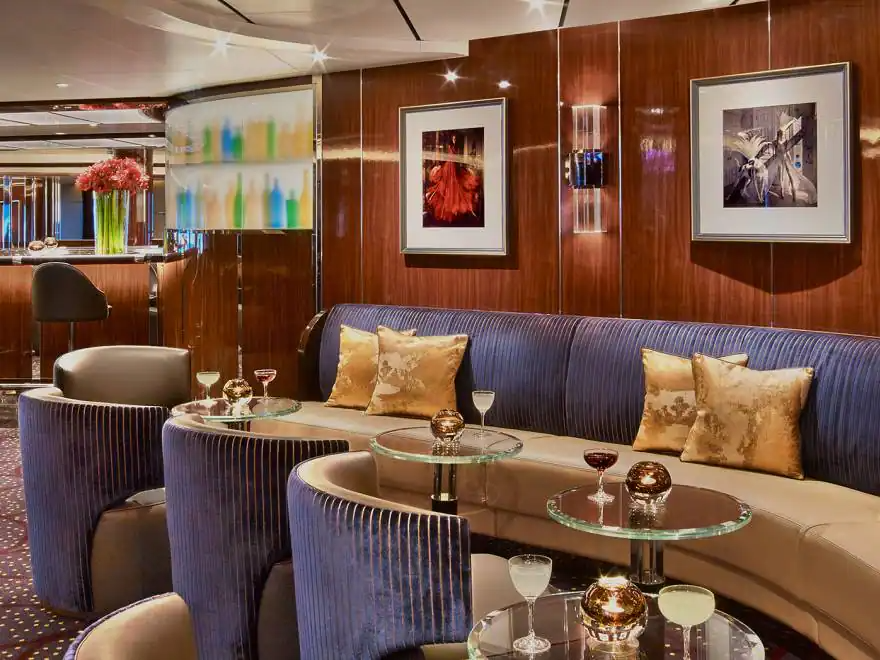
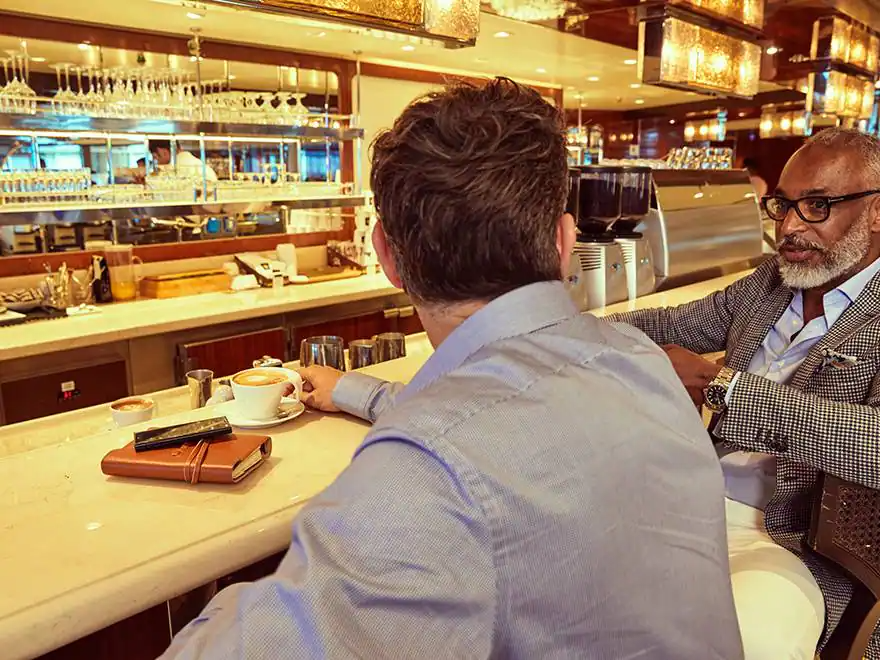
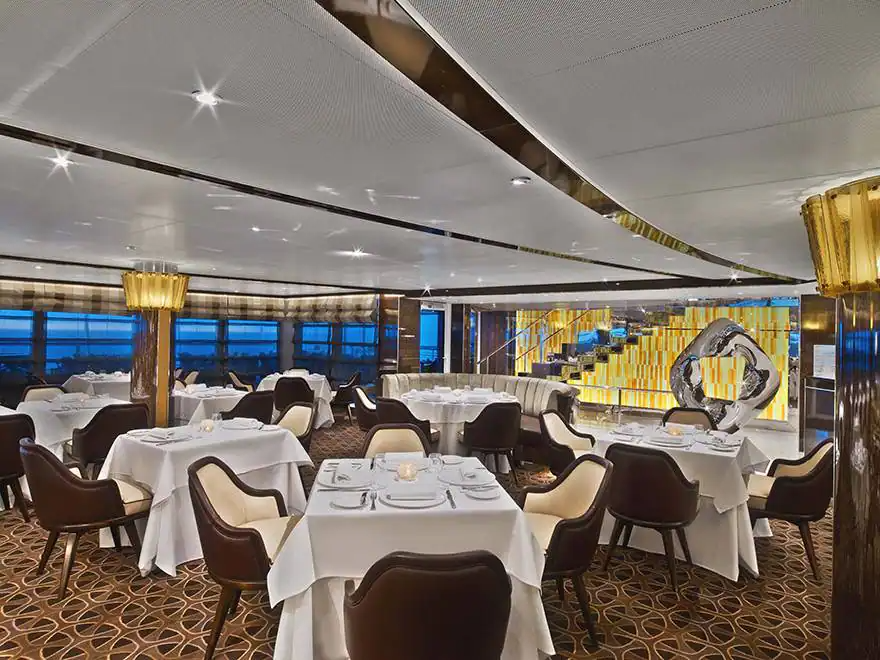
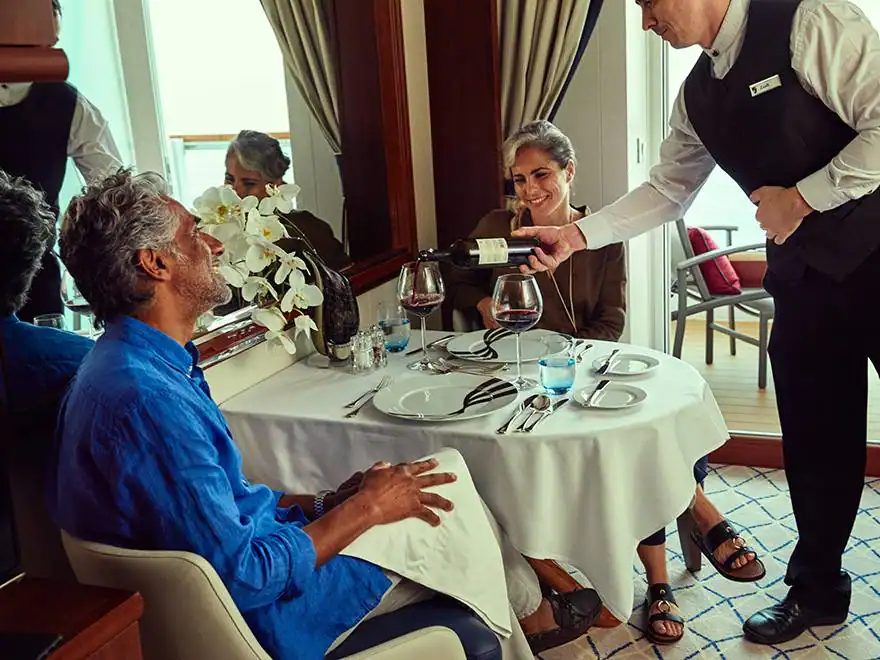
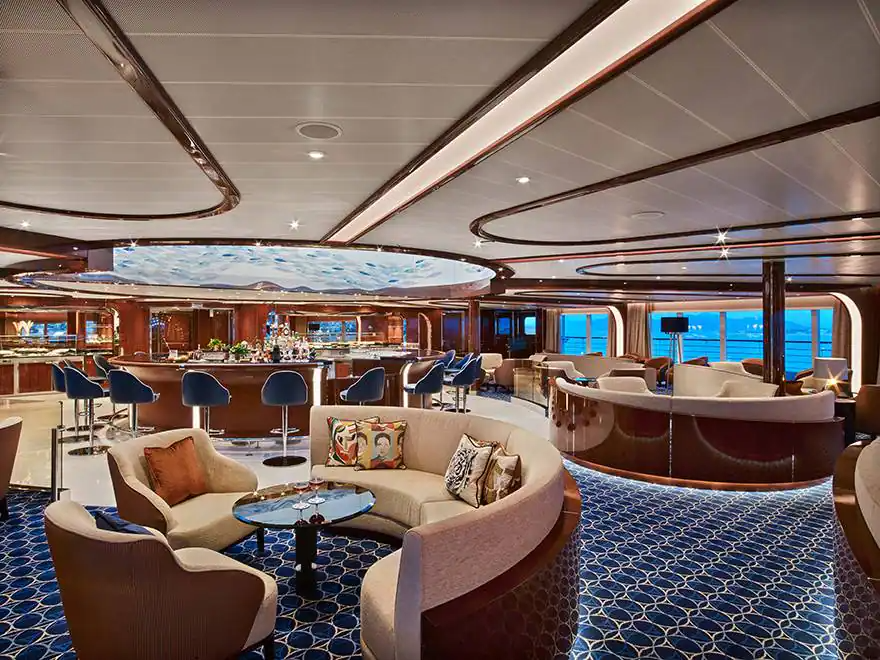
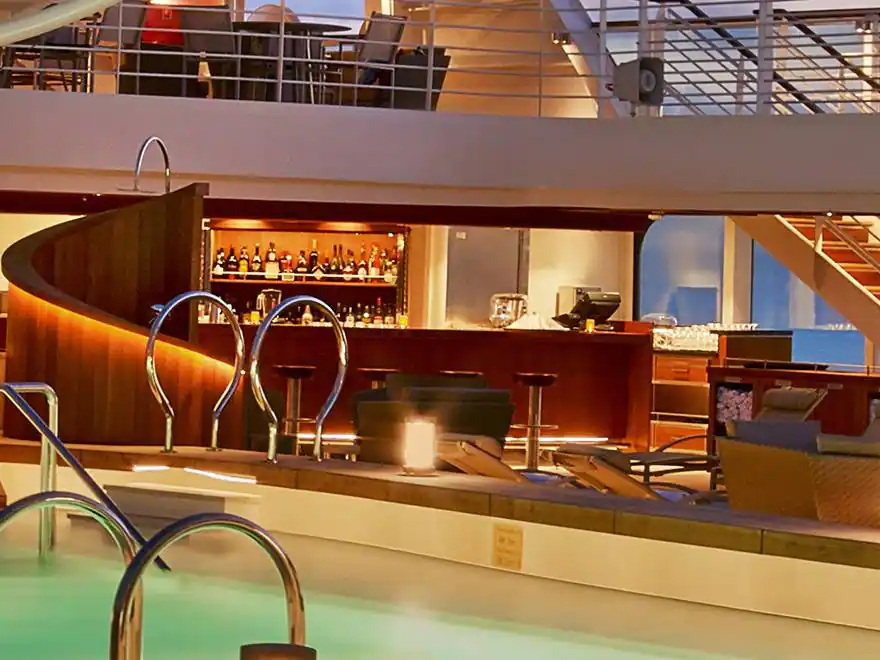
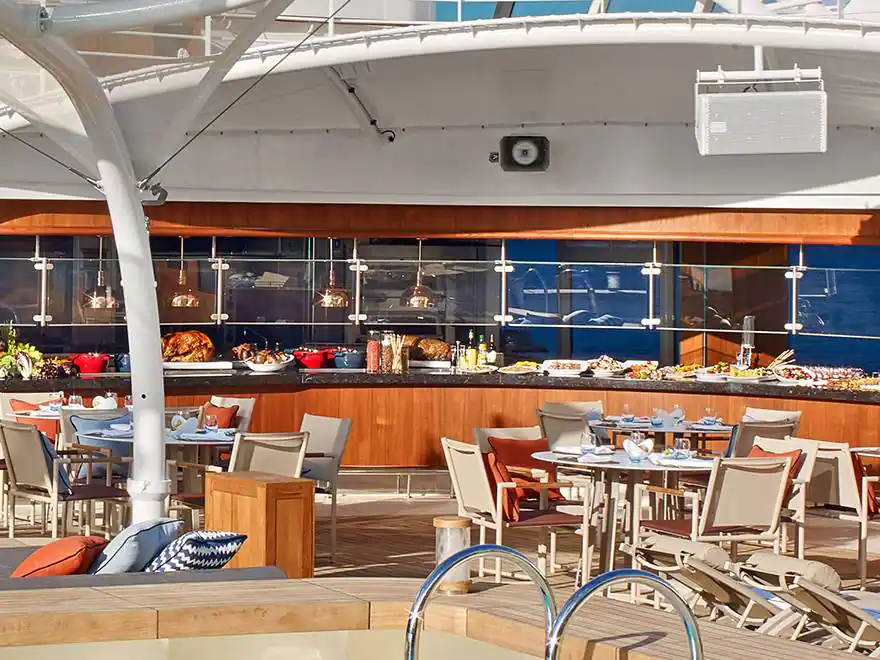

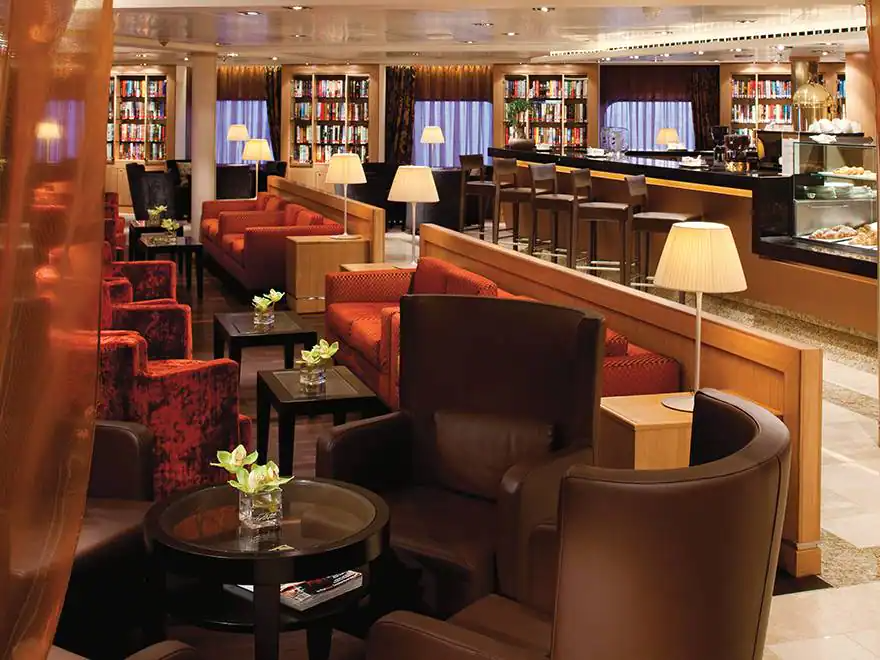
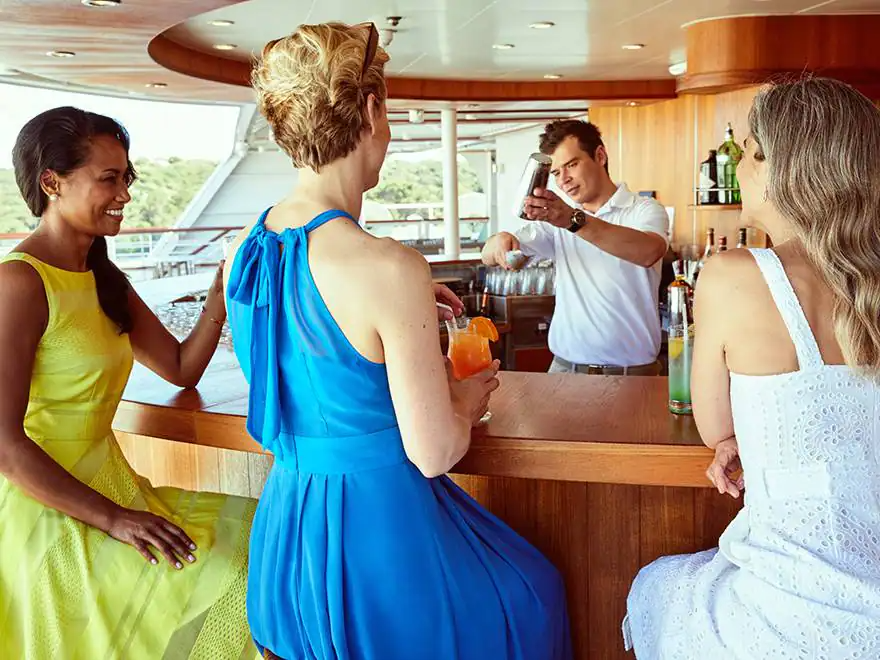
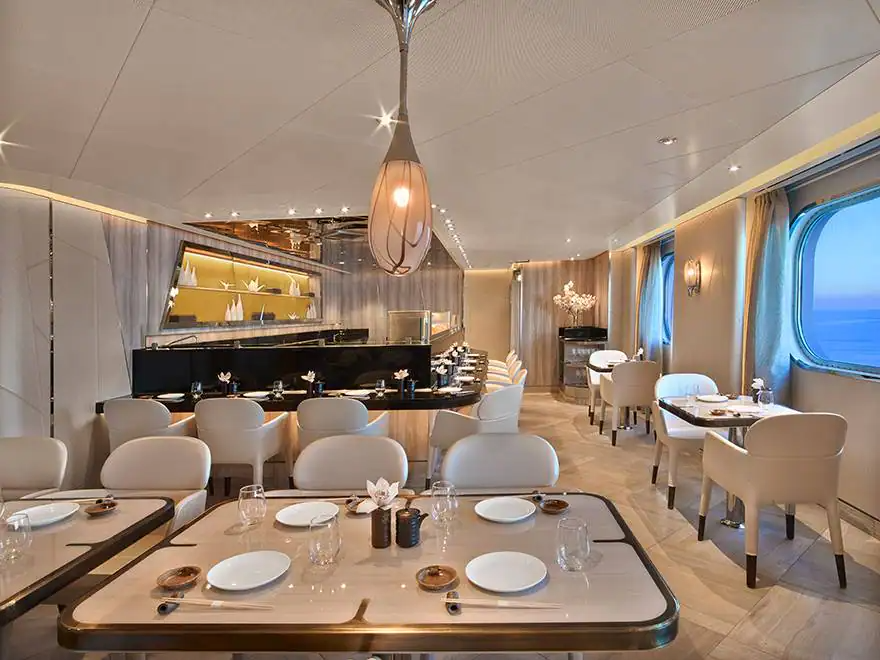
Seabourn’s ultra-luxury purpose-built expedition ship Seabourn Venture, paying tribute to the remote destinations visited by the brand’s highly successful expedition and Ventures by Seabourn excursion programs and the fascinating places yet to be explored in the future. Seabourn Venture is scheduled to launch in June 2021, with a second yet-to-be-named sister ship slated to launch in May 2022. Both ships will be designed and built for diverse environments to PC6 Polar Class standards and will include a plethora of modern hardware and technology that will extend the ships global deployment and capabilities. The new ships, which are being built by T. Mariotti, will be a brand new innovative design, created specifically for the ultra-luxury expedition traveler, and will include many features that have made Seabourn ships so successful. A new and exciting offering will be two custom-built submarines carried onboard, providing an unforgettable view of the world beneath the ocean’s surface. The ships will also be designed to carry a complement of double sea kayaks, mountain bikes and ebikes as well as 24 Zodiacs that can accommodate all onboard guests at once, which will allow for a truly immersive experience. Each ship will feature 132 all veranda, all ocean-front suites.
Hair Dryer
Personal Safe
Slippers
Air Conditioning
Bathroom
Flat Screen TV
Bar
The Verandah
Description
Seabourn’s ultra-luxury purpose-built expedition ship Seabourn Venture, paying tribute to the remote destinations visited by the brand’s highly successful expedition and Ventures by Seabourn excursion programs and the fascinating places yet to be explored in the future. Seabourn Venture is scheduled to launch in June 2021, with a second yet-to-be-named sister ship slated to launch in May 2022. Both ships will be designed and built for diverse environments to PC6 Polar Class standards and will include a plethora of modern hardware and technology that will extend the ships global deployment and capabilities. The new ships, which are being built by T. Mariotti, will be a brand new innovative design, created specifically for the ultra-luxury expedition traveler, and will include many features that have made Seabourn ships so successful. A new and exciting offering will be two custom-built submarines carried onboard, providing an unforgettable view of the world beneath the ocean’s surface. The ships will also be designed to carry a complement of double sea kayaks, mountain bikes and ebikes as well as 24 Zodiacs that can accommodate all onboard guests at once, which will allow for a truly immersive experience. Each ship will feature 132 all veranda, all ocean-front suites.
Other
Hair Dryer
Personal Safe
Slippers
Relaxation
Air Conditioning
Bathroom
Entertainment
Flat Screen TV
Food and Drink
Bar
The Verandah
STATEROOMS

suite
