
The Mediterranean & Northern Europe Featuring Bordeaux
- 15 Apr ‘28
- 26 nights
- Departing from Civitavecchia
- Silver Nova

-
Suite price fromCall for price
YOUR ITINERARY
Civitavecchia - Livorno (Tuscany) - Portofino, Italy - Cannes, France - Valencia, Spain - Alicante, Spain - Malaga, Spain - Gibraltar - Cadiz, Spain - Portimao, Portugal - Lisbon - Oporto (Leixoes), Portugal - Bordeaux, France - Bordeaux, France - Bordeaux, France - Saint Malo (Brittany) - Le Havre - Le Havre - Dover, UK - Zeebrugge, Belgium - Copenhagen, Denmark
All roads lead to Rome, and with good reason – this city i...
All roads lead to Rome, and with good reason – this city is one of the world’s most thrilling, offering unmatched history along every street. An evocative, inspiring and utterly artistic capital of unrivalled cultural impact, Rome is a city of back-to-back landmarks, which will take you on an exhilarating journey through the ages. This may be one of the world’s oldest cities, but it’s well and truly lived in. The ruins are punctuated with murmuring cafes, and the outdoor seating of restaurants sprawls out across piazzas, enticing you to sample tangles of creamy pasta and crispy pizzas. Rome’s incredible Roman Forum is littered with the ruins of its ancient administrations, which have stood firm for 2,000 years, since the times when the area was the centre of the Western world. Few sites are more simultaneously beautiful and haunting than that of the storied Colosseum, which looms deep into Rome’s rich blue sky. Take a tour to learn details of the grisly goings-on within. The best way to experience Rome is to wander its streets, gelato in hand. There is a lot to see here – whether it’s the domed spectacle of the Pantheon, or the elaborate flowing waters and artistry of the Trevi Fountain. Vatican City is an astonishing, colossal display of Catholic grandeur, while the Spanish Steps – crowned by the Trinità dei Monti church – offer a beautiful spot to gather and soak up the lively atmosphere of this humming city. With so much on the to-do list, you’ll relish the breaks you take, enjoying simple pleasures like a strong espresso, or fresh pasta with tomato sauce and ripped basil.
There are few more elegant places to salute the sunset...
There are few more elegant places to salute the sunset than Terrazza Mascagni, Livorno’s refined chessboard piazza. A historic port, and a beachy gateway to Tuscany, Livorno welcomes you ashore to explore this enchanted Italian region’s sun-soaked beauty, rich flavours and world-renowned fine art. Stay in Livorno to explore ‘Piccolo Venezia’, or ‘Little Venice’ – a quarter of the town that’s laced with canals, little marble bridges and plenty of tempting eateries. View less
With its bustling market, fortresses and iconic waterfront, there’s plenty to keep you busy here, but most will be tempted to venture inland to explore more of Tuscany’s many charms and artistic wonders. Test your nose, as you breathe in the subtleties of Tuscany’s vineyard-draped scenery, and visit wineries showcasing the best of the renowned flavours of the Bolgheri wine-growing area. Or head out to Prato, where you’ll find tightly-woven textile history. Pisa’s showpiece tower is within reach, as is Florence’s city of immense and imaginative renaissance beauty. Admire the delicate carving of Michelangelo’s masterpiece, the David statue, and note the provocative stance as he casts a dismissive glance towards Rome. Stand before the city’s majestic black and white cathedral – the Cathedral of Santa Maria del Fiore – with its colossal brick dome. The view down over Florence’s river and grand dome from Piazzale Michelangelo, meanwhile, is one of Italy’s finest. However you choose to spend your time in Tuscany, you’ll discover an artistic region, filled with beauty designed to appeal to every sense.
Bronzed and beautiful visitors enjoy the unique amb...
Bronzed and beautiful visitors enjoy the unique ambiance, chic boutiques and quaint cafés that overlook the small yacht harbor and line the narrow, cobbled streets. Others explore along the coastline, where tiny villages are tucked away in hidden coves.
Don’t miss out on practically everyone’s favorite pastime – people-watching while sitting in one of the outdoor cafés, sipping a campari or enjoying a cappuccino. The boutiques and designer shops are only a stone’s throw away, tempting prospective buyers with chic resort wear and Italian designer clothing (be aware that not all shops may be open on Sunday).
The city is centered on the old port, with a compact central ...
The city is centered on the old port, with a compact central part. Bordered by palm trees and flowers, La Croisette is one of the city’s hottest spots and the main promenade running alongside the narrow beach. The old town, Le Suquet, where Gallo-Roman tombs were discovered, provides a medieval feeling and magnificent views of the bay from atop its hill.
Valencia is Spain’s third largest city and cap...
Valencia is Spain’s third largest city and capital of the region. It was originally founded by the Romans on the banks of the river Turia in 138 BC. In 711 AD the Moors arrived and converted the area into a rich agricultural and industrial center, establishing ceramics, paper, silk and leather industries. Muslim rule was briefly interrupted in 1094 by the legendary Castillian knight, El Cid. Valencia boomed in the 15th and 16th centuries, becoming one of the strongest Mediterranean trading centers.
Valencia is a vibrant, friendly and chaotic city that boasts an outstanding fine arts museum and one of the most exciting nightlife scenes in Spain. The city center is about 3 miles inland from the coast. Plaza del Ayuntamiento marks the center of Valencia. Surrounded by flower stalls, it is also home to the town hall and the main post office. The cathedral was begun in the 13th century and finished in 1482. It has many architectural styles, including Gothic, Baroque and Romanesque. The octagonal bell-tower, called Miguelete, is one of the city’s landmarks. The small cathedral museum boasts a tabernacle made from 550 pounds of gold, silver, platinum, emeralds and sapphires. It also purports to be the home of the Holy Grail, the cup used by Christ at the Last Supper.
West of the cathedral is the oldest part of the city, known as El Carme. Situated across the river in the Jardines del Real is the Museo de Bellas Artes, the Fine Arts Museum. Works include those by El Greco, Goya and Velázquez.
The bustling resort of Alicante serves not only as the ...
The bustling resort of Alicante serves not only as the port for Madrid, but is also one of the loveliest vacation spots along Spain’s sunny Costa Blanca. The latter is primarily due to the pleasant climate.
Situated on Spain’s Costa del Sol, Malaga is ...
Situated on Spain’s Costa del Sol, Malaga is the region’s capital and a popular holiday destination. The city is known as the birthplace of Pablo Picasso and for the sweet Malaga dessert wines that come from the hilly vineyards just outside of town. Other points of interest include impressive Gothic architecture, the remains of a Moorish castle and several interesting museums. A pleasant town to explore, Malaga also serves as a popular starting point for trips to Granada and resorts along the Costa del Sol. Granada and the famed Alhambra are the region’s most outstanding attractions. Here, magnificent Moorish palaces and fortifications contrast sharply with Christian churches from Spain’s significant era of the 1492 Reconquest, in which King Ferdinand put an end to eight centuries of Moorish rule. Other worthwhile destinations from Malaga include such well-known resorts as Marbella and the white village of Mijas, located on the hillside above the coastal towns of Torremolinos and Fuengirola.
Gibraltar is the famous promontory located at the western ...
Gibraltar is the famous promontory located at the western entrance of the Mediterranean, with Spain to the north and, across the Straits, Morocco to the south. The Straits, a channel 36 miles long that connects the Atlantic with the Mediterranean, are 27 miles wide at the west end, 8 miles at their narrowest and 15 miles between Gibraltar and Almina Point near Ceuta. Africa is clearly visible on a fine day. Gibraltar’s airport is known for its unusual runway that bisects the two-mile-long narrow isthmus linking the colony geographically to mainland Spain.
More than a hundred watchtowers gaze out across th...
More than a hundred watchtowers gaze out across the waves surrounding this ancient Andalusian city. Sprinkled with evocative cobbled side streets, you’ll explore 3,000 years’ worth of history, while stumbling across palm-tree lined plazas of shaded coffee sippers. Cadiz claims the mantle of Western Europe’s oldest city, and every piece of architecture – and every wrong turn – offers a chance to discover fascinating new tales. Founded by the Phoenicians in 1100BC, Christopher Columbus used the city as a base for his exploratory, map-defining voyages of 1493 and 1502.
The port grew in importance and wealth as Cadiz’s strategic location close to Africa’s northern tip helped it blossom into a centre for New World trade. Catedral de Cádiz, is a display of the city’s wealth and importance, looming spectacularly over the Atlantic’s waves, with cawing seagulls sweeping between its twin bell towers. Inside, treasures from the city’s trading exploits in the West Indies and beyond – which helped fuel the growth of this historically prosperous city – are on display. Enveloped by ocean on almost every side, Cadiz has something of an island feel, and you can cool off from southern Spain’s unrelenting sunshine on the sweeping golden sand beach of Playa Victoria. The two towers of the new El Puente de la Constitución de 1812 mark a contemporary landmark in this most ancient of cities, in the form of a spectacular new road bridge. Torre Tavira, meanwhile, is the most famous of Cadiz’s army of watchtowers, and the highest point in the city. Reach the top for a view of the ocean fringing the city’s expanse, and to learn about the towers – constructed so trading merchants could survey the harbour from their lavish homes. The Central Market is a chaotic place of bartering, where flashing knives dissect fresh fish. Stop in at the orbiting bars to enjoy tapas, freshly prepared with the market’s produce.
Located on the estuary of the Arade River, Portimao has mad...
Located on the estuary of the Arade River, Portimao has made its living from fishing since pre-Romans times. Today a sprawling port and a major sardine-canning centre, the town is also a base for the construction industries generated by the tourist boom.
Although summer is the busiest time of the year, the mild climate of the Algarve and many sunny winter days attract multinational tourists in all seasons, coming here to visit historical sites, playing golf, strolling along the river boulevard or exploring the many shopping opportunities. Stunning rock formations and warm seawaters make the beaches particularly alluring. The most beautiful on the entire coast is Praia da Rocha, the first one of several Algarve resort developments. Its wide expanse of sand is framed by jagged sea cliffs and the walls of an old fort that once protected the mouth of the Arade River.
From Portimao, explorations can be made along the coast all the way to Cape St. Vincent, Europe’s most westerly point, and inland to Lagos and Silves, once the residence and capital of the Moorish kings.
Lisbon, the capital of Portugal, is a city open to the sea...
Lisbon, the capital of Portugal, is a city open to the sea and carefully planned with 18th-century elegance. Its founder is said to be the legendary Ulysses, but the theory of an original Phoenician settlement is probably more realistic. Known in Portugal as Lisboa, the city was inhabited by the Romans, Visigoths and, beginning in the 8th century, the Moors. Much of the 16th century was a period of great prosperity and overseas expansion for Portugal. Tragedy struck on All Saints’ Day in 1755 with a devastating earthquake that killed about 40,000 people. The destruction of Lisbon shocked the continent. As a result, the Baixa (lower city) emerged in a single phase of building, carried out in less than a decade by the royal minister, the Marques de Pombal. His carefully planned layout of a perfect neo-classical grid survived to this day and remains the heart of the city. Evidence of pre-quake Lisbon can still be seen in the Belém suburb and the old Moorish section of the Alfama that sprawls below the Castle of St. George.
Lisbon is a compact city on the banks of the Tagus River. Visitors find it easy to get around as many places of interest are in the vicinity of the central downtown area. There is a convenient bus and tram system and taxis are plentiful. Rossio Square, the heart of Lisbon since medieval times, is an ideal place to start exploring. After a fire destroyed parts of the historic neighborhood behind Rossio in 1988, many of the restored buildings emerged with modern interiors behind the original façades.
The city boasts a good many monuments and museums, such as the Jeronimos Monastery, Tower of Belém, the Royal Coach Museum and the Gulbenkian Museum. High above the Baixa is the Bairro Alto (upper city) with its teeming nightlife. The easiest way to connect between the two areas is via the public elevator designed by Gustave Eiffel.
Cruising up the Tagus River to the ship’s berth, you can already spot three of Lisbon’s famous landmarks: the Monument to the Discoveries, the Tower of Belém and the Statue of Christ, which welcomes visitors from its hilltop location high above Europe’s longest suspension bridge.
Lively, commercial Oporto is the second largest city in Portugal...
Lively, commercial Oporto is the second largest city in Portugal after Lisbon. Also called Porto for short, the word easily brings to mind the city’s most famous product – port wine.
Oporto’s strategic location on the north bank of the Douro River has accounted for the town’s importance since ancient times. The Romans built a fort here where their trading route crossed the Douro, and the Moors brought their own culture to the area. Oporto profited from provisioning crusaders en route to the Holy Land and enjoyed the riches from Portuguese maritime discoveries during the 15th and 16th centuries.
The name alone conjures images of sun-ripened grape...
The name alone conjures images of sun-ripened grapes, splashes of refined flavour, and the joy of clinking glasses. Bordeaux is synonymous with quality and prestige, and the promise of endless opportunities to sample the city’s famous, full-bodied red wines makes a visit to this elegant French port city one to truly savour. Sprinkled with scenic, turret-adorned mansion castles, which stand above soil softened by the Atlantic and winding flow of the Garonne River, the vineyards of Bordeaux consistently produce revered wines, enjoyed right across the globe.
Explore France’s largest wine region, walking through vineyards where dusty clumps of grapes hang, before descending into cellars to see the painstaking processes that make this region a global wine centre. The acclaimed, sensory experience of Cité du Vin wine museum lets you put your own nose to the test, learning more about the craft involved in producing world class vintages. Brush up on your wine knowledge, with our blog [insert You’ll Fall in Love with Wine in Bordeaux]. Bordeaux itself is an intoxicating blend of old and new – a fact perfectly illustrated by the Water Mirror. This living art installation has reinvigorated one of the city’s most important historical sites, and it feels as though you’re walking on water, as you step through the cooling mist of Place De La Bourse. The moisture generates a glorious mirrored composition of the 300-year-old elegant palatial architecture in front of you. Water also flows freely from the magnificent Monument aux Girondins statue, where horses rear up to extol the values of the Girondin revolutionaries. Marche des Quais – the city’s lively fish market – is the spot to try this wine capital’s freshest lemon-drizzled oysters and juicy prawns.
The name alone conjures images of sun-ripened grapes, splashe...
The name alone conjures images of sun-ripened grapes, splashes of refined flavour, and the joy of clinking glasses. Bordeaux is synonymous with quality and prestige, and the promise of endless opportunities to sample the city’s famous, full-bodied red wines makes a visit to this elegant French port city one to truly savour. Sprinkled with scenic, turret-adorned mansion castles, which stand above soil softened by the Atlantic and winding flow of the Garonne River, the vineyards of Bordeaux consistently produce revered wines, enjoyed right across the globe.
Explore France’s largest wine region, walking through vineyards where dusty clumps of grapes hang, before descending into cellars to see the painstaking processes that make this region a global wine centre. The acclaimed, sensory experience of Cité du Vin wine museum lets you put your own nose to the test, learning more about the craft involved in producing world class vintages. Brush up on your wine knowledge, with our blog [insert You’ll Fall in Love with Wine in Bordeaux]. Bordeaux itself is an intoxicating blend of old and new – a fact perfectly illustrated by the Water Mirror. This living art installation has reinvigorated one of the city’s most important historical sites, and it feels as though you’re walking on water, as you step through the cooling mist of Place De La Bourse. The moisture generates a glorious mirrored composition of the 300-year-old elegant palatial architecture in front of you. Water also flows freely from the magnificent Monument aux Girondins statue, where horses rear up to extol the values of the Girondin revolutionaries. Marche des Quais – the city’s lively fish market – is the spot to try this wine capital’s freshest lemon-drizzled oysters and juicy prawns.
The name alone conjures images of sun-ripened grapes, splashe...
The name alone conjures images of sun-ripened grapes, splashes of refined flavour, and the joy of clinking glasses. Bordeaux is synonymous with quality and prestige, and the promise of endless opportunities to sample the city’s famous, full-bodied red wines makes a visit to this elegant French port city one to truly savour. Sprinkled with scenic, turret-adorned mansion castles, which stand above soil softened by the Atlantic and winding flow of the Garonne River, the vineyards of Bordeaux consistently produce revered wines, enjoyed right across the globe.
Explore France’s largest wine region, walking through vineyards where dusty clumps of grapes hang, before descending into cellars to see the painstaking processes that make this region a global wine centre. The acclaimed, sensory experience of Cité du Vin wine museum lets you put your own nose to the test, learning more about the craft involved in producing world class vintages. Brush up on your wine knowledge, with our blog [insert You’ll Fall in Love with Wine in Bordeaux]. Bordeaux itself is an intoxicating blend of old and new – a fact perfectly illustrated by the Water Mirror. This living art installation has reinvigorated one of the city’s most important historical sites, and it feels as though you’re walking on water, as you step through the cooling mist of Place De La Bourse. The moisture generates a glorious mirrored composition of the 300-year-old elegant palatial architecture in front of you. Water also flows freely from the magnificent Monument aux Girondins statue, where horses rear up to extol the values of the Girondin revolutionaries. Marche des Quais – the city’s lively fish market – is the spot to try this wine capital’s freshest lemon-drizzled oysters and juicy prawns.
Ship sails flutter in the breeze, at the natural port of ...
Ship sails flutter in the breeze, at the natural port of Saint-Malo – a historic and resilient walled city, which watches out over golden sands and island fortresses. Strung tenuously to the mainland, Saint Malo was the historic home of a rowdy mix of skilled sailors and new world explorers – as well as the plunderers who earned the place its ‘Pirate City’ title. Some of history’s great voyages have launched from here – including Jacques Cartier’s, which led to the settlement of New France and modern-day Quebec. View less
Founded by a Welsh monk, who made his way here in the 6th century, Saint Malo’s castle is forged from sheer granite, and its steep defensive ramparts arise defiantly. The atmospheric walled town turns its back to the mainland and gazes out longingly into the sea. Explore streets that breathe with maritime tales and medieval charm – restored from the intense damage sustained during the Second World War. Cathédrale de St Malo rises above the tight paths, offering views of the peppered islands and fortifications. Boatloads of fresh oysters and scallops are heaved ashore – savour them or grab savoury crepes galettes, stuffed with cheese and ham. Wash Saint Malo’s foods down with a Brittany cider, which challenges wine as the indulgence of choice in these parts. A highly tidal region, the pocket-sized islands of Petit Bé and Grand Bé join the mainland, and you can explore at leisure as the tide recedes. The incredible island of Mont Saint Michel also looms in the estuary of the Couesnon River nearby, hovering like a cinematic mirage above high tide’s waters. Elsewhere, Cap Fréhel’s lush green peninsula juts out from the emerald coast towards Jersey, tempting with rich coastal hiking trails.
Le Havre, founded by King Francis I of France in 1517, is l...
Le Havre, founded by King Francis I of France in 1517, is located inUpper Normandy on the north bank of the mouth of the River Seine, which isconsidered the most frequented waterway in the world. Its port is ranked thesecond largest in France. The city was originally built on marshland andmudflats that were drained in the 1500’s. During WWII most of Le Havre wasdestroyed by Allied bombing raids. Post war rebuilding of the city followed thedevelopment plans of the well-known Belgian architect Auguste Perre.
Le Havre, founded by King Francis I of France in 1517, ...
Le Havre, founded by King Francis I of France in 1517, is located inUpper Normandy on the north bank of the mouth of the River Seine, which isconsidered the most frequented waterway in the world. Its port is ranked thesecond largest in France. The city was originally built on marshland andmudflats that were drained in the 1500’s. During WWII most of Le Havre wasdestroyed by Allied bombing raids. Post war rebuilding of the city followed thedevelopment plans of the well-known Belgian architect Auguste Perre.
Dover is a coastal town in England’s southeastern c...
Dover is a coastal town in England’s southeastern county of Kent. It’s a major port for ferries to Calais, in France. Built to repel invasions from across the English Channel, medieval Dover Castle overlooks the town and houses the extensive Secret Wartime Tunnels. The iconic White Cliffs of Dover are symbolic safeguards at Britain’s closest point to continental Europe.
The ultimate fairytale city, Bruges is a snowglobe medieval town...
The ultimate fairytale city, Bruges is a snowglobe medieval town brought to life and lovingly preserved. The medieval majesty rises just inland from Zeebruge’s busy port and sandy beaches, and the two are linked by the short stretch of the Baudouin Canal. Arrive in Bruges to discover a dreamlike place where time has stood still. Explore the Unesco World Heritage Site centre to wander at leisure among some of the world’s most atmospheric streets. View less
Laced with pretty canals, winding paths of cobbled stones, and glorious squares surrounded by soaring church spires, Bruges is an irresistible journey back through time. A city for the seasons, see the towering cups of tulips glowing, or snowy layers adding a cosy blanket during winter. The climb is not to be underestimated, but there are few better places to start a visit to Bruges than the ascent up to the 83-metre lookout of the Belfry of Bruges, which rockets up from the city’s primary market square. Discover the city’s pretty canals, and admire the colour-splashed facades – tangled with ivy – that line up appealingly on their banks. With plenty of museums and galleries among the incredible architecture, Bruges is a city that effortlessly lives up to its heavy hyping, and there are countless cultural attractions to immerse yourself in. Indulge a sweet tooth at the chocolate museum – or sample the wares of countless artisan chocolate shops – to leave this Zeebrugge’s port with the most satisfying of tastes lingering.
Effortlessly cool and down to earth, Copenhagen is...
Effortlessly cool and down to earth, Copenhagen is a contemporary, clean and classy highlight of Scandinavia. A city built to be liveable, Copenhagen has refused to compromise, resulting in a forward-thinking metropolis that’s green and clean. Swim in the waters of Havnebadet Islands during summer, or shelter from winter’s bite by snuggling in beside a roaring open fire during winter. You can even hop on a train to Sweden, traversing the famous span of a Nordic Noir star – the Öresund Bridge.
It takes just a touch over half an hour to step off the train in Malmö. There’s only one way to truly explore Copenhagen and that’s on two wheels. Easy bike hire schemes will get you moving across this flat city, designed with bikes at the forefront of the mind. Choose a model with electronic assistance to take the strain out of any journey, giving you the freedom to whizz around and explore the modern angular architecture of the centre, and the pastoral colours of Nyhavn waterfront. Head out to the Little Mermaid statue, inspired by Hans Christian Andersen’s fairy tale – the strikingly-restrained statue is the perfect landmark for Copenhagen; unshowy, self-assured and utterly irresistible. The Danish concept of hygge is very much alive here, and you’ll feel that warm cosy feeling as you visit cafes illuminated by the warm glow of hanging filament bulbs, and stuffed to the brim with thick, dusty books. Home to mega-brewer Carlsberg, Copenhagen is also a city for hop enthusiasts, and there is a thriving craft brewing scene to sample. Danish Smørrebrød sandwiches are a must try, or for something a little more substantial, settle in for a culinary voyage and try a taster menu – the city’s restaurants are littered with Michelin stars.
YOUR SHIP - The Silver Nova
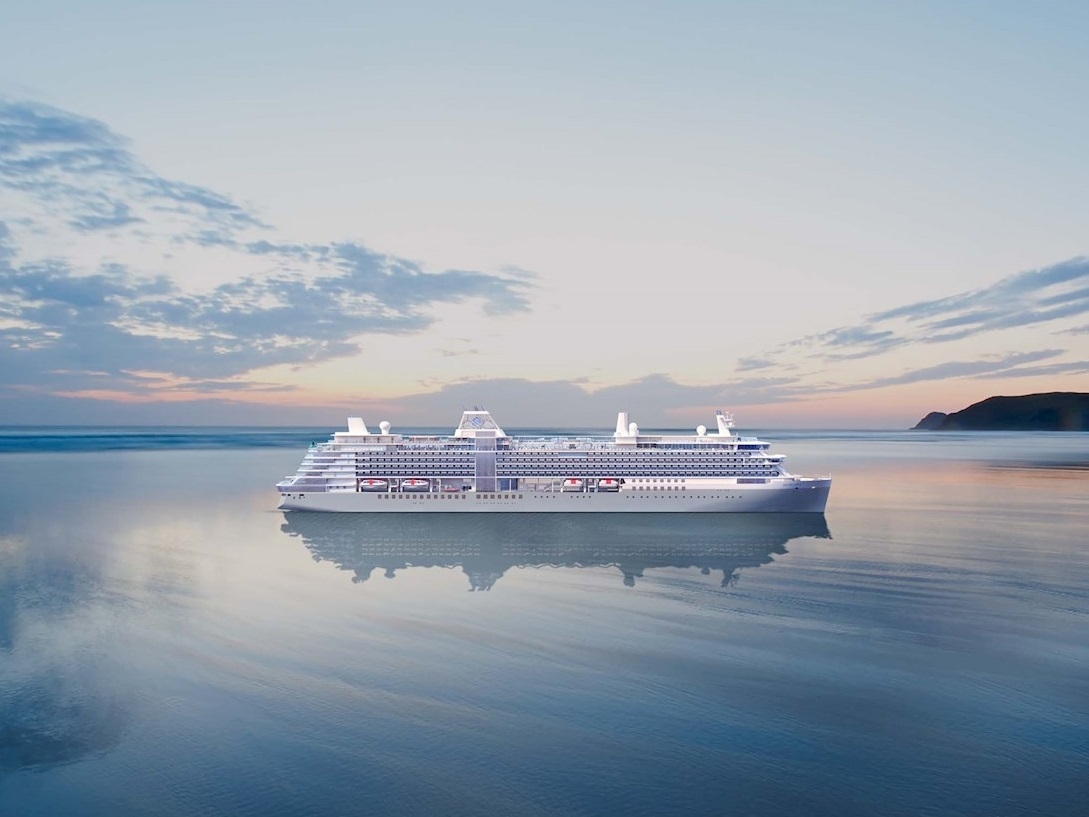
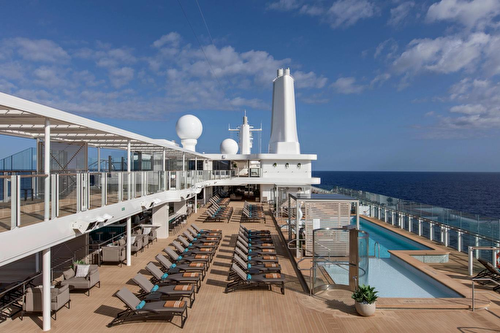
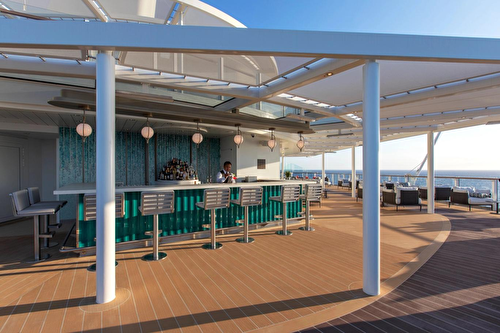
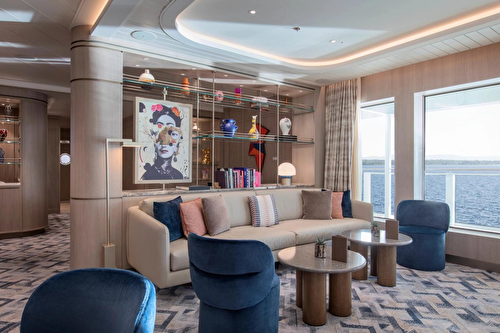
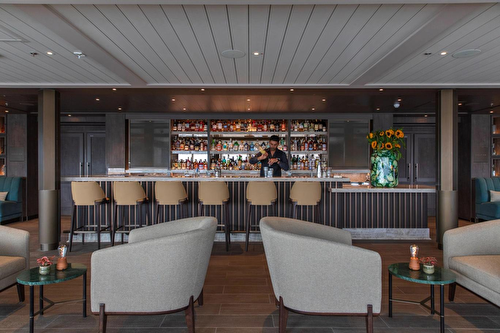
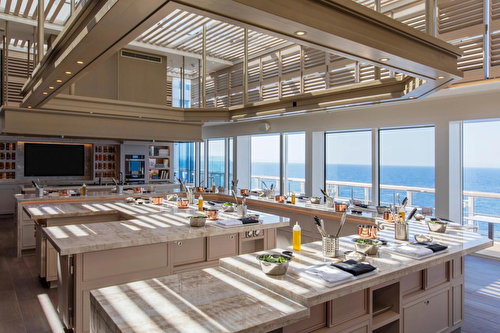
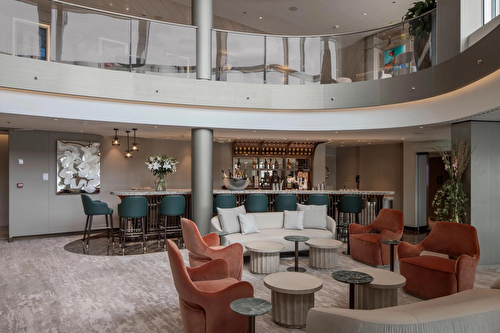
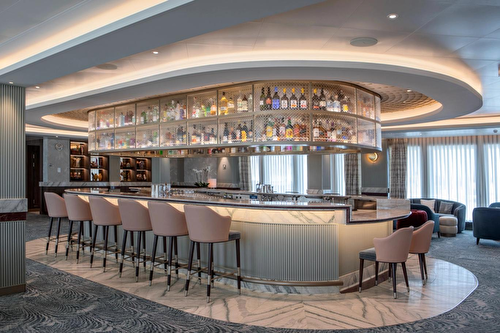
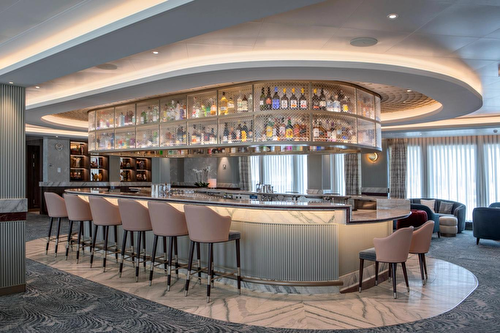
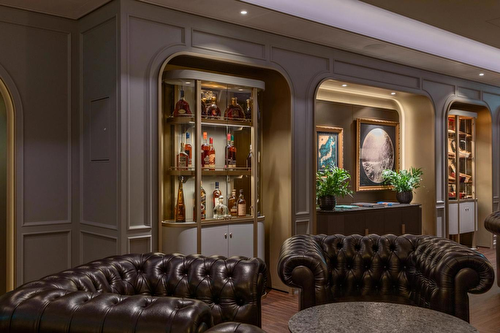
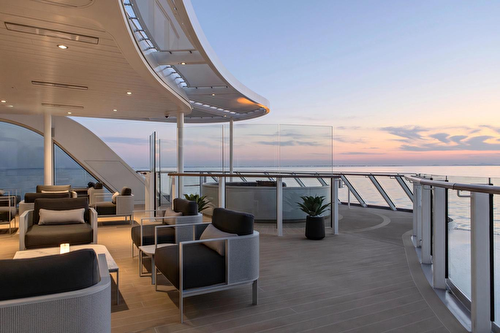
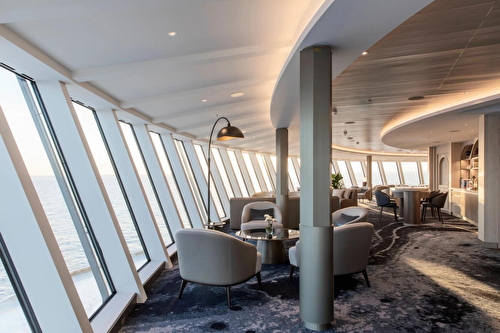
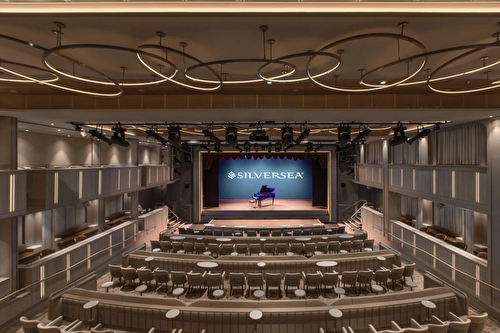
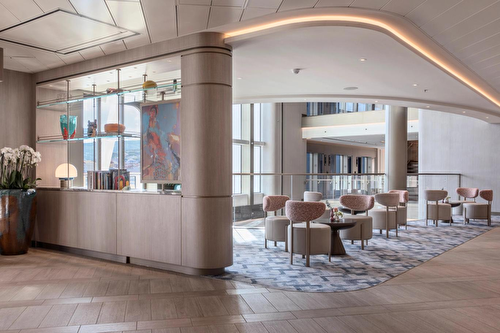
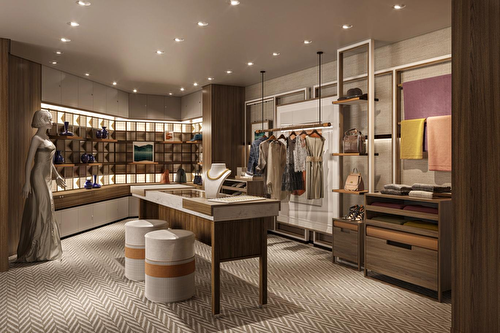
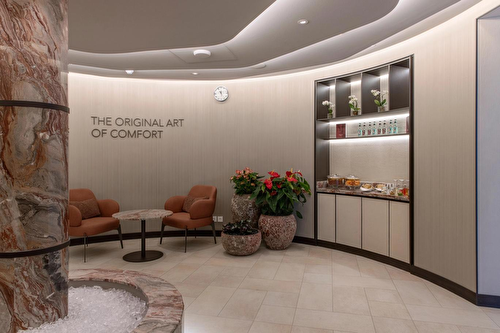
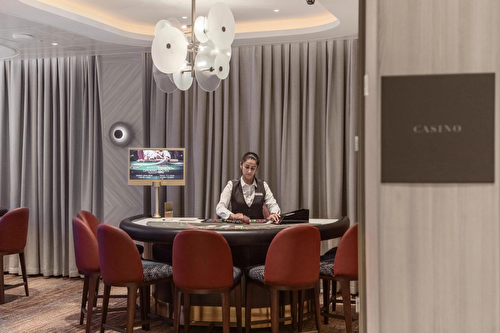
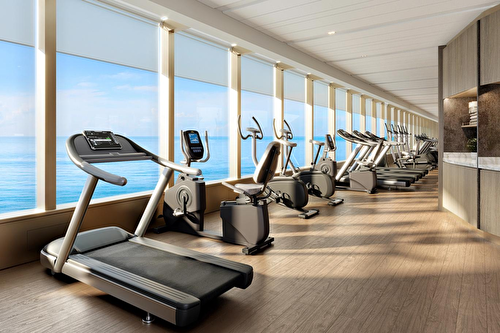
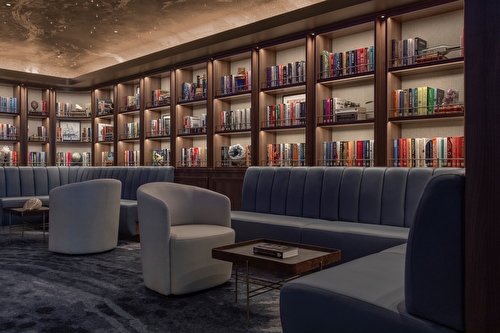
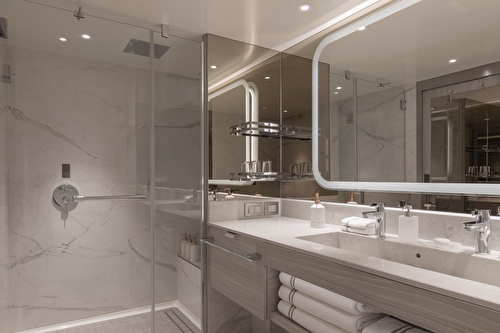
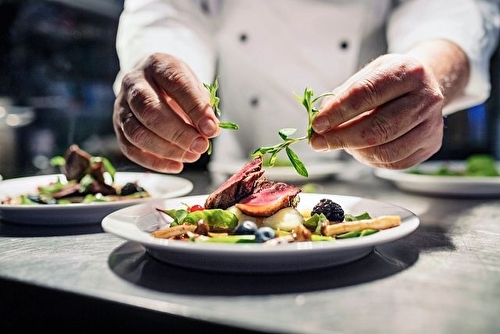
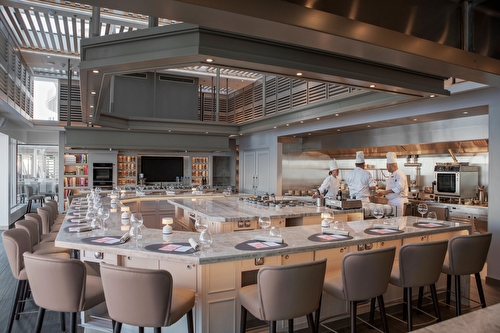
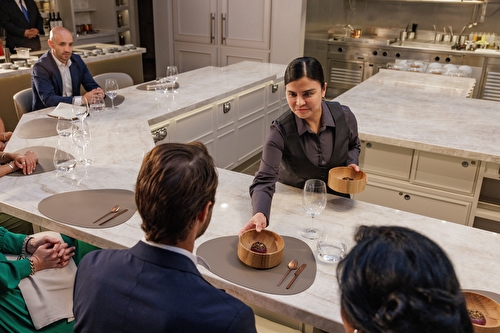

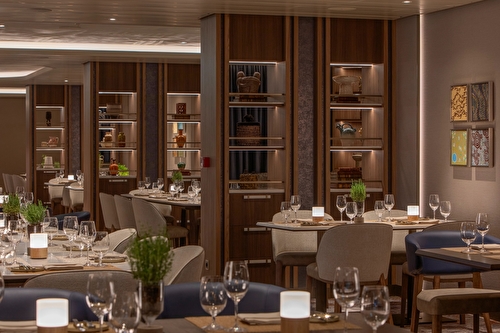
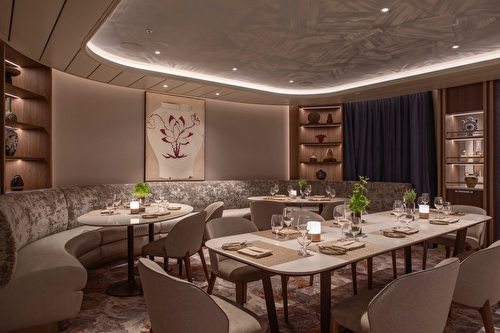
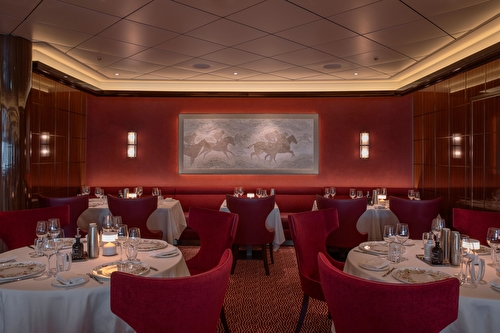
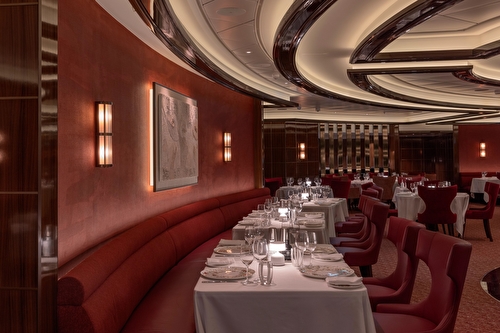
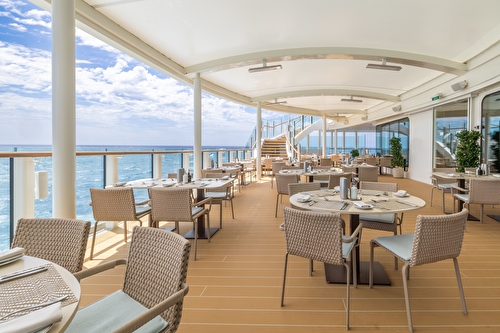
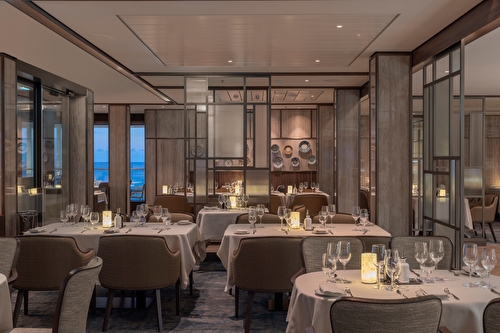
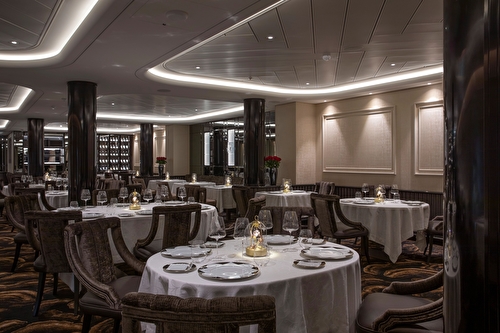
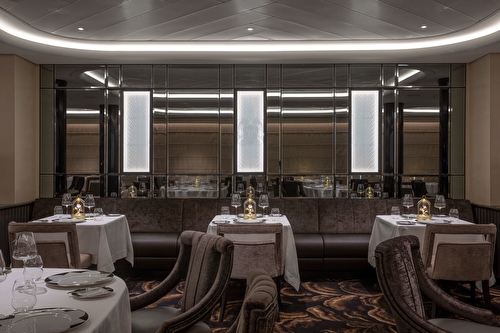
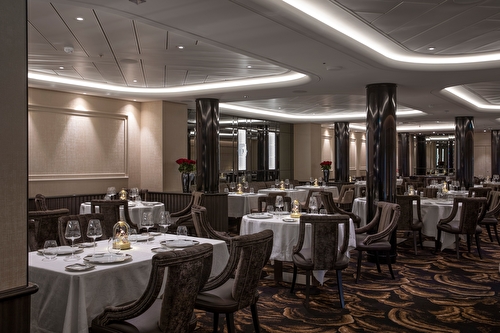
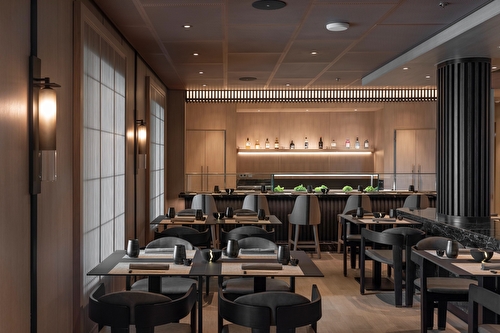
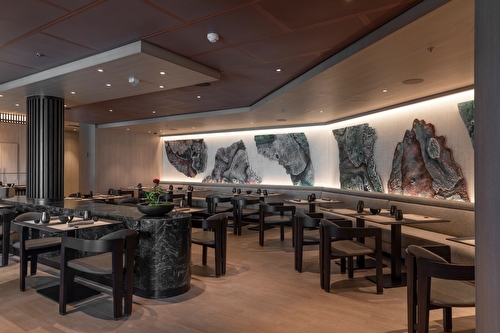
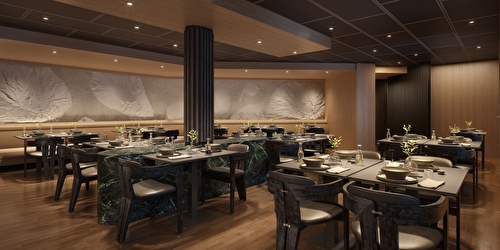
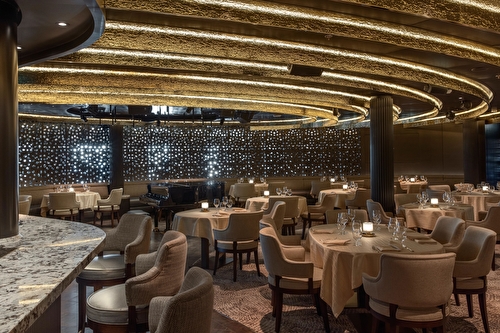
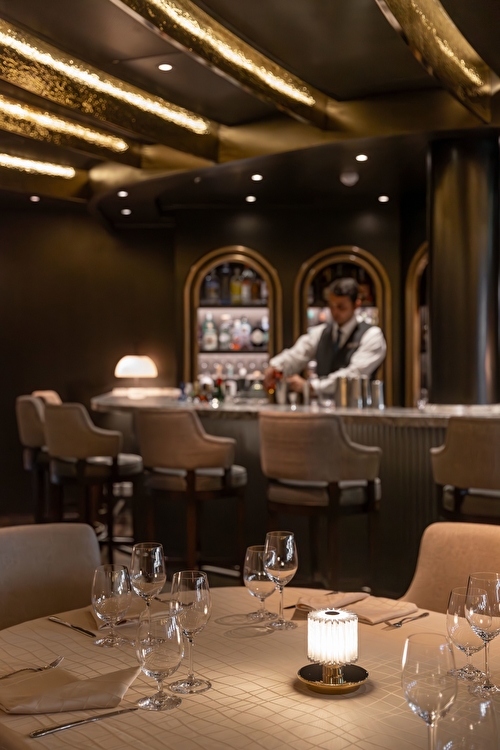
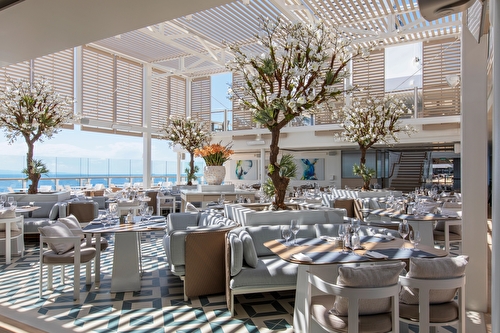
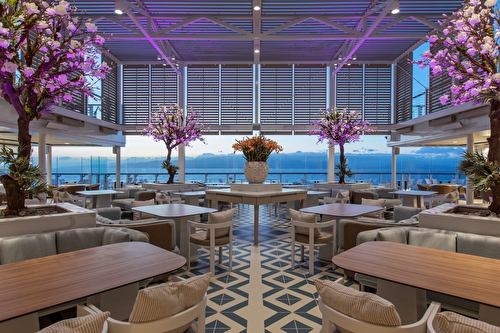
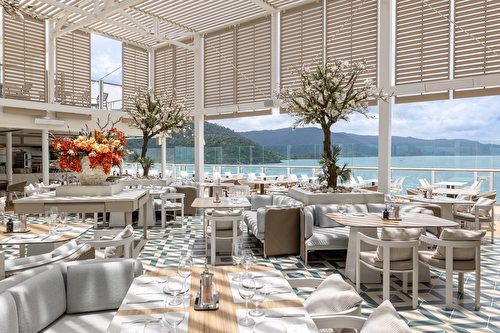
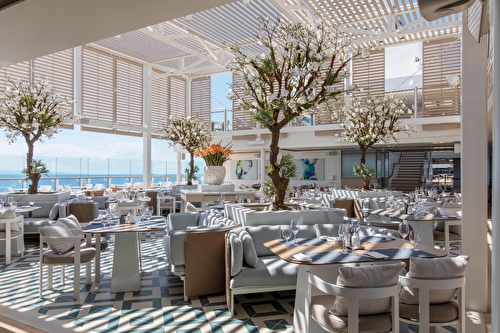
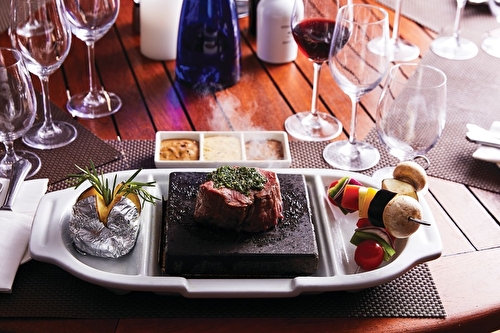
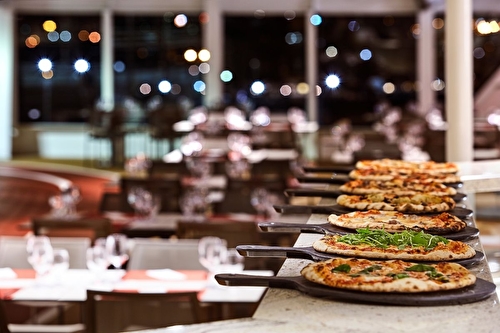
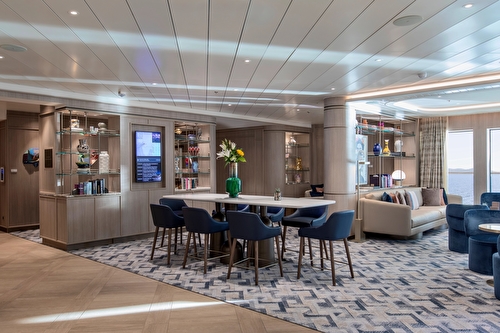
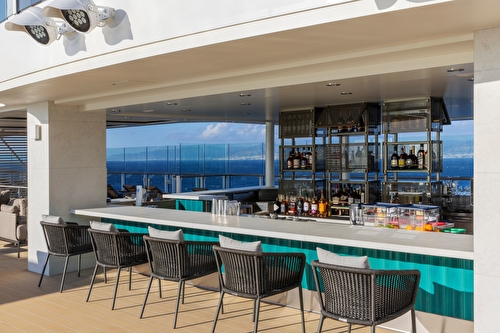
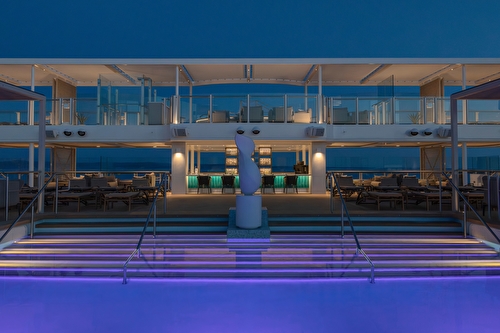
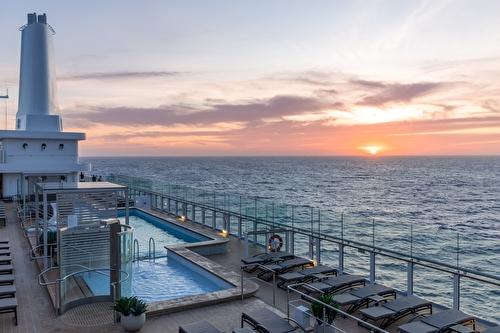
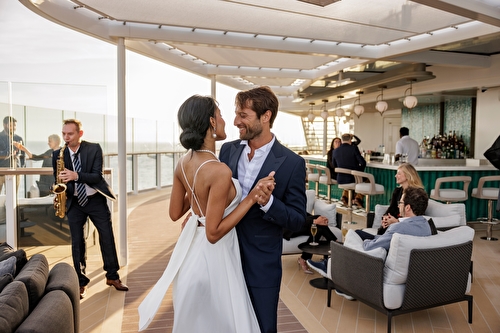
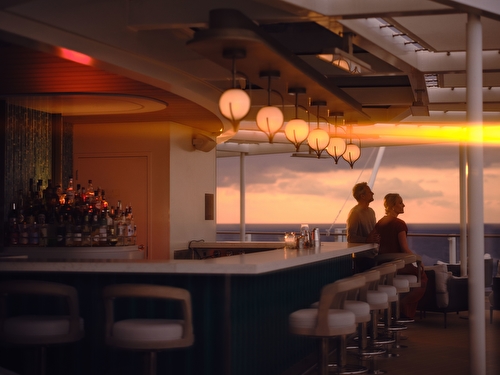
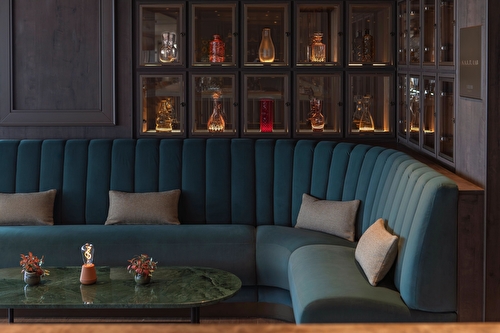
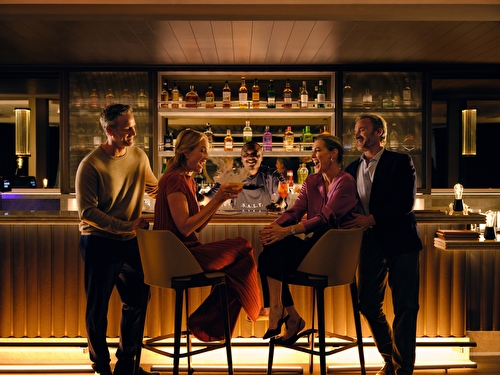
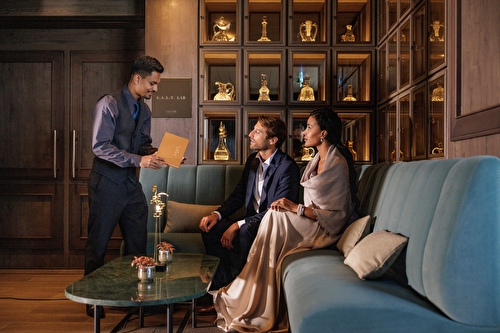
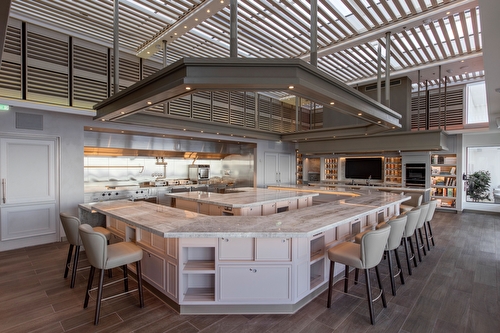

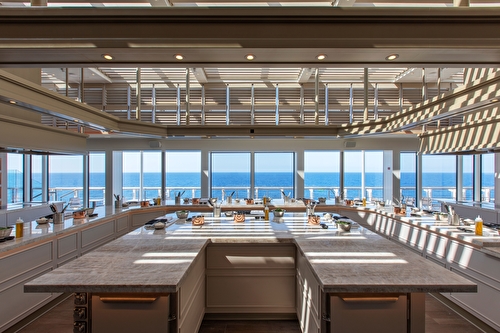
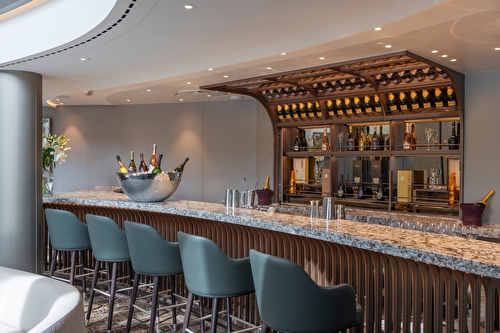
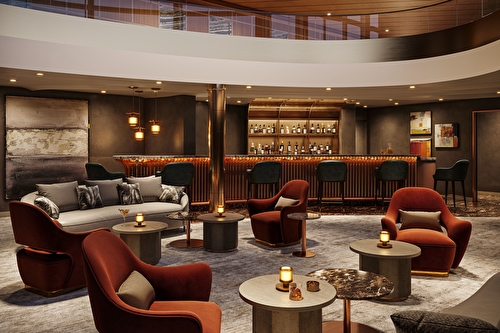
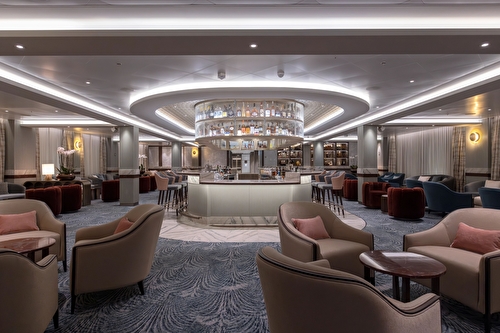
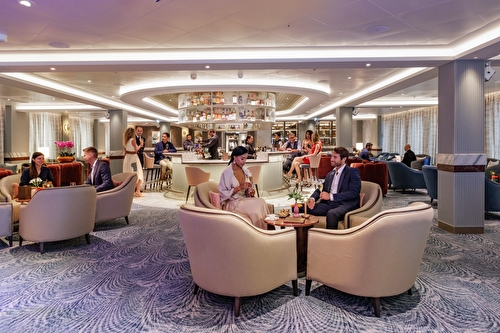
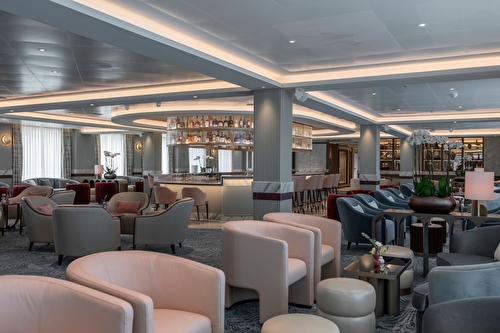
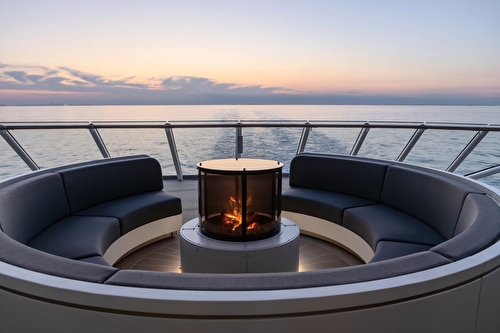
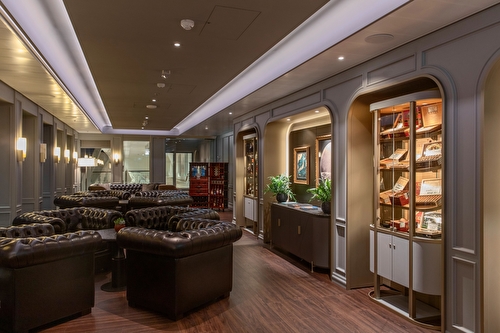
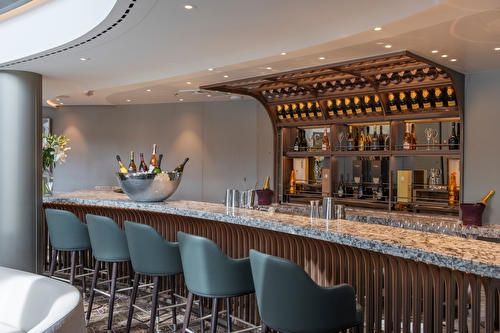
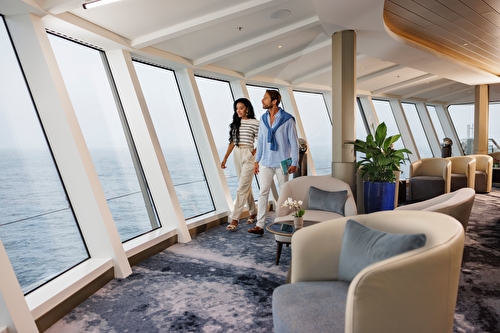
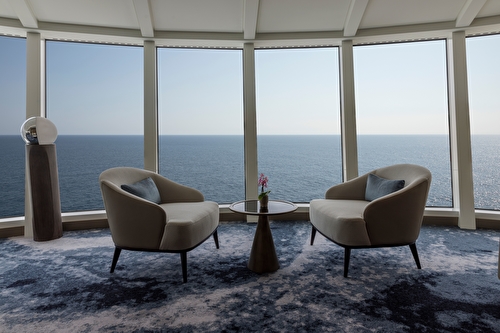
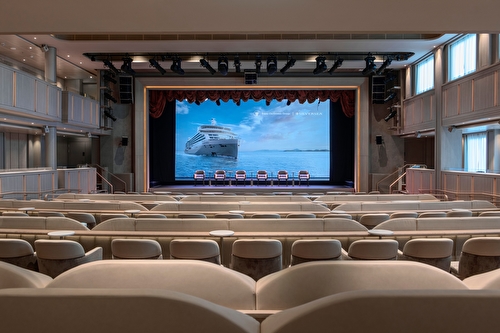
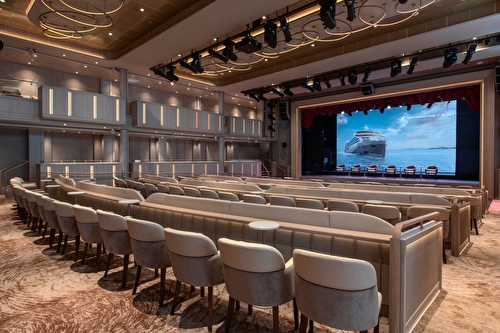
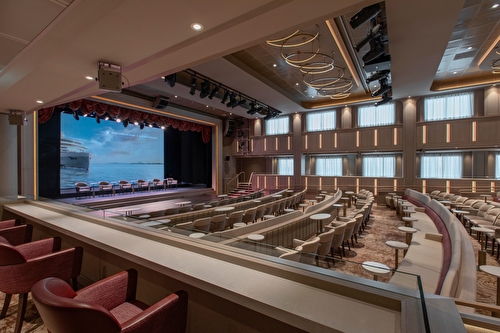
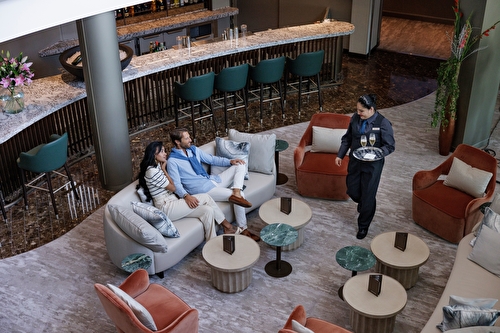
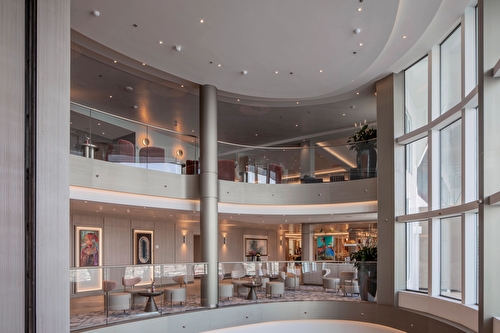
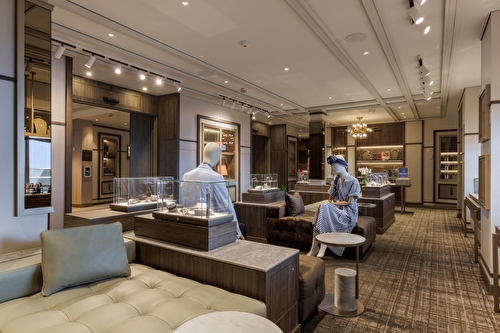
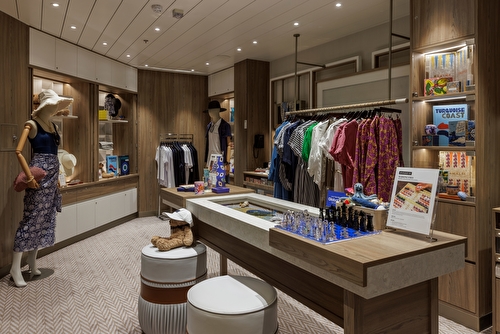
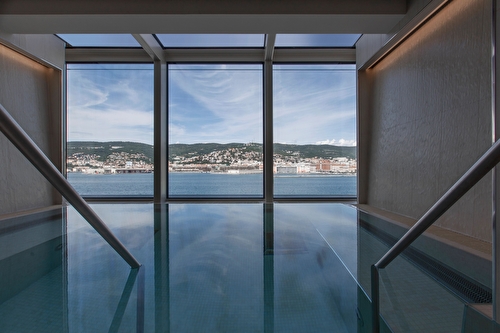
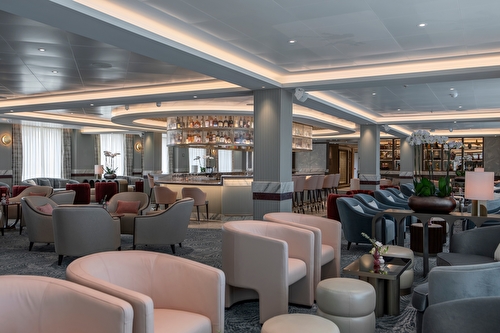
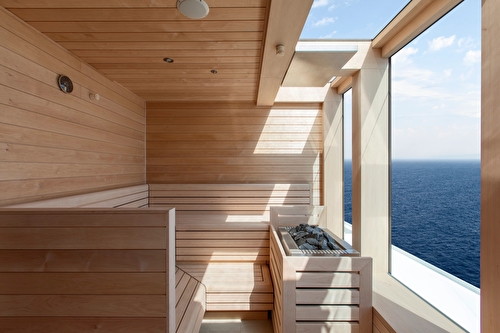
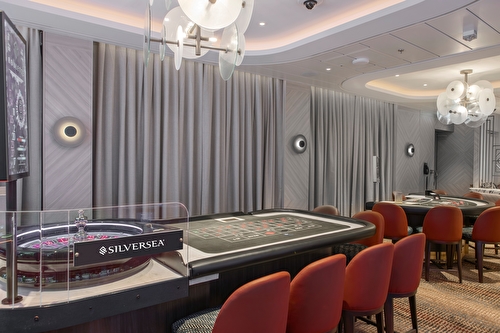
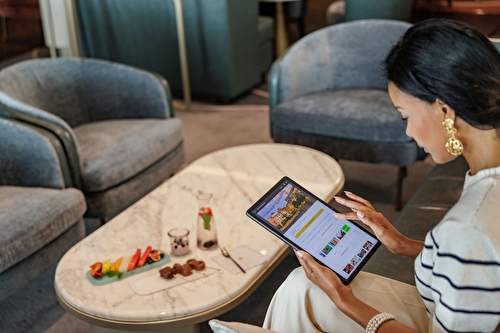
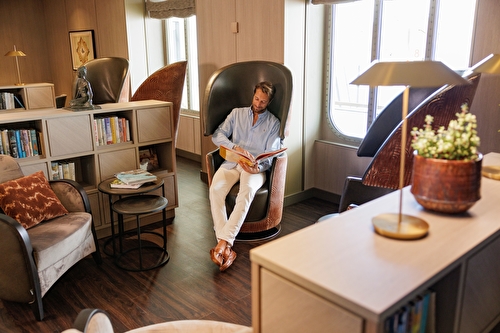
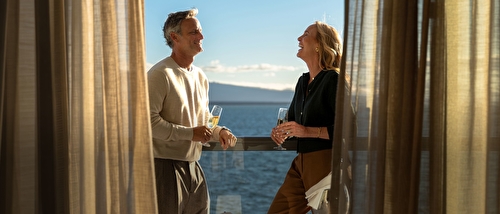
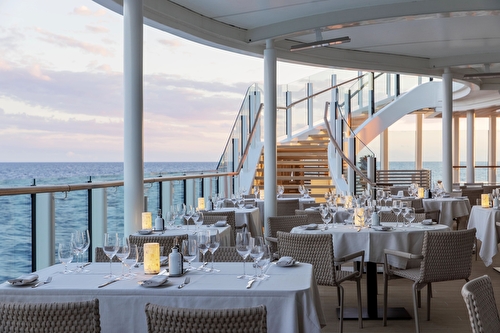
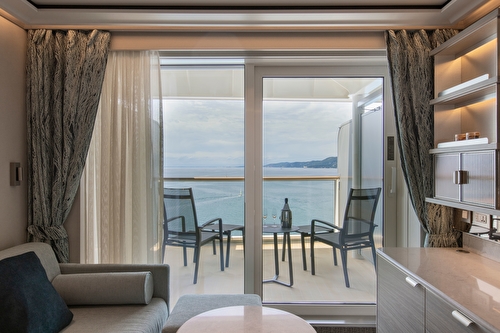

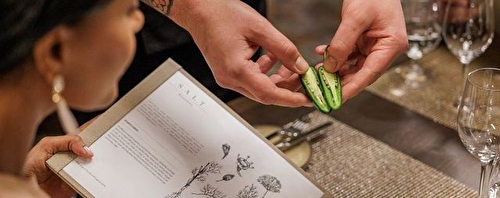
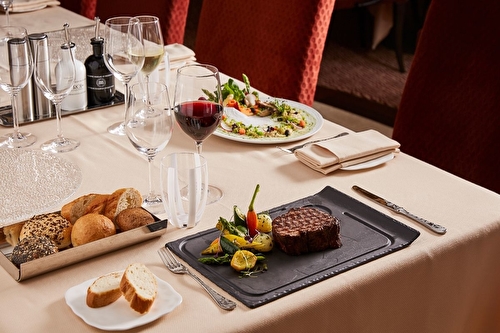
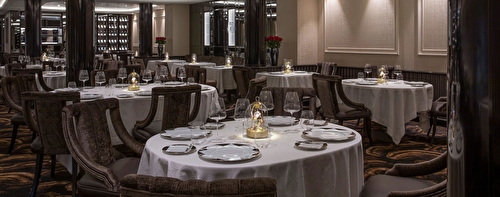
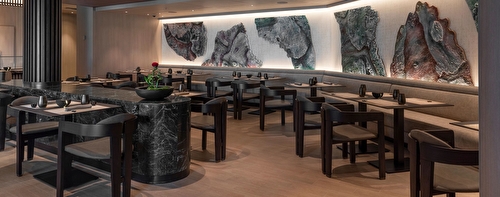
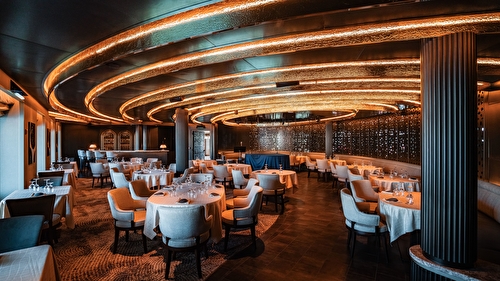
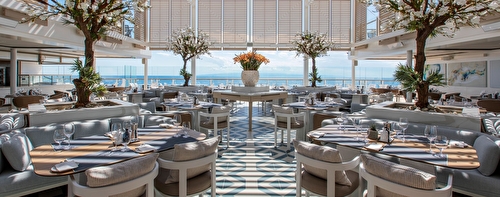
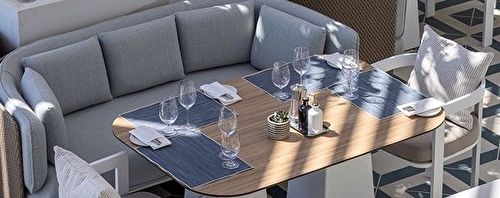
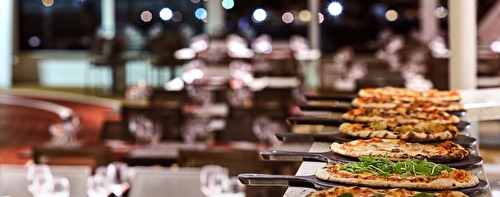
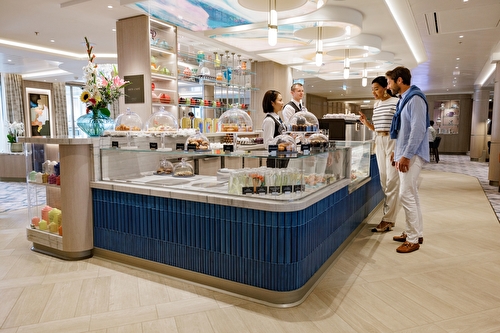
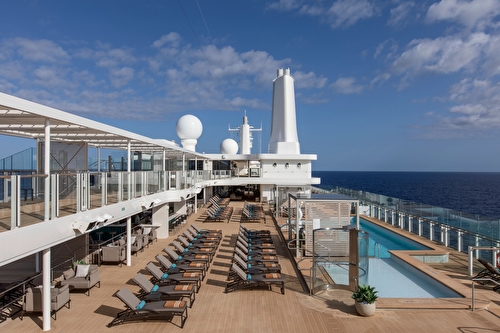
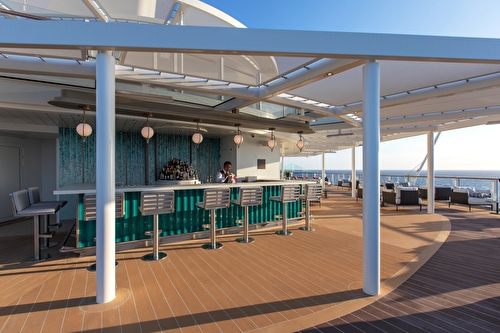
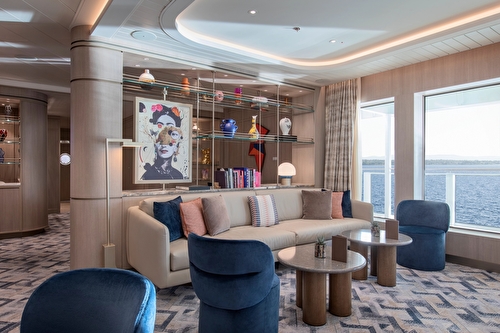
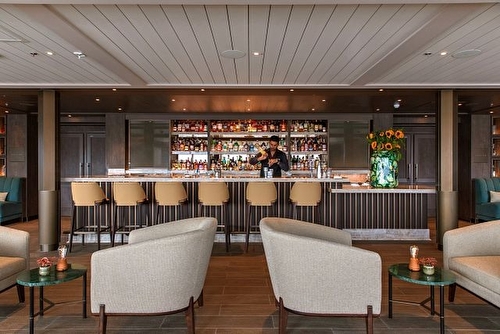
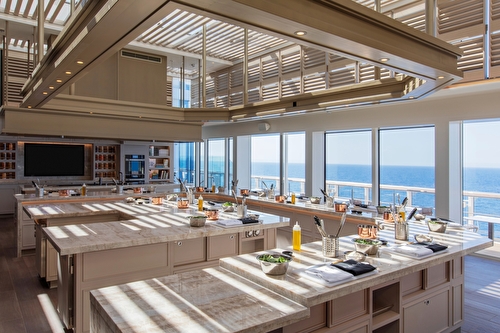
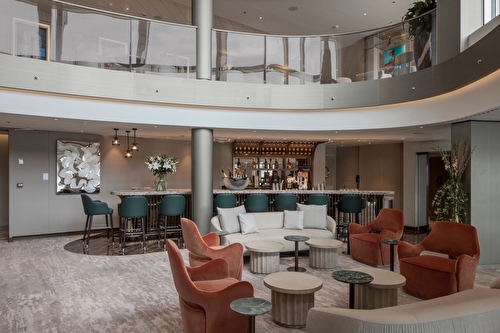
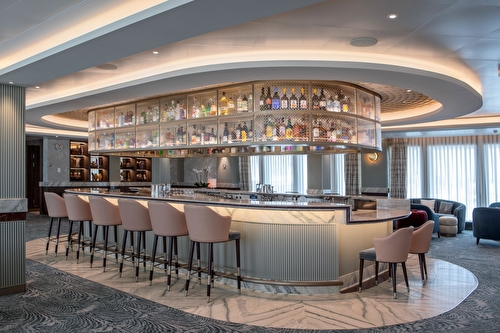
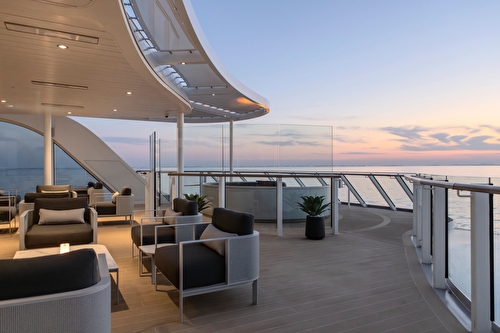
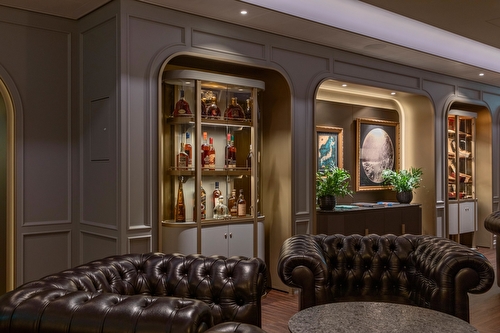
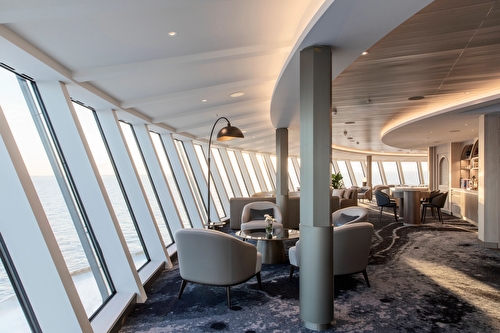
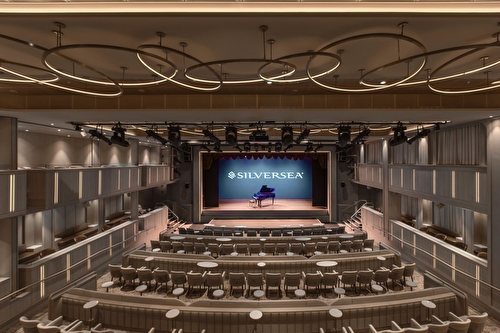
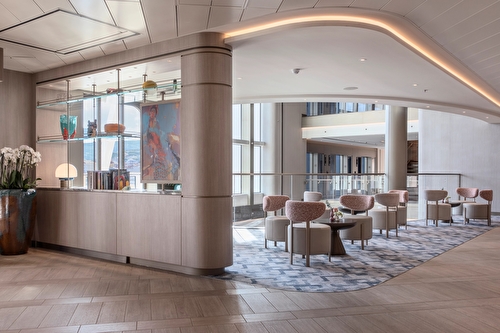
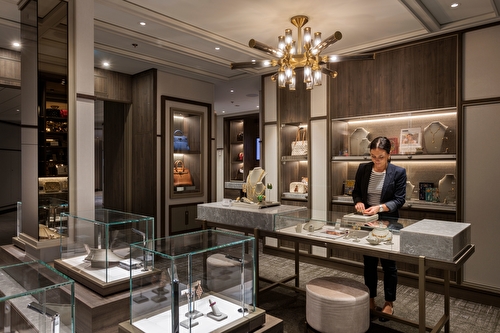
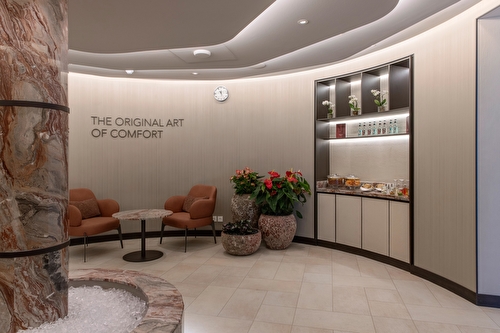
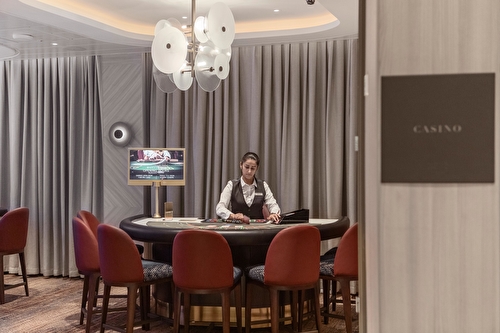
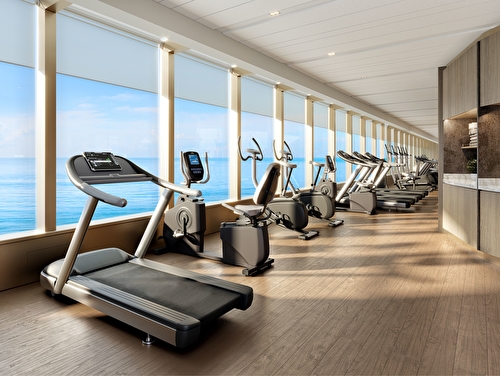
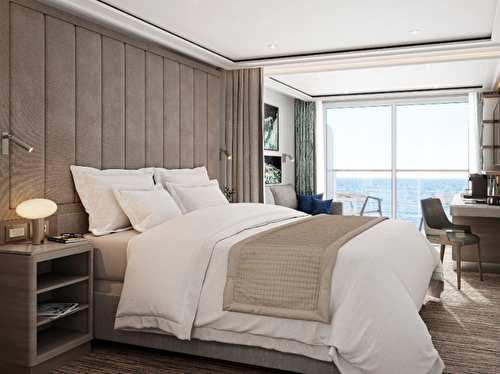
Introducing Silver Nova – the eleventh ship to join our fleet. Our newest vessel will join us in summer 2023, and will be a home away from home for up to 728 guests. Silver Nova’s innovative asymmetrical design introduces the world like never before, offering an immersive destination experience to our guests. With a gross tonnage of 54,700 tons she will offer a space-to-guest ratio of 75 GRT-per-passenger becoming one of the most spacious cruise ships ever built. What’s more, Silver Nova will be our most environmentally friendly, and thanks to her groundbreaking technological solutions, she will propel Silversea into a new era of sustainable cruising. It’s the Nova way to travel.
Boutique
Beauty Salon
Day Spa & Fitness Centre
Jacuzzi
Panoramic Lounge
Pool Deck
Spa
Swimming Pool
Whirlpool
Arts Cafe
Atlantide
Dolce
La Dame
La Terrazza
Spaccanapoli
The Grill
Venetian
Casino
Connoisseur Club
Connoisseur’s Corner
Observation Lounge
Panorama Lounge
Silver Note
Fitness Center
Jogging Track
Pool
Wellness Centre
Description
Introducing Silver Nova – the eleventh ship to join our fleet. Our newest vessel will join us in summer 2023, and will be a home away from home for up to 728 guests. Silver Nova’s innovative asymmetrical design introduces the world like never before, offering an immersive destination experience to our guests. With a gross tonnage of 54,700 tons she will offer a space-to-guest ratio of 75 GRT-per-passenger becoming one of the most spacious cruise ships ever built. What’s more, Silver Nova will be our most environmentally friendly, and thanks to her groundbreaking technological solutions, she will propel Silversea into a new era of sustainable cruising. It’s the Nova way to travel.
Other
Boutique
Relaxation
Beauty Salon
Day Spa & Fitness Centre
Jacuzzi
Panoramic Lounge
Pool Deck
Spa
Swimming Pool
Whirlpool
Food and Drink
Arts Cafe
Atlantide
Dolce
La Dame
La Terrazza
Spaccanapoli
The Grill
Venetian
Entertainment
Casino
Connoisseur Club
Connoisseur’s Corner
Observation Lounge
Panorama Lounge
Silver Note
Fitness
Fitness Center
Jogging Track
Pool
Wellness Centre
STATEROOMS