

Thailand, Malaysia & The Phillippines
- 30 Jan ‘28
- 28 nights
- Departing from Singapore
- Noordam

-
Inside price from$8,189*/pp
-
Outside price from$8,739*/pp
-
Balcony price from$10,799*/pp
-
Suite price from$13,379*/pp
YOUR ITINERARY
Singapore - Laem Chabang (Bangkok) - Laem Chabang (Bangkok) - Phu My - Kotakinabalu - Puerto Princesa - Boracay, Philippines - Manila - Manila - Hong Kong - Shanghai - Shanghai - Kagoshima - Nagasaki - Fukuoka (Hakata), Japan - Kanmon Strait - Kochi, Japan - Osaka - Osaka - Shimizu - Yokohama (Tokyo)\t\t\t\t
City-states are rare in the present day—and...
City-states are rare in the present day—and none are quite like Singapore. In the 20th century, the Southeast Asian nation hurtled itself into the modern world, and it continues to expand its state-of-the-art transportation system and build its edgy skyline. Yet Singapore’s urban plan wisely maintained its intimate neighborhoods, many with streets lined with colorful shophouses (a type of building unique to parts of Asia, with businesses located on their ground floors and residences above). Add the city’s mix of ethnic groups—mainly Malays, Chinese and Indians—and you get a vibrant cultural scene that attracts a cosmopolitan, international community.
Singapore’s food scene—which is arguably the world’s most dynamic and runs the gamut from beloved street hawkers to Michelin-starred venues—would merit a trip alone, as would its never-ending shopping options. But the city is also packed with world-class museums, many designed by celebrated architects, and it hosts many major international events, such as the Formula One Grand Prix. Yet only about half of the 720-square-kilometer (278-square-mile) island is developed, which leaves plenty of room for parks and open spaces such as the Bukit Timah Nature Reserve, where an old-growth forest still thrives.
Thailand, known as Siam until 1932, is the only cou...
Thailand, known as Siam until 1932, is the only country in Southeast Asia (and one of the few in the world) never to have been colonized by a European power. Its capital, Bangkok, reflects the country’s unique status. It has embraced modernity on its own terms as the seat of a beloved monarchy that dates back to the 13th century. In this city, Buddhist temples and gilded palaces coexist with the bustle of one of Asia’s major metropolises. The contrast between the golden glow of sunrise along the Chao Phraya River, which runs through the municipality, and the neon lights of downtown can feel intoxicating. There are few places in the world where you can spend the morning visiting a centuries-old stupa, have lunch at one of the world’s top Michelin-starred restaurants and then shop for exquisite silk garments. And wherever you explore, you’ll be struck by the warm welcome you receive. “The Land of Smiles” may be a cliché and a tourism-marketing slogan, but it’s also a fitting nickname for Thailand.
Many of the country’s most important historic areas can be found not far from Bangkok. Ayutthaya, the former Thai capital, is a UNESCO World Heritage Site with impressive Buddhist ruins. The 16th-century town of Chachoengsao is known for its many temples, including Wat Saman Rattanaram with its 22-meter-long (72-foot-long) statue of the Hindu god Ganesha. In Pattaya, on the coast, the Pattaya Elephant Village is a sanctuary for Asian elephants.
Whether you travel by boat, bus or tuk-tuk (a three-wheeled motorized taxi) to explore Bangkok’s temples, palaces and markets, be prepared to fall in love with this city that somehow manages to be both chaotic and captivating at the same time.
Thailand, known as Siam until 1932, is the only country in Sout...
Thailand, known as Siam until 1932, is the only country in Southeast Asia (and one of the few in the world) never to have been colonized by a European power. Its capital, Bangkok, reflects the country’s unique status. It has embraced modernity on its own terms as the seat of a beloved monarchy that dates back to the 13th century. In this city, Buddhist temples and gilded palaces coexist with the bustle of one of Asia’s major metropolises. The contrast between the golden glow of sunrise along the Chao Phraya River, which runs through the municipality, and the neon lights of downtown can feel intoxicating. There are few places in the world where you can spend the morning visiting a centuries-old stupa, have lunch at one of the world’s top Michelin-starred restaurants and then shop for exquisite silk garments. And wherever you explore, you’ll be struck by the warm welcome you receive. “The Land of Smiles” may be a cliché and a tourism-marketing slogan, but it’s also a fitting nickname for Thailand.
Many of the country’s most important historic areas can be found not far from Bangkok. Ayutthaya, the former Thai capital, is a UNESCO World Heritage Site with impressive Buddhist ruins. The 16th-century town of Chachoengsao is known for its many temples, including Wat Saman Rattanaram with its 22-meter-long (72-foot-long) statue of the Hindu god Ganesha. In Pattaya, on the coast, the Pattaya Elephant Village is a sanctuary for Asian elephants.
Whether you travel by boat, bus or tuk-tuk (a three-wheeled motorized taxi) to explore Bangkok’s temples, palaces and markets, be prepared to fall in love with this city that somehow manages to be both chaotic and captivating at the same time.
Whether you are on a wide boulevard admiring the French Colo...
Whether you are on a wide boulevard admiring the French Colonial architectural influence, or in a bustling market haggling with a street vendor, you cannot escape the culture and history of this bustling city. Ho Chi Minh City is home to many colorful pagodas, cathedrals and palaces-including one of the city’s oldest, Giac Lam Pagoda, dating from 1744. Sample shore excursions: Cambodia & Angkor Overland Adventure or Highlights of Ho Chi Minh City.
Kota Kinabalu, also known as KK to those in the know, is a mode...
Kota Kinabalu, also known as KK to those in the know, is a modern city that has not forgotten its roots. Located on the northwest coast of the Island of Borneo, the world’s third-largest island, KK is also home to a modern arts scene, rich culinary heritage, long sandy beaches, pristine coral reefs, tropical rain forests, diverse cultures and beautiful flora and fauna.
Discover Borneo’s indigenous history; explore Kinabalu Park in search of rare orchids; visit the Sabah State Museum and City Mosque; and enjoy the antics of Borneo’s most famous residents, orangutans, whose name means “people of the forest” in Malay.
Puerto Princesa, the capital of Palawan in the Philippines...
Puerto Princesa, the capital of Palawan in the Philippines, is home to 250,000 people and offers a vastly different experience from Manila’s often overwhelming big-city dynamism. For many travelers, it’s simply a gateway to the resorts of El Nido, also on Palawan Island. Those who spend some time here, however, will discover a city that combines a laid-back vibe with beautiful sandy beaches and a wealth of marine life. Nearby, there are also lush mountains, rain forests, waterfalls and dramatic limestone cliffs. Among the most popular sights are the Immaculate Conception Cathedral, where visitors are welcome to celebrate Mass accompanied by choral singing; the Palawan Heritage Center, which displays local artworks and crafts; and the peaceful Palawan Butterfly Ecological Garden and Tribal Village. The city’s biggest draws, however, are a boat trip through the limestone caves of the Puerto Princesa Subterranean River National Park, and the beaches and islands scattered around scenic Honda Bay—perfect for snorkeling, sunbathing and picnics. Speaking of food, a visit to the most famous restaurant in the city, Kalui, is guaranteed to be a memorable experience for seafood fans; adventurous foodies can order crocodile sisig, a traditional—and delicious—stir-fry dish.
Little more than a dot off the northwestern tip of P...
Little more than a dot off the northwestern tip of Panay, Boracay is the Philippines’ trophy beach. It offers an intoxicating mix of sun, sand and fun with hotels, restaurants and shops dotted along the beach. If you wish, you can visit popular White Beach or drive to Bulabog Beach as it is wilder and windier and a favorite windsurfing spot. Yet another option: relax on the serene and quiet beach of Puka in the north.
Called the Island of Gold during the latter half of the Ming Dyn...
Called the Island of Gold during the latter half of the Ming Dynasty, the area that is now Manila has known Burneian, Spanish, British, American and Japanese rule. This long and diverse history is reflected in Manila’s architecture and neighborhoods. Explore Binondo, Manila’s Chinatown dating back to 1594, Intramuros, Asia’s only medieval, European-style walled city, and the posh neighborhood of Malate. Sample shore excursion: Modern Manila.
Called the Island of Gold during the latter half of...
Called the Island of Gold during the latter half of the Ming Dynasty, the area that is now Manila has known Burneian, Spanish, British, American and Japanese rule. This long and diverse history is reflected in Manila’s architecture and neighborhoods. Explore Binondo, Manila’s Chinatown dating back to 1594, Intramuros, Asia’s only medieval, European-style walled city, and the posh neighborhood of Malate. Sample shore excursion: Modern Manila.
Can any city in the world top Hong Kong’s phen...
Can any city in the world top Hong Kong’s phenomenal energy? Judge for yourself as you ride the tram to the top of Victoria Peak, join the surge into countless markets and watch the hardworking world of Aberdeen’s fishing junks. Sample shore excursions: Morning Tai Chi & Cooking Tour; Hong Kong Island City Sightseeing; Explore Lantau Island & Monastery.
Shanghai is one of Asia’s most dynamic cities, an...
Shanghai is one of Asia’s most dynamic cities, and one of juxtapositions. It’s divided in two by the Huangpu River—to the west is Puxi and to the east Pudong. Puxi is the city’s downtown and its historic center; on this side of the river, much of the city was historically divided into the famous foreign concessions, and it’s here that much of the shopping, dining and nightlife is concentrated today. Shanghai has more than 30,000 restaurants, from humble soup dumpling spots to formal affairs helmed by Michelin-starred chefs. Its museums, particularly the Shanghai Museum with its 120,000-strong collection of antiquities, are equally impressive. Pudong is where the city’s major skyscrapers stand, among them the Jin Mao and Oriental Pearl towers.
Nowhere is Shanghai’s rich history and bright future more evident than along the Huangpu River. Stand on the Puxi side and, with the Bund—along which curve Shanghai’s stately early-20th-century heritage buildings—behind you, you can gaze across the river at some of the world’s tallest buildings, soaring skyscrapers that glow nightly, their lights reflected in the river.
Shanghai is one of Asia’s most dynamic cities,...
Shanghai is one of Asia’s most dynamic cities, and one of juxtapositions. It’s divided in two by the Huangpu River—to the west is Puxi and to the east Pudong. Puxi is the city’s downtown and its historic center; on this side of the river, much of the city was historically divided into the famous foreign concessions, and it’s here that much of the shopping, dining and nightlife is concentrated today. Shanghai has more than 30,000 restaurants, from humble soup dumpling spots to formal affairs helmed by Michelin-starred chefs. Its museums, particularly the Shanghai Museum with its 120,000-strong collection of antiquities, are equally impressive. Pudong is where the city’s major skyscrapers stand, among them the Jin Mao and Oriental Pearl towers.
Nowhere is Shanghai’s rich history and bright future more evident than along the Huangpu River. Stand on the Puxi side and, with the Bund—along which curve Shanghai’s stately early-20th-century heritage buildings—behind you, you can gaze across the river at some of the world’s tallest buildings, soaring skyscrapers that glow nightly, their lights reflected in the river.
Situated at the southern tip of Japan, Kagoshima i...
Situated at the southern tip of Japan, Kagoshima is the capital of the prefecture of the same name and famous for its dramatic views of Sakurajima, an active volcano that smolders across the bay. One of the most popular activities is taking a ferry to Sakurajima and hiking on the 100-year-old lava flow that is now a grassy peninsula. Kagoshima, however, offers much more than the volcano’s almost overwhelming beauty. The food scene provides opportunities to experience the area’s rich culinary culture and features dishes using locally caught fish and regional specialties, like satsuma a’ge (deep-fried fish cake) and shōchū, a traditional beverage made at more than 100 distilleries in Kagoshima alone. Although the city was officially founded in 1889, it has an even longer history that is reflected in the 17th-century gardens of Sengan-en. More recent events are covered at a museum dedicated to the kamikaze pilots who flew out of Kagoshima. Other popular attractions include the City Aquarium, the Museum of the Meiji Restoration with its exhibits exploring local history and the City Museum of Art with its collection that covers both local contemporary and older art. With so much to do, visitors may want to consider the Cute transit card. Available at tourist information offices, one-day Cute cards cover city buses, trams and Sakurajima ferries and also provide discounted admission to several attractions.
City of melancholy memories. Visit Glover House, where P...
City of melancholy memories. Visit Glover House, where Puccini’s Madame Butterfly reputedly awaited her errant Lt. Pinkerton; pay tribute to lives lost in WWII at Peace Memorial Park. Sample shore excursions: Nagasaki Half-day Tour; Sakai Bridge & 99 Islands;Arita, Birthplace of Ceramics.
High atop a hill in Kochi sits 17th-century Kochi Castle, on...
High atop a hill in Kochi sits 17th-century Kochi Castle, once the seat of the Yamauchi lords. Explore this historic site and enjoy panoramic views of the city, then dine on sushi at Hirome Market.
Think of Osaka, Japan (accent on the O), as a combinat...
Think of Osaka, Japan (accent on the O), as a combination of Los Angeles and Chicago. It very definitely has L.A.’s second-city complex, but its attitude is pure Chicago. The only business that matters is business, and so what if the Hanshin Tigers, the local baseball team, are frequently the worst professional athletes in the world? They’re the home team. People in Osaka laugh louder, play harder and drink more than Tokyo’s most decadent dreams. Osaka even has its own dialect, one the rest of the country calls “dirty Japanese,” one entirely different than even Kobe’s—and Kobe is an Osaka suburb.
Nothing is old in Osaka. The place was flattened during the war (and then again in 1962 and 1989, by Godzilla). During the reconstruction, they forgot to include much in the way of parks or green space, and the sheer amount of concrete and steel sights can get overwhelming.
But Osaka has its attractions and interesting things to do. Sumo wrestlers wait for trains, reeking of chanko-nabe (traditional sumo food; pure energy and calories), just daring the official railway pushers to push them. Yakuza (Japanese gangsters) get train cars to themselves, but if you get on with them, it’s like you’re invisible. Busy markets, the visual noise of neon and nonstop action on shopping streets offer insight into the energy and ambition of Osaka.
And if all that isn’t enough, Osaka is less than an hour from some of the most beautiful temples, shrines and ancient Japanese tourist attractions in the world—a thousand years of Japanese history—waiting in the old capitals of Kyoto and Nara.
Think of Osaka, Japan (accent on the O), as a combination of...
Think of Osaka, Japan (accent on the O), as a combination of Los Angeles and Chicago. It very definitely has L.A.’s second-city complex, but its attitude is pure Chicago. The only business that matters is business, and so what if the Hanshin Tigers, the local baseball team, are frequently the worst professional athletes in the world? They’re the home team. People in Osaka laugh louder, play harder and drink more than Tokyo’s most decadent dreams. Osaka even has its own dialect, one the rest of the country calls “dirty Japanese,” one entirely different than even Kobe’s—and Kobe is an Osaka suburb.
Nothing is old in Osaka. The place was flattened during the war (and then again in 1962 and 1989, by Godzilla). During the reconstruction, they forgot to include much in the way of parks or green space, and the sheer amount of concrete and steel sights can get overwhelming.
But Osaka has its attractions and interesting things to do. Sumo wrestlers wait for trains, reeking of chanko-nabe (traditional sumo food; pure energy and calories), just daring the official railway pushers to push them. Yakuza (Japanese gangsters) get train cars to themselves, but if you get on with them, it’s like you’re invisible. Busy markets, the visual noise of neon and nonstop action on shopping streets offer insight into the energy and ambition of Osaka.
And if all that isn’t enough, Osaka is less than an hour from some of the most beautiful temples, shrines and ancient Japanese tourist attractions in the world—a thousand years of Japanese history—waiting in the old capitals of Kyoto and Nara.
A thriving harbor town for centuries, Shimizu is best k...
A thriving harbor town for centuries, Shimizu is best known for its incredible scenic beauty. Take an excursion to Miho no Matsubara and enjoy stunning views of Mount Fuji and expansive black sand beaches; stroll through the graceful gardens and unique art installations of Tokachi Millennium Forest; and visit Kongofukuji Temple, first built by Kobo-daishi in 822 and rebuilt from 1662.
Until the mid-19th century, Japan lived in isolation, clos...
Until the mid-19th century, Japan lived in isolation, closed off from the rest of the world, and Yokohama was a mere fishing village. But in 1853, American naval officer Matthew Perry demanded the country open to foreign trade, and Yokohama was changed forever. The city quickly emerged as an international trading center, and while today it is often overshadowed by nearby Tokyo, it continues to be one of Japan’s liveliest, and most international, destinations. With its microbreweries and international restaurants, Yokohama has a decidedly different feel from many other Japanese cities.
From Yokohama, it’s a quick trip to peaceful Kamakura, home to Daibutsu, Japan’s second-largest bronze Buddha, and to the important Shinto shrine Tsurugaoka Hachimangu. Head to Hakone National Park on a clear day and you’ll be rewarded with picture-postcard views of majestic Mt. Fuji.
Tokyo is the largest city on earth and packed with some of the world’s best shops, museums and restaurants, big and small. While the bright neon lights and the bustle of contemporary Tokyo may be what comes to mind when you think of the city, there is another side. Tokyo’s historic gardens and neighborhoods of traditional homes on narrow lanes speak to a timeless Japan that has survived into the 21st century.
YOUR SHIP - The Noordam
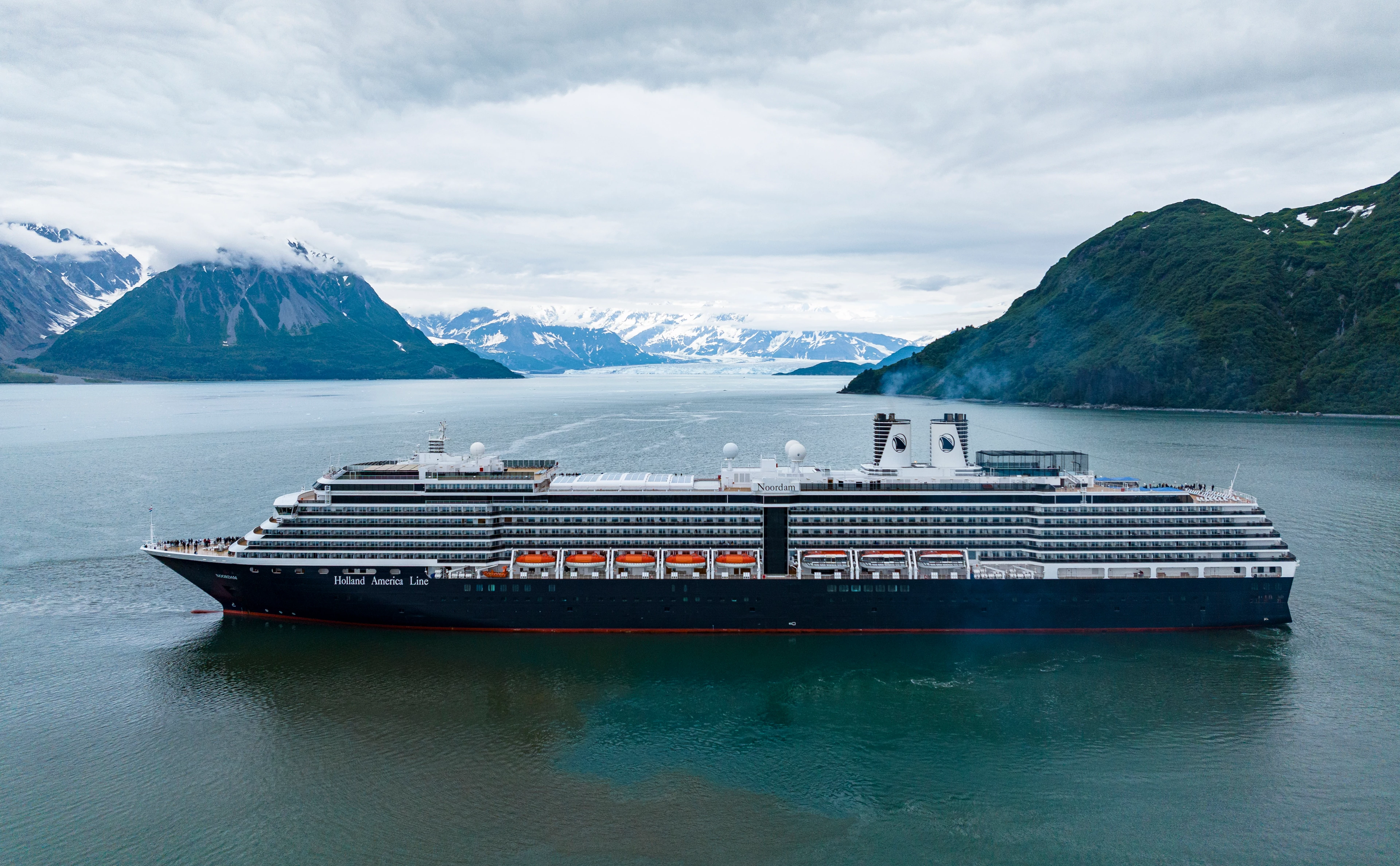


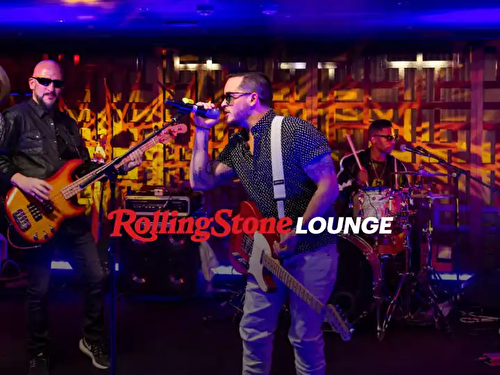

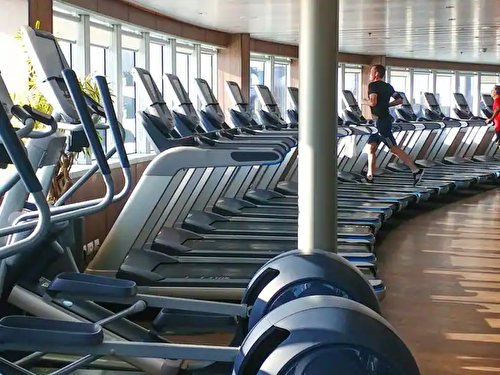



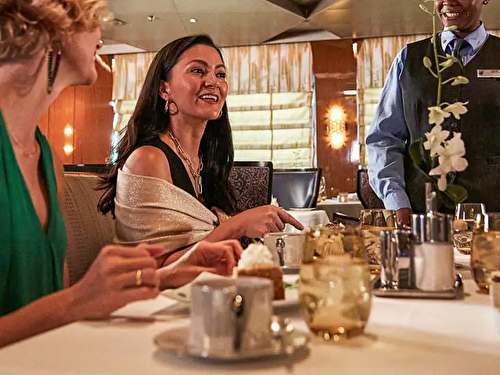
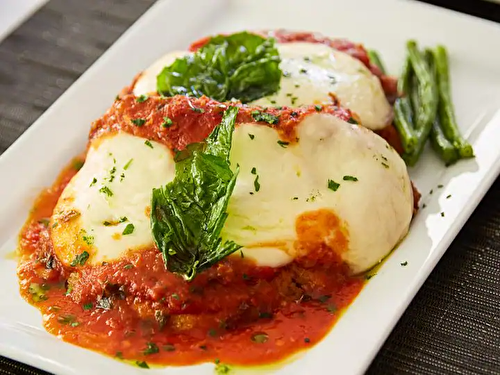
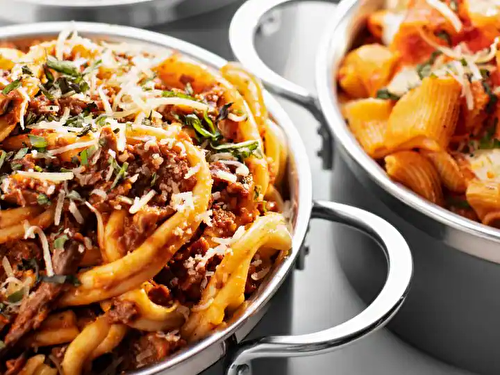

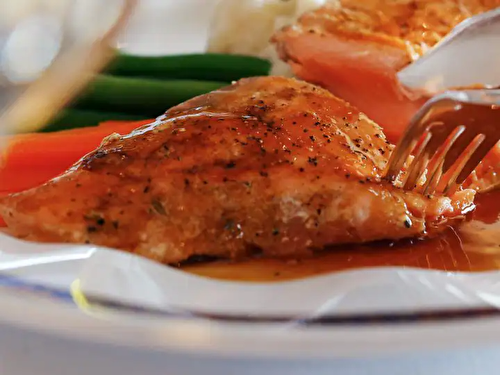
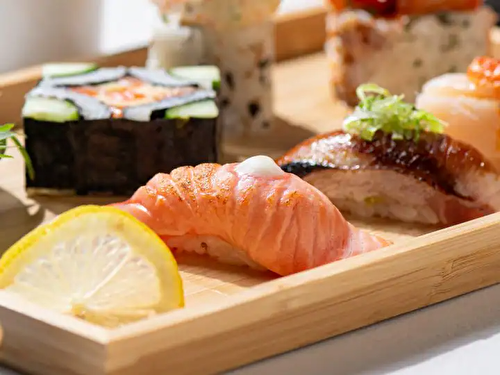
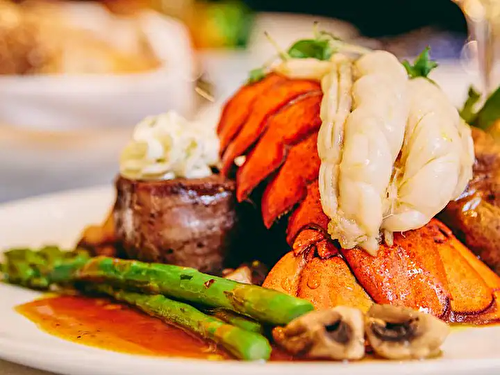
Named for the Northern compass point, Noordam features museum-quality art — from 19th-century oils to contemporary photographs of music greats Dizzy Gillespie and B.B. King. Guests onboard can enjoy regional cooking demonstrations and food and wine tastings with EXC Port to Table programming. Explore the world’s wonders through BBC Earth Experiences. Take yoga or Pilates in our Fitness Center. Savor the sounds of Music Walk and the delights of our specialty restaurants.
Crow’s Nest
Explorers Lounge
Neptune Lounge
Night Club
Photo Gallery
Queen’s Show Lounge
Art Gallery
Atrium
Concierge
Culinary Arts Center
Future Cruise Sales
Shopping Gallery
Shops
Shore Excursion Office
Explorations Cafe
Lido Bar
Lido Casual Restaurant
Lounge Bar
Piano Bar
Pinnacle Grill
Sports Bar
Sports Bar
Terrace Grill
The Verandah
Vista Dining Room
Club HAL
Outdoor Pool
The Loft
Greenhouse Spa & Salon
Hydro Massage Pool
Lido Pool
Spa
Thermal Suite
Whirlpool
Description
Named for the Northern compass point, Noordam features museum-quality art — from 19th-century oils to contemporary photographs of music greats Dizzy Gillespie and B.B. King. Guests onboard can enjoy regional cooking demonstrations and food and wine tastings with EXC Port to Table programming. Explore the world’s wonders through BBC Earth Experiences. Take yoga or Pilates in our Fitness Center. Savor the sounds of Music Walk and the delights of our specialty restaurants.
Entertainment
Crow’s Nest
Explorers Lounge
Neptune Lounge
Night Club
Photo Gallery
Queen’s Show Lounge
Other
Art Gallery
Atrium
Concierge
Culinary Arts Center
Future Cruise Sales
Shopping Gallery
Shops
Shore Excursion Office
Food and Drink
Explorations Cafe
Lido Bar
Lido Casual Restaurant
Lounge Bar
Piano Bar
Pinnacle Grill
Sports Bar
Sports Bar
Terrace Grill
The Verandah
Vista Dining Room
Recreational
Club HAL
Outdoor Pool
The Loft
Relaxation
Greenhouse Spa & Salon
Hydro Massage Pool
Lido Pool
Spa
Thermal Suite
Whirlpool
STATEROOMS

suite

balcony

outside
