 Sign In

Spain, Italy & Croatia Featuring Seville – Lisbon to Fusina (Venice)
- 17 Mar ‘28
- 25 nights
- Departing from Lisbon
- Silver Shadow

 Earn & redeem points on all travel* with World360 Rewards – join free today!
-
Suite price fromCall for price
YOUR ITINERARY
Lisbon - Lisbon - Seville - Seville - Valencia, Spain - Valencia, Spain - Palma De Mallorca, Spain - Palamos - Imperia, Italy - Civitavecchia - Civitavecchia - Naples, Italy - Palermo, Sicily, Italy - Giardini Naxos, Sicily - Otranto - Dubrovnik, Croatia - Dubrovnik, Croatia - Split, Croatia - Zadar, Croatia - Fusina (Venice) - Fusina (Venice)
Lisbon, the capital of Portugal, is a city open to the sea and...
Lisbon, the capital of Portugal, is a city open to the sea and carefully planned with 18th-century elegance. Its founder is said to be the legendary Ulysses, but the theory of an original Phoenician settlement is probably more realistic. Known in Portugal as Lisboa, the city was inhabited by the Romans, Visigoths and, beginning in the 8th century, the Moors. Much of the 16th century was a period of great prosperity and overseas expansion for Portugal. Tragedy struck on All Saints’ Day in 1755 with a devastating earthquake that killed about 40,000 people. The destruction of Lisbon shocked the continent. As a result, the Baixa (lower city) emerged in a single phase of building, carried out in less than a decade by the royal minister, the Marques de Pombal. His carefully planned layout of a perfect neo-classical grid survived to this day and remains the heart of the city. Evidence of pre-quake Lisbon can still be seen in the Belém suburb and the old Moorish section of the Alfama that sprawls below the Castle of St. George.
Lisbon is a compact city on the banks of the Tagus River. Visitors find it easy to get around as many places of interest are in the vicinity of the central downtown area. There is a convenient bus and tram system and taxis are plentiful. Rossio Square, the heart of Lisbon since medieval times, is an ideal place to start exploring. After a fire destroyed parts of the historic neighborhood behind Rossio in 1988, many of the restored buildings emerged with modern interiors behind the original façades.
The city boasts a good many monuments and museums, such as the Jeronimos Monastery, Tower of Belém, the Royal Coach Museum and the Gulbenkian Museum. High above the Baixa is the Bairro Alto (upper city) with its teeming nightlife. The easiest way to connect between the two areas is via the public elevator designed by Gustave Eiffel.
Cruising up the Tagus River to the ship’s berth, you can already spot three of Lisbon’s famous landmarks: the Monument to the Discoveries, the Tower of Belém and the Statue of Christ, which welcomes visitors from its hilltop location high above Europe’s longest suspension bridge.
Lisbon, the capital of Portugal, is a city open to the sea an...
Lisbon, the capital of Portugal, is a city open to the sea and carefully planned with 18th-century elegance. Its founder is said to be the legendary Ulysses, but the theory of an original Phoenician settlement is probably more realistic. Known in Portugal as Lisboa, the city was inhabited by the Romans, Visigoths and, beginning in the 8th century, the Moors. Much of the 16th century was a period of great prosperity and overseas expansion for Portugal. Tragedy struck on All Saints’ Day in 1755 with a devastating earthquake that killed about 40,000 people. The destruction of Lisbon shocked the continent. As a result, the Baixa (lower city) emerged in a single phase of building, carried out in less than a decade by the royal minister, the Marques de Pombal. His carefully planned layout of a perfect neo-classical grid survived to this day and remains the heart of the city. Evidence of pre-quake Lisbon can still be seen in the Belém suburb and the old Moorish section of the Alfama that sprawls below the Castle of St. George.
Lisbon is a compact city on the banks of the Tagus River. Visitors find it easy to get around as many places of interest are in the vicinity of the central downtown area. There is a convenient bus and tram system and taxis are plentiful. Rossio Square, the heart of Lisbon since medieval times, is an ideal place to start exploring. After a fire destroyed parts of the historic neighborhood behind Rossio in 1988, many of the restored buildings emerged with modern interiors behind the original façades.
The city boasts a good many monuments and museums, such as the Jeronimos Monastery, Tower of Belém, the Royal Coach Museum and the Gulbenkian Museum. High above the Baixa is the Bairro Alto (upper city) with its teeming nightlife. The easiest way to connect between the two areas is via the public elevator designed by Gustave Eiffel.
Cruising up the Tagus River to the ship’s berth, you can already spot three of Lisbon’s famous landmarks: the Monument to the Discoveries, the Tower of Belém and the Statue of Christ, which welcomes visitors from its hilltop location high above Europe’s longest suspension bridge.
Whether you pronounce it Seville or Sevilla, this gorgeou...
Whether you pronounce it Seville or Sevilla, this gorgeous Spanish town is most certainly the stuff of dreams. Over 2,200 years old, Seville has a mutli-layered personality; home to Flamenco, high temperatures and three UNESCO-World Heritage Sites, there is a noble ancestry to the southern Spanish town. Not forgetting that it is the birthplace of painter Diego Velazquez, the resting place of Christopher Columbus, the inspiration for Bizet’s Carmen and a location for Game of Thrones filming, Seville is truly more than just a sum of its parts. View less
This city is a full on experience, a beguiling labyrinth of centuries old streets, tiny tapas restaurants serving possibly the best dishes you’ll taste south of Madrid and a paradise of Mudejar architecture and tranquil palm trees and fountain-filled gardens.
Whether you pronounce it Seville or Sevilla, this gorgeous Spa...
Whether you pronounce it Seville or Sevilla, this gorgeous Spanish town is most certainly the stuff of dreams. Over 2,200 years old, Seville has a mutli-layered personality; home to Flamenco, high temperatures and three UNESCO-World Heritage Sites, there is a noble ancestry to the southern Spanish town. Not forgetting that it is the birthplace of painter Diego Velazquez, the resting place of Christopher Columbus, the inspiration for Bizet’s Carmen and a location for Game of Thrones filming, Seville is truly more than just a sum of its parts. View less
This city is a full on experience, a beguiling labyrinth of centuries old streets, tiny tapas restaurants serving possibly the best dishes you’ll taste south of Madrid and a paradise of Mudejar architecture and tranquil palm trees and fountain-filled gardens.
Valencia is Spain’s third largest city and capit...
Valencia is Spain’s third largest city and capital of the region. It was originally founded by the Romans on the banks of the river Turia in 138 BC. In 711 AD the Moors arrived and converted the area into a rich agricultural and industrial center, establishing ceramics, paper, silk and leather industries. Muslim rule was briefly interrupted in 1094 by the legendary Castillian knight, El Cid. Valencia boomed in the 15th and 16th centuries, becoming one of the strongest Mediterranean trading centers.
Valencia is a vibrant, friendly and chaotic city that boasts an outstanding fine arts museum and one of the most exciting nightlife scenes in Spain. The city center is about 3 miles inland from the coast. Plaza del Ayuntamiento marks the center of Valencia. Surrounded by flower stalls, it is also home to the town hall and the main post office. The cathedral was begun in the 13th century and finished in 1482. It has many architectural styles, including Gothic, Baroque and Romanesque. The octagonal bell-tower, called Miguelete, is one of the city’s landmarks. The small cathedral museum boasts a tabernacle made from 550 pounds of gold, silver, platinum, emeralds and sapphires. It also purports to be the home of the Holy Grail, the cup used by Christ at the Last Supper.
West of the cathedral is the oldest part of the city, known as El Carme. Situated across the river in the Jardines del Real is the Museo de Bellas Artes, the Fine Arts Museum. Works include those by El Greco, Goya and Velázquez.
Valencia is Spain’s third largest city and capital...
Valencia is Spain’s third largest city and capital of the region. It was originally founded by the Romans on the banks of the river Turia in 138 BC. In 711 AD the Moors arrived and converted the area into a rich agricultural and industrial center, establishing ceramics, paper, silk and leather industries. Muslim rule was briefly interrupted in 1094 by the legendary Castillian knight, El Cid. Valencia boomed in the 15th and 16th centuries, becoming one of the strongest Mediterranean trading centers.
Valencia is a vibrant, friendly and chaotic city that boasts an outstanding fine arts museum and one of the most exciting nightlife scenes in Spain. The city center is about 3 miles inland from the coast. Plaza del Ayuntamiento marks the center of Valencia. Surrounded by flower stalls, it is also home to the town hall and the main post office. The cathedral was begun in the 13th century and finished in 1482. It has many architectural styles, including Gothic, Baroque and Romanesque. The octagonal bell-tower, called Miguelete, is one of the city’s landmarks. The small cathedral museum boasts a tabernacle made from 550 pounds of gold, silver, platinum, emeralds and sapphires. It also purports to be the home of the Holy Grail, the cup used by Christ at the Last Supper.
West of the cathedral is the oldest part of the city, known as El Carme. Situated across the river in the Jardines del Real is the Museo de Bellas Artes, the Fine Arts Museum. Works include those by El Greco, Goya and Velázquez.
The Balearics are comprised of 16 islands; the three pri...
The Balearics are comprised of 16 islands; the three principal ones are Mallorca, Ibiza and Minorca. Carthaginians, Romans, Vandals and Arabs have invaded these islands over the centuries. Ruins show evidence of the prehistoric Talayot civilization, a megalithic culture that flourished here between 1500 BC and the Roman conquest. Today the islands are besieged by invaders of a different sort – hordes of tourists.
Lying 60 miles (97 km) off the Spanish mainland, the islands’ lush and rugged landscape combined with an extremely mild, sunny climate proves irresistible, especially to northern Europeans. As a result, the Balearics boast cosmopolitan resorts with lively nightlife and plenty of sports activities.
Mallorca (also spelled Majorca) is the largest of the islands, with an area of more than 1,400 square miles (3626 sq.km). The scenery is magnificent, with cliffs along indented shorelines jutting out of the sea and mountain ranges sheltering the plains from harsh sea breezes. The fertile plain in the centre is covered with almond and fig trees plus olive groves with some trees more than 1,000 years old. Tall pines, junipers and oaks line the mountain slopes.
Palma de Mallorca is the capital of the archipelago. A cosmopolitan city with sophisticated shops and restaurants, it also offers buildings of spectacular Moorish and Gothic architecture.
In the western part of Mallorca, nestled into the mountains, lies the village of Valldemosa. It is known for its Carthusian Monastery where Frédéric Chopin and George Sand spent the winter of 1838-39.
All roads lead to Rome, and with good reason ̵...
All roads lead to Rome, and with good reason – this city is one of the world’s most thrilling, offering unmatched history along every street. An evocative, inspiring and utterly artistic capital of unrivalled cultural impact, Rome is a city of back-to-back landmarks, which will take you on an exhilarating journey through the ages. This may be one of the world’s oldest cities, but it’s well and truly lived in. The ruins are punctuated with murmuring cafes, and the outdoor seating of restaurants sprawls out across piazzas, enticing you to sample tangles of creamy pasta and crispy pizzas. Rome’s incredible Roman Forum is littered with the ruins of its ancient administrations, which have stood firm for 2,000 years, since the times when the area was the centre of the Western world. Few sites are more simultaneously beautiful and haunting than that of the storied Colosseum, which looms deep into Rome’s rich blue sky. Take a tour to learn details of the grisly goings-on within. The best way to experience Rome is to wander its streets, gelato in hand. There is a lot to see here – whether it’s the domed spectacle of the Pantheon, or the elaborate flowing waters and artistry of the Trevi Fountain. Vatican City is an astonishing, colossal display of Catholic grandeur, while the Spanish Steps – crowned by the Trinità dei Monti church – offer a beautiful spot to gather and soak up the lively atmosphere of this humming city. With so much on the to-do list, you’ll relish the breaks you take, enjoying simple pleasures like a strong espresso, or fresh pasta with tomato sauce and ripped basil.
All roads lead to Rome, and with good reason – this ci...
All roads lead to Rome, and with good reason – this city is one of the world’s most thrilling, offering unmatched history along every street. An evocative, inspiring and utterly artistic capital of unrivalled cultural impact, Rome is a city of back-to-back landmarks, which will take you on an exhilarating journey through the ages. This may be one of the world’s oldest cities, but it’s well and truly lived in. The ruins are punctuated with murmuring cafes, and the outdoor seating of restaurants sprawls out across piazzas, enticing you to sample tangles of creamy pasta and crispy pizzas. Rome’s incredible Roman Forum is littered with the ruins of its ancient administrations, which have stood firm for 2,000 years, since the times when the area was the centre of the Western world. Few sites are more simultaneously beautiful and haunting than that of the storied Colosseum, which looms deep into Rome’s rich blue sky. Take a tour to learn details of the grisly goings-on within. The best way to experience Rome is to wander its streets, gelato in hand. There is a lot to see here – whether it’s the domed spectacle of the Pantheon, or the elaborate flowing waters and artistry of the Trevi Fountain. Vatican City is an astonishing, colossal display of Catholic grandeur, while the Spanish Steps – crowned by the Trinità dei Monti church – offer a beautiful spot to gather and soak up the lively atmosphere of this humming city. With so much on the to-do list, you’ll relish the breaks you take, enjoying simple pleasures like a strong espresso, or fresh pasta with tomato sauce and ripped basil.
The region of Campania was home to Greeks settlers some 30...
The region of Campania was home to Greeks settlers some 300 years before Rome was founded. Pompeii, too, was a Greek town before being conquered by the Romans during the 5th century BC. It was under the Romans that Pompeii flourished and grew prosperous. When Mount Vesuvius erupted in 79 AD, the population of 20,000 was wiped out, but dozens of buildings were preserved under layers of cinder more than 20 feet deep. The most important finds from Pompeii are displayed in Naples’ National Archaeological Museum. A visit here will no doubt enhance a visit to ancient Pompeii.
The capital of Sicily is situated on a crescent-shaped bay on...
The capital of Sicily is situated on a crescent-shaped bay on the island’s north coast. Once the intellectual capital of southern Europe, Palermo has always been at the crossroads of civilization. Due to its favourable location, Sicily’s most interesting city has attracted almost every people and culture touching the Mediterranean world. Its most unique characteristic is a harmonious blend of Arab-Norman cultures mixed with Byzantine and Jewish elements, which created some unforgettable and resplendent works of art.
Phoenician traders first colonized Palermo in the 6th-century BC, but it was the Carthaginians, who built the important fortress here that caught the covetous eye of the Romans. After the first Punic War, the Romans took control of the city in the 3rd-century BC. Following several invasions by the Vandals, Sicily was settled by Arabs, who made the country an emirate and Palermo a showpiece capital that rivalled in splendour both Cordoba and Cairo. The city became a magical place of palaces and mosques, minarets and palm trees. In the 11th-century Palermo was conquered by the Norman ruler, Roger de Hauteville. During the Normans’ hundred-year occupation, the city experienced a remarkable period of enlightenment and a flourishing of the arts. Counting a population of more than 300,000, Palermo became the centre of Norman rule and one of the most important trading centres between East and West.
Eventually, Palermo was incorporated into the “Kingdom of the Two Sicilies” under the Swabian ruler Frederick II, known as the Holy Roman Emperor. After the bloody Sicilian Vespers uprising in 1282, the Spanish took control and brought the Inquisition to Palermo. Some historians believe that the nature of the Inquisition helped foster the protective secret societies that eventually evolved into the Mafia.
Today, visitors can still experience the legacy of Palermo’s rich past. Great Arab-Norman buildings include the Cappella Palatina, La Martorana, San Giovanni degli Eremiti and, a few miles outside the city, the Cathedral of Monreale. Palermo’s bustling streets and animated markets give the town an Oriental feel. The Quattro Canti, or Four Corners, is the monumental crossroads laid out in 1608-1620 at the central intersection of the four longest and straightest streets of the city. North of Piazza Castelnuovo lie the avenues of the new city. Most sights are scattered along three major streets: Corso Vittorio Emanuele, Via Maqueda and Via Roma.
A vigorous metropolis with a strong historical profile, Palermo is packed with interesting sights, which make it an enriching and enjoyable place to explore.
Hugging a long, sweeping bay, Giardini Naxos welc...
Hugging a long, sweeping bay, Giardini Naxos welcomes you ashore to some of Sicily’s most scenic and historic sites. Naxos was the first Greek settlement on Sicily, and it is surrounded by remarkable remains and swirling mythology. With a long arc of sun-soaked golden sand, you can kick back by the waves – and cool off with a dip into the sea’s refreshing embrace. Up above the seaside revelry, the spectacular Taormina hillside town perches – containing rich Roman and Greek history. View less
Visit to encounter one of Sicily’s best views, as you look down over the rejuvenating blue of the sea, and the looming backdrop of Mount Etna rising in the distance. The majestic, honey-coloured Greek theatre is a highlight, standing before the distant loom of the volcano. Head towards the puffs of cloud, and wisps of smoke, that gather around the peak of Sicily’s mighty volcano, which is among the most active in Europe. Arrive through vineyards, thriving in this fertile soil, before taking the 1,737-metre incline to the summit of the legendary mountain of fire, across fields of solidified lava flows. Known to the Greeks as the home of the God of Fire, and the one-eyed Cyclops, the mountain continues to amaze and awe with its restless power. Vineyards carpet the scenery – interrupted by occasional cactai and citrus groves – and produce some of Sicily’s most refined flavors. Enjoy a glass of wine on Giardini Naxos’ seafront, and toast your time on these rich Sicilian shores.
Otranto is a coastal town in southern Italy’s...
Otranto is a coastal town in southern Italy’s Apulia region. It’s home to the 15th-century Aragonese Castle and 11th-century Otranto Cathedral, with a rose window and ornate mosaic flooring. At the harbor, Torre Matta tower has sweeping sea views. Nearby beaches include the popular Alimini Beach. Inland are 2 lakes: the saltwater Alimini Grande and spring-fed Alimini Piccolo. South is the Punta Palascìa lighthouse.
Croatia’s crowning glory rears up vertically f...
Croatia’s crowning glory rears up vertically from the tranquil waters of the Adriatic, and Dubrovnik’s daunting fortresses town is a truly imposing sight to behold. Encircled by chunky stone walls so thick and dramatic they could have been purpose-built as a film set, this city’s unmatched old town is the setting for countless films and shows – from Star Wars to Robin Hood, Game of Thrones and every production in-between seeking a truly authentic medieval flavour.
This fantasy fortress’s walls – which are no less than 12-metres thick at places – are certainly not just for show, however. They kept Dubrovnik safe when it was a maritime republic and they were besieged as recently as 1991, when Serbian and Montenegrin forces attacked, as Yugoslavia broke apart. Fully restored now, the stone streets of the city take you through a beautiful mosaic of architectural splendour, baroque churches and splashing fountains. Tapering alleys rocket up from the central boulevard of Stradun, offering spectacular views down, but you’ll need to walk the city walls to appreciate the fortress city’s full scale. Banking up sharply to the rear, you can gaze across an ocean of terracotta roofs and church spires, clamouring together before the sparkling Adriatic. Visit the neighbouring fort of Lovrijenac, for another perspective, or swing up to Srd fortress’s glorious panorama on a cable car. Dubrovnik’s streets are crammed with eateries and candlelit tables, where couples splash wine into glasses and enjoy gnocchi mixed with creamy truffle sauces. Nearby beaches like Banje are also close by, and hidden bays reward the intrepid who venture out beyond the old town. Take sunset drinks to sit back and watch as flotillas of sea kayaks roll by, or sail on the pristine waters to explore island gems like Lokrum – where peacocks are the only permanent residents.
Split is a busy port with numerous ferries operating t...
Split is a busy port with numerous ferries operating to and from nearby islands. It is also a popular resort with beaches, pleasant promenades and good hotels. Venetian Gothic and Renaissance houses and several medieval churches add architectural interest. As a major cultural center, Split does not lack in museums and art galleries. However, the city’s principal attraction is Diocletian’s Palace. It occupies an area of 34,680 square yards and was constructed to serve as a residence and a fortified military camp. By the Middle Ages, the palace had been enclosed within a strong wall with square corner towers, enclosing a town with narrow house-lined alleys. As the city grew, people gradually moved outside the walls and the city center shifted westward.
Croatia’s Capital of Cool, Zadar is a dazzling mesh o...
Croatia’s Capital of Cool, Zadar is a dazzling mesh of influences and creativity. Romans founded the city before the Venetians, Austrians, French and Italians all had their say, leaving a wealth of architectural interest. Glorious turquoise-water beaches and heavenly waterfalls also lie within easy reach of this energetic city of festivals and outdoor fun. See the old town, with its robust city walls, boasting decorative stone gateways and marble streets. View less
The church of St Donatus, was built from stones pillaged from the Roman forum, while Zadar Cathedral – Dalmatia’s biggest – stands among the many architectural treats of this city, which was once an impenetrable stronghold of Venice’s republic. Head for the ‘pillar of shame’ with its chains to humiliate the criminals of a bygone time – or succumb to the tempting treats of shopping in the market. The sparkling Adriatic’s waters calls you, and Kolovare Beach is a mere ten-minute stroll from the old town. A day trip to Kornat National Park – which incorporates the Zadar Archipelago’s immaculate scattering of beach-fringed islands – or to the divine waterfalls of Plitvice Lakes National Park, will introduce you to more of Croatia’s thrilling natural beauty. The sea truly does sing here in Zadar, thanks to a unique waterfront artwork, which encapsulates the city’s playful spirit. Designed to make music when the waves wash over it, the ebb and flow of the Adriatic, plays the Sea Organ instrument like a maestro. Not far away, the Monument to the Sun is a 22-metre-wide disc, which gathers the sun’s rays during the sunny days, and releases the solar energy in the form of a magical light show after dark. Sit and admire the artwork coming to life, as one of the city’s famous sunsets plays out before you.
Losing none of its allure over the years, this floating ...
Losing none of its allure over the years, this floating city of canals, bridges and masks is a place of eternal beauty and enduring elegance. The lagoon of more than 100 islands is a heavenly sight, transporting visitors on a journey through time – from its Roman inception, through centuries of trade to the modern face we see today. Navigate Venice’s sparkling waterways by romantic gondola, or on cruises along wide canal boulevards. Span the Grand Canal over its iconic original crossing, the Rialto Bridge, which – with its parade of tiny shops – gives some of the city’s most endearing views. If the crowds unsettle you at any point, take two turns away from the main thoroughfares to find peace alone, amid the city’s labyrinth of tiny streets. Hurry to Piazza San Marco to be immersed in Venice’s elegant glory. Basilica San Marco transports you back to the wealthy days of the Doges, who ruled for over 1,000 years. Initially their private chapel, it’s now decorated with beautiful Byzantine mosaics. Nearby the Campanile di San Marco bell tower offers views over the higgledy-piggledy rooftops of times gone by. Just a hop skip and a jump around the corner is the Doge’s Palace, where the levels of opulence ramp up even further. Justice was meted out in this stunning Palace, with the guilty walking to the cells across the covered Bridge of Sighs. Vaporetto trips to local islands offer even more adventures to float your boat, whether it’s Murano with its world-famous glass, Torcello with its amazing Cathedrals, or Burano with its handmade lace and delightfully colourful painted houses.
Losing none of its allure over the years, this float...
Losing none of its allure over the years, this floating city of canals, bridges and masks is a place of eternal beauty and enduring elegance. The lagoon of more than 100 islands is a heavenly sight, transporting visitors on a journey through time – from its Roman inception, through centuries of trade to the modern face we see today. Navigate Venice’s sparkling waterways by romantic gondola, or on cruises along wide canal boulevards. Span the Grand Canal over its iconic original crossing, the Rialto Bridge, which – with its parade of tiny shops – gives some of the city’s most endearing views. If the crowds unsettle you at any point, take two turns away from the main thoroughfares to find peace alone, amid the city’s labyrinth of tiny streets. Hurry to Piazza San Marco to be immersed in Venice’s elegant glory. Basilica San Marco transports you back to the wealthy days of the Doges, who ruled for over 1,000 years. Initially their private chapel, it’s now decorated with beautiful Byzantine mosaics. Nearby the Campanile di San Marco bell tower offers views over the higgledy-piggledy rooftops of times gone by. Just a hop skip and a jump around the corner is the Doge’s Palace, where the levels of opulence ramp up even further. Justice was meted out in this stunning Palace, with the guilty walking to the cells across the covered Bridge of Sighs. Vaporetto trips to local islands offer even more adventures to float your boat, whether it’s Murano with its world-famous glass, Torcello with its amazing Cathedrals, or Burano with its handmade lace and delightfully colourful painted houses.
YOUR SHIP - The Silver Shadow
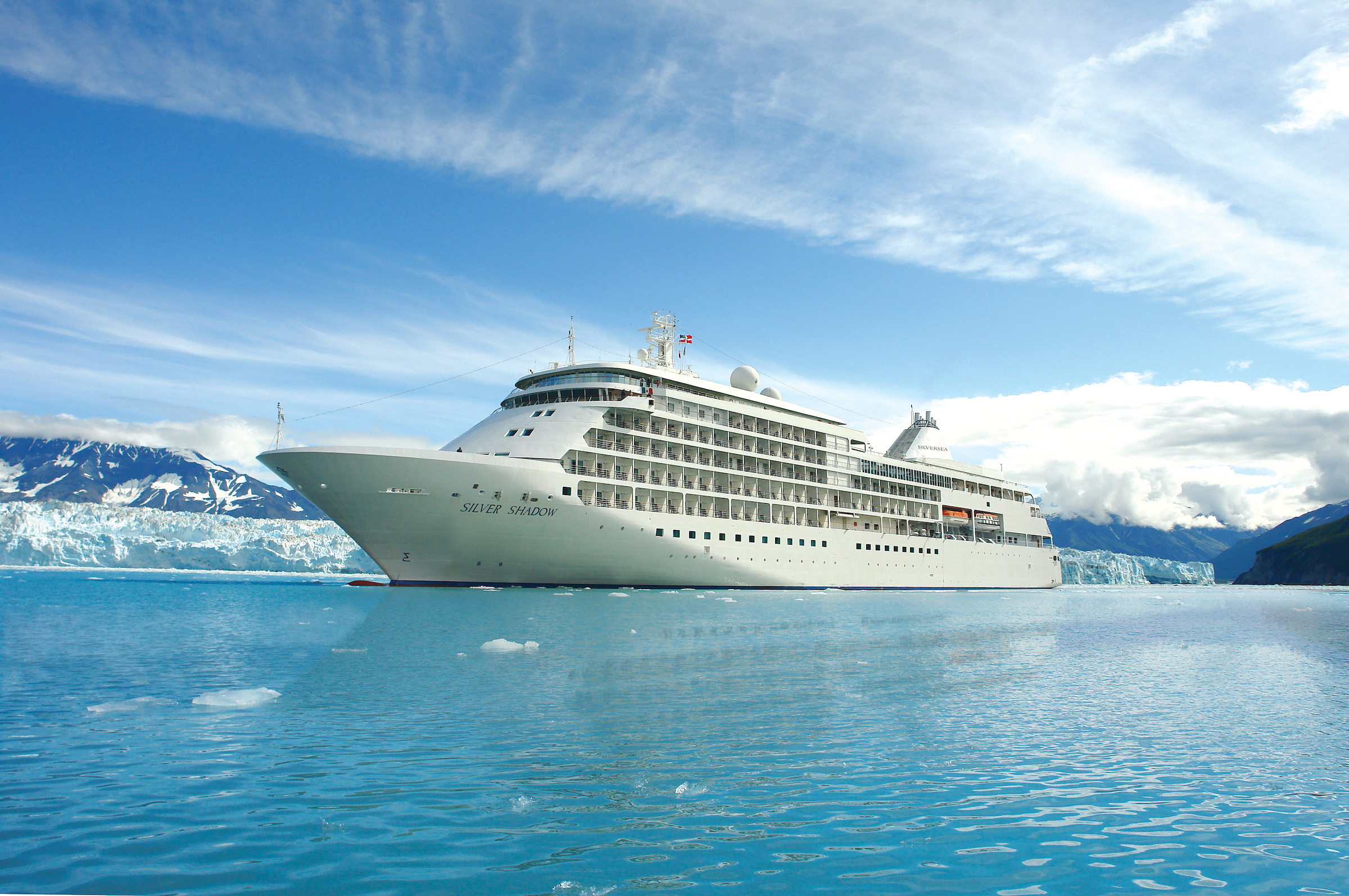
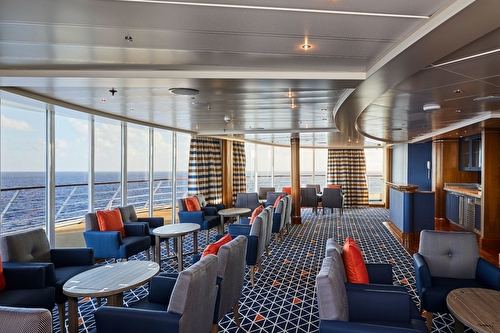
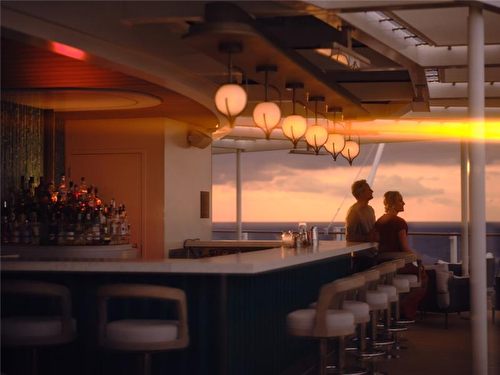
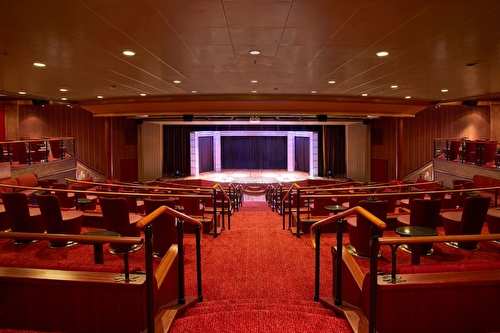
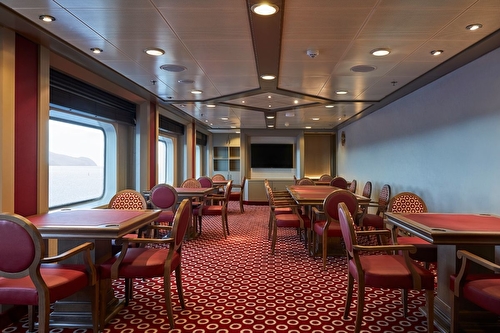
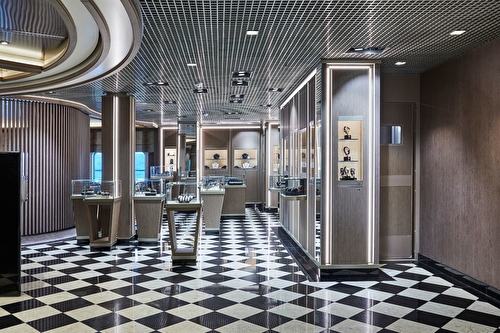
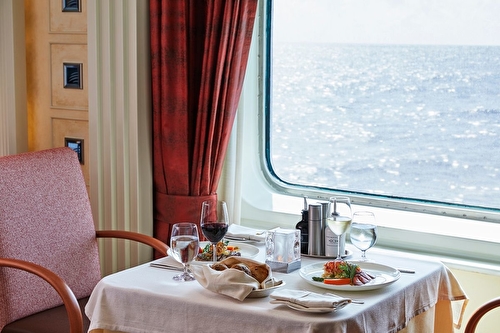

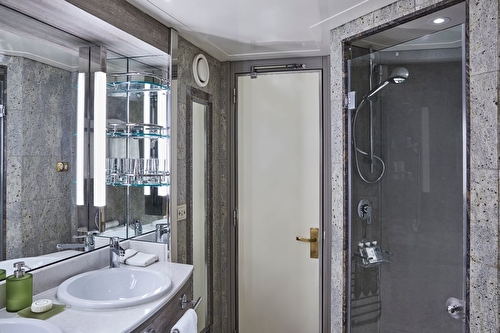
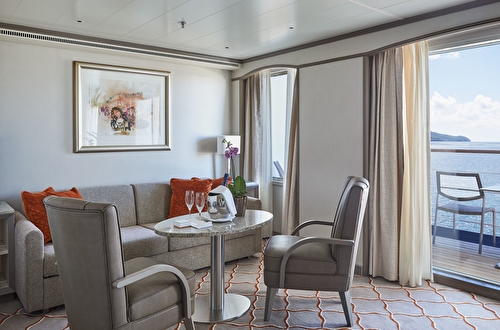
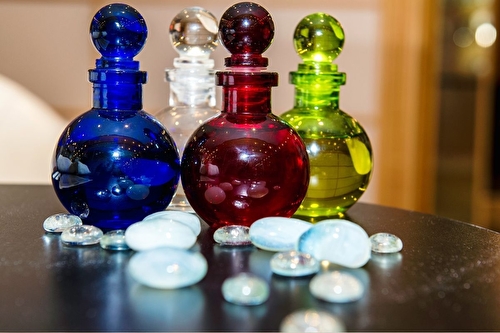
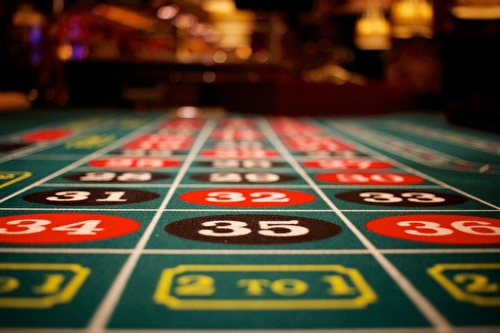

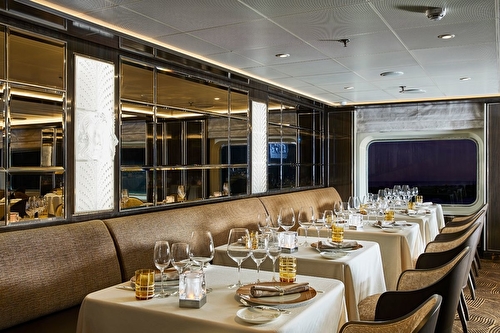
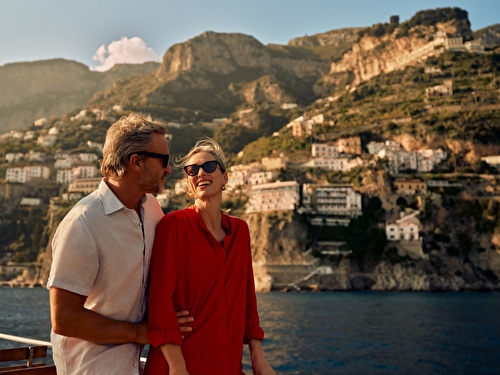
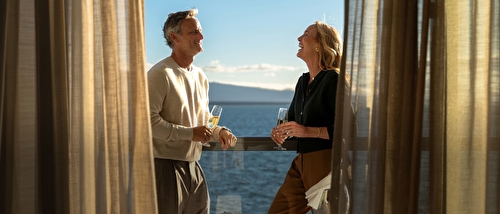
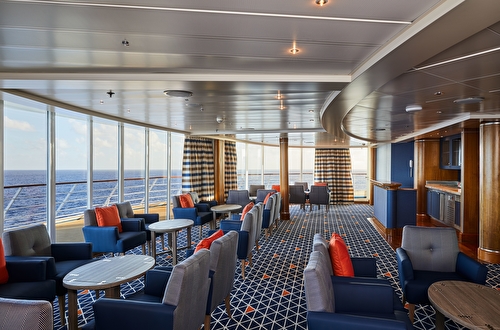
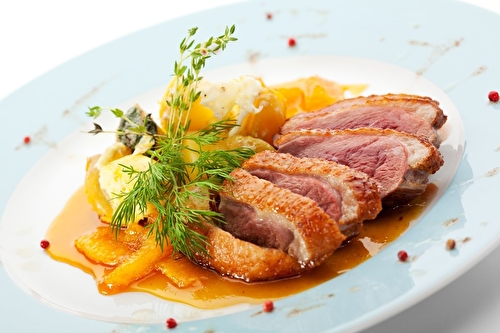
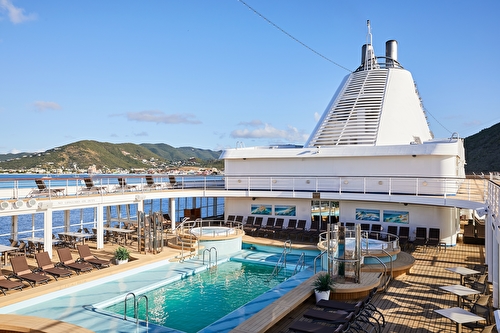
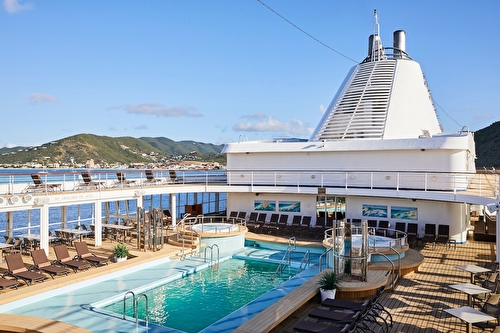
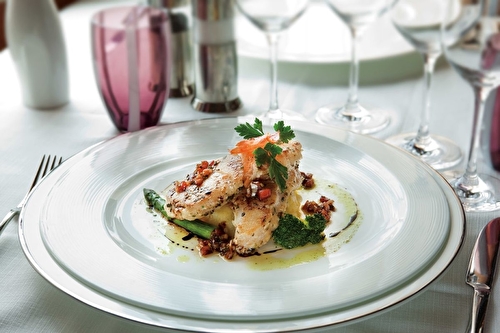
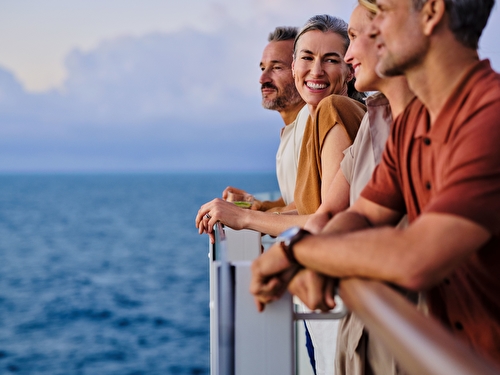
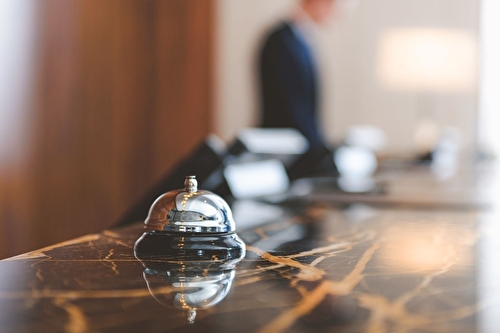
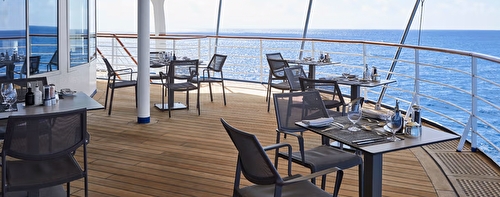
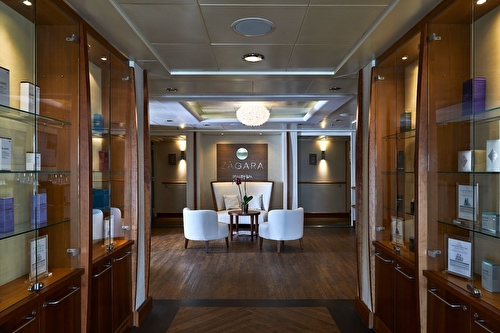
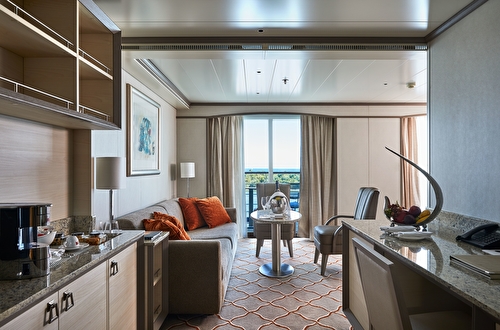
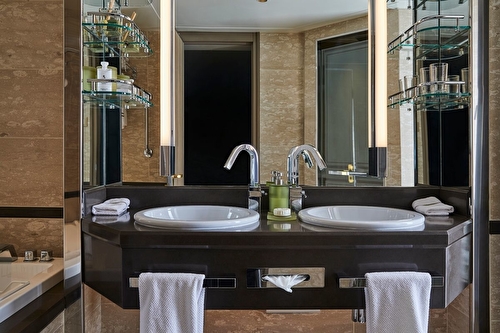
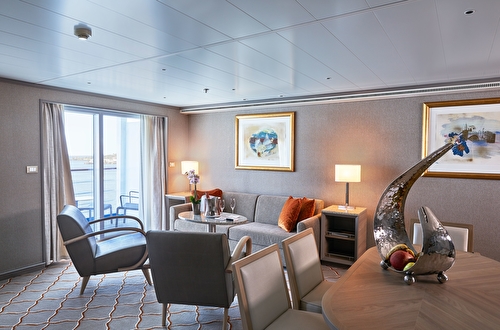
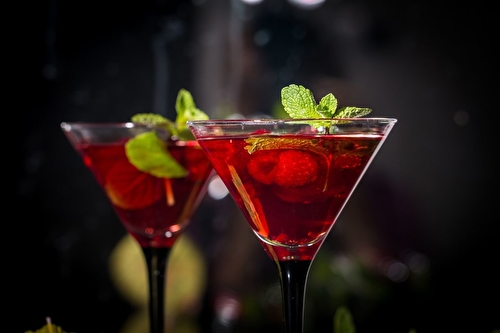
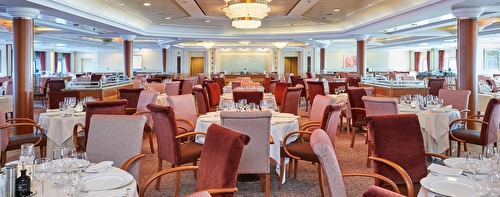
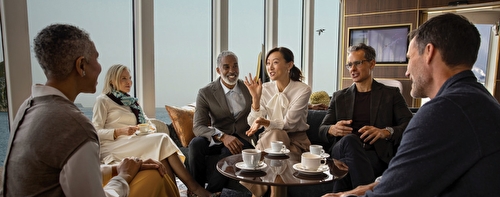


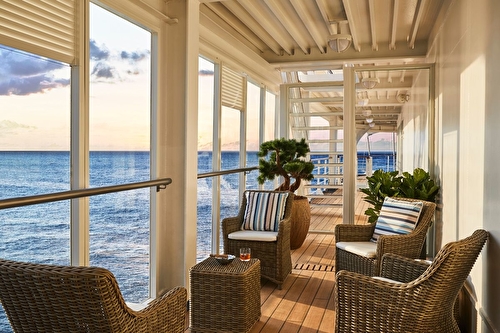
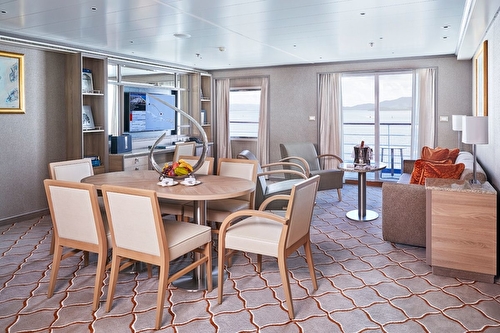
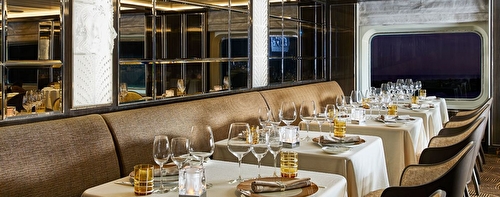
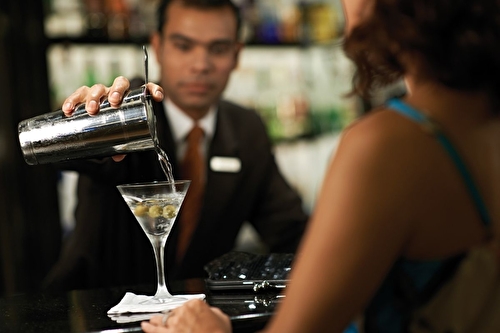
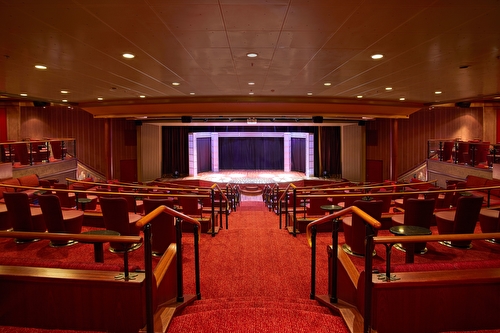
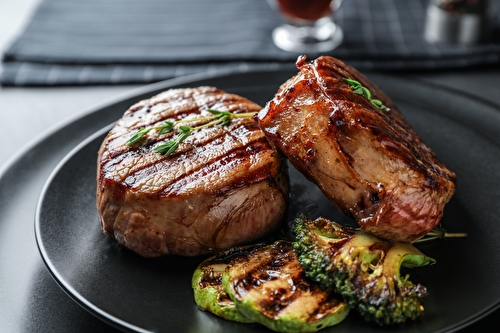

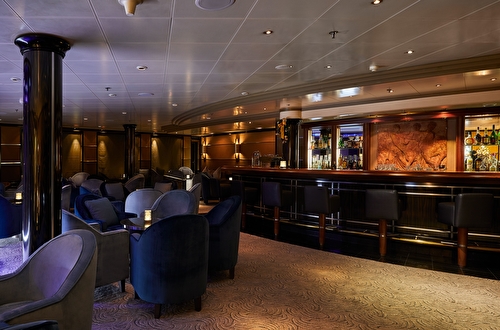
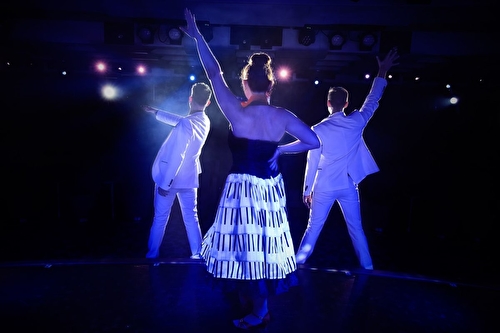
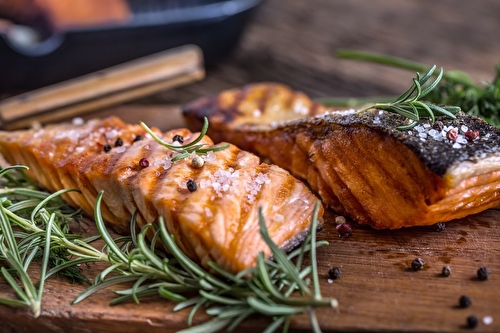
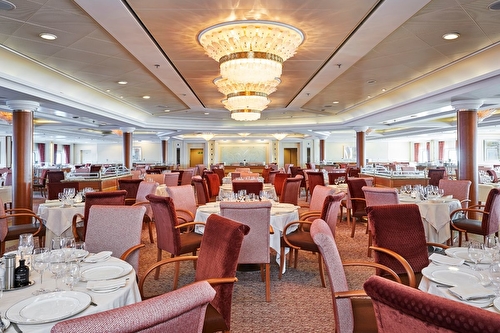
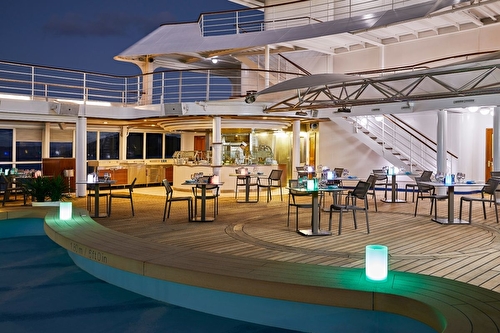
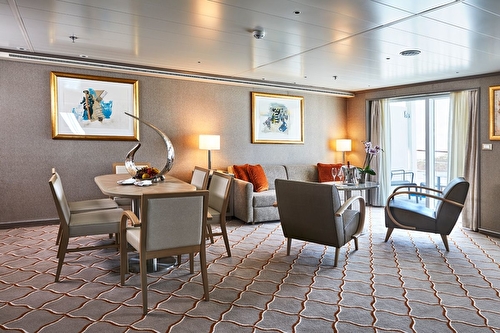
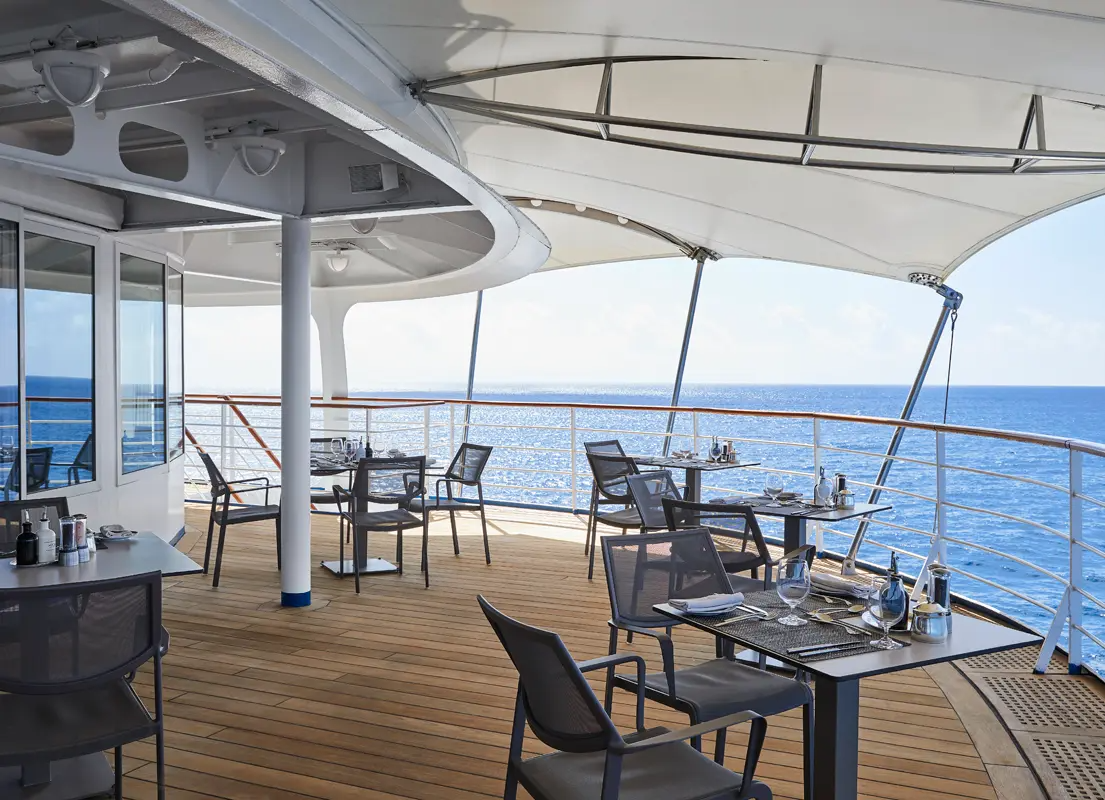
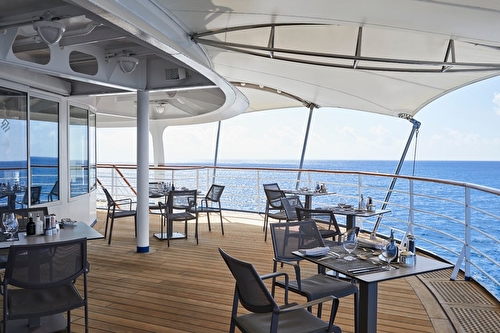
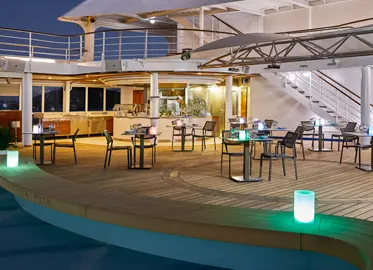
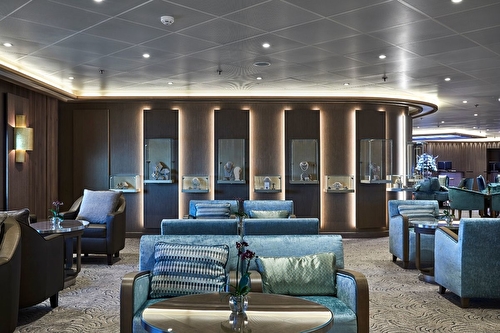
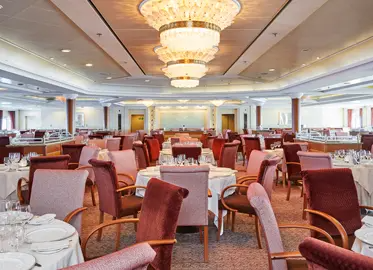
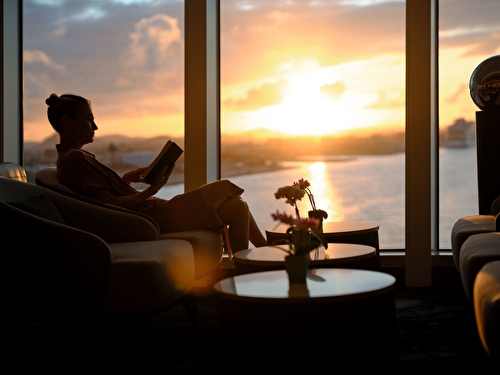
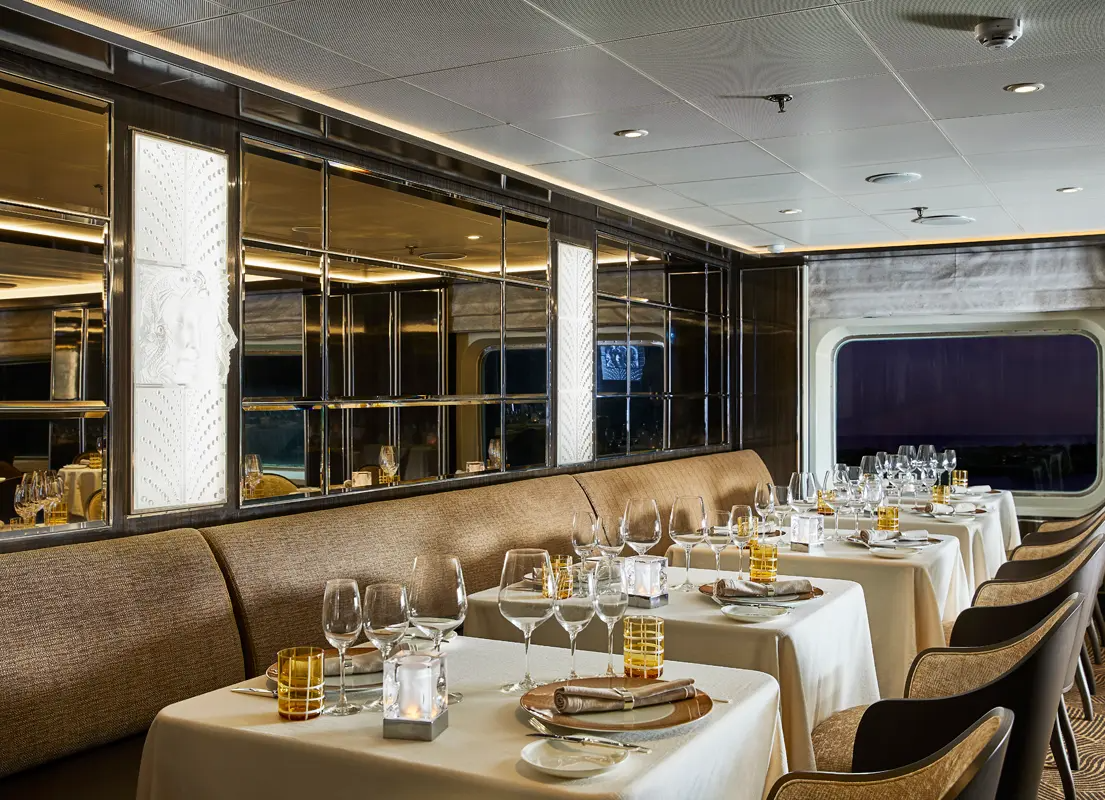
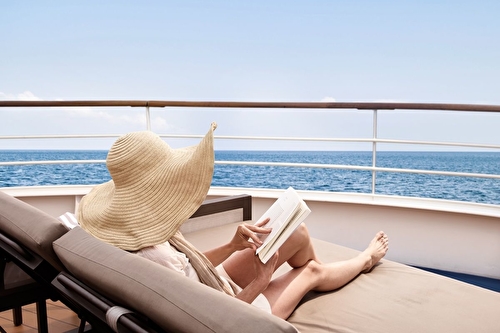
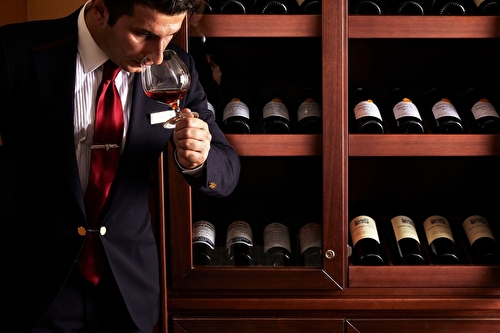
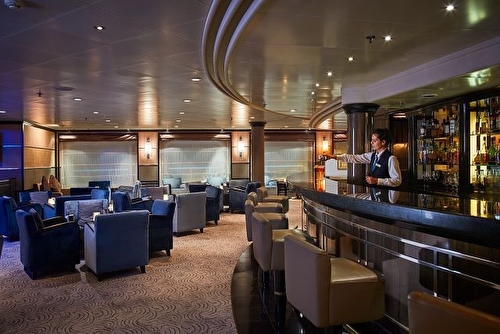
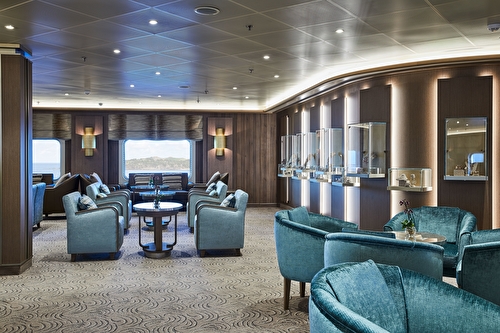
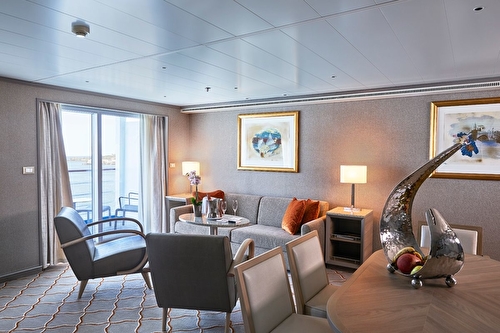
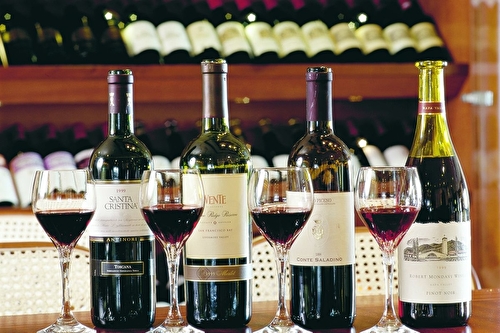
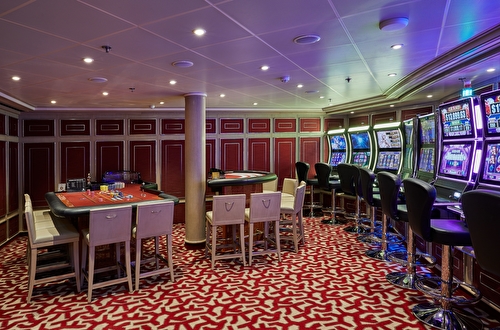
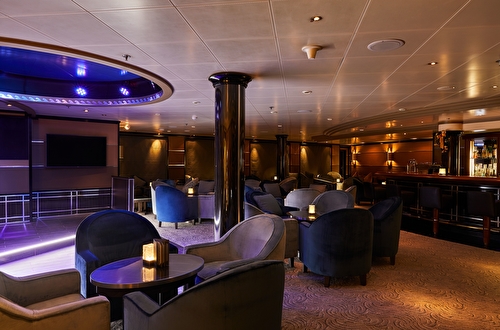
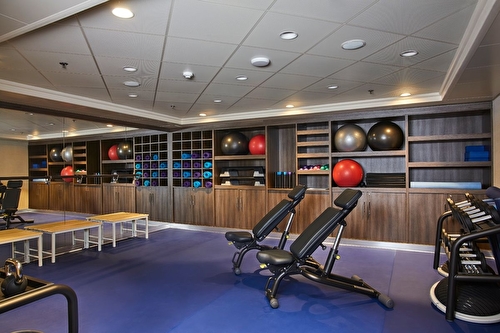
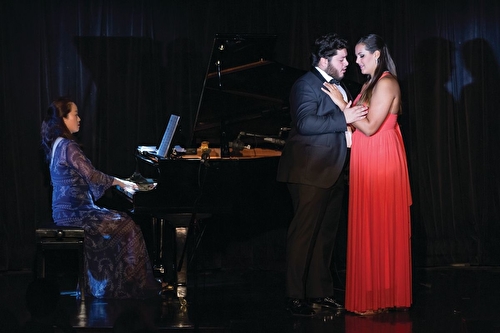


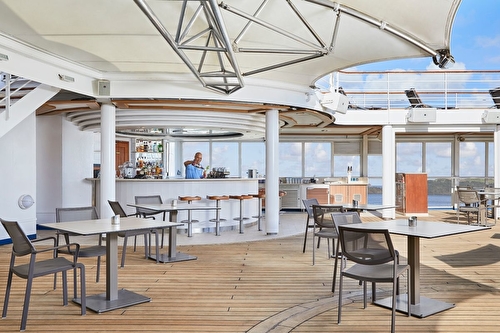
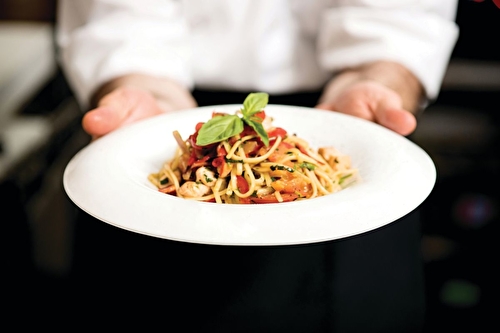
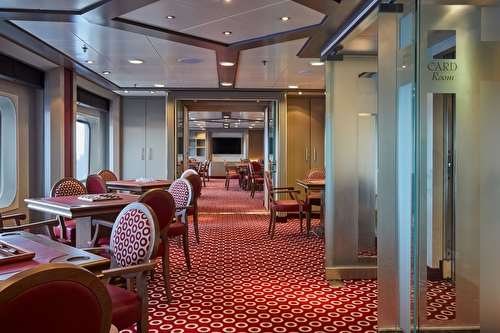
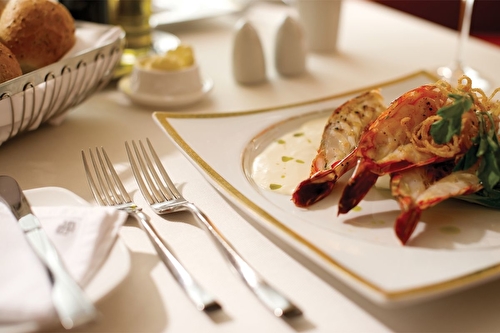
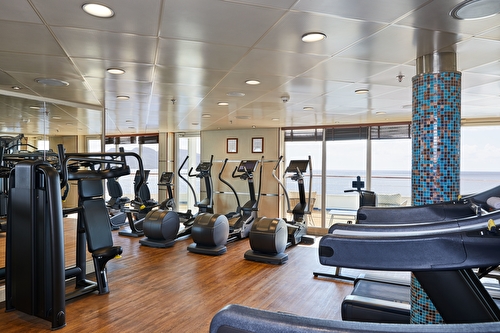
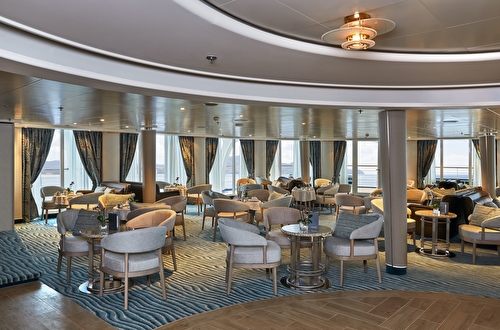
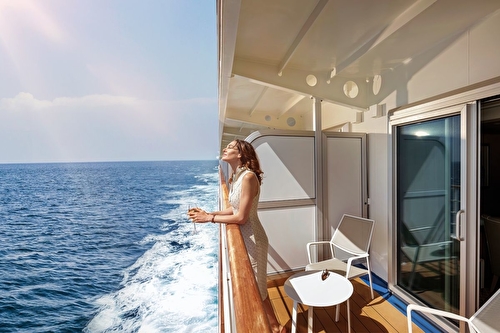
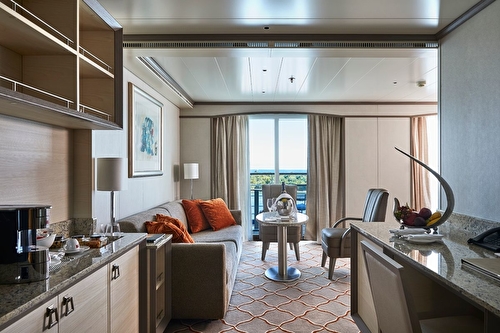
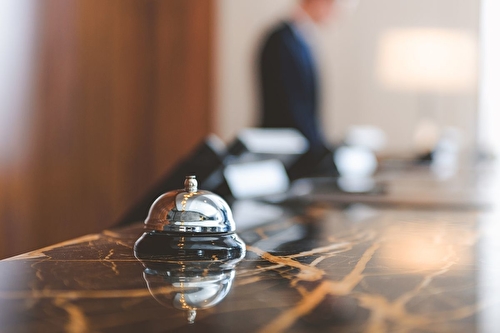
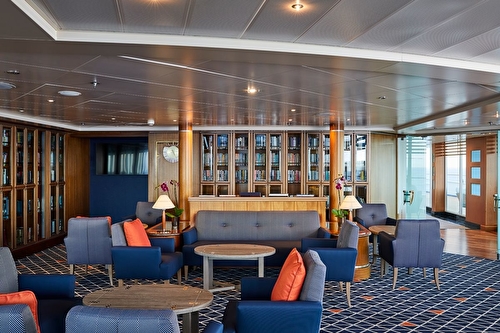

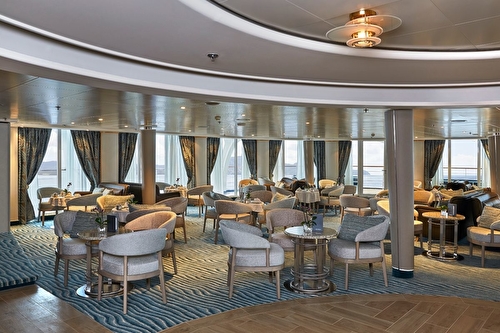
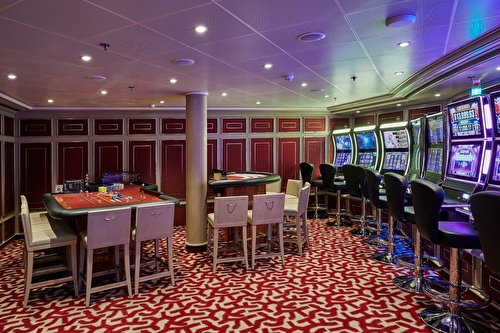

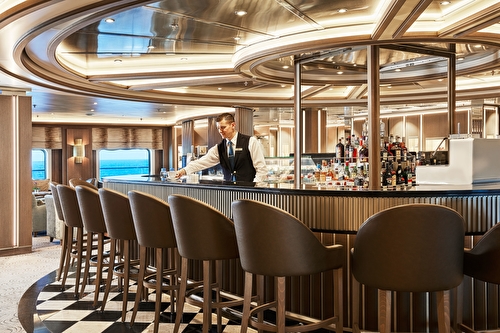
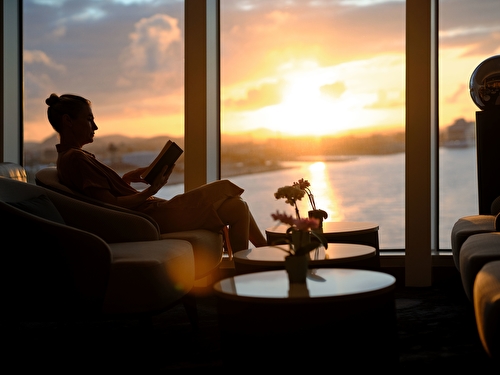
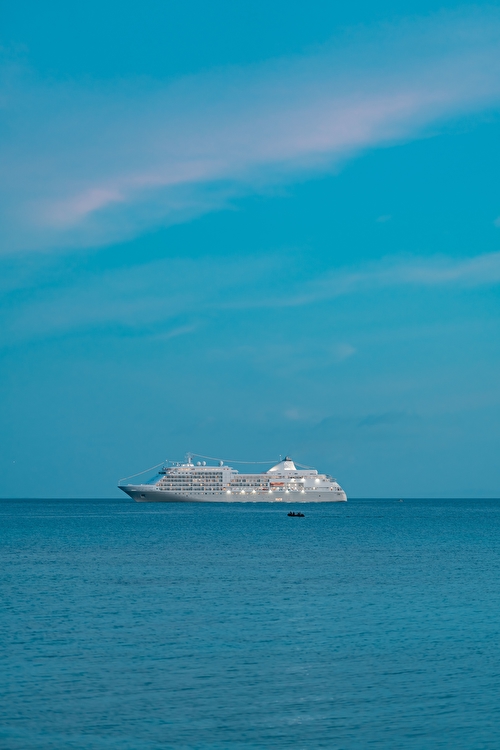
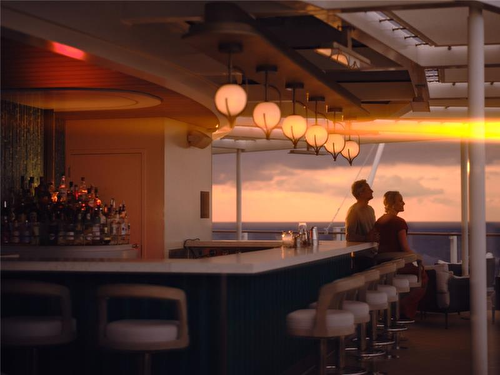
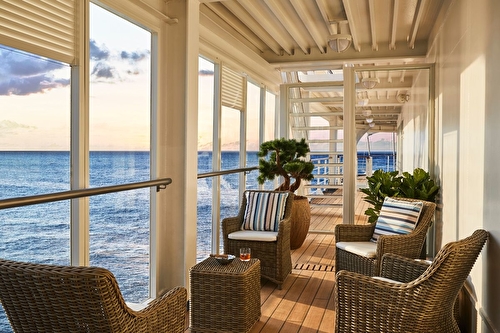
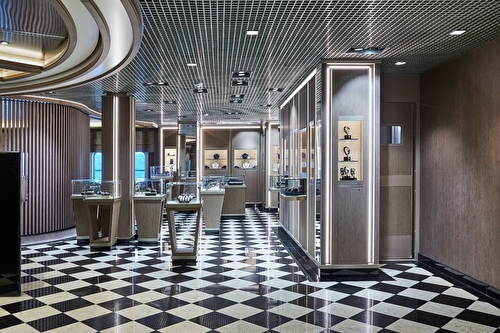
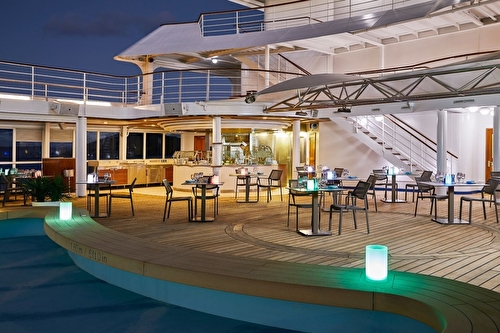
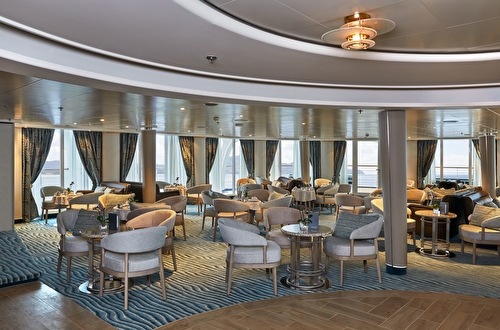
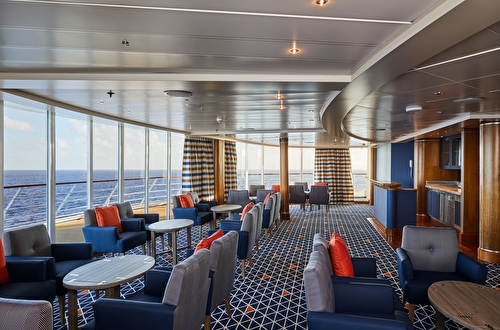
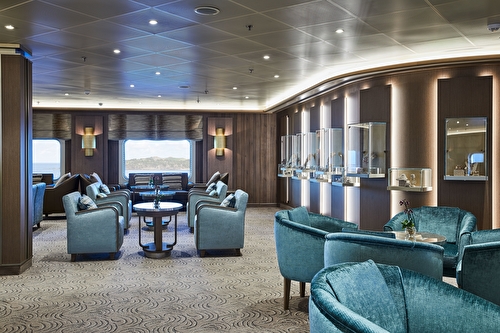
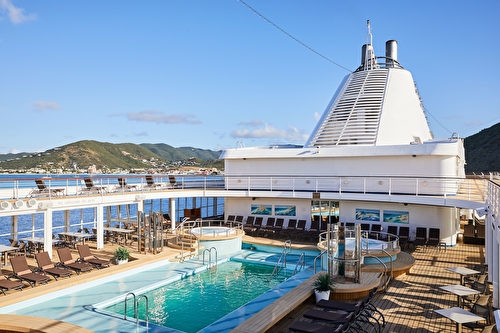

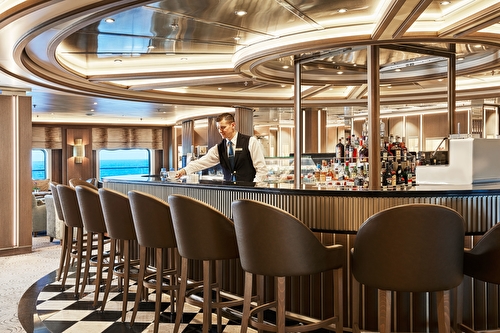
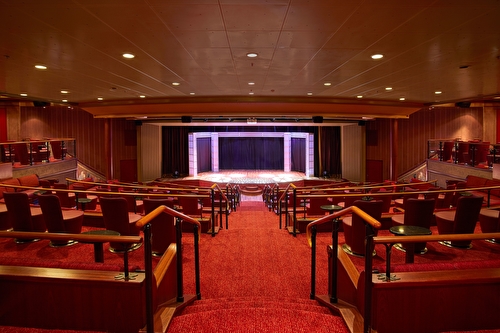
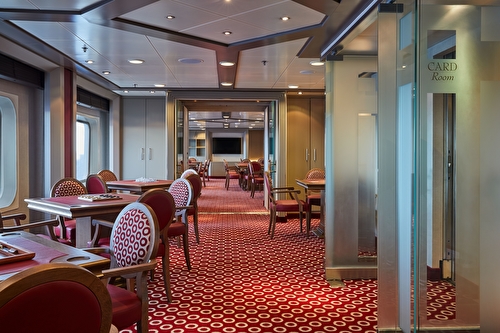
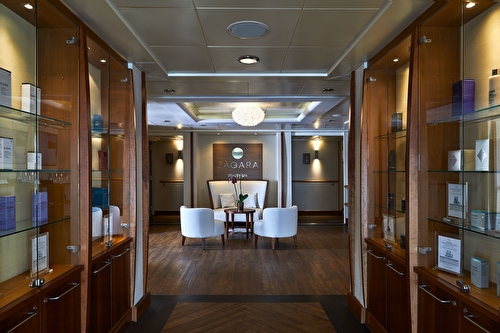
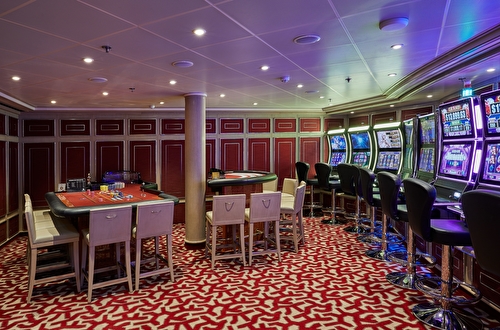
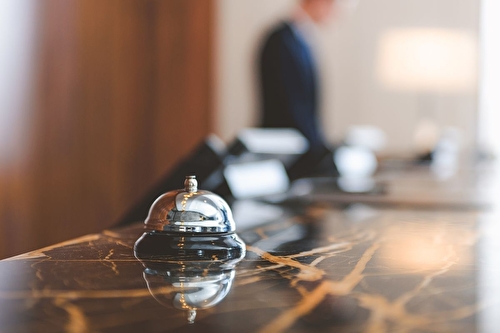
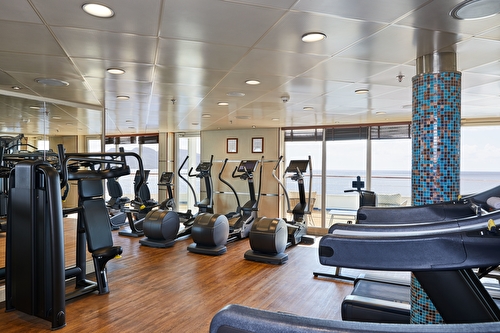
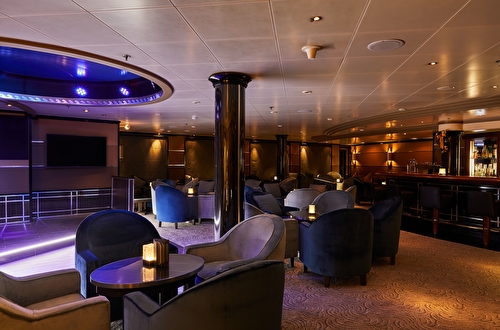
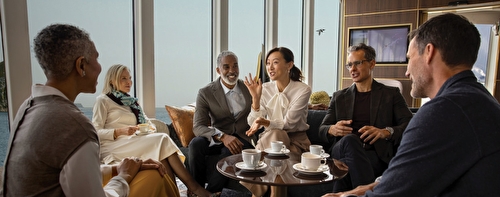
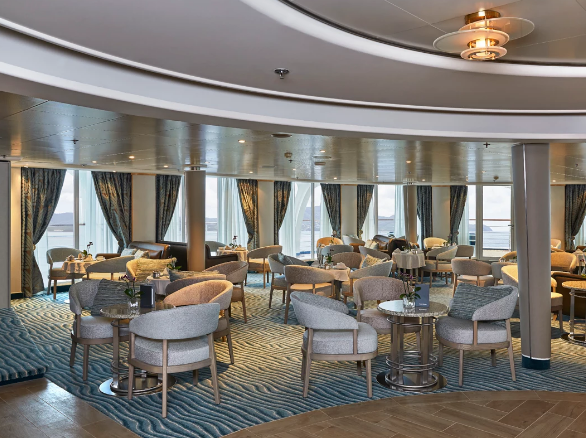
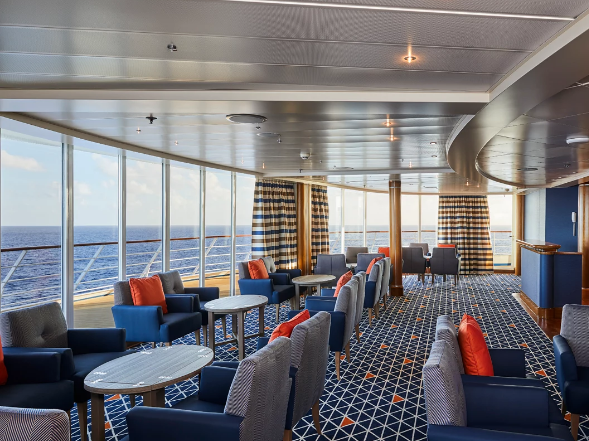
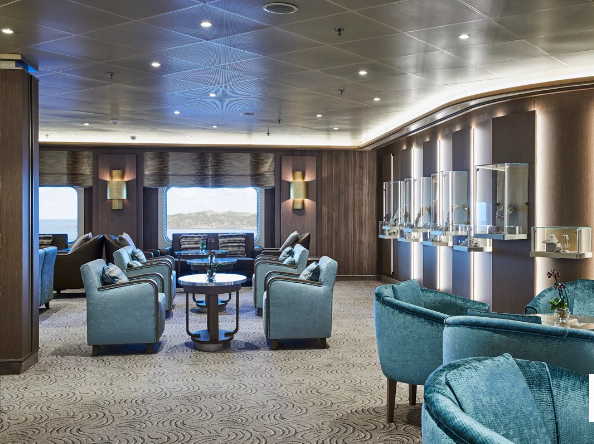
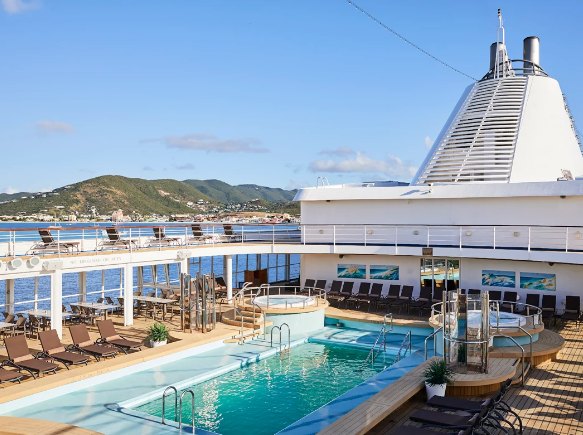

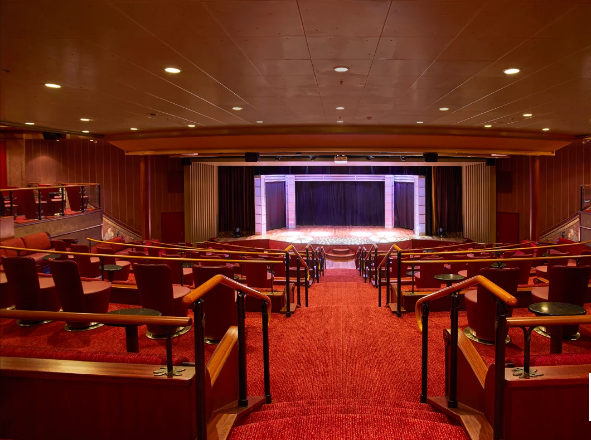
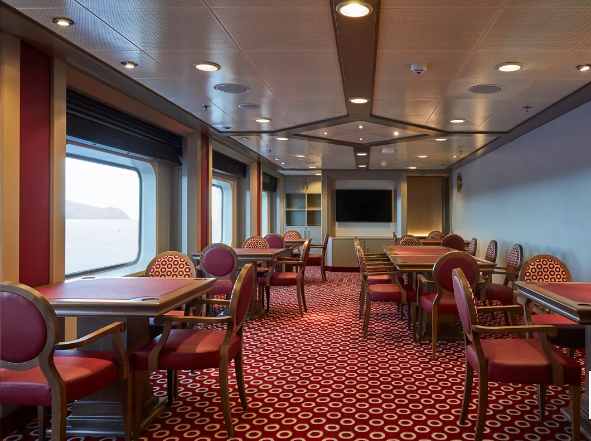
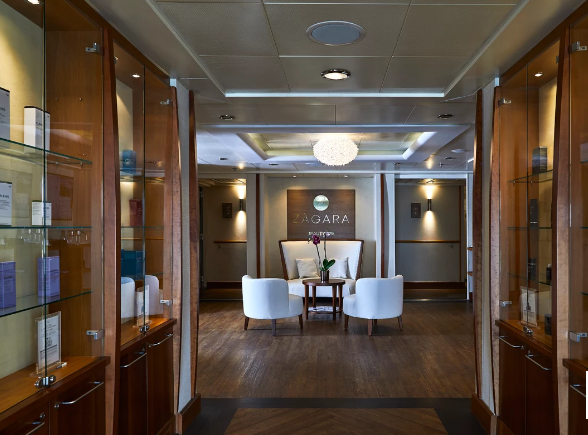
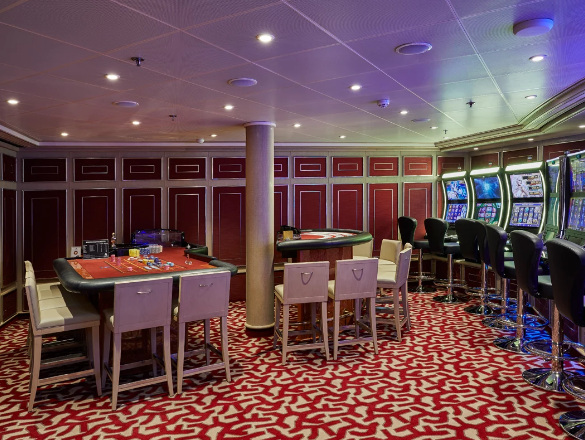
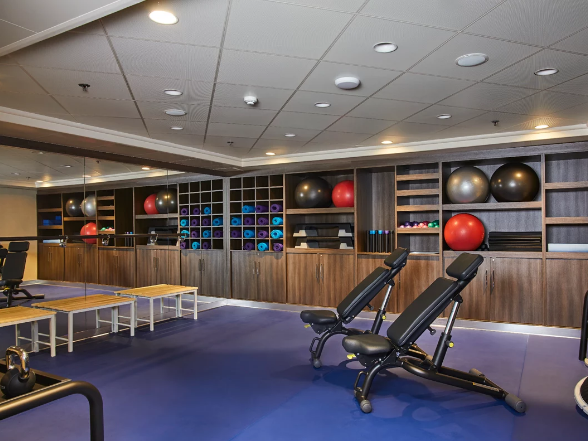

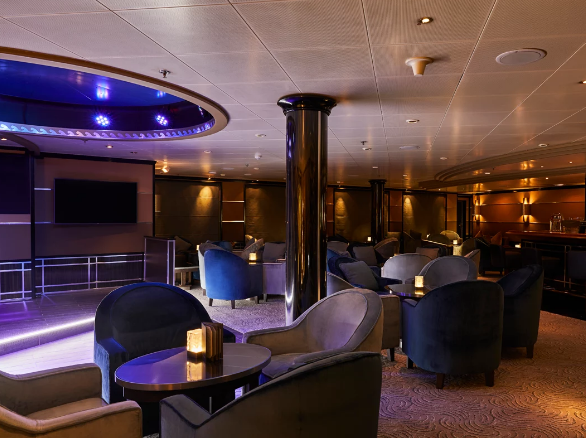
Award-winning Silver Shadow has all the hallmarks of extreme luxury at sea. With one of the highest space-to-guest ratios at sea, Silver Shadow is a firm favourite in the Silversea fleet. Authentic experiences. Simple pleasures. Shared moments. Silversea’s Millennium Class luxury cruise ships Silver Shadow and Silver Whisper offer you freedom and space to design your day. Slightly larger in size than ships Silver Cloud and Silver Wind, Silver Shadow retains Silversea’s essence – spacious suites, a complement of only 388 guests, superior service – paired with a lively cosmopolitan atmosphere and enhanced amenities. Aboard the Silver Shadow, energize body and soul with complimentary Pilates and yoga in the expanded fitness center. Savour fine wines and French gastronomy in La Dame, enjoy authentic Italian cuisine in La Terrazza, or simply gaze at endless ocean views from The Grill. Not forgetting the regional-inspired The Restaurant, dining at sea has never been so good.
Aerobics
Fitness Center
Fitness Equipment
Jogging Track
Personal Training
Pilates
Yoga
Beauty Salon
Facial Treatments
Manicures
Massage Room
Pedicures
Pool Deck
Sauna
Spa
Steam Room
Whirlpool
24hr In-Suite Dining
Bar
Cafe
Cruiselite Dining
Grill
Le Champagne
Pool Grill
Connoisseur Club
Dance Floor
Panorama Lounge
Show Lounges
Card Room
Golf Nets
Library
Outdoor Pool
Boutique
Concierge
Conference Room
Guest Relations Office
Observation Lounge
Reception
Security Safe
Self Service Laundry
Shore Excursion Office
Description
Award-winning Silver Shadow has all the hallmarks of extreme luxury at sea. With one of the highest space-to-guest ratios at sea, Silver Shadow is a firm favourite in the Silversea fleet. Authentic experiences. Simple pleasures. Shared moments. Silversea’s Millennium Class luxury cruise ships Silver Shadow and Silver Whisper offer you freedom and space to design your day. Slightly larger in size than ships Silver Cloud and Silver Wind, Silver Shadow retains Silversea’s essence – spacious suites, a complement of only 388 guests, superior service – paired with a lively cosmopolitan atmosphere and enhanced amenities. Aboard the Silver Shadow, energize body and soul with complimentary Pilates and yoga in the expanded fitness center. Savour fine wines and French gastronomy in La Dame, enjoy authentic Italian cuisine in La Terrazza, or simply gaze at endless ocean views from The Grill. Not forgetting the regional-inspired The Restaurant, dining at sea has never been so good.
Fitness
Aerobics
Fitness Center
Fitness Equipment
Jogging Track
Personal Training
Pilates
Yoga
Relaxation
Beauty Salon
Facial Treatments
Manicures
Massage Room
Pedicures
Pool Deck
Sauna
Spa
Steam Room
Whirlpool
Food and Drink
24hr In-Suite Dining
Bar
Cafe
Cruiselite Dining
Grill
Le Champagne
Pool Grill
Entertainment
Connoisseur Club
Dance Floor
Panorama Lounge
Show Lounges
Recreational
Card Room
Golf Nets
Library
Outdoor Pool
Other
Boutique
Concierge
Conference Room
Guest Relations Office
Observation Lounge
Reception
Security Safe
Self Service Laundry
Shore Excursion Office
STATEROOMS
