 Sign In
Puerto Williams to Tema
- 6 Mar ‘28
- 25 nights
- Departing from Puerto Williams
- Silver Endeavour

 Earn & redeem points on all travel* with World360 Rewards – join free today!
-
Suite price from$37,050*/pp
YOUR ITINERARY
Puerto Williams, Chile - South Georgia - South Georgia - South Georgia - Gough Island, St Helena - Tristan Da Cunha - Nightingale Island - Jamestown, St. Helena - Jamestown, St. Helena - Ascension Island - Tema (Accra)
Puerto Williams is a town on Navarino Island in the Be...
Puerto Williams is a town on Navarino Island in the Beagle Channel in Chile’s far south. Part of the Tierra del Fuego archipelago, it’s known as a starting point for trips around Cape Horn. It’s also a gateway to trails around the jagged peaks of the nearby Dientes de Navarino. In town, the Martin Gusinde Anthropological Museum traces the history of the region’s former inhabitants, the indigenous Yaghan people.
Charcoal-black mountains ladled with snow, giant glaciers a...
Charcoal-black mountains ladled with snow, giant glaciers and thriving wildlife combine to make South Georgia one of the great natural islands. Adventure to these far flung lands – where the animals are in charge and humans come a distant second. Here you’ll witness a cacophony of calling birds, natural set pieces like elephant seals clashing and thrashing, and crowds of colourful king penguins stretching out as far as the eye can see. View less
An overseas territory of the UK, these isolated, subantarctic islands once formed a remote whaling centre – and you can still visit the former whaling stations. Nowadays the giants of the sea are free to cruise the icy waters uninhibited. Written into explorer history due to its links with Ernest Shackleton’s tale of Antarctic exploration, shipwreck and survival, the Endurance’s crew were saved when he reached the salvation of these shores in 1916 – before returning to collect the remaining sailors from Elephant Island. A museum commemorates the legendary mission, and you can see the memorial to Shackleton that stands over his final resting place on this fabled island. South Georgia’s colonies of king penguins – with vivid bursts of yellow and orange around their necks – stand, squabble and curiously investigate, enjoying the isolated respite of this island. They’re joined by smaller penguin species like Macaroni penguins, and other glorious birdlife like the majestic wandering albatrosses, which you can see gliding on gusts of wind, over the choppy waves.
Charcoal-black mountains ladled with snow, giant glaciers ...
Charcoal-black mountains ladled with snow, giant glaciers and thriving wildlife combine to make South Georgia one of the great natural islands. Adventure to these far flung lands – where the animals are in charge and humans come a distant second. Here you’ll witness a cacophony of calling birds, natural set pieces like elephant seals clashing and thrashing, and crowds of colourful king penguins stretching out as far as the eye can see. View less
An overseas territory of the UK, these isolated, subantarctic islands once formed a remote whaling centre – and you can still visit the former whaling stations. Nowadays the giants of the sea are free to cruise the icy waters uninhibited. Written into explorer history due to its links with Ernest Shackleton’s tale of Antarctic exploration, shipwreck and survival, the Endurance’s crew were saved when he reached the salvation of these shores in 1916 – before returning to collect the remaining sailors from Elephant Island. A museum commemorates the legendary mission, and you can see the memorial to Shackleton that stands over his final resting place on this fabled island. South Georgia’s colonies of king penguins – with vivid bursts of yellow and orange around their necks – stand, squabble and curiously investigate, enjoying the isolated respite of this island. They’re joined by smaller penguin species like Macaroni penguins, and other glorious birdlife like the majestic wandering albatrosses, which you can see gliding on gusts of wind, over the choppy waves.
Charcoal-black mountains ladled with snow, giant gl...
Charcoal-black mountains ladled with snow, giant glaciers and thriving wildlife combine to make South Georgia one of the great natural islands. Adventure to these far flung lands – where the animals are in charge and humans come a distant second. Here you’ll witness a cacophony of calling birds, natural set pieces like elephant seals clashing and thrashing, and crowds of colourful king penguins stretching out as far as the eye can see. View less
An overseas territory of the UK, these isolated, subantarctic islands once formed a remote whaling centre – and you can still visit the former whaling stations. Nowadays the giants of the sea are free to cruise the icy waters uninhibited. Written into explorer history due to its links with Ernest Shackleton’s tale of Antarctic exploration, shipwreck and survival, the Endurance’s crew were saved when he reached the salvation of these shores in 1916 – before returning to collect the remaining sailors from Elephant Island. A museum commemorates the legendary mission, and you can see the memorial to Shackleton that stands over his final resting place on this fabled island. South Georgia’s colonies of king penguins – with vivid bursts of yellow and orange around their necks – stand, squabble and curiously investigate, enjoying the isolated respite of this island. They’re joined by smaller penguin species like Macaroni penguins, and other glorious birdlife like the majestic wandering albatrosses, which you can see gliding on gusts of wind, over the choppy waves.
Look for Gough Island on a map, and you’ll struggle to ...
Look for Gough Island on a map, and you’ll struggle to locate it, cast far into the expanse of the South Atlantic Ocean. An almost entirely uninhabited volcanic island, barely within the grasp of humans historically, just a small bunch of hardy researchers live here. They share their home – a full 1,700 miles to the west of Cape Town – with a stunning array of seabirds, including endemic species like the Gough moorhen and Gough bunting. View less
Part of the UK overseas territory of St Helena, Ascension and Tristan da Cunha – the world’s most remote inhabited archipelago – Gough Island forms part of a remarkable UNESCO World Heritage Site and serves as a vital island sanctuary for rare and celebrated birdlife. Blasted by harsh winds and rough seas throughout the year, Gough Island’s coastline has been shaped and sculpted into a dramatic, imposing site. An island of extraordinary wildlife, migrating whales cruise through the waters around it, while colonies of albatross and rockhopper penguins wander its shores and cliff faces. If you arrive on these shores following a downpour, you’ll be treated to displays of waterfalls cascading through the undergrowth. Gough Island may serve as a sanctuary for seabirds, but a concerted effort has had to be made to deal with mice, which were brought by humans in the 19th century. With few predators, they thrived here, endangering the Tristan albatross in the process. A project has been launched to decrease the mice population and protect the island’s delicate ecological balance.
Sailing to these lonely volcanic islands feels a ...
Sailing to these lonely volcanic islands feels a little like dropping off the map, as you aim for the seemingly endless ocean horizon. A true adventure, the journey rewards generously, as you track down the world’s most remote archipelago, and discover its incredible, endemic birdlife. A full 1,500 miles away from the nearest neighbour, St. Helena, it’s fair to say that the Tristan Da Cunha archipelago is a long way off of the beaten path. Venture to the only inhabited island, where a hardy 250 souls live out their lives. View less
Tristan Da Cunha was first discovered at the beginning of the 16th century by Portuguese explorer Tristao da Cuhna – who named the island after himself. He was unable to actually step out onto its land, however, as the waves churned violently below his ship, rendering the shores inaccessible. A volcanic island, the 2,000-metre tall Queen Mary’s Peak dominates it – although the islanders were unaware of its sleeping power until it rumbled into life in 1961. The population were forced to abandon the shores temporarily for their own safety. The extraordinary, rare wildlife is the main reason why most set their compass for these far-flung islands. Tristan Da Cunha is alive with vibrant birdlife, from Atlantic yellow-nosed albatross to Tristan thrush, and many, many more – including the endemic and endangered Tristan wandering albatross. Roughly 90% of the northern rockhopper penguin population also visit to breed on this vital outpost, while sea lions lay around on the shores, and whales and dolphins cruise the waters.
Uninhabited except for the majestic, million-plus seabirds tha...
Uninhabited except for the majestic, million-plus seabirds that call this castaway island home, it doesn’t get much more raw and remote than Nightingale Island. Adrift between South America and Africa, in the Tristan da Cunha archipelago, the island takes its name from British explorer Gamaliel Nightingale and is the smallest of these distant volcanic lands. Craggy coastline and rugged cliffs rise imposingly from the waters of the South Atlantic, as you approach this remote volcano island – which erupted most recently in 2004. View less
Largely free from human interference, Nightingale Island is known for the abundant birdlife that thrives here and is a shelter for some of the world’s rarest species. Designated as an Endemic Bird Area and an Important Bird Area, the island’s birds are awarded special protection, and only select visits to these shores are permitted. Amid the cawing and calling of the island’s endless flocks, you can spot the rare canary-like Nightingale bunting, and Wilkins’s bunting – which are found only here. Little gangs of rockhopper penguins patrol the rocks and hop over boulders – easy to distinguish against the blackened landscape, with their distinctive yellow flashes of feathers. You’ll also see the graceful glide of Atlantic yellow-nosed albatrosses, and the plunges of great shearwaters. Keep one eye open for the glint of gold during your expedition ashore – rumours swirl that undiscovered pirate treasure was once stashed somewhere on the island.
Jamestown is the capital of the British Overseas T...
Jamestown is the capital of the British Overseas Territory of Saint Helena, Ascension and Tristan da Cunha, located on the island of Saint Helena in the South Atlantic Ocean. It is also the historic main settlement of the island and is on its north-western coas
Jamestown is the capital of the British Overseas Territ...
Jamestown is the capital of the British Overseas Territory of Saint Helena, Ascension and Tristan da Cunha, located on the island of Saint Helena in the South Atlantic Ocean. It is also the historic main settlement of the island and is on its north-western coas
Ascension Island is an isolated volcanic island, 7°56′...
Ascension Island is an isolated volcanic island, 7°56′ south of the Equator in the South Atlantic Ocean. It is about 1,000 miles from the coast of Africa and 1,400 miles from the coast of Brazil.
From a modest fishing port to the biggest in Ghana, Tema’...
From a modest fishing port to the biggest in Ghana, Tema’s industrial activity has all but tarnished the charming, postcard scenery of the region. The neighbouring white-sanded beaches remain immaculate, still serving as a testimony of the rich variety of birds that can be found in the area.In the way Mother Nature intended it, gannets, boobies and kingfishers amongst other species fish in and around the cerulean waters of the coast.
YOUR SHIP - The Silver Endeavour
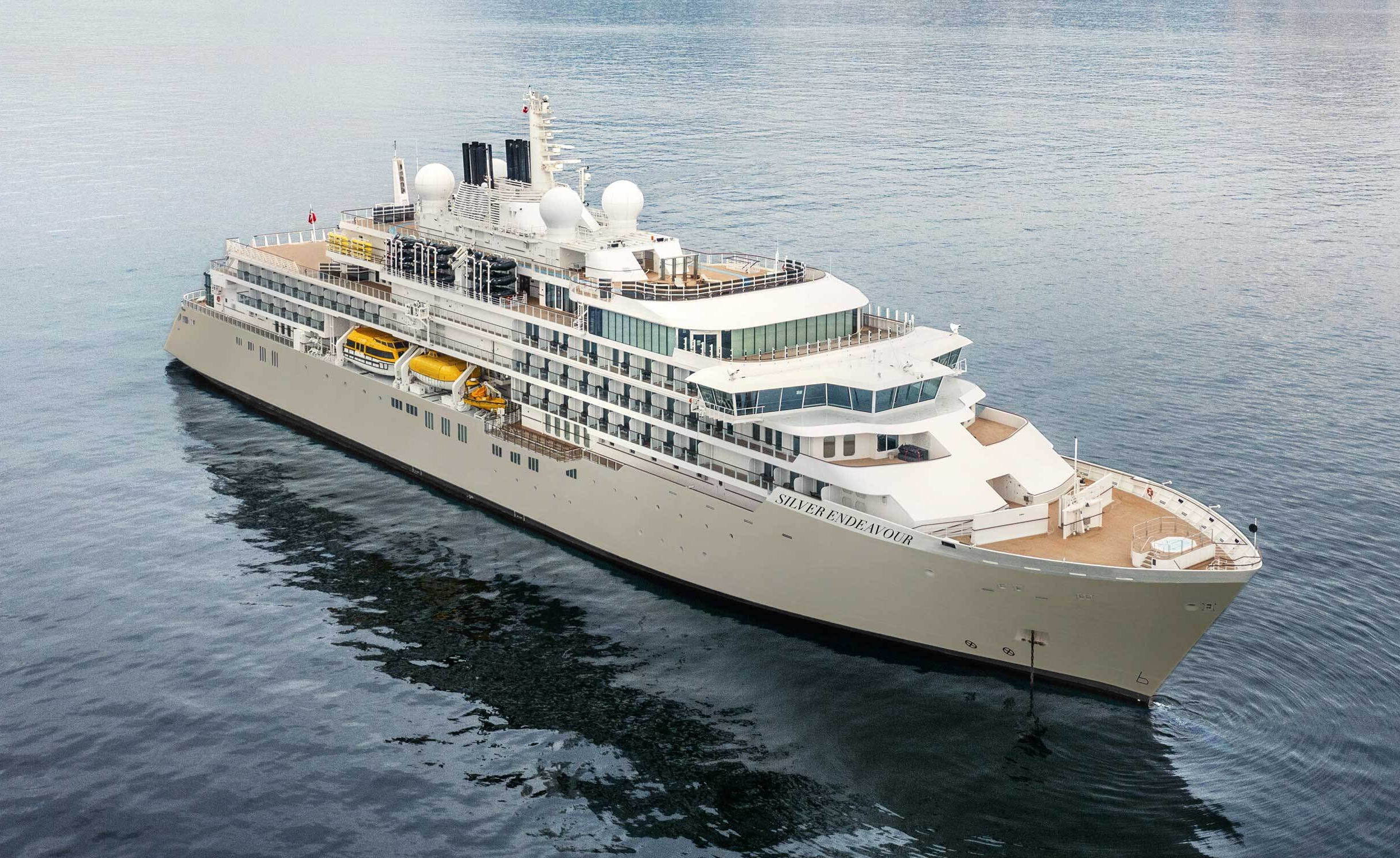
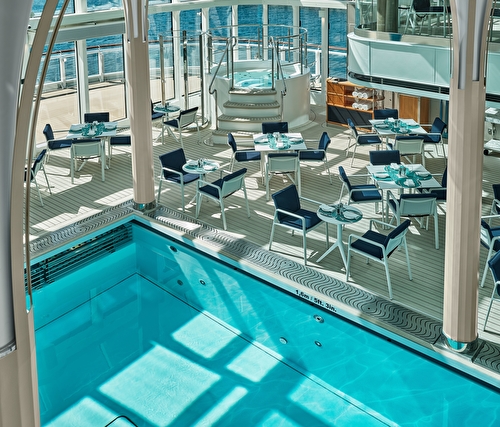


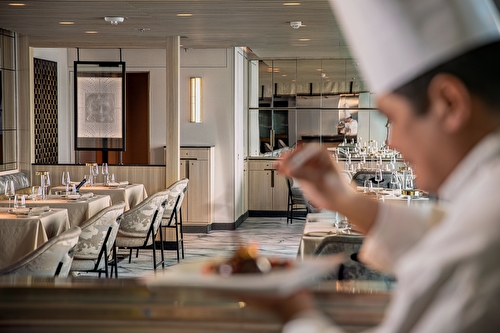
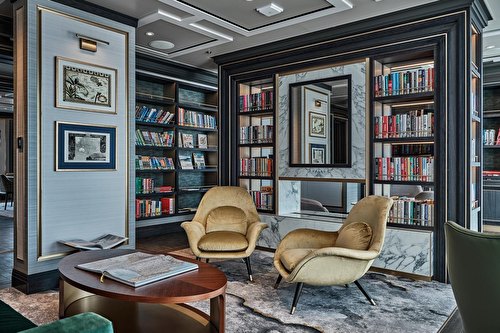
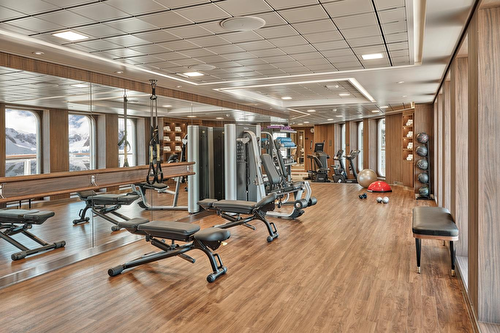
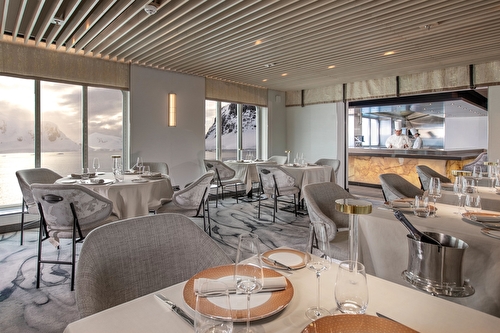
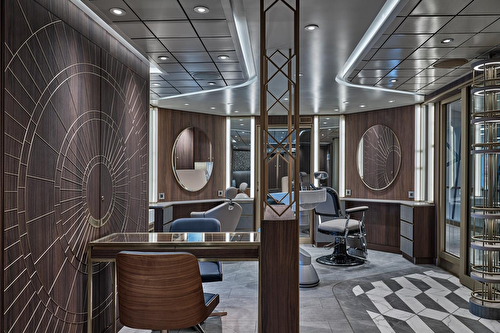
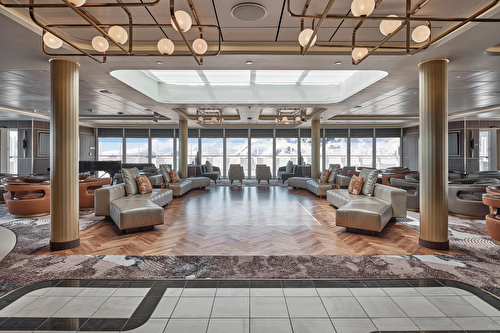
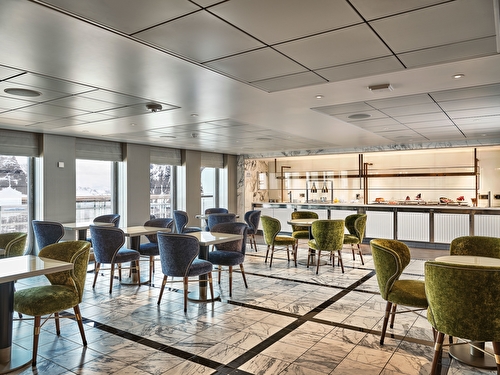
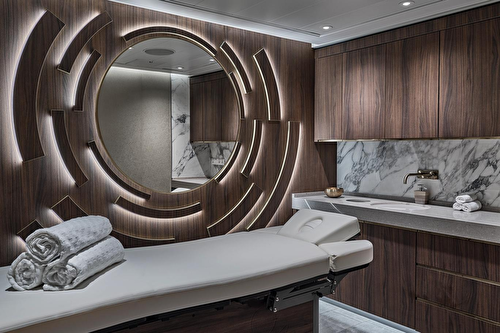
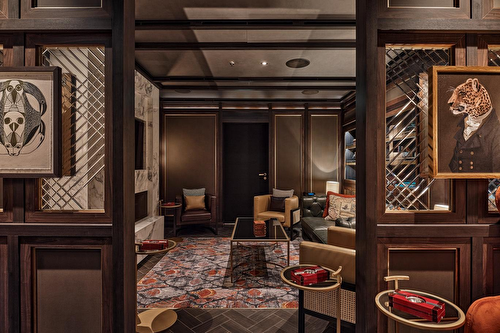
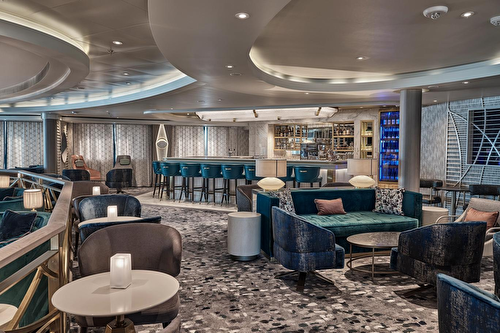
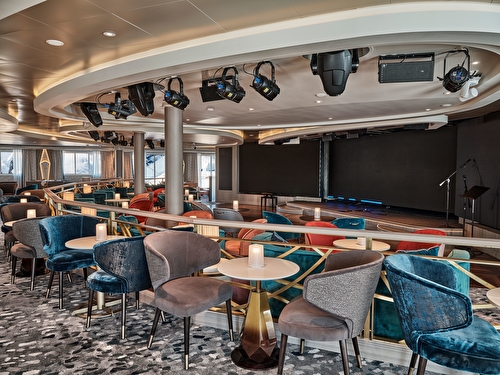
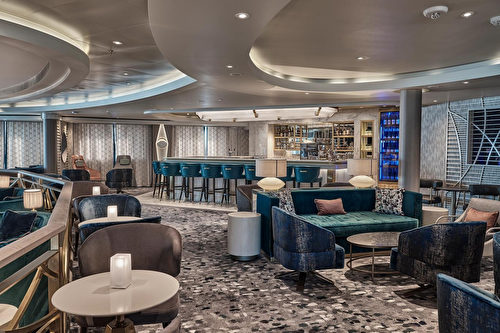
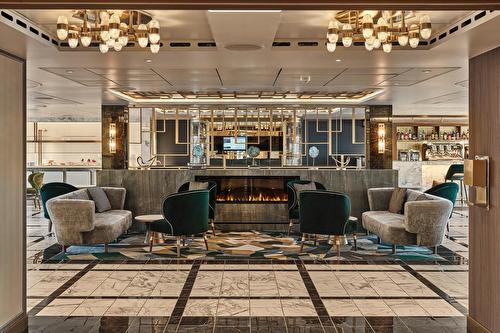
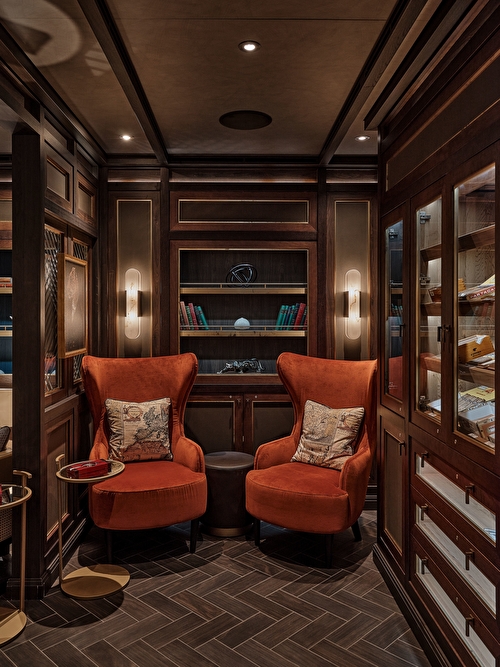
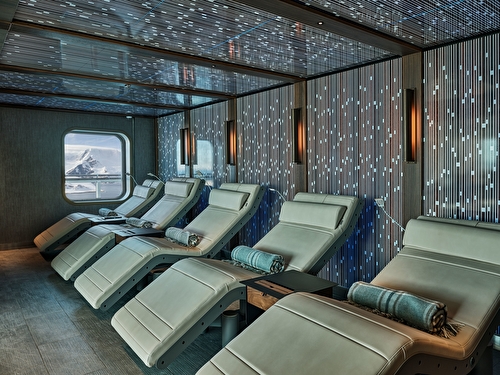
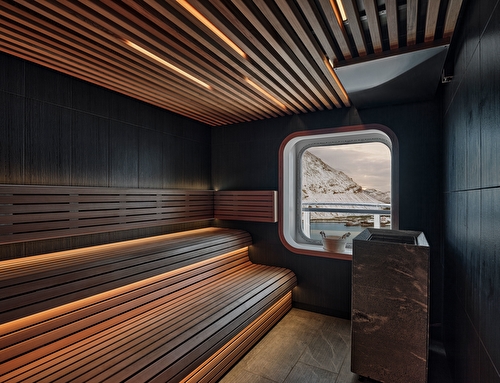
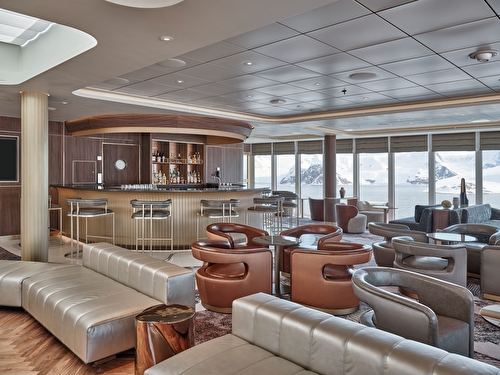
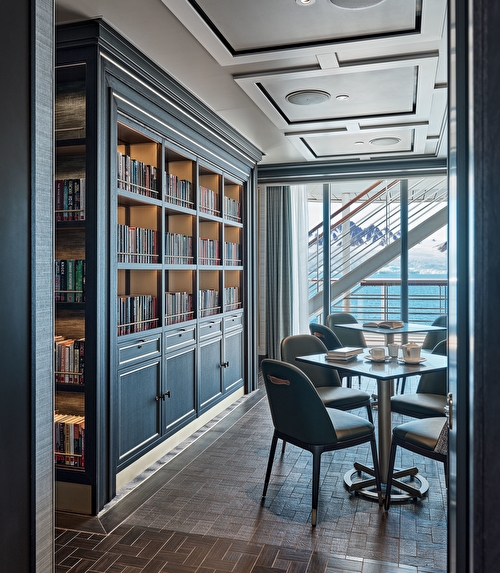
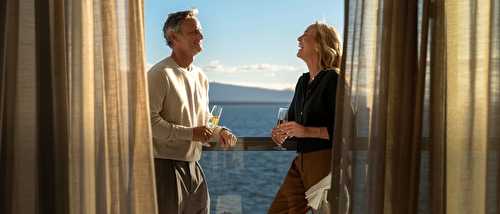
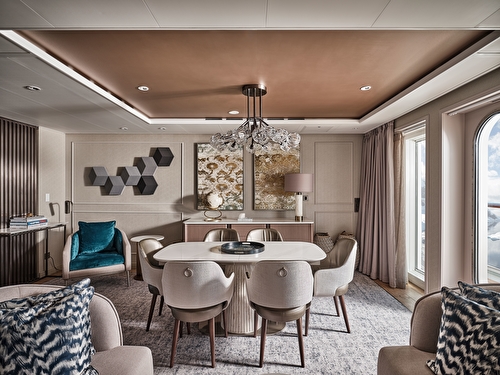
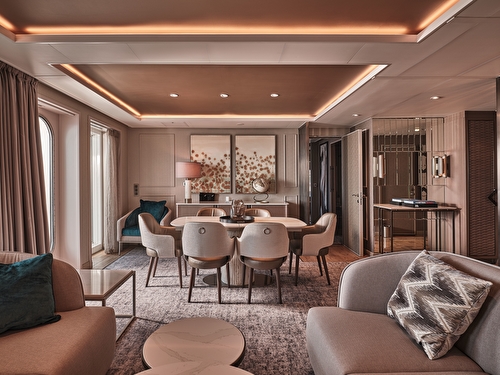
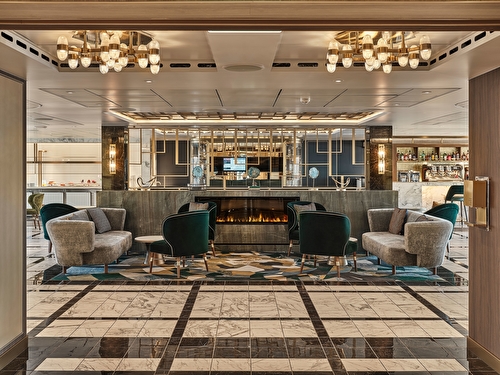
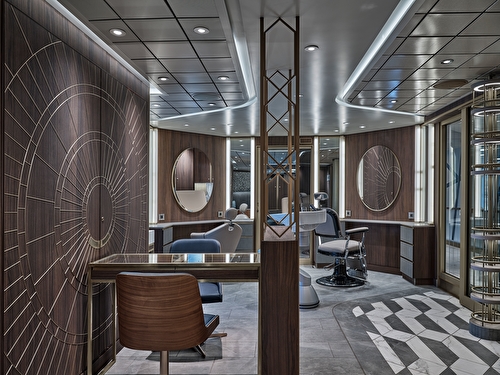
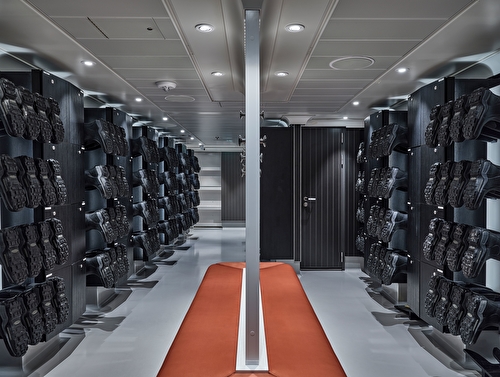
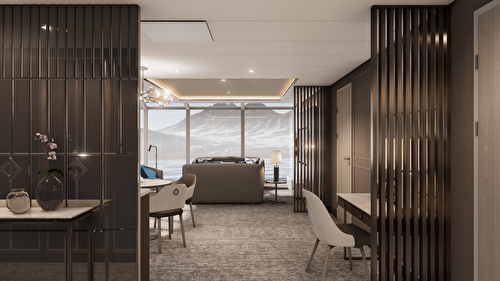
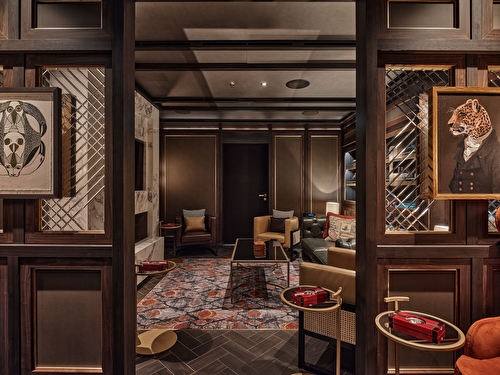
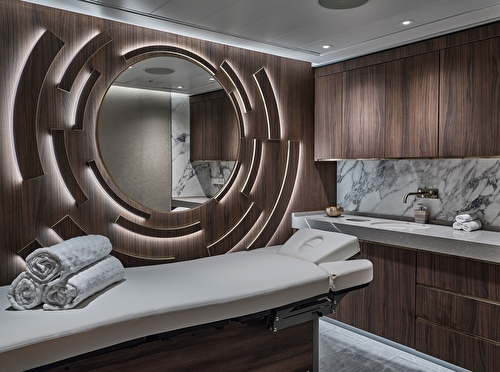
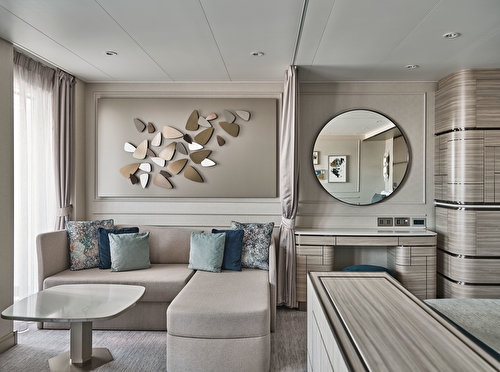
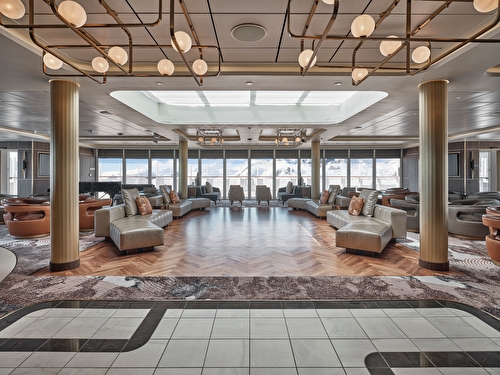
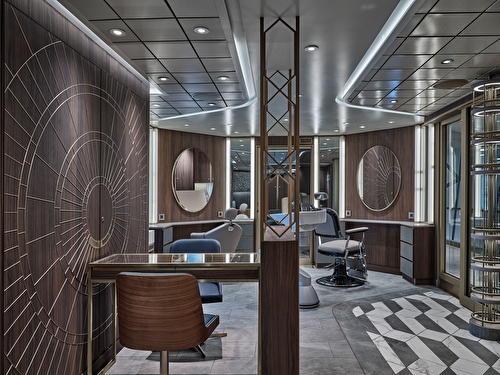
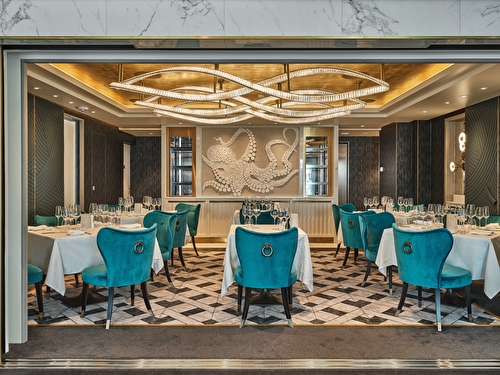
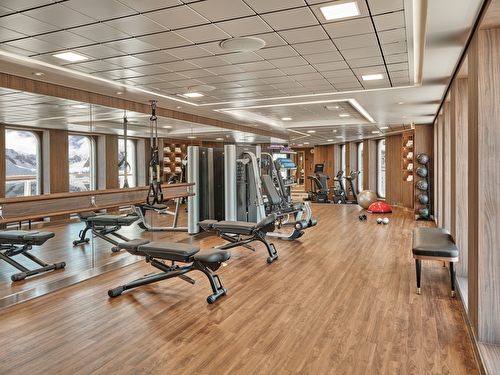
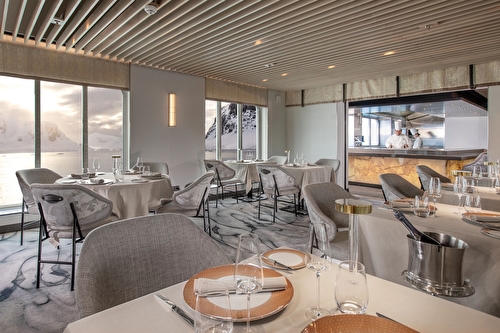
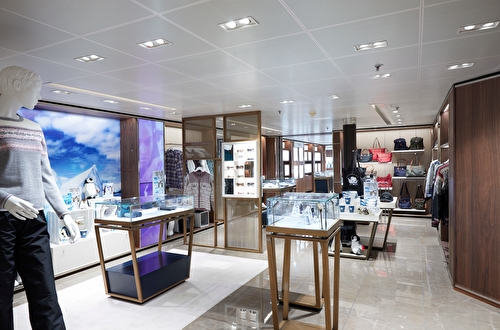
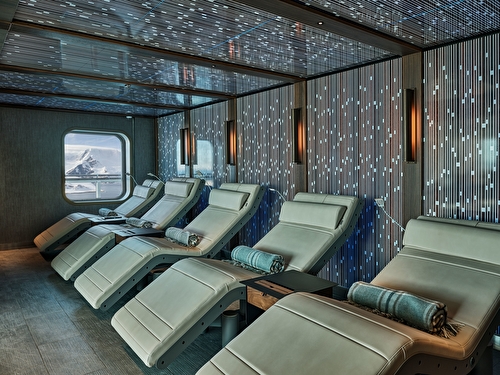
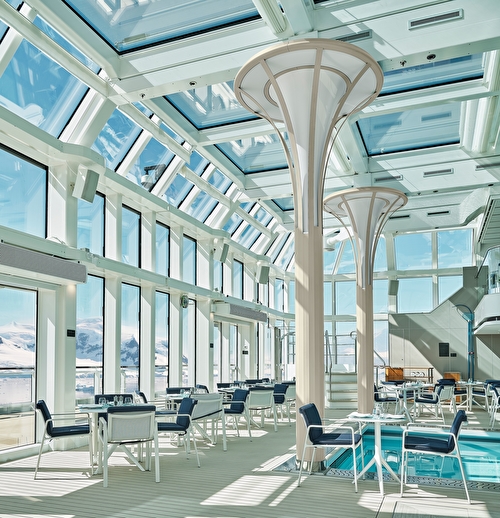
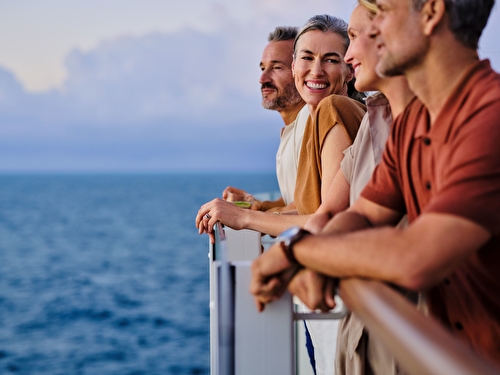
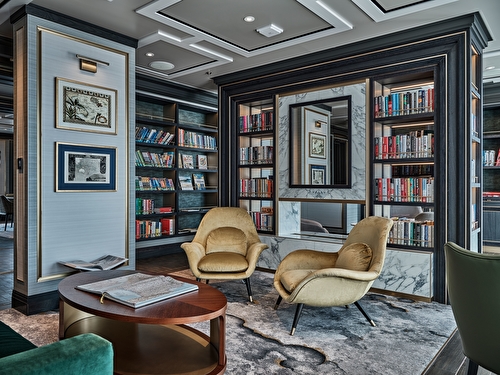
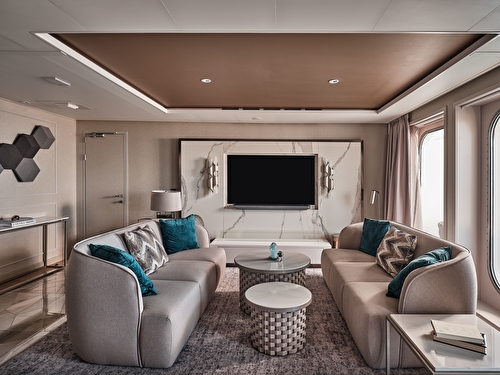
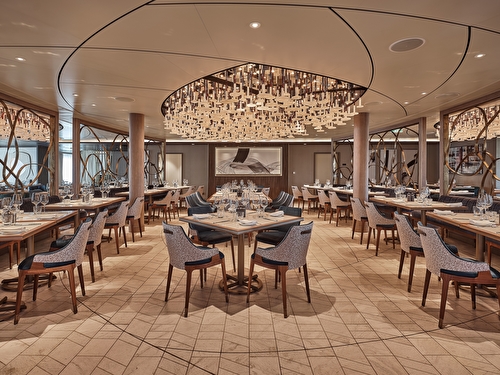
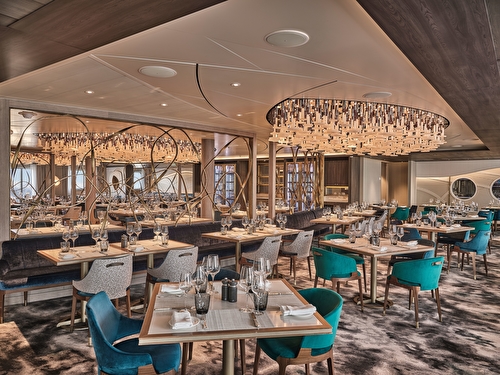
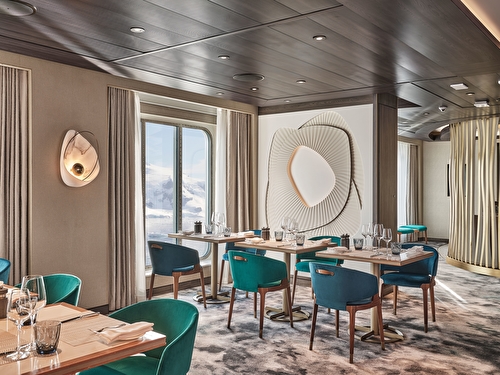
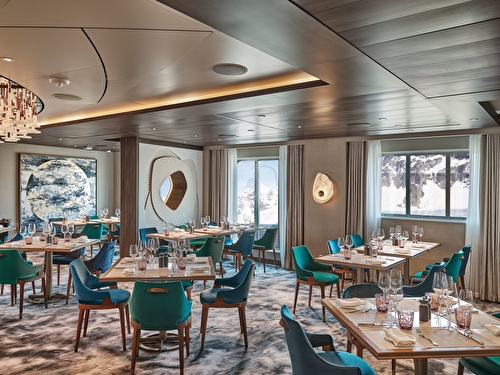

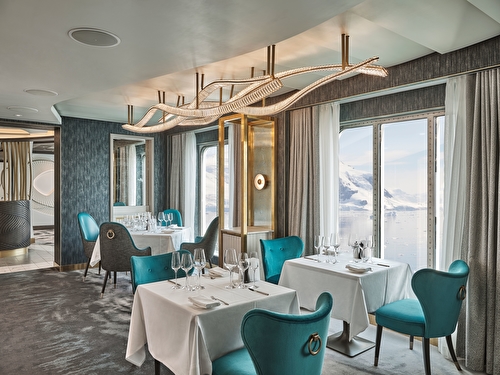
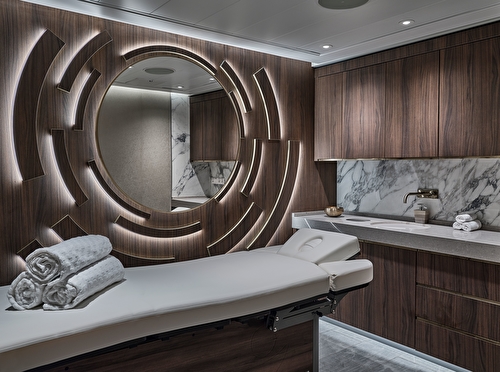
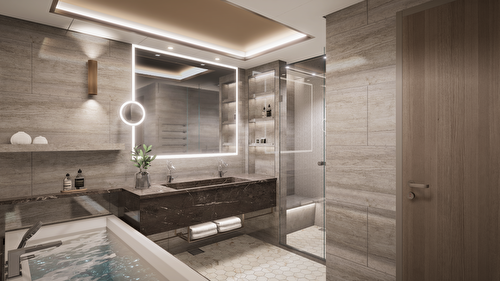
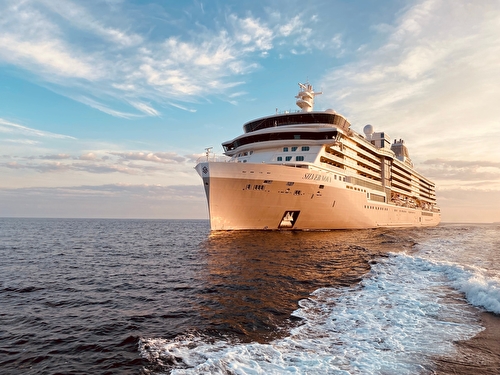
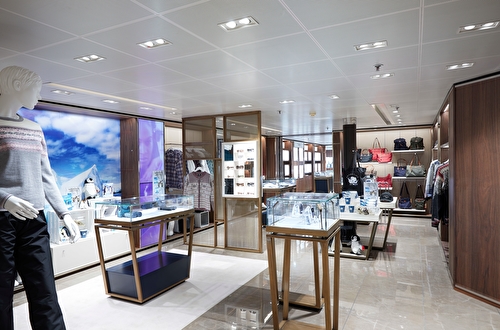
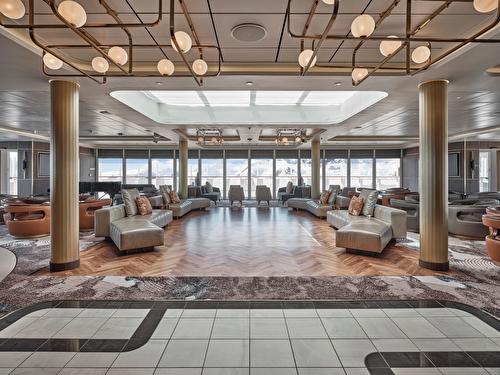
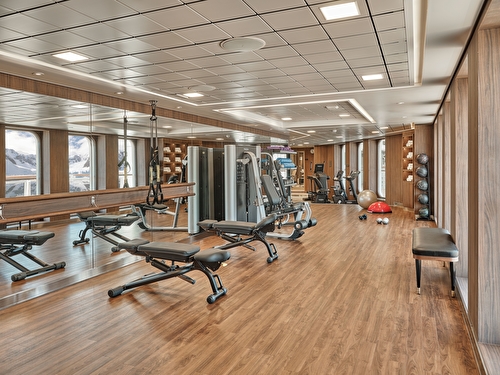
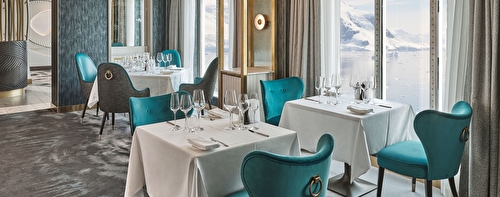
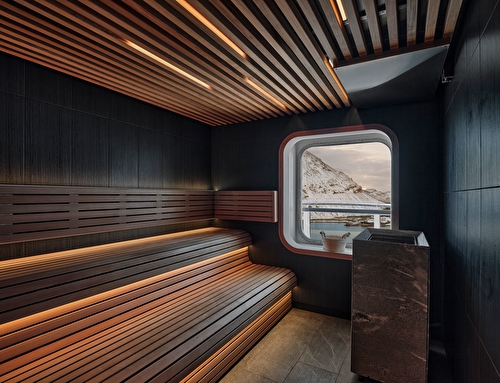
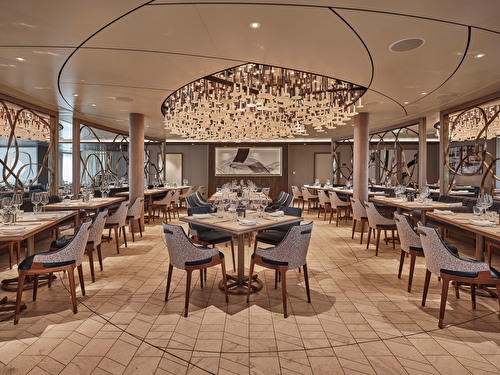
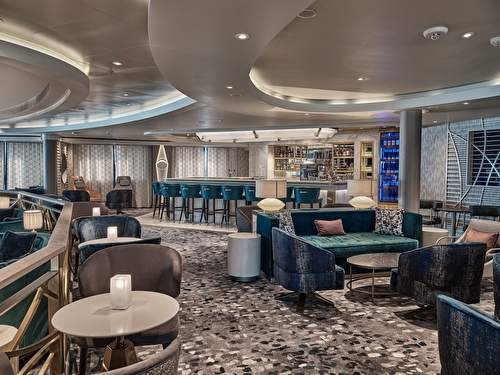
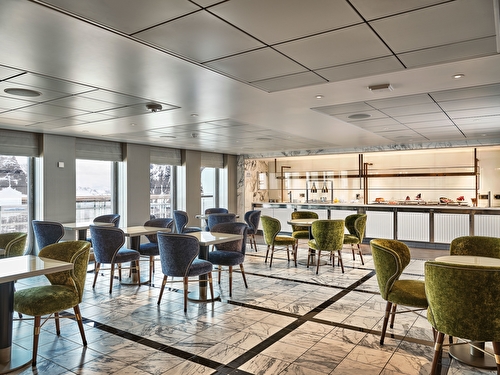
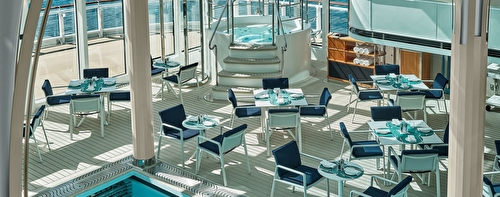
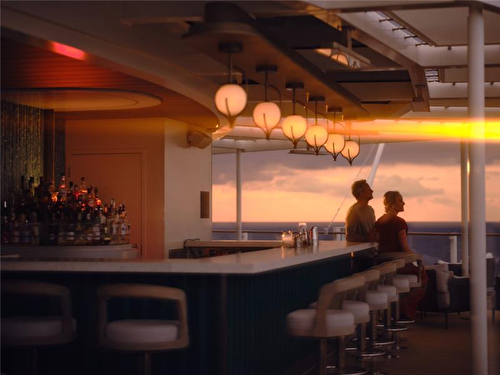
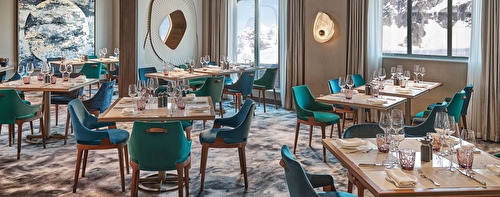
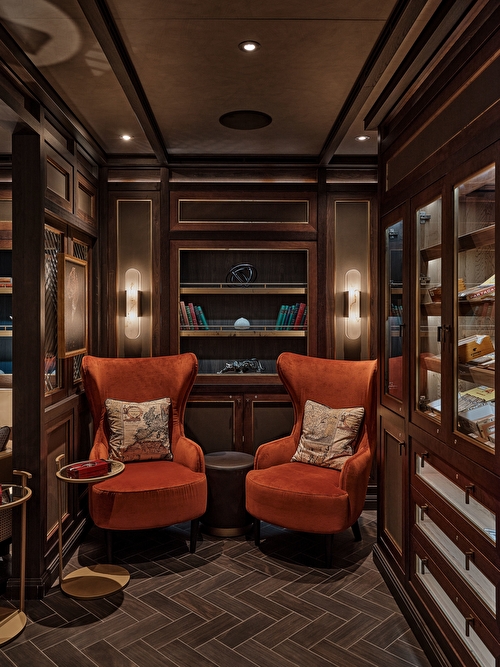
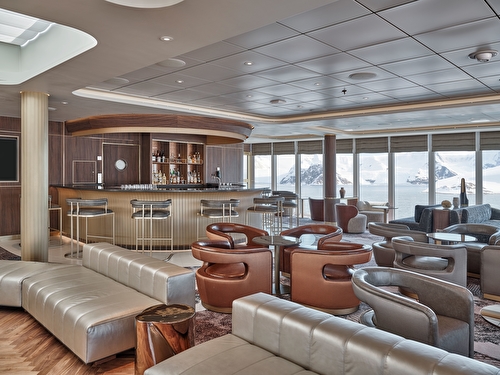
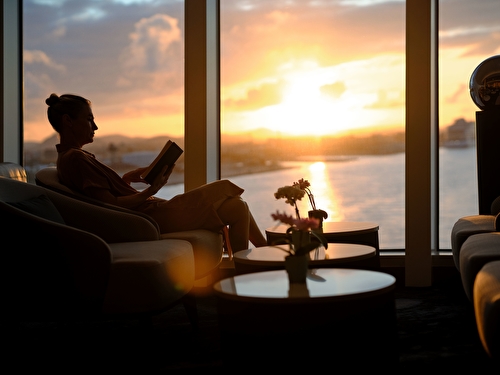
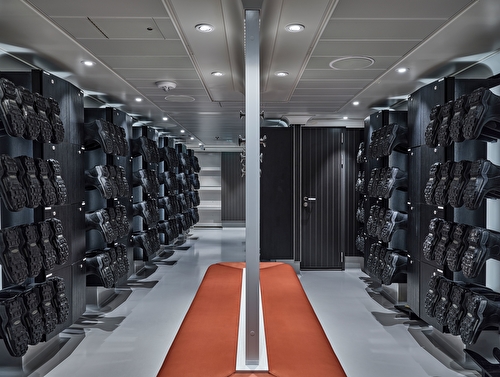
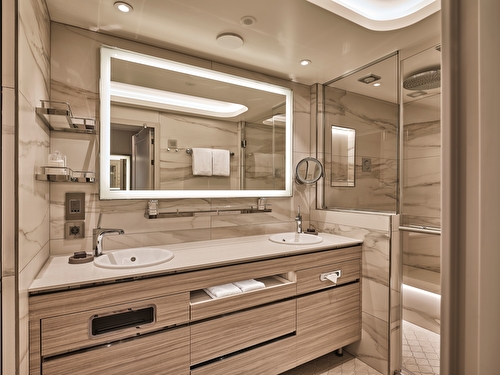
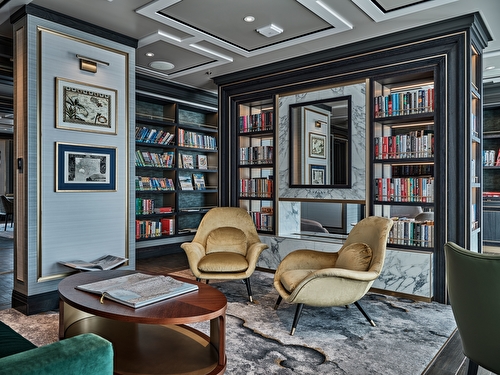
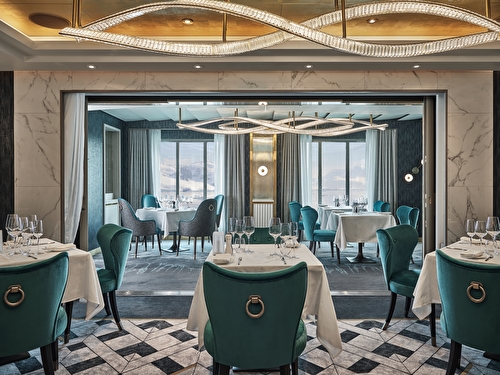
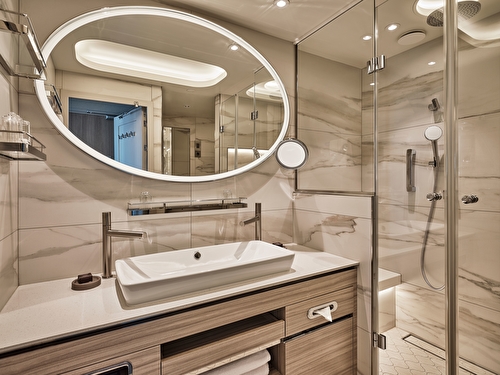
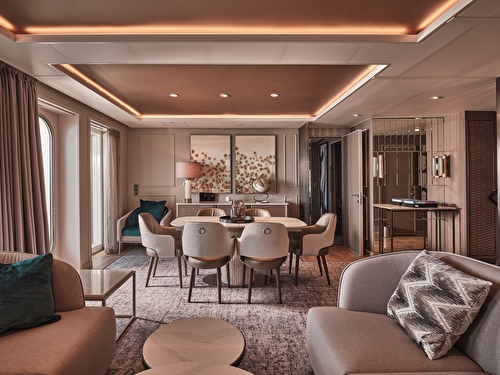
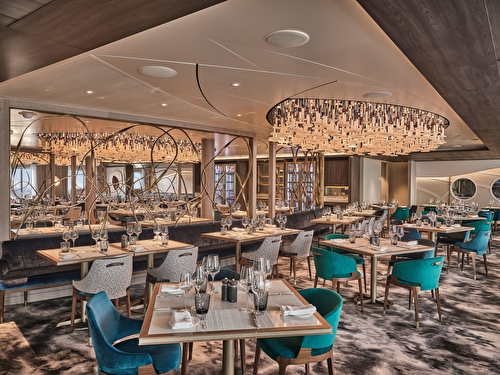
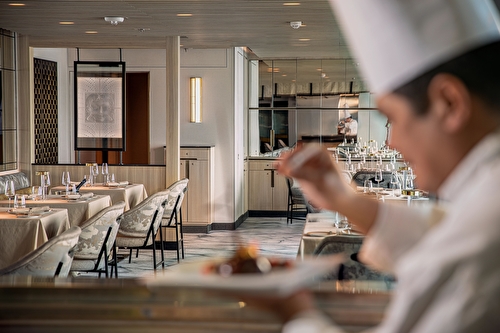
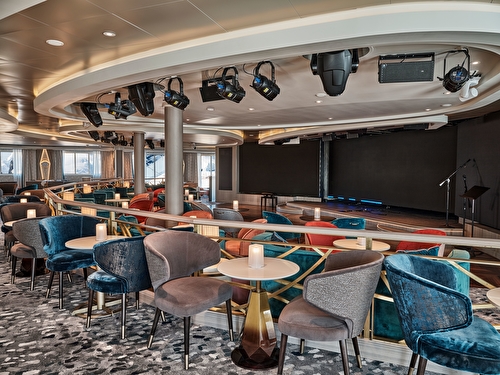
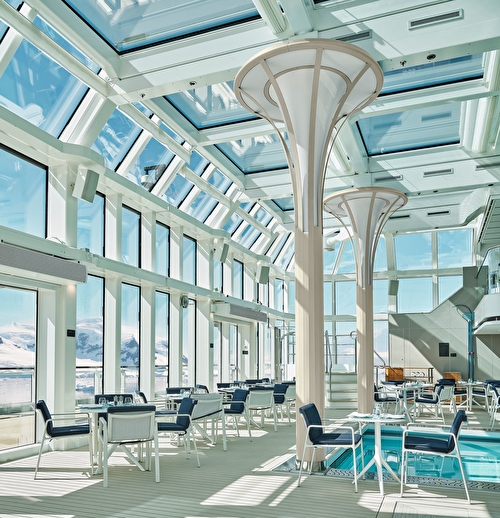
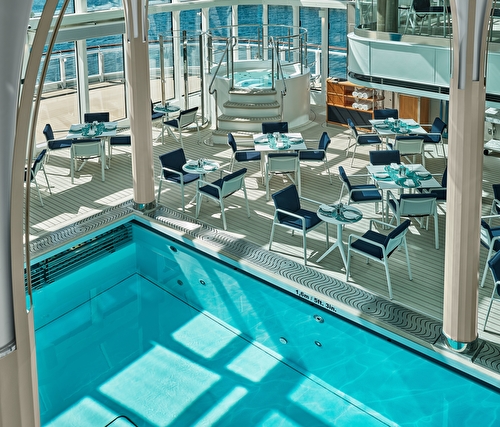
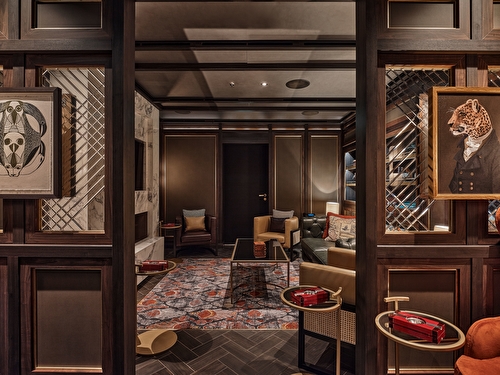
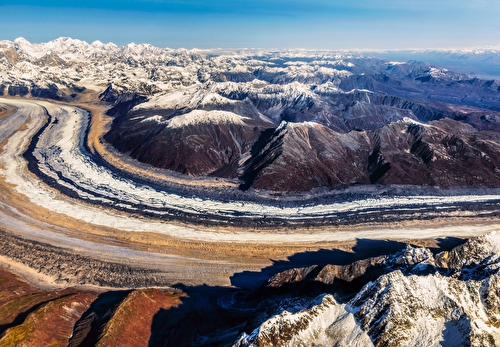
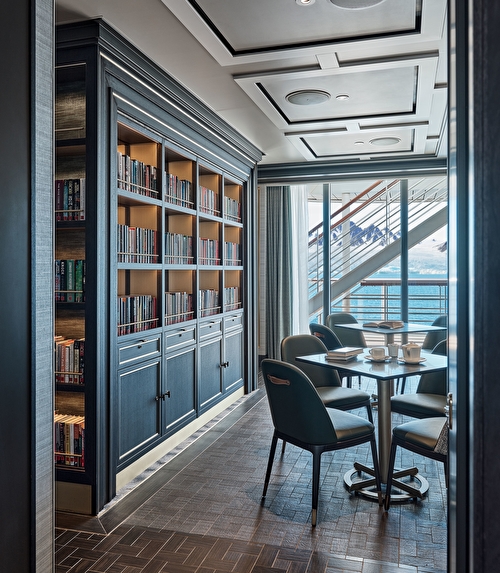
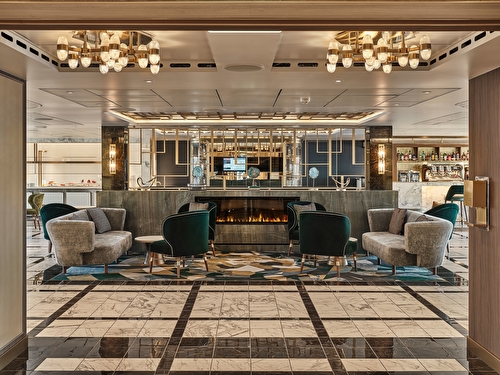
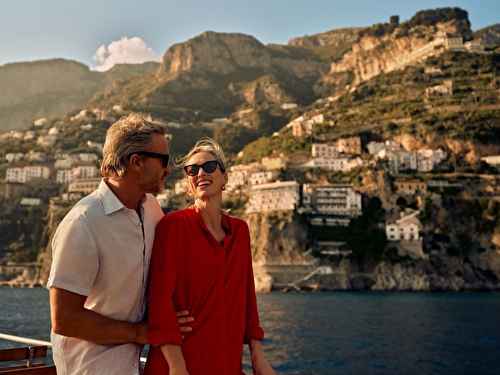
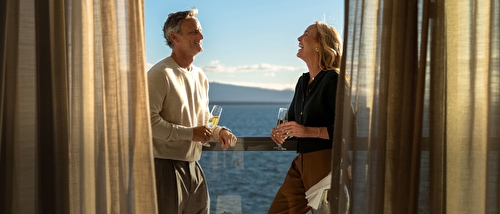
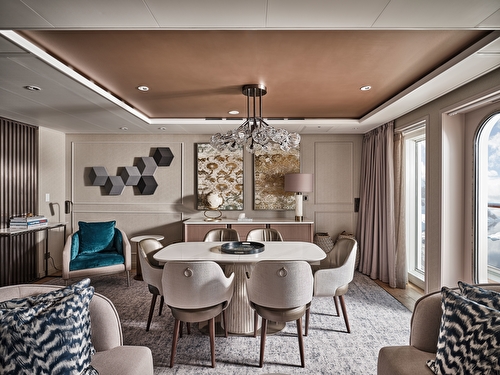
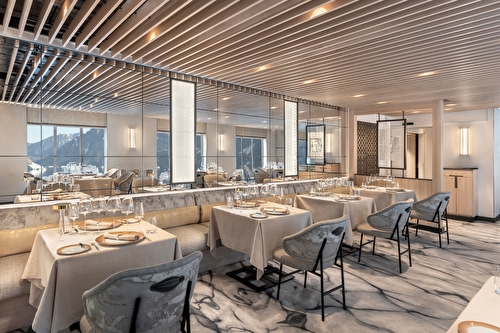
Silversea Cruises welcomes Silver Endeavour to its fleet—one of the world’s most luxurious expedition ships. The fifth expedition ship in its fleet of 11, Silver Endeavour strengthens Silversea’s position as the leader in ultra-luxury expedition cruising, broadening the industry’s most diverse polar offering for guests’ enjoyment. “One of the most luxurious expedition ships afloat, Silver Endeavour will accelerate our strategy of growth, enriching our offering to unprecedented levels and reaffirming our position as the leading ultra-luxury expedition cruise line,” said Roberto Martinoli, President and CEO, Silversea Cruises. “The expedition cruising industry is poised to resume accelerated growth, driven by demand among high-end, affluent customers for travel to remote and hard-to-access destinations. Silver Endeavour will strengthen our polar offering, further diversifying our broad-ranging product. With the ongoing support of Royal Caribbean Group, we are enhancing the cruise experience for our guests, unlocking the world’s most rewarding destinations in a way that only Silversea can.” “To honour the spirit of expedition travel, we have renamed the ship Silver Endeavour—paying testament to one of history’s most famous vessels,” said Barbara Muckermann, Chief Commercial Officer, Silversea Cruises. “Aboard Silver Endeavour, travellers will channel the same sense of discovery that guided pioneering explorers, such as James Cook, in bygone eras.” Built to PC6 polar class specifications, Silver Endeavour is designed for polar exploration. She carries state-of-the-art amenities, with an industry-leading Zodiac-to-guest ratio; kayaks; and cutting-edge navigation and exploration technology, including a remote gimbal camera system, which can capture high-quality images from 5km, among other amenities. She will maintain Silversea’s trademark level of luxury, with a crew-to-guest ratio of approximately 1:1. Spread over eight public decks, the all-suite Silver Endeavour offers guests the most spacious accommodations in expedition cruising, upholding Silversea’s trademark level of comfort; multiple restaurants, bars and lounges; an expansive spa; a two-storied solarium with a swimming pool and whirlpool; and an array of indoor and outdoor observation areas. She fosters an intimate onboard atmosphere, enabling guests to discover destinations like Antarctica in depth, with great interaction between travellers and Silversea’s expedition experts.
Beauty Salon
Facial Treatments
Manicures
Massage
Pedicures
Pool Deck
Sauna
Spa
Steam Room
Swimming Pool
Whirlpool
24hr In-Suite Dining
Bar
Cafe
Grill
Le Champagne
Saletta Restaurant
Connoisseur Club
Panorama Lounge
Show Lounges
Boutique
Concierge
Conference Room
Duty-free shop
Future Cruise Sales
Guest Relations Office
Reception
Security Safe
Self Service Laundry
Shore Excursion Office
Internet Access Lounge
Internet Cafe
Satelite TV in Cabins
Card Room
Library
Outdoor Pool
Aerobics
Fitness Equipment
Jogging Track
Personal Training
Pilates
Yoga
Description
Silversea Cruises welcomes Silver Endeavour to its fleet—one of the world’s most luxurious expedition ships. The fifth expedition ship in its fleet of 11, Silver Endeavour strengthens Silversea’s position as the leader in ultra-luxury expedition cruising, broadening the industry’s most diverse polar offering for guests’ enjoyment. “One of the most luxurious expedition ships afloat, Silver Endeavour will accelerate our strategy of growth, enriching our offering to unprecedented levels and reaffirming our position as the leading ultra-luxury expedition cruise line,” said Roberto Martinoli, President and CEO, Silversea Cruises. “The expedition cruising industry is poised to resume accelerated growth, driven by demand among high-end, affluent customers for travel to remote and hard-to-access destinations. Silver Endeavour will strengthen our polar offering, further diversifying our broad-ranging product. With the ongoing support of Royal Caribbean Group, we are enhancing the cruise experience for our guests, unlocking the world’s most rewarding destinations in a way that only Silversea can.” “To honour the spirit of expedition travel, we have renamed the ship Silver Endeavour—paying testament to one of history’s most famous vessels,” said Barbara Muckermann, Chief Commercial Officer, Silversea Cruises. “Aboard Silver Endeavour, travellers will channel the same sense of discovery that guided pioneering explorers, such as James Cook, in bygone eras.” Built to PC6 polar class specifications, Silver Endeavour is designed for polar exploration. She carries state-of-the-art amenities, with an industry-leading Zodiac-to-guest ratio; kayaks; and cutting-edge navigation and exploration technology, including a remote gimbal camera system, which can capture high-quality images from 5km, among other amenities. She will maintain Silversea’s trademark level of luxury, with a crew-to-guest ratio of approximately 1:1. Spread over eight public decks, the all-suite Silver Endeavour offers guests the most spacious accommodations in expedition cruising, upholding Silversea’s trademark level of comfort; multiple restaurants, bars and lounges; an expansive spa; a two-storied solarium with a swimming pool and whirlpool; and an array of indoor and outdoor observation areas. She fosters an intimate onboard atmosphere, enabling guests to discover destinations like Antarctica in depth, with great interaction between travellers and Silversea’s expedition experts.
Relaxation
Beauty Salon
Facial Treatments
Manicures
Massage
Pedicures
Pool Deck
Sauna
Spa
Steam Room
Swimming Pool
Whirlpool
Food and Drink
24hr In-Suite Dining
Bar
Cafe
Grill
Le Champagne
Saletta Restaurant
Entertainment
Connoisseur Club
Panorama Lounge
Show Lounges
Other
Boutique
Concierge
Conference Room
Duty-free shop
Future Cruise Sales
Guest Relations Office
Reception
Security Safe
Self Service Laundry
Shore Excursion Office
Technology
Internet Access Lounge
Internet Cafe
Satelite TV in Cabins
Recreational
Card Room
Library
Outdoor Pool
Fitness
Aerobics
Fitness Equipment
Jogging Track
Personal Training
Pilates
Yoga
STATEROOMS
