

Puerto Williams to Mahe
- 6 Mar ‘26
- 41 nights
- Departing from Puerto Williams
- Silver Cloud

-
Suite price fromCall for price
YOUR ITINERARY
Puerto Williams, Chile - Westpoint Island - Saunders Island - Port Stanley, Falkland Islands - South Georgia - South Georgia - South Georgia - Gough Island, St Helena - Nightingale Island - Tristan Da Cunha - St Helena - Cape Town, South Africa - Cape Town, South Africa - Port Elizabeth, South Africa - Richards Bay, South Africa - Bazaruto - Island of Mozambique, Mozambique - Kilwa Kisiwani, Tanzania - Sindalh Island - Misali Island - Zanzibar, Tanzania - Assumption Island - Aldabra, Seychelles - Aldabra, Seychelles - Aldabra, Seychelles - La Digue, Sychelles - Mahe, Seychelles
Puerto Williams is a town on Navarino Island in the Beag...
Puerto Williams is a town on Navarino Island in the Beagle Channel in Chile’s far south. Part of the Tierra del Fuego archipelago, it’s known as a starting point for trips around Cape Horn. It’s also a gateway to trails around the jagged peaks of the nearby Dientes de Navarino. In town, the Martin Gusinde Anthropological Museum traces the history of the region’s former inhabitants, the indigenous Yaghan people.
A north-westerly outpost of the scenic Falkland Island...
A north-westerly outpost of the scenic Falkland Islands, you’ll be welcomed ashore by the calls and cries of a huge colony of black-browed albatross. Indeed, the island was originally known as Albatross Island before being renamed to reflect its geographic location. While the albatrosses – that flash white feathers in the rugged cliffs above the waves – are the most well known residents, they are far from the only animal inhabitants of this remote, isolated land. View less
A huge army of birdlife calls the island sanctuary home, overwhelming the tiny human population and sheep that roam West Point Island’s grasses. Meet the rockhopper penguins who scamper and burrow along the coast’s boulders, as well as the imperial cormorants who rest here in great numbers. You’re also liekly to encounter Magellanic penguins during your explorations. Hike the island’s quiet landscapes, and look out for endemic plants like Felton’s flower carpeting the green interior. Decorated with some of the archipelago’s most dramatic scenery, explore this wind-lashed, distant land of soaring cliffs and towering coastal precipices. Cliff Mountain is the island’s standout – a towering sandstone monolith, and the archipelago’s highest cliff, falling away to swirling waves below. Look out to the waters to spot Commerson’s dolphin chasing each other around the island’s wave-washed footprint. Whales also visit, as well as the fur seals who you may spot lounging around West Point Island’s inviting shores.
Meet some of the world’s most incredible wildlife,...
Meet some of the world’s most incredible wildlife, on the remote Saunders Island. Sitting to the north-west of the Falkland’s archipelago, the British established their first settlement here in 1765, at Port Egmont. Remote, wild and wonderful, the island now serves as a lush grazing ground for plenty of sheep – but it’s an astonishing place to encounter far rarer animals – from elephant seals to silvery grebes and Peale’s dolphins. View less
Connected by sinewy links of beach and sandy dunes, which create some of the most dramatic scenery in the Falklands, the archipelago’s fourth biggest island is home to its best birdlife – including a colony of neatly tuxedoed king penguins. Saunders Island’s topography tightens at The Neck – where you’ll find even more penguin activity. Colonies squark and chatter in huge crowds here, with Gentoo, Rockhopper and Magellanic penguins dipping into the water, and clambering over boulders. A gentle hike to the summit of Mount Richards will take you 457 metres above sea level, offering an expansive overview, from which you can look out across the tips of the moody waves to see Carcass Island and West Point Island emerging. The cliffs to the north of the mountain host rare black-browed albatross – a sight of sheer grace in flight – but comically clumsy at times when landing. Elsewhere, wide lakes are home to various water birds – including the rare black-necked swans. Take a read of our blog to find out more about the hugely diverse wildlife that is present on this unique island.
Tiny Stanley, capital of the Falklands, seems in many ways...
Tiny Stanley, capital of the Falklands, seems in many ways like a British village fallen out of the sky. Many homes are painted in bright colors, adding visual appeal to this distant outpost. Not far offshore, the wreck of the Lady Elizabeth, is one of the many vessels remaining as a silent testimonial to the region’s frequent harsh weather conditions.
The islands, also known by their Spanish name of Islas Malvinas, are home to arguably more tuxedo-clad inhabitants of the penguin variety than human residents. Various species, such as Gentoo, King and the more elusive Macaroni penguins, either live here permanently or use the Falklands as a stopover on their migration route. Giant Sea Elephants and Southern Sea Lions also come here to breed and give birth. Darwin found the islands’ flora and fauna fascinating — no doubt you will, too.
Charcoal-black mountains ladled with snow, giant g...
Charcoal-black mountains ladled with snow, giant glaciers and thriving wildlife combine to make South Georgia one of the great natural islands. Adventure to these far flung lands – where the animals are in charge and humans come a distant second. Here you’ll witness a cacophony of calling birds, natural set pieces like elephant seals clashing and thrashing, and crowds of colourful king penguins stretching out as far as the eye can see. View less
An overseas territory of the UK, these isolated, subantarctic islands once formed a remote whaling centre – and you can still visit the former whaling stations. Nowadays the giants of the sea are free to cruise the icy waters uninhibited. Written into explorer history due to its links with Ernest Shackleton’s tale of Antarctic exploration, shipwreck and survival, the Endurance’s crew were saved when he reached the salvation of these shores in 1916 – before returning to collect the remaining sailors from Elephant Island. A museum commemorates the legendary mission, and you can see the memorial to Shackleton that stands over his final resting place on this fabled island. South Georgia’s colonies of king penguins – with vivid bursts of yellow and orange around their necks – stand, squabble and curiously investigate, enjoying the isolated respite of this island. They’re joined by smaller penguin species like Macaroni penguins, and other glorious birdlife like the majestic wandering albatrosses, which you can see gliding on gusts of wind, over the choppy waves.
Charcoal-black mountains ladled with snow, giant glaciers an...
Charcoal-black mountains ladled with snow, giant glaciers and thriving wildlife combine to make South Georgia one of the great natural islands. Adventure to these far flung lands – where the animals are in charge and humans come a distant second. Here you’ll witness a cacophony of calling birds, natural set pieces like elephant seals clashing and thrashing, and crowds of colourful king penguins stretching out as far as the eye can see. View less
An overseas territory of the UK, these isolated, subantarctic islands once formed a remote whaling centre – and you can still visit the former whaling stations. Nowadays the giants of the sea are free to cruise the icy waters uninhibited. Written into explorer history due to its links with Ernest Shackleton’s tale of Antarctic exploration, shipwreck and survival, the Endurance’s crew were saved when he reached the salvation of these shores in 1916 – before returning to collect the remaining sailors from Elephant Island. A museum commemorates the legendary mission, and you can see the memorial to Shackleton that stands over his final resting place on this fabled island. South Georgia’s colonies of king penguins – with vivid bursts of yellow and orange around their necks – stand, squabble and curiously investigate, enjoying the isolated respite of this island. They’re joined by smaller penguin species like Macaroni penguins, and other glorious birdlife like the majestic wandering albatrosses, which you can see gliding on gusts of wind, over the choppy waves.
Charcoal-black mountains ladled with snow, giant glaciers and ...
Charcoal-black mountains ladled with snow, giant glaciers and thriving wildlife combine to make South Georgia one of the great natural islands. Adventure to these far flung lands – where the animals are in charge and humans come a distant second. Here you’ll witness a cacophony of calling birds, natural set pieces like elephant seals clashing and thrashing, and crowds of colourful king penguins stretching out as far as the eye can see. View less
An overseas territory of the UK, these isolated, subantarctic islands once formed a remote whaling centre – and you can still visit the former whaling stations. Nowadays the giants of the sea are free to cruise the icy waters uninhibited. Written into explorer history due to its links with Ernest Shackleton’s tale of Antarctic exploration, shipwreck and survival, the Endurance’s crew were saved when he reached the salvation of these shores in 1916 – before returning to collect the remaining sailors from Elephant Island. A museum commemorates the legendary mission, and you can see the memorial to Shackleton that stands over his final resting place on this fabled island. South Georgia’s colonies of king penguins – with vivid bursts of yellow and orange around their necks – stand, squabble and curiously investigate, enjoying the isolated respite of this island. They’re joined by smaller penguin species like Macaroni penguins, and other glorious birdlife like the majestic wandering albatrosses, which you can see gliding on gusts of wind, over the choppy waves.
Look for Gough Island on a map, and you’ll struggle ...
Look for Gough Island on a map, and you’ll struggle to locate it, cast far into the expanse of the South Atlantic Ocean. An almost entirely uninhabited volcanic island, barely within the grasp of humans historically, just a small bunch of hardy researchers live here. They share their home – a full 1,700 miles to the west of Cape Town – with a stunning array of seabirds, including endemic species like the Gough moorhen and Gough bunting. View less
Part of the UK overseas territory of St Helena, Ascension and Tristan da Cunha – the world’s most remote inhabited archipelago – Gough Island forms part of a remarkable UNESCO World Heritage Site and serves as a vital island sanctuary for rare and celebrated birdlife. Blasted by harsh winds and rough seas throughout the year, Gough Island’s coastline has been shaped and sculpted into a dramatic, imposing site. An island of extraordinary wildlife, migrating whales cruise through the waters around it, while colonies of albatross and rockhopper penguins wander its shores and cliff faces. If you arrive on these shores following a downpour, you’ll be treated to displays of waterfalls cascading through the undergrowth. Gough Island may serve as a sanctuary for seabirds, but a concerted effort has had to be made to deal with mice, which were brought by humans in the 19th century. With few predators, they thrived here, endangering the Tristan albatross in the process. A project has been launched to decrease the mice population and protect the island’s delicate ecological balance.
Uninhabited except for the majestic, million-plus se...
Uninhabited except for the majestic, million-plus seabirds that call this castaway island home, it doesn’t get much more raw and remote than Nightingale Island. Adrift between South America and Africa, in the Tristan da Cunha archipelago, the island takes its name from British explorer Gamaliel Nightingale and is the smallest of these distant volcanic lands. Craggy coastline and rugged cliffs rise imposingly from the waters of the South Atlantic, as you approach this remote volcano island – which erupted most recently in 2004. View less
Largely free from human interference, Nightingale Island is known for the abundant birdlife that thrives here and is a shelter for some of the world’s rarest species. Designated as an Endemic Bird Area and an Important Bird Area, the island’s birds are awarded special protection, and only select visits to these shores are permitted. Amid the cawing and calling of the island’s endless flocks, you can spot the rare canary-like Nightingale bunting, and Wilkins’s bunting – which are found only here. Little gangs of rockhopper penguins patrol the rocks and hop over boulders – easy to distinguish against the blackened landscape, with their distinctive yellow flashes of feathers. You’ll also see the graceful glide of Atlantic yellow-nosed albatrosses, and the plunges of great shearwaters. Keep one eye open for the glint of gold during your expedition ashore – rumours swirl that undiscovered pirate treasure was once stashed somewhere on the island.
Sailing to these lonely volcanic islands feels a little like dr...
Sailing to these lonely volcanic islands feels a little like dropping off the map, as you aim for the seemingly endless ocean horizon. A true adventure, the journey rewards generously, as you track down the world’s most remote archipelago, and discover its incredible, endemic birdlife. A full 1,500 miles away from the nearest neighbour, St. Helena, it’s fair to say that the Tristan Da Cunha archipelago is a long way off of the beaten path. Venture to the only inhabited island, where a hardy 250 souls live out their lives. View less
Tristan Da Cunha was first discovered at the beginning of the 16th century by Portuguese explorer Tristao da Cuhna – who named the island after himself. He was unable to actually step out onto its land, however, as the waves churned violently below his ship, rendering the shores inaccessible. A volcanic island, the 2,000-metre tall Queen Mary’s Peak dominates it – although the islanders were unaware of its sleeping power until it rumbled into life in 1961. The population were forced to abandon the shores temporarily for their own safety. The extraordinary, rare wildlife is the main reason why most set their compass for these far-flung islands. Tristan Da Cunha is alive with vibrant birdlife, from Atlantic yellow-nosed albatross to Tristan thrush, and many, many more – including the endemic and endangered Tristan wandering albatross. Roughly 90% of the northern rockhopper penguin population also visit to breed on this vital outpost, while sea lions lay around on the shores, and whales and dolphins cruise the waters.
Although primarily known as the island where Napole...
Although primarily known as the island where Napoleon was exiled after his defeat at Waterloo, the fascination with St. Helena goes back many more centuries. Its main attraction may very well be its remoteness, which enabled the Portuguese to keep their discovery of the island in 1502 a secret for the next 80 years. It was this isolated location that the British thought perfect to keep the defeated Napoleon. St.
Sprawling across endless, staggeringly blue coastli...
Sprawling across endless, staggeringly blue coastline, and watched over by the iconic plane of Table Mountain, Cape Town is without doubt one of the world’s most beautiful cities. A blend of spectacular mountain scenery, multiculturalism and relaxed ocean charm awaits in the Mother City, where you can venture out to rolling vineyards, dine in laid back sea suburbs, or spend days exploring cool urban culture. Cape Town’s natural splendour fully reveals itself as the cable car rears sharply to the top of Table Mountain.
From the summit, 3,500 feet above sea level, you can let the scale of the panoramic vistas of the city rolling down towards the ocean wash over you. Another heavenly perspective waits at the top of Lion’s Head’s tapering peak. A sharp hike and an early start is required, but the views of the morning sun painting Table Mountain honey-gold are some of Cape Town’s finest. Cape Town’s glorious sunshine and inviting blue rollers can be a little deceiving – these oceans are anything but warm at times, with nothing between the peninsula’s end and Antarctica’s icy chill. This cool water has upsides though, bringing a colony of adorably cute African penguins to Boulders Beach. Boarded walkways offer the perfect vantage point to see the cute creatures dipping into the sea and lounging in the sun. Nearby, journey to the end of Africa at the Cape of Good Hope, where you can stand at the bottom of this mighty continent, watching out over the merging waves of the Atlantic and Indian Oceans. Cape Town’s beauty is counterpointed by the ominous island form, which sits four miles offshore from the bustling restaurants and lazy seals of the lively V&A Waterfront. A living history lesson, you can sail in the ships that transported prisoners out to Robben Island, before a former prisoner tells of the traumas of life on this offshore prison. Your guide will show you the cramped cells, and render Mandela’s long walk to freedom in heartbreaking, visceral clarity.
Sprawling across endless, staggeringly blue coastl...
Sprawling across endless, staggeringly blue coastline, and watched over by the iconic plane of Table Mountain, Cape Town is without doubt one of the world’s most beautiful cities. A blend of spectacular mountain scenery, multiculturalism and relaxed ocean charm awaits in the Mother City, where you can venture out to rolling vineyards, dine in laid back sea suburbs, or spend days exploring cool urban culture. Cape Town’s natural splendour fully reveals itself as the cable car rears sharply to the top of Table Mountain.
From the summit, 3,500 feet above sea level, you can let the scale of the panoramic vistas of the city rolling down towards the ocean wash over you. Another heavenly perspective waits at the top of Lion’s Head’s tapering peak. A sharp hike and an early start is required, but the views of the morning sun painting Table Mountain honey-gold are some of Cape Town’s finest. Cape Town’s glorious sunshine and inviting blue rollers can be a little deceiving – these oceans are anything but warm at times, with nothing between the peninsula’s end and Antarctica’s icy chill. This cool water has upsides though, bringing a colony of adorably cute African penguins to Boulders Beach. Boarded walkways offer the perfect vantage point to see the cute creatures dipping into the sea and lounging in the sun. Nearby, journey to the end of Africa at the Cape of Good Hope, where you can stand at the bottom of this mighty continent, watching out over the merging waves of the Atlantic and Indian Oceans. Cape Town’s beauty is counterpointed by the ominous island form, which sits four miles offshore from the bustling restaurants and lazy seals of the lively V&A Waterfront. A living history lesson, you can sail in the ships that transported prisoners out to Robben Island, before a former prisoner tells of the traumas of life on this offshore prison. Your guide will show you the cramped cells, and render Mandela’s long walk to freedom in heartbreaking, visceral clarity.
Port Elizabeth is the third largest port and the fifth lar...
Port Elizabeth is the third largest port and the fifth largest city in South Africa. The center is spread over steep hills overlooking Algoa Bay. Except for some interesting historical architecture, 21st-century Port Elizabeth, or PE as it is commonly known, has few attractions of note. To compensate, the town is surrounded by charming countryside; it bills itself as the Friendly City. Its origins go back to the site of Fort Frederick around which settlers from Britain established Port Elizabeth in 1820.
Richards Bay was named after Frederick William Richards of the...
Richards Bay was named after Frederick William Richards of the British Royal Navy. When he learned of the conflict the English experienced in Zululand, Richards arrived with 250 men in support of his fellow countrymen. He also made a survey of the coast in 1879.
In 1906, development of the area got underway with the founding of the Zululand Fisheries and the first ox wagon trek to the town of Empangeni. In 1928, Richards Bay got a hotel and a store, from which it gradually developed into the economic center of Northern Kwazulu-Natal.
A new deep-water port inaugurated in 1976 is the second largest port in the country after Durban. In its wake, a number of large and small industries, hotels, shops and restaurants have sprung up, causing the town to develop at a record-breaking pace.
The most important attractions however are found outside Richards Bay in the game reserves and cultural villages. For many visitors Zululand represents some of the “real” Africa, an area that covers much of central Kwazulu-Natal, including the port of Richard’s Bay and the adjacent Hluhluwe Game Park. The region is dominated by the Zulu tribe; their customs, historical traditions and culture are evident throughout the region. The name Zulu derives from an early chief, whose descendants were called aba-kwa Zulu, or people of Zulu. Their capital is Ulundi, located north of the Tugela River. Much of Zululand comprises a scenic, hilly interior plus some coastal areas, where it is usually hot and humid.
Bazaruto Island lies in Bazaruto National Park, off the coast of...
Bazaruto Island lies in Bazaruto National Park, off the coast of southern Mozambique. Resorts dot the island’s white beaches, and it’s known for marine life like turtles and dugong. The clear waters of Two Mile Reef are filled with colorful fish, reef sharks and moray eels, while the deeper area in Indigo Bay is home to sailfish and marlin. Traditional dhow boats run to nearby islands Santa Carolina and Benguerra.
The densely populated Mozambique Island is small at only 3 ...
The densely populated Mozambique Island is small at only 3 km (1.9 miles) long and less than 500 meters (650 yards) wide. The Portuguese had already settled here by 1507, and the oldest European building in the southern hemisphere is found on Mozambique Island: the Chapel of Nossa Senhora de Baluarte. Fort São Sebastião also dates back to the 16th century.
Historical buildings on the northern side of the island include the Palace and Chapel of São Paulo, built in 1610 as a Jesuit College – later converted to be the Governor’s Residence, and now a museum. As a result of its rich history and architectural remains, the Island of Mozambique is a UNESCO World Heritage Site. The majority of the residents today live in reed houses in Makuti Town at the southern end of the island. In addition to the old Christian churches there are several mosques and even a Hindu temple on the island. For the last 55 years a 3 km (1.9 mile) bridge has connected the island to the mainland.
Kilwa Kisiwani dates back to the 9th century as one of ...
Kilwa Kisiwani dates back to the 9th century as one of the most famous trading posts in East Africa and on the Indian Ocean. From the 11th century to early 15th century this island community off the southern coast of present-day Tanzania was a powerful city, political force, and major trading center with close links to the interior of Africa as well as distant Asian ports. Goods exchanged here included gold, iron, ivory, slaves, textiles, jewelry, porcelain and spices.
Zanzibar, known as the Spice Island, is separated from m...
Zanzibar, known as the Spice Island, is separated from mainland Tanzania by a 22-mile-wide channel. The name itself evokes a romantic past that includes memories of great seafarers and explorers, and tales of famous deeds and great riches. To Zanzibar’s shores came the Sumarians, Assyrians, Arabs, Chinese and Malays – all contributing to the island’s turbulent history. From its shores, the great European explorers – Burton, Speke, Krapf and Livingstone – set out on their voyages of discovery to the mainland. The Portuguese were the first Europeans to arrive at Zanzibar in the 15th century, starting a reign of exploitation including the export of slaves and ivory.
The island’s main town, Stone Town or Zanzibar Town, on the west coast has been declared a UNESCO World Heritage Center. The different nationalities that have settled in Zanzibar over the centuries have left a distinct mark on its people and architecture. Of special note are the ornate wooden doors and intricately carved balconies. Walking through the narrow streets of Stone Town the visitor catches a glimpse of the town’s exotic life. A scent of cloves in the air serves as a reminder that this is indeed the Spice Island. At one time, Zanzibar supplied the world’s tables with cloves. Today there are still plantations that cultivate a variety of spices, but the island’s economy depends ever more on tourism. The warm waters of the Indian Ocean are a major draw for vacationers, encouraging such holiday activities as swimming, sailing and exploring beneath the ocean in unspoiled underwater parks.
Assumption (Assomption) Island is a small, crescent shap...
Assumption (Assomption) Island is a small, crescent shaped island about 4.3 square miles (11.07 sq km) in size. Considered one of the Outer Seychelles Islands, Assumption is part of the Aldabra Group, lying approximately 600 miles (960 km) southwest of Mahé, in the Indian Ocean. These outer islands are not made from granite, like their larger sisters Mahé, Praslin or La Digue, but rather are coralline formations. Once a part of the French colony Réunion, then a member of the British Indian Ocean Territories, today Assumption is governed by the Seychelles.
Part of the Outer Islands of the Seychelles, Aldabra is repu...
Part of the Outer Islands of the Seychelles, Aldabra is reputedly the world’s second-largest atoll and has been described as “one of nature’s treasures” and a “sanctuary”. The inner lagoon teems with marine life like eagle rays and sea turtles. It is possible to snorkel and drift along with the tide passing in or out of the lagoon as massive numbers of fish come and go through the same channels. Narrow channels between fossilized coral islands are fringed in mangrove forests supporting large colonies of nesting boobies and Great Frigatebirds.
Part of the Outer Islands of the Seychelles, Aldabra is reputedl...
Part of the Outer Islands of the Seychelles, Aldabra is reputedly the world’s second-largest atoll and has been described as “one of nature’s treasures” and a “sanctuary”. The inner lagoon teems with marine life like eagle rays and sea turtles. It is possible to snorkel and drift along with the tide passing in or out of the lagoon as massive numbers of fish come and go through the same channels. Narrow channels between fossilized coral islands are fringed in mangrove forests supporting large colonies of nesting boobies and Great Frigatebirds.
Part of the Outer Islands of the Seychelles, Aldabra is repute...
Part of the Outer Islands of the Seychelles, Aldabra is reputedly the world’s second-largest atoll and has been described as “one of nature’s treasures” and a “sanctuary”. The inner lagoon teems with marine life like eagle rays and sea turtles. It is possible to snorkel and drift along with the tide passing in or out of the lagoon as massive numbers of fish come and go through the same channels. Narrow channels between fossilized coral islands are fringed in mangrove forests supporting large colonies of nesting boobies and Great Frigatebirds.
This small island, no more than four square miles in ...
This small island, no more than four square miles in size, is Praslin’s beautiful neighbor and presents a picture of peaceful seclusion. Apart from a few minivans, the only other means of transport here are ox carts or bicycles. The island has two centers, La Passe where you come ashore via the ship’s tender and, just half a mile to the south, La Réunion. Both are on the island’s west coast and neither has more than a handful of dwellings, a few shops, bicycle and oxcart rentals. A perfect place to explore on one’s own, some of the beaches near La Passe are within easy walking distance. To venture further you may want to hire an oxcart or a bicycle. There is good diving practically anywhere in the waters around La Digue, as well as excellent snorkeling at Anse Patates and Anse La Réunion. Protected on all but its southeast shores by a magnificent encircling coral reef, La Digue retains all the fascination of an untouched world.
The road leading south from La Passe takes you past the charming La Digue Island Lodge and continues to L’Union Estate. The grounds feature a copra factory and an impressive tumble of granite rocks, at the foot of which live several giant tortoises. (There is a fee to enter L’Union Estate.) Further along the beach at Source d’Argent, a dirt path winds around heaps of giant granite boulders which present a popular subject for photo buffs.
Like jade-colored jewels in the Indian Ocean, the more than ...
Like jade-colored jewels in the Indian Ocean, the more than 100 Seychelles Islands are often regarded as the Garden of Eden. Lying just four degrees south of the equator, the Seychelles are some 1,000 miles from the nearest mainland Africa. Little more than 200 years ago, all 115 islands were uninhabited.Then in 1742 a French ship dispatched from Mauritius sailed into one of the small bays. Captain Lazare Picault was the first to explore these unnamed islands. He encountered breathtaking vistas of rugged mountains, lagoons, coral atolls, splendid beaches and secluded coves. After Picault sailed away, the islands remained untouched for the next 14 years. Then France took possession of the seven islands in the Mahé group. During an expedition Captain Morphey named them the Sechelles, in honor of Vicomte Moreau de Sechelles.This name was later anglicized to Seychelles.
The first settlers arrived at St. Anne’s Island in 1770; 15 years later the population of Mahé consisted of seven Europeans and 123 slaves. Today there are about 80,000 Seychellois, the majority of whom live on Mahé; the rest are scattered in small communities throughout the archipelago.The people are a fusion of three continents — Africa, Asia and Europe.This has created a unique culture and the use of three languages — Creole, French and English.
Mahé is the largest island in the archipelago and the location of the capital,Victoria. Ringed by steep, magnificent mountains, few capitals can claim a more beautiful backdrop.The town features a mixture of modern and indigenous architecture; it is the center of business and commerce thanks to the extensive port facilities. Noteworthy sites in Victoria are the museum, cathedral, government house, clock tower, botanical gardens and an open-air market.
YOUR SHIP - The Silver Cloud
After extensive refurbishment, Silver Cloud is the most spacious and comfortable ice class vessel in expedition cruising. Her large suites, her destination itineraries and her unparalleled service make her truly special. Her four dining options will tantalise your taste buds and as 80% of her suites include a veranda, watching a breaching whale or a few cavorting penguins has never been so personal. A limited number of guests in polar waters, mean that Silver Cloud has the highest space to guest and crew to guest ratios in expedition cruising. With her 18 zodiacs, 10 kayaks, possibilities are almost limitless with ship-wide simultaneous explorations.
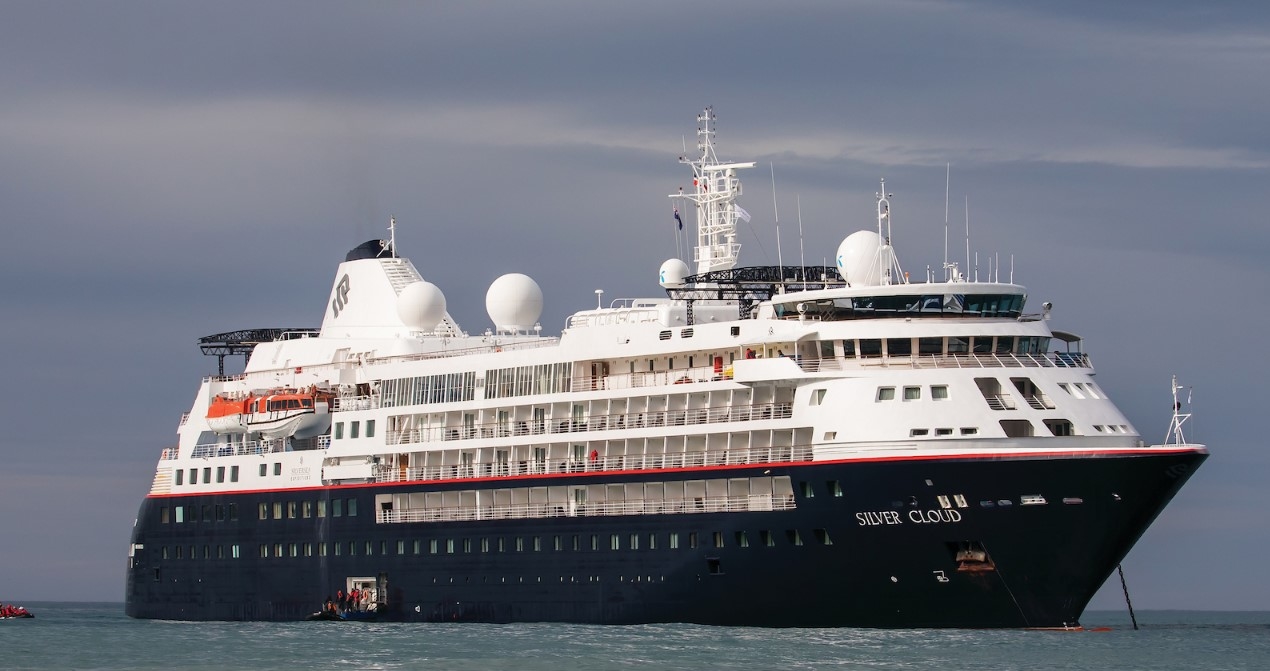
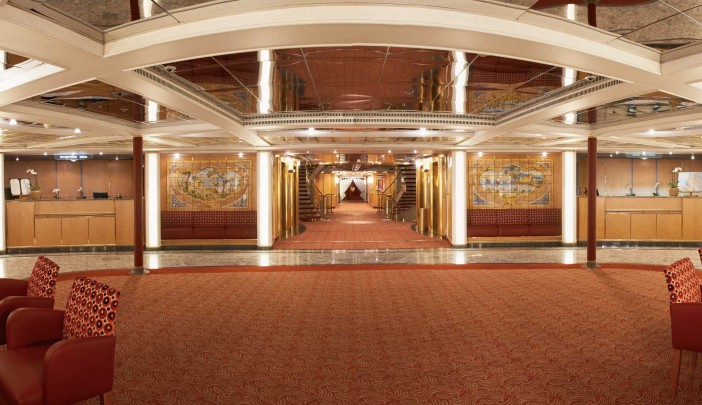
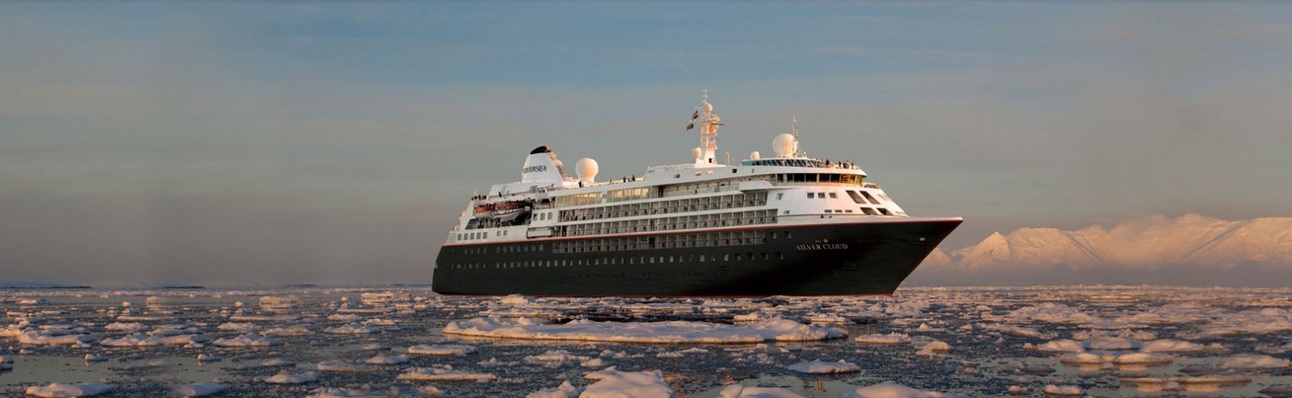
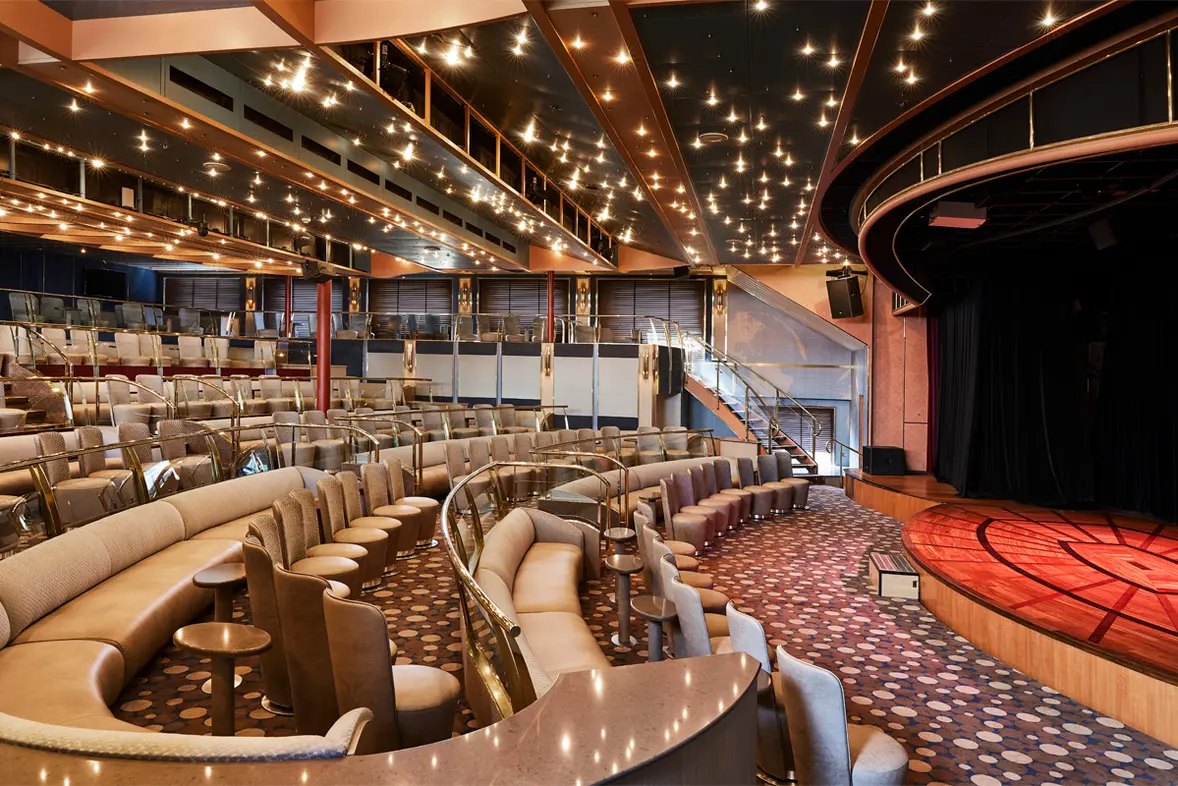
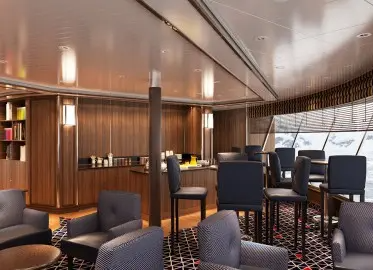
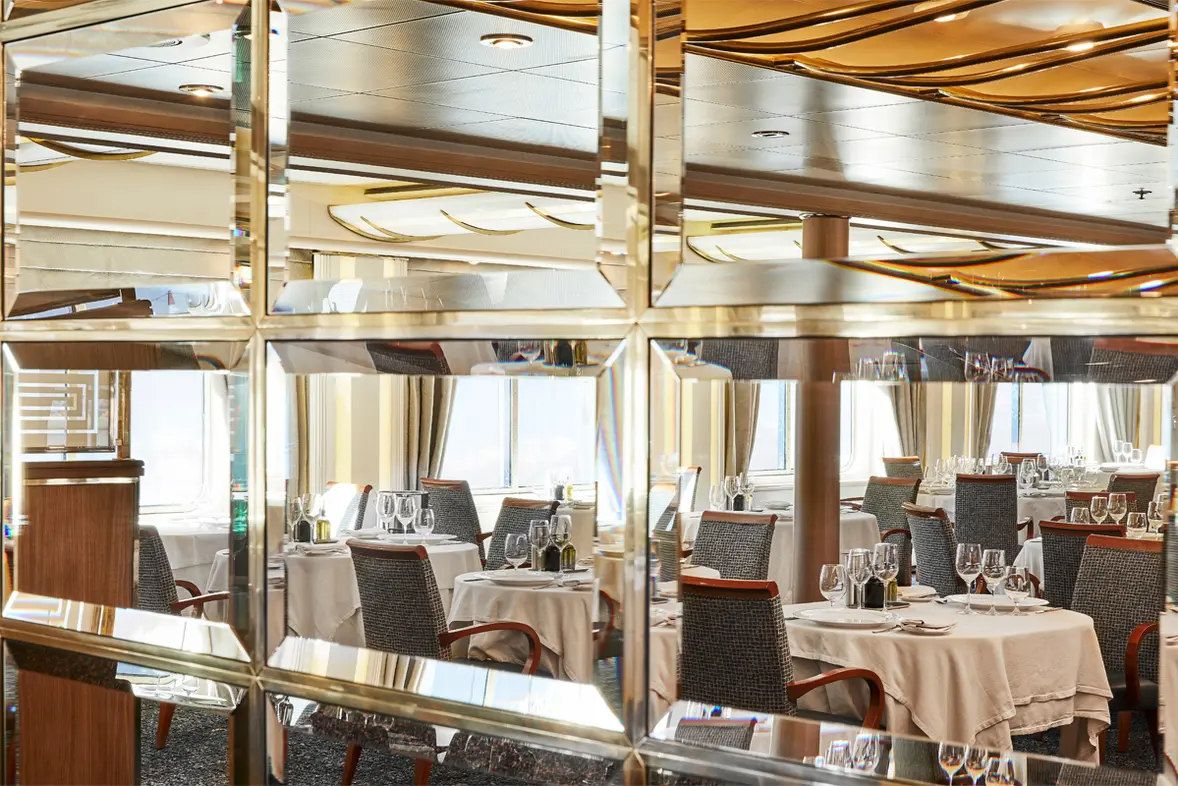
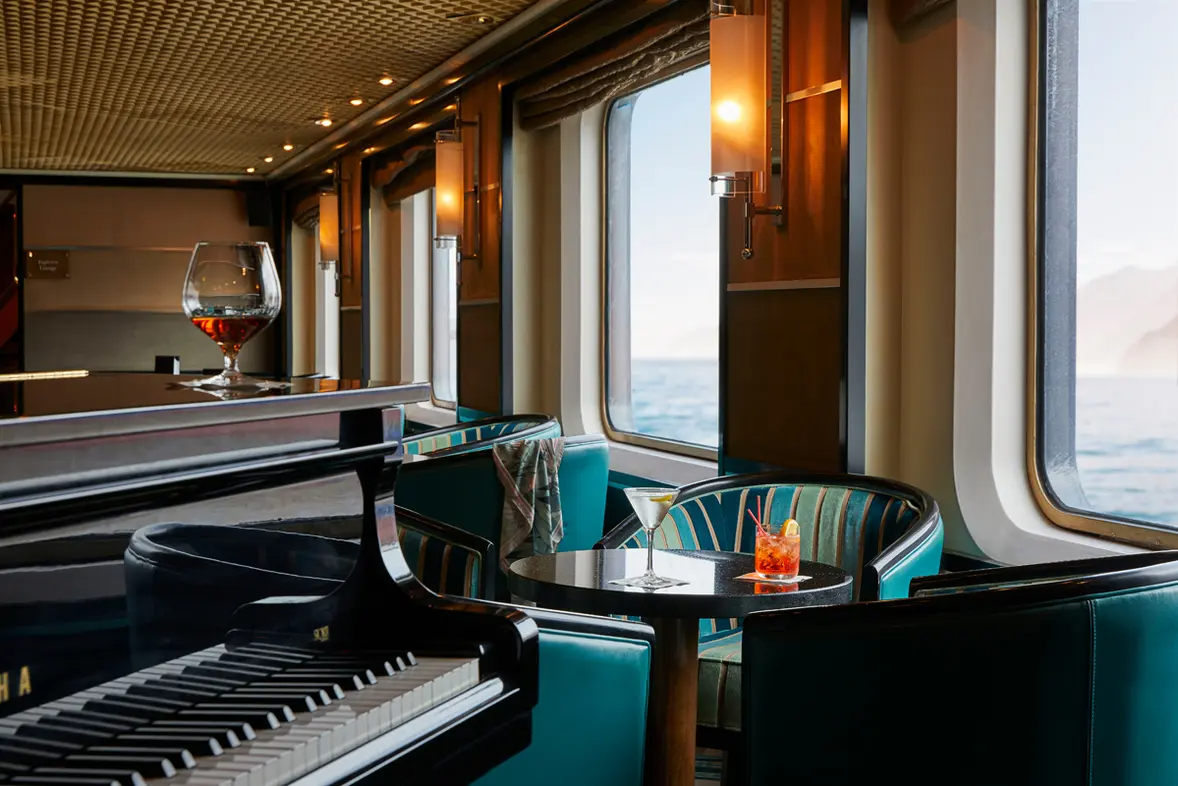
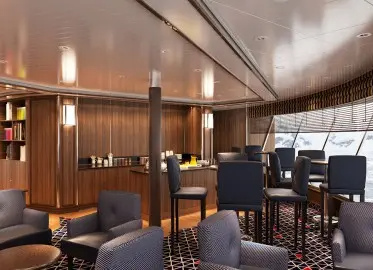
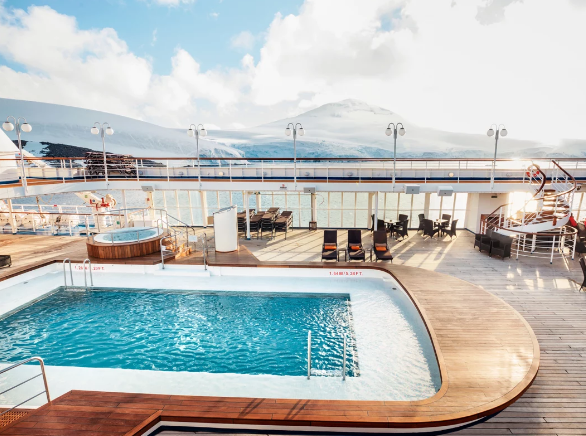
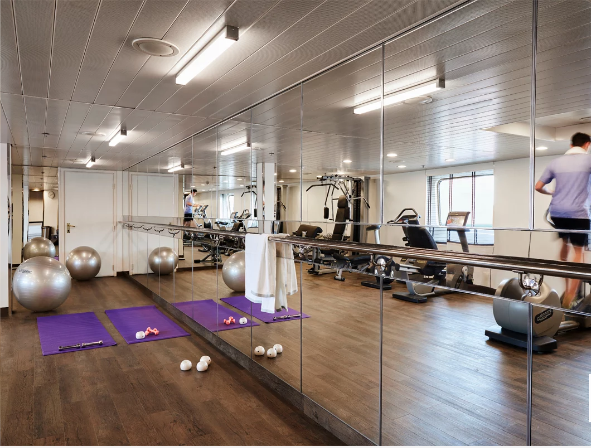

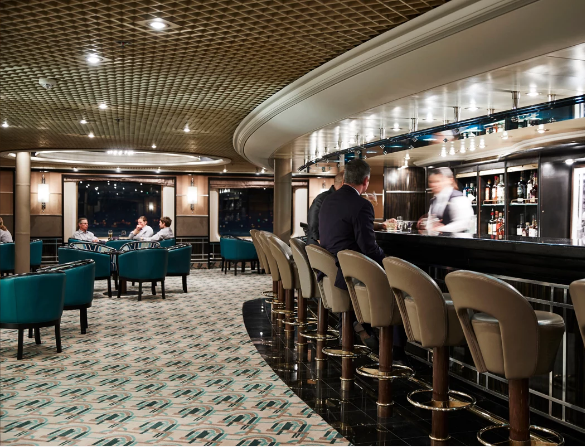

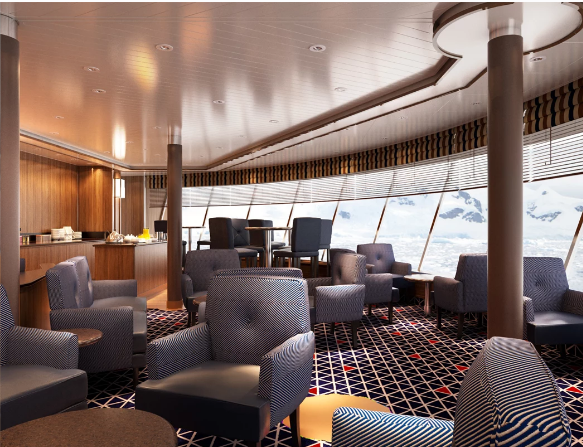
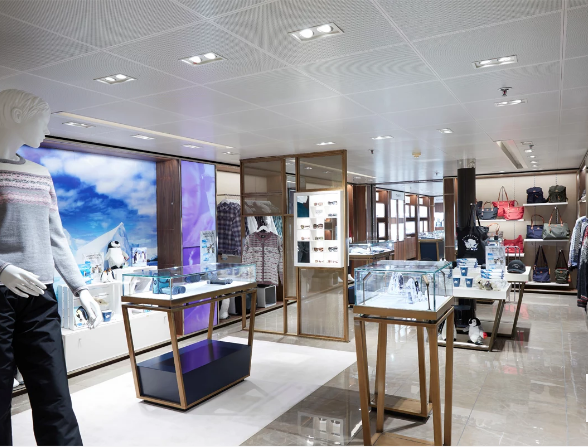
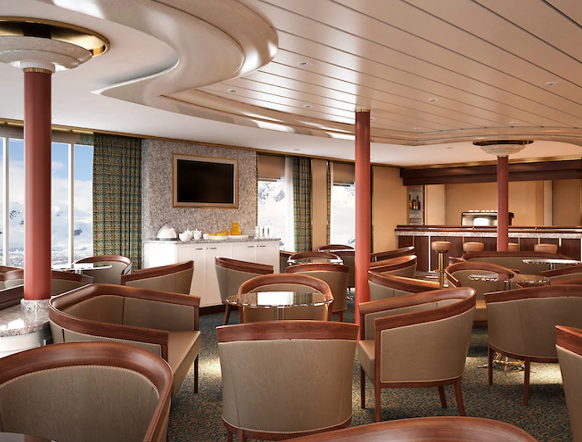

After extensive refurbishment, Silver Cloud is the most spacious and comfortable ice class vessel in expedition cruising. Her large suites, her destination itineraries and her unparalleled service make her truly special. Her four dining options will tantalise your taste buds and as 80% of her suites include a veranda, watching a breaching whale or a few cavorting penguins has never been so personal. A limited number of guests in polar waters, mean that Silver Cloud has the highest space to guest and crew to guest ratios in expedition cruising. With her 18 zodiacs, 10 kayaks, possibilities are almost limitless with ship-wide simultaneous explorations.
Beauty Salon
Day Spa & Fitness Centre
Jacuzzi
Panoramic Lounge
Pool Deck
Spa
Swimming Pool
Whirlpool
Fitness Center
Jogging Track
Pool
Wellness Centre
Casino
Connoisseur Club
Connoisseur’s Corner
Observation Lounge
Panorama Lounge
Silver Note
Arts Cafe
Atlantide
Dolce
La Dame
La Terrazza
Spaccanapoli
The Grill
Venetian
Boutique
Description
After extensive refurbishment, Silver Cloud is the most spacious and comfortable ice class vessel in expedition cruising. Her large suites, her destination itineraries and her unparalleled service make her truly special. Her four dining options will tantalise your taste buds and as 80% of her suites include a veranda, watching a breaching whale or a few cavorting penguins has never been so personal. A limited number of guests in polar waters, mean that Silver Cloud has the highest space to guest and crew to guest ratios in expedition cruising. With her 18 zodiacs, 10 kayaks, possibilities are almost limitless with ship-wide simultaneous explorations.
Relaxation
Beauty Salon
Day Spa & Fitness Centre
Jacuzzi
Panoramic Lounge
Pool Deck
Spa
Swimming Pool
Whirlpool
Fitness
Fitness Center
Jogging Track
Pool
Wellness Centre
Entertainment
Casino
Connoisseur Club
Connoisseur’s Corner
Observation Lounge
Panorama Lounge
Silver Note
Food and Drink
Arts Cafe
Atlantide
Dolce
La Dame
La Terrazza
Spaccanapoli
The Grill
Venetian
Other
Boutique
STATEROOMS
