
Miami, FL to Buenos Aires
- 15 Jan ‘28
- 33 nights
- Departing from Miami
- Silver Ray

-
Suite price from$35,900*/pp
YOUR ITINERARY
Miami, Florida - Cozumel Quintana Roo Mexico - Puerto Limon, Costa Rica - Colon, Panama - Panama Canal Transit - Manta, Ecuador - Callao (Lima) - Callao (Lima) - Arica, Chile - Coquimbo, Chile - Valparaiso, Chile - Valparaiso, Chile - Puerto Montt, Chile - Cruise Chilean Fjords - Punta Arenas, Chile - Garibaldi Fjord & Glacier - Ushuaia, Argentina - Ushuaia, Argentina - Port Stanley, Falkland Islands - Buenos Aires - Buenos Aires
Miami, officially the City of Miami, is a metropol...
Miami, officially the City of Miami, is a metropolis located in southeastern Florida in the United States. It is the third most populous metropolis on the East coast of the United States, and it is the seventh largest in the country. Wikipedia
Dive into the exuberant, colourful world of Cozumel –...
Dive into the exuberant, colourful world of Cozumel – a Mexican island of exceptional scuba diving, snorkelling and dazzling beaches. Abundant underwater ecosystems swirl among reefs of black coral – attracting experts and beginners alike to the azure waters of this island. Mayan mythology says Cozumel was the sanctuary of the Goddess of fertility and love, Ixchel – and this seducing Mexican island of adventure and allure leaves all visitors head over heels.
Waiting across the Carribean waters from Playa Del Carmen, and a world away from its lively resorts, Cozumel is an idyllic land of gently curving palm trees and tropical shores. Playa Palancar occupies the western coast, with velvety powder and balmy Caribbean seas. Relax, with just the notes of the washing sea and whispering palm trees accompanying you during splashes through the shallow waves or tanning sessions on the soft sand. Playa El Cielo – or the appropriately named Heaven Beach – is home to a divine constellation of starfish resting on the seabed, below its glass-clear waters. Stingrays and sea turtles also swirl in the waters, as you snorkel through some of the island’s most vibrant and diverse displays of marine life. Beach bars serve up spicy Mexican fare with a seaside twist – like delicious prawn fajitas, fish tacos and lime-squeezed ceviches. The crumbling San Gervasio ruins, meanwhile, offer cultural intrigue and a fascinating insight into the remarkable ancient Mayan civilisation. Despite the presence of majestic ruins from antiquity, it’s the giant iguanas, soaking up the sun in clearings, who often unwittingly steal the show.
Puerto Limon, once an important banana port, is the capital ...
Puerto Limon, once an important banana port, is the capital of Costa Rica’s Limon Province on the Caribbean coast. The town offers few sights, but serves mainly as a gateway to Costa Rica’s rugged wilderness. Costa Rica’s capital, San José, is a good two and a half-hour drive from Puerto Limon.
When Columbus discovered Costa Rica during his last voyage, rumors of vast gold treasures led to the name of Costa Rica (Rich Coast). The Spaniards settled in the Central Valley; additional immigrants from northern Spain increased their numbers considerably. The local Indian population was soon greatly diminished due to diseases brought by the settlers. In 1821 the country declared independence from Spain. In an effort to create a source for revenue, coffee was introduced from Panama in 1791. The government offered free land to coffee growers, thus building up a peasant landowning class. The first coffee exports were carried on mule-back to the ports; by 1846 oxcarts were used to transport the coffee to Puntarenas. A few years later, there was a large flow of coffee to overseas markets, which was facilitated by the opening of a railway from San Jose to Puerto Limon on the Caribbean. Later a railway was built to the Pacific port of Puntarenas. Today, the country’s economy is based on the export of coffee, bananas, meat, sugar and cocoa.
Tourists particularly enjoy the country’s well-kept national parks and nature reserves that have been established to protect the extremely varied Costa Rican ecosystems, such as the few remaining patches of the dry tropical forest and the unique cloud forest.
Colon welcomes you to one of humanity’s most extrao...
Colon welcomes you to one of humanity’s most extraordinary engineering endeavours, the Panama Canal. This extraordinary waterway connects two of the world’s great oceans and, on opening, saved ships from an epic and treacherous 8,000 mile voyage around Cape Horn. While the Atlantic Entrance is Colon’s main raison d’etre, there is much more to this city on the canal’s grand gateway than first meets the eye.
Take an old world voyage on the regally romantic Panama Railway Canal, which preceded the canal and was constructed at extraordinary human cost to traverse Panama’s narrow land. The tracks have been rolling since the 19th century and cosying up inside the historic carriages, with their gleaming glass ceilings and polished woods, is an elegant journey back through time to the period when this was the quickest route from the east coast of the USA to California’s gold rush dreams. A side trip to the UNESCO World Heritage Site Portobelo is also a must. With its reef rock fortifications built by the Spanish in the 17th century, these jagged jaws of coral were carved to cut approaching pirates and conquistadors to shreds. It shares its World Heritage Site designation with nearby Fort San Lorenzo, which perches on an emerald-green cliff, casting its gaze over the harbour below. Back in Colon, after staring in awe at the grand, clanging Gatun Locks, and splurging on a case of duty-free rum and trinkets from the Colon Free Trade Zone – a trip to the beach will soothe city-worn souls. Playa La Angosta is a rabble of raucous beach-going fun, where the blue waters swirl with bright banana boats and fleeting canoes. Relax on the sand among sizzling yuca fritters, and families clamouring in the shade of cabanas. On the Caribbean side, Playa Chiquita is accessible only by boat, but rewards with warm gin-clear waters backed by thick rainforest.
Enter the mighty Panama Canal, one of history’s most ambitiou...
Enter the mighty Panama Canal, one of history’s most ambitious and spectacular stretches of waterway. Connecting the Atlantic and Pacific oceans, and slicing through the heart of a continent, the canal is a staggering engineering triumph, eliminating the need to traverse the treacherous waters of South America and Cape Horn. Sail one of the world’s great canals to appreciate the true scale of this achievement, as your ship manoeuvres between its vast, gushing locks and huge lakes. View less The French began construction in 1881, but the costly project was left abandoned and unfinished until the United States finally completed the work in 1914. Following the path of the Panama Railway of 1855, locks raise ships large and small 26 metres up above sea level to the canal’s elevated channel. New locks have recently been added, which allow the canal to accommodate ever bigger ships. Leaving the confinement of the locks, you will enter the canal’s channel, to sail through Panama’s core. Wide lakes are linked by painstakingly chiselled wedges of canal, which slice through the lush scenery. Look out for the Culebra Cut section, the most challenging stretch of the entire route to construct. The Bridge of the Americas is a vast arched landmark, which sweeps across the Pacific Entrance and was completed in 1962. It’s one of several huge bridges that you will sail below on the 51-mile journey, including the much newer Centennial Bridge, and the Atlantic Bridge, which spans the entrance close to Colon.
Manta is one of Ecuador’s ports along the central ...
Manta is one of Ecuador’s ports along the central coast and the most populated city in Manabi Province. Its existence can be traced to pre-Columbian times when Manta was a trading post for the Incas and Mantas. It was also the port where Charles Marie de La Condamine arrived, leading the French mission to measure the location of the equator in 1735.
Arica is Chile’s northernmost city and the c...
Arica is Chile’s northernmost city and the capital of the Region of Arica and Parinacota. Its 240,000 inhabitants make up almost 98% of the region’s population. With an average temperature of 18 degrees Celsius Arica is known as the “city of eternal spring”. Although it is within the Atacama Desert, one of the driest places in the world, and several years can pass before it rains in the city, a fertile river valley dissects it. Fruit and vegetables are produced there and Arica is famous for its olives.
Arica’s port had been important for the Spanish Empire since 1545 when silver was brought down to the coast from Potosi (Bolivia) –this attracted English and Dutch pirates which looted Arica on several occasions. Today the port serves as a free port for goods from landlocked Bolivia. Arica belonged to Peru until 1880, when Chilean troops took the “El Morro” hill above the port during the War of the Pacific. It is possible to walk up to the giant flagpole and small military museum on the hill, from where there are excellent views across the city, port and valley. Attractions in or near Arica include the Museum of Azapa dedicated to the Chinchorro culture with the oldest mummies in the world going back 7,ooo years, several beaches and three buildings said to have been designed by Eiffel.
The name Coquimbo is derived from a native Diagui...
The name Coquimbo is derived from a native Diaguita word meaning ‘place of calm waters’. In fact, Charles Darwin had noted that the town was ‘remarkable for nothing but its extreme quietness’. Since then, Coquimbo has developed into a bustling port and the region’s major commercial and industrial centre from which minerals, fish products and fruits are exported. Used during the colonial period as a port for La Serena, Coquimbo attracted attention from English pirates, including Sir Francis Drake, who visited in 1578.
Visitors enjoy strolling around the town, admiring some of the elaborate woodwork handcrafted on buildings by early British and American settlers. These wooden buildings are among Chile’s most interesting historical structures. Out of town, the area offers some fine beaches in a desert-like setting. Coquimbo serves as a gateway to the popular resort town of La Serena and trips farther into the Elqui Valley, known as the production centre for Chile’s national drink, pisco sour. The valley is also home to several international observatories that take advantage of the region’s exceptional atmospheric conditions.
Since time immemorial Valparaiso has inspired wri...
Since time immemorial Valparaiso has inspired writers, poets, musicians and artists alike. If the city is still a little rough around the edges, this only adds to its bohemian ambience; the architecture, style, street art, nightlife, and live music scenes of Valparaiso are some of the best in the world. Add colourful clifftop homes to the mix and you’ll soon see why Valpariaso is many people’s favourite Chilean city. The city was founded in 1536 by Spanish conquistador Juan de Saavedra, who named the city after his birthplace. View less
Many of the colonial buildings he implemented are still standing today, despite the rain, wind, fire and several earthquakes (one of which almost levelled the city in 1906). Quirky architecture also abounds; poetry lovers and amateur architects will no doubt want to make the 45 km trip south to Chilean poet laureate (and Nobel Prize winner) Pablo Neruda’s ship-shaped house and museum for a taste of the extraordinary. The city and region are also extremely well known for their love of good food and wine. The vineyards of the nearby Casablanca Valley – first planted in the early 1980s – have earned worldwide recognition in a relatively short space of time. However, Chile’s viticulture history does date back much farther than that. De Saavedra brought grape vines on his voyage to South America in order to make his own wine and this led to a new grape brandy being created, Pisco. Today give any Chilean a Pisco and wherever they are in the world, they will be home.
Since time immemorial Valparaiso has inspired writers, poets, m...
Since time immemorial Valparaiso has inspired writers, poets, musicians and artists alike. If the city is still a little rough around the edges, this only adds to its bohemian ambience; the architecture, style, street art, nightlife, and live music scenes of Valparaiso are some of the best in the world. Add colourful clifftop homes to the mix and you’ll soon see why Valpariaso is many people’s favourite Chilean city. The city was founded in 1536 by Spanish conquistador Juan de Saavedra, who named the city after his birthplace. View less
Many of the colonial buildings he implemented are still standing today, despite the rain, wind, fire and several earthquakes (one of which almost levelled the city in 1906). Quirky architecture also abounds; poetry lovers and amateur architects will no doubt want to make the 45 km trip south to Chilean poet laureate (and Nobel Prize winner) Pablo Neruda’s ship-shaped house and museum for a taste of the extraordinary. The city and region are also extremely well known for their love of good food and wine. The vineyards of the nearby Casablanca Valley – first planted in the early 1980s – have earned worldwide recognition in a relatively short space of time. However, Chile’s viticulture history does date back much farther than that. De Saavedra brought grape vines on his voyage to South America in order to make his own wine and this led to a new grape brandy being created, Pisco. Today give any Chilean a Pisco and wherever they are in the world, they will be home.
Located on the northern tip of the vast Reloncavi Bay, ...
Located on the northern tip of the vast Reloncavi Bay, Puerto Montt is the gateway to the Chilean Lake District. Crowding the harbor are vessels that ply the route between Cape Horn and Puerto Montt, finding shelter here from the storms of the Pacific.
The first German colonists arrived in this area in 1852; their descendants have remained a small but influential percentage of the 130,000 inhabitants. The town spreads along a narrow seaboard and climbs the slopes that enclose Puerto Montt to the north. Since 1985, the city has experienced considerable growth and development. In addition to some 30 salmon farms, fishing and forestry industries, there are service companies, new hotels, restaurants, cafés and a variety of shops. For the visitor, the town itself offers scant attractions apart from shingle-roofed houses around a flowered central square. It is its proximity to the lake and mountain region that makes Puerto Montt a sought after starting point for many travelers.
A short distance from the pier is the small fishing port of Angelmo. Its row of stalls lining both sides of the street offers a wide variety of regional handicrafts and souvenir items.
Winding through the vast expanses of the Chilean Fjords...
Winding through the vast expanses of the Chilean Fjords will reveal mountains looming on both sides, waterfalls, and the marvel of hardy flora clinging to barren rocks. Seals and dolphins patrol the length of these uninhabited fjords as they have done for millennia. Small fishing-boats come out of Punta Arenas luring fish and trapping for king crab, while terns dip and glide coaxing their own small fish out of the deep, dark fjord waters amongst tiny islands thick with vegetation.
As we head back towards land, a statue of fellow exp...
As we head back towards land, a statue of fellow explorer Ferdinand Magellan greets us. Located on the western side of the Strait of Magellan, Punta Arenas is the capital of Chile’s Magallanes Region and the bustling centre base for South Atlantic fishing boats and Antarctic research vessels. This busy port town is a melding of cultures from the English sheep ranchers to Portuguese sailors, all of which are a symbol of Chile’s rich history. Punta Arenas’ city centre features impressive mansions dating from the late 19th and early 20th centuries.
In 1982, Isla Magdalena was declared a Chilean Natural Monument. Residing in the Magellan Straits, it serves as a bird sanctuary specifically to the Magellanic penguins, who share their nesting area with cormorants amongst other seabirds and sea lions. We explore the island together with our ship staff, and learn more about these naturally curious and untamed creatures. However, simply watching 150,000 burrowing penguins share chores with their lifelong mates is quite amazing. Each morning and afternoon, the fishing penguins return to shore to switch places with their mate who has been taking care of the young. These same penguins return every year between October and March to lay eggs and raise their young.
A southerly frontier – on the cusp of wild nature a...
A southerly frontier – on the cusp of wild nature and extraordinary adventures – the excitement in Ushuaia is palpable. Prepare for memorable exploits amid the extremes of this southerly location – as you adventure into the colossal scenery of the fractured Tierra del Fuego and beyond. Known as the ‘End of the World’ Ushuaia looks out across the Beagle Channel, and is surrounded by the Martial Mountains to the north. Despite its remote location, Ushuaia is a surprisingly busy and lively resort, with lots to keep its visitors entertained. View less
For many people, Ushuaia is their last glimpse of anything resembling a city, before they jump off the map into the wilderness, to answer the call of immense national parks or Antarctic expeditions. One of the most dramatic landscapes on the planet – Argentina’s land of fire, National Park Tierra del Fuego, is a place of titanic natural forces and limitless beauty. Snow-covered mountains poke the sky, while glaciers spill down between peaks, and gaping fjords open up. With incredible wildlife – from penguins to whales – the park offers some of South America’s most amazing hiking opportunities and panoramas. When it comes to food in Ushuaia, locals cook up fierce flavours using the freshest ingredients. King crab is one of the most popular dishes, while sea bass – hauled freshly from the waters – and mounds of meaty mussels – known as cholgas – are also on the menu here.
A southerly frontier – on the cusp of wild nature and extr...
A southerly frontier – on the cusp of wild nature and extraordinary adventures – the excitement in Ushuaia is palpable. Prepare for memorable exploits amid the extremes of this southerly location – as you adventure into the colossal scenery of the fractured Tierra del Fuego and beyond. Known as the ‘End of the World’ Ushuaia looks out across the Beagle Channel, and is surrounded by the Martial Mountains to the north. Despite its remote location, Ushuaia is a surprisingly busy and lively resort, with lots to keep its visitors entertained. View less
For many people, Ushuaia is their last glimpse of anything resembling a city, before they jump off the map into the wilderness, to answer the call of immense national parks or Antarctic expeditions. One of the most dramatic landscapes on the planet – Argentina’s land of fire, National Park Tierra del Fuego, is a place of titanic natural forces and limitless beauty. Snow-covered mountains poke the sky, while glaciers spill down between peaks, and gaping fjords open up. With incredible wildlife – from penguins to whales – the park offers some of South America’s most amazing hiking opportunities and panoramas. When it comes to food in Ushuaia, locals cook up fierce flavours using the freshest ingredients. King crab is one of the most popular dishes, while sea bass – hauled freshly from the waters – and mounds of meaty mussels – known as cholgas – are also on the menu here.
Tiny Stanley, capital of the Falklands, seems in many ways ...
Tiny Stanley, capital of the Falklands, seems in many ways like a British village fallen out of the sky. Many homes are painted in bright colors, adding visual appeal to this distant outpost. Not far offshore, the wreck of the Lady Elizabeth, is one of the many vessels remaining as a silent testimonial to the region’s frequent harsh weather conditions.
The islands, also known by their Spanish name of Islas Malvinas, are home to arguably more tuxedo-clad inhabitants of the penguin variety than human residents. Various species, such as Gentoo, King and the more elusive Macaroni penguins, either live here permanently or use the Falklands as a stopover on their migration route. Giant Sea Elephants and Southern Sea Lions also come here to breed and give birth. Darwin found the islands’ flora and fauna fascinating — no doubt you will, too.
Passionate, and alive with an infectious crackling ene...
Passionate, and alive with an infectious crackling energy, the Argentine capital is a breathlessly romantic city, which blends old-world colonial architecture with a down-to-earth Latin American clamour. Famed for steamy tango interplays, and expertly seared steak slabs, a visit to Buenos Aires is a fiery fiesta for the senses. Parque Tres de Febrero is a 400-hectare oasis where 18,000 rose bushes bloom, and skyscrapers give way to still lakes and pretty paths of rollerblading locals.
Mighty palm trees – that look like exploding fireworks – stand tall in Plaza de Mayo, the heart of this sprawling cosmopolitan capital of 48 barrios. The square has served as the stage for many fundamental events in this country’s history, and the location where the seeds of independence were sewn continues to serve as the city’s gathering point – and is a place for solidarity, rebellion and revolution. The presidential Casa Rosada’s salmon-hued Palatial Palace borders the plaza, while nearby Museum Nacional de Bellas Artes houses the largest collection of public art in Latin America. Teatro Colón, the opulent 1908 opera house, is one of the world’s finest venues – musical performance here take on an ethereal quality, with the exceptional acoustics transferring every quiver of bow, and tremor of vocal cord, to the audience in spine-tingling clarity. The gargantuan, precipitous terraces of Bombonera Stadium form another of Buenos Aires’s incredible venues, and a wall of noise emanates from it when Boca Juniors take to the field. Juicy steak and punchy Malbec flow in the city’s parrillas – steakhouses – while glitzy bars and thumping nightclubs welcome revellers late into the night. It’s not just the meat that sizzles here either – tango dancers fill milongas – dance halls – to strut passionately until the early hours. Sip steaming mate, the country’s national drink, shop in covered markets, and explore Cementerio de la Recoleta – a city of grand graves and intricate memorials honouring presidents, politicians and notable Argentine heroes from history.
Passionate, and alive with an infectious crackling energy...
Passionate, and alive with an infectious crackling energy, the Argentine capital is a breathlessly romantic city, which blends old-world colonial architecture with a down-to-earth Latin American clamour. Famed for steamy tango interplays, and expertly seared steak slabs, a visit to Buenos Aires is a fiery fiesta for the senses. Parque Tres de Febrero is a 400-hectare oasis where 18,000 rose bushes bloom, and skyscrapers give way to still lakes and pretty paths of rollerblading locals.
Mighty palm trees – that look like exploding fireworks – stand tall in Plaza de Mayo, the heart of this sprawling cosmopolitan capital of 48 barrios. The square has served as the stage for many fundamental events in this country’s history, and the location where the seeds of independence were sewn continues to serve as the city’s gathering point – and is a place for solidarity, rebellion and revolution. The presidential Casa Rosada’s salmon-hued Palatial Palace borders the plaza, while nearby Museum Nacional de Bellas Artes houses the largest collection of public art in Latin America. Teatro Colón, the opulent 1908 opera house, is one of the world’s finest venues – musical performance here take on an ethereal quality, with the exceptional acoustics transferring every quiver of bow, and tremor of vocal cord, to the audience in spine-tingling clarity. The gargantuan, precipitous terraces of Bombonera Stadium form another of Buenos Aires’s incredible venues, and a wall of noise emanates from it when Boca Juniors take to the field. Juicy steak and punchy Malbec flow in the city’s parrillas – steakhouses – while glitzy bars and thumping nightclubs welcome revellers late into the night. It’s not just the meat that sizzles here either – tango dancers fill milongas – dance halls – to strut passionately until the early hours. Sip steaming mate, the country’s national drink, shop in covered markets, and explore Cementerio de la Recoleta – a city of grand graves and intricate memorials honouring presidents, politicians and notable Argentine heroes from history.
YOUR SHIP - The Silver Ray
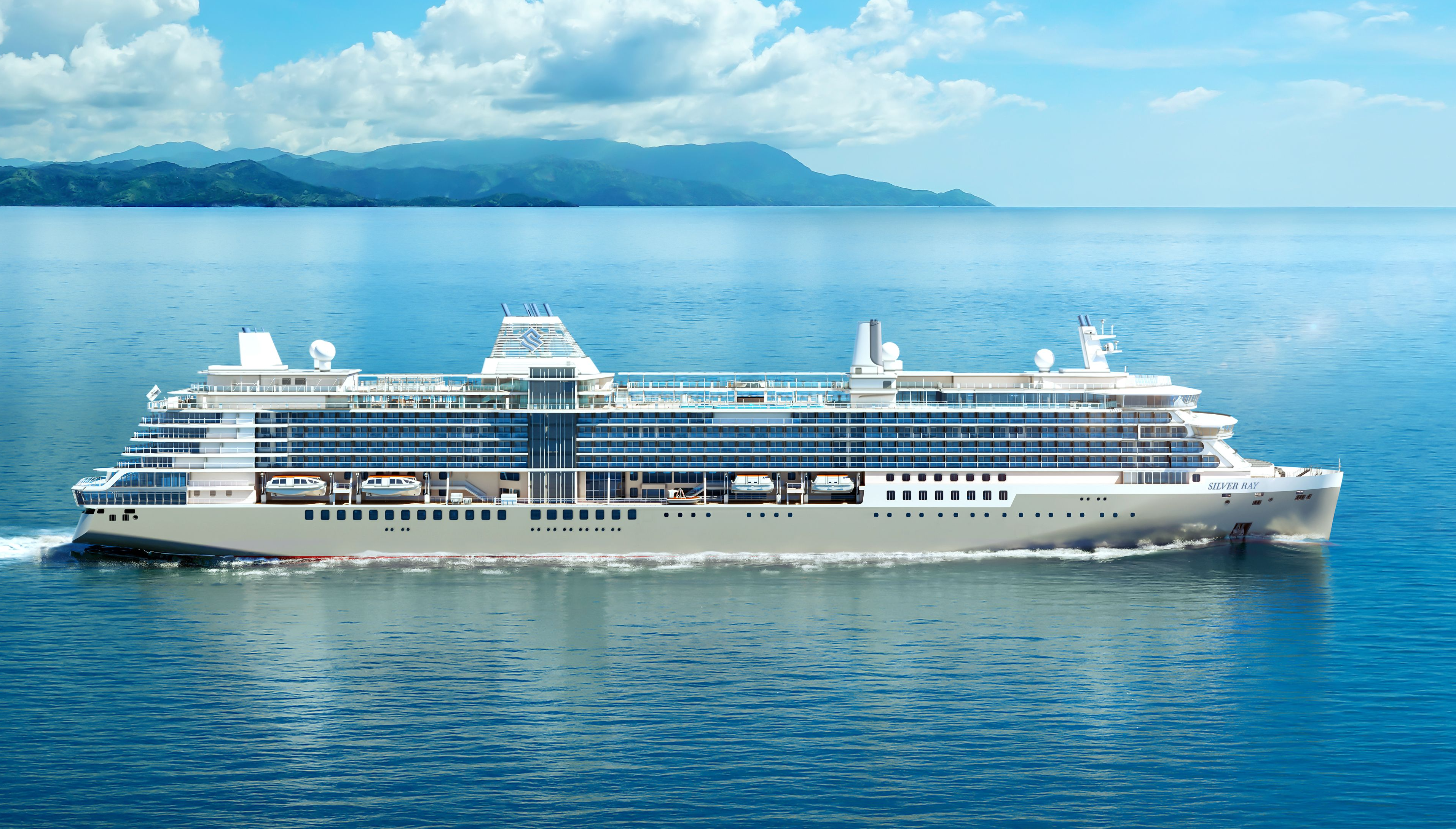
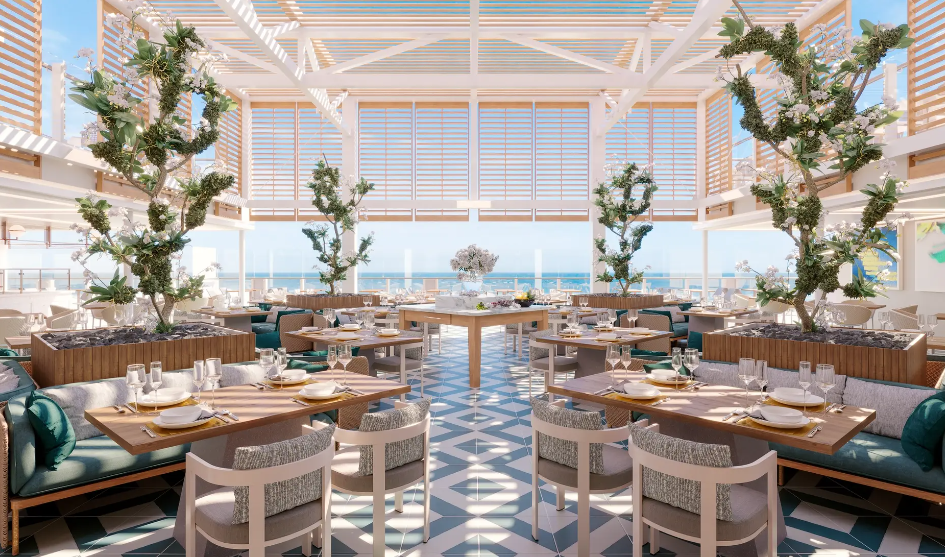
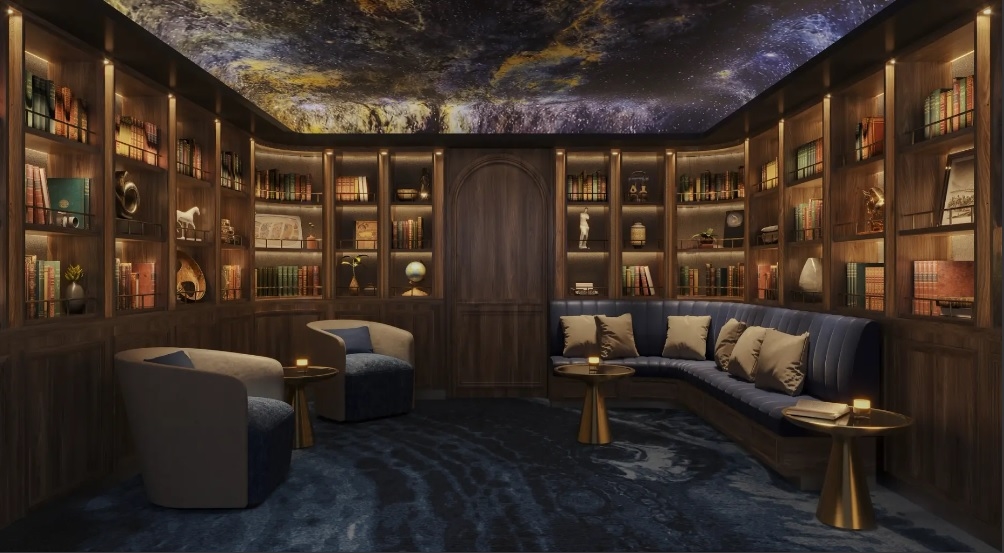
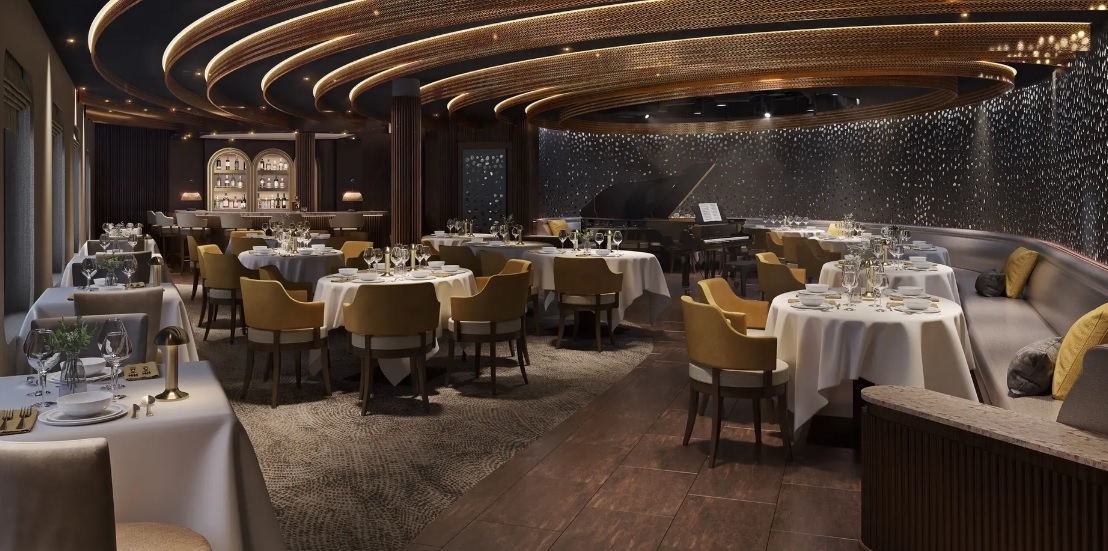
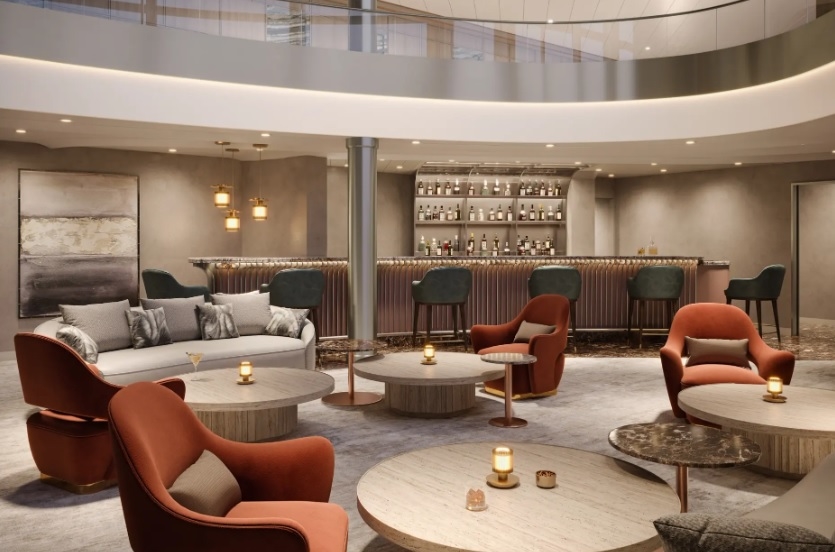
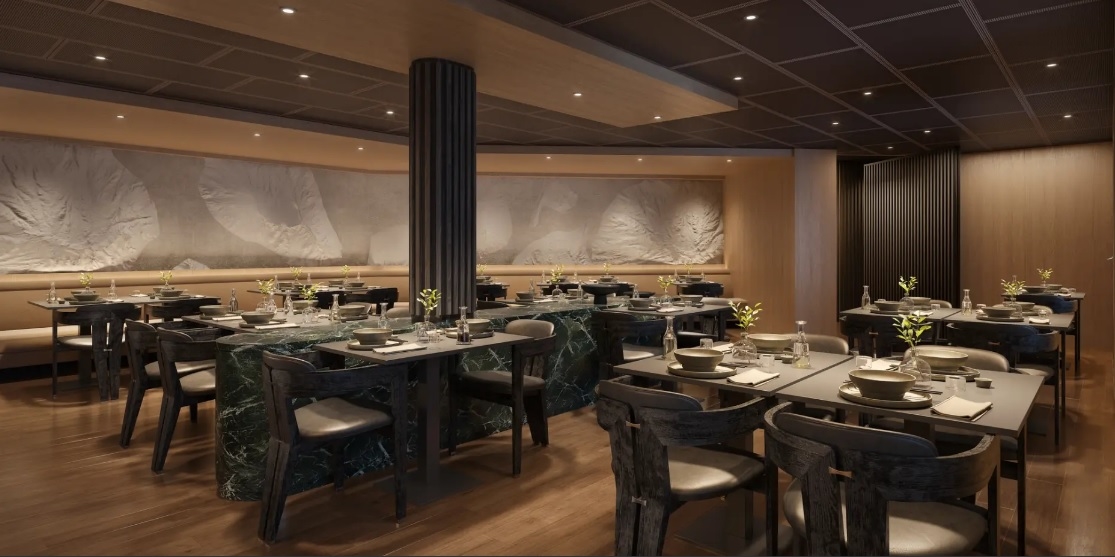
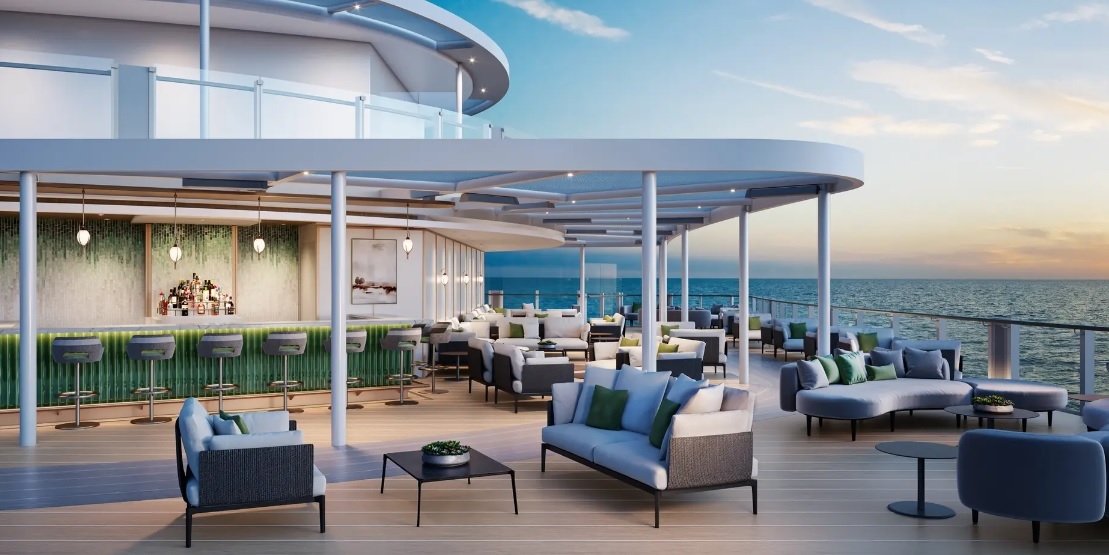
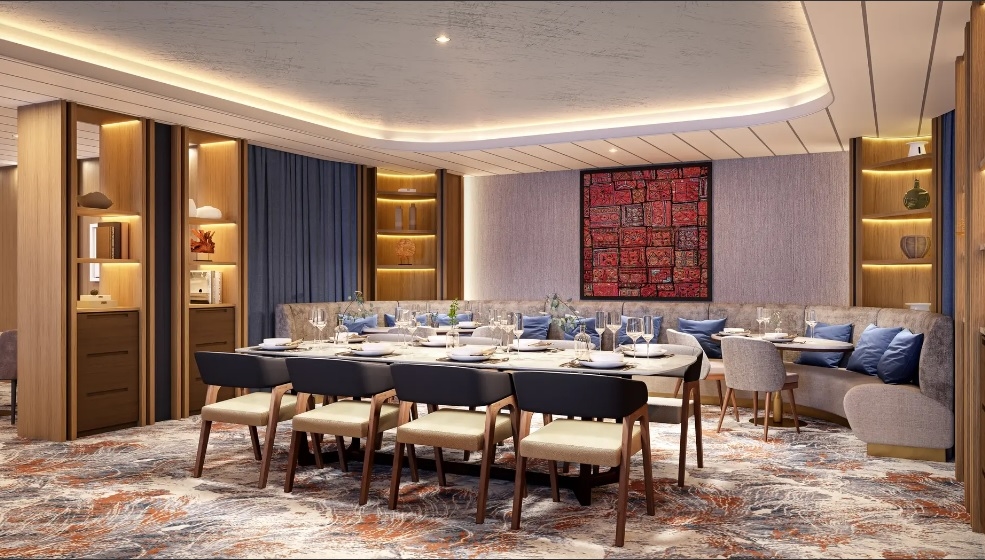
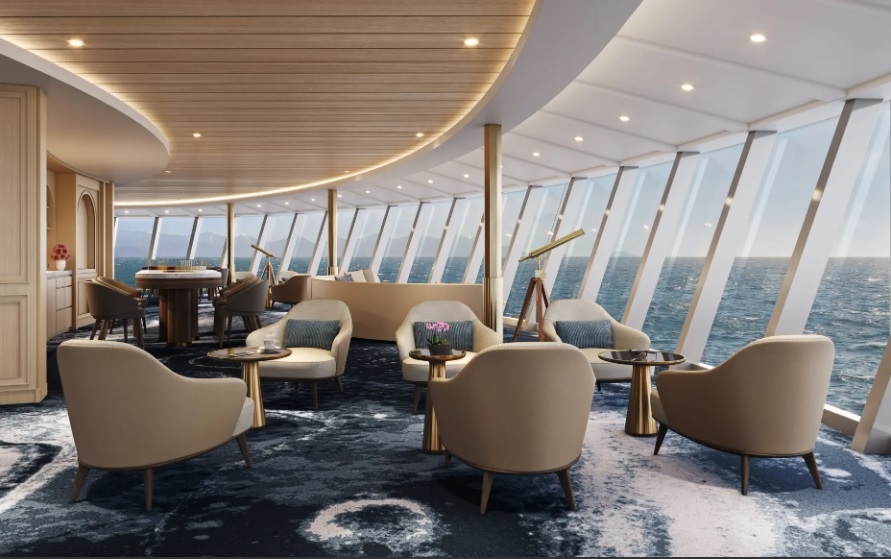
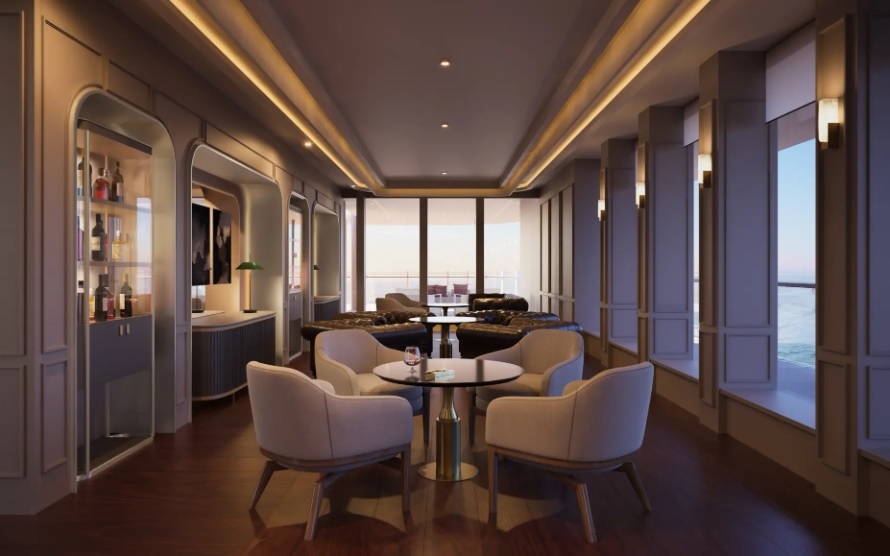
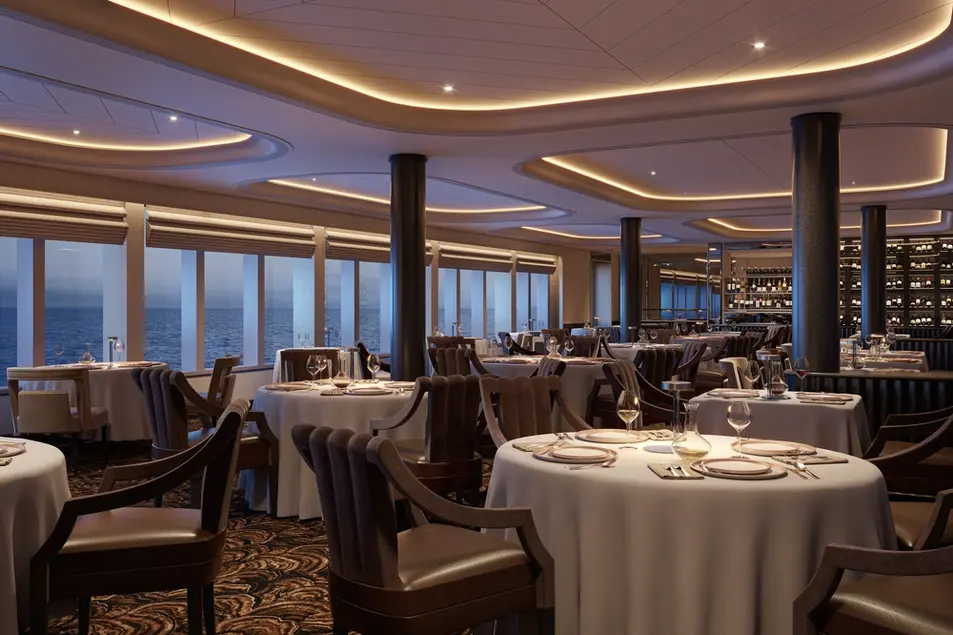
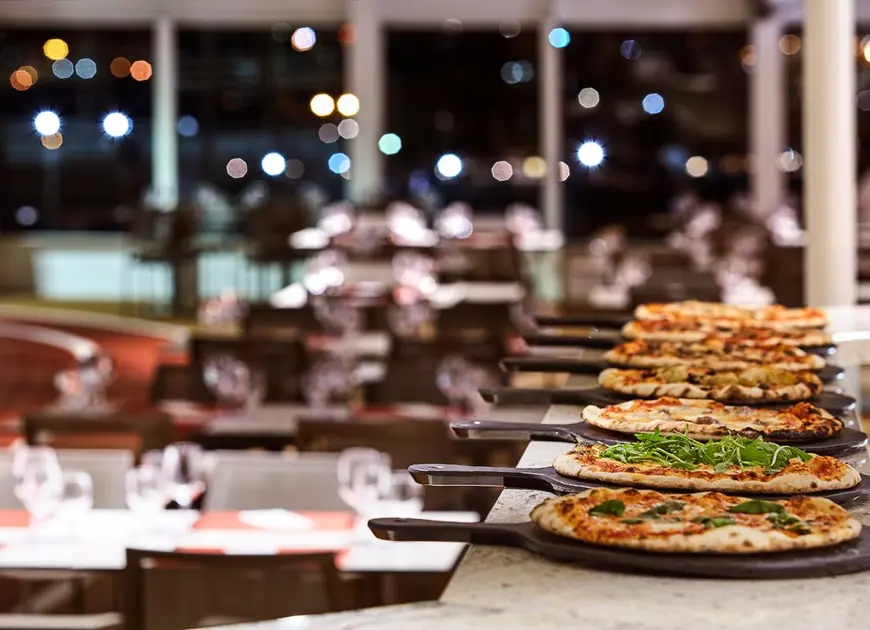
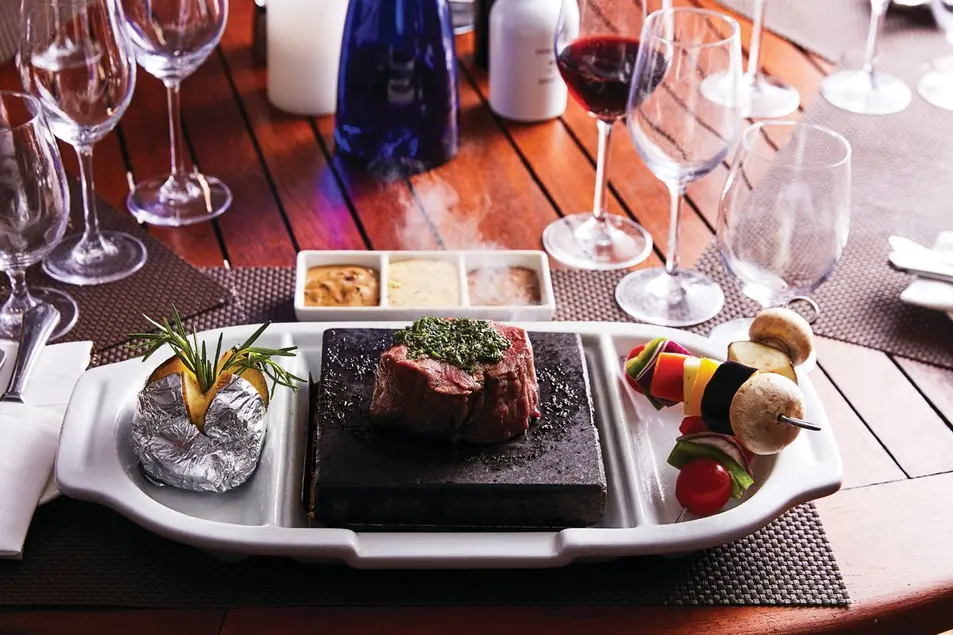
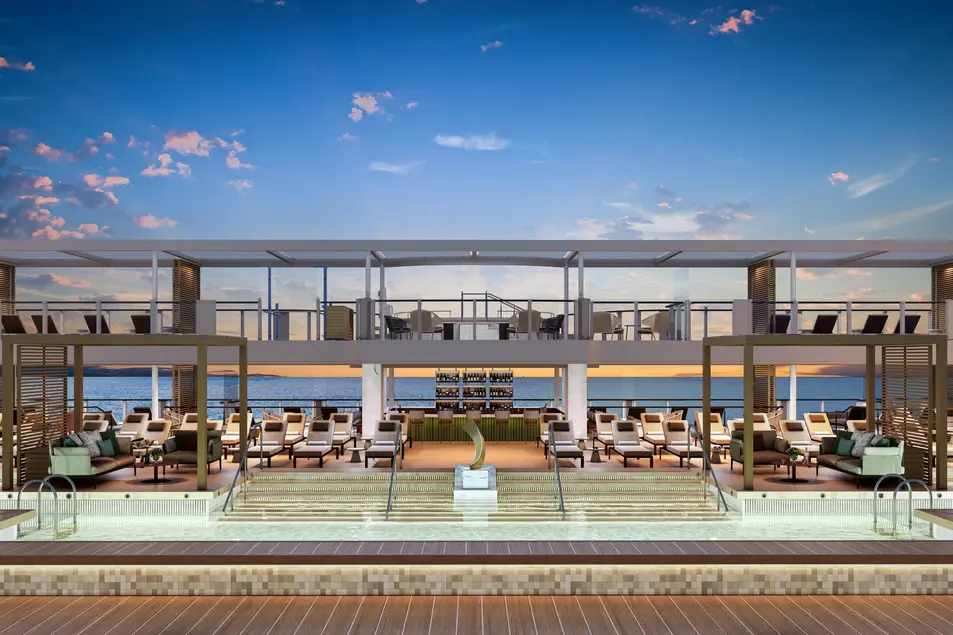
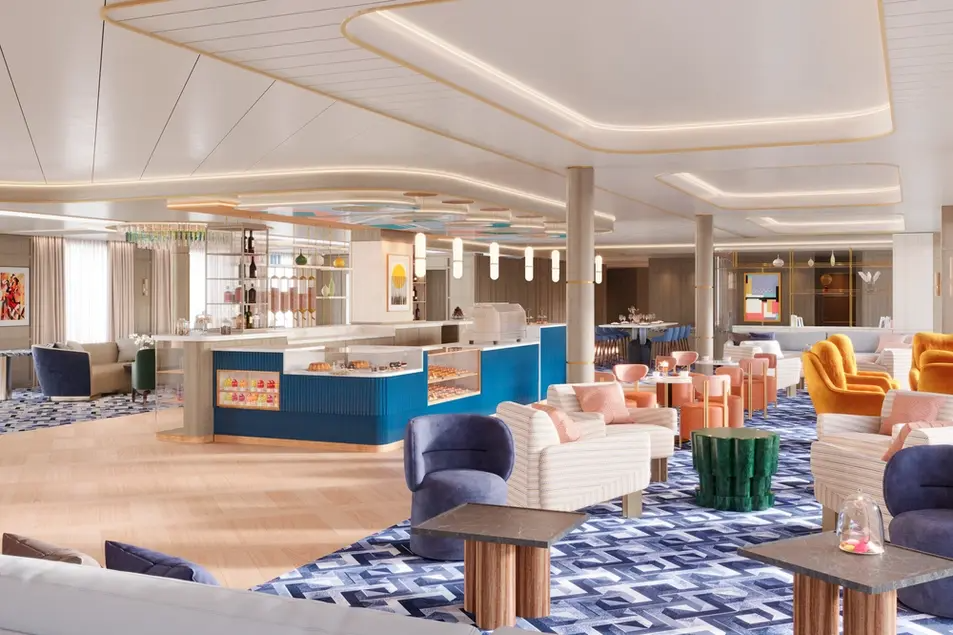
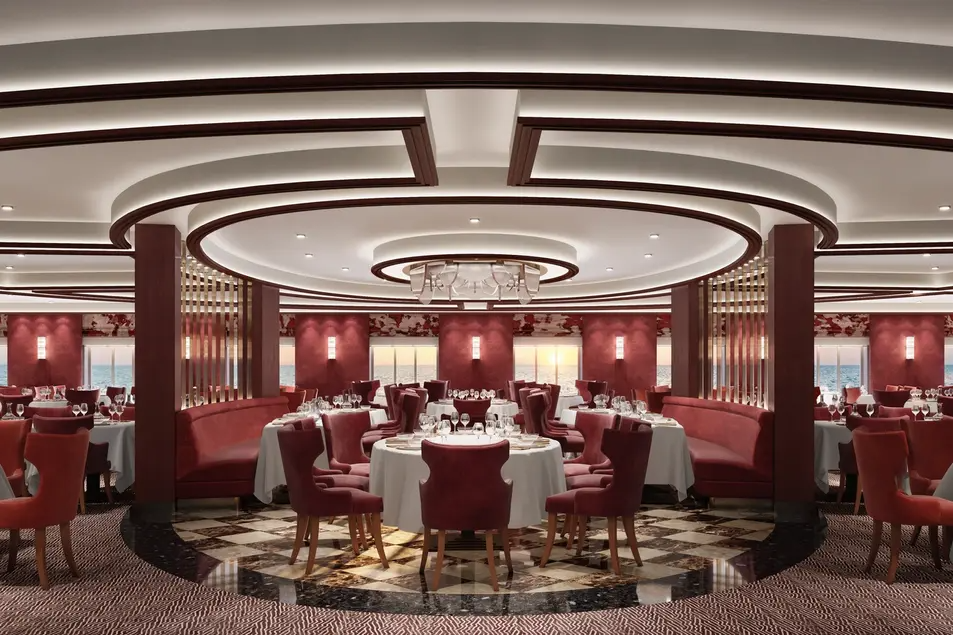
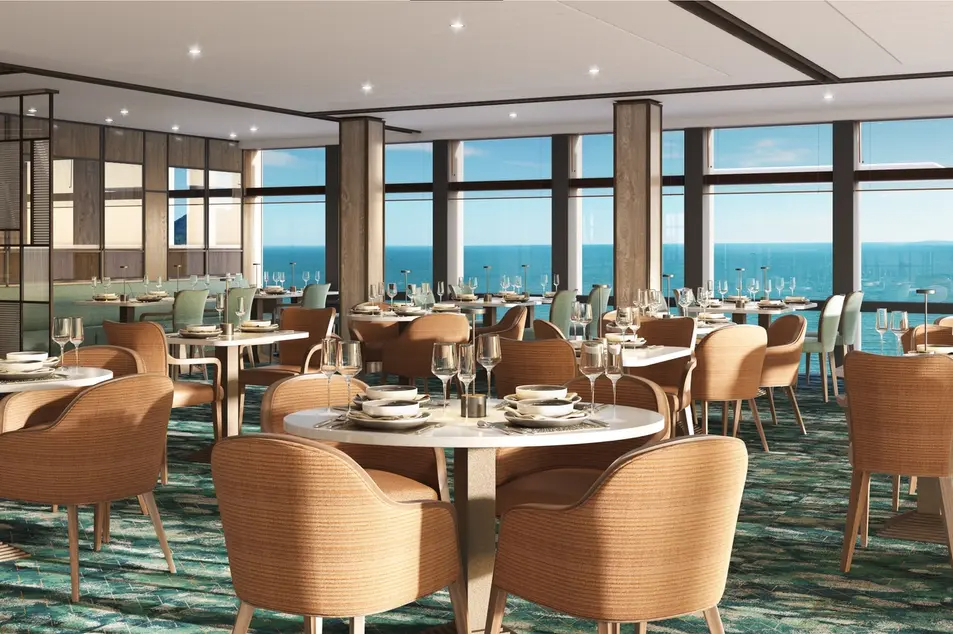
Portraying a dynamic and immediate connection with nature, where the touch of light inspires purity and movement, Silversea’s second Nova Class ship will be named Silver Ray. The pioneering luxury vessel inherits the revolutionary aspects of sister ship Silver Nova – notably the innovative asymmetrical design offering uninterrupted views from every vantage point through an extraordinary use of glass in both public spaces and in suite. At 54,700 gross tons and hosting just 728 guests, she will be among the most spacious ships ever built with a space to guest ratio of 75 GRT-per-passenger. Silver Ray… progressive and gazing at the future.
Boutique
Beauty Salon
Day Spa & Fitness Centre
Jacuzzi
Panoramic Lounge
Pool Deck
Spa
Swimming Pool
Whirlpool
Casino
Connoisseur’s Corner
Observation Lounge
Panorama Lounge
Silver Note
Arts Cafe
Atlantide
Dolce
La Dame
La Terrazza
Spaccanapoli
The Grill
Venetian
Fitness Center
Jogging Track
Pool
Wellness Centre
Description
Portraying a dynamic and immediate connection with nature, where the touch of light inspires purity and movement, Silversea’s second Nova Class ship will be named Silver Ray. The pioneering luxury vessel inherits the revolutionary aspects of sister ship Silver Nova – notably the innovative asymmetrical design offering uninterrupted views from every vantage point through an extraordinary use of glass in both public spaces and in suite. At 54,700 gross tons and hosting just 728 guests, she will be among the most spacious ships ever built with a space to guest ratio of 75 GRT-per-passenger. Silver Ray… progressive and gazing at the future.
Other
Boutique
Relaxation
Beauty Salon
Day Spa & Fitness Centre
Jacuzzi
Panoramic Lounge
Pool Deck
Spa
Swimming Pool
Whirlpool
Entertainment
Casino
Connoisseur’s Corner
Observation Lounge
Panorama Lounge
Silver Note
Food and Drink
Arts Cafe
Atlantide
Dolce
La Dame
La Terrazza
Spaccanapoli
The Grill
Venetian
Fitness
Fitness Center
Jogging Track
Pool
Wellness Centre
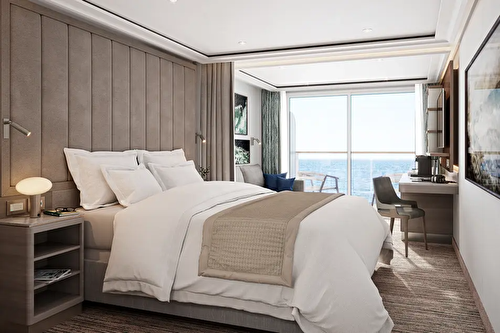
STATEROOMS