 Sign In
Japan, China & South Korea Featuring Shanghai
- 18 Jun ‘28
- 25 nights
- Departing from Tokyo
- Silver Whisper

-
Suite price fromCall for price
YOUR ITINERARY
Tokyo, Japan - Osaka, Japan - Osaka, Japan - Kochi, Japan - Kagoshima - Naze, Amani Oshima Japan - Shanghai, China - Shanghai, China - Shanghai, China - Incheon (Seoul) - Nagasaki - Fukuoka - Sakaiminato - Maizuru - Kanazawa - Niigata - Aomori - Hakodate - Miyako, Iwate, Japan - Tokyo, Japan
Dense and delightful, there’s nowhere else like Japan&...
Dense and delightful, there’s nowhere else like Japan’s kinetic capital – a city where ancient traditions blend seamlessly with a relentless pursuit for the future’s sharpest edge. See the city from above, as elevators rocket you up to towering viewing platforms, from which you can survey a vast urban ocean, interspersed with sky-scraping needles. Look out as far as the distant loom of Mount Fuji’s cone on clear days. View less
Futuristic – second-accurate – transport seamlessly links Tokyo’s 14 districts, while the glow of flashing advertisement boards, clanks of arcade machines, and waves of humanity flowing along its streets, adds to the sense of mesmerising, dizzying and glorious sensory overload. One of Tokyo’s most iconic sights, don’t miss the flood of people scrambling to cross Shibuya’s famous intersection. Join the choreographed dance, as crowds of briefcase-carrying commuters are given the green light to cross at the same time – bathed in the light of massive neon advertisements. The culture is immensely rich and deep, with 7th-century, lantern-decorated temples, stunning palaces and tranquil scarlet shrines waiting below cloaks of incense and nestling between soaring skyscrapers. Restaurants serve up precisely prepared sushi, and wafer-thin seafood slivers, offering a unique taste of the country’s refined cuisine. Settle into traditional teahouses, to witness intricate ceremonies, or join the locals as they fill out karaoke bars to sing the night away. In the spring, cherry blossom paints a delicate pink sheen over the city’s innumerable parks and gardens.
Japan’s third-biggest city has thrown off its shackles a...
Japan’s third-biggest city has thrown off its shackles and stepped out of the shadows to light up the sky with glaring neon signs and a larger than life outlook. Giant octopuses cling to buildings and bustling restaurants pack in the crowds in this great and garish place, which is Japan at its most friendly, extroverted and flavourful. So dive in headfirst to experience an all-out sensory assault of delicious food, shopping cathedrals and glittering temples. View less
Dotombori Bridge bathes in the multicoloured, jewel-like lights of signage-plastered buildings, and the neon lights dance on the canal’s waters below. Osaka is known as the nation’s kitchen, and the Kuromon Ichiba Market has served as the city’s spot to tuck in for almost 200 years. Full of street food stalls – try pufferfish, savoury Okonomiyaki pancakes, or ginger and onion flavoured octopus, among the endless feast of exotic flavours. Osaka Castle is another of the city’s landmarks, built in the 16th century by Toyotomi Hideyoshi. A modern museum now waits inside, where you can learn about the country’s history, and why this castle is a symbol of Japanese unity. Be sure to take the elevator up to the observation deck for a panoramic view of Osaka’s spread. A colourful park encloses the castle and blooms with an ocean of pale pink cherry blossom during the season – the elegant black tiers rising from the pink haze below is one of Osaka’s most alluring visions. Kyoto’s peaceful cultural treasures and temples are also just a short jaunt away on Japan’s sleek trains, should you wish to explore further afield.
Japan’s third-biggest city has thrown off its shackles an...
Japan’s third-biggest city has thrown off its shackles and stepped out of the shadows to light up the sky with glaring neon signs and a larger than life outlook. Giant octopuses cling to buildings and bustling restaurants pack in the crowds in this great and garish place, which is Japan at its most friendly, extroverted and flavourful. So dive in headfirst to experience an all-out sensory assault of delicious food, shopping cathedrals and glittering temples. View less
Dotombori Bridge bathes in the multicoloured, jewel-like lights of signage-plastered buildings, and the neon lights dance on the canal’s waters below. Osaka is known as the nation’s kitchen, and the Kuromon Ichiba Market has served as the city’s spot to tuck in for almost 200 years. Full of street food stalls – try pufferfish, savoury Okonomiyaki pancakes, or ginger and onion flavoured octopus, among the endless feast of exotic flavours. Osaka Castle is another of the city’s landmarks, built in the 16th century by Toyotomi Hideyoshi. A modern museum now waits inside, where you can learn about the country’s history, and why this castle is a symbol of Japanese unity. Be sure to take the elevator up to the observation deck for a panoramic view of Osaka’s spread. A colourful park encloses the castle and blooms with an ocean of pale pink cherry blossom during the season – the elegant black tiers rising from the pink haze below is one of Osaka’s most alluring visions. Kyoto’s peaceful cultural treasures and temples are also just a short jaunt away on Japan’s sleek trains, should you wish to explore further afield.
One of Japan’s most southerly major cities, Kagos...
One of Japan’s most southerly major cities, Kagoshima is dominated by the imposing Sakurajima volcano’s cone – a legendary active volcano that broods, churns and puffs out ash nearby. A pretty old-time ferry chugs across the still waters to the gently sloping foothills of the volcano’s cone, and it’s easy to imagine where the comparisons with its sister city Naples materialised, as you sail the glorious sweeping Kinko Bay, below beaming sunshine, towards the immense volcanic spectacle. View less
This is certainly no historic relic, and the volcano remains revered and feared, with the most dramatic recent eruption taking place in 1914, and spewing out a new bridge of land into the sea. Make the most of the geothermal activity in the area by indulging in a stress-simmering black sand bath. Incredibly relaxing, you’ll be submerged in the warm sand, as you feel your muscles relaxing in the heat, and rejuvenating blood pumping around your body. Enjoy a privileged view of the iconic volcano’s loom from the terraced garden of Senganen Garden. Built in 1658, this elegant, traditional garden has belonged to the Shimadzu family for 350 years. Wander the gardens – which bloom with Japan’s renowned cherry tree blossoms and feature tiny bridges looping over ponds and rock pools – before sitting back and sipping a wholesome green matcha latte. Elsewhere, museums offer Feudal Era and Satsuma Province history, as well as insights into the Kamikaze squadrons of World War II. Lake Ikeda is also close by, so be sure to keep an eye out for the legendary Issie monster.
Amami Oshima is something of an enigma for historians...
Amami Oshima is something of an enigma for historians. No one can accurately place its age: stone tools suggest habitation as early as the Japanese Paleolithic period (pre-10,000 BC), while other artefacts, including pottery, indicate human presence much later, from the bronze age onwards. Great clumps of the sub-tropical cycad plant — one of the oldest surviving species in the world, said to be over 250 million years old — cover the island in profusion, immediately conjuring up images of dinosaurs chomping on the enormous leaves. View less In other words, it’s very, very old. You won’t find the island’s port, Naze, mentioned in many guidebooks, nor indeed will you find much documentation about the island itself. Despite being the largest island in the Amami archipelago, tourism has not stretch this far. Closer to Taiwan than Tokyo, Amami Oshima is about as far off the beaten track as it gets. Do not expect the usual Japanese hybrid of techno wizardry versus ancient tradition here. Moreover, splendid coastline and verdant forested interior. There is superb diving and snorkelling to be had in the clear, coral-encrusted waters off the island, and many little-used, golden-sanded beaches to picnic on. The unspoilt slopes of Amami’s Kinsakubaru forest are filled with bright, healthy looking plants, many of which even the most ardent botanist would have trouble naming. Purple Lidth’s jay, Ryukyu robin, the orange-crowned Akahige, or the striking red-backed Ryukyu Akashobin, all live peacefully in the treetops.
Strategically located where the Yangtze River, Grand Canal...
Strategically located where the Yangtze River, Grand Canal and Pacific Ocean meet, Shanghai has served as a major commercial port since the Song Dynasty (10th century). From here, the region’s substantial cotton crop was shipped to Beijing and more remote regions in China and Japan. By the Qing Dynasty, vast mercantile guilds, organized by trade, had established economic and a considerable amount of political control of the city. In the 1840s Shanghai was described by a representative of the British East India Company as “the principal emporium of Eastern Asia.” Not surprisingly, after the Opium Wars the British moved in under the Treaty of Nanking, followed by the French, and set up the first foreign concessions in the city.
Strategically located where the Yangtze River, Grand...
Strategically located where the Yangtze River, Grand Canal and Pacific Ocean meet, Shanghai has served as a major commercial port since the Song Dynasty (10th century). From here, the region’s substantial cotton crop was shipped to Beijing and more remote regions in China and Japan. By the Qing Dynasty, vast mercantile guilds, organized by trade, had established economic and a considerable amount of political control of the city. In the 1840s Shanghai was described by a representative of the British East India Company as “the principal emporium of Eastern Asia.” Not surprisingly, after the Opium Wars the British moved in under the Treaty of Nanking, followed by the French, and set up the first foreign concessions in the city.
Strategically located where the Yangtze River, Grand Can...
Strategically located where the Yangtze River, Grand Canal and Pacific Ocean meet, Shanghai has served as a major commercial port since the Song Dynasty (10th century). From here, the region’s substantial cotton crop was shipped to Beijing and more remote regions in China and Japan. By the Qing Dynasty, vast mercantile guilds, organized by trade, had established economic and a considerable amount of political control of the city. In the 1840s Shanghai was described by a representative of the British East India Company as “the principal emporium of Eastern Asia.” Not surprisingly, after the Opium Wars the British moved in under the Treaty of Nanking, followed by the French, and set up the first foreign concessions in the city.
The bright lights of neighbouring big city Seoul might burn b...
The bright lights of neighbouring big city Seoul might burn brightly but Incheon, just 27 kilometres away, has nothing to be ashamed of. The coastal city was the first to open its borders to the world in 1883, and as such has always enjoyed a special relationship with the west. So much so that it was granted “English Status” in 2007, with many residents priding themselves on their command of the language. View less
The city’s love of English has made it a business powerhouse so expect soaring skyscrapers and smart technology as part of the landscape. Incheon was also the first to welcome the Chinese and today the city’s Chinatown is one of the most vibrant and welcoming there is. A frenetic and exciting hybrid of Chinese and Korean heritage, it is said that Jjajangmyeon (black soy bean noodles), South Korea’s de facto national dish originates from here. Try a steaming bowl from one of the many vendors, then walk it off with the short 15-minute stroll from Chinatown to the traditional Sinpo Market for different kind of sensational feast. The city is steeped in history, notably in recent times during the Korean War. In 1950, the US general General MacArthur led UN forces behind enemy lines in freeing the city from North Korean pressure. MacArthur’s victory is commemorated by a statue in the Jaya (Freedom) Park. The city’s history of course goes back much further, with the first historical record dating as far back as 475 CE. At the time the city was called Michuhol, only changing its name to Incheon in 1413.
You will want to be on deck as the ship cruises into...
You will want to be on deck as the ship cruises into this splendid natural harbor, which has played such an important role in the history of this city, and Japan as a whole.
The accidental arrival of an off-course Portuguese ship in 1543 was the beginning of Nagasaki’s longtime role as Japan’s “Door to the West.” The missionary St. Francis Xavier visited briefly, and there was a substantial number of converts during the period known as the “Christian Century.” Eventually the Japanese authorities perceived the growing influence of Christianity to be a threat, leading to the banning of the religion. The Catholic Spanish and Portuguese were expelled in favor of the Dutch, who were felt to be more interested in trade than religion. All contact with foreigners was forbidden, and no Japanese were allowed to travel abroad. The only exception was the closely watched Dutch enclave of Dejima. Through this small outpost a trickle of Western thought and science continued to filter into the country, and Nagasaki became an important scientific and artistic center. When the city was again opened to the West in 1859, Nagasaki was quickly reestablished as a thriving industrial center, especially in shipbuilding, the industry that made it a prime target in World War II.
Boasting Japan’s heady cocktail of hot sprin...
Boasting Japan’s heady cocktail of hot springs, gourmet food, abundant nature and spiritual history, Kyushu Island has all the advantages of the mainland, while enjoying its own identity. The island is the third largest of Japan’s five island provinces and prides itself on having everything you could expect from the Land of the Rising Sun. The capital of the island, Fukuoka, is Japan in a bite sized morsel.
As one of the country’s most strategic ports – it is closer to Seoul than Tokyo – the city has enjoyed a somewhat prestigious status over the years, including two unsuccessful Mongol invasion attempts in the 13th century. Some scholars suggest that the city is also the first place the Imperial Family set foot, although actual proof of this is scarce. What is certain however is that it was once the home of the samurai, with many samurai related spots found all over the city. A trip to the Kyushu National Museum will allow budding actors to try on traditional costumes and channel their inner feudal lord, while local shrines, tranquil Zen gardens and castle ruins all offer a chance to relive the city’s glory days. The city itself is made up of two smaller towns (Fukuoka and Hakata), and despite unification in 1889, Hakata is still considered the centre. A 2018 survey ranked the city number 22 on “the world’s most liveable cities” list, due to its excellent shopping, outstanding food, excellent transport links, good museums, “feeling of openeness”, green spaces and friendly, safe, environment.
Sakaiminato is a city in Tottori Prefecture, Japan
...Sakaiminato is a city in Tottori Prefecture, Japan
Maizuru is a city in south-central Japan. The Goro Sky Tower...
Maizuru is a city in south-central Japan. The Goro Sky Tower has panoramic views over the islands of Maizuru Bay. Maizuru Park contains the ruins of Tanabe Castle, and is known for spring cherry blossoms. East, Brick Park is a group of Meiji-era warehouses, now home to the World Brick Museum. Kongō-in Temple is known for its ornate pagoda and fall colors. On the north coast, Ryuguhama Beach faces the sea. ― Google
The capital of the Ishikawa Prefecture, Kanazawa once riva...
The capital of the Ishikawa Prefecture, Kanazawa once rivalled Kyoto and Edo (Tokyo) as a town rich in cultural achievements. Kanazawa escaped destruction during World War II and accordingly has been able to preserve many of the old districts in good shape. The city is famous because of Kenrokuen. Located next to Kanazawa Castle, Kenrokuen is classified as “One of the Three Gardens of Japan”. The garden has an artificial pond, and hills and houses are dotted within the 11.4 hectares. View less
It has Japan’s oldest fountain using natural water pressure and a tea-house dating back to 1774. Close by is the Higashi Chaya Gai Geisha District, designated a National Cultural Asset and the biggest of the Geisha districts of Kanazawa. Some of the houses not only retain the original structure, but still are used as Geisha houses. Some of the streets have traditional shops creating a nostalgic atmosphere. Kanazawa is also known for its lacquer ware, Kutani-style pottery, gold-leaf workmanship and delicately painted silk kimonos.
A sophisticated sake capital, Niigata is an intoxicating, cr...
A sophisticated sake capital, Niigata is an intoxicating, creative place of Japanese traditions and flavours. Learn of the many crafts and creativities that are practised here, from kite-making to alcohol fermentation and ceramic work, and immerse yourself in the beautiful coastline and waterfall-laced mountains of Niigata prefecture. The city evolves with each season, taking on a new appearance – whether it’s the thick layers of snow during winter, or the cherry blossoms of spring. View less
Look out for the gorgeous curved black roof tiers of Shibata Castle, rising from a picturesque bed of pale-pink flowers. Sitting overlooking the Sea of Japan, out towards the intrigues of Sado Island, where the rare Toki bird – with its scythe-like beak – lives protected. This busy port city is famous for the high-quality and pure taste of its rice. As a result, sake produced here is among Japan’s finest, and distilleries will teach you the artistry behind its creation, and to appreciate the subtle flavours. Pia Bandai market is a bustling place to take a stroll and sip a morning coffee. Japan’s first public park, Hakusan Park was built in 1873 and is perfect for whiling away an afternoon, among drifting lotus flowers and swaying trees. Appreciate a magical tea ceremony in the Edo-era Shimizu-en Gardens, or savour the tranquillity of the peaceful Hakusan Shrine – dedicated to the god of marriage.
From fiery festivals to spectacular mountain scenery...
From fiery festivals to spectacular mountain scenery, soaring temples to castles surrounded by cherry blossom blooms, Aomori is one of Japan’s most enchanting destinations. Framed by dark peaks clad with dense forestry, the city enjoys a picturesque location on Japan’s main island Honshu. While there are gorgeous pink tinted parks, tiered castles and towering Buddha statues to explore, the Aomori Prefecture’s capital is perhaps best known for the summer festival of fire that lights it up each year.
Lavish illuminated floats fill the streets during Nebuta Matsuri festival, as dancing locals wave flickering lanterns through the night sky – and drummers pound out pulsating rhythms. Nebuta Matsuri has a euphoric and energetic atmosphere which makes it stand out as an unmissable experience compared with some of Japan’s more restrained festivals. At other times of the year, places like the stunning Hirosaki Castle bloom with rose-pink cherry blossom, as spring’s sunshine clears away winter’s plentiful snowfall. The castle’s moat, glowing with the pale hue of fallen blossom, is a truly mesmerising sight to behold. Don’t worry if you’re too late though, you might be able to catch the pink-flush of the apple blossom – which comes slightly later. Extraordinary prehistoric Jomon period history is waiting to be unearthed at the living archaeological site, Sannai-Maruyama Ruins. Or, the untouched wilderness of UNESCO World Heritage Site Shirakami Sanchi is within reach. This sprawling mass of beech trees covers a third of the Shirakami mountain range, and the dense forestry once blanketed the majority of northern Japan’s land. Visit to scratch the surface of this untamed landscape’s beauty and see sprawling waterfalls cascading down mountainsides, in a beautiful off-bounds landscape, where black bears roam freely.
Gaze down over Hakodate, from the heights of its ...
Gaze down over Hakodate, from the heights of its namesake peak – Mount Hakodate – to see the city stretching out spectacularly, with back-to-back twin bays splitting the ocean. Hakodate port was one of the first to open Japan up to the world, and to international trade in 1859 – a fact reflected in the architecture, with its influences from the West and beyond. The port area is a redbrick wash of warehouses turned shopping malls, all observed by the onion domes of the city’s Russian Orthodox church.
Miyako is a city located in Iwate Prefecture, Japan. ...
Miyako is a city located in Iwate Prefecture, Japan. As of 1 April 2020, the city had an estimated population of 51,150, and a population density of 41 persons per km². The total area of the city is 1,259.15 square kilometers.
Dense and delightful, there’s nowhere else like Ja...
Dense and delightful, there’s nowhere else like Japan’s kinetic capital – a city where ancient traditions blend seamlessly with a relentless pursuit for the future’s sharpest edge. See the city from above, as elevators rocket you up to towering viewing platforms, from which you can survey a vast urban ocean, interspersed with sky-scraping needles. Look out as far as the distant loom of Mount Fuji’s cone on clear days. View less
Futuristic – second-accurate – transport seamlessly links Tokyo’s 14 districts, while the glow of flashing advertisement boards, clanks of arcade machines, and waves of humanity flowing along its streets, adds to the sense of mesmerising, dizzying and glorious sensory overload. One of Tokyo’s most iconic sights, don’t miss the flood of people scrambling to cross Shibuya’s famous intersection. Join the choreographed dance, as crowds of briefcase-carrying commuters are given the green light to cross at the same time – bathed in the light of massive neon advertisements. The culture is immensely rich and deep, with 7th-century, lantern-decorated temples, stunning palaces and tranquil scarlet shrines waiting below cloaks of incense and nestling between soaring skyscrapers. Restaurants serve up precisely prepared sushi, and wafer-thin seafood slivers, offering a unique taste of the country’s refined cuisine. Settle into traditional teahouses, to witness intricate ceremonies, or join the locals as they fill out karaoke bars to sing the night away. In the spring, cherry blossom paints a delicate pink sheen over the city’s innumerable parks and gardens.
YOUR SHIP - The Silver Whisper
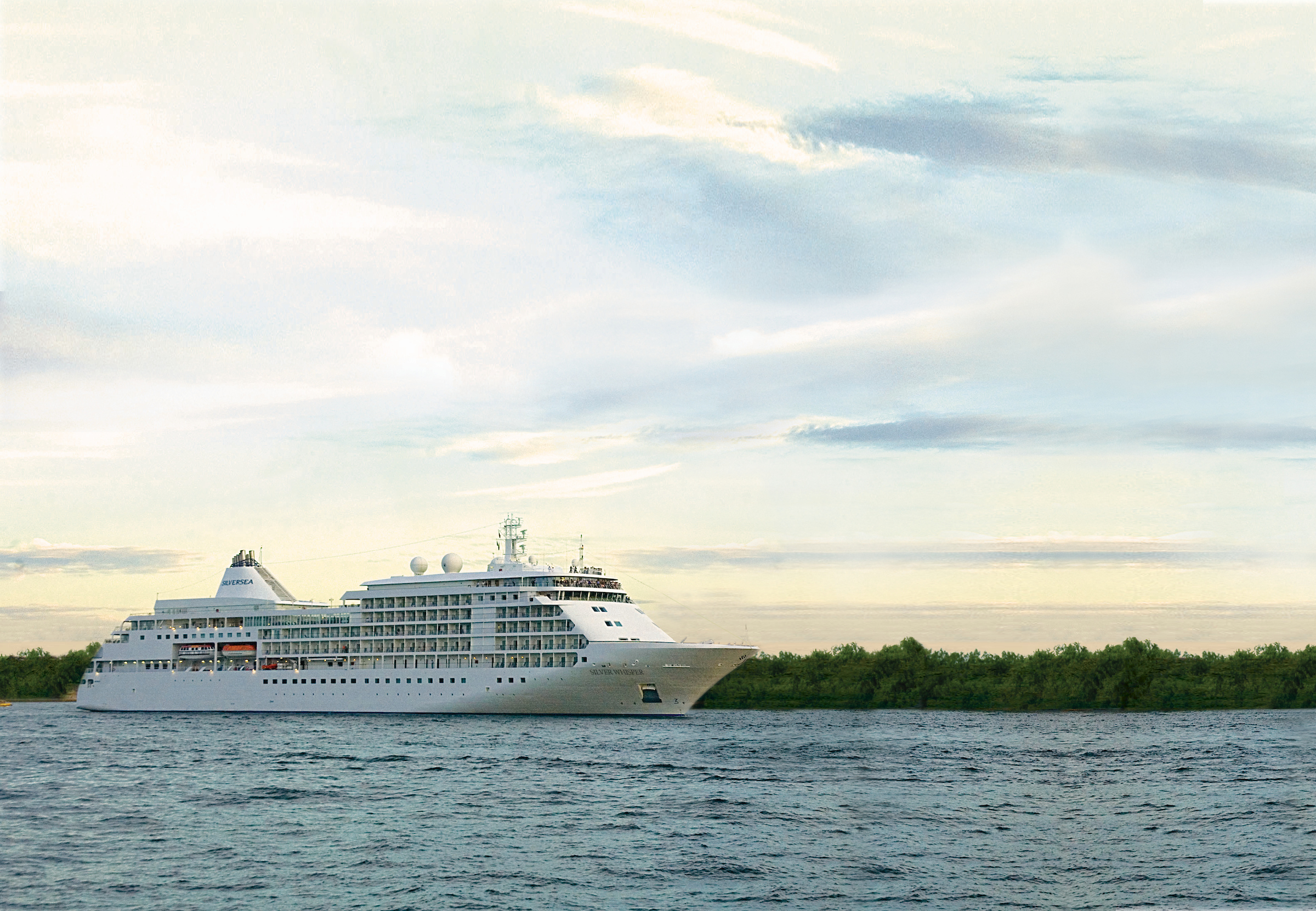

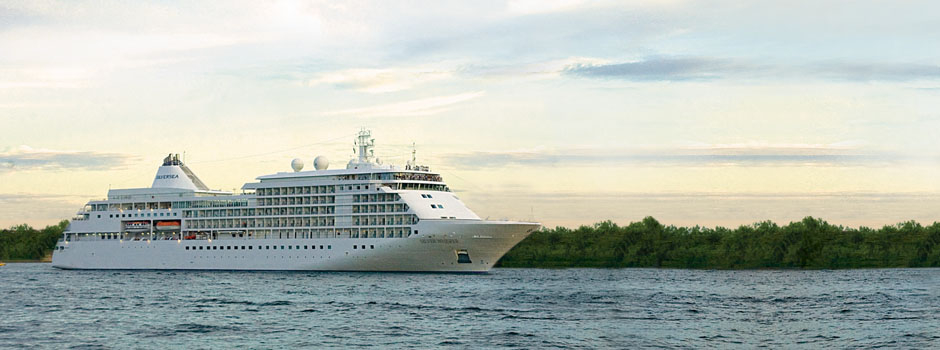
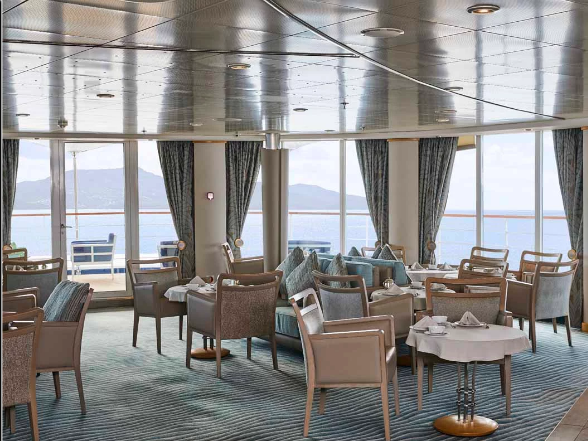
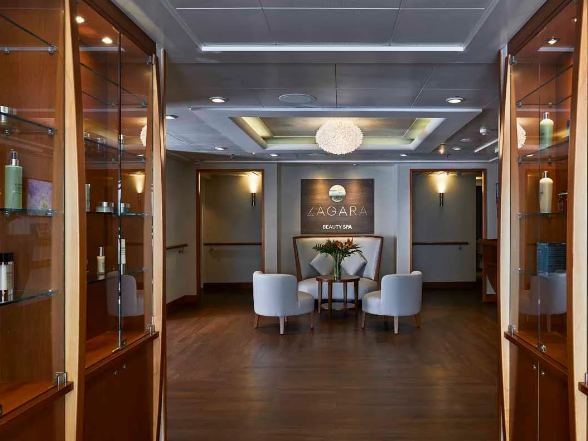
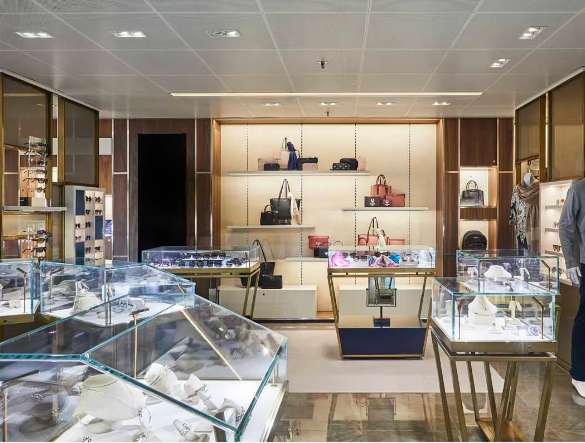
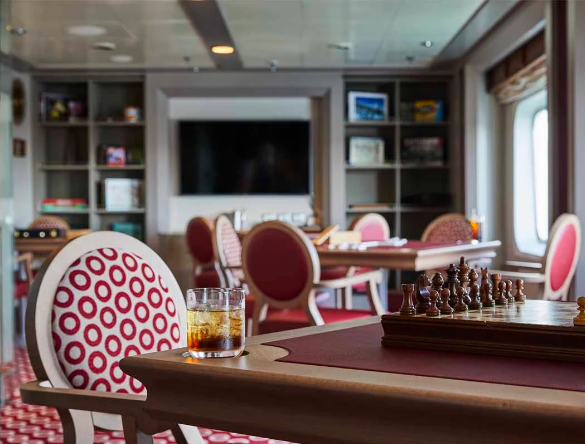
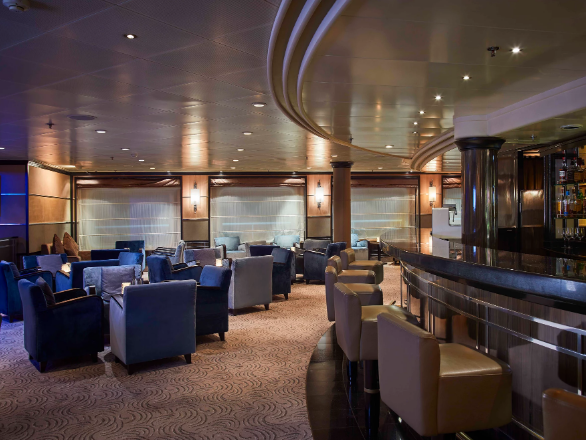
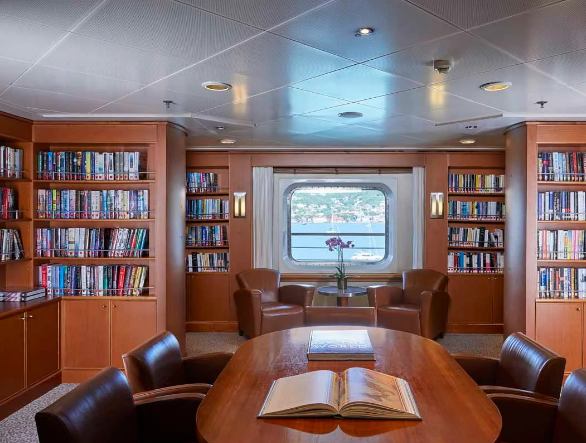
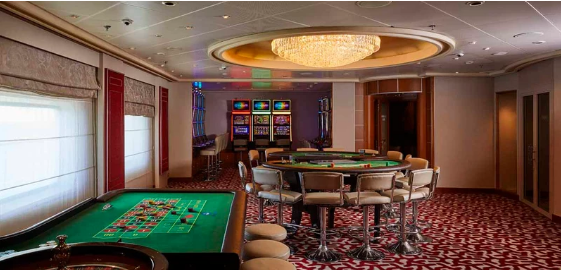
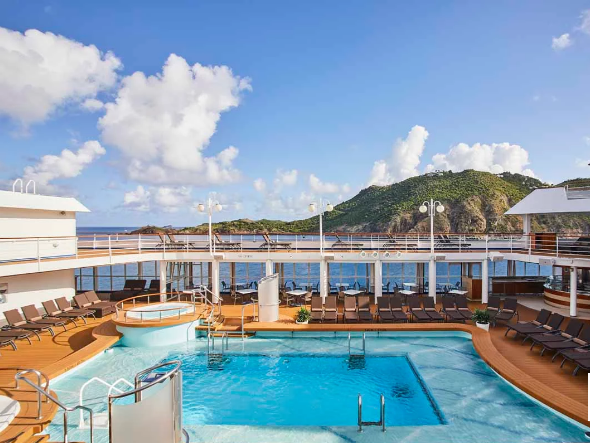
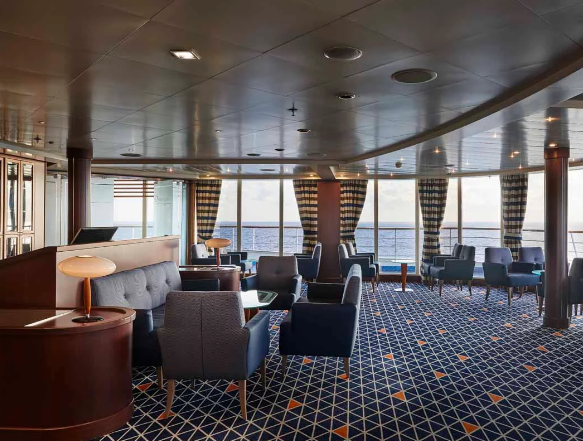
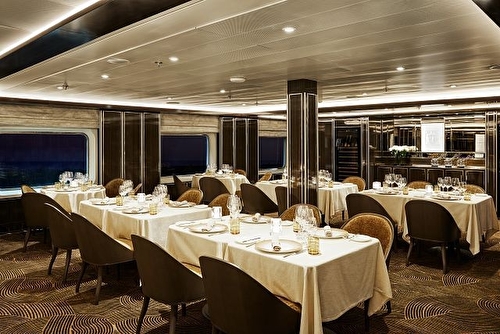
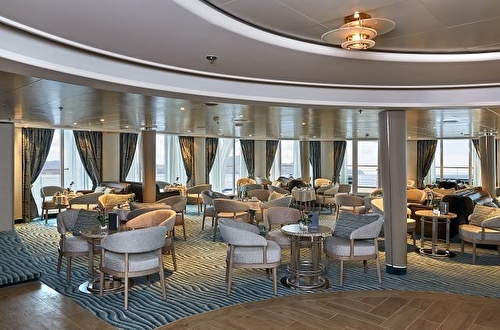
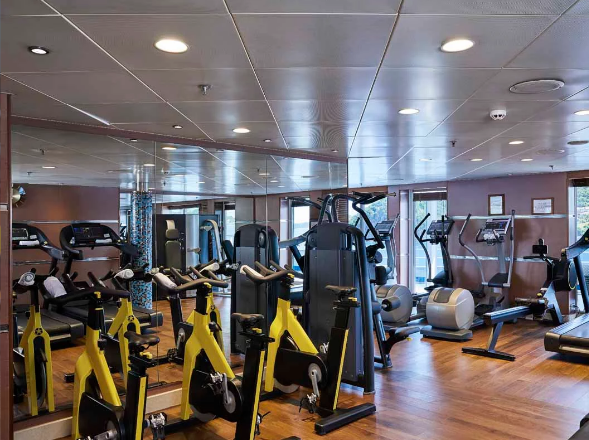

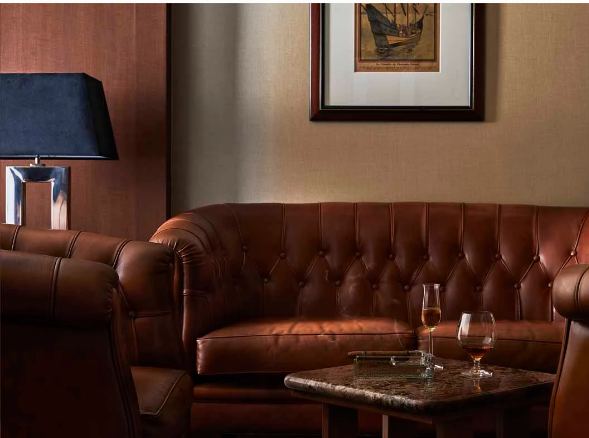
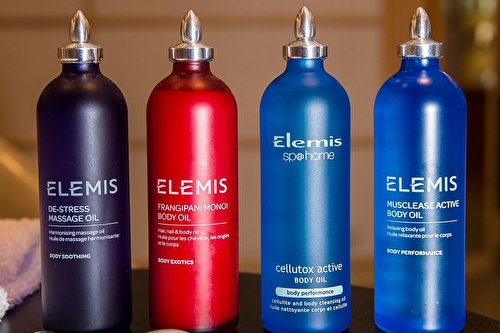
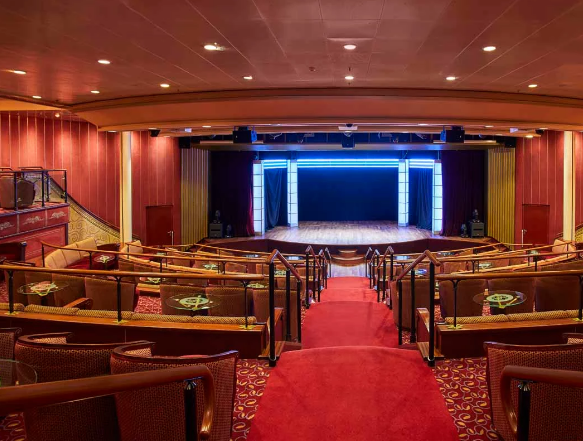

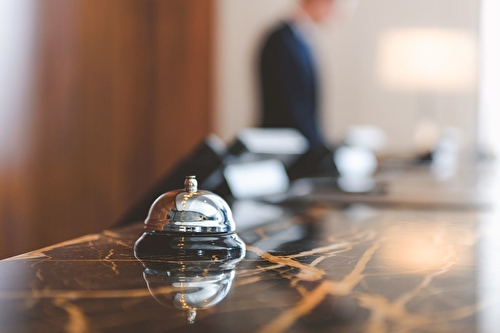
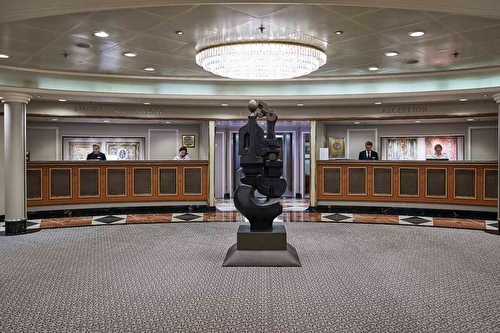
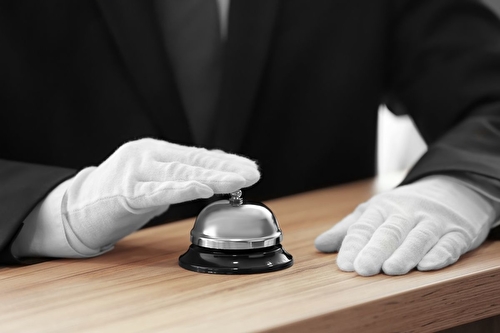
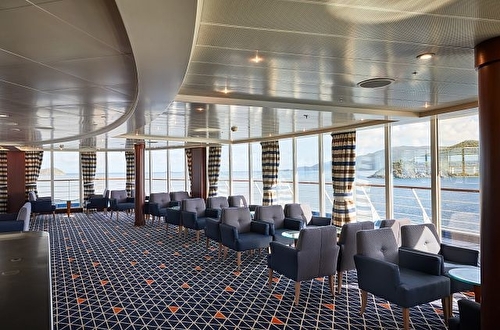
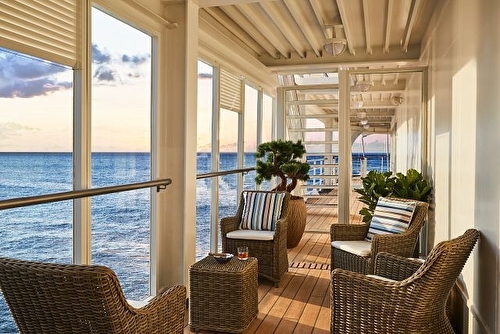
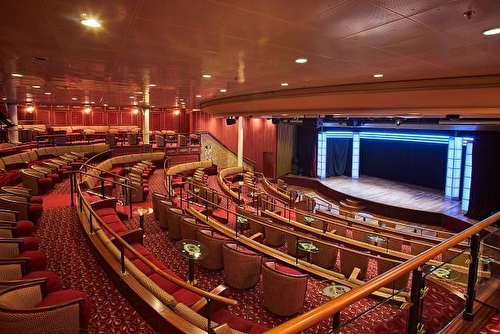
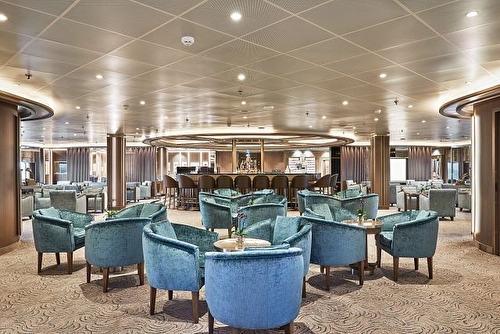
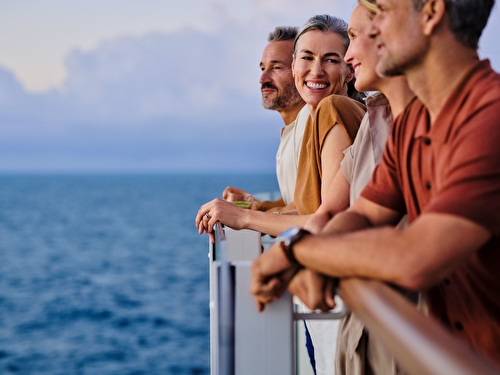
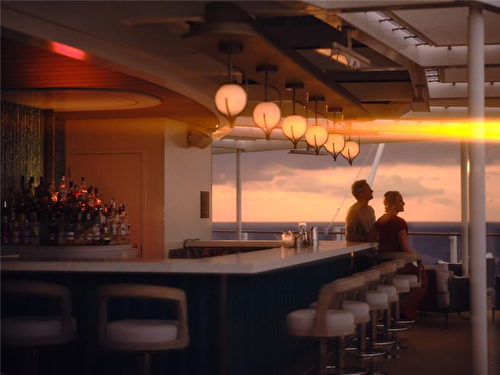
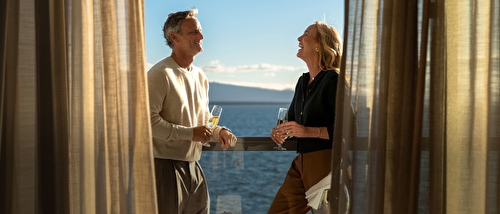
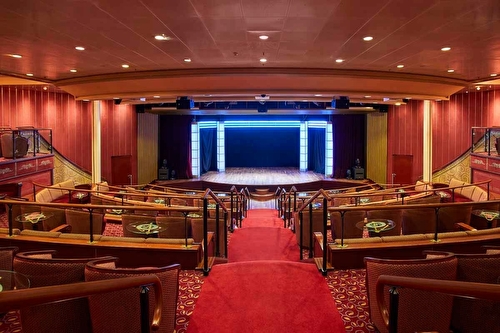
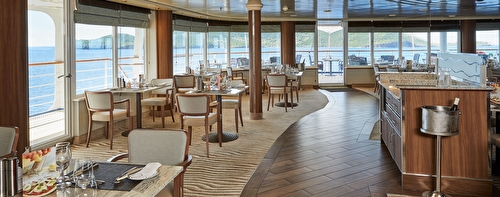
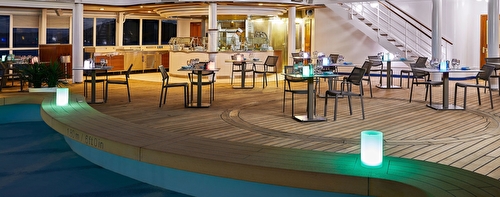
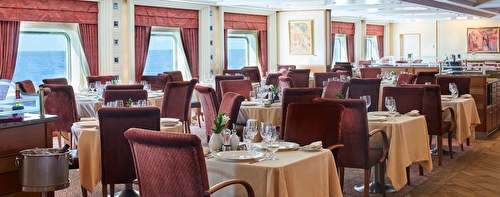
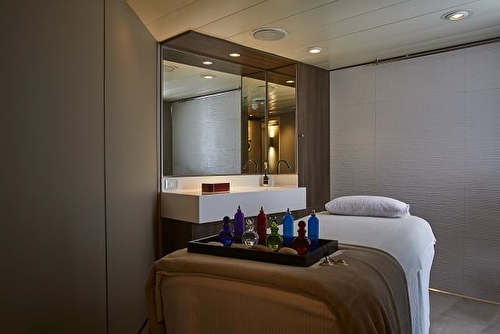
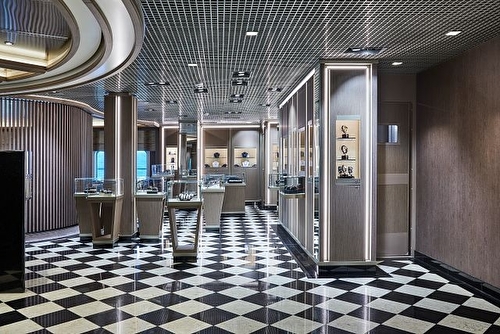
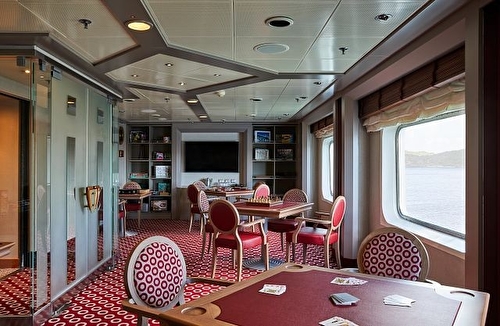
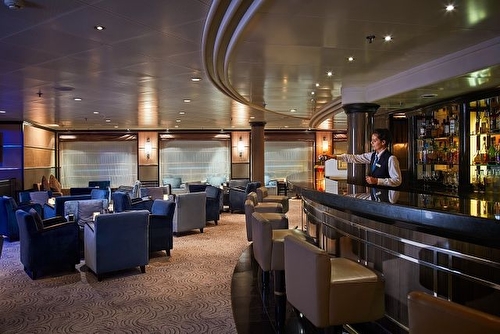
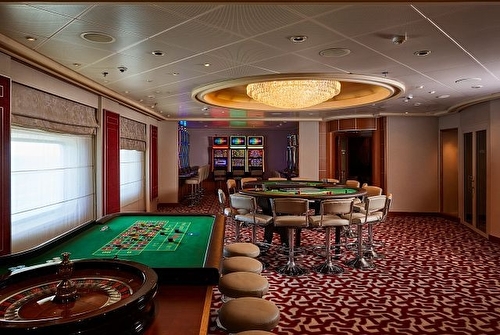
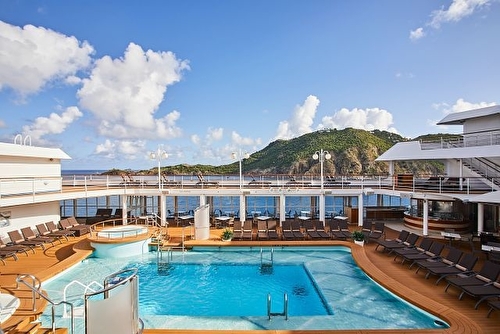

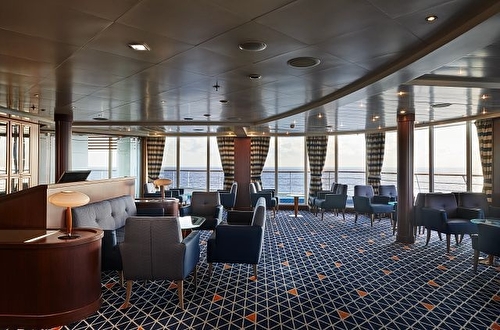
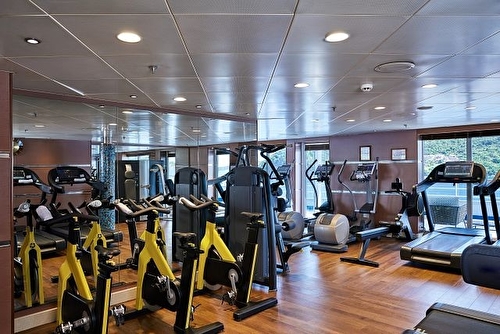

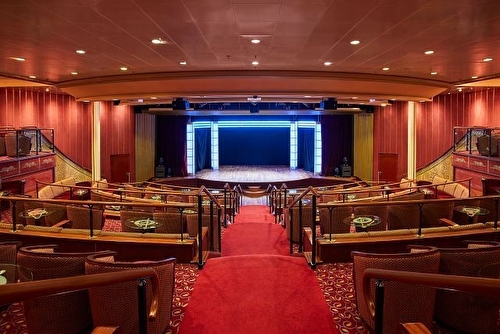
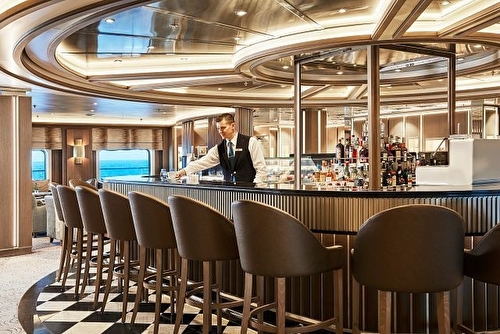
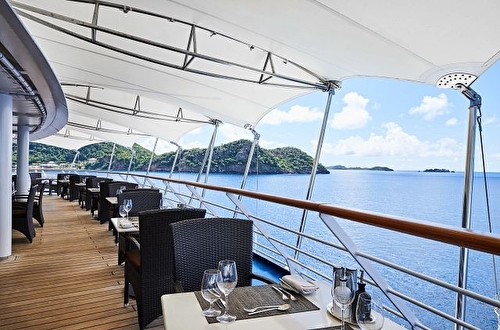
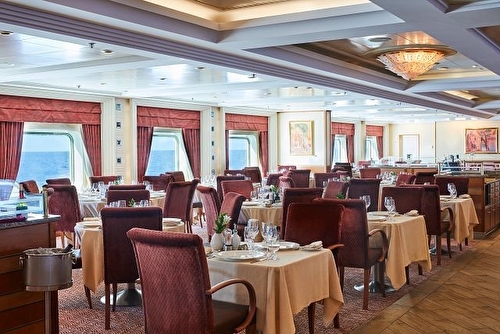
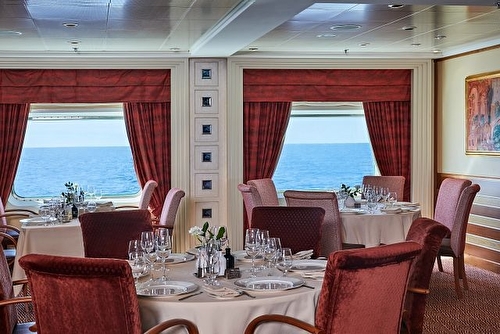
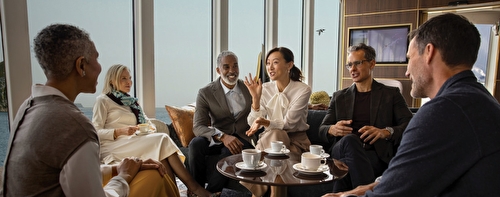
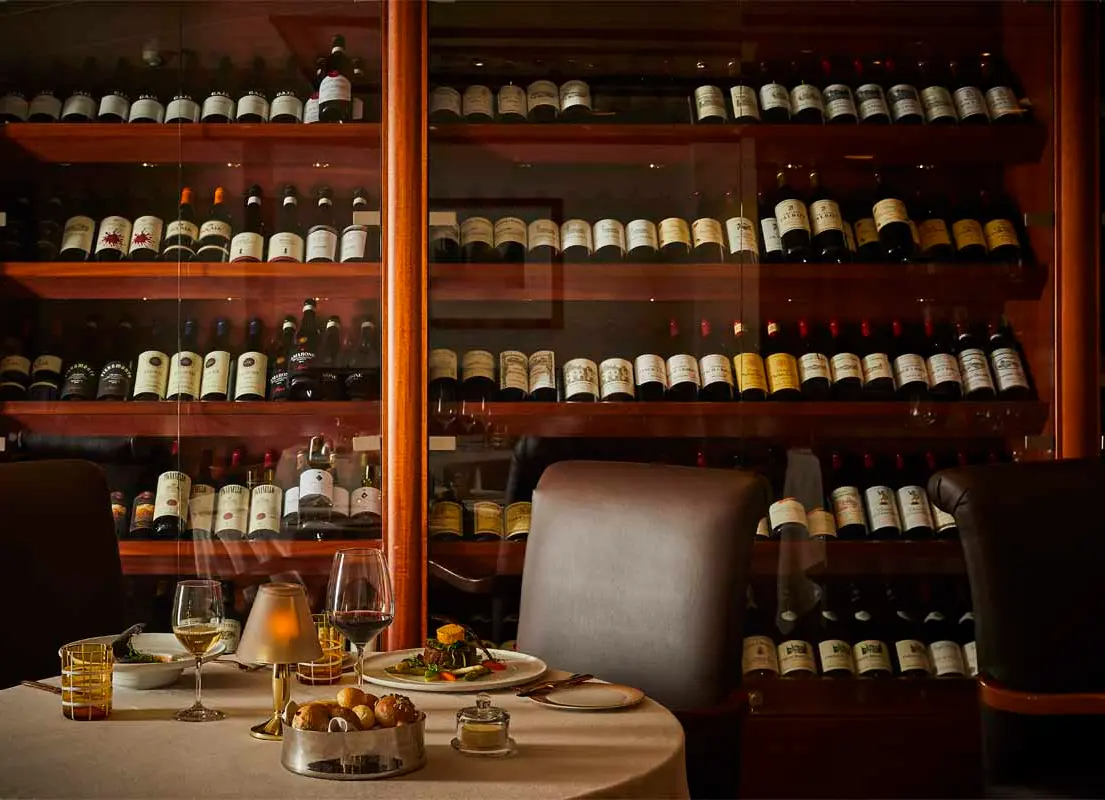
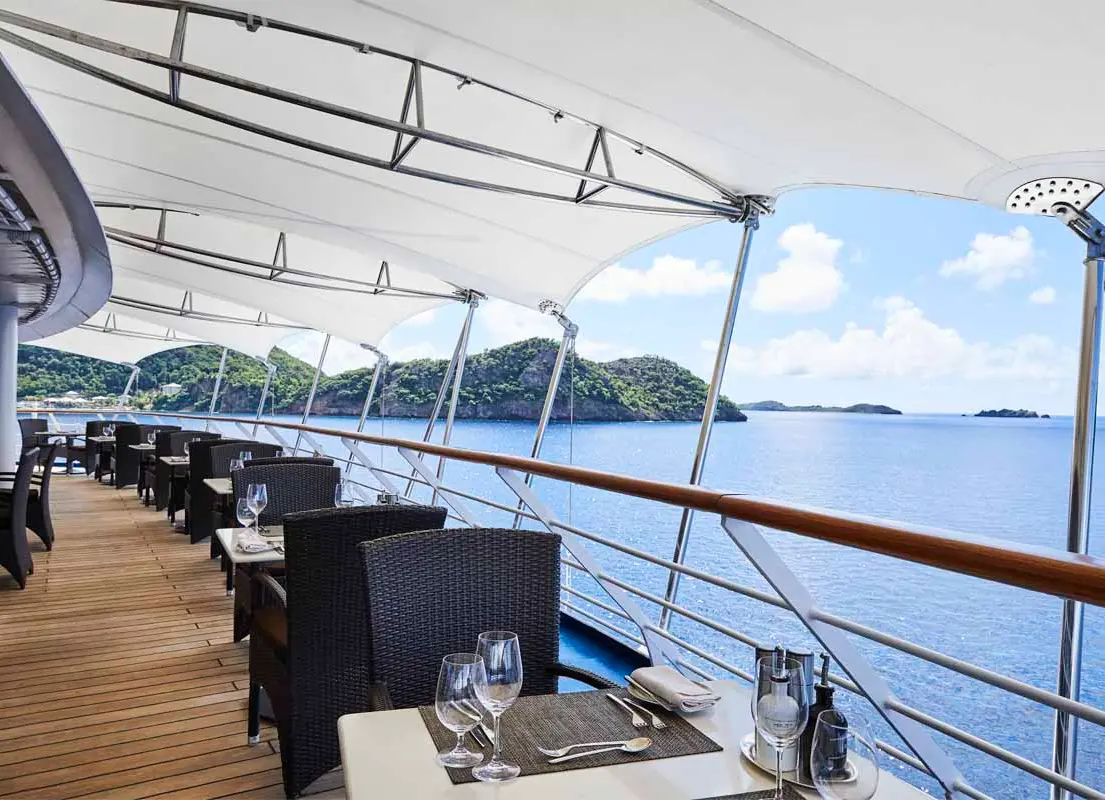
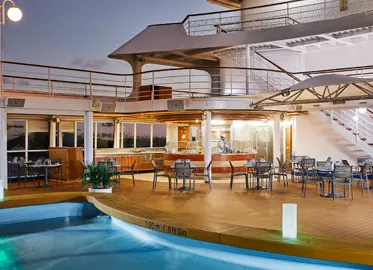
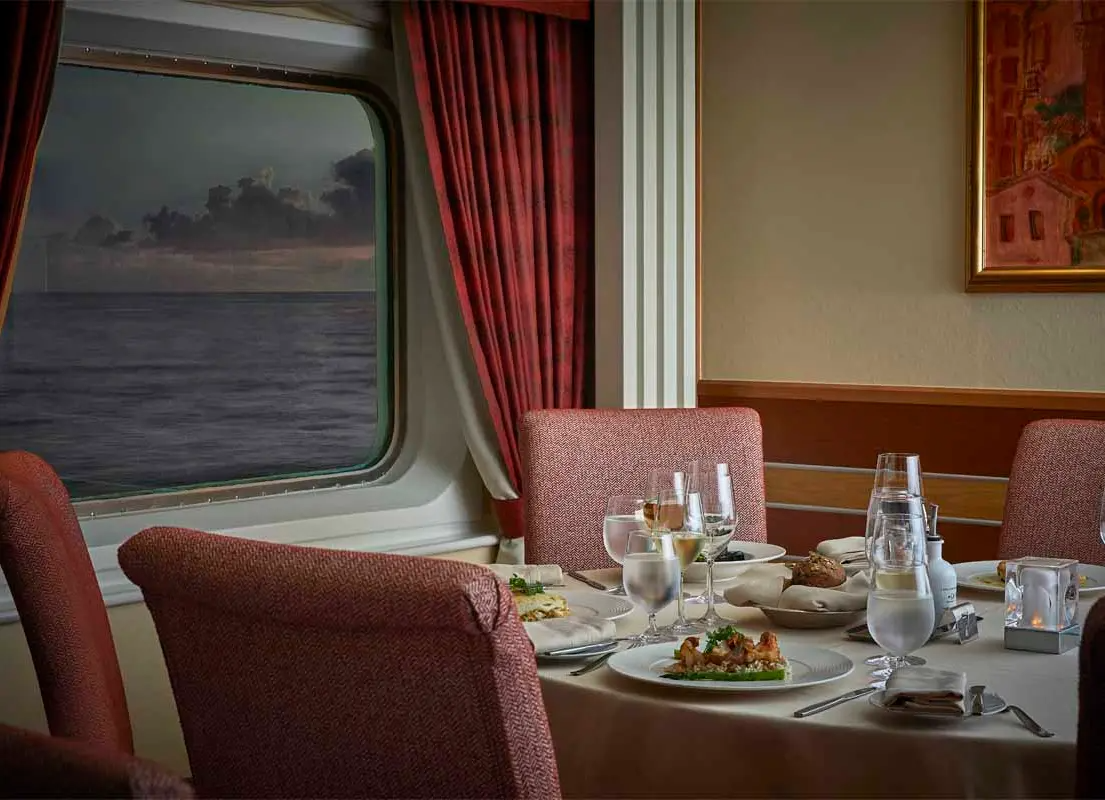
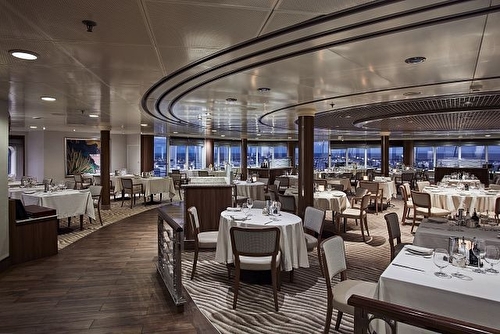
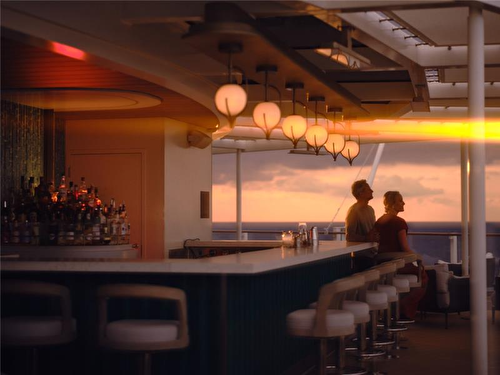
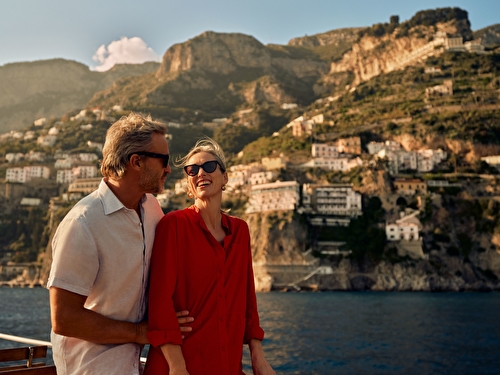
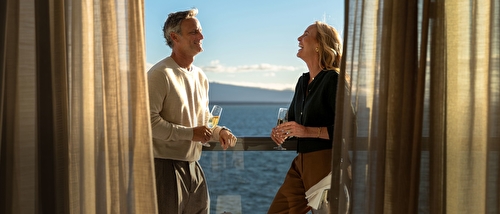
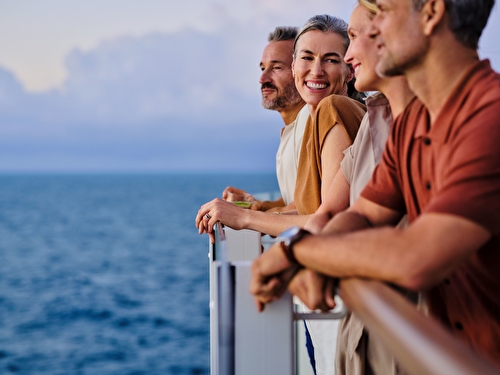
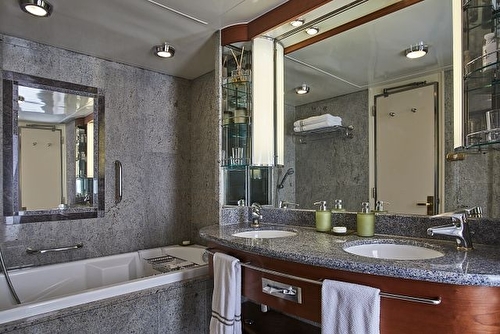
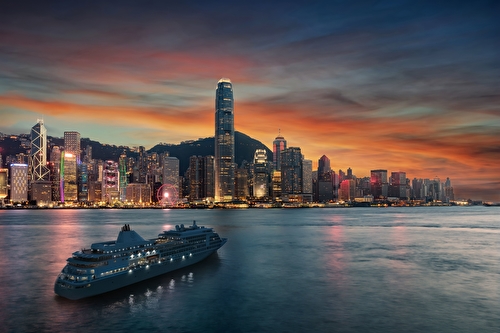
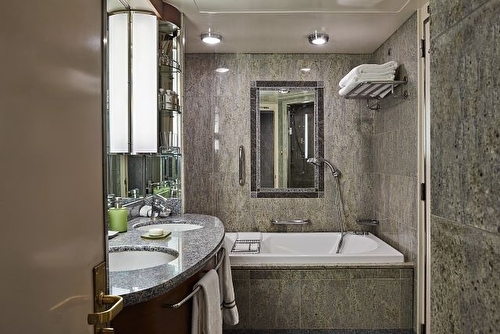
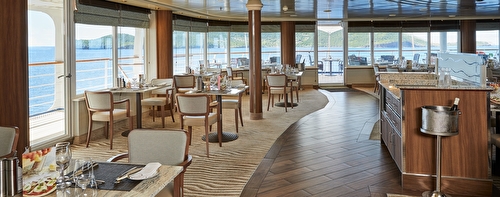
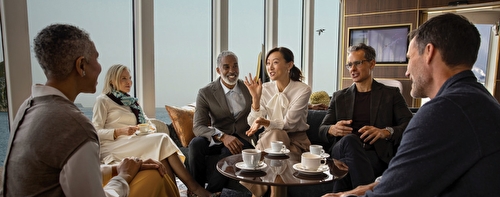
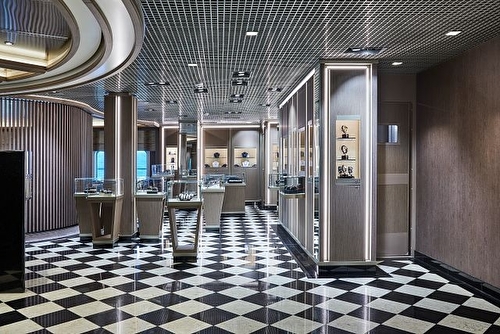
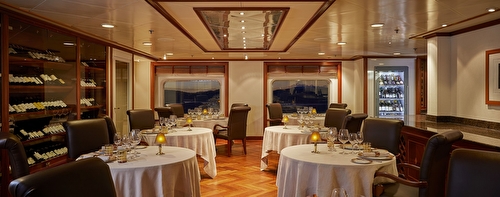
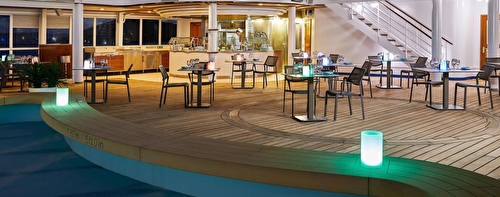
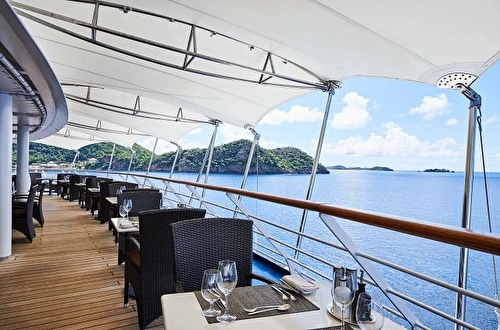
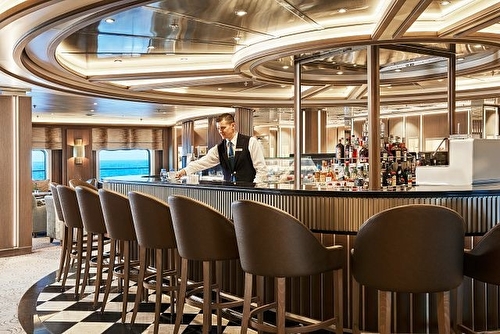
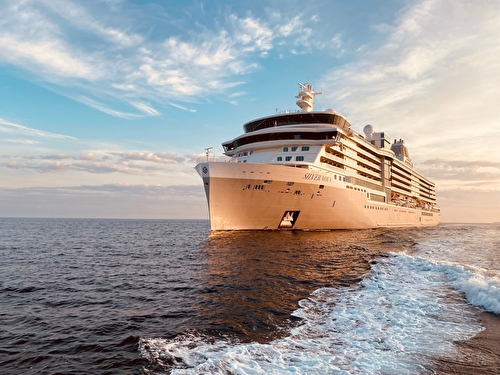
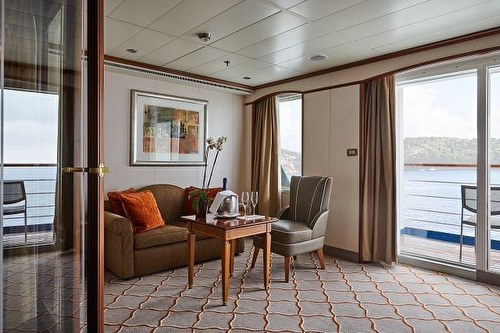
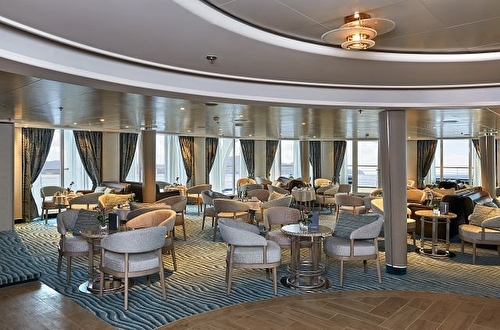
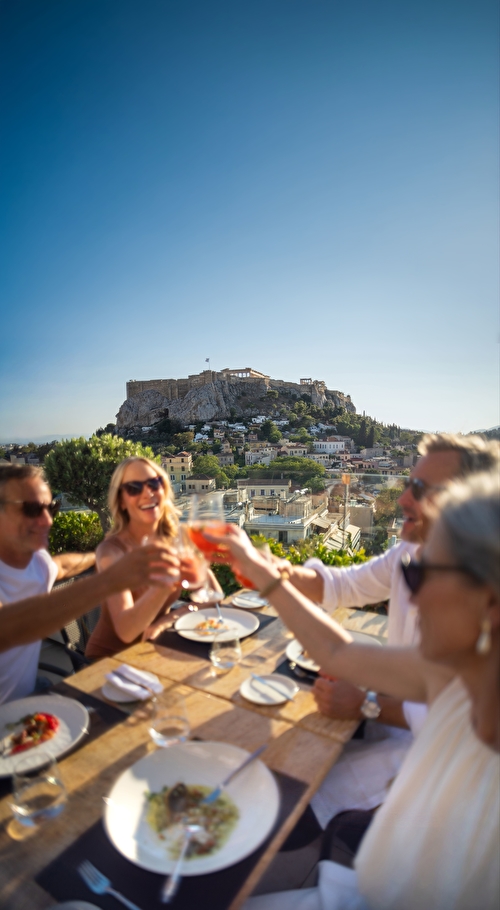
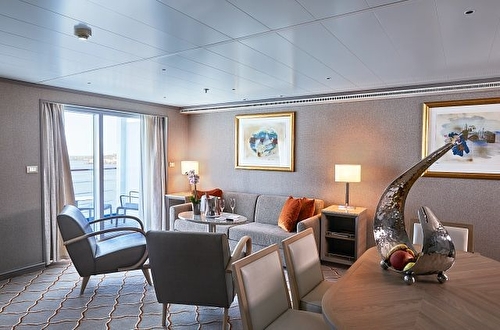

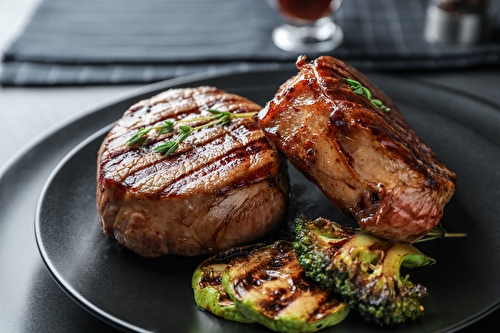
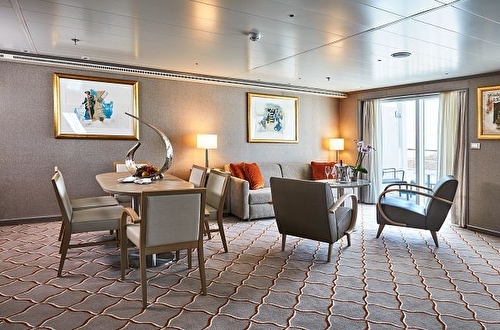
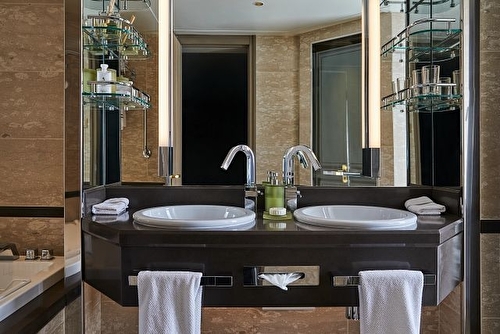
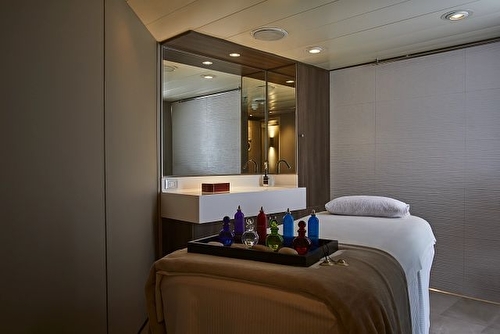
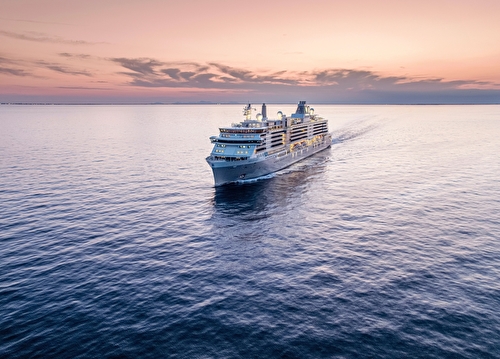
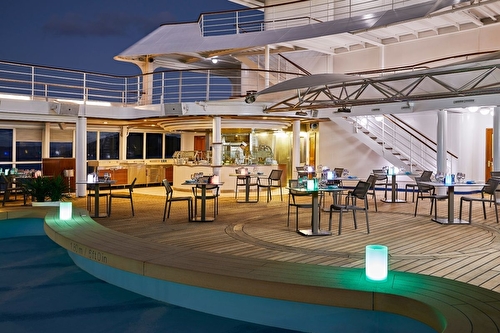
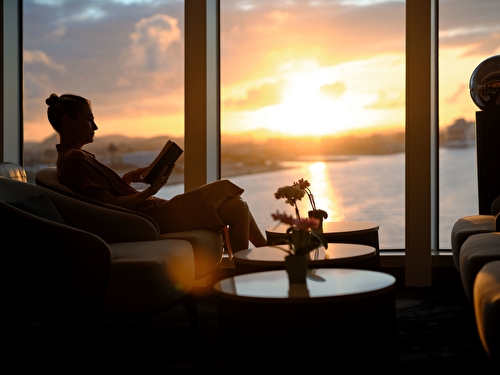
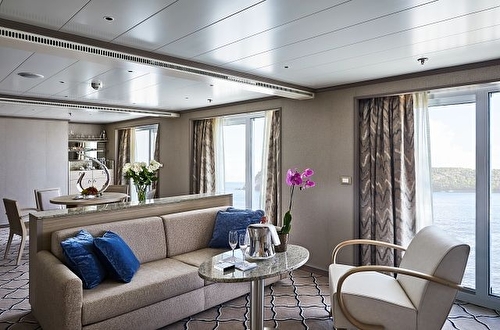
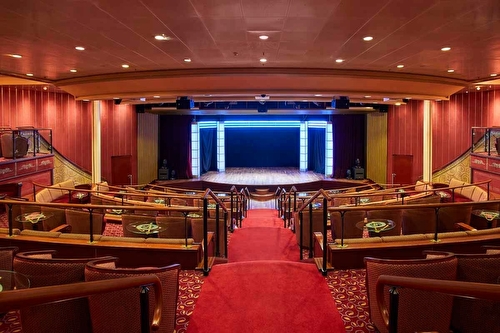
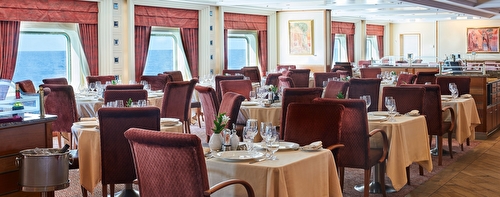

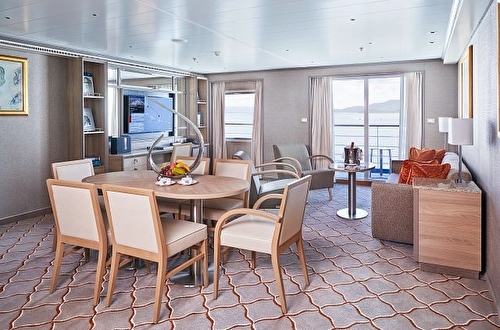
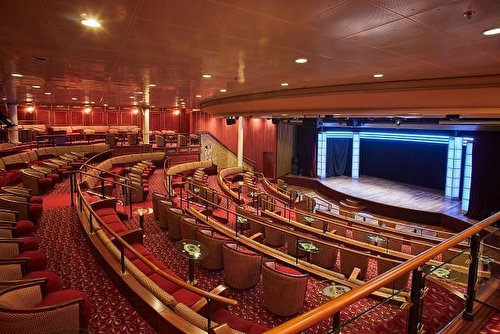
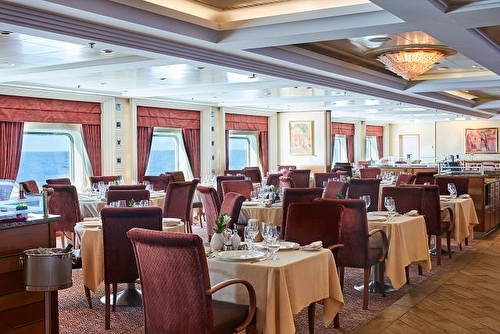
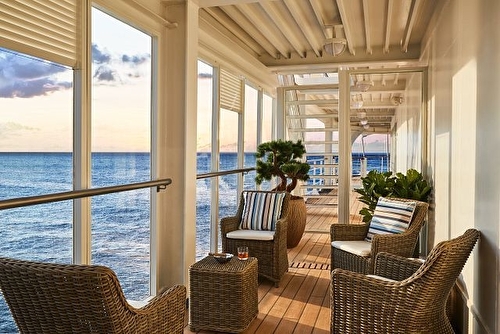
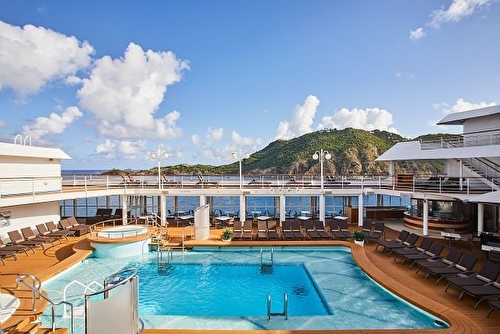
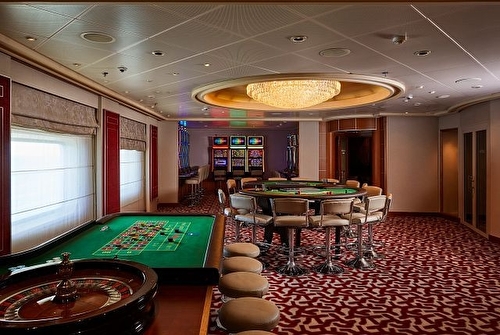

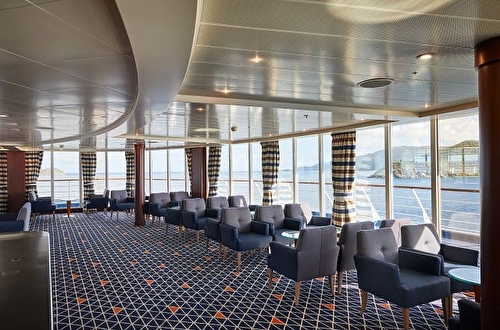
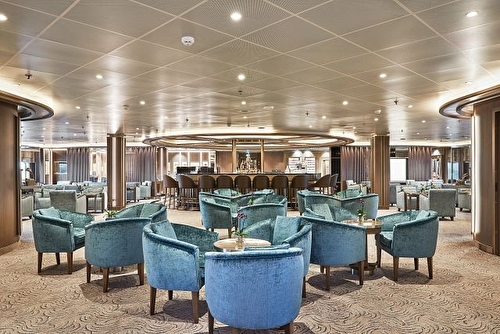
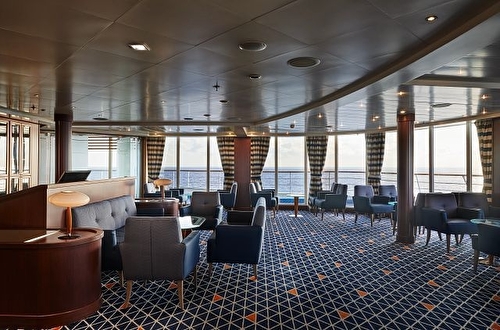
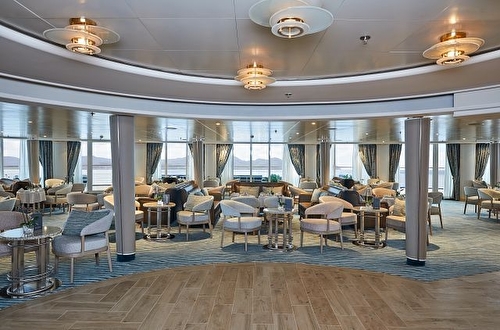
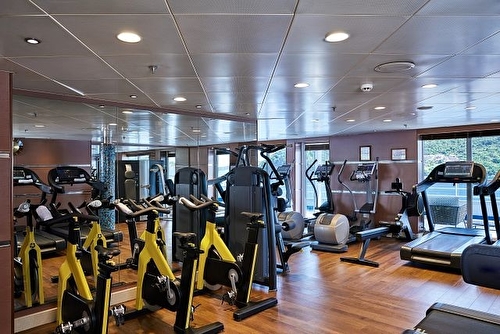
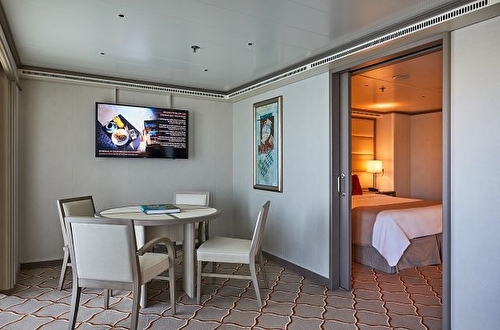
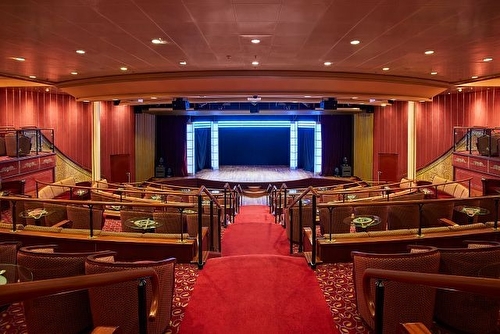
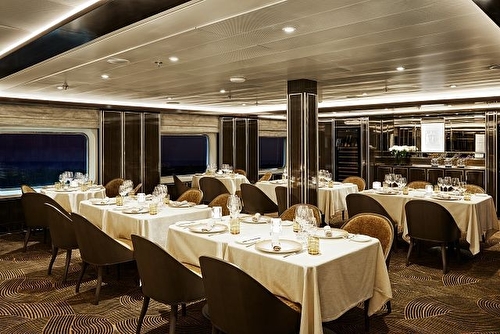
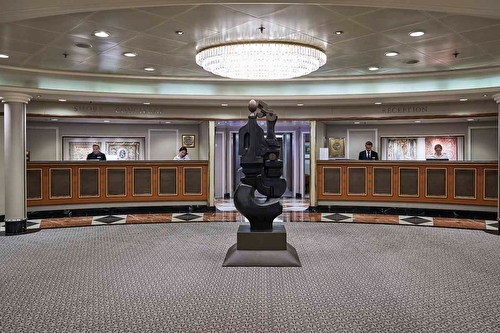

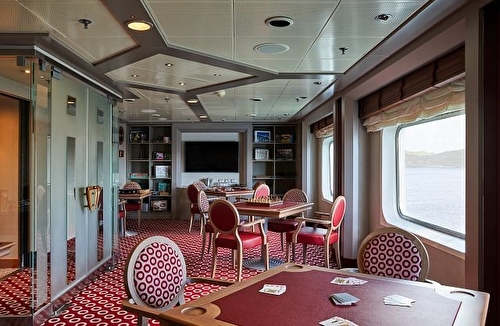

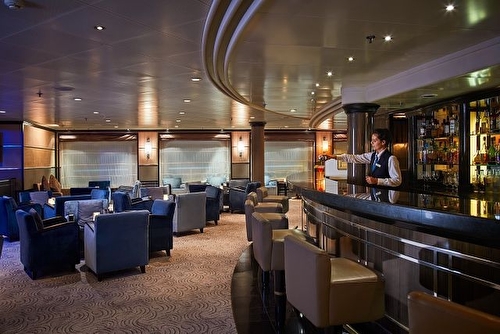
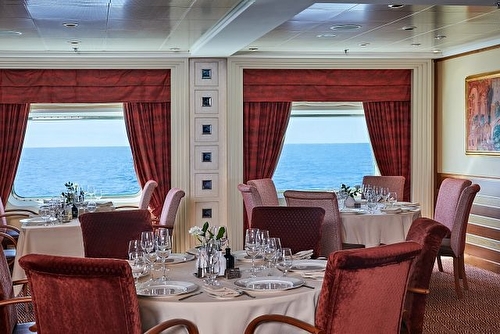
Our world-cruisers preferred ship, Silver Whisper sports a relaxing, sophisticated and genuinely elegant atmosphere. A multi-million dollar refit makes her one of the most technically up to the minute ships at sea. The amenities of a grand resort. The charms of a stylish boutique hotel. Silversea’s Millennium Class ships Silver Whisper and sister ship Silver Shadow invite you to enjoy Silversea’s world-class accommodations, shipboard conviviality and warm, individualized service, paired with the enhanced spaces and amenities of a larger ship. Revel in the pampering treatments of an expanded wellness spa, shop the hottest trends from top designers at our shipboard boutiques, and enjoy dynamic full-scale productions in a multi-tiered show lounge. Silver Whisper luxury cruise ship has it all. Design your own schedule … or no schedule at all … Silver Whisper.
Bar
Connoisseur’s Corner
La Dame
La Terrazza
Pool Grill
Poolside Bar
Restaurant
Internet Cafe
Card Room
Conference Room
Library
Boutique
Concierge
Guest Relations Office
Reception
Shore Concierge
Beauty Salon
Swimming Pool
Casino
Observation Lounge
Panorama Lounge
Show Lounges
Fitness Center
Jogging Track
Description
Our world-cruisers preferred ship, Silver Whisper sports a relaxing, sophisticated and genuinely elegant atmosphere. A multi-million dollar refit makes her one of the most technically up to the minute ships at sea. The amenities of a grand resort. The charms of a stylish boutique hotel. Silversea’s Millennium Class ships Silver Whisper and sister ship Silver Shadow invite you to enjoy Silversea’s world-class accommodations, shipboard conviviality and warm, individualized service, paired with the enhanced spaces and amenities of a larger ship. Revel in the pampering treatments of an expanded wellness spa, shop the hottest trends from top designers at our shipboard boutiques, and enjoy dynamic full-scale productions in a multi-tiered show lounge. Silver Whisper luxury cruise ship has it all. Design your own schedule … or no schedule at all … Silver Whisper.
Food and Drink
Bar
Connoisseur’s Corner
La Dame
La Terrazza
Pool Grill
Poolside Bar
Restaurant
Technology
Internet Cafe
Recreational
Card Room
Conference Room
Library
Other
Boutique
Concierge
Guest Relations Office
Reception
Shore Concierge
Relaxation
Beauty Salon
Swimming Pool
Entertainment
Casino
Observation Lounge
Panorama Lounge
Show Lounges
Fitness
Fitness Center
Jogging Track
STATEROOMS
