 Sign In
Greece, Italy & France Featuring Sicily
- 30 Sep ‘28
- 16 nights
- Departing from Athens (Piraeus)
- Silver Ray

-
Suite price fromCall for price
YOUR ITINERARY
Athens (Piraeus), Greece - Gythion, Greece - Katakolon (Olympia), Greece - Valletta, Malta - Giardini Naxos, Sicily - Agropoli - Civitavecchia - Sorrento, Italy - Agropoli - Siracusa - Valletta, Malta - Alghero, Italy - Bonifacio (Corsica), France - Toulon, France - Barcelona, Spain
A city of legend, civilisation and enduring culture, At...
A city of legend, civilisation and enduring culture, Athens is a majestic and magical urban sprawl. Extraordinary elegance and grace combine with grit and graft in Greece’s capital, where highways encase ruins from antiquity, and gleaming museums and galleries stand beside concrete sprayed with edgy street art. These contrasts enhance and elevate the wonders of this 2,500-year-old city, however, which can count notable contributions to philosophy, drama and democracy, among its global legacy. Piraeus’ giant port and naval base welcome you to the edge of the Athens’ urban area.
From there it’s a simple jaunt to the centre. The majestic ancient citadel of the Acropolis dominates an elevated platform and is a constant presence as you explore the city. The wonderful remains of the columned temple of the Parthenon – which date back to the 5th century BC – stand here, representing the pinnacle of classical architecture. The nearby Acropolis Museum adds context to your visit and frames the broad views from its giant glass windows. Or rise up Mount Lycabettus, to be rewarded with perhaps Athens’ best panorama of the Acropolis sitting high over the city on its grand stage. See the marble horseshoe of the Old Olympic Stadium, where the first modern Olympics were held in 1896, for more of the city’s enduring legacy. Elsewhere, golden beaches and temples stretch out along the coastline, should you wish to explore a little further afield. Coffee is an art form to the Greeks, and it’s an unwritten rule that coffee time must never be rushed. So prepare to settle down for a couple of hours and lose yourself in a good chat. Feeling hungry – try traditional souvlaki made with sauces handed from generation to generation.
One of the most beautiful parts of this region of...
One of the most beautiful parts of this region of the Peloponnese is the plain of Laconia which extends from Sparta to the port of Gythion. The many neo-classical houses of this harbor town are built on the slopes of Mount Kourmaros. Aside from its remaining ancient theater and cultural museum, visitors can enjoy local beaches and a variety of dining opportunities. The inhabitants of Gythion claim Hercules and Apollo as its founders. According to mythology, Paris and Helen of Troy were reputed to have spent their first night together on nearby ancient Kranae, now called Marathonissi. Enlarging the natural harbor, it was used by the Spartans as their naval base and the main port of trade. Today Gythion is visited mostly for its scenic beauty and access to numerous historical sites. These include the cliffside city of Mistra, one of the finest surviving examples of Byzantine architecture in Greece, and ancient Sparta.
The tiny port of Katakolon serves primarily as the starting poi...
The tiny port of Katakolon serves primarily as the starting point for an excursion to the archaeological site of ancient Olympia. Adjacent to the port is the small village of Katakolon with a few souvenir shops and typical local restaurants. Ancient Olympia, the great Panhellenic sanctuary, is located 21 miles from the port.
The site of ancient Olympia spreads out at the foot of wooded Mount Kronos. Excavations began in 1875; they are considered one of archaeology’s great achievements. A direct consequence was the revival of the Olympic Games by Baron Pierre de Coubertin.
Today’s visitors walk among the ruins and reflect on their significance. Don’t miss the site where the Olympic flame is lit even today for the modern games.
Perched high on the imposing Sciberras Peninsula, ...
Perched high on the imposing Sciberras Peninsula, Valletta immediately presents its massive, protective walls and vertical bastions to visitors arriving by sea. Rising to 47 metres in places, the fortifications protect lavish palaces, grand domes and illustrious gardens. Built by the Knights of St John on the narrow peninsular, Valletta is a compact, richly historical treasure trove of Baroque wonders. Ascend to reach the restful, flower-filled Upper Barrakka Gardens, where cannons fire and boom in salute at noon each day, sending echoing cracks of noise out across the waves below. View less
Recognised as 2018’s European Capital of Culture, Valletta is a fascinating and dense haven of history and intrigue. A busy, bustling capital, the breathtaking St John’s Cathedral – commissioned in 1572 – is almost concealed among its narrow streets. The relatively modest exterior is counterpointed by a staggeringly opulent, gold-leaf bathed interior, containing a Caravaggio masterpiece – the shadowy vision of the Beheading of St John. Cinematic and magnificent, Valletta has served as a filming location for Game of Thrones – but real epic history abounds on this rocky isle too. From the prehistoric and megalithic sites of the Hypogeum of Paola and Tarxien, to the fascinating War Museum at Fort St Elmo. Mdina also waits nearby, and the former medieval capital is a striking contrast to the island’s main city. Cars are barred from its streets, and it offers endlessly atmospheric old-time wanders. With a strategic positioning in the Mediterranean, Malta is a jewel that many have wrestled for over the centuries. Independence from Britain was finally achieved in 1964, but the close allegiance remains evident, with English recognised as an official language, cars driving on the left, and red post boxes and telephone gleaming in Malta’s sunshine.
Hugging a long, sweeping bay, Giardini Naxos welcomes...
Hugging a long, sweeping bay, Giardini Naxos welcomes you ashore to some of Sicily’s most scenic and historic sites. Naxos was the first Greek settlement on Sicily, and it is surrounded by remarkable remains and swirling mythology. With a long arc of sun-soaked golden sand, you can kick back by the waves – and cool off with a dip into the sea’s refreshing embrace. Up above the seaside revelry, the spectacular Taormina hillside town perches – containing rich Roman and Greek history. View less
Visit to encounter one of Sicily’s best views, as you look down over the rejuvenating blue of the sea, and the looming backdrop of Mount Etna rising in the distance. The majestic, honey-coloured Greek theatre is a highlight, standing before the distant loom of the volcano. Head towards the puffs of cloud, and wisps of smoke, that gather around the peak of Sicily’s mighty volcano, which is among the most active in Europe. Arrive through vineyards, thriving in this fertile soil, before taking the 1,737-metre incline to the summit of the legendary mountain of fire, across fields of solidified lava flows. Known to the Greeks as the home of the God of Fire, and the one-eyed Cyclops, the mountain continues to amaze and awe with its restless power. Vineyards carpet the scenery – interrupted by occasional cactai and citrus groves – and produce some of Sicily’s most refined flavors. Enjoy a glass of wine on Giardini Naxos’ seafront, and toast your time on these rich Sicilian shores.
All roads lead to Rome, and with good reason – this...
All roads lead to Rome, and with good reason – this city is one of the world’s most thrilling, offering unmatched history along every street. An evocative, inspiring and utterly artistic capital of unrivalled cultural impact, Rome is a city of back-to-back landmarks, which will take you on an exhilarating journey through the ages. This may be one of the world’s oldest cities, but it’s well and truly lived in. The ruins are punctuated with murmuring cafes, and the outdoor seating of restaurants sprawls out across piazzas, enticing you to sample tangles of creamy pasta and crispy pizzas. Rome’s incredible Roman Forum is littered with the ruins of its ancient administrations, which have stood firm for 2,000 years, since the times when the area was the centre of the Western world. Few sites are more simultaneously beautiful and haunting than that of the storied Colosseum, which looms deep into Rome’s rich blue sky. Take a tour to learn details of the grisly goings-on within. The best way to experience Rome is to wander its streets, gelato in hand. There is a lot to see here – whether it’s the domed spectacle of the Pantheon, or the elaborate flowing waters and artistry of the Trevi Fountain. Vatican City is an astonishing, colossal display of Catholic grandeur, while the Spanish Steps – crowned by the Trinità dei Monti church – offer a beautiful spot to gather and soak up the lively atmosphere of this humming city. With so much on the to-do list, you’ll relish the breaks you take, enjoying simple pleasures like a strong espresso, or fresh pasta with tomato sauce and ripped basil.
Set high atop the Mediterranean cliffs, Sorrento i...
Set high atop the Mediterranean cliffs, Sorrento is a town of extraordinary beauty that has endured as a favoured resort for centuries. In addition to its own attractions, Sorrento is also known as a popular gateway to Pompeii, Italy’s most celebrated classical ruins. They offer a look at the finest example of a Roman town and its way of life, presented to modern eyes by excavation.
The ever-popular Isle of Capri is just a short distance from Sorrento by jet-foil. It ranks as one of Italy’s most beautiful islands and has captured the fancy of visitors for centuries. Its excellent year-round climate, spectacular landscape and fantastic sea caverns ensure a never-ending stream of tourists. In addition, the island boasts lavish villas, elegant hotels, chic boutiques and quaint restaurants, making it easy to understand why Capri has become so popular.
Discover the charm of Sorrento, enjoy the famous archaeological sites and breathtaking scenery of the Amalfi Drive, or sit in a shady sidewalk café with an espresso or a cold drink and savour the local ambiance.
Honey-coloured Siracusa is a staggering UNESCO World Heritage...
Honey-coloured Siracusa is a staggering UNESCO World Heritage Site, and an extraordinary Sicilian city of immense ancient history. The modern population is a fraction of what it was at the city’s heyday around 400 BC, when Athens’ might was successfully challenged and faced down, reinforcing the city’s incredible power and status. Siracusa’s historical nucleus waits to be discovered on the compact islet of Ortygia. The city was founded here, but grew over time, spreading across to the mainland. View less
A small channel separates the two, which is now spanned by twin bridges. Wander the atmospheric streets of this time warp, to reach the shining elegance of Piazza Duomo. The Baroque cathedral rises like a giant sandcastle, and you can settle opposite to cradle a glass of wine and enjoy the view over the immaculate square – people watching before the glorious baroque façade. Dig deep into its history at the mainland’s archaeological park. Here you can wander between the remains of a Greek theatre, constructed in the 5th century BC, and now used as a grandiose, atmospheric venue for events and performances. You’ll also encounter a Roman Amphitheatre – where gladiators battled brutally, and the spectacular ear-shaped cave, which is famed for its extraordinary, secret-revealing acoustics. It was given its name – the Ear of Dionysius – by Caravaggio. Visit the legendary Fonte Arethusa, or lose yourself in the Ortygia Market – you’ll find everything here, from fresh fish, to spices and local bottles of wines. Look out for a flavour-filled jar of real Sicilian u strattu – an intense tomato paste that is the secret ingredient to many Sicilian recipes. The local ingredients are imbued with flavour by this volcanic land’s fertile soils and the firepower of Europe’s most active volcano Mount Etna, waits just to the north.
Perched high on the imposing Sciberras Peninsula, Valletta imme...
Perched high on the imposing Sciberras Peninsula, Valletta immediately presents its massive, protective walls and vertical bastions to visitors arriving by sea. Rising to 47 metres in places, the fortifications protect lavish palaces, grand domes and illustrious gardens. Built by the Knights of St John on the narrow peninsular, Valletta is a compact, richly historical treasure trove of Baroque wonders. Ascend to reach the restful, flower-filled Upper Barrakka Gardens, where cannons fire and boom in salute at noon each day, sending echoing cracks of noise out across the waves below. View less
Recognised as 2018’s European Capital of Culture, Valletta is a fascinating and dense haven of history and intrigue. A busy, bustling capital, the breathtaking St John’s Cathedral – commissioned in 1572 – is almost concealed among its narrow streets. The relatively modest exterior is counterpointed by a staggeringly opulent, gold-leaf bathed interior, containing a Caravaggio masterpiece – the shadowy vision of the Beheading of St John. Cinematic and magnificent, Valletta has served as a filming location for Game of Thrones – but real epic history abounds on this rocky isle too. From the prehistoric and megalithic sites of the Hypogeum of Paola and Tarxien, to the fascinating War Museum at Fort St Elmo. Mdina also waits nearby, and the former medieval capital is a striking contrast to the island’s main city. Cars are barred from its streets, and it offers endlessly atmospheric old-time wanders. With a strategic positioning in the Mediterranean, Malta is a jewel that many have wrestled for over the centuries. Independence from Britain was finally achieved in 1964, but the close allegiance remains evident, with English recognised as an official language, cars driving on the left, and red post boxes and telephone gleaming in Malta’s sunshine.
Encircled by dramatic medieval walls, which rise ab...
Encircled by dramatic medieval walls, which rise abruptly from deep-blue waters, Alghero’s defences shelter one of Sardinia’s largest and most spectacular old towns. Uneven cobbled streets, rich history and a fiery Catalan flare provide a real depth of character, and the Coral Riviera’s pristine beaches, which stretch out nearby, help to make Alghero a real highlight of Sardinia. Alghero has changed hands numerous times over its tempestuous history, but it’s the Catalan influence that you’ll feel most acutely, as you explore.
It was the Catalans who upgraded the defensive ramparts of the ‘Sardinian Barcelonetta’ into the spectacular, imposing fortress we see today, enclosing the old town’s evocative knot of narrow streets and rose-gold-coloured masonry. Wander the streets at your leisure, enjoying the cooling shade of the tight, cobblestone streets with lemon-gelato in hand, or enjoying fresh tuna steak at the bustling La Boqueria market. Alghero Cathedral is hidden amid the labyrinth of narrow streets, but it’s the distinctive Baroque-dome of Chiesa di San Michele that you’ll immediately notice peeking ostentatiously over the terracotta roofs of the old town, flaunting its rainbow-coloured patterning. Plush restaurants revel in Alghero’s historical collision of cultures and produce delicious fare like plump clams tangled in tagliatelle, and succulent porcetto pork – slowly roasted to perfection in smoky wood ovens. Wash it down with mirto, a crushed berry liqueur, or sample the fruits of local vineyards, with a platter of Sardinia’s renowned pecorino sheep’s cheese. The city dominates Sardinia’s Coral Riviera – so named because of the red coral found here that’s been used for jewellery since Roman times. Lie back and listen to the waves washing ashore at Spiaggia di Maria Pia beach, breathing in the smell of pine-needles on the breeze.
Beloved by the French, yet still relatively undiscovered by the ...
Beloved by the French, yet still relatively undiscovered by the rest of the world, the French island of Corsica is a gem. And right at its southern tip lies Bonifacio, a medieval town known as the “the city of sentinels”. Closer to Rome than Paris (and less than an hour’s ferry ride to Sardinia), Bonifacio remains one of the Mediterranean’s best kept secrets. The first thing you should know is that Bonifacio is stunning. And by that, we mean, awe-inspiringly beautiful. The town itself is worthy of a painting – a long, hilltop town that snakes over milky white limestone cliffs that stretch for 70 kilometres. The turquoise blue seas that lap at the foot of these are both warm and clear, and a joy for bathers of all ages. Although the cliffs have proved perilous to sailors in the past – Bonifacio counts the wreckage of the French Navy’s 1855 ship Semillante among its most visited diving sites and top tourist attractions. It is also here, in the harbour, that scholars place the catastrophic encounter between Ulysses’s fleet and the Laestrygonians, who hurled lethal boulders down from the cliffs. The proximity of nearby Sardinia is everywhere. The islands were once joined before volcanic activity tore them apart, and much of the local dialect – still prevalently used particularly in the back country – is heavily influenced by Italian. This is also true for the local cuisine; think large plates of thinly sliced charcuterie and stuffed pasta filled with creamy local brocciu, a cheese similar to ricotta.
Built around a sheltered bay, with 1,700-foot Mount Fa...
Built around a sheltered bay, with 1,700-foot Mount Faron as an impressive backdrop, Toulon is an important naval port and a city of industry and manufacturing. Its large harbor serves as the base for the French navy’s Mediterranean fleet and as the home to a sizeable marina, with yachts and pleasure boats adding bright splashes of color.
Toulon was the site where Napoleon Bonaparte first made a name for himself in 1793 during a siege in which the English, who had taken over Toulon, were expelled.
During World War II, the bulk of the French fleet anchored off Toulon was scuttled by French crews to prevent its acquisition by occupying German forces. The city was liberated in 1944 by French troops.
A maze of pedestrian streets constitutes the heart of old Toulon. Shops and colorful stalls make it an attractive area to explore. Avenue de la République runs parallel to the waterfront. At the western edge of the quay is the Naval Museum featuring an excellent collection of old and new ship models, figureheads, paintings and other items related to Toulon’s maritime history.
The town’s attractions can be seen in a fairly short time. Most visitors come here to explore the hinterland and other parts of the Riviera.
The infinite variety of street life, the nooks and crann...
The infinite variety of street life, the nooks and crannies of the medieval Barri Gòtic, the ceramic tile and stained glass of Art Nouveau facades, the art and music, the throb of street life, the food (ah, the food!)—one way or another, Barcelona will find a way to get your full attention. The capital of Catalonia is a banquet for the senses, with its beguiling mix of ancient and modern architecture, tempting cafés and markets, and sun-drenched Mediterranean beaches.
A stroll along La Rambla and through waterfront Barceloneta, as well as a tour of Gaudí’s majestic Sagrada Famíliaand his other unique creations, are part of a visit to Spain’s second-largest city. Modern art museums and chic shops call for attention, too. Barcelona’s vibe stays lively well into the night, when you can linger over regional wine and cuisine at buzzing tapas bars.
YOUR SHIP - The Silver Ray
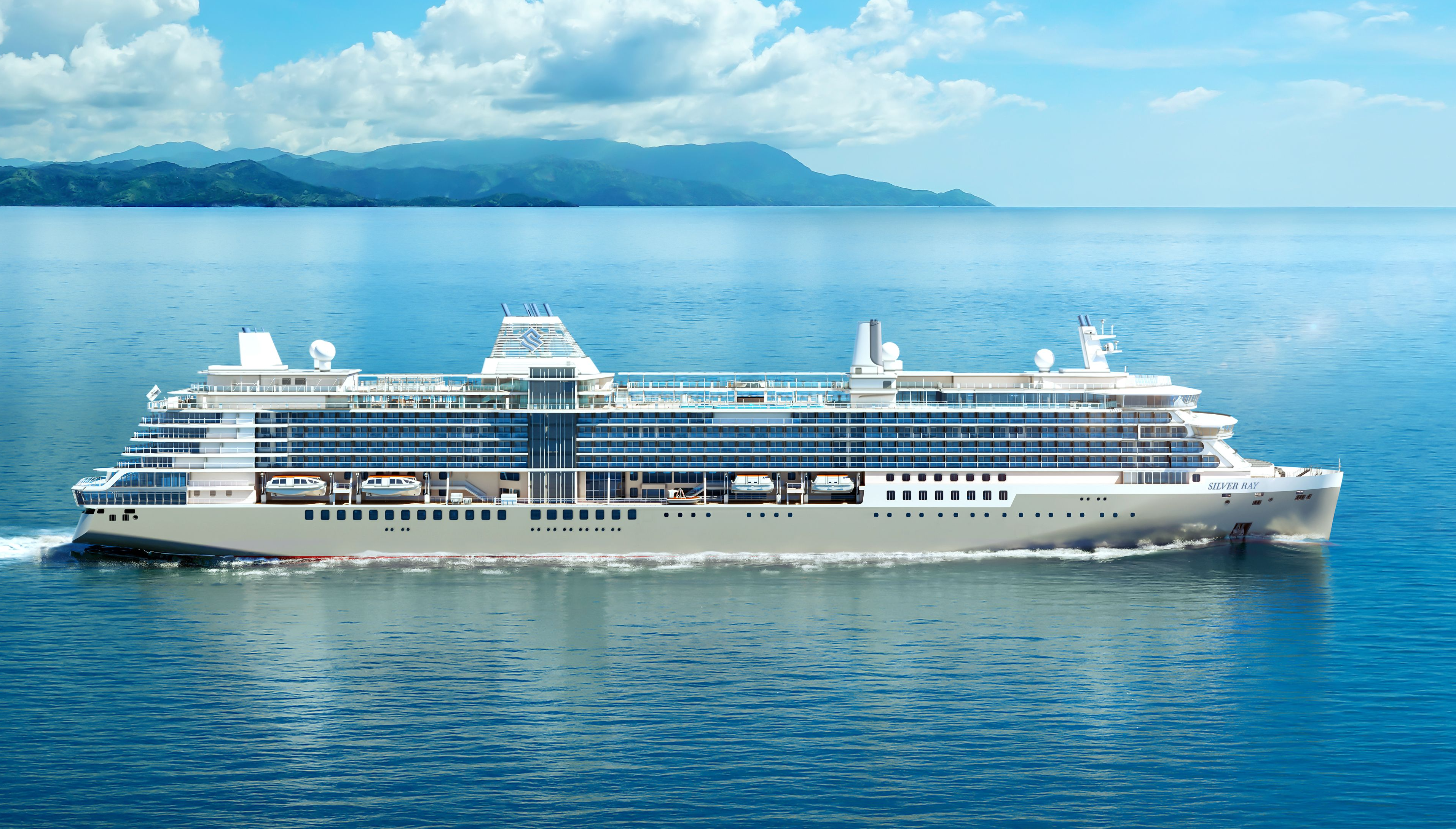
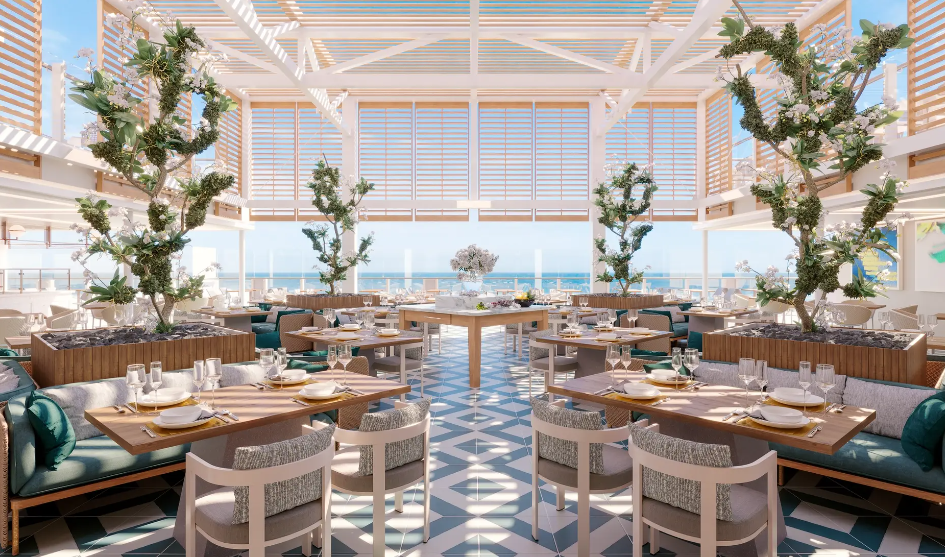
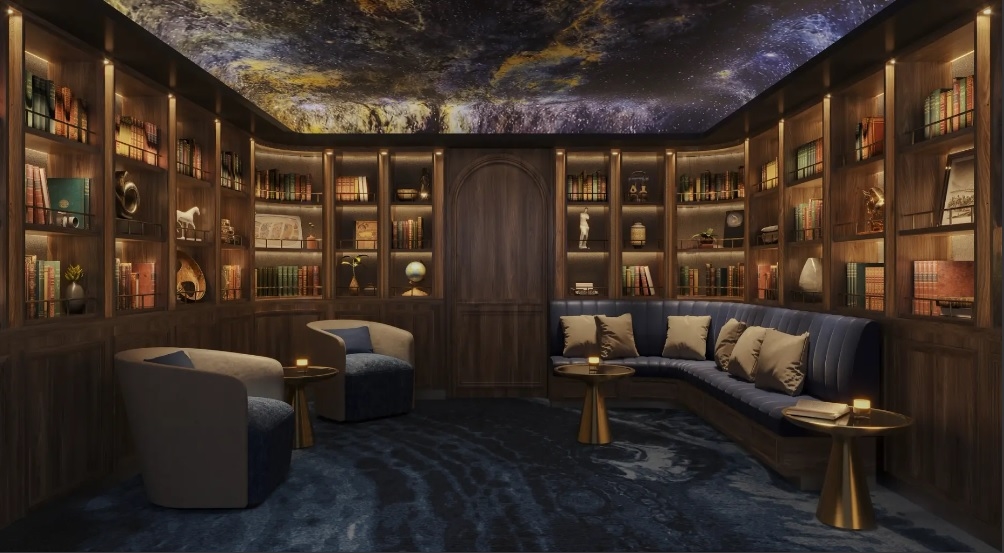
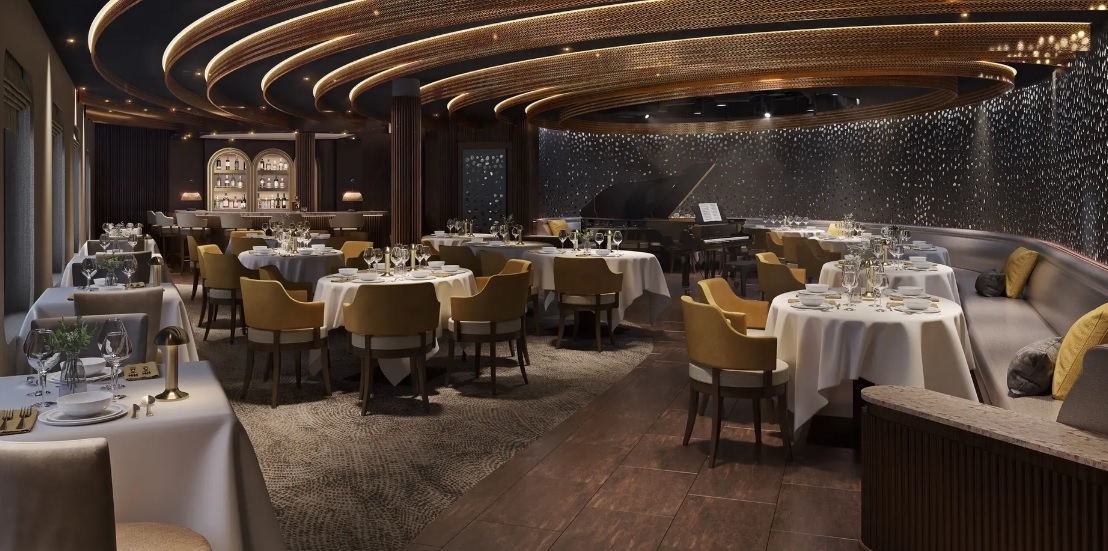
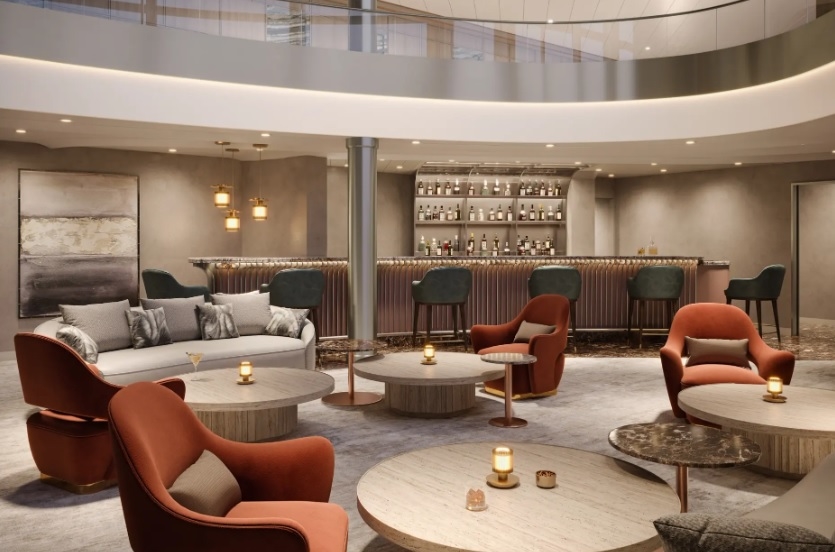
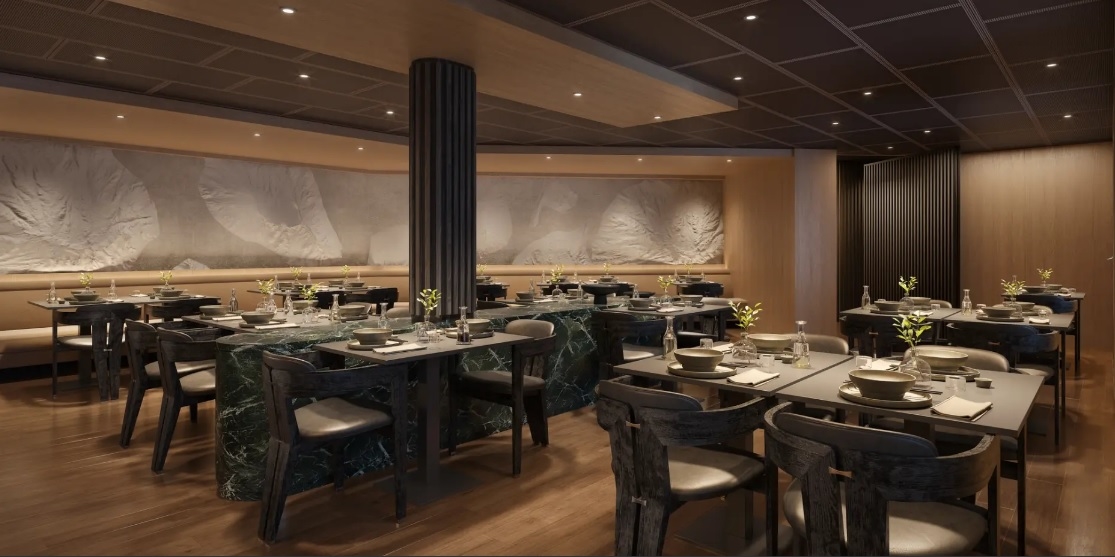
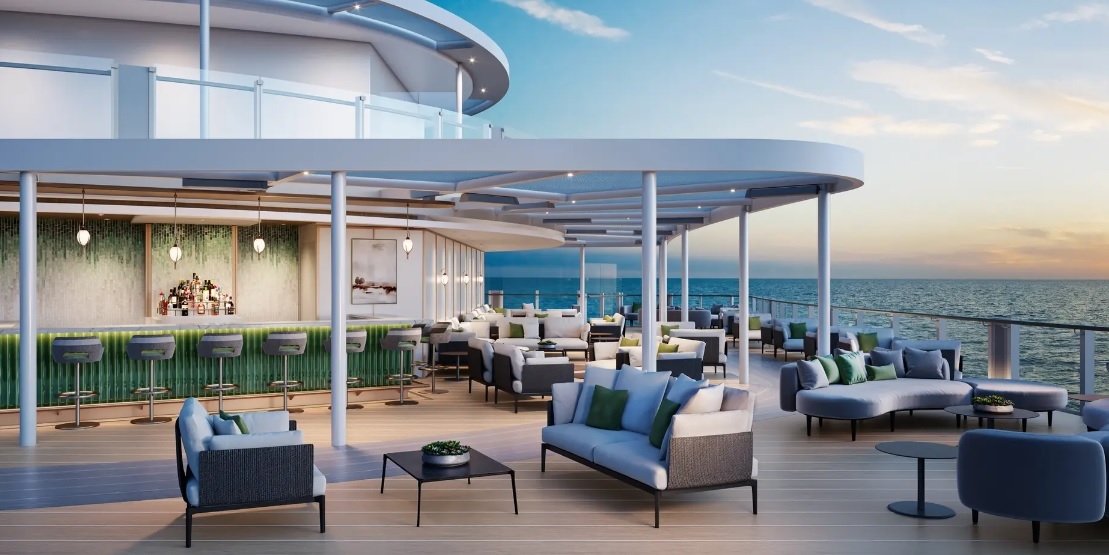
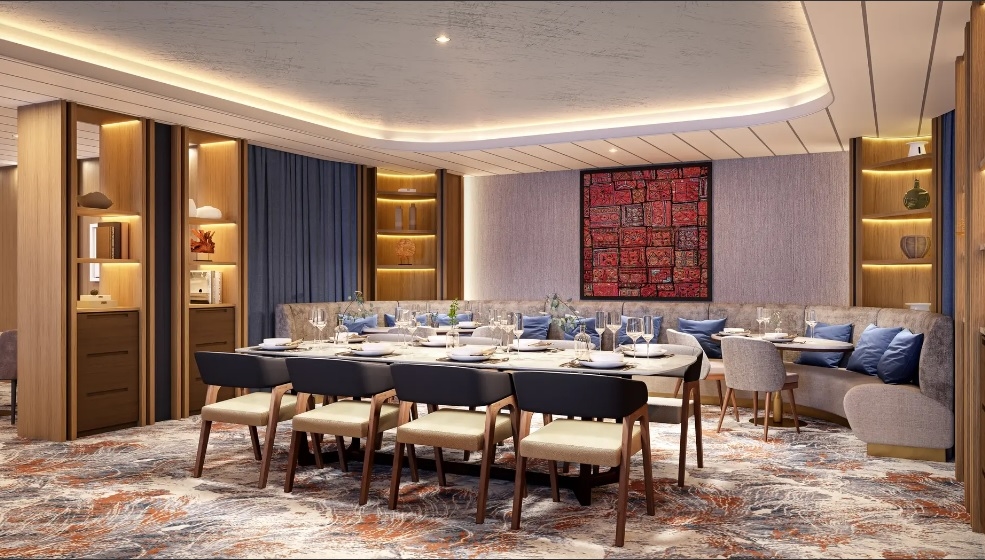
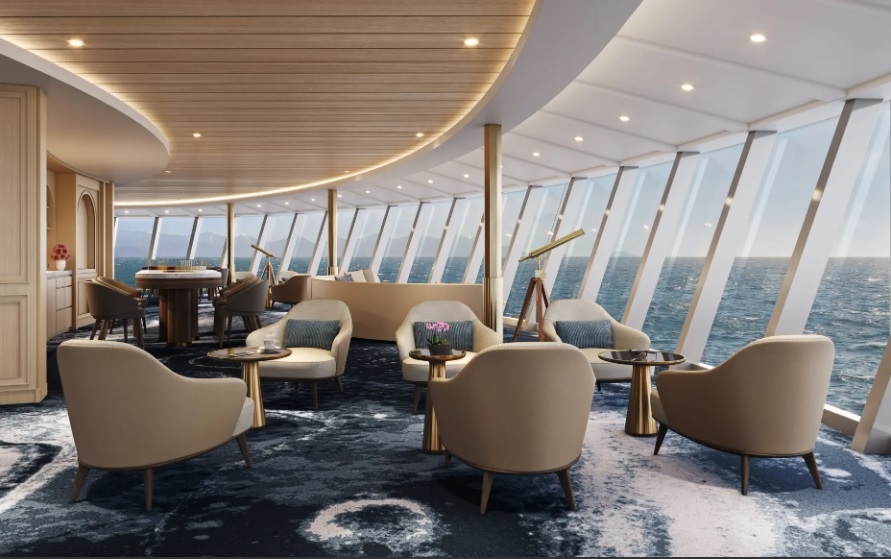
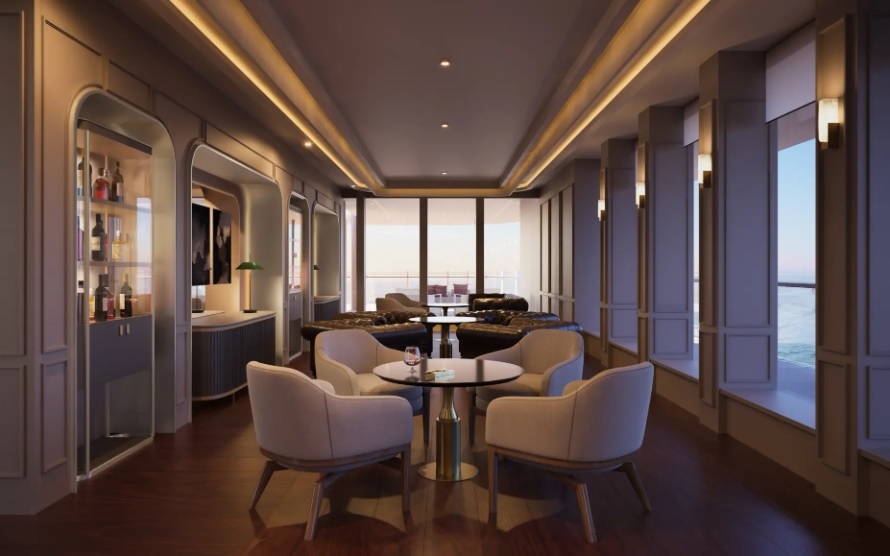
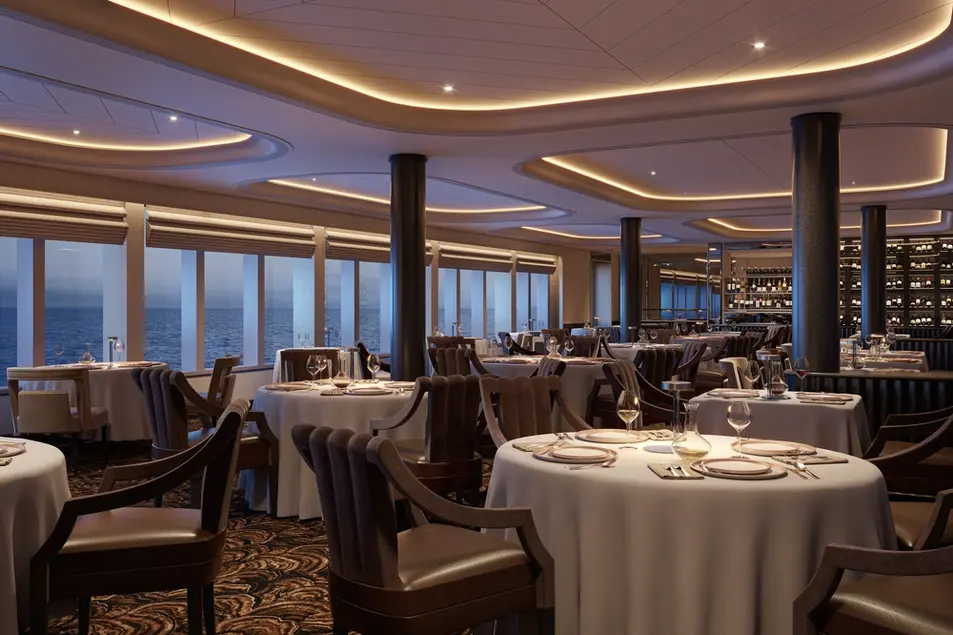
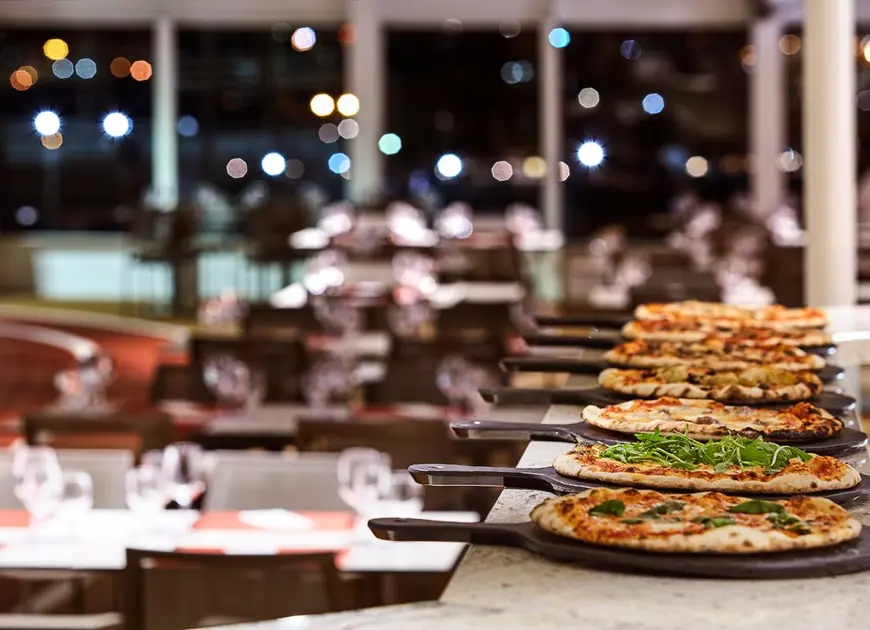
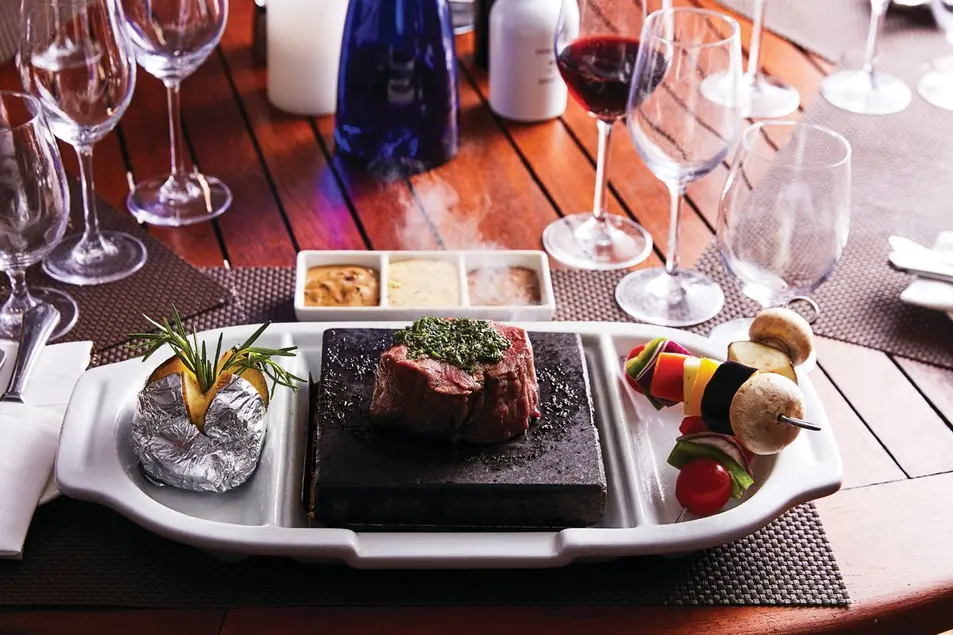
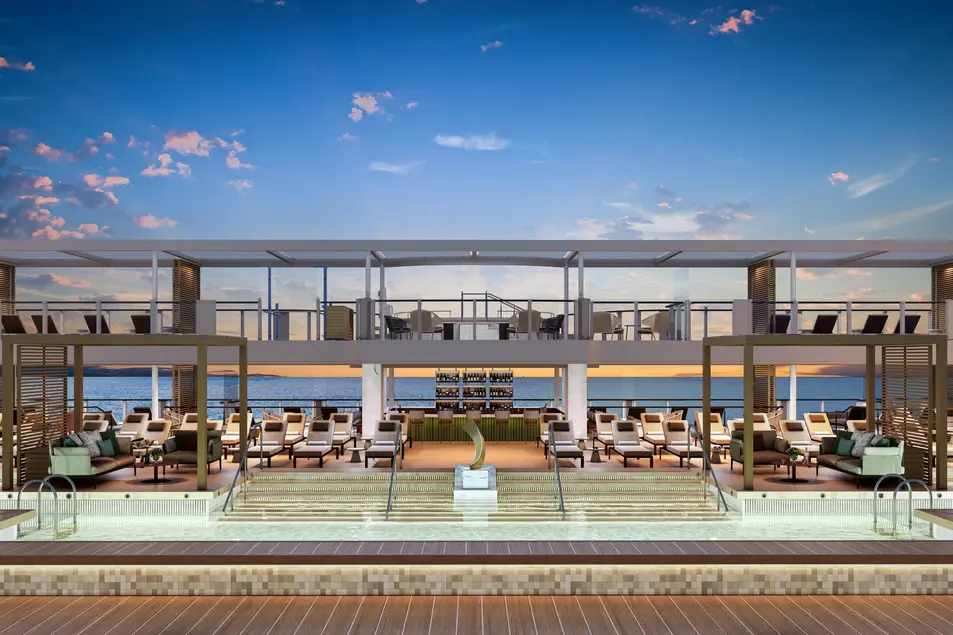
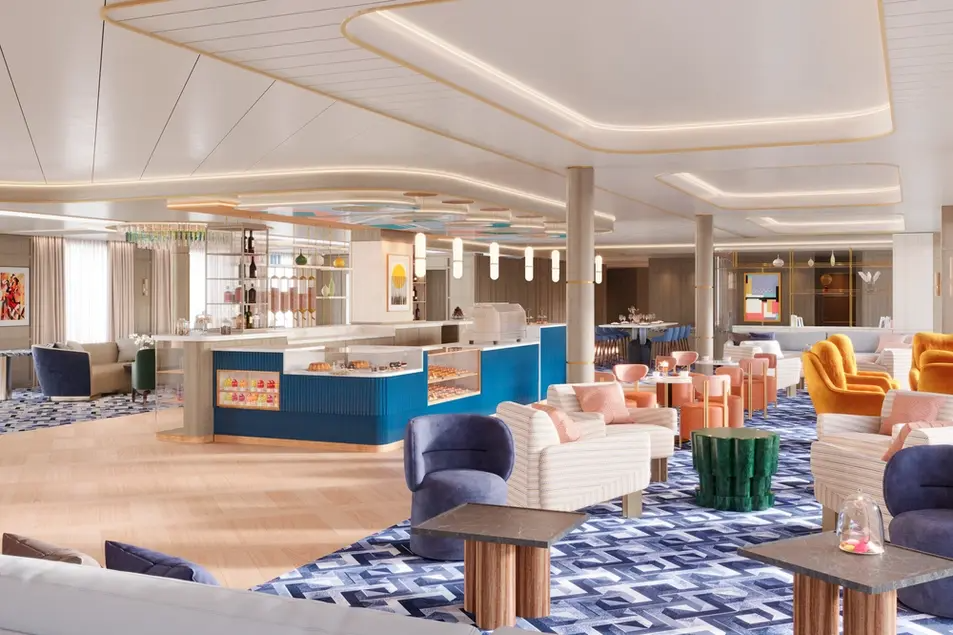
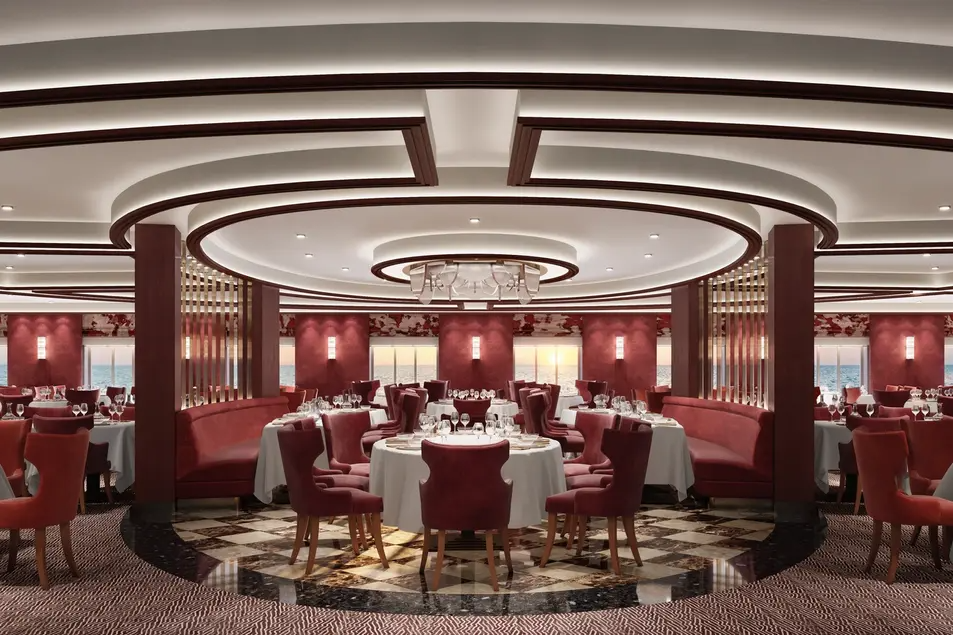
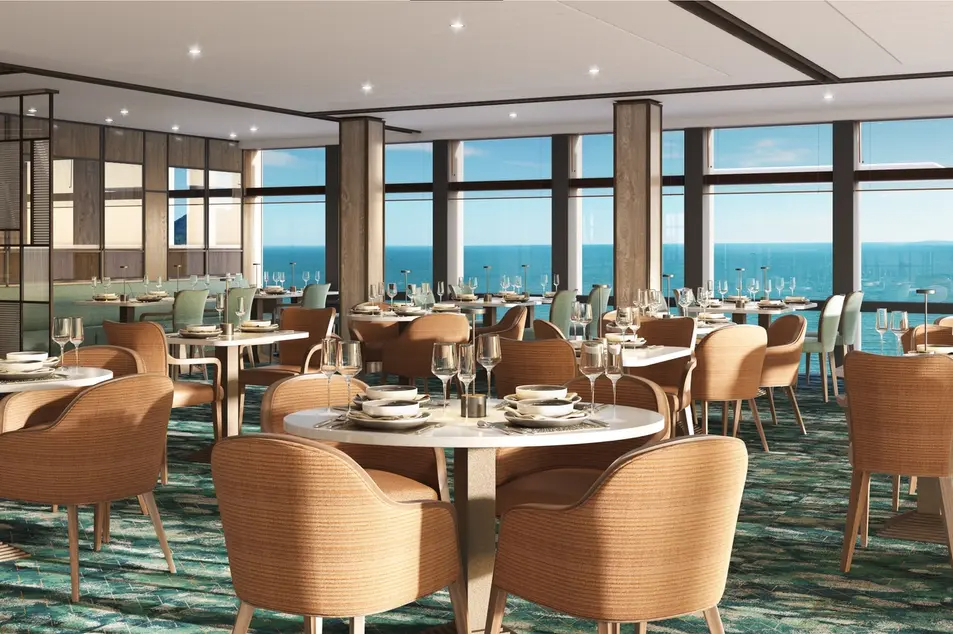
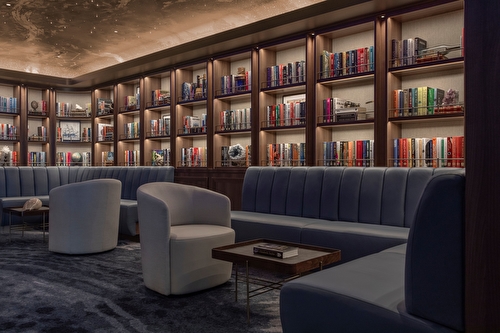
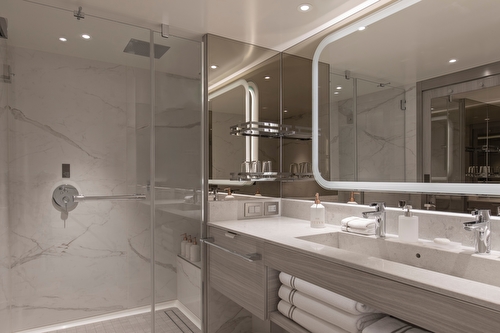
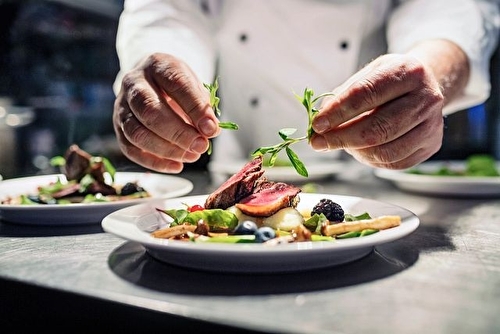
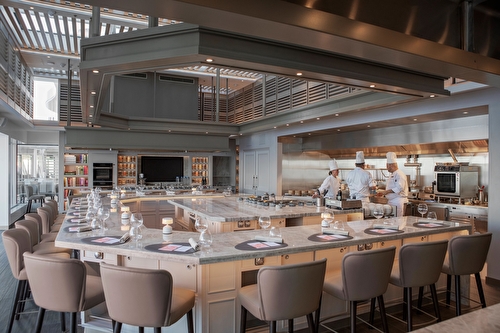
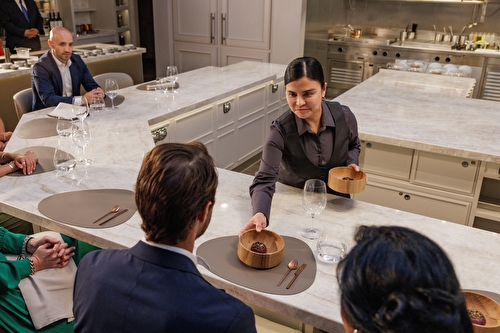

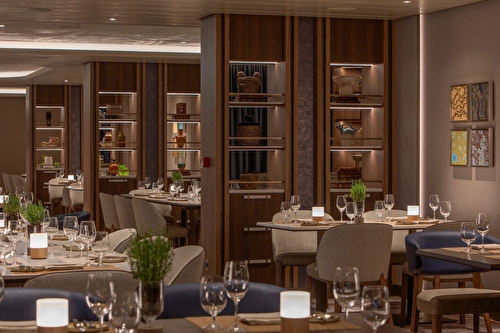
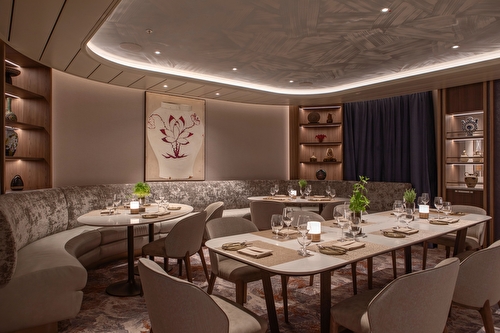
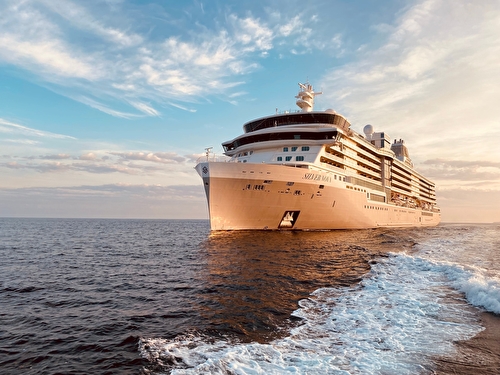
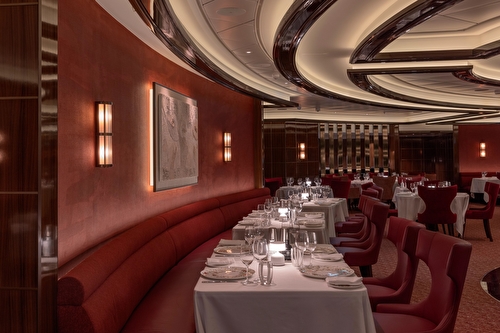
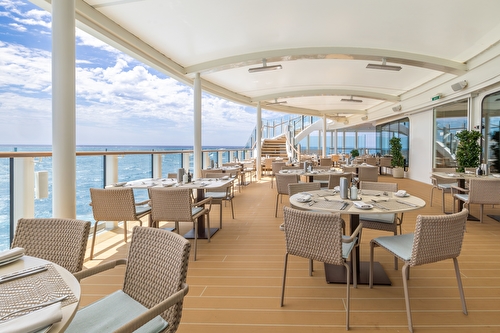
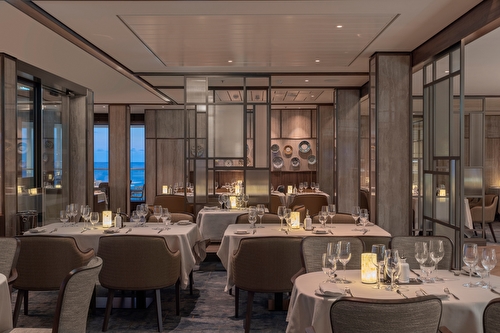
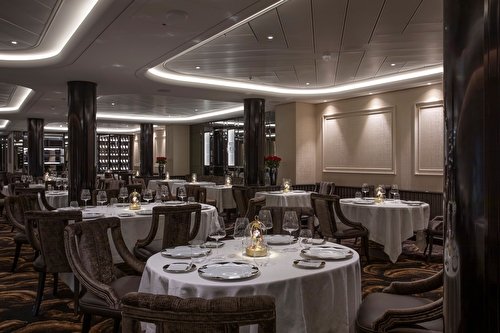
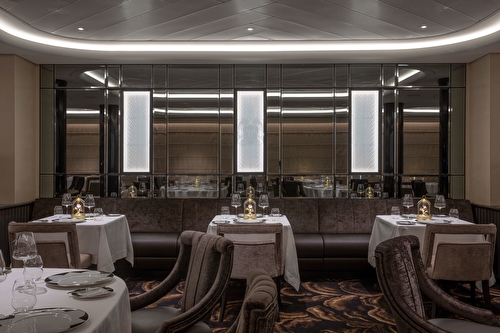
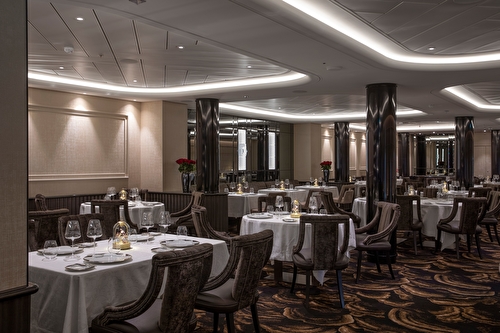
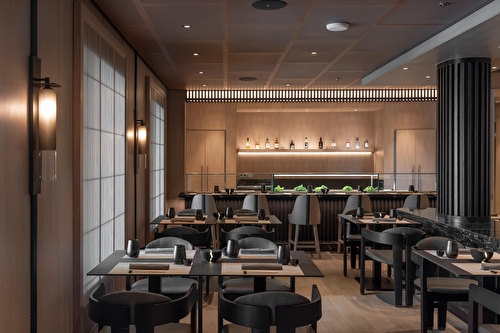
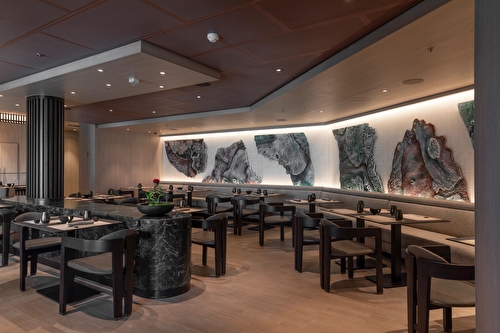
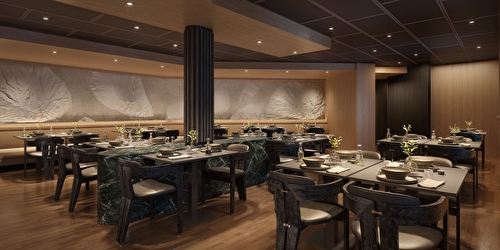
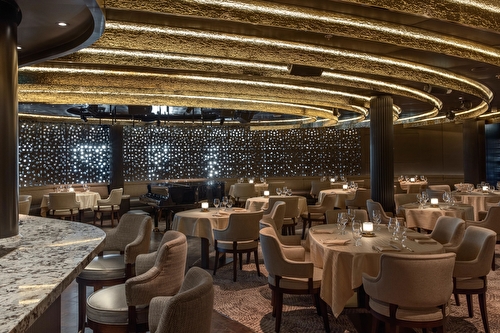
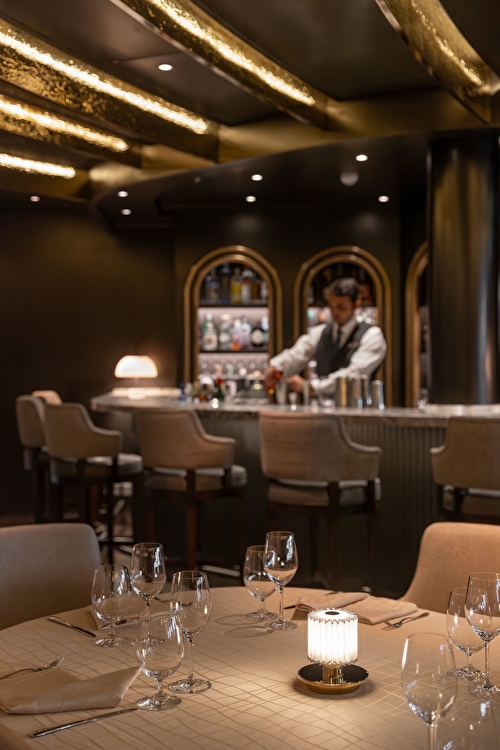
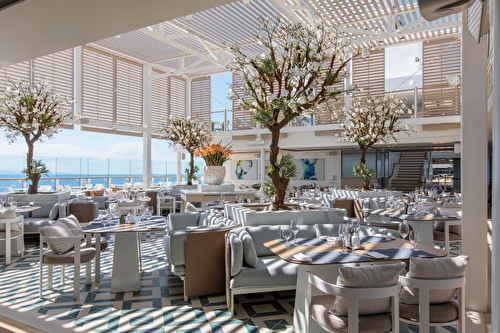
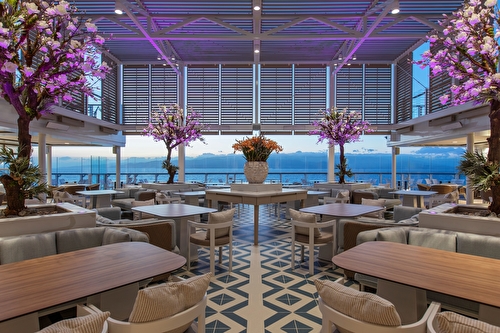
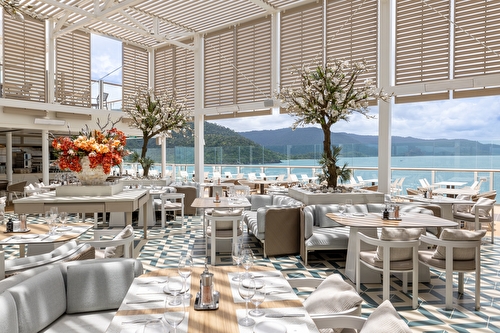
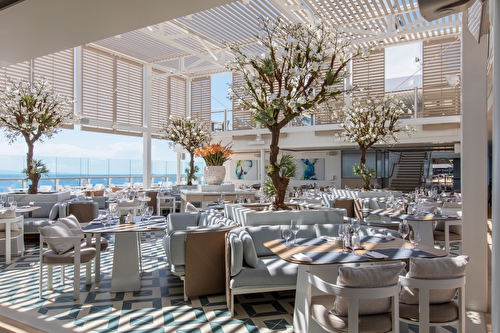
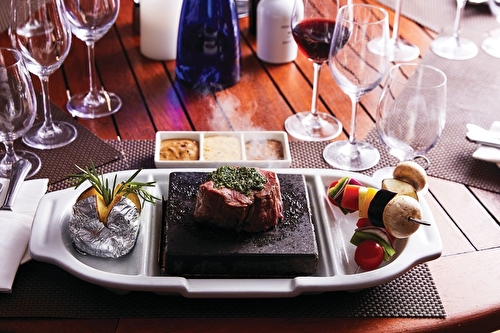
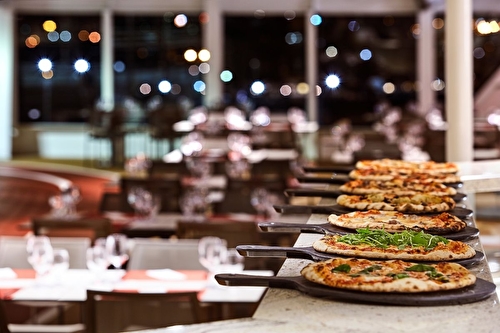
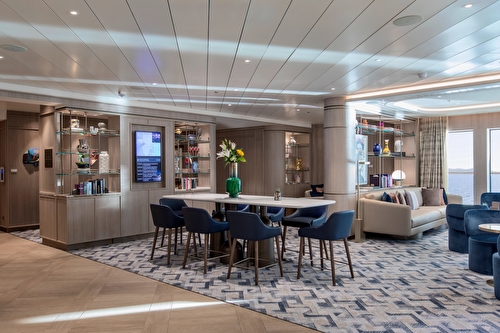
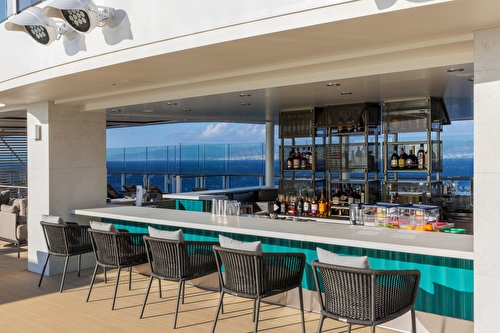
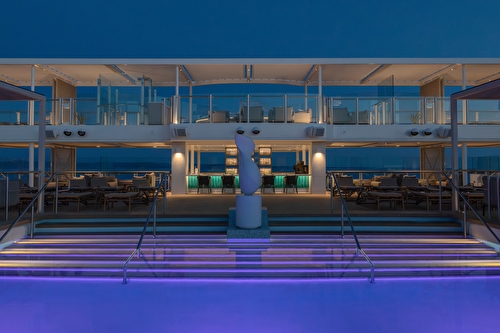
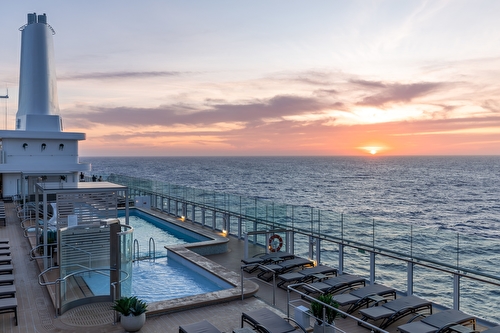
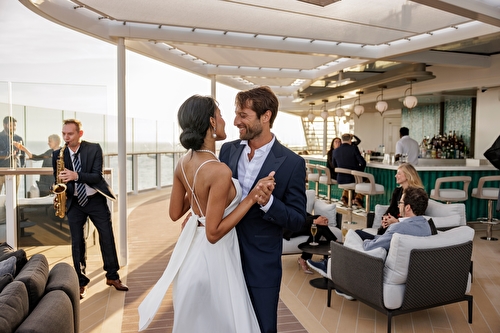
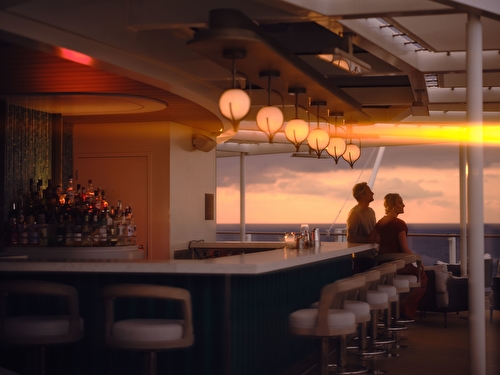
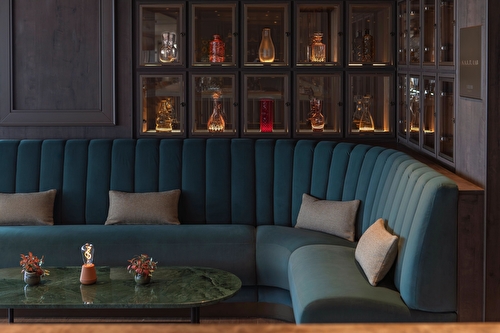
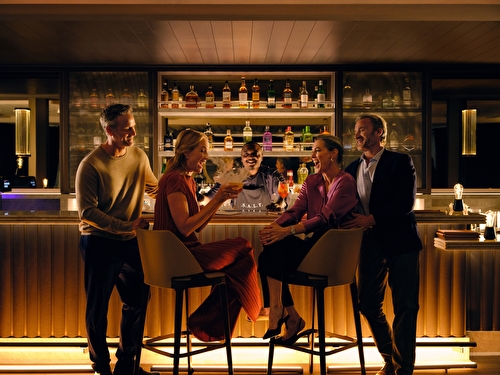
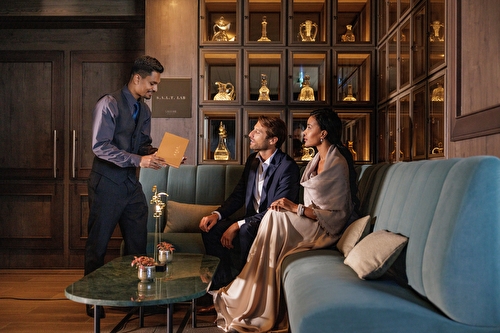
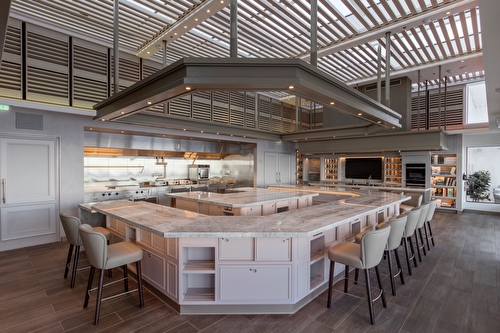

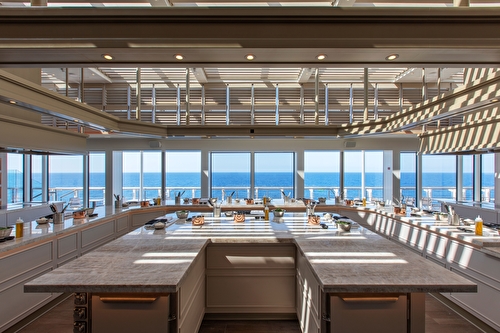
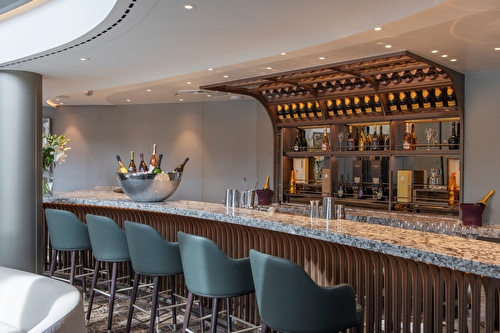
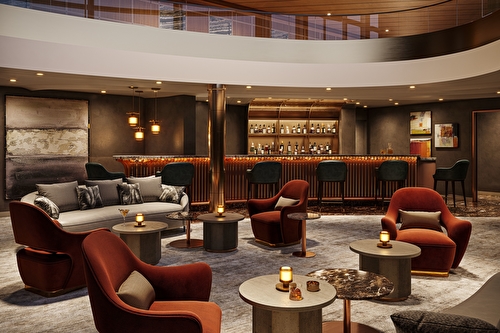
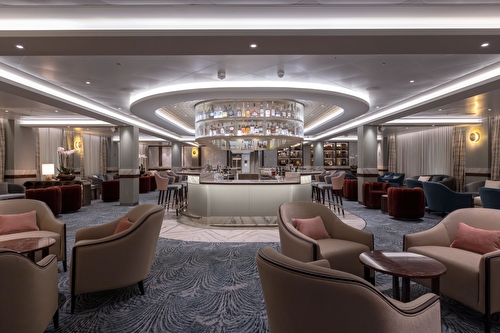
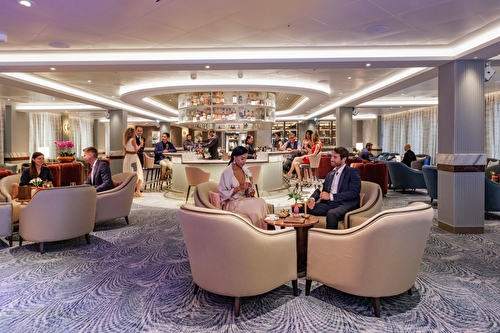
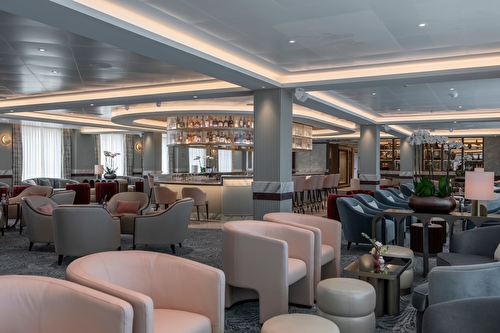
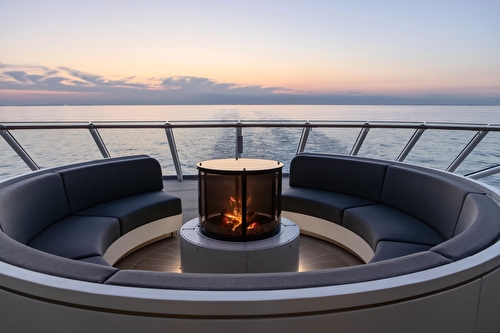
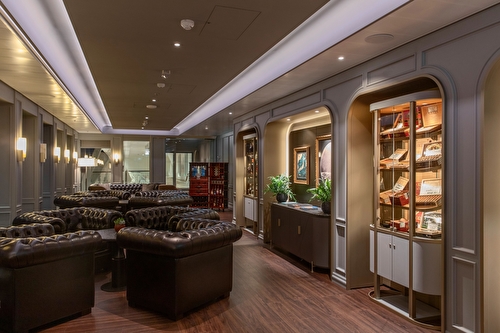
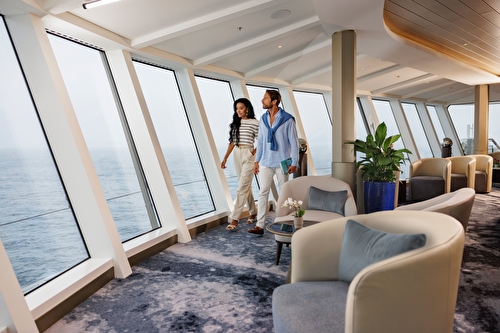
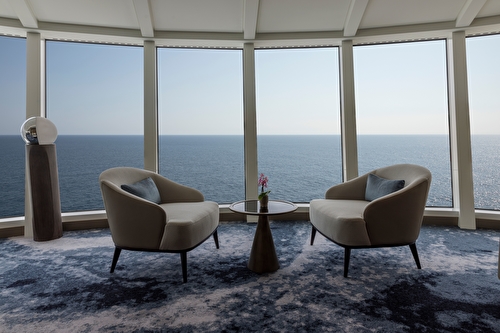
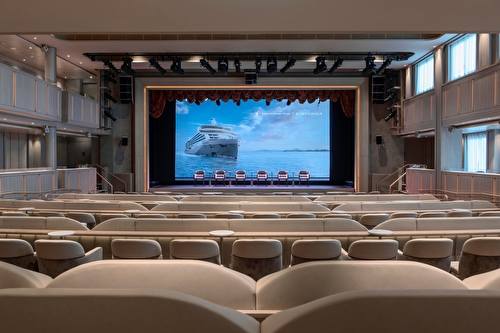
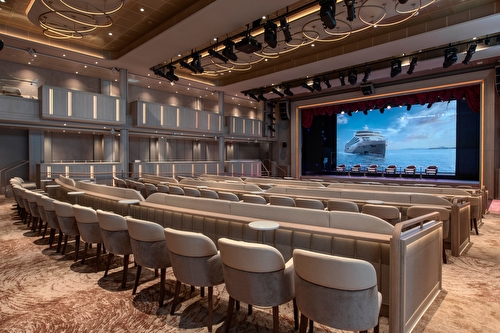
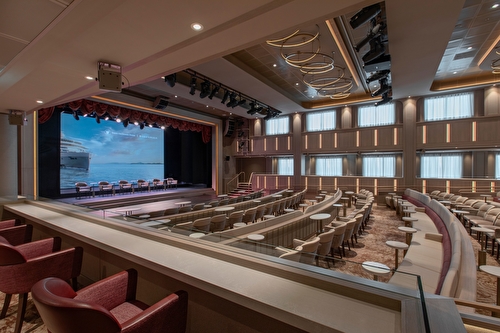
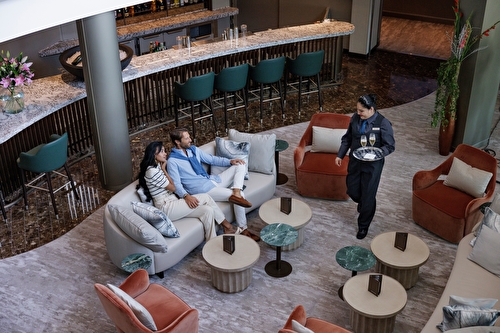
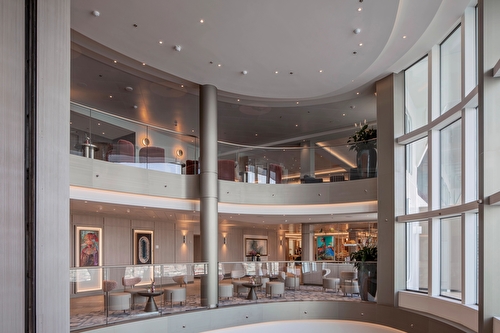
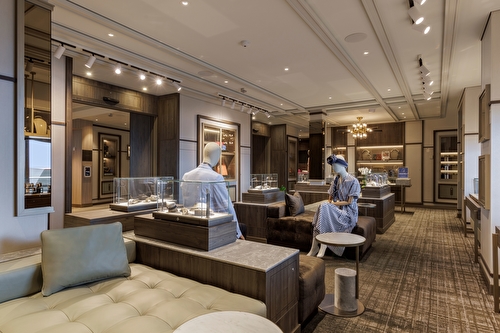
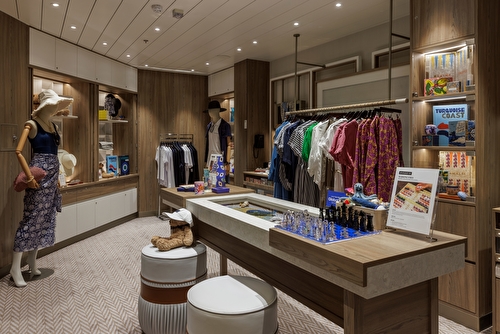
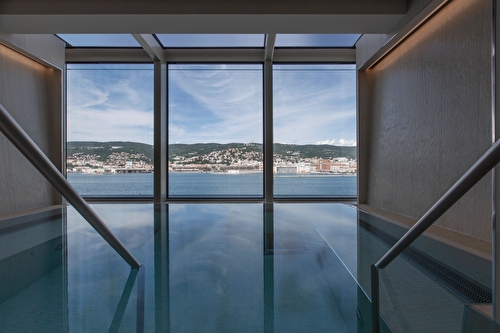
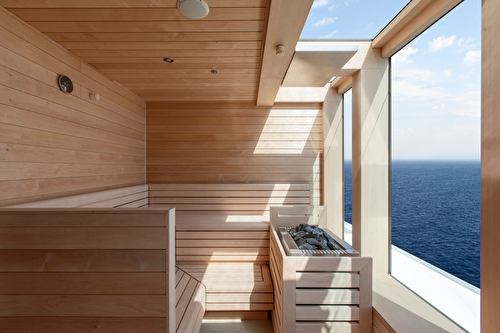
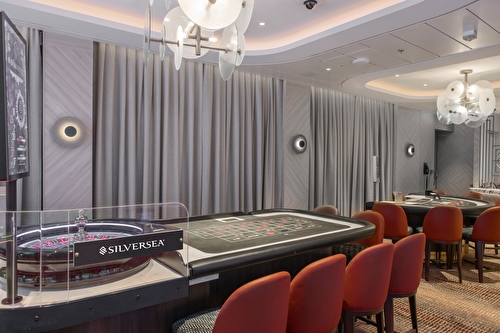


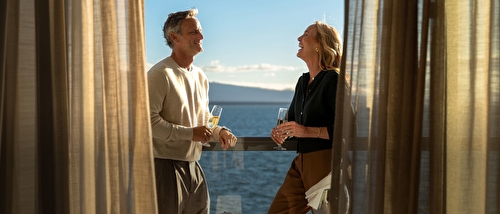
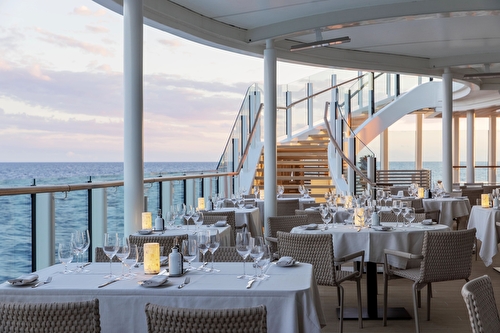
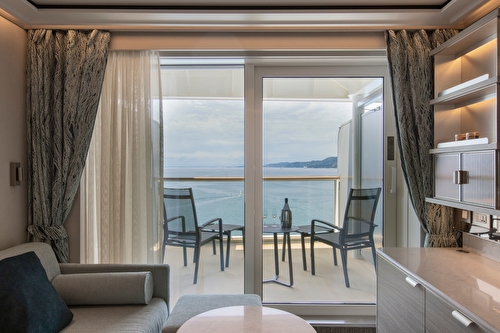

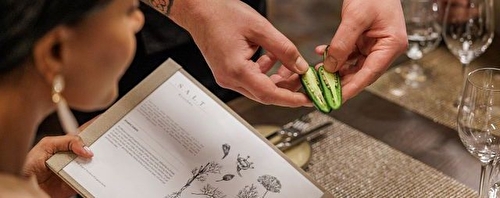
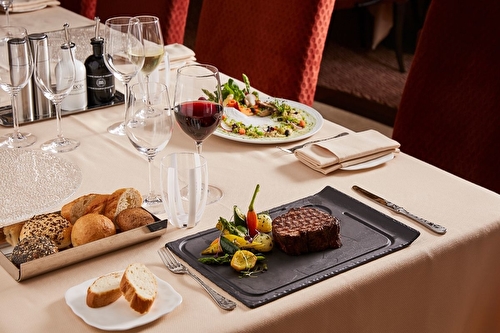
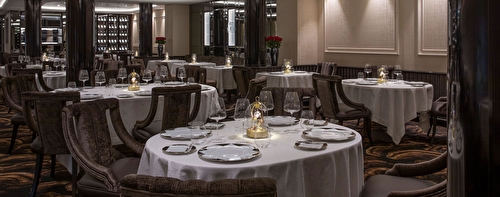
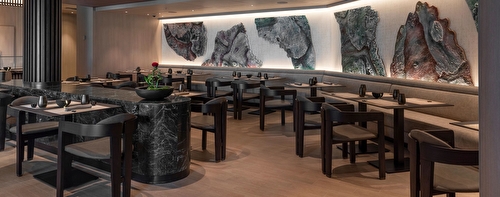
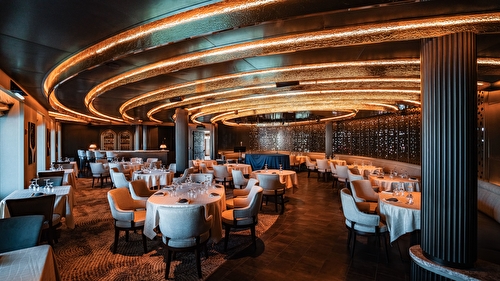
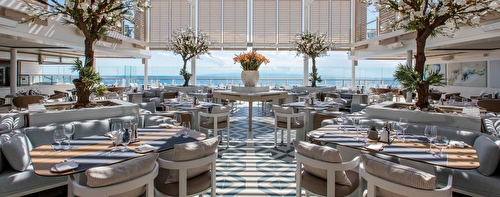
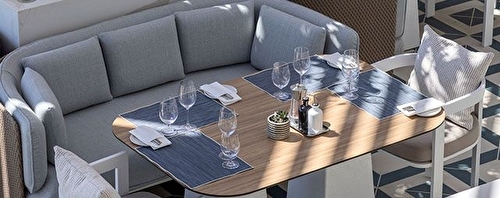
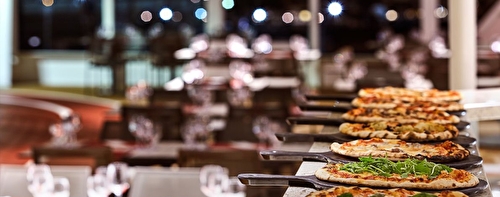
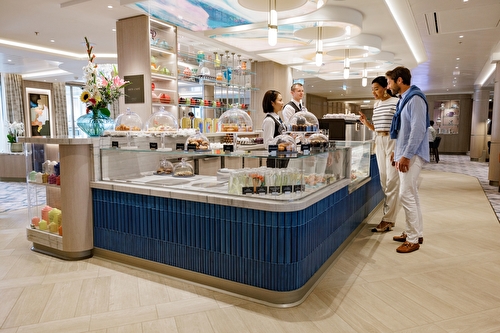
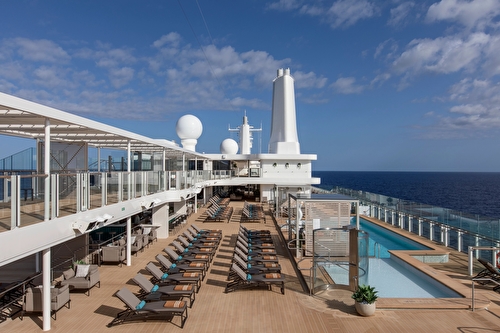
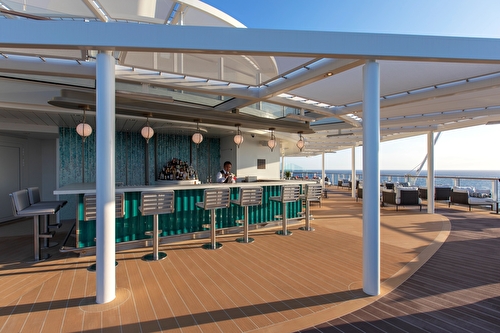
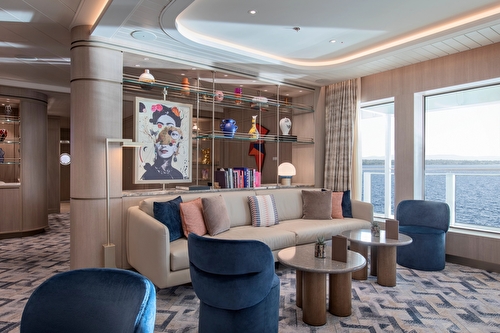
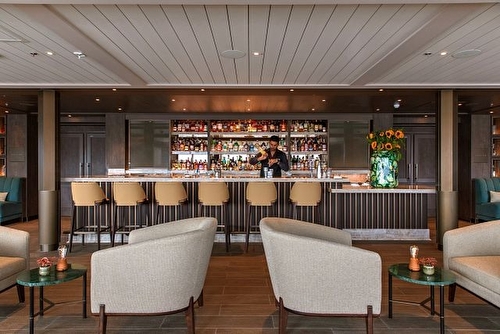
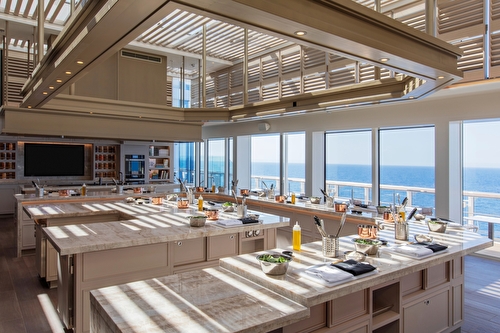
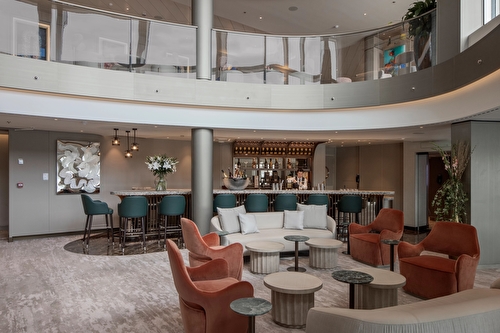
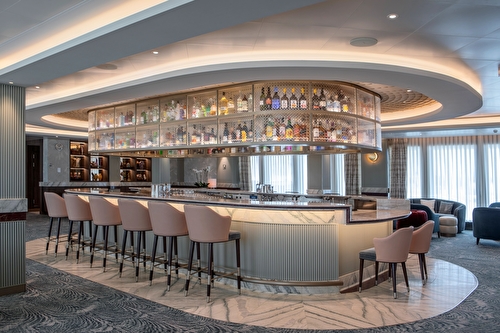
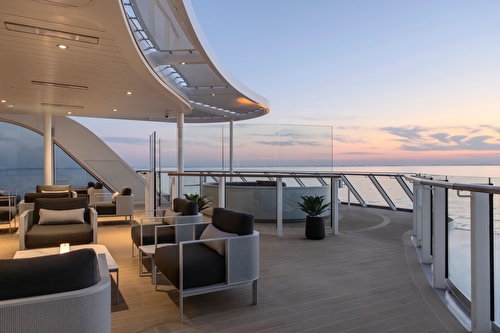
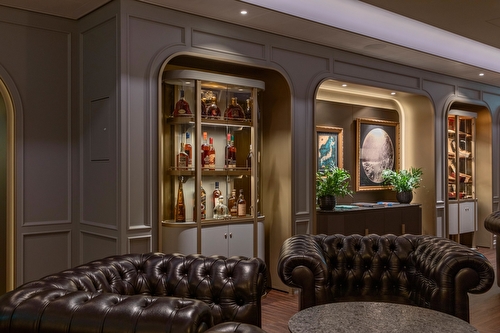
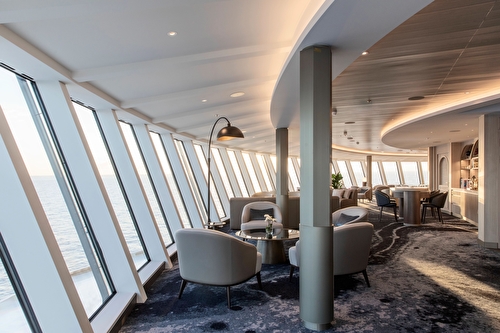
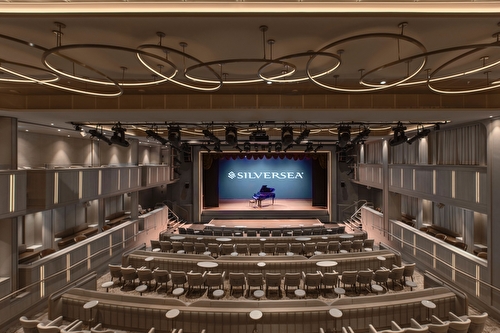
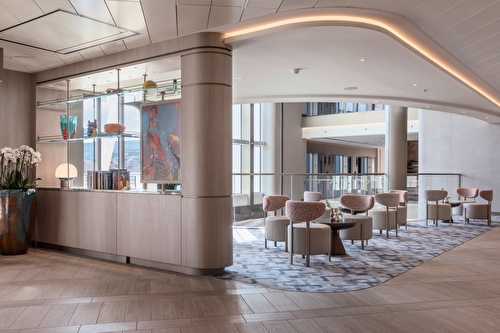
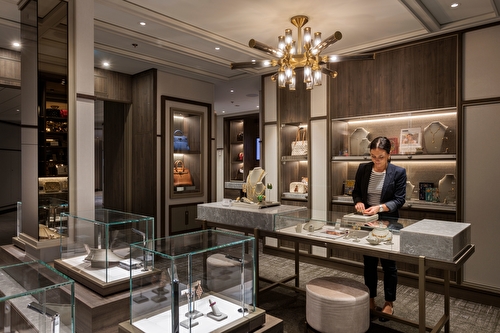
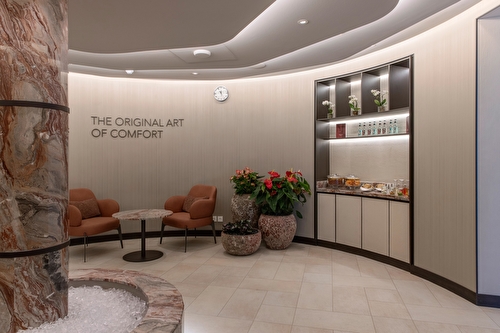
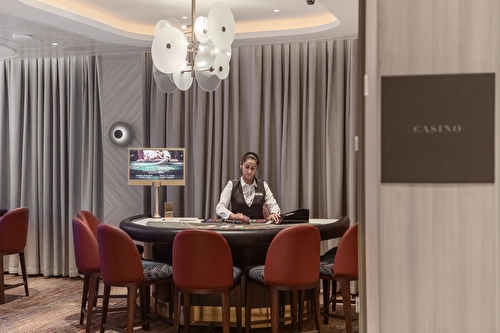
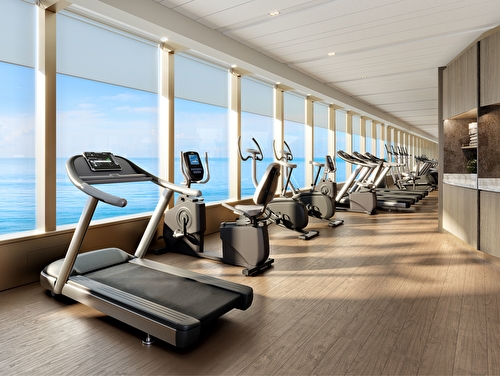
Portraying a dynamic and immediate connection with nature, where the touch of light inspires purity and movement, Silversea’s second Nova Class ship will be named Silver Ray. The pioneering luxury vessel inherits the revolutionary aspects of sister ship Silver Nova – notably the innovative asymmetrical design offering uninterrupted views from every vantage point through an extraordinary use of glass in both public spaces and in suite. At 54,700 gross tons and hosting just 728 guests, she will be among the most spacious ships ever built with a space to guest ratio of 75 GRT-per-passenger. Silver Ray… progressive and gazing at the future.
Fitness Center
Jogging Track
Pool
Wellness Centre
Beauty Salon
Day Spa & Fitness Centre
Jacuzzi
Panoramic Lounge
Pool Deck
Spa
Swimming Pool
Whirlpool
Boutique
Arts Cafe
Atlantide
Dolce
La Dame
La Terrazza
Spaccanapoli
The Grill
Venetian
Casino
Connoisseur’s Corner
Observation Lounge
Panorama Lounge
Silver Note
Description
Portraying a dynamic and immediate connection with nature, where the touch of light inspires purity and movement, Silversea’s second Nova Class ship will be named Silver Ray. The pioneering luxury vessel inherits the revolutionary aspects of sister ship Silver Nova – notably the innovative asymmetrical design offering uninterrupted views from every vantage point through an extraordinary use of glass in both public spaces and in suite. At 54,700 gross tons and hosting just 728 guests, she will be among the most spacious ships ever built with a space to guest ratio of 75 GRT-per-passenger. Silver Ray… progressive and gazing at the future.
Fitness
Fitness Center
Jogging Track
Pool
Wellness Centre
Relaxation
Beauty Salon
Day Spa & Fitness Centre
Jacuzzi
Panoramic Lounge
Pool Deck
Spa
Swimming Pool
Whirlpool
Other
Boutique
Food and Drink
Arts Cafe
Atlantide
Dolce
La Dame
La Terrazza
Spaccanapoli
The Grill
Venetian
Entertainment
Casino
Connoisseur’s Corner
Observation Lounge
Panorama Lounge
Silver Note
STATEROOMS