

Edinburgh (Leith) to Nuuk (Godthab)
- 6 Jun ‘26
- 25 nights
- Departing from Edinburgh (Leith) United Kingdom
- Silver Wind

-
Suite price fromCall for price
YOUR ITINERARY
Edinburgh (Leith) United Kingdom - Isle of May, United Kingdom - Kirkwall, Orkney Islands, U.K. - Fair Isle - Lerwick, Shetland Islands United Kingdom - Noss Island - Oyndarfjordur, Faroe Islands - Sorvagur, Faroe Islands - Seydisfjordur, Iceland - Bakkargerdi - Husavik - Djupavik - Veidileysufjordur - Dyjandi - Reykjavik, Iceland - Vestmannaeyjar - Prince Christian Sund - Tassermiut Fjord - Qaqortoq - Hvalsey, Greenland - Kvanefjord, Greenland - Maniitsoq - Kuannit Point, Greenland - Itilleq - Eqip Sermia Glacier, Greenland - Ilulissat - Sissimiut - Amerloq Fjord, Greenland - Evighedsfjord - Nuuk
Edinburgh is to London as poetry is to prose, as Charlotte Bron...
Edinburgh is to London as poetry is to prose, as Charlotte Brontë once wrote. One of the world’s stateliest cities and proudest capitals, it’s built—like Rome—on seven hills, making it a striking backdrop for the ancient pageant of history. In a skyline of sheer drama, Edinburgh Castle watches over the capital city, frowning down on Princes Street’s glamour and glitz. But despite its rich past, the city’s famous festivals, excellent museums and galleries, as well as the modern Scottish Parliament, are reminders that Edinburgh has its feet firmly in the 21st century.Nearly everywhere in Edinburgh (the burgh is always pronounced burra in Scotland) there are spectacular buildings, whose Doric, Ionic, and Corinthian pillars add touches of neoclassical grandeur to the largely Presbyterian backdrop. Large gardens are a strong feature of central Edinburgh, where the city council is one of the most stridently conservationist in Europe. Arthur’s Seat, a mountain of bright green and yellow furze, rears up behind the spires of the Old Town. This child-size mountain jutting 822 feet above its surroundings has steep slopes and little crags, like a miniature Highlands set down in the middle of the busy city. Appropriately, these theatrical elements match Edinburgh’s character—after all, the city has been a stage that has seen its fair share of romance, violence, tragedy, and triumph.Modern Edinburgh has become a cultural capital, staging the Edinburgh International Festival and the Fringe Festival in every possible venue each August. The stunning Museum of Scotland complements the city’s wealth of galleries and artsy hangouts. Add Edinburgh’s growing reputation for food and nightlife and you have one of the world’s most beguiling cities.Today the city is the second most important financial center in the United Kingdom, and the fifth most important in Europe. The city regularly is ranked near the top in quality-of-life surveys. Accordingly, New Town apartments on fashionable streets sell for considerable sums. In some senses the city is showy and materialistic, but Edinburgh still supports learned societies, some of which have their roots in the Scottish Enlightenment. The Royal Society of Edinburgh, for example, established in 1783 “for the advancement of learning and useful knowledge,” remains an important forum for interdisciplinary activities.Even as Edinburgh moves through the 21st century, its tall guardian castle remains the focal point of the city and its venerable history. Take time to explore the streets—peopled by the spirits of Mary, Queen of Scots; Sir Walter Scott; and Robert Louis Stevenson—and pay your respects to the world’s best-loved terrier, Greyfriars Bobby. In the evenings you can enjoy candlelit restaurants or a folk ceilidh (pronounced kay-lee, a traditional Scottish dance with music), though you should remember that you haven’t earned your porridge until you’ve climbed Arthur’s Seat. Should you wander around a corner, say, on George Street, you might see not an endless cityscape, but blue sea and a patchwork of fields. This is the county of Fife, beyond the inlet of the North Sea called the Firth of Forth—a reminder, like the mountains to the northwest that can be glimpsed from Edinburgh’s highest points, that the rest of Scotland lies within easy reach.
The Isle of May in Scotland is owned and managed by Scottish...
The Isle of May in Scotland is owned and managed by Scottish Natural Heritage as a National Nature Reserve and is an important breeding ground for approximately one-quarter of a million seabirds. In fact, over 40,000 puffin burrows have been counted as occupied. Not only kittiwakes, shags, eiders, and guillemots but also Razorbills, Arctic Terns, Sandwich Terns and Common Terns, Lesser Gulls, Herring Gulls and Great Black-backed Gulls nest here. View less
The island is located roughly four nautical miles off the coast of mainland Scotland and is used by biologists for surveying migrating passerines and for ringing breeding seabirds to better study their movements and breeding success. While hosting an impressive array and quantity of seabirds, the island itself is small at only 1.8 kilometers (1.1 miles) long, and less than half a kilometer (one-third of a mile) wide.
Scattered just off the northern tip of Scotland, Kirkwall...
Scattered just off the northern tip of Scotland, Kirkwall is the capital of the Orkney Islands – a scenic archipelago of fascinating, dual heritage. The Viking influence is deep, while a prehistoric past and World War history adds to the endless stories that these dramatic islands have to tell. Sparse and beautiful, let the sweeping seascapes of frothing waves, and dance of the northern lights, enchant you as you explore. Windswept beaches are inhabited by whooping swans, while grassy cliffs hide puffins amid their wavy embrace. View less
Sea caves and crumbling castles – and the dramatic meeting of the North Sea and the Atlantic Ocean add to the romantic beauty of these lands, which may be physically close to the UK, but feel an entire world away. The sandstone St. Magnus Cathedral is the centrepiece of Orkney’s main town – a place of winding lanes and atmospheric walks – and Britain’s northernmost cathedral is a masterpiece that took 300 years to complete. Started in 1137, the beautiful cathedral is adorned with mesmerising stain-glass windows and has been evocatively named as the Light of the North. Look down over the ruined Bishop’s and Earl’s Palaces nearby from the tip of the cathedral’s tower. Or, test out the islands’ history-rich distilleries, which produce smokey single malts – said to be the best in the world. You can also venture out to Europe’s best-preserved Stone Age Village, at the extraordinary World Heritage Site of Skara Brae, which offers an unparalleled vision into prehistoric life.
Lying mid-way between Shetland and the Orkney isla...
Lying mid-way between Shetland and the Orkney islands, Fair Isle is a tiny jewel in the sea. Famous for birds, knitwear and historic shipwrecks, the island offers a warm and friendly welcome to visitors. With a population of only around 70 people this island is truly a beautiful setting and is one of Britain’s most successful communities. View the cloudy light turquoise water as it drifts out to sea beneath the breath-taking Sheep Rock, rising over 100 metres, which is almost an isle of its own.
Adrift between the Scottish and Norwegian coasts, t...
Adrift between the Scottish and Norwegian coasts, the craggy Shetland Islands form the most northerly point of the British Isles. Sprawling across 100 islands, connected by sandy bridges and crisscrossing ferries, explore the highlights of this scenic archipelago outpost. With incredible Neolithic history, spanning 5,000 years of human heritage, these islands, which sit just shy of the Arctic Circle, are an isolated and immense treasure trove of history and thrilling scenery. Look out over dramatic coastline from atmospheric Iron Age towers.
Exploring the sandstone cliff faces of the Isle of Noss wil...
Exploring the sandstone cliff faces of the Isle of Noss will reveal ledges loaded with gannets, puffins, guillemots, shags, kittiwakes, Razorbills, fulmars and Great Skuas. The island was recognized as a National Nature Reserve in 1955, and has one of Europe’s largest and most diverse seabird colonies. Sheep have grazed the inland hillsides of Noss since the late 1800s and early 1900s when around twenty people lived on the island to manage the sheep farm. Along with the sheep, shaggy Shetland ponies graze the windblown slopes of Noss.
Seydisfjordur,, a beautiful 19th-century Norwegian village...
Seydisfjordur,, a beautiful 19th-century Norwegian village on the east coast of Iceland, is regarded by many as one of Iceland’s most picturesque towns, not only due to its impressive environment, but also because nowhere in Iceland has a community of old wooden buildings been preserved so well as here. Poet Matthías Johannessen called Seydisfjordur a ‘pearl enclosed in a shell’.
There’s simply nowhere better than Husavilk &#...
There’s simply nowhere better than Husavilk – the European capital of whale watching – for getting up close and personal with the majestic giants of the ocean. Feel the awe as whales breach the waves around you, before gulping in air and plunging away with almighty tale flicks. Pretty Husavik is framed by the majestic Húsavíkurfjall mountain, which swells up behind, creating a stunning backdrop for the town’s tiny wooden warehouses, cherry red houses and undulating fishing ships. View less
The little wooden church has been a beacon of light, guiding tired fishermen back to the shores of Iceland’s oldest settlement, since 1907. Let the wind rip through your hair and the sea speckle your face, as you ride waves out among the region’s almighty marine creatures, who throw their weight around so spectacularly. Sail among gentle giants in Shaky Bay, spotting humpbacks, minke whales and the world’s biggest – blue whales. You may also see teams of smaller white-beaked dolphins skipping across the waves, displaying the full range of acrobatic skills. The town’s whale museum is an interesting journey through Iceland’s relationship with the sea giants, while its restaurants serve up local specialities – taste juicy reindeer burger and plokkfiskur, a buttery mash of local fish. Hikes and horseback rides into the surrounding countryside can take you up around Lake Botnsvatn, to views down from the slopes of the Húsavíkurfjall – where purple spired lupin flowers spill down amongst the emerald slopes. From the summit, look out over views of the bay, reaching out to the crumpled snowy peaks beyond. Or feel the full force of this land of natural power, at Dettifloss Waterfall, one of Europe’s most powerful, thrashing flumes.
The fire, frost and water symbolized by the red, white ...
The fire, frost and water symbolized by the red, white and blue of Iceland’s flag are manifested by the ice and snow of its glaciers, the hot mud pools, geysers and glowing lava flows in the country’s volcanic regions.
The island’s settlement dates back to 874 when a Norwegian named Ingolf Arnarson arrived at present-day Reykjavik. In 930, the settlers formed a legislature, the Alting, which was the beginning of the Commonwealth of Iceland. From the 10th to the 14th centuries, Iceland developed a literary form, the Icelandic Saga, which spread throughout the Nordic culture and into the English and German languages. It was used to spin stories of the gods, record historic events and glorify heroes.
As Iceland’s capital and main center of the country’s population, the city of Reykjavik is a fascinating blend of the traditional and modernism. Just as Iceland is a unique country – rugged and remote, yet technically advanced and enjoying Nordic standards of affluence – Reykjavik is a highly unusual capital city. It dominates the life of Iceland in almost every way. More than half of the country’s total population of 270,000 is living in and around the capital, and the economy of the entire nation depends on Reykjavik. Nearly 60 percent of Iceland’s imports are received and distributed, and 40 percent of the country’s exports are loaded for shipment via the port of Reykjavik. It is also the headquarters of what is probably the world’s most advanced seafood industry, which counts for Iceland’s number one export.
The name Vestmannaeyjar refers to both a town and an ar...
The name Vestmannaeyjar refers to both a town and an archipelago off the south coast of Iceland. The largest Vestmannaeyjar island is called Heimaey. It is the only inhabited island in the group and is home to over 4000 people. The eruption of the Eldfell Volcano put Vestmannaeyjar into the international lime light in 1973. The volcano’s eruption destroyed many buildings and forced an evacuation of the residents to mainland Iceland. The lava flow was stopped in its tracks by the application of billions of liters of cold sea water. View less
Since the eruption, life on the small island outpost has returned to the natural ebb and flow of a small coastal fishing community on the edge of the chilly and wild North Atlantic.
The transit through the Sound is one of this voyage’...
The transit through the Sound is one of this voyage’s highlights. Connecting the Labrador Sea with the Irminger Seat, Prince Christian Sound or “Prins Christian Sund” in Danish is named after Prince (later King) Christian VII (1749-1808).
100 km (60 miles ), long and at times just 500 m (1500 ft) wide, this majestic and spectacular fiord throws you back into a Viking era – flanked by soaring snow-topped mountains, rock-strewn cliffs and rolling hills, it is as if time has stood still and one easily forgets that this is the 21st century. As you marvel at the sheer size of the mountains that surround you, with the Arctic waters lapping deceptively at the hull, revel in the silence enveloping you. Icebergs float serenely by, carrying with them the ages of time. Be sure to wear warm clothing as this is one spectacle that you do not want to miss.
The largest town in southern Greenland, Qaqortoq has been i...
The largest town in southern Greenland, Qaqortoq has been inhabited since prehistoric times. Upon arrival in this charming southern Greenland enclave, it’s easy to see why. Qaqortoq rises quite steeply over the fjord system around the city, offering breath-taking panoramic vistas of the surrounding mountains, deep, blue sea, Lake Tasersuag, icebergs in the bay, and pastoral backcountry. View less
Although the earliest signs of ancient civilization in Qaqortoq date back 4,300 years, Qaqortoq is known to have been inhabited by Norse and Inuit settlers in the 10th and 12th centuries, and the present-day town was founded in 1774. In the years since, Qaqortoq has evolved into a seaport and trading hub for fish and shrimp processing, tanning, fur production, and ship maintenance and repair.
Located in the central part of Greenland’s ...
Located in the central part of Greenland’s western coast, Maniitsoq is Greenland’s sixth-largest town, and home to less than 2700 inhabitants. The main attractions are the small museum and old cemetery at the northern end of town. At the community hall local artist and artisans usually exhibit some of their carvings and beadwork. The beadwork pieces are not created just as souvenirs for visitors — the national dress of the West-Greenlandic women uses an elaborately beaded collar. Fishing trips and even heli-skiing on nearby mountains are considered Maniitsoq’s other assets. View less
Its local name (meaning ‘place of rugged terrain’) contrasts somewhat with the name given by the Danish in 1782 (‘New Sugarloaf’).
Three kilometers off Yukon’s north coast, only Wo...
Three kilometers off Yukon’s north coast, only Workboat Passage separates Herschel Island-Qikiqtaruk from Ivvavik National Park. The low-lying treeless island of 116 k2 was Yukon’s first territorial park. Herschel Island-Qikiqtaruk has been declared a National Historic Site of Canada in 1972, was classified as a Nature Preserve in 1987, designated a Natural Environment Park in 2002 and as an example of the technologies and techniques used for living and construction over the past several millennia. View less It is now also on the tentative UNESCO World Heritage Site list! Itilleq is an important area for Ice Age fossils. Normally snow-covered during winter, the island shows abundant and diverse wildlife, with many migratory birds, including the largest colony of Black Guillemots in the Western Arctic, caribou, muskox, polar bear, and brown bear on land and bowhead and beluga whales, ringed and bearded seals, and occasionally walrus in its surrounding waters. The Inuvialuit community has used the area for hundreds of years. When Franklin arrived in 1826 he saw three of their camps. Remains of their old dwellings are still visible near Simpson Point. This is where in the late 1800s, American whalers established a now abandoned station. At the height of the Beaufort Sea whale hunting period there were 1,500 residents. Several of the historic buildings by whalers, and later missionaries, traders and the RCMP are still standing – although some had to be moved further inland to escape the rising sea level.
Ilulissat is a coastal town in western Greenland. It’...
Ilulissat is a coastal town in western Greenland. It’s known for the Ilulissat Icefjord and for huge icebergs Disko Bay, shed by the Sermeq Kujalleq glacier. Trails run to the Sermermiut settlement for dramatic views over the ice. The Ilulissat Museum traces the area’s history and the life of local-born explorer Knud Rasmussen. The area is home to thousands of Greenland dogs, used for dogsledding.
Sisimiut (‘The People of the Fox Holes’) is Gree...
Sisimiut (‘The People of the Fox Holes’) is Greenland’s second city, the largest Arctic City in North America, and a hub between the warmer South and the frozen North of the country. With a young, dynamic population, including students from all over the country, Sisimiut is one of the fastest growing cities in Greenland. View less
Inhabited for more than four and a half thousand years, the Danish Colonial Era saw the rapid development of the city into a trade centre, and the old buildings and artefacts can be seen at Sisimiut Museum, a collection of beautifully restored buildings displaying everything from ancient turf houses to modern Inuit art. The local artisans are considered some of the best in Greenland, and often sell their wares direct from their communal workshop in the harbour, where they barter with hunters for raw materials. Today, modern industry focussed on processing sea food and shipping; KNI, the state-run chain of general stores operating in even the most remote settlements is based in Sisimiut. Most residents still live in the colourful wooden houses Greenland is so well known for. Sisimiut’s vast back country offers excellent opportunities for hiking and fishing, and the locals often use sled dogs or snowmobiles to get around their vast mountainous playground during the long winters. In the summer, one can walk as far as Kangerlussuaq International Airport, a trail also used for the gruelling Polar Circle Marathon, one of the toughest endurance events in the world.
Evighedsfjord (Eternity Fjord) is a large fjord northeast of Kan...
Evighedsfjord (Eternity Fjord) is a large fjord northeast of Kangaamiut in southwest Greenland. The fjord has a length of 75 kilometers and several branches with numerous glaciers coming down from the Maniitsoq Ice Cap to the north can be seen. The Evighedsfjord has several bends and whenever the ship reaches the supposed end the fjord continues in another direction and seems to go on forever. Qingua Kujatdleq Glacier is at its southeastern end.
At the northwestern end a U-shaped valley has seven glaciers coming down from the mountains but not reaching the water. The glaciers had their maximum extent around the year 1870 and have gone through several cycles of advance and retreat. The mountains on either side of the fjord can reach in excess of 2,000 meters and the fjord has a depth of up to 700 meters. Evighedsfjord’s snowline is at 1,100 meters and the Evighedsfjord region is famous as one of Greenland’s best heli-skiing areas.
In the bustling capital city of Greenland, you could be forg...
In the bustling capital city of Greenland, you could be forgiven for forgetting you are in such a vast and isolated country. Nuuk is Greenland’s economic and social hub, home to more than a third of Greenland’s population, and although it feels like a world capital, scratch the surface, and a uniquely Greenlandic character can be found underneath. Nuuk Cathedral overlooks the gorgeous old Colonial Harbour district and the Greenland National Museum, resting place of the legendary Qilakitsoq mummies, the true highlight of the museum’s archaeological collection. View less
Above the Colonial Harbour sits downtown Nuuk, with lines of Scandistyle apartments, a bustling shopping district, the Greenlandic Parliament, Nuuk City Hall (which welcomes visitors to see its artwork) and even outdoor cafes selling locally produced food and beer. These nods to modernity compete for space with local artisan boutiques, the meat market selling the catch from Nuuk’s vast fjord-lands, and the stunning Katuaq Cultural Centre, where blockbuster movies, as well as local and foreign performers entertain the people of Nuuk. Although Nuuk has long been a melting pot of Danish and Greenlandic ideas, this is a city where Greenland displays its sophistication, with the Country’s only traffic lights, roundabouts and University. Most of all, expect to find a multitude of friendly people who are proud of who they are, and equally proud of the city they call home.
YOUR SHIP - The Silver Wind
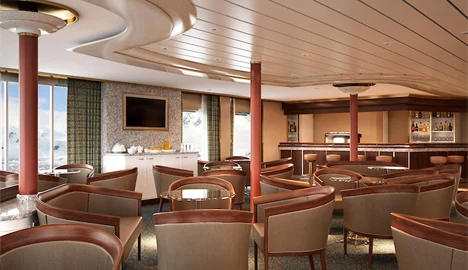
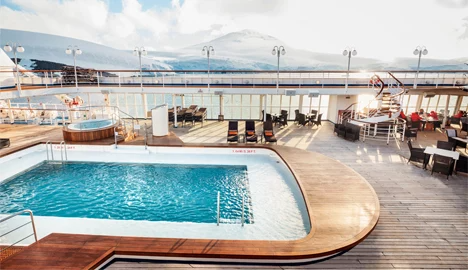
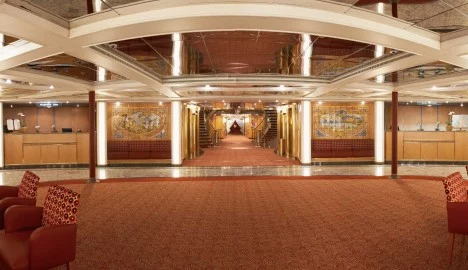
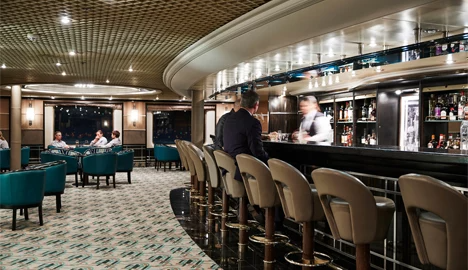
A major upgrade in December 2018 will see Silver Wind looking better than ever. A second refurbishment in summer 2020 will see her benefitting from a strengthened to ice-class hull and will make her one of the most adaptable ships in our fleet. Still timelessly elegant, still luxuriously relaxed, her improved cruising versatility means she is able to whizz from the Polar Regions at the ends of the earth to the iconic ports of the Mediterranean with fluid ease. So whether you want to get up close and personal to penguins in Antarctica or laze on the golden sands of the Caribbean, get ready for a wealth of diverse destination experiences, in traditional Silversea comfort.
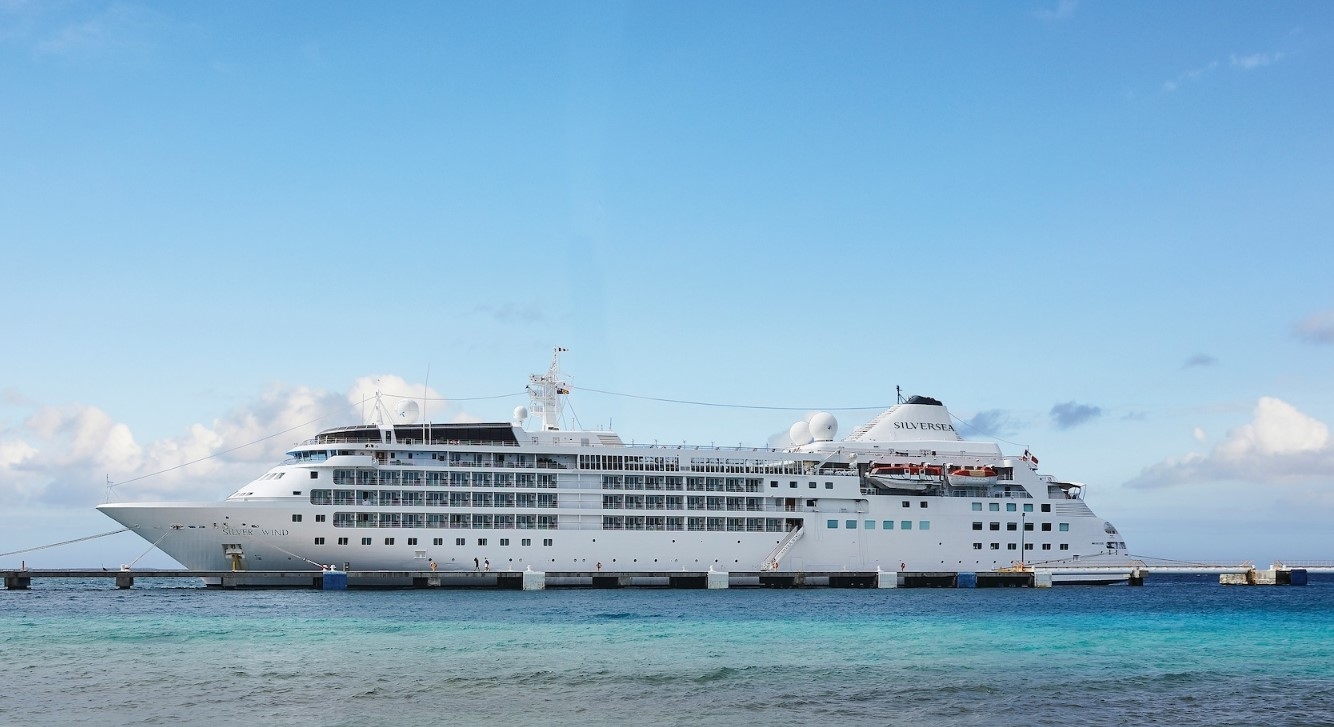
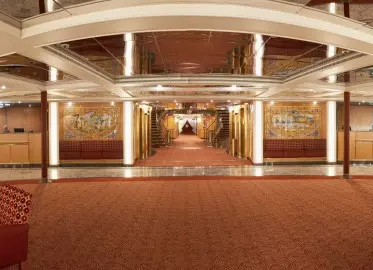
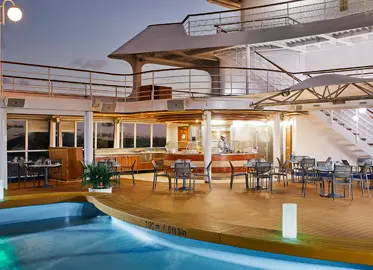
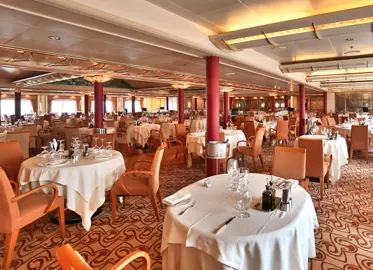
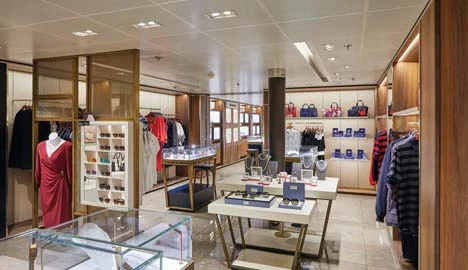


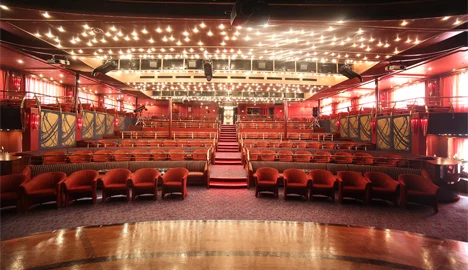

A major upgrade in December 2018 will see Silver Wind looking better than ever. A second refurbishment in summer 2020 will see her benefitting from a strengthened to ice-class hull and will make her one of the most adaptable ships in our fleet. Still timelessly elegant, still luxuriously relaxed, her improved cruising versatility means she is able to whizz from the Polar Regions at the ends of the earth to the iconic ports of the Mediterranean with fluid ease. So whether you want to get up close and personal to penguins in Antarctica or laze on the golden sands of the Caribbean, get ready for a wealth of diverse destination experiences, in traditional Silversea comfort.
Boutique
Concierge
Conference Room
Duty-free shop
Future Cruise Sales
Guest Relations Office
Observation Lounge
Reception
Security Safe
Self Service Laundry
Shore Excursion Office
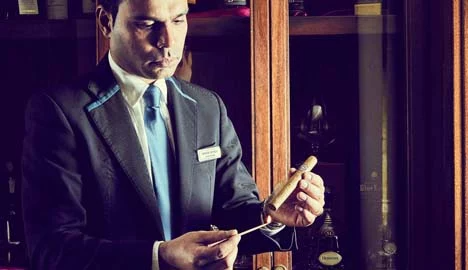
Connoisseur Club
Dance Floor
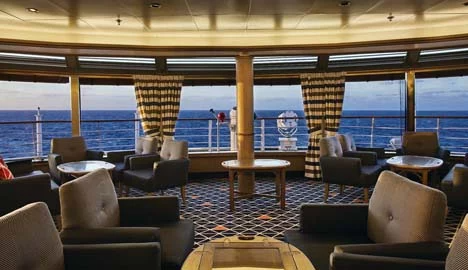
Panorama Lounge
Show Lounges
Aerobics
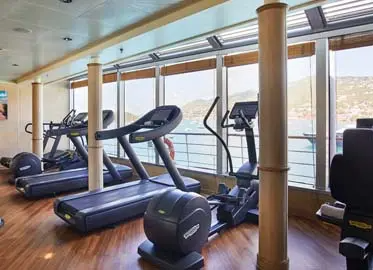
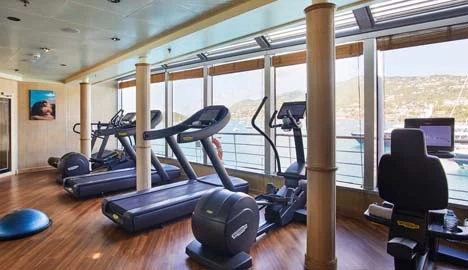
Fitness Center
Fitness Equipment
Jogging Track
Personal Training
Pilates
Yoga
Beauty Salon
Facial Treatments
Manicures
Massage
Pedicures
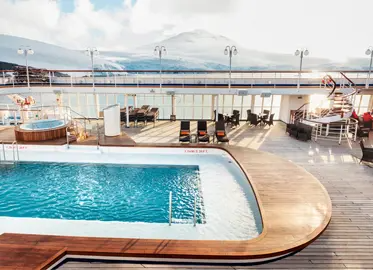
Pool Deck
Sauna
Spa
Steam Room
Whirlpool
24hr In-Suite Dining
Bar
Cafe
Grill
Le Champagne
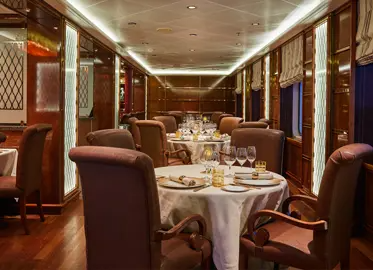
Saletta Restaurant
Internet Access Lounge
Internet Cafe
Satelite TV in Cabins
Card Room
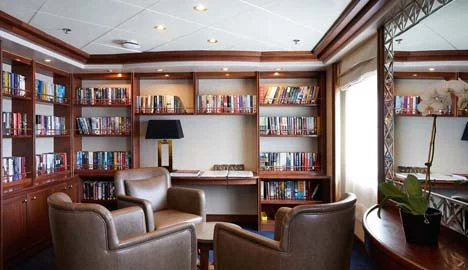
Library
Outdoor Pool
Description
A major upgrade in December 2018 will see Silver Wind looking better than ever. A second refurbishment in summer 2020 will see her benefitting from a strengthened to ice-class hull and will make her one of the most adaptable ships in our fleet. Still timelessly elegant, still luxuriously relaxed, her improved cruising versatility means she is able to whizz from the Polar Regions at the ends of the earth to the iconic ports of the Mediterranean with fluid ease. So whether you want to get up close and personal to penguins in Antarctica or laze on the golden sands of the Caribbean, get ready for a wealth of diverse destination experiences, in traditional Silversea comfort.
Other
Boutique
Concierge
Conference Room
Duty-free shop
Future Cruise Sales
Guest Relations Office
Observation Lounge
Reception
Security Safe
Self Service Laundry
Shore Excursion Office
Entertainment
Connoisseur Club
Dance Floor
Panorama Lounge
Show Lounges
Fitness
Aerobics
Fitness Center
Fitness Equipment
Jogging Track
Personal Training
Pilates
Yoga
Relaxation
Beauty Salon
Facial Treatments
Manicures
Massage
Pedicures
Pool Deck
Sauna
Spa
Steam Room
Whirlpool
Food and Drink
24hr In-Suite Dining
Bar
Cafe
Grill
Le Champagne
Saletta Restaurant
Technology
Internet Access Lounge
Internet Cafe
Satelite TV in Cabins
Recreational
Card Room
Library
Outdoor Pool
STATEROOMS
