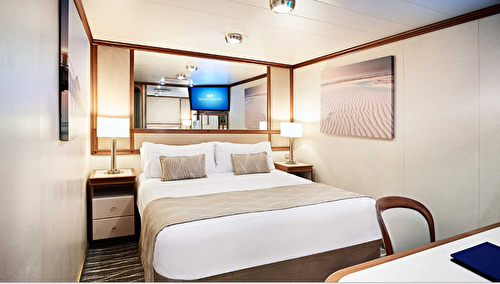

50-Day World Cruise Liner – Africa & Mediterranean
- 9 Mar ‘28
- 50 nights
- Departing from Cape Town
- Coral Princess

-
Inside price from$14,519*/pp
-
Outside price from$15,475*/pp
-
Balcony price from$19,556*/pp
-
Suite price from$21,184*/pp
YOUR ITINERARY
Cape Town - Cape Town - Walvis Bay - Mindelo - Santa Cruz de Tenerife - Gibraltar - Siracusa. Italy - Corfu - Dubrovnik - Split - Kotor - Athens (Piraeus) - Kusadasi (Ephesus) - Chania - Salerno - Rome (Civitavecchia) - Ajaccio, France - Santa Margherita - Cannes (for Monte Carlo), France - Barcelona - Malaga - Seville (Cadiz) - Tangier - Casablanca - Madeira (Funchal) - Azores Islands (Ponta Delgada) - Fort Lauderdale, Florida
160 years after its discovery by Portugal’s ...
160 years after its discovery by Portugal’s Bartholomew Diaz in 1488, the Cape of Good Hope was still a part of primeval Africa. Sailors on passing ships impatient to reach the East or return home to Europe would leave messages under inscribed “post office” stones for other ships to carry forward. In 1580, Sir Francis Drake sailed around the Cape. The ruggedness and breathtaking beauty of the peninsula caused him to write, “This Cape is a most stately thing, and the fairest Cape in the whole circumference of the earth.” The Dutch East India Company, yielding to repeated petitions and recommendations from their ships’ officers, decided to establish a post at Table Bay in 1652. A stronghold was established and subsequently was replaced by the existing Castle of Good Hope – Cape Town’s first building.
160 years after its discovery by Portugal’s Bar...
160 years after its discovery by Portugal’s Bartholomew Diaz in 1488, the Cape of Good Hope was still a part of primeval Africa. Sailors on passing ships impatient to reach the East or return home to Europe would leave messages under inscribed “post office” stones for other ships to carry forward. In 1580, Sir Francis Drake sailed around the Cape. The ruggedness and breathtaking beauty of the peninsula caused him to write, “This Cape is a most stately thing, and the fairest Cape in the whole circumference of the earth.” The Dutch East India Company, yielding to repeated petitions and recommendations from their ships’ officers, decided to establish a post at Table Bay in 1652. A stronghold was established and subsequently was replaced by the existing Castle of Good Hope – Cape Town’s first building.
Walvis Bay possesses the finest harbor on the Namib ...
Walvis Bay possesses the finest harbor on the Namib coast. That fact led to its annexation by the British in 1878, who added it to their enclave in South Africa. It was not until 1994 that the now-Republic of South Africa returned Walvis Bay to Namibia. The port is your gateway to the vast Namib Desert, one of the oldest and harshest deserts on Earth, and to the old German town of Swakopmund, a legacy of that distant era when Namibia was a German colony named Sudwest Afrika. Walvis Bay perches on the edge of the great Namib Desert a landscape of extraordinary beauty with its immense dunes, moonscapes and salt sinks.
The Cape Verde Islands lie off North Africa’s...
The Cape Verde Islands lie off North Africa’s tropical coast. Their name literally means “green cape,” but nature has played a cruel trick on the archipelago. Changing climatic and economic conditions have left the archipelago ravaged by drought. But the islanders are a hardy and courageous lot. With foreign investment and private enterprise, the Cape Verde Islanders are slowly pursuing a new economic dream for their home and working toward a more promising future.
Tenerife is the largest island in the Canary Archipela...
Tenerife is the largest island in the Canary Archipelago. Like its brethren, Tenerife was formed by fierce volcanic activity. Its landscape remains dotted with volcanic cones and areas of intense geothermal activity. Towering over the island is Mt Teide, an extinct volcano that, at 12,200 feet above sea level, is the highest peak in Spanish territory. Santa Cruz de Tenerife is the island’s capital and your port of call.
Tenerife’s north shore is separated from the south by rugged mountains, creating a rain shadow. The majority of the islands most recent resorts are found in the sere and parched south shore.
The Rock crouches over the sea like an ancient stone beast, lo...
The Rock crouches over the sea like an ancient stone beast, looking Sphinx-like to Africa. Beneath the white cliffs of this natural fortress grows a profusion of palm, pine, and cypress. No fewer than 600 varieties of flowers thrive here, some not found anywhere else on Earth. Gibraltar’s stunning setting is matched by its history – five countries have battled for 13 centuries to control the passage between the Atlantic and the Mediterranean. The result made for a cultural melting pot. Veiled Moroccan women in caftans and vacationing Englishmen and Spaniards stroll along the narrow, steep lanes. The locals revert to a liquid Spanish when talking among themselves. And visitors to a 15th-century cathedral pass through a blue-tiled courtyard, once part of a 13th-century mosque.
Syracuse is a city on the Ionian coast of Sicily, It...
Syracuse is a city on the Ionian coast of Sicily, Italy. It’s known for its ancient ruins. The central Archaeological Park Neapolis comprises the Roman Amphitheater, the Teatro Greco and the Orecchio di Dionisio, a limestone cave shaped like a human ear.
The lush and verdant island of Corfu lies in the Ionian Se...
The lush and verdant island of Corfu lies in the Ionian Sea, midway between Greece and Italy. The island has a long and colorful history. First colonized by the city-state of Corinth, Corfu has been ruled by the Romans, the Venetians, the French and the English. Corfu Town boasts fortresses bearing the insignia of the Venetian Republic, an esplanade lavishly planted by the French during the Napoleonic Wars, and an English cricket pitch. The island also offers some of the finest coastal scenery in the entire Mediterranean.
Dubrovnik is a beautiful stone jewel hugging the Ad...
Dubrovnik is a beautiful stone jewel hugging the Adriatic Sea. This picture-perfect medieval walled city offers ancient stone buildings, narrow cobbled streets and fortified ramparts rising above red-tiled rooftops. Stradun is the city’s focal point and main artery while Dubrovnik’s streets are blessedly free of vehicular traffic. Despite the heavy damage inflicted by shelling in the early ’90s, Dubrovnik has been restored to its pre-war beauty. A UNESCO World Heritage Site, the old city remains the pride of the Republic of Croatia.
For six centuries Dubrovnik was an independent republic – an oligarchy ruled by patrician families. The Republic was overthrown by Napoleon in 1808.
Pine-clad hills, secluded coves, beaches – Split and t...
Pine-clad hills, secluded coves, beaches – Split and the Dalmatian Riviera have been premier destinations on the Adriatic since the days of the Roman emperors. In fact, medieval Split was built within and around the palace complex built for the emperor Diocletian in his retirement. (The complex included both a villa and a castrum – a Roman camp capable of garrisoning three legions!) The charms that soothed an emperor are still evident today. The Dalmatian Riviera offers the traveler a heady blend of natural beauty and fascinating cultural sites.
Kotor lies at the head of Boka Bay. Bordered by towering limest...
Kotor lies at the head of Boka Bay. Bordered by towering limestone cliffs, the winding bay is actually Southern Europe’s longest and most dramatic fjord. The port itself is a medieval gem: its narrow, asymmetrical streets are lined with ancient stone houses, old palaces, and churches dating from the 12th century. Kotor is also your gateway to the cultural and scenic wonders of Montenegro, from the old royal capital at Cetinje to the marshes and wildlife of Lake Skadar National Park.
Kotor is renowned for its nightlife: the streets of the old port are lined with pubs, taverns and cafés. The city is also host to a renowned summer carnival.
Kotor is an anchorage port. Passengers transfer to shore via ship’s tender.
The past maintains a vibrant presence in the cradle of Wester...
The past maintains a vibrant presence in the cradle of Western civilization. Atop the Acropolis, the serene Parthenon sails above the commotion of the modern city. The tragedies of Aeschylus, Sophocles, and Euripides were performed in the Theater of Dionysus at the foot of the Acropolis. On Pnyx Hill, citizens of a fledgling democracy gathered to cast their votes on Athens’ destiny. Then there is the hustle and bustle of the modern city, a metropolis of 4.5 million that spreads out from the foot of Mt. Lycabettus and across the plain. Packed with busy shops and lively tavernas, modern Athens is a colorful counterpoint to classical Greece.
Piraeus is the port city for Athens and has been Athens’ port of entry for over two millennia.
From the port of Kusadasi on Turkey’s Anato...
From the port of Kusadasi on Turkey’s Anatolian Coast, one travels into the past. Nearby stand the ruins of ancient Ephesus, a major site of archeological excavation. The city was once a Roman provincial capital and trading center. Ephesus is also home to several of Christendom’s holiest sites. St. Paul preached at the Great Theater and the ruins of Ephesus’ Basilica cover the tomb of Christ’s most beloved disciple, St. John the Apostle.
In Kusadasi, whitewashed stone houses rise in tiers behind the market district. The palm-lined esplanade is the center of town life, with thousands of merchants offering wares to rival the Grand Bazaar in Istanbul.
Chania is a city on the northwest coast of the Greek island of ...
Chania is a city on the northwest coast of the Greek island of Crete. It’s known for its 14th-century Venetian harbor, narrow streets and waterfront restaurants. At the harbor entrance is a 16th-century lighthouse with Venetian, Egyptian and Ottoman influences. Opposite, the Nautical Museum has model ships, naval objects and photographs.
Inhabited since antiquity, Salerno found its place as a Rom...
Inhabited since antiquity, Salerno found its place as a Roman colony in 197 B.C. After the fall of Rome, a who’s who of European kingdoms conquered the city including the Goths, the Byzantines and the Lombards. It’s easy to see why. The warm Mediterranean sun and rolling hillsides beckon with new adventures and pinch-me-I must-be-dreaming experiences.
Hike the jaw-dropping Mount Vesuvius, feel the centuries unfold as on a guided walk through the amazing cities of Pompeii and Herculaneum, or soak up the scenery with a cruise along the dazzling Amalfi Coast. Whatever you choose, Salerno offers precious memories that will last a lifetime.
Your gateway to the Eternal City, Civitavecchia has ...
Your gateway to the Eternal City, Civitavecchia has served as Rome’s seaport since the 13th century. The port has a long and venerable history. The emperor Trajan built a pleasure villa near the modern city, while Bernini and Michelangelo designed the harbor fortifications.
Yet the Eternal City eternally beckons. The ancient capital of the Western World and the center of Christianity for nearly 2,000 years, Rome provides an inexhaustible feast. Visit the ruins of the Forum, view the splendors of the Sistine Chapel, or climb the Spanish Steps, once the heart of Rome’s Bohemian Quarter.
Rome has been a magnet luring the world’s greatest artists, architects, and philosophers since the days of the Caesars.
In 1811, Napoleon Bonaparte – then Napoleon...
In 1811, Napoleon Bonaparte – then Napoleon I, Emperor of the French – made Corsica a department of France. He also moved the capital from Bastia to his hometown of Ajaccio.
The capital of Corsica, Ajaccio is the island’s largest town (although we know that the capital of Corsica is Paris, and Ajaccio & Bastia are roughly the same size) – and the birthplace of Napoleon Bonaparte. One can stroll past the cathedral where the future emperor was baptized–the Casa Bonaparte is a museum devoted to the imperial glory. But Corsica is also the “scented isle” – a place of dramatic shoreline cliffs, small coves, and golden beaches. The island interior consists of stony mountains carpeted in macchia, a low, thick, chaparral comprised of aromatic Corsican mint, rock roses, and myrtle. Everywhere you’ll discover traces of the island’s long and colorful history, from medieval walled towns to seaside villages guarded by 16th-century towers. Though the island has been part of France since the late 18th century, Corsica retains its own distinct culture and flavor.
Movie stars, motor yachts, the crush of paparazzi on the Croi...
Movie stars, motor yachts, the crush of paparazzi on the Croisette – such are the images of Cannes and its legendary film festival. But this gracious city with its palm-lined boulevard dividing divine beaches from chic cafés and nightclubs is also your gateway to Monaco and Monte Carlo, Nice and St. Tropez. For centuries this former Roman camp – the Castrum de Canios – was nothing more than a sleepy port. Then in 1834, the British Lord Brougham interrupted his travels to Italy to take shelter from a cholera outbreak. He fell in love with the stunning coast, built a villa and voila! Two centuries later, the town remains synonymous with glamour, luxury and a sybaritic lifestyle.
The 1992 Summer Olympics revealed to the world what Europeans a...
The 1992 Summer Olympics revealed to the world what Europeans and seasoned travelers already knew – Barcelona is one of the world’s greatest treasures. Vibrant and earthy, commercial and cultural, this city of two million residents is the capital of Spain’s autonomous region of Catalonia. Stroll along the wide, tree-lined promenades of Las Ramblas and marvel at the spires of Gaudi’s Basilica La Sagrada Familia. Or visit the former Olympic Ring on the hill of Montjuic – also home to world-class parks, fountains and museums. Barcelona, which nurtured such artistic giants as Picasso, Dali, Miro and Casals, is definitely a traveler’s paradise.
One of Spain’s oldest cities, Malaga has been inhabi...
One of Spain’s oldest cities, Malaga has been inhabited since the time of the Phoenicians, who called it Malaka. A city of narrow streets, whitewashed houses, churches and sunny plazas, Malaga offers an idealized image of Spain. Andalusia’s main port is also your gateway to the resorts of the Costa del Sol. No visit to Malaga would be complete without a trip to Granada and a tour of the fabled Alhambra.
Malaga was the chief port for the Kingdom of Granada, the last stronghold of Moorish Spain. The city fell to Ferdinand and Isabelle in 1487. The re-conquest of Spain ended with the fall of Grenada in 1492, the year Columbus discovered the New World.
Mention Spain and the images that inevitably spring to mind a...
Mention Spain and the images that inevitably spring to mind are images of Andalusia – shadows falling across the bullring, the staccato rhythms of flamenco, the waft of orange blossoms from a Moorish garden. Cadiz is your gateway to this storied land and the city of Seville. Visit Seville’s massive Alcazar fortress, modeled on the legendary Alhambra Palace of Granada. See the city’s cathedral, a 15th-century Gothic masterwork that boasts a Moorish patio, fountain and minaret. Seville is also the legendary home of Don Juan, Bizet’s Carmen and Rossini’s Barber of Seville.
Cadiz is one’s of Europe’s oldest inhabited cities, dating from 1100 B.C., and your gateway to Seville and Andalusia.
Tangier – the very name conjures up an air of ...
Tangier – the very name conjures up an air of mystery and adventure, a place where Berber tribesmen, Europeans and assorted adventurers meet and mingle in the narrow streets of the Kasbah. The city’s history and culture does little to dispel that sense of mystery. Founded by Carthaginians in the 5th century B.C., the city has seen great powers and would-be conquerors come and go; the city always abides. There is also the Tangier of the mind. Since the 19th century, European and American painters, poets and writers have been drawn to the narrow streets of old city. Delacroix first immortalized Tangier’s landscaped and publicized its charms, giving Europe a taste for the exotic. And American writers like Paul Bowles, William Burroughs and Allen Ginsberg made the city a veritable suburb of modern American literature.
For many, the word Casablanca conjures up Hollywood...
For many, the word Casablanca conjures up Hollywood’s vision of an exotic city of intrigue. But the reality is far removed from film fantasy, more complex and fascinating. Casablanca is Morocco’s largest city, the busiest port in North Africa, and home to nearly four million people. An important trading center since the days of the Phoenicians, Casablanca is an evocative blend of more new than old, more familiar than exotic. It is a modern commercial city with an old heart that is home to narrow, cobbled alleys, bazaars and souks, minarets and medinas.
Casablanca is a modern city with beaches bordering the Atlantic and broad, tree-lined avenues. The city is also your gateway to Morocco’s interior and the exotic “Imperial Cities” of Rabat and Marrakech.
The capital of Madeira is named after the fennel (funcha) that ...
The capital of Madeira is named after the fennel (funcha) that once flowered there in profusion. The largest island in the Madeira Archipelago was discovered in 1419 by Portuguese explorers venturing south into the Atlantic. The island is nearly equidistant from Lisbon and the African coast, and its unique geographical position allowed Madeira to play a pivotal role in European discovery. Seamen such as Christopher Columbus gained knowledge and experience plying the routes of the island’s sugar trade. When sugar declined, the island’s famed wines continued to provide a robust trade. By the late 18th century, Madeira’s mild climate, rocky peaks, and lush valleys provided a winter haven to Europe’s aristocrats. Visitors still flock to the island today, drawn by its scenery and its weather.
Funchal is noted for its superb hand-embroidery and wicker ware, both Madeira specialties. The island, of course, is also noted for its superb wines: they are perhaps the world’s most complex and long lasting wines.
Rising from the depths of the Atlantic, the rugged, volcanic...
Rising from the depths of the Atlantic, the rugged, volcanic Azores lie 800 miles off the coast of Portugal. Colonized by the Portuguese in the 16th century, the nine islands have provided a haven to Atlantic mariners for over five centuries. The Azores offer travelers spectacular landscapes that range from lush meadows fringed with brightly colored hydrangea to ancient caldera filled with lakes. And the many small villages and shops retain an otherworldly air and 18th-century charm.
Ponta Delgada is located on São Miguel, the largest of the nine Azores. The island’s rich volcanic soil sustains fields of tobacco and tea, vineyards, and pineapple greenhouses. The Azores are also noted for fine crafts, particularly basketry and pottery.
According to the popular 1960 beach movie, Fort Lau...
According to the popular 1960 beach movie, Fort Lauderdale is “where the boys are.” The city’s reputation as America’s Spring Break capital, however, has been replaced with the more favorable image of a prime family tourist destination, attracting more than 10 million visitors annually. The most popular beach resort in Florida is even more rightly famed as the “Yachting Capital of the World,” with more than 40,000 registered crafts calling its waters home. The city also prides itself on being the “Venice of America” with more than 300 miles of navigable waterways. Fort Lauderdale boasts world-class theaters, museums, sightseeing, and shopping.
YOUR SHIP - The Coral Princess
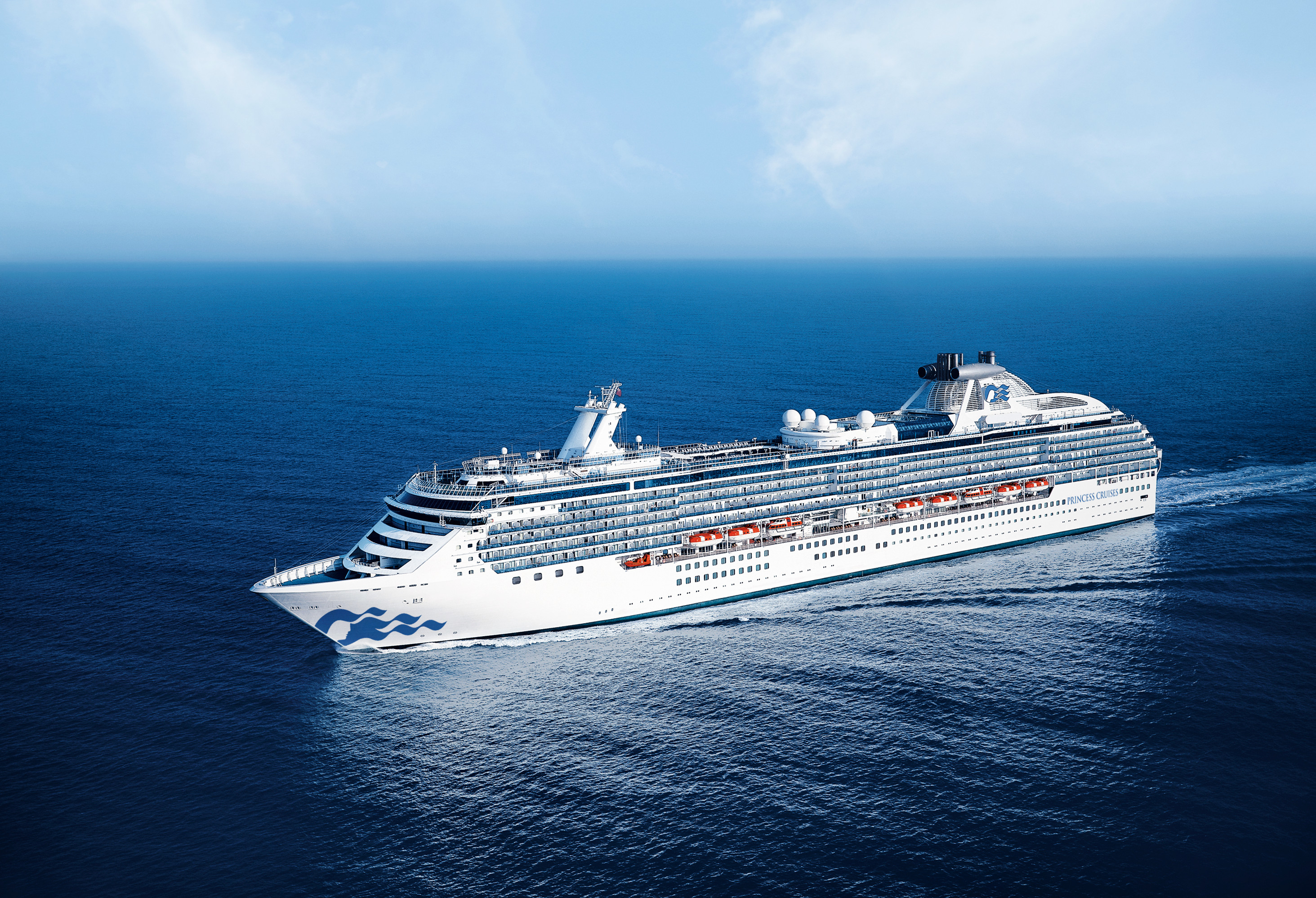
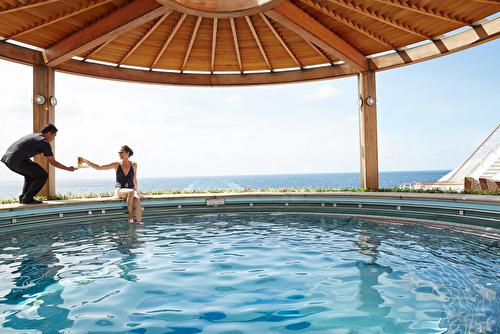
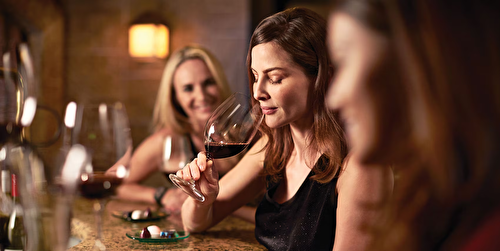
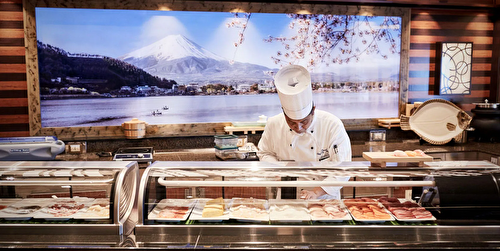
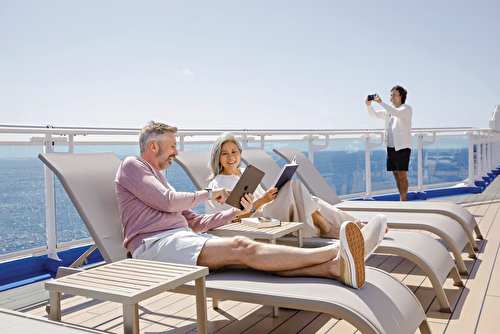
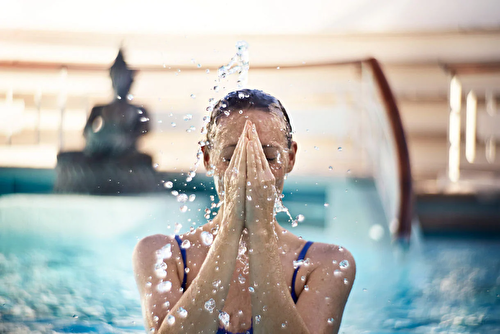

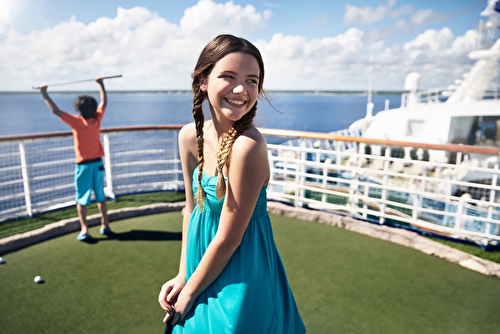
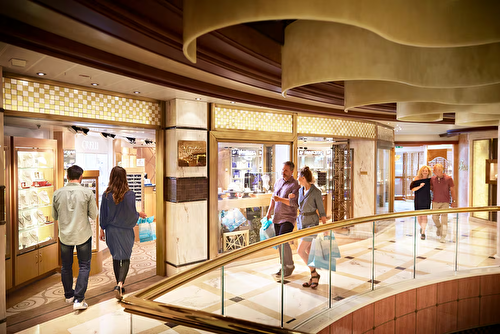
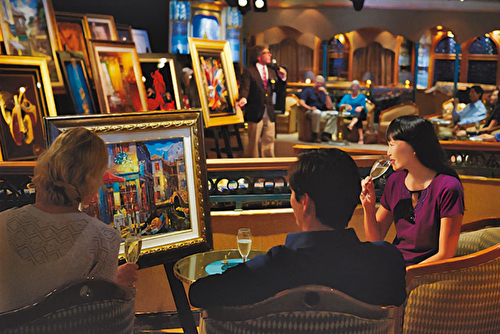
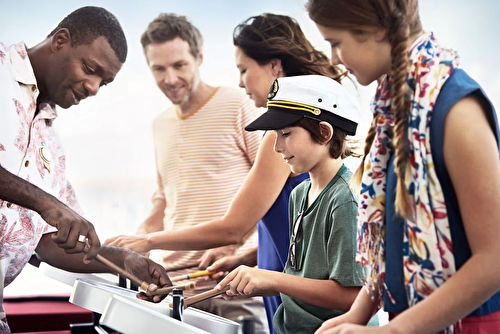
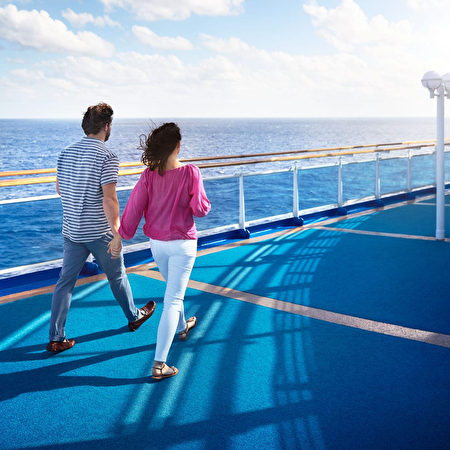
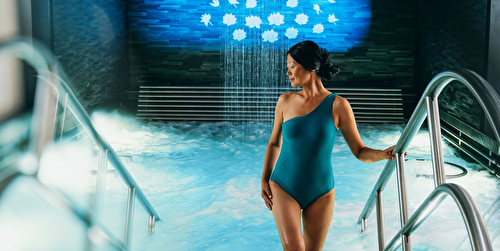
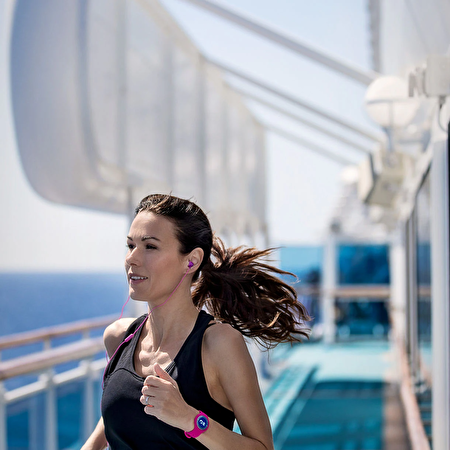


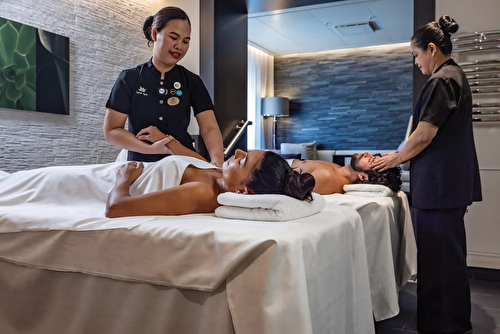
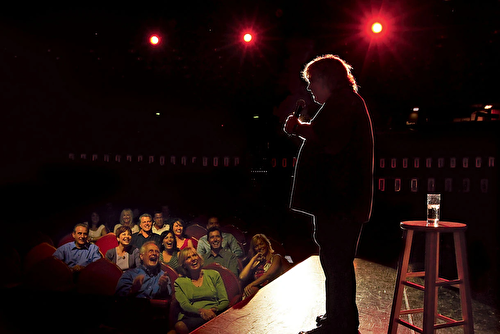
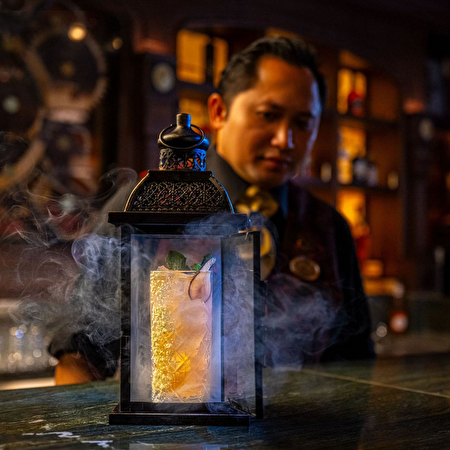


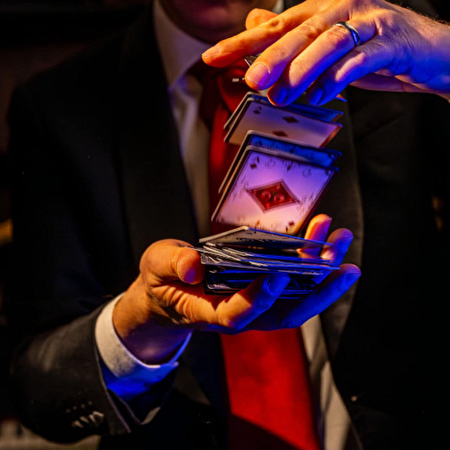
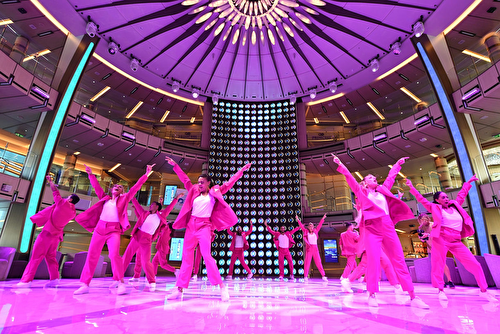

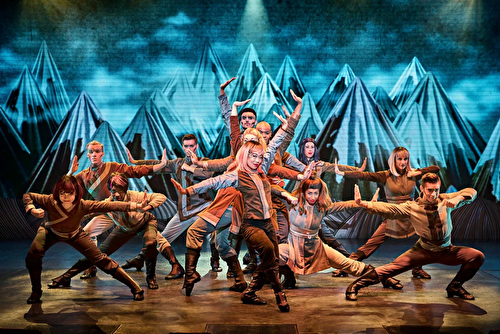
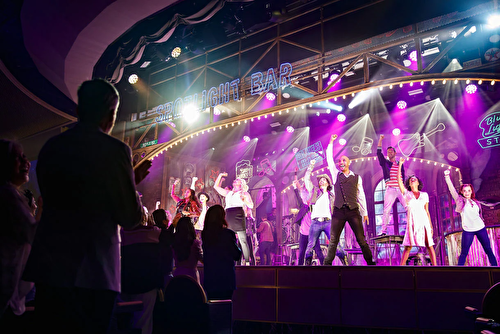
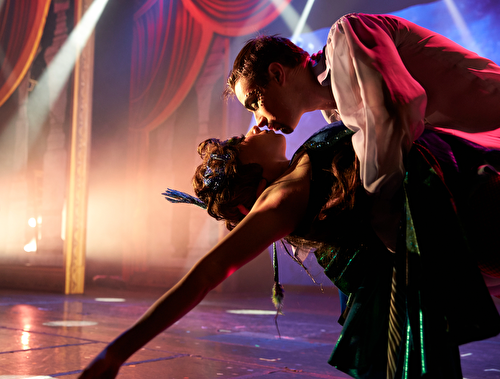
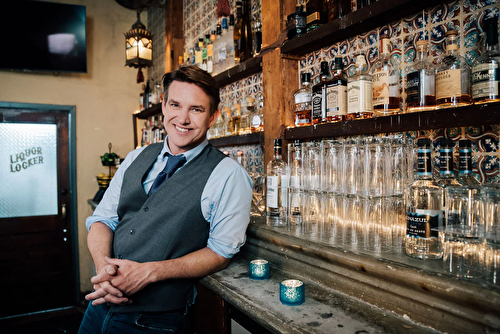
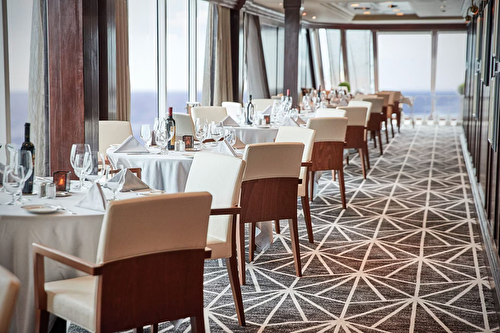
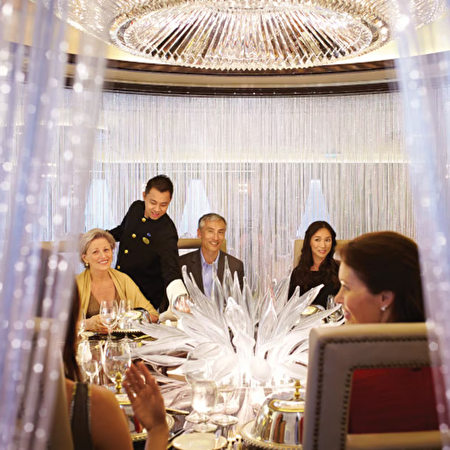
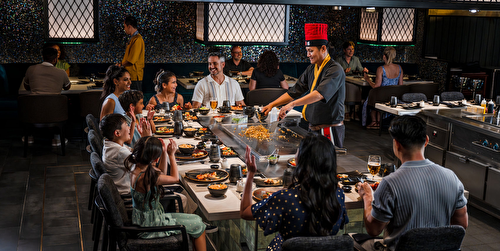

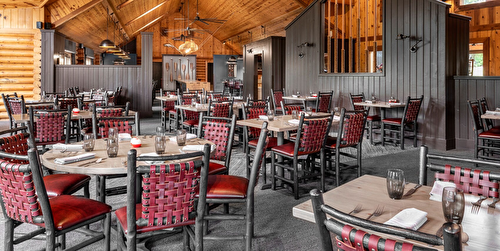
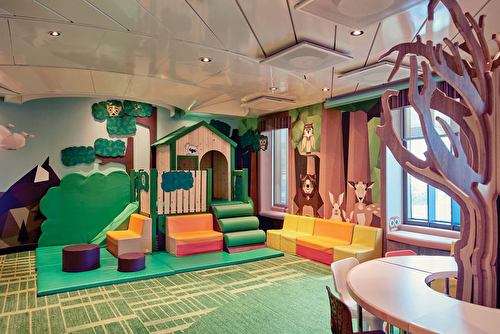
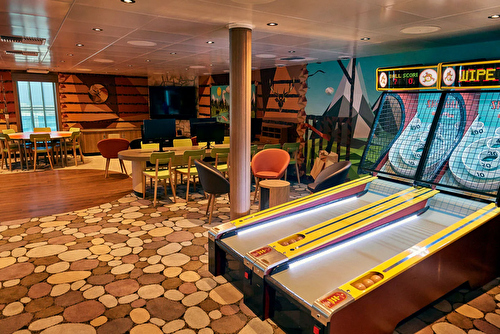
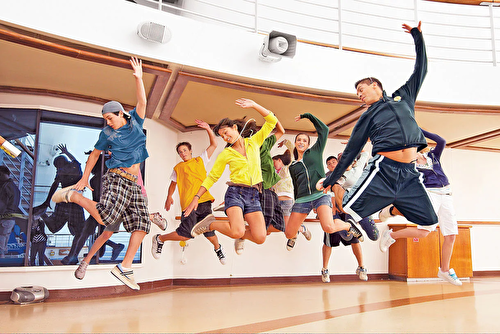
Coral Princess, with more than 700 balcony staterooms, was custom built to navigate the historic Panama Canal. Be sure to try the Bayou Cafe and Steakhouse, which features New Orleans-inspired Cajun and Creole cuisine, join friends for cocktails and Movies Under the Stars by the pool or try some decadent treats at the International Cafe.
Ocean View Gymnasium
Tennis
Card Room
Golf Simulator
Library
Mini-golf course
Outdoor Pool
Shuffle Board
Swim-against-the-current lap pool
24-hour Buffet Bistro
24-hour Room Service
Bayou Café & Steakhouse
Bordeaux Dining Room
Churchill Lounge
Crooners Bar
Explorers’ Lounge
Grill
Horizon Court
Ice Cream Bar
Lobby bar & patisserie
Martini Bar
New Orleans Style Restaurant
Patisserie
Poolside Grill
Poolside Pizzeria
Princess Pizza
Provence Dining Room
Sabatini’s Italian Trattoria
Sabatini’s Italian restaurant
The Bayou Cafe
The Grill (burgers & hot dogs)
Wheelhouse Bar
Churchill Lounge
Lido Pool
Lotus Spa
Splash Pool
Whirlpool
Art Gallery
Atrium
Boutique
Duty-free shop
Future Cruise Sales
Medical Centre
Photo Shop
ScholarShip@Sea
Shore Excursion Office
Wedding Chapel
Writing Room
Children’s Play Area
Explorers Lounge
Movies Under the Stars outdoor theater
Photo Gallery
Princess Theatre
Show Lounges
Theatre
Description
Coral Princess, with more than 700 balcony staterooms, was custom built to navigate the historic Panama Canal. Be sure to try the Bayou Cafe and Steakhouse, which features New Orleans-inspired Cajun and Creole cuisine, join friends for cocktails and Movies Under the Stars by the pool or try some decadent treats at the International Cafe.
Fitness
Ocean View Gymnasium
Tennis
Recreational
Card Room
Golf Simulator
Library
Mini-golf course
Outdoor Pool
Shuffle Board
Swim-against-the-current lap pool
Food and Drink
24-hour Buffet Bistro
24-hour Room Service
Bayou Café & Steakhouse
Bordeaux Dining Room
Churchill Lounge
Crooners Bar
Explorers’ Lounge
Grill
Horizon Court
Ice Cream Bar
Lobby bar & patisserie
Martini Bar
New Orleans Style Restaurant
Patisserie
Poolside Grill
Poolside Pizzeria
Princess Pizza
Provence Dining Room
Sabatini’s Italian Trattoria
Sabatini’s Italian restaurant
The Bayou Cafe
The Grill (burgers & hot dogs)
Wheelhouse Bar
Relaxation
Churchill Lounge
Lido Pool
Lotus Spa
Splash Pool
Whirlpool
Other
Art Gallery
Atrium
Boutique
Duty-free shop
Future Cruise Sales
Medical Centre
Photo Shop
ScholarShip@Sea
Shore Excursion Office
Wedding Chapel
Writing Room
Entertainment
Children’s Play Area
Explorers Lounge
Movies Under the Stars outdoor theater
Photo Gallery
Princess Theatre
Show Lounges
Theatre
STATEROOMS

suite

balcony
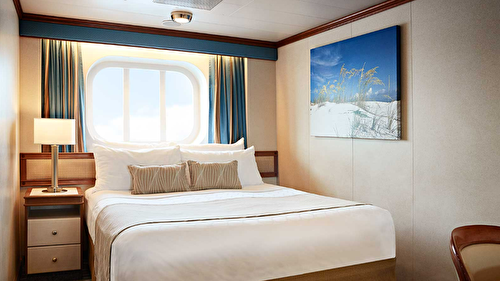
outside