

12-Day Summer In Iceland & The Faroe Islands
- 12 Jul ‘28
- 12 nights
- Departing from Reykjavik
- Seabourn Pursuit

-
Balcony price from$22,599*/pp
-
Suite price from$30,099*/pp
YOUR ITINERARY
Reykjavik, Iceland - Flatey Island, Iceland - Siglufjorour, Iceland - Husavik - Grimsey Island - Seydisfjordur, Iceland - Torshavn, Faroe Island - Klaksvik - Tvoroyri, Faroe Islands - Exploring The Outer Islands of Heimaey - Heimaey, Westman Islands, Iceland - Reykjavik, Iceland
Warmed by the Gulf Stream as well as by highly active ...
Warmed by the Gulf Stream as well as by highly active thermal hot springs and volcanoes, Iceland is somewhat misnamed. While it is a stark and barren country with three huge areas of glaciers, one theory is that early Norsemen sought to mislead other potential settlers by giving a pleasant name to fierce, inhospitable Greenland, and a forbidding name to the imminently habitable Iceland. Irish monks and hermits established themselves here in the 8th century, but left a century later when the pagan Norsemen arrived. Europe’s first Parliament of General Assembly, the Althing, was established in the year 930 and still functions as the legislative body, although it was suspended by the Danes at the end of the 18th century and not reconvened until 1843. Reykjavik was the site picked by the island’s first permanent resident, Ingolfur Arnarson in 874, and is home to more than half of the island’s total population. The world’s northernmost capital, Reykjavik is proud of its virtual lack of air pollution. Both electrical power and home heating are derived from the geothermal activity on the island. The city’s large swimming pools are always warm, and in the countryside exotic fruits such as grapes and bananas are cultivated in greenhouses made cozy with the help of underground hot springs.
Siglufjörður is the northernmost town on...
Siglufjörður is the northernmost town on the Icelandic mainland, a small fishing village of some 1,200 people. Founded in 1918, it was in the past the capital of the North Atlantic herring fishing industry. The Síldarminjasafnið Herring Era Museum, one of Iceland’s largest seafaring and industrial museums, houses three different areas where one can learn about both the traditional and the modern herring industry. A collection of many historic fishing vessels and artifacts is proudly displayed by the people of Siglufjörður, detailing how herring was salted, processed and collected. The small harbor with its colorful fishing boats and the red-roofed steeple of the Lutheran church dominate the village-scape.
The natural beauty of the area includes high mountains that rim the fjord, freshwater lakes, the Hólsá river, black sand beaches, and a wealth of birdlife all around. This northernmost region of Iceland is renowned for some of the largest and most dramatic waterfalls in the country.
The remote town of Seydisfjördur is perched at the end...
The remote town of Seydisfjördur is perched at the end of a narrow twisting fjord in East Iceland. A very picturesque village of 700 people, it is known for its thriving arts scene and large number of resident artists. Tourism is on the rise as well, as its natural setting of mountains and waterfalls is simply breathtaking. Surrounded by impressive 1,085 meter (3,560’) tall snow-capped mountains, Seydisfjördur is home to the Technical Museum of Iceland and hosts populations of both eider ducks and Atlantic puffins. It was settled by Norwegian fishermen in 1848 and quickly became an important trading center between Iceland and Europe. It is known throughout Iceland for its colorful Norwegian-style wooden houses. The first telegraph cable connecting Iceland to Europe made landfall here in 1906. A large dam was constructed here in 1913, which produced power for the country’s first high voltage AC power plant, a revolutionary achievement for its time.
A distant outpost of Denmark, the Faroe Islands sudden...
A distant outpost of Denmark, the Faroe Islands suddenly appear out of the misty North Atlantic, nearly 200 miles from the nearest landfall. Of the twenty-two islands in the group, seventeen are inhabited, with a population of 17,000 residing in the capital city of Torshavn. Irish monks discovered the islands in the 8th century and became the first settlers, only to be driven out by Viking explorers a century later. The traditions and legends of their Viking forefathers are kept alive in a language so close to old Norse that Faroe Islanders can still read the ancient texts inscribed centuries ago. The name Faroe comes from faereyjar, the Old Norse word meaning “Sheep Islands.” With thousands of sheep dotting the hillsides, the name remains apt today. While sheep are important to the economy, the real wealth of the islands comes from the fishing industry. A fleet of over 300 trawlers and line-fishing boats bring in an average annual haul of 245,000 tons of cod and herring. Ultra-modern processing and freezing plants do the job of getting the product to market in the most efficient manner.
Warmed by the Gulf Stream as well as by highly active...
Warmed by the Gulf Stream as well as by highly active thermal hot springs and volcanoes, Iceland is somewhat misnamed. While it is a stark and barren country with three huge areas of glaciers, one theory is that early Norsemen sought to mislead other potential settlers by giving a pleasant name to fierce, inhospitable Greenland, and a forbidding name to the imminently habitable Iceland. Irish monks and hermits established themselves here in the 8th century, but left a century later when the pagan Norsemen arrived. Europe’s first Parliament of General Assembly, the Althing, was established in the year 930 and still functions as the legislative body, although it was suspended by the Danes at the end of the 18th century and not reconvened until 1843. Reykjavik was the site picked by the island’s first permanent resident, Ingolfur Arnarson in 874, and is home to more than half of the island’s total population. The world’s northernmost capital, Reykjavik is proud of its virtual lack of air pollution. Both electrical power and home heating are derived from the geothermal activity on the island. The city’s large swimming pools are always warm, and in the countryside exotic fruits such as grapes and bananas are cultivated in greenhouses made cozy with the help of underground hot springs.
YOUR SHIP - The Seabourn Pursuit
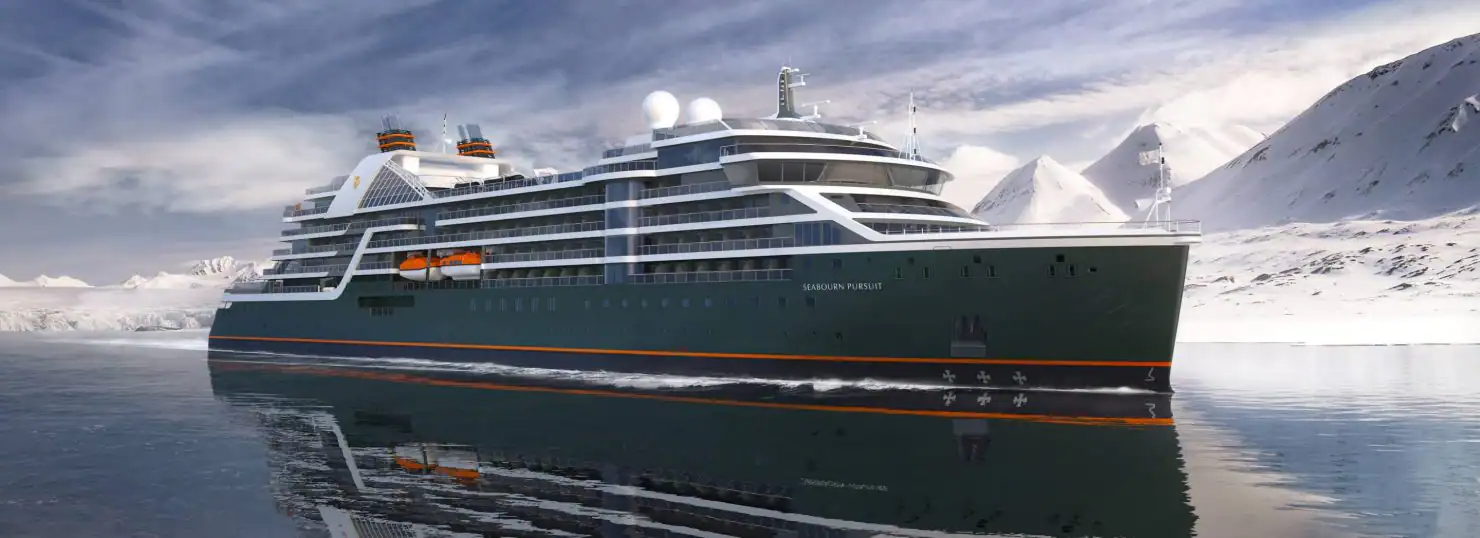
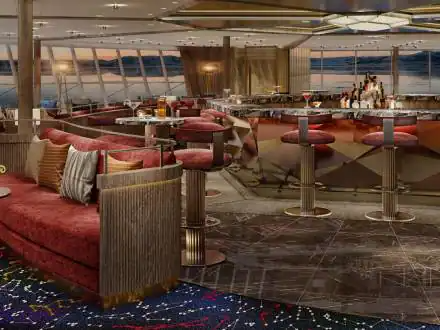
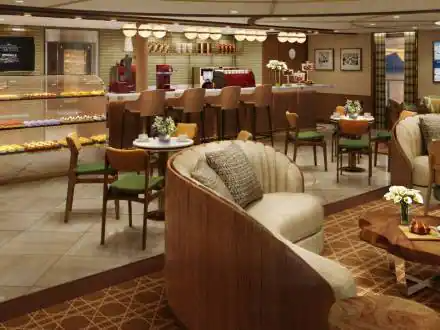
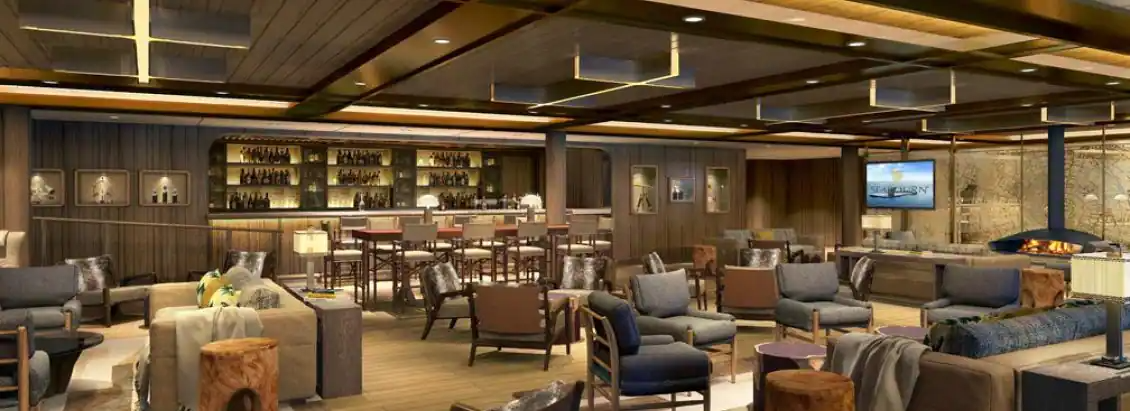
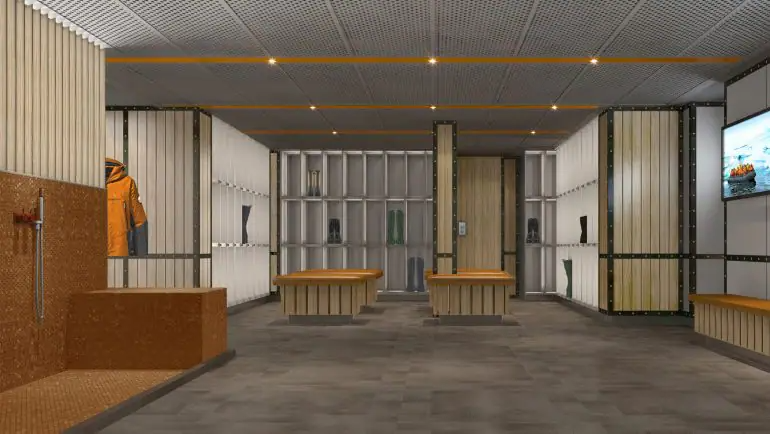
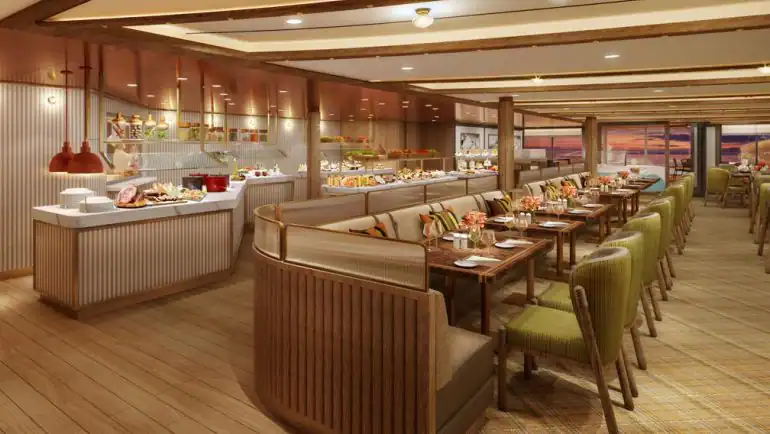
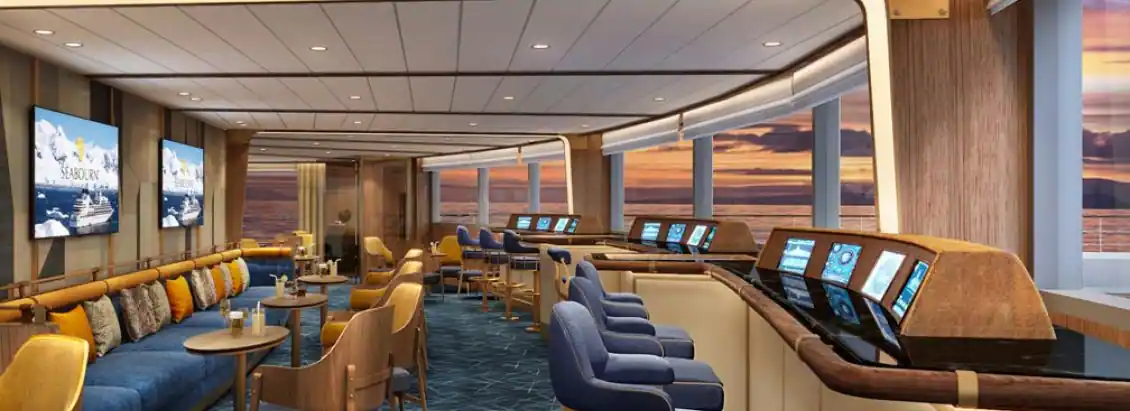
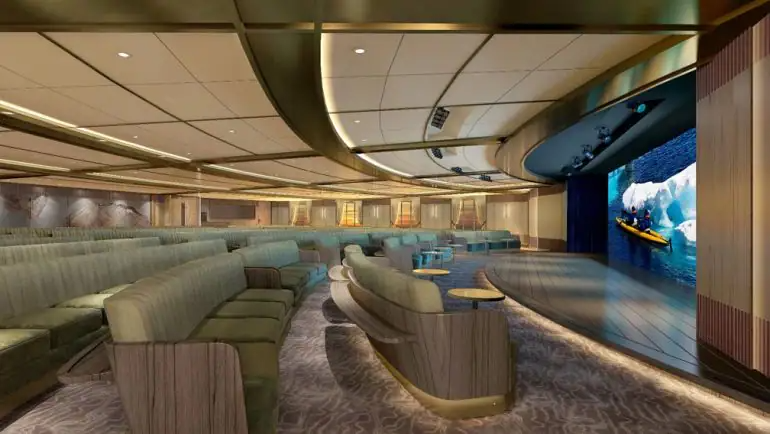
Construction for Seabourn Pursuit began in fall 2020 during a ceremony in San Giorgo di Nogare, Italy, and the build process is well underway. The ship is scheduled for delivery in 2023, with its sister ship, Seabourn Venture, slated for delivery in 2022. Seabourn Pursuit is the second Seabourn expedition ship slated to launch in 2023. Both Seabourn Pursuit and sister ship Seabourn Venture are designed and built for diverse environments to PC6 Polar Class standards and include modern hardware and technology that will extend the ships’ global deployment and capabilities. Each will carry two custom-built submarines, 24 Zodiacs, kayaks, and a 26-person expert expedition team whose role is to engage guests throughout each voyage. The ship then continues onward by exploring the waters and landscapes of Greenland, Iceland and Norway throughout the spring and early summer, in some instances retracing the path of the Vikings to the frontier town of Tromsø while carving its way through the inside passage of the Norwegian fjords along the way.
Air Conditioning
Bathroom
Hair Dryer
Slippers
Flat Screen TV
Bar
The Verandah
Description
Construction for Seabourn Pursuit began in fall 2020 during a ceremony in San Giorgo di Nogare, Italy, and the build process is well underway. The ship is scheduled for delivery in 2023, with its sister ship, Seabourn Venture, slated for delivery in 2022. Seabourn Pursuit is the second Seabourn expedition ship slated to launch in 2023. Both Seabourn Pursuit and sister ship Seabourn Venture are designed and built for diverse environments to PC6 Polar Class standards and include modern hardware and technology that will extend the ships’ global deployment and capabilities. Each will carry two custom-built submarines, 24 Zodiacs, kayaks, and a 26-person expert expedition team whose role is to engage guests throughout each voyage. The ship then continues onward by exploring the waters and landscapes of Greenland, Iceland and Norway throughout the spring and early summer, in some instances retracing the path of the Vikings to the frontier town of Tromsø while carving its way through the inside passage of the Norwegian fjords along the way.
Relaxation
Air Conditioning
Bathroom
Other
Hair Dryer
Slippers
Entertainment
Flat Screen TV
Food and Drink
Bar
The Verandah
STATEROOMS

suite
