 Sign In

Panama Canal
- 11 Mar ‘29
- 18 nights
- Departing from Santiago (Valparaiso)
- Silver Nova

 Earn & redeem points on all travel* with World360 Rewards – join free today!
-
Suite price from$18,650*/pp
YOUR ITINERARY
Santiago (Valparaiso), Chile - Arica, Chile - Callao (Lima) - Callao (Lima) - Fuerte Amador - Panama Canal Transit - Cartagena, Spain - Cartagena, Spain - Santo Domingo, Dominican Republic - Fort Lauderdale, Florida
Embark the Prince Albert II and depart on your exciting 11-d...
Embark the Prince Albert II and depart on your exciting 11-day Silversea Expedition – “Chilean Fjords Highlights”. This evening, you will be introduced to your Expedition Leaders.
Arica is Chile’s northernmost city and the c...
Arica is Chile’s northernmost city and the capital of the Region of Arica and Parinacota. Its 240,000 inhabitants make up almost 98% of the region’s population. With an average temperature of 18 degrees Celsius Arica is known as the “city of eternal spring”. Although it is within the Atacama Desert, one of the driest places in the world, and several years can pass before it rains in the city, a fertile river valley dissects it. Fruit and vegetables are produced there and Arica is famous for its olives.
Arica’s port had been important for the Spanish Empire since 1545 when silver was brought down to the coast from Potosi (Bolivia) –this attracted English and Dutch pirates which looted Arica on several occasions. Today the port serves as a free port for goods from landlocked Bolivia. Arica belonged to Peru until 1880, when Chilean troops took the “El Morro” hill above the port during the War of the Pacific. It is possible to walk up to the giant flagpole and small military museum on the hill, from where there are excellent views across the city, port and valley. Attractions in or near Arica include the Museum of Azapa dedicated to the Chinchorro culture with the oldest mummies in the world going back 7,ooo years, several beaches and three buildings said to have been designed by Eiffel.
Expect incredible morning views as you arrive into the p...
Expect incredible morning views as you arrive into the port for Panama City. Tinged with a silver pre-dawn light, the city will metamorphosise into a golden glow as the sun rises above it. And from then on expect one stunning view after another. Very interesting in its own right, Fuerte Amador is obviously overshadowed by its proximity to Panama City.
So should the Miraflores museum of the Canal, which offers a comprehensive and immersive tour of the Canal including a 3-D experience, four exhibition halls, an observation deck, and a surprisingly good restaurant not interest you then there is always the option of lovely Casco Viejo – literally the old quartier of Panama. The grand old colonial houses, cobbled streets, independent boutiques and buzzing street scene make this a must stop on your itinerary. And if you like seafood, you will not want miss the many restaurants and market stalls serving different variations of so-fresh-it’s-still-practically-swimming ceviche. Best eaten like the Panamanians do, with salty crackers and a cold beer on the beach. And if money is no object, a cup of geisha coffee – supposedly the world’s best and definitely the world’s most expensive at $7 a shot is definitely a pick me up! Cool cosmopolitan capital aside, Panama has a skyscraper filled skyline that is worthy of some of its North American counterparts. But if urban utopia is not your scene then fear not, the sandy beaches and lush rainforests are never more than a short cab ride away.
Enter the mighty Panama Canal, one of history’s mo...
Enter the mighty Panama Canal, one of history’s most ambitious and spectacular stretches of waterway. Connecting the Atlantic and Pacific oceans, and slicing through the heart of a continent, the canal is a staggering engineering triumph, eliminating the need to traverse the treacherous waters of South America and Cape Horn. Sail one of the world’s great canals to appreciate the true scale of this achievement, as your ship manoeuvres between its vast, gushing locks and huge lakes. View less The French began construction in 1881, but the costly project was left abandoned and unfinished until the United States finally completed the work in 1914. Following the path of the Panama Railway of 1855, locks raise ships large and small 26 metres up above sea level to the canal’s elevated channel. New locks have recently been added, which allow the canal to accommodate ever bigger ships. Leaving the confinement of the locks, you will enter the canal’s channel, to sail through Panama’s core. Wide lakes are linked by painstakingly chiselled wedges of canal, which slice through the lush scenery. Look out for the Culebra Cut section, the most challenging stretch of the entire route to construct. The Bridge of the Americas is a vast arched landmark, which sweeps across the Pacific Entrance and was completed in 1962. It’s one of several huge bridges that you will sail below on the 51-mile journey, including the much newer Centennial Bridge, and the Atlantic Bridge, which spans the entrance close to Colon.
On the crossroads of mighty cultures, this Murcia...
On the crossroads of mighty cultures, this Murcian port has endless ancient stories to share. A valuable natural harbour attracted many civilisations to this sun-bathed, southeasterly setting – following its foundation by the Carthaginians in 227 BC. Blending the imprints left by countless cultures on this global junction, the presence of everyone from the Vandals to the Phoenicians and Moors can be felt as you explore, walking between ruins and celebrated modernist architecture along Calle Mayor. Cartagena is crowned by the soaring Castillo de la Concepcion – rise to the stout castle aboard a panoramic lift. Inside, look through reams of archaeological treasures, or admire the rolling views down over the port and across the waters. Watch out for the electric blue peacocks who strut flamboyantly. Cartagena’s emergence as a visitor destination coincided with a stunning discovery in 1988 – the bowl of a gloriously preserved Roman Theatre. Enter to sit among the grandiose ancient venue, so evocative, you can’t help but imagine the historic performances that have graced its stage. Wander the breezy waterfront, looking across the narrow strait towards Africa’s distant haze, and spotting gleaming warships. Cartagena’s perfect harbour means it has been one of Spain’s oldest strategic navy positions since the 16th century. Settle to enjoy the joys of tapas in lively bars – sampling crisped paella, squid and honeyed-aubergine. Easter’s Semana Santa festivities are typically lively here, as hooded processions, lavish floats and sombre fiery displays roll through the streets.
On the crossroads of mighty cultures, this Murcian...
On the crossroads of mighty cultures, this Murcian port has endless ancient stories to share. A valuable natural harbour attracted many civilisations to this sun-bathed, southeasterly setting – following its foundation by the Carthaginians in 227 BC. Blending the imprints left by countless cultures on this global junction, the presence of everyone from the Vandals to the Phoenicians and Moors can be felt as you explore, walking between ruins and celebrated modernist architecture along Calle Mayor. Cartagena is crowned by the soaring Castillo de la Concepcion – rise to the stout castle aboard a panoramic lift. Inside, look through reams of archaeological treasures, or admire the rolling views down over the port and across the waters. Watch out for the electric blue peacocks who strut flamboyantly. Cartagena’s emergence as a visitor destination coincided with a stunning discovery in 1988 – the bowl of a gloriously preserved Roman Theatre. Enter to sit among the grandiose ancient venue, so evocative, you can’t help but imagine the historic performances that have graced its stage. Wander the breezy waterfront, looking across the narrow strait towards Africa’s distant haze, and spotting gleaming warships. Cartagena’s perfect harbour means it has been one of Spain’s oldest strategic navy positions since the 16th century. Settle to enjoy the joys of tapas in lively bars – sampling crisped paella, squid and honeyed-aubergine. Easter’s Semana Santa festivities are typically lively here, as hooded processions, lavish floats and sombre fiery displays roll through the streets.
With its heady mix of Creole culture and French sophistica...
With its heady mix of Creole culture and French sophistication, there is more than a pinch of je ne sais quoi in Fort de France. The capital of Martinique, and by far the biggest city in the whole of the French West Indies, if you are looking for Paris in the Caribbean, you’ll find it in Fort de France.
The island has been under French govern since 1638 when the first governor of Martinique Jacques Dyel du Parquet commissioned a fort (from which the city takes its name) to keep out invaders. Not even an unsuccessful attack by the British in 1720, nor the French Revolution in 1789, has been able to shake the French govern of the island and today the city’s French and Creole heritage are impossible to untangle. The colonial past is everywhere, take a stroll down the narrow streets and enjoy the remarkable architecture of the Schœlcher Library, St. Louis Cathedral and the Old Town Hall. Among the many legacies Dyel du Parquet left on the island is sugarcane. A drive through the tropical forests will not only reward you with trees bending under the weight of papayas, mangoes and bananas, but will also afford superb vistas of the elegant plant swaying in the breeze. The arrival and subsequent export of sugar brought the French bourgeoisie in their droves and many of their mansions are still standing. Josephine de Beauharnais, the Napoleonic Empress of “not tonight” fame, hails from the island and those interested will find her childhood home, La Pagerie in nearby Trois Ilets.
YOUR SHIP - The Silver Nova
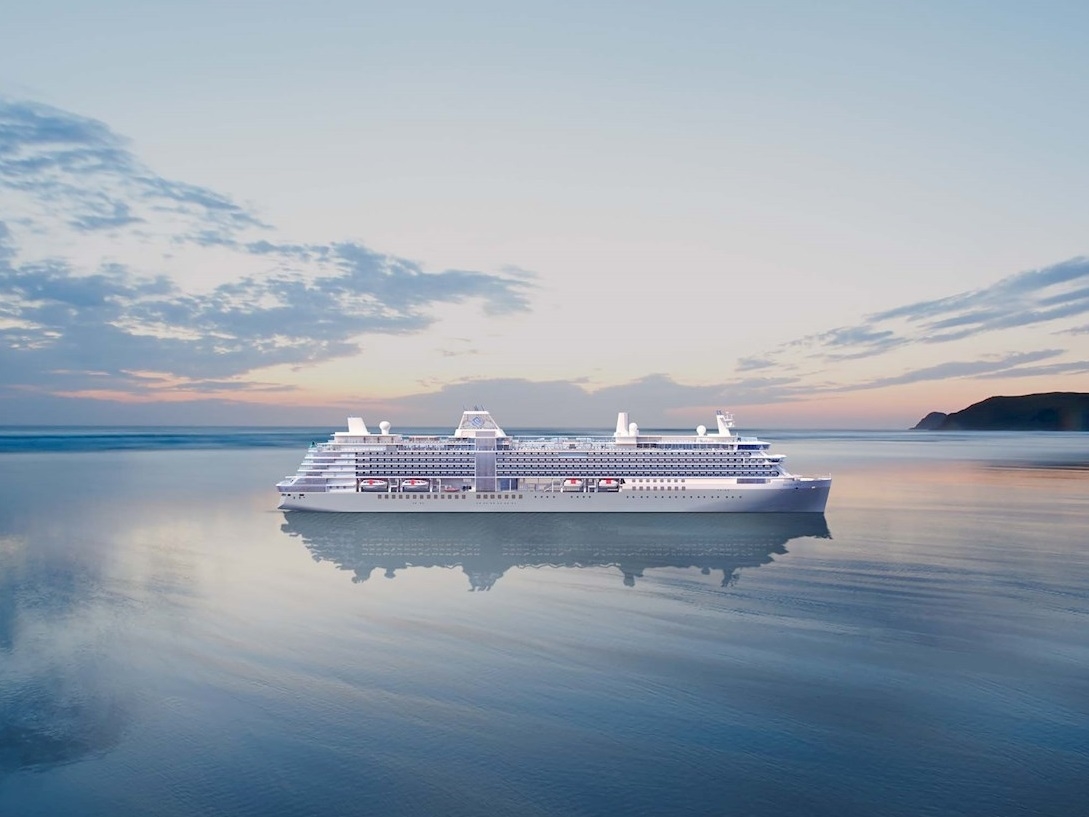
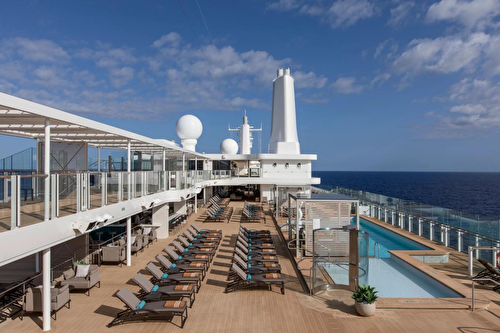
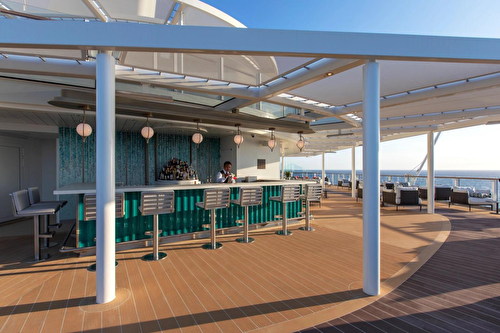
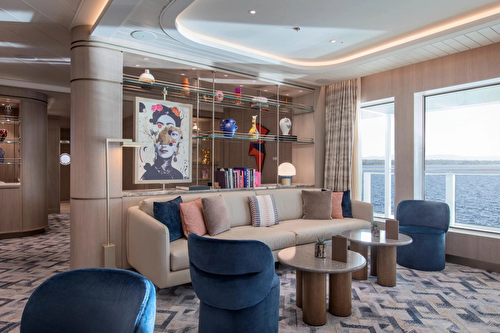
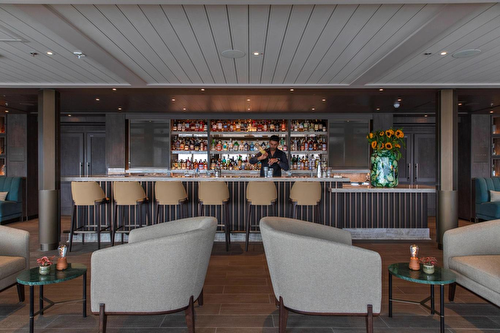
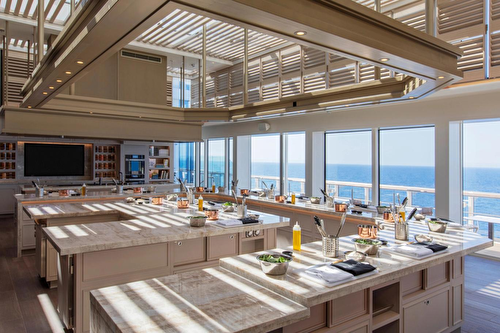
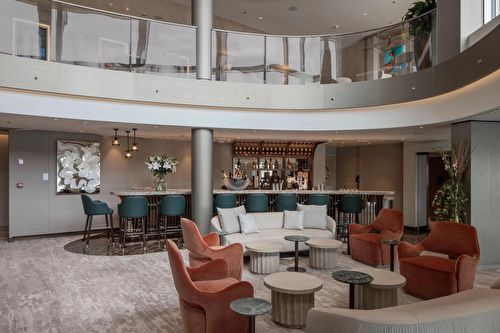
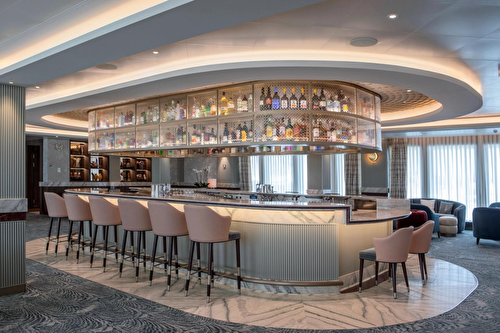
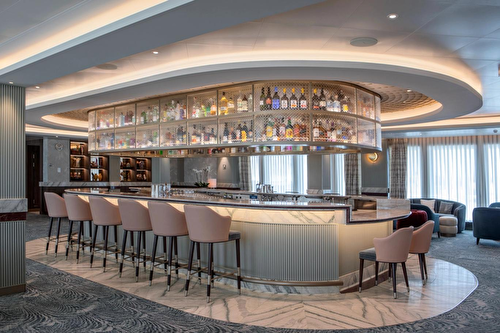
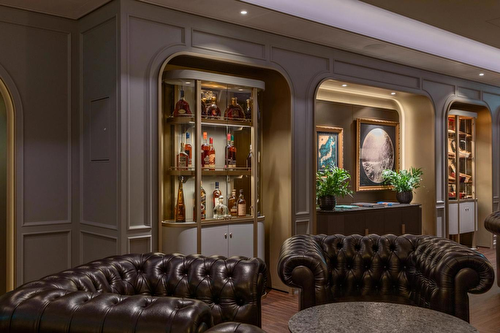
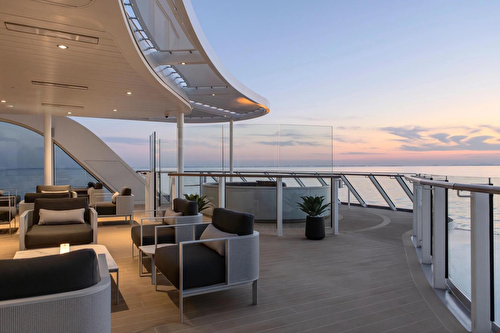
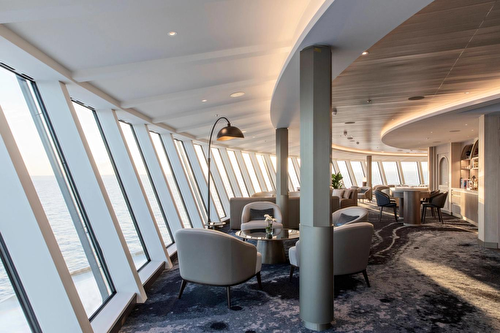
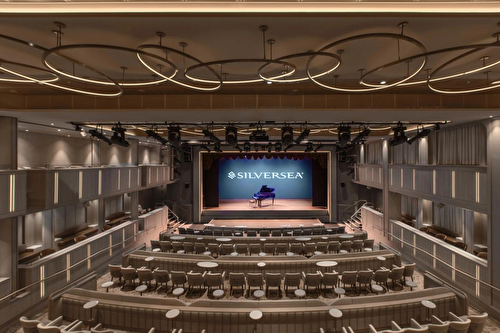
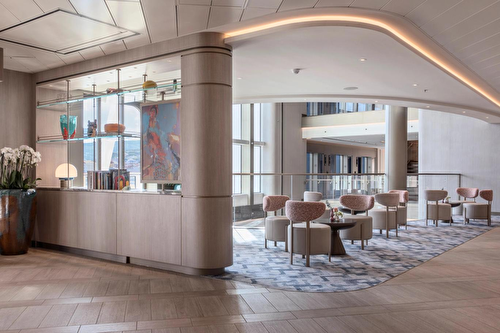

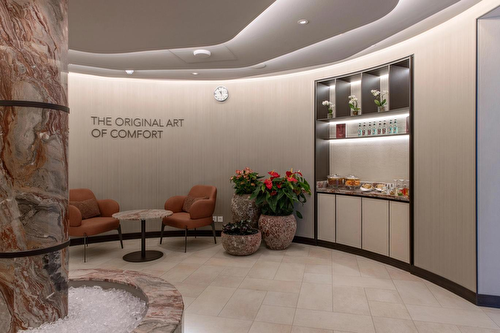
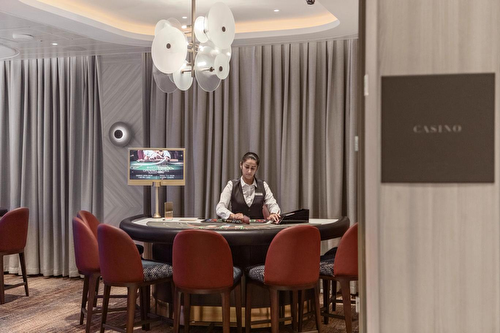
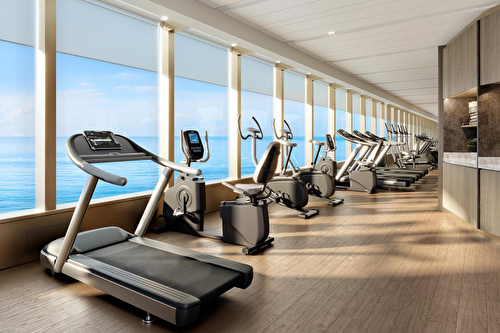

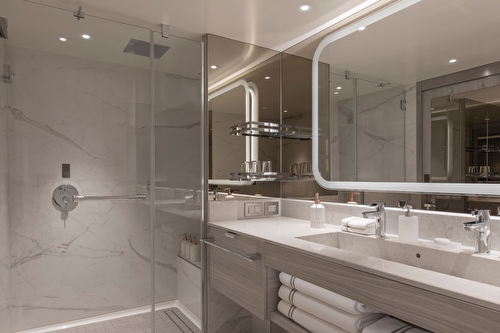
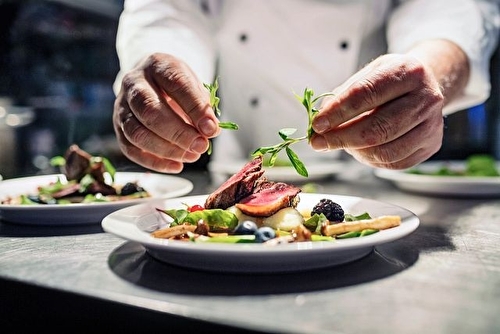
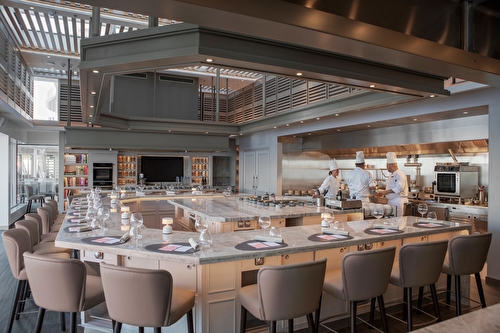
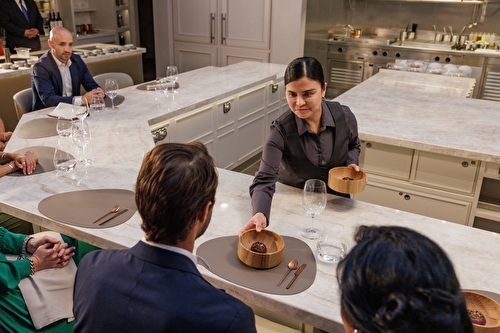

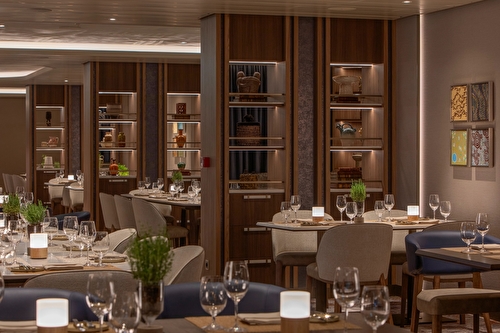
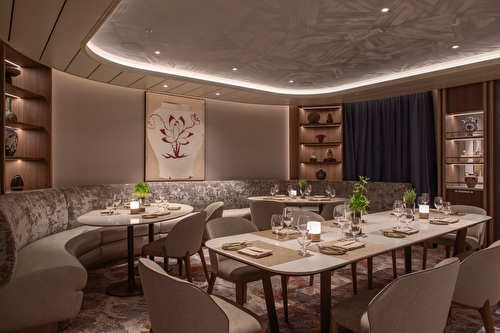
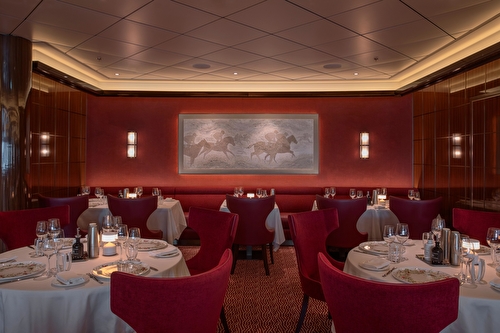
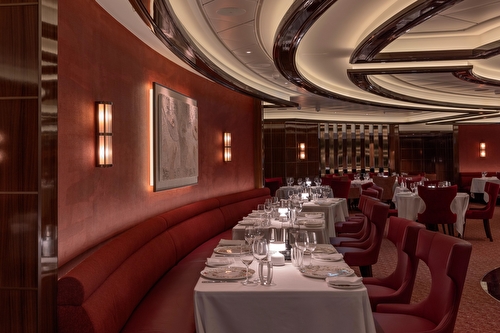
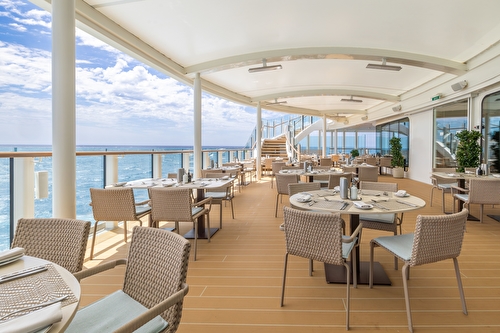
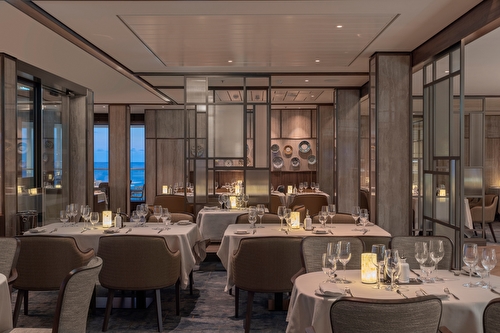
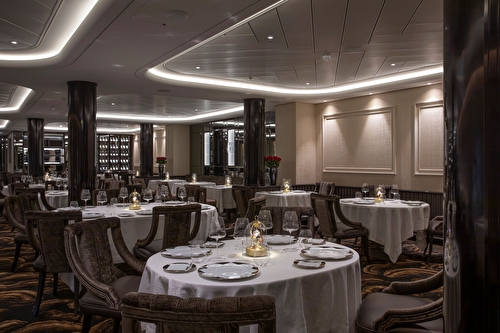
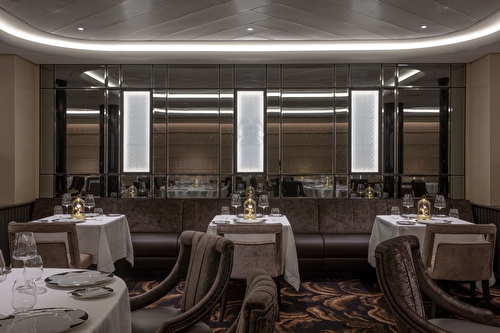
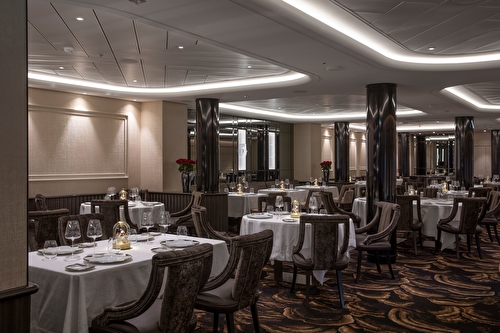
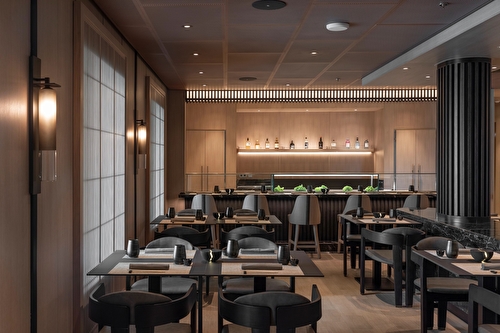
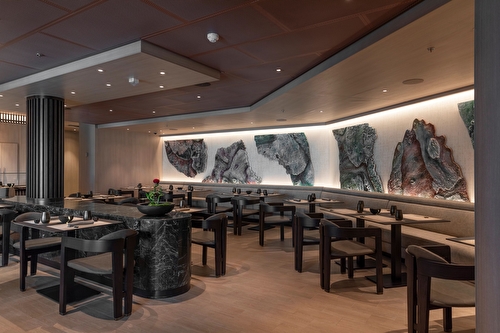
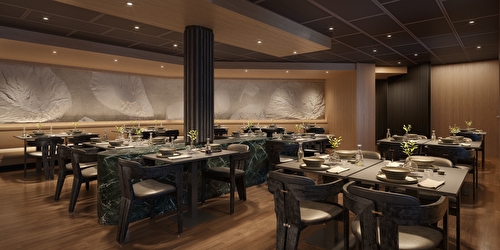
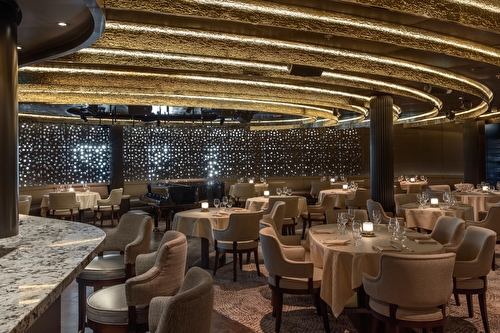
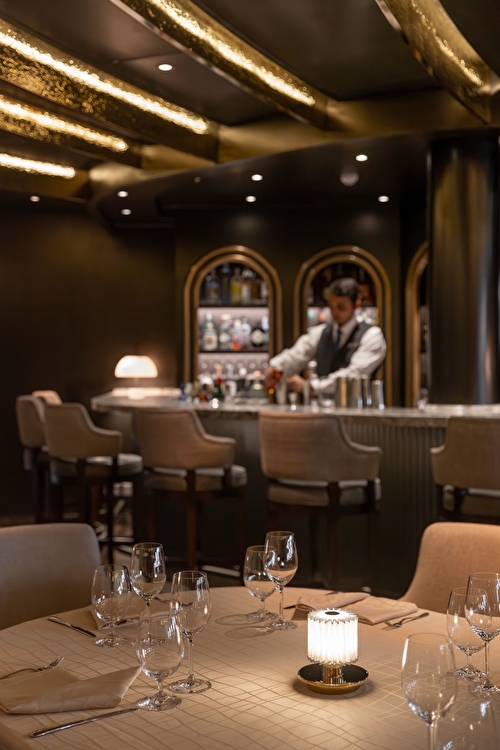
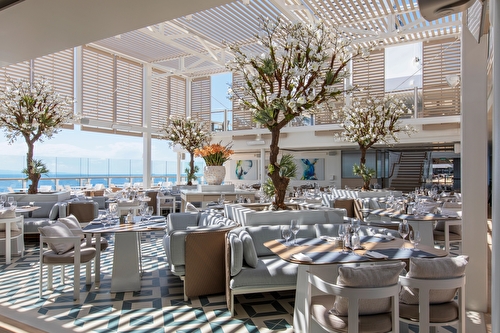
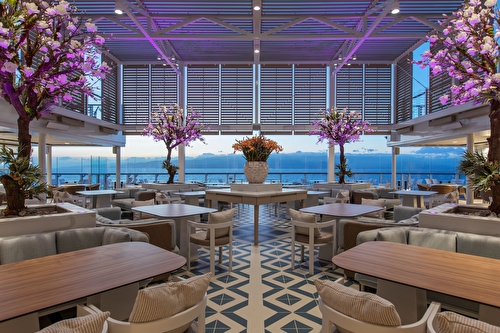
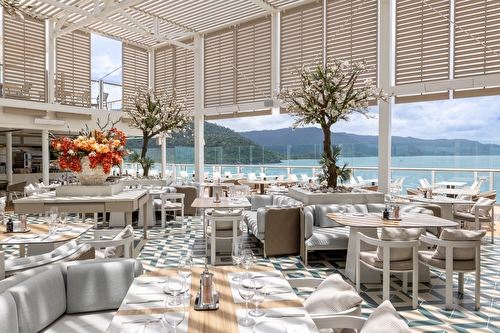
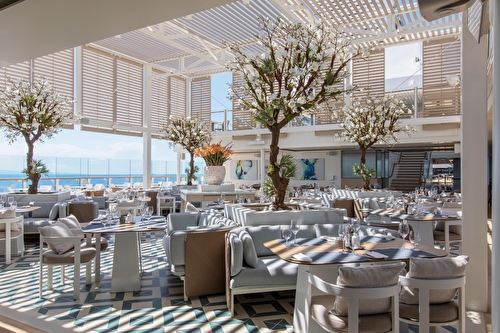
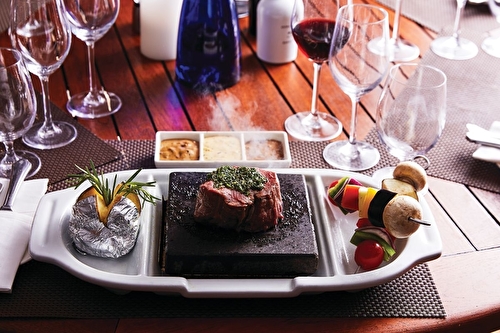
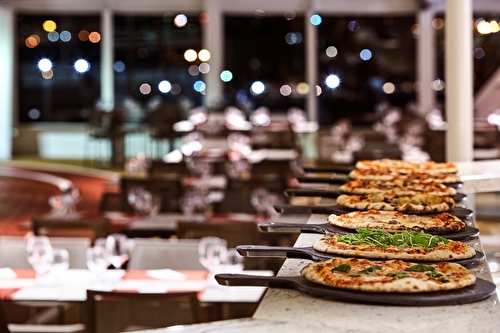
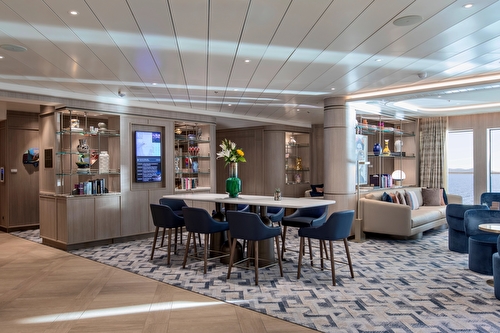
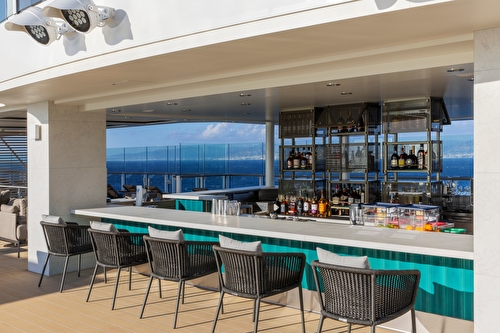
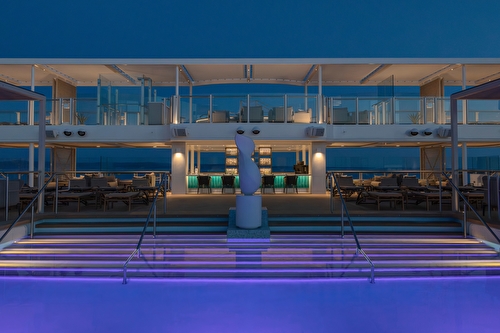
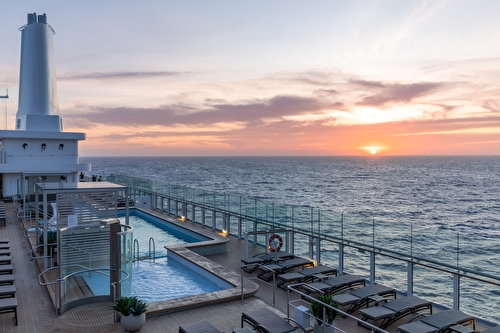
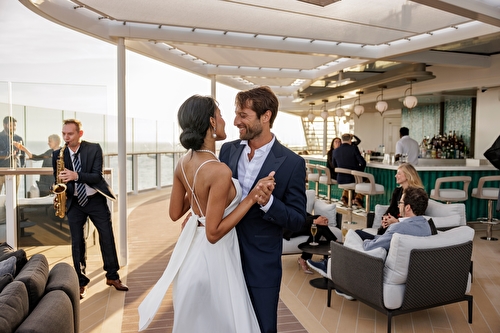
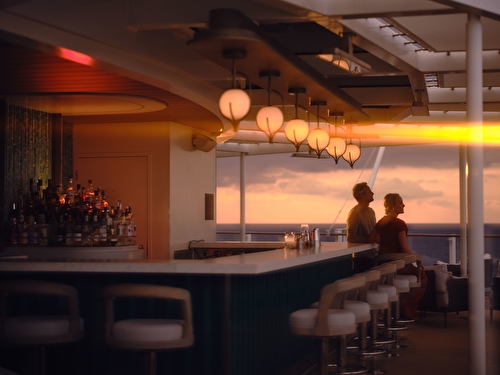
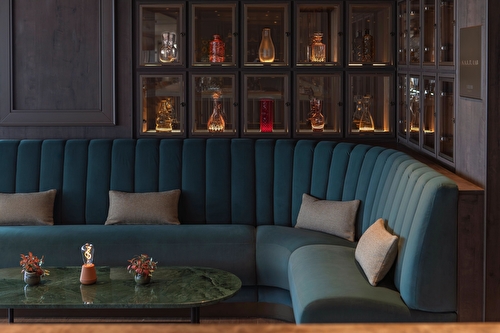


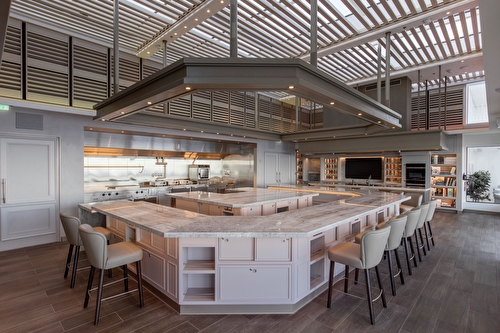

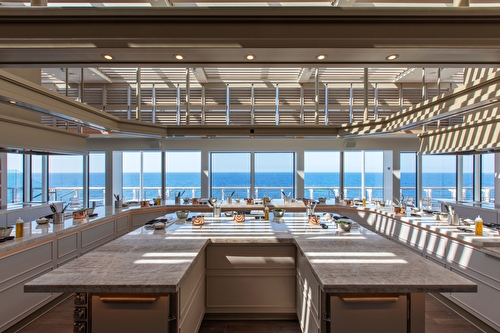
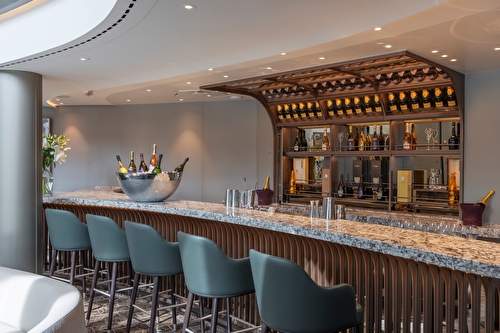
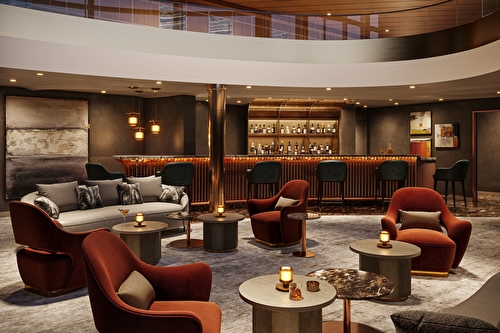
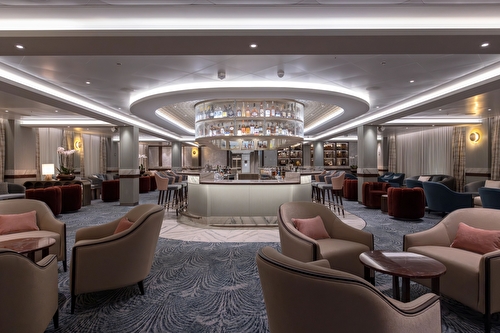
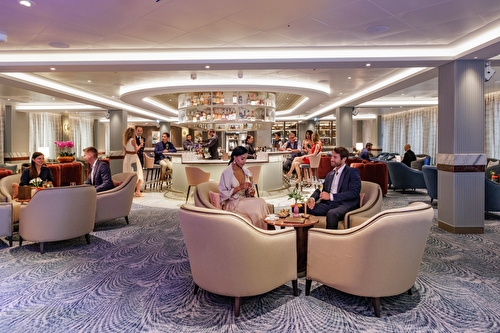
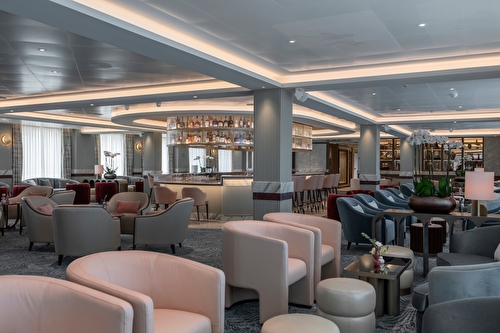
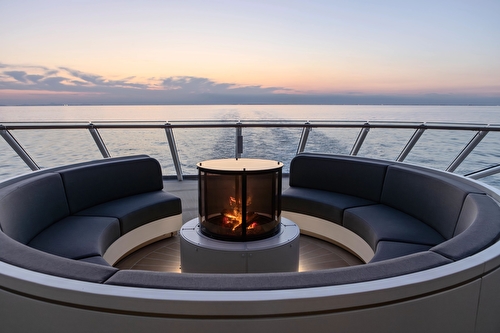
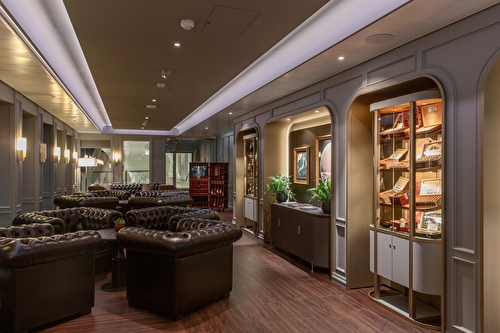
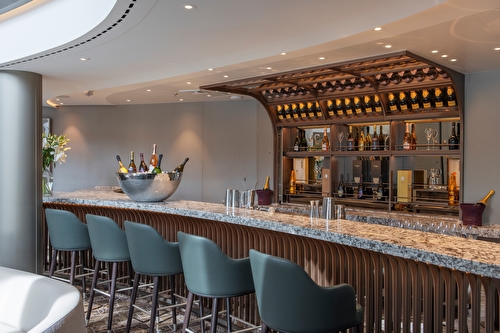
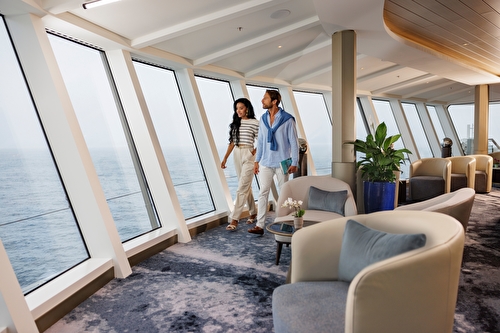
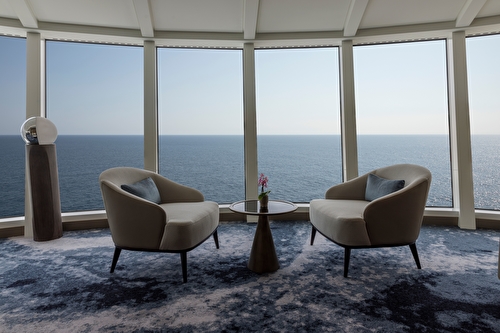
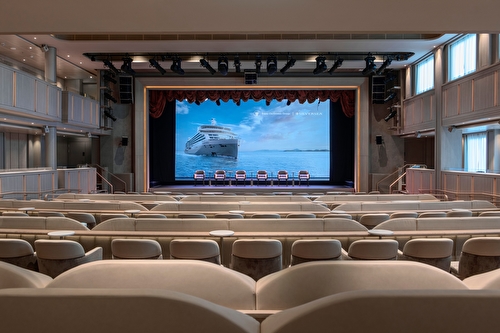
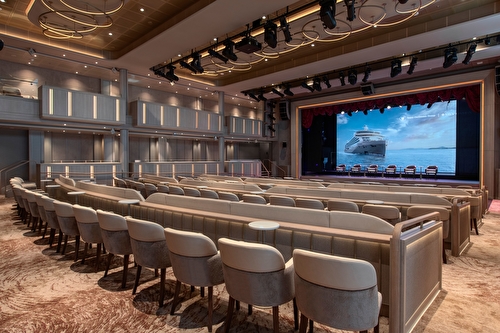
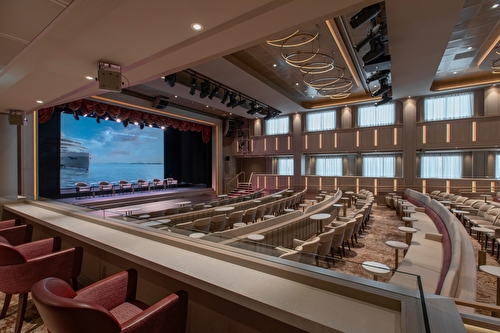

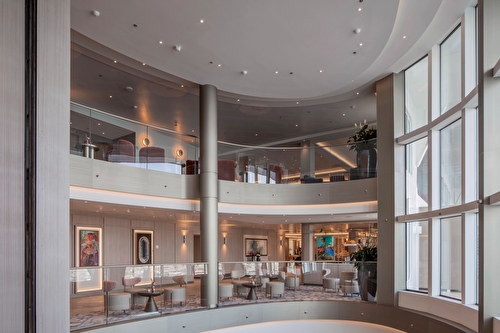
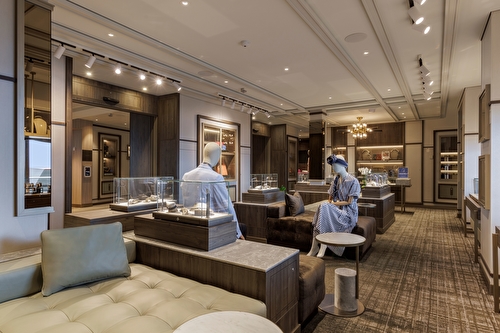
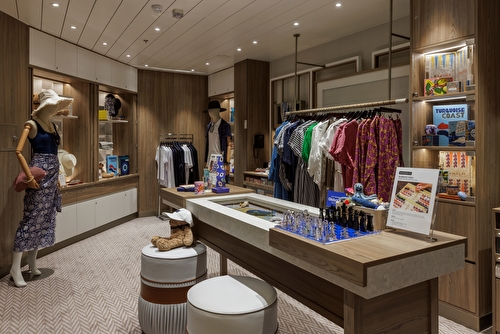
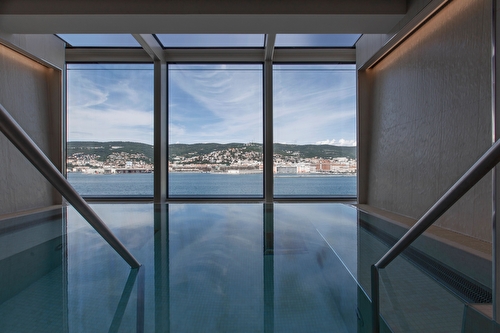
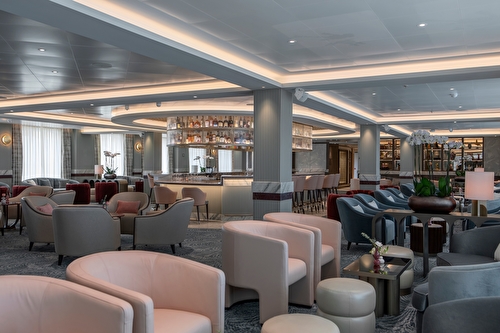
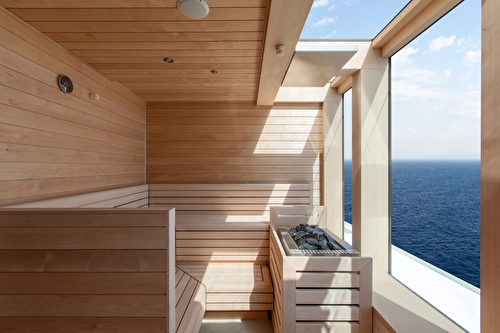
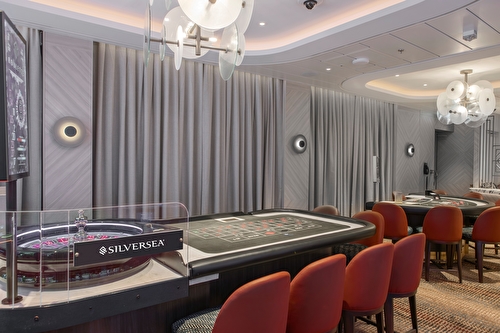


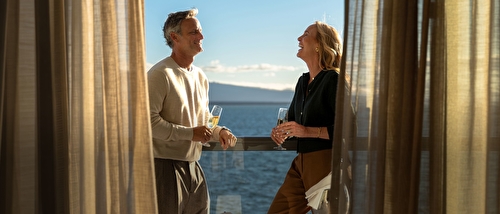
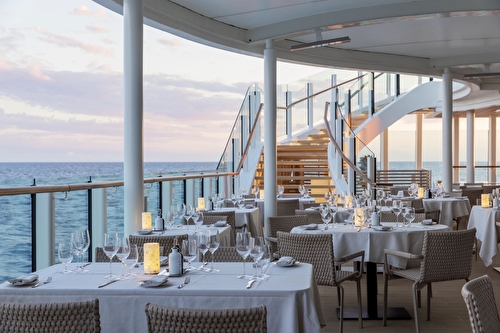
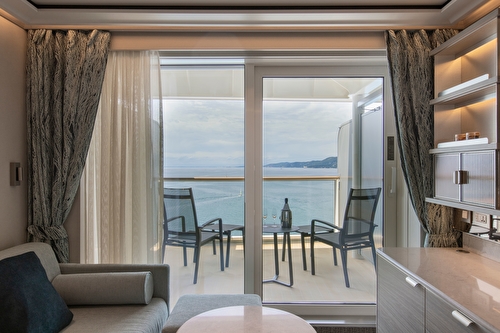


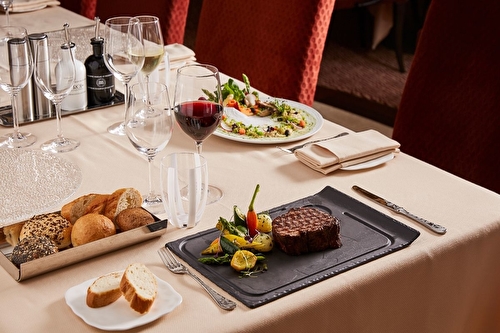
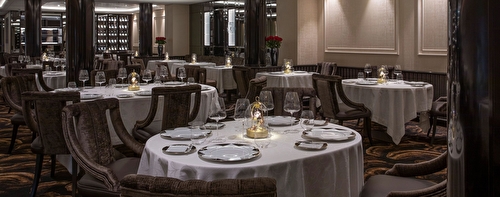
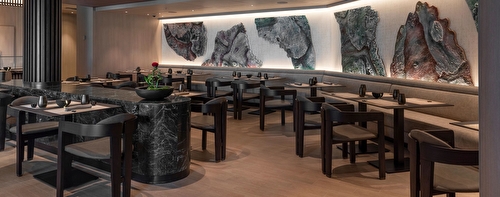
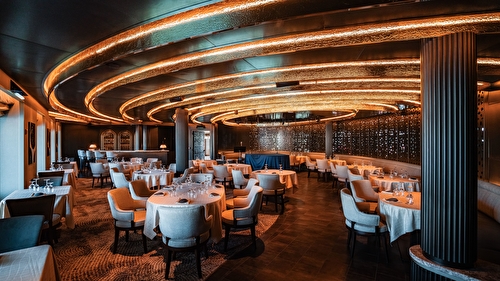
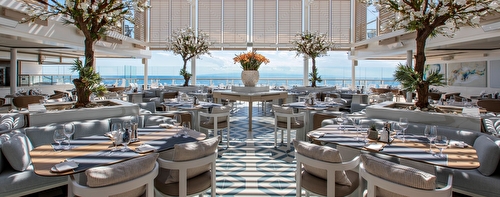
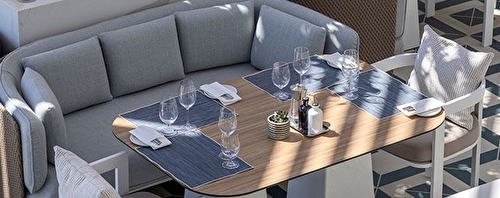
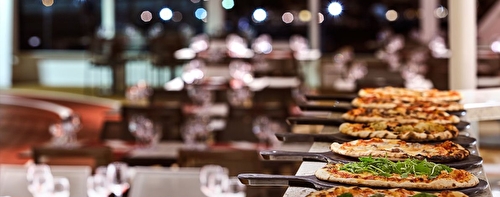
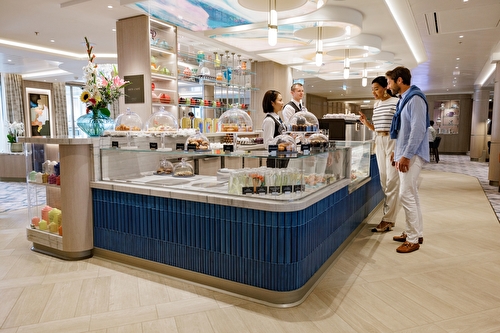
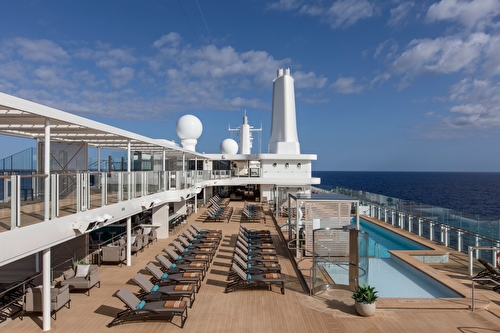
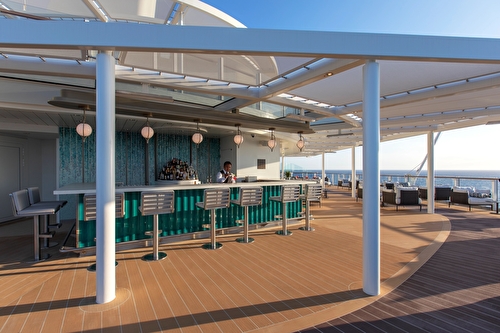
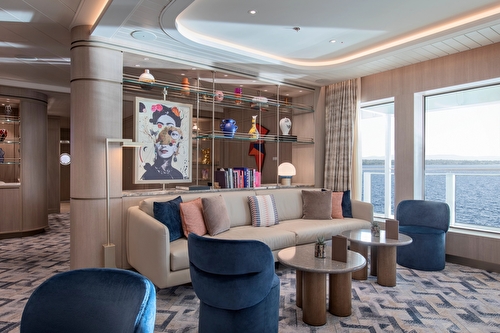
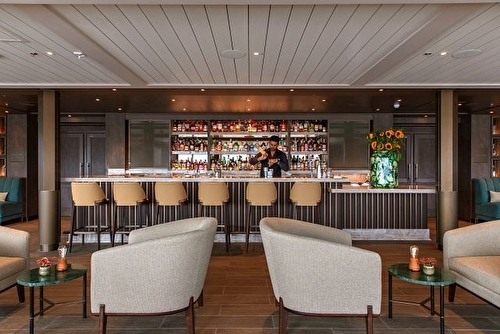
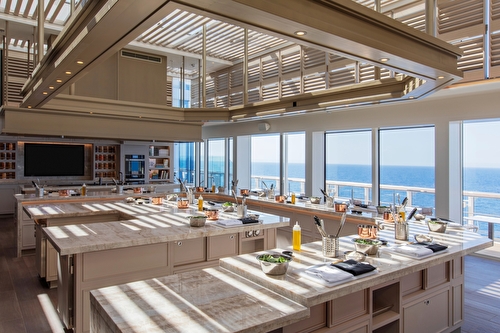
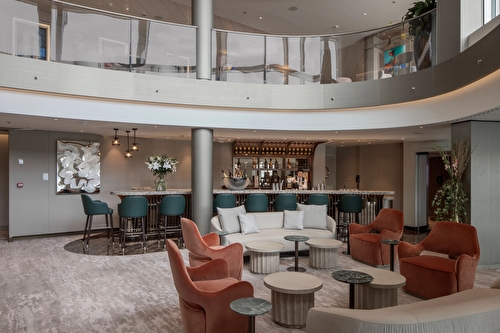
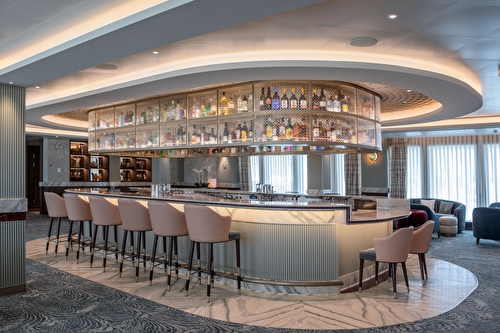
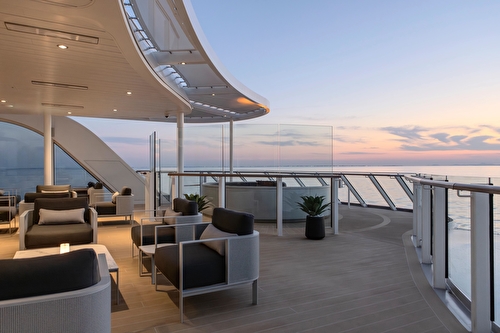
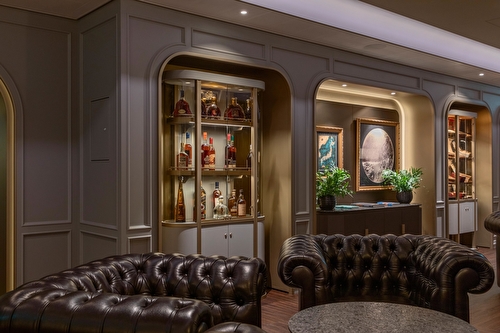
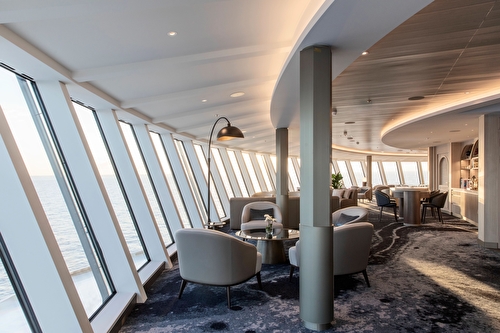
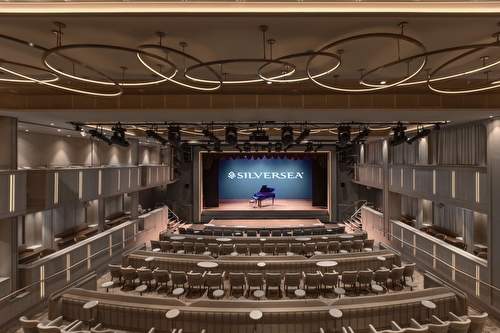
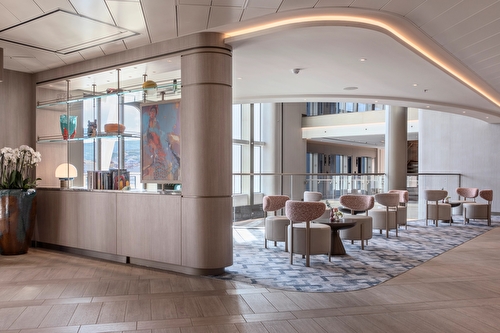
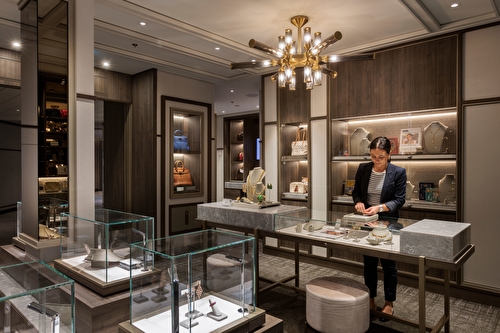
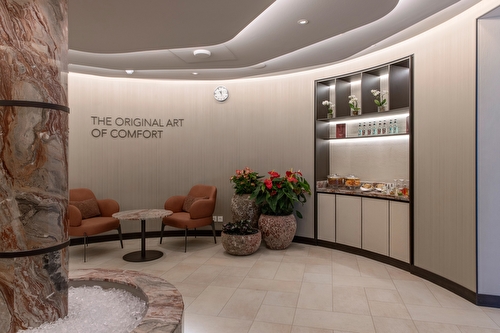
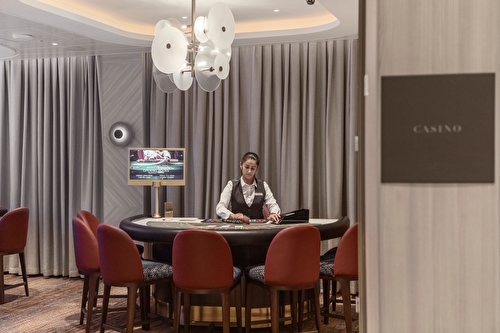
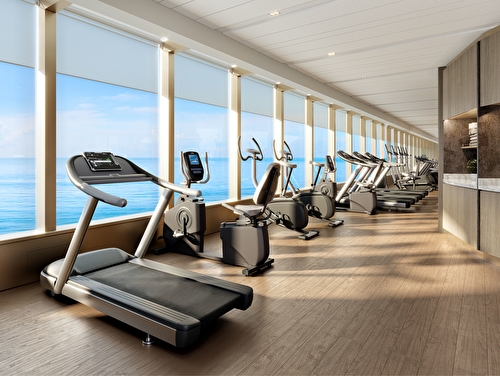
Introducing Silver Nova – the eleventh ship to join our fleet. Our newest vessel will join us in summer 2023, and will be a home away from home for up to 728 guests. Silver Nova’s innovative asymmetrical design introduces the world like never before, offering an immersive destination experience to our guests. With a gross tonnage of 54,700 tons she will offer a space-to-guest ratio of 75 GRT-per-passenger becoming one of the most spacious cruise ships ever built. What’s more, Silver Nova will be our most environmentally friendly, and thanks to her groundbreaking technological solutions, she will propel Silversea into a new era of sustainable cruising. It’s the Nova way to travel.
Boutique
Beauty Salon
Day Spa & Fitness Centre
Jacuzzi
Panoramic Lounge
Pool Deck
Spa
Swimming Pool
Whirlpool
Arts Cafe
Atlantide
Dolce
La Dame
La Terrazza
Spaccanapoli
The Grill
Venetian
Casino
Connoisseur Club
Connoisseur’s Corner
Observation Lounge
Panorama Lounge
Silver Note
Fitness Center
Jogging Track
Pool
Wellness Centre
Description
Introducing Silver Nova – the eleventh ship to join our fleet. Our newest vessel will join us in summer 2023, and will be a home away from home for up to 728 guests. Silver Nova’s innovative asymmetrical design introduces the world like never before, offering an immersive destination experience to our guests. With a gross tonnage of 54,700 tons she will offer a space-to-guest ratio of 75 GRT-per-passenger becoming one of the most spacious cruise ships ever built. What’s more, Silver Nova will be our most environmentally friendly, and thanks to her groundbreaking technological solutions, she will propel Silversea into a new era of sustainable cruising. It’s the Nova way to travel.
Other
Boutique
Relaxation
Beauty Salon
Day Spa & Fitness Centre
Jacuzzi
Panoramic Lounge
Pool Deck
Spa
Swimming Pool
Whirlpool
Food and Drink
Arts Cafe
Atlantide
Dolce
La Dame
La Terrazza
Spaccanapoli
The Grill
Venetian
Entertainment
Casino
Connoisseur Club
Connoisseur’s Corner
Observation Lounge
Panorama Lounge
Silver Note
Fitness
Fitness Center
Jogging Track
Pool
Wellness Centre
STATEROOMS