 Sign In
21 nights South Caribbean from Marseille (Provence)
- 30 Oct ‘27
- 21 nights
- Departing from Marseille (Provence)
- MSC World Asia

 Earn & redeem points on all travel* with World360 Rewards – join free today!
-
Inside price from$2,509*/pp
-
Outside price from$2,999*/pp
-
Balcony price from$3,729*/pp
-
Suite price from$7,149*/pp
YOUR ITINERARY
Marseille (Provence), France - Genoa - Naples, Italy - Messina - Valletta - Barcelona - Palma de Mallorca - Alicante - Malaga - Las Palmas, Gran Canaria - St John s, Antigua, Caribbean - Kingstown, St Vincent & The Grenadines - Bridgetown, Barbados - Fort De France
On the spectacular coastline of the French Riviera lies...
On the spectacular coastline of the French Riviera lies Marseille, an MSC Mediterranean Cruises destination. This atmospheric port city is known for its unique mix of grit and glamour, seen in its labyrinth of streets and historical architecture. Only a few miles from Marseille’s charismatic cafes and bustling Vieux Port, stunning cities are to be found. Visit Aix-en-Provence, birthplace of Cézanne, or take in the ancient beauty of Avignon.
Genoa is marvellously eclectic, vibrant and full of rough-edged ...
Genoa is marvellously eclectic, vibrant and full of rough-edged style; it’s a great cruise excursion.
Indeed “La Superba” (The Superb), as it was known at the height of its authority as a Mediterranean superpower, boasts more zest and intrigue than all the surrounding coastal resorts put together.
During a holiday to Genoa you can explore its old town: a dense and fascinating warren of medieval alleyways home to large palazzi built in the sixteenth and seventeenth centuries by Genoa’s wealthy mercantile families and now transformed into museums and art galleries. You should seek out the Cattedrale di San Lorenzo, the Palazzo Ducale, and the Renaissance palaces of Via Garibaldi which contain the cream of Genoa’s art collections, as well as furniture and decor from the grandest days of the city’s past, when its ships sailed to all corners of the Mediterranean Sea.
The Acquario di Genova is the city’s pride and joy, parked like a giant ocean liner on the waterfront, with seventy tanks housing sea creatures from all the world’s major habitats, including the world’s biggest reconstruction of a Caribbean coral reef. It’s a great aquarium by any standards, the second largest in Europe by capacity, and boasts a fashionably ecology-conscious slant and excellent background information in Italian and English.
Just 35 km south of Genoa, there’s no denying the appeal of Portofino, tucked into a protected inlet surrounded by lush cypress- and olive-clad slopes. It’s an A-list resort that has been attracting high-flying bankers, celebs and their hangers-on for years, as evidenced by the flotillas of giant yachts usually anchored just outside. It’s a tiny place that is attractive yet somehow off-putting at the same time, with a quota of fancy shops, bars and restaurants for a place twice its size.
Naples is a large, sprawling Mediterranean port, wit...
Naples is a large, sprawling Mediterranean port, with a centre that has many different focuses just waiting to be discovered on an MSC Mediterranean cruise excursion.
No trip to Naples is complete without visiting the area between Piazza Garibaldi and Via Toledo, roughly corresponding to the old Roman Neapolis (much of which is still unexcavated like in many other Italian cities).
The old part of Naples – the centro storico – is formed by the main streets of Via dei Tribunali and Via San Biagio dei Librai (the latter also known as “Spaccanapoli” as it literally splits Naples in two), which still follow the path of the ancient Roman roads. This is much the liveliest and most teeming part of Naples, an open-air kasbah of hawking, yelling humanity that makes up in energy what it lacks in grace. But it’s the city’s most intriguing quarter, and a must-see on any cruise to Naples. The Duomo is a Gothic building from the early thirteenth century (though with a late nineteenth-century neo-Gothic facade) dedicated to the patron saint of the city, San Gennaro.
MSC Mediterranean cruises also offer excursions to Pompeii. One of Campania’s most important Roman commercial centres – a moneyed resort for wealthy patricians and a trading town that exported wine and fish – the eruption of Mount Vesuvius in AD 79 in effect froze the town’s way of life as it stood at the time.
Trips can also be taken to the island of Capri, place of legend, home to the mythical Sirens and a much-eulogized playground of the super-rich in the years since – though now it has settled down to a lucrative existence as a target for day-trippers from the mainland.
Definitely worth a visit, but these days the origins of much of the purple prose may be hard to find.
Messina may well be your first sight of Sicily, and – fro...
Messina may well be your first sight of Sicily, and – from your MSC holiday cruise ship – it’s a fine one, the glittering town spread up the hillside beyond its sickle-shaped Mediterranean harbour.
On a shore excursion you can discover Messina’s most important monument, the Duomo, which epitomizes the city’s phoenix-like ability to re-create itself from the ashes of its last disaster. It’s the reconstruction of a twelfth-century cathedral erected by Roger II, one of a series of great Norman churches of Sicily that include the sumptuous cathedrals of Palermo and Cefalù. The Duomo’s detached campanile, or bell tower, claims to be the largest astronomical clock in the world, and puts on its best show at noon every day, when a bronze lion (Messina’s ancient emblem) unleashes a mighty roar over the city that can be quite alarming if you’re not expecting it!
Just back from the Duomo, the truncated section of the twelfth-century Chiesa Annunziata dei Catalani squats below pavement level, and is Messina’s only surviving example of Arab/Norman church-building.
When you are cruising the Mediterranean Sea with MSC Cruises, the most obvious excursion from Messina is to the almost too charming hill town of Taormina, spectacularly located on a rocky bluff between the Ionian Sea and the soaring peak of Mount Etna, whose summit with its bleak lava wilderness is one of the most memorable landscapes Italy has to offer.
Once the beloved retreat of poets and writers, Taormina is now the most illustrious resort on the entire island, captivating its visitors with its famous ancient theatre, grand hotels and engaging small-town charm.
The UNESCO-protected port of Valletta, the capital of ...
The UNESCO-protected port of Valletta, the capital of the island of Malta, is one of the must-see stops for every Mediterranean cruise of merit.
You can admire this port, constructed in the second half of the 16th century by the Frenchman Jean de la Valette and moulded by the religious and military Order of Saint John of Jerusalem, from your MSC ship even before disembarking. The over 300 monuments rising in little more than half a square kilometre make this a place with one of the greatest density of historical attractions to visit during a cruise, not mentioning other attractions such as its beaches, seaside locales and restaurants.
An excursion to the island can start right from its capital, Valletta, which enchants the cruise-goer with its famous Maltese balconies, which decorate the facades of houses in its old quarter. Surrounded by a multitude of churches, which the islanders assure are as many as the days of the year, the St. John’s Co-Cathedral is one of Malta’s biggest tourist attractions.
The National Museum of Archaeology, on the other hand, hosts prehistoric artefacts found on the island. By the Grand Harbour, one can visit the underground passages of Auberge de Castille and the beautiful Baracca Gardens, which overlook the harbour; at night, when the city gates would close, its porticoes served as shelter for travellers. To get a taste of the life of Malta’s ancient nobility, visit Casa Rocca Piccola.
A 16th century Palazzo now the residence of the 9th Marquis De Piro, it has period furnishings and has a bomb shelter built for protection against bombings during the Second World War. The set of the film Popeye can still be seen from Malta’s largest beach, as well as the Sanctuary of Our Lady of Mellieha with a fresco of the Blessed Virgin Mary with Christ; according to tradition, Saint Luke, who was shipwrecked on the island with Saint Paul, is the author of this Byzantine-style fresco.
One of the busiest cruise ports in the Mediterranean, the seasi...
One of the busiest cruise ports in the Mediterranean, the seaside city of Barcelona is known for its iconic architecture, colourful culture, and world-class drinking and dining.
Explore Antoni Gaudí’s surreal Sagrada Família, the famous boulevard of the Ramblas, the medieval Barri Gótic, and the Museu Picasso. But there’s even more to discover in this sprawling Spanish city, an MSC Mediterranean Cruises destination: from hidden tapas bars and fabulous food markets to Europe’s biggest football stadium.
The port city of Palma, an MSC Mediterranean Cruises destina...
The port city of Palma, an MSC Mediterranean Cruises destination, lies on the south coast of Mallorca. Founded in 124 B.C., Palma is celebrated for its medieval streets, jaw-dropping architecture, and ancient fortified walls. See buildings such as the Cathedral of Santa Maria which features designs by Gaudí and one of the world’s largest stained-glass windows, or the Gothic Bellver castle with its circular centre and eye-catching towers.
Valencia and Castellón make up the three province...
Valencia and Castellón make up the three provinces of the Valencian Community, which covers 23,500 km² and is situated on the eastern coast of the peninsula. The coast is 485 km long and borders with Cataluña in the north and Murcia in the south. Alicante with its beautiful boulevard and pleasant shopping street is one of the most well known towns on the Costa Blanca. The coast of Alicante and the Costa Blanca owe its name to the beaches stretching for several kilometres and attract many sun worshippers and pleasure seekers.
The elegant central zone of Málaga – a stop-off on y...
The elegant central zone of Málaga – a stop-off on your MSC cruise of the Mediterranean – is largely pedestrianized with the focal point, marble-paved Calle Marqués de Larios, lined with fashionable stores, its most elegant thoroughfare.
Plaza de la Constitución, Málaga’s main square, hosts a monumental fountain flanked by slender palms and the terraces of numerous cafés and restaurants. Málaga centre has a number of interesting churches and museums, not to mention the birthplace of Picasso and the Museo Picasso Málaga, housing an important collection of works by Málaga’s most famous son.
Perched on the hill above the town are the formidable citadels of the Alcazaba and Gibralfaro, magnificent vestiges of the seven centuries that the Moors held sway here.
Málaga is also renowned for its fish and seafood, which can be sampled at tapas bars and restaurants throughout the city, as well as at the old fishing villages of El Palo and Pedregalejo, now absorbed into the suburbs, where there’s a seafront paseo lined with some of the best marisquerías and chiringuitos (beachside fish restaurants) in the province.
The impressive Alcazaba is the place to make for if you’re joining a shore excursion. Clearly visible from your cruise ship, to the left of its entrance on c/Acazabilla stands the Roman Theatre accidentally discovered in 1951, and – following excavation and restoration – now a venue for various outdoor entertainments.
The citadel, too, is Roman in origin, with blocks and columns of marble interspersed among the Moorish brick of the double- and triple-arched gateways. Above the Alcazaba, and connected to it by a long double wall (the coracha), is the Gibralfaro castle. Like the Alcazaba, it has been wonderfully restored and now houses an interesting museum devoted to its history.
Las Palmas de Gran Canaria Las Palmas is a city (and m...
Las Palmas de Gran Canaria Las Palmas is a city (and municipality) on the island, Gran Canaria, which is one of the Canary Islands (Spain) located 210 kilometers off the northwestern coast of the African continent within the Atlantic Ocean. It is also the capital city of the province of Las Palmas and the co-capital of the autonomous community of the Canary Islands, sharing this status with Santa Cruz de Tenerife. The city was founded on June 24, 1478, with the name “Real de Las Palmas” by Juan Rejón, head of the invading Castilian army, before engaging in war with the local Guanches (aboriginal people of the Canary Islands). In 1492, Christopher Columbus anchored in the Port of Las Palmas (and spent some time on the island) on his first trip to the Americas. He also stopped on the way back to Spain. Today, a museum is named after him -Casa Colón – in the Vegueta area of the city. Las Palmas de Gran Canaria is today a cosmopolitan city. It has five beaches (Las Canteras, Las Alcaravaneras, San Cristobal, El Confital and La Laja) and a big seaport (Puerto de la Luz harbor) that was very important during the 70s and early 90s (and benefited greatly from the closure of the Suez Canal during the Arab-Israeli conflict).
“One beach a day,” Antigua’s motto...
“One beach a day,” Antigua’s motto, refers to the island’s 365 beautiful beaches that are famous, secret or even set in volcanic craters. There’s a beach for every lifestyle, for those who are social and ones who seek solitude.
When you arrive on an MSC Caribbean and Antilles cruise in the port of St. John’s, the capital and commercial centre of Antigua and Barbuda, embrace the city’s colourfully vi-brant houses dating to its British colonial period, along with the evocative white baroque towers of St. John’s Cathedral, and the Fort James and Barrington fortresses. The laid-back cosmopolitan city, with its distinctly British flair, is renowned for its shopping at luxury boutiques and high-end shopping malls.
Beyond the city, book an MSC excursion to the historic Nelson’s Dockyard in English Harbour, dedicated to Admiral Horatio Nelson, who was stationed in the West Indies be-tween 1784 and 1787. The shipyard, a UNESCO World Heritage Site, is the largest of Antigua’s National Parks and still remains a working dockyard for numerous yachts and ships. Beautifully restored, its Georgian buildings in wood and stone date to the late 18th and early 19th centuries. Between April and the beginning of May, the Dockyard is the venue for some of the most important sailing regattas in the world, such as Antigua Sailing Week. The excursion continues on to visit the landmark ruins at Shirley Heights of-fering breath-taking vistas of English Harbour.
If an excursion in nature appeals to you, head to Stingray City to swim with friendly southern stingrays in crystal-clear water. Or discover Antigua’s lush rainforest from a bird’s-eye perspective as you navigate through the treetops on a guided canopy tour that will have you walking over a suspension bridge and traversing zip lines over a spectacular gorge.
With its yacht-filled harbours, stunning beaches, volcanic backd...
With its yacht-filled harbours, stunning beaches, volcanic backdrops and crystalline turquoise waters, it’s easy to see why the unparalleled natural beauty of St. Vincent and the Grenadines has long attracted sailors, adventurers and the rich and famous, and why it was chosen as the primary filming site for the “Pirates of the Caribbean” trilogy.
Located in the Lesser Antilles, the archipelago of St. Vincent and the Grenadines comprises 32 is-lands and cays, only 9 of which are inhabited. St. Vincent, the largest island in the chain, is home to Kingstown, the capital.
Once you arrive on an MSC Caribbean and Antilles cruise to Kingstown, you will visit Fort Charlotte, a British garrison named in honour of the wife of King George III. Built in 1806, it housed 600 troops in its heyday. Some 30 cannons are still visible today at the fort, where a number of paintings charting the history of the Black Carib people are showcased. From its summit, enjoy fantastic views of the archipelago; on a clear day, Grenada can be seen 90 miles to the south through binoculars.
Explore the St. Vincent and the Grenadines Botanic Gardens, one of the oldest botanical gardens in the Western Hemisphere, on an MSC excursion. Established in the mid-18th century, the gardens played a critical role in the colonization of not just St. Vincent, but also other islands in the West Indies. They helped introduce, establish and distribute plants upon which the future economies and food supplies of most islands became based. These beautiful gardens are home to a wide variety of tropical and medicinal plants, as well as numerous bird species, including the rare St. Vincent parrot. For other opportunities to spot the indigenous parrot species, head on an MSC excursion to Parrot Lookout on the Vermont Nature Trail in the dense rainforest. The guided hike takes you through cultivated fields and forest plantations in the verdant Vermont Valley.
St. Vincent has had a long tradition of cultivating sugarcane. On yet another MSC excursion, learn the history of Black Point – a tunnel dug during the height of the slave trade that was key in the transport of molasses used for making rum. Afterwards, you’ll enjoy a guided tour and tasting at the rum distillery in Georgetown to discover how molasses is distilled into one of the strongest nips of rum in the Caribbean.
“Pirates of the Caribbean” buffs won’t want to miss one of several MSC excursions that take you through the sites on the island where famous scenes were filmed. Visit the village of Wallilabou, board the Scaramouche, a traditional West Indian schooner for a pirate party, or kayak to the so-called Bat Cave near Byahut Cove. The cave is home to a noisy bat colony, and you can enjoy some swimming or snorkelling at the cove and experience the amazing marine life found around the reef. Accessible only by sea, the cove is one of the locations where the “Pirates of the Caribbean” films were shot.
For something special, cruise on a catamaran to see the beguiling coastline of the Bequia, the second largest island in the Grenadines. Catch views of a private community called Moonhole, known for a way of life that seeks harmony with nature and with homes built directly into the landscape, most with neither windows nor doors. Move on to Petite Nevis, a spot where signs of whaling history are still visible and enjoy views of the neighbouring private isle of Mustique, famed for drawing a wealthy clientele that includes members of the British royal family.
When you arrive in Barbados on an MSC Caribbean and Anti...
When you arrive in Barbados on an MSC Caribbean and Antilles cruise, begin your exploration with the capital, Bridgetown. There are many attractions in this small Caribbean city, but by all means pause to admire its many colonial buildings, the Parliament Building and the statue of Lord Nelson standing in what is currently called the National Heroes Square.
Barbados has retained somewhat of a British feel, with its place names, cricket, horse-racing and polo, Anglican parish churches and even a hilly district known as Scotland. But the Britishness can be exaggerated, for this is a distinctly West Indian country, covered by a patch-work of sugarcane fields and dotted with tiny rum shops.
The Garrison Historic Area, a UNESCO World Heritage Site with magnificent 18th- and 19th-century buildings, is a must-see stop, featuring one of the world’s finest collection of cannons. It also includes the George Washington House, where the American patriot spent six weeks of his life.
The current St. John’s Church, in the eastern parish of the same name, is the fifth reconstruction of the oldest local church, in Barbadian Gothic style. Perched on a cliff 800 feet above the sea, it dates back to 1836. Its interior hosts a sculpture by 18th-century British artist Richard Westmacott, while its churchyard contains the tomb of Ferdinando Paleologus, a direct descendant of the brother of Constantine XI, the last Byzantine emperor.
Book an MSC excursion to discover the island’s history at the Barbados Museum and Historical Society in the St. Michael neighbourhood. And tour Sunbury Plantation House, located in the tranquil St. Philip countryside. Dating back to 1650, it’s a living monument to plantation life and a bygone era.
Harrison’s Cave, in St. Thomas district, is a wonder of nature with its stalactites, stalagmites, streams, lakes and waterfalls. In one of the caverns, the play of light on the rocks is so in-tense that it has been nicknamed “The Crystal Room”.
For some fun at the beach, head to Pirates Cove, one of the best beaches on Barbados. Featuring palm trees and chickee huts, white sand and crystal-clear water, it’s the perfect place to relax, just a stone’s throw from Bridgetown.
If you’re brave enough to dive into the deep, set out on an MSC excursion inside a real submarine, the Atlantis, to explore the coral reef and discover the beauty that the depths reveal.
Thanks in large part to its French and West Indian i...
Thanks in large part to its French and West Indian influences, Martinique, a lush mountainous island in the Lesser Antilles with its dormant Mount Pelée volcano in the backdrop, exudes a cosmopolitan flair with a sophisticated culinary and cultural scene that draws travellers not only to its natural wonders, beautiful bays and beaches, but also to its heart at Fort-de-France, the capital. While French is the official language, most islanders also speak Antillean Creole. As part of the European Union, the island uses the euro as its currency.
When you arrive on an MSC Caribbean and Antilles cruise in Fort-de-France, you immediately notice the island’s steep hills, colourful colonial architecture, ornate balconies and tropical flowers. Book an MSC excursion to the Balata Cathedral, a miniature replica of the Sacré-Coeur in Montmartre, Paris, which offers a spectacular view of Fort-de-France and the bay.
Before Martinique came to be known by its current name, it was once called Madinina, the island of flowers. At Balata Botanical Gardens, discover 300 types of palm trees, take in views from the garden’s suspension bridge and enjoy the tropical flowers in bloom across 16 acres of lush landscape.
Or try the island’s best rum distilleries. MSC excursions will take you to the Depaz Distillery, in business since 1651, or the St. James Rum Distillery & Museum, where you will learn about the process of making rum and taste the traditional Rhum Agricole, made by using freshly squeezed sugarcane juice rather than the conventional molasses.
Afterwards, visit the ruins of the theatre in St. Pierre, the former cultural capital of Martinique that was tragically destroyed by the 1902 eruption of Mount Pelée. The modern-day town of St. Pierre is France’s 101st “City of Art and History.”
YOUR SHIP - The MSC World Asia
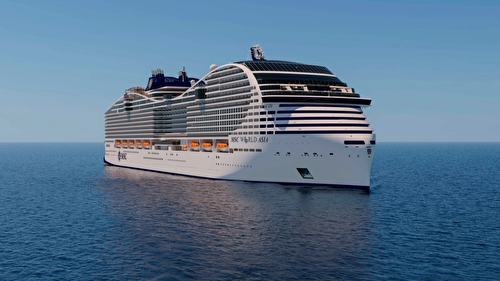
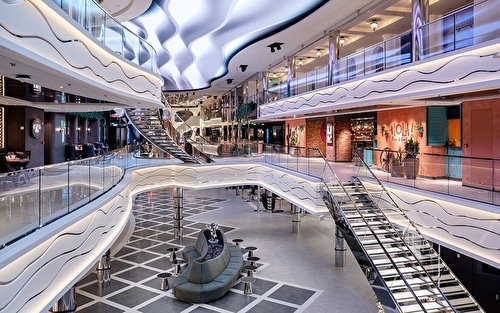
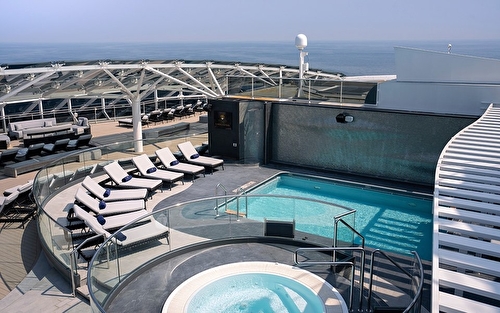
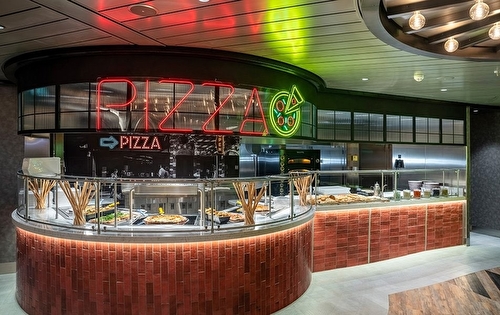
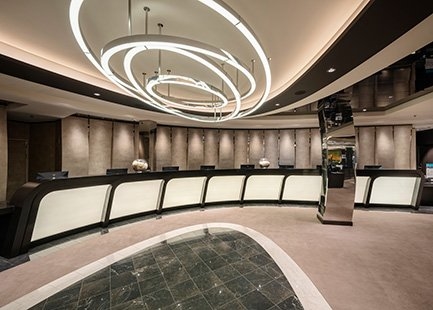
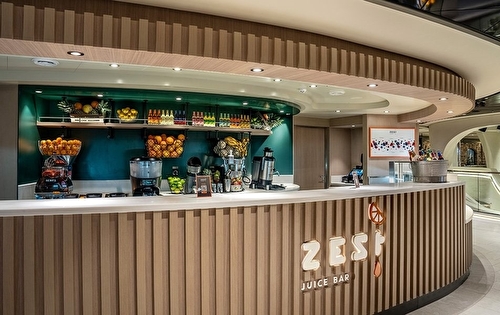
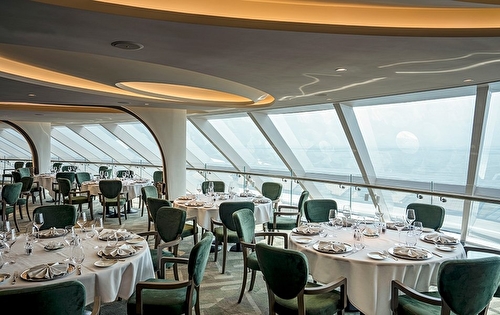
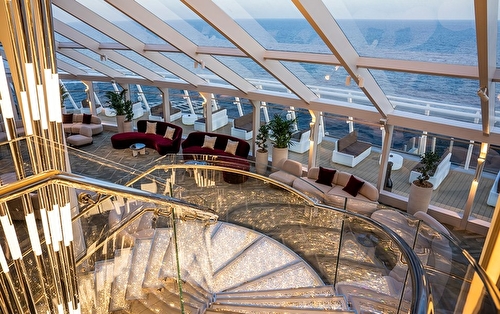
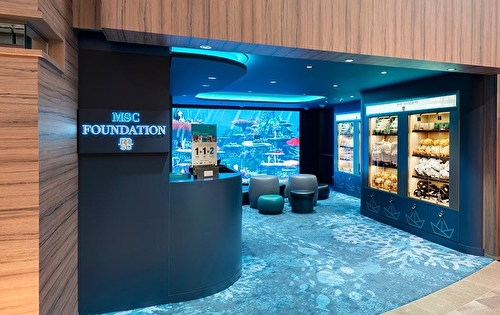
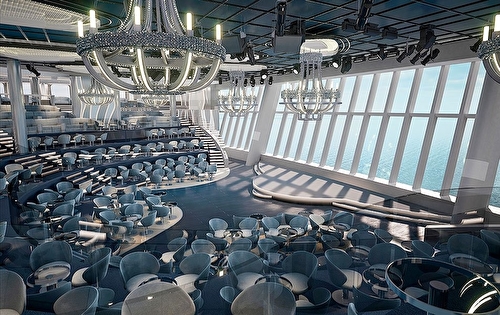
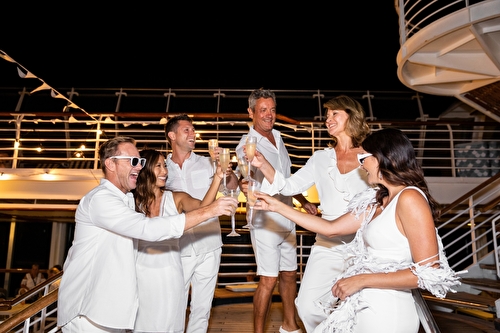
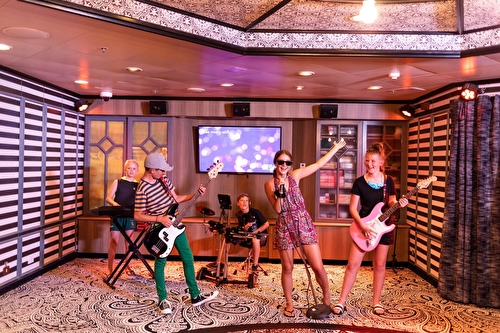
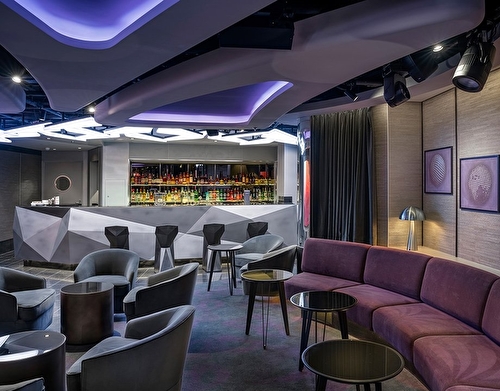
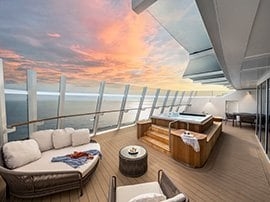
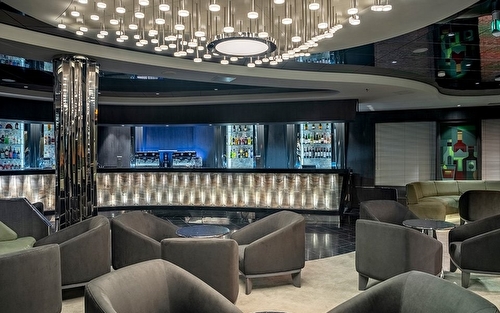
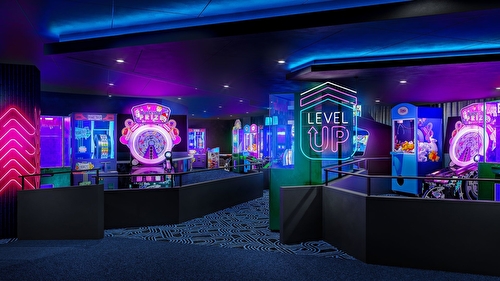
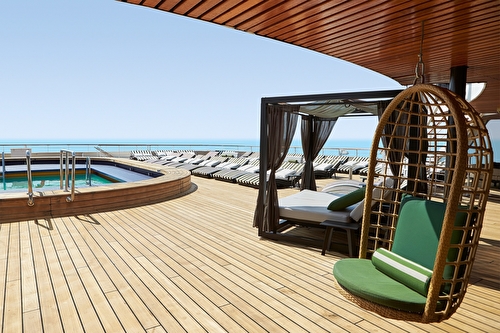
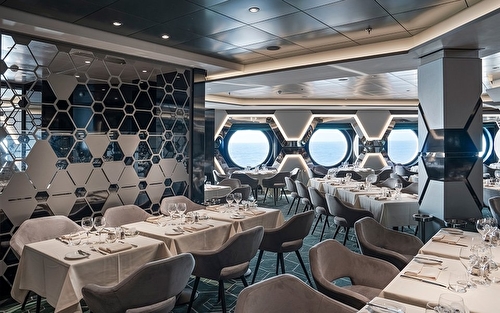
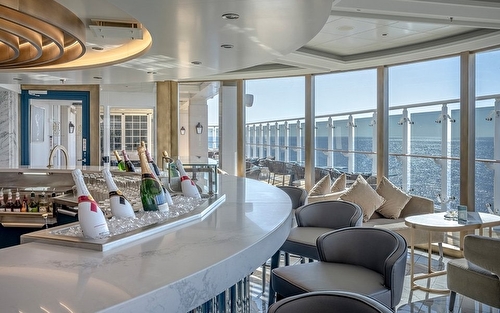
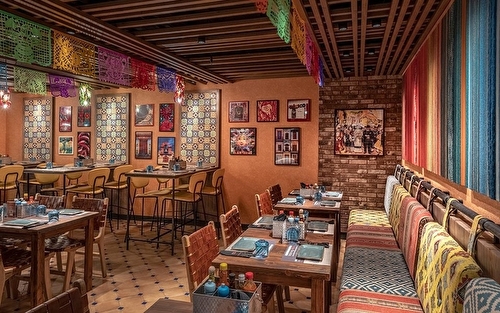
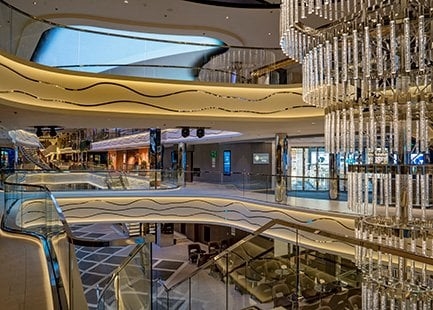
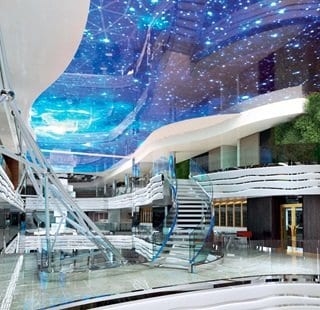
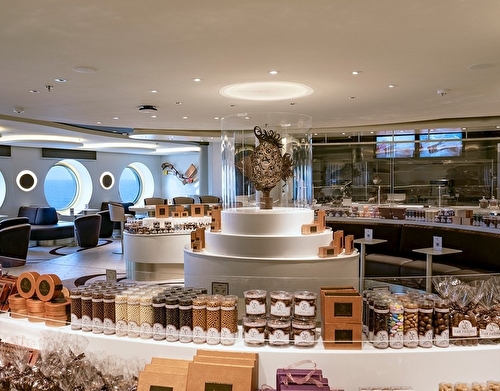
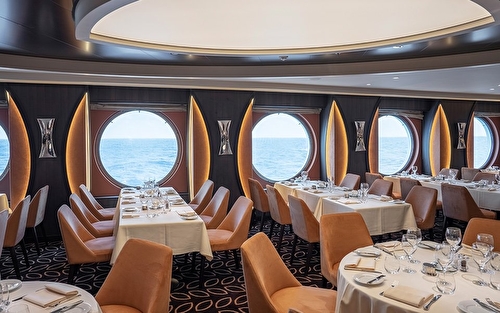
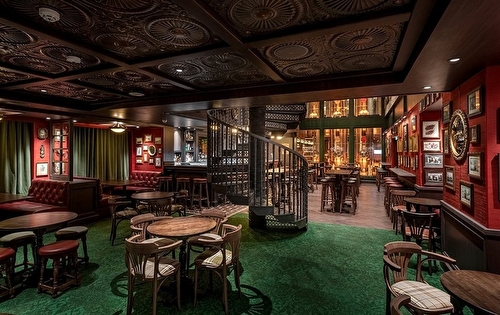
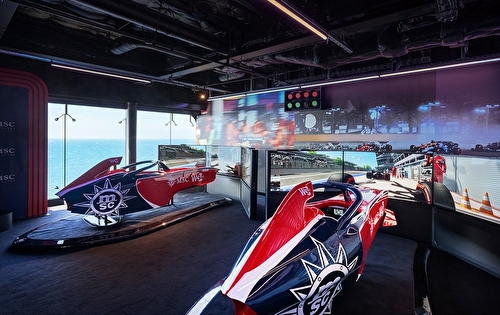
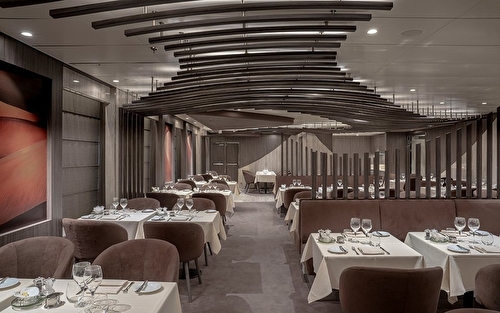
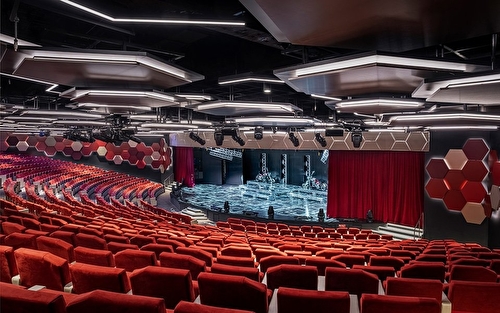
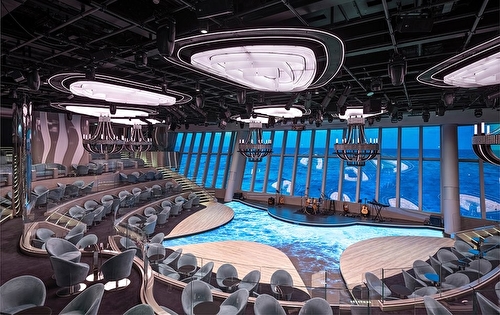
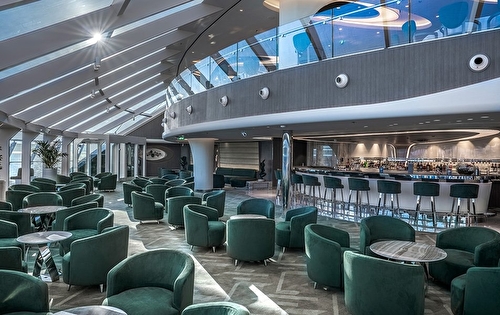
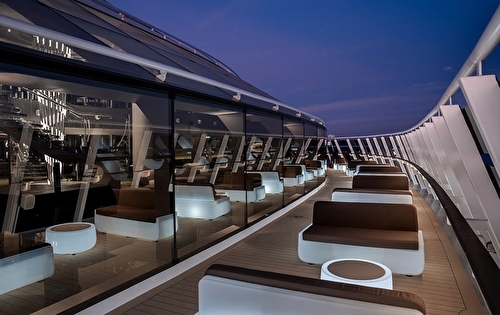
Discover The Art of Cruising on board MSC World Asia, the new World Class ship from MSC Cruises. MSC World Asia showcases MSC Cruises’ unparalleled expertise in The Art of Cruising, blending refined craftsmanship with meticulous attention to detail. This harmonious combination delivers the art of savouring, exploring and making memories. Step on board MSC World Asia, where tradition, innovation, and style come together to define The Art of Cruising. Beginning winter 2026, this extraordinary ship will journey through the stunning Mediterranean, connecting guests to Europe’s most breathtaking destinations. With Asian-inspired design elements throughout her spaces, MSC World Asia combines state-of-the-art technology with world-class dining and top-notch entertainment, providing for a truly enjoyable experience. Savor, explore, and create unforgettable memories on a ship that seamlessly blends timeless craftsmanship with Asian artistry.
Panorama Lounge
Japanese Cuisine
Restaurant
Yacht Club
Yacht Club Restaurant
Reception
Description
Discover The Art of Cruising on board MSC World Asia, the new World Class ship from MSC Cruises. MSC World Asia showcases MSC Cruises’ unparalleled expertise in The Art of Cruising, blending refined craftsmanship with meticulous attention to detail. This harmonious combination delivers the art of savouring, exploring and making memories. Step on board MSC World Asia, where tradition, innovation, and style come together to define The Art of Cruising. Beginning winter 2026, this extraordinary ship will journey through the stunning Mediterranean, connecting guests to Europe’s most breathtaking destinations. With Asian-inspired design elements throughout her spaces, MSC World Asia combines state-of-the-art technology with world-class dining and top-notch entertainment, providing for a truly enjoyable experience. Savor, explore, and create unforgettable memories on a ship that seamlessly blends timeless craftsmanship with Asian artistry.
Entertainment
Panorama Lounge
Food and Drink
Japanese Cuisine
Restaurant
Yacht Club
Yacht Club Restaurant
Other
Reception
STATEROOMS

suite

balcony

outside
