

Seward (Anchorage, Alaska) to Tokyo
- 3 Sep ‘26
- 30 nights
- Departing from Seward (Anchorage
- Silver Moon

-
Suite price fromCall for price
YOUR ITINERARY
Seward (Anchorage, Alaska) United States - Homer, Alaska - Kodiak, Alaska - Date Line lose a day - Hakodate - Muroran - Miyako, Iwate, Japan - Sendai, Japan - Tokyo, Japan - Tokyo, Japan - Osaka, Japan - Osaka, Japan - Kochi, Japan - Hiroshima, Japan - Busan, South Korea - Kanazawa - Hakodate - Miyako, Iwate, Japan - Tokyo, Japan
Monumental scenery surrounds you in this remote corner of...
Monumental scenery surrounds you in this remote corner of the world, where glaciers calve and whales cruise through inky waters, before an immense mountain backdrop. Almost totally submerged by the colossal landscapes around it, Seward – and the wonders of Kenai Fjords National Park – offer some of astonishing Alaska’s most thrilling scenery. Located in a deep gash in the Kenai Peninsula, Seward is a place to immerse yourself in nature’s majesty. View less
Fjords carve into the landscape, while the Harding Icefield – which caps Kenai Fjords National Park – reaches out its icy fingers, with glaciers spilling down between mountain peaks. Head to Holgate Glacier, to come face to face with a breathtaking stack of intense blue and white ice. Get up close in a kayak or boat ride, to slalom through the discarded confetti of ice chunks, and perhaps even witness the powerful spectacle of an ice ledge creaking and groaning, before plunging to the waters below. The city of Anchorage is easily within reach from here, offering an incongruous contrast to the wild wonders of Alaska. A place where deep-sea fishermen bump shoulders with businesspeople on the 9-5, it’s a fascinating, remote city. Home to almost half of the Alaskan population, Anchorage and its humble skyline is dwarfed by the snowy peaks of the wilderness beyond. Don’t miss the opportunity to immerse yourself in the unique culture, traditions and heritage of the First Nation people of these lands too.
Nestled among rolling hills and overlooking Kachemak Ba...
Nestled among rolling hills and overlooking Kachemak Bay and the Kenai Mountains is the seaside community of Homer, Alaska. People have inhabited Kachemak Bay for thousands of years, drawn to its abundant, diverse land and marine animals and relatively mild climate. In the 1800’s, homesteaders and coal miners made up the area’s population and Homer became a booming town until the demand for coal diminished in the early 1900’s. Some years later, the commercial harvest and processing of fish became the mainstay of the local economy. Today, Homer’s economy relies on commercial fishing and the growing tourism industry. It is a gateway to outdoor Alaska adventures.
The domain of grizzlies, brown and black bears, Kodiak ...
The domain of grizzlies, brown and black bears, Kodiak Island is a raw, wild, and utterly authentic Alaskan wilderness. The Emerald Isle is the USA’s second-largest island, and with a wilderness stretching out over 3,670 square miles, it’s a thrilling voyage into the Alaskan unknown. The weather may get a little cloudy at times, but the locals actively welcome a covering of cloud – perhaps partly because the clouds and fog are said to have deterred Japanese attacks during World War II’s hostilities. View less
Be sure to bring your camera with you; it’s nigh on impossible to take a bad photo of these irresistible vistas – and you’ll quickly see why Kodiak Island is the destination of choice for wildlife documentary producers. Cinematic setpieces regularly play out, as eagles soar over expansive sweeps of fir-tree forested mountains and still lakes, releasing occasional piercing calls. Some of the animal kingdom’s most feared and revered creatures call Kodiak Island home, and your first sight of a bear reaching a massive paw into the water, or treading through a gently burbling stream, will live with you forever. Soar in a seaplane to track the bears with an expert guide. Masters of disguise, it often takes a trained eye to spot the bears in their natural habitats. Brush up on the skills you’ll need in advance, with a read of our bear watching blog. [Insert blog: 7 tips for bear watching in Alaska]. The waters of Kodiak Island are also home to some of the world’s most productive fishing. Try out your own skills, or accompany a seafaring fishing vessel, to witness life on the waves first-hand, as they plunder the depths of the ocean.
Gaze down over Hakodate, from the heights of its namesake pe...
Gaze down over Hakodate, from the heights of its namesake peak – Mount Hakodate – to see the city stretching out spectacularly, with back-to-back twin bays splitting the ocean. Hakodate port was one of the first to open Japan up to the world, and to international trade in 1859 – a fact reflected in the architecture, with its influences from the West and beyond. The port area is a redbrick wash of warehouses turned shopping malls, all observed by the onion domes of the city’s Russian Orthodox church.
Located in southwestern Hokkaido, about 130km south of Sapporo,...
Located in southwestern Hokkaido, about 130km south of Sapporo, Muroran runs along the coast and takes up most of the peninsula area. The southwest coast of the peninsula is formed of huge 100 m cliffs and faces Uchiura Bay, while southeastern coast of the peninsula meets the Pacific Ocean. The large, deep, water port dates from 1872 made the city an industrial hub and the town’s nickname “the city of steel”, gives you more or less a feel for what one can expect.
Miyako is a city located in Iwate Prefecture, Japan. As...
Miyako is a city located in Iwate Prefecture, Japan. As of 1 April 2020, the city had an estimated population of 51,150, and a population density of 41 persons per km². The total area of the city is 1,259.15 square kilometers.
Situated in the centre of the Miyagi Prefecture, ...
Situated in the centre of the Miyagi Prefecture, Sendai City is the largest city in the Tohoku region, and the political and economic centre of the Northwest region. In spite of its large size, Sendai is renowned throughout Japan as a modern city in harmony with nature. The city possesses beautiful scenery, including the Hirose-gawa River running through Central Sendai and the lush zelkova trees lining its streets. Greenery is especially abundant in the centre of the city, which has tree-lined streets and parks. As a result, Sendai is called the ‘City of Trees’.
Dense and delightful, there’s nowhere else like Japan...
Dense and delightful, there’s nowhere else like Japan’s kinetic capital – a city where ancient traditions blend seamlessly with a relentless pursuit for the future’s sharpest edge. See the city from above, as elevators rocket you up to towering viewing platforms, from which you can survey a vast urban ocean, interspersed with sky-scraping needles. Look out as far as the distant loom of Mount Fuji’s cone on clear days. View less
Futuristic – second-accurate – transport seamlessly links Tokyo’s 14 districts, while the glow of flashing advertisement boards, clanks of arcade machines, and waves of humanity flowing along its streets, adds to the sense of mesmerising, dizzying and glorious sensory overload. One of Tokyo’s most iconic sights, don’t miss the flood of people scrambling to cross Shibuya’s famous intersection. Join the choreographed dance, as crowds of briefcase-carrying commuters are given the green light to cross at the same time – bathed in the light of massive neon advertisements. The culture is immensely rich and deep, with 7th-century, lantern-decorated temples, stunning palaces and tranquil scarlet shrines waiting below cloaks of incense and nestling between soaring skyscrapers. Restaurants serve up precisely prepared sushi, and wafer-thin seafood slivers, offering a unique taste of the country’s refined cuisine. Settle into traditional teahouses, to witness intricate ceremonies, or join the locals as they fill out karaoke bars to sing the night away. In the spring, cherry blossom paints a delicate pink sheen over the city’s innumerable parks and gardens.
Dense and delightful, there’s nowhere else like...
Dense and delightful, there’s nowhere else like Japan’s kinetic capital – a city where ancient traditions blend seamlessly with a relentless pursuit for the future’s sharpest edge. See the city from above, as elevators rocket you up to towering viewing platforms, from which you can survey a vast urban ocean, interspersed with sky-scraping needles. Look out as far as the distant loom of Mount Fuji’s cone on clear days. View less
Futuristic – second-accurate – transport seamlessly links Tokyo’s 14 districts, while the glow of flashing advertisement boards, clanks of arcade machines, and waves of humanity flowing along its streets, adds to the sense of mesmerising, dizzying and glorious sensory overload. One of Tokyo’s most iconic sights, don’t miss the flood of people scrambling to cross Shibuya’s famous intersection. Join the choreographed dance, as crowds of briefcase-carrying commuters are given the green light to cross at the same time – bathed in the light of massive neon advertisements. The culture is immensely rich and deep, with 7th-century, lantern-decorated temples, stunning palaces and tranquil scarlet shrines waiting below cloaks of incense and nestling between soaring skyscrapers. Restaurants serve up precisely prepared sushi, and wafer-thin seafood slivers, offering a unique taste of the country’s refined cuisine. Settle into traditional teahouses, to witness intricate ceremonies, or join the locals as they fill out karaoke bars to sing the night away. In the spring, cherry blossom paints a delicate pink sheen over the city’s innumerable parks and gardens.
Japan’s third-biggest city has thrown off its shackles a...
Japan’s third-biggest city has thrown off its shackles and stepped out of the shadows to light up the sky with glaring neon signs and a larger than life outlook. Giant octopuses cling to buildings and bustling restaurants pack in the crowds in this great and garish place, which is Japan at its most friendly, extroverted and flavourful. So dive in headfirst to experience an all-out sensory assault of delicious food, shopping cathedrals and glittering temples. View less
Dotombori Bridge bathes in the multicoloured, jewel-like lights of signage-plastered buildings, and the neon lights dance on the canal’s waters below. Osaka is known as the nation’s kitchen, and the Kuromon Ichiba Market has served as the city’s spot to tuck in for almost 200 years. Full of street food stalls – try pufferfish, savoury Okonomiyaki pancakes, or ginger and onion flavoured octopus, among the endless feast of exotic flavours. Osaka Castle is another of the city’s landmarks, built in the 16th century by Toyotomi Hideyoshi. A modern museum now waits inside, where you can learn about the country’s history, and why this castle is a symbol of Japanese unity. Be sure to take the elevator up to the observation deck for a panoramic view of Osaka’s spread. A colourful park encloses the castle and blooms with an ocean of pale pink cherry blossom during the season – the elegant black tiers rising from the pink haze below is one of Osaka’s most alluring visions. Kyoto’s peaceful cultural treasures and temples are also just a short jaunt away on Japan’s sleek trains, should you wish to explore further afield.
Japan’s third-biggest city has thrown off its shackles and...
Japan’s third-biggest city has thrown off its shackles and stepped out of the shadows to light up the sky with glaring neon signs and a larger than life outlook. Giant octopuses cling to buildings and bustling restaurants pack in the crowds in this great and garish place, which is Japan at its most friendly, extroverted and flavourful. So dive in headfirst to experience an all-out sensory assault of delicious food, shopping cathedrals and glittering temples. View less
Dotombori Bridge bathes in the multicoloured, jewel-like lights of signage-plastered buildings, and the neon lights dance on the canal’s waters below. Osaka is known as the nation’s kitchen, and the Kuromon Ichiba Market has served as the city’s spot to tuck in for almost 200 years. Full of street food stalls – try pufferfish, savoury Okonomiyaki pancakes, or ginger and onion flavoured octopus, among the endless feast of exotic flavours. Osaka Castle is another of the city’s landmarks, built in the 16th century by Toyotomi Hideyoshi. A modern museum now waits inside, where you can learn about the country’s history, and why this castle is a symbol of Japanese unity. Be sure to take the elevator up to the observation deck for a panoramic view of Osaka’s spread. A colourful park encloses the castle and blooms with an ocean of pale pink cherry blossom during the season – the elegant black tiers rising from the pink haze below is one of Osaka’s most alluring visions. Kyoto’s peaceful cultural treasures and temples are also just a short jaunt away on Japan’s sleek trains, should you wish to explore further afield.
History buffs will want to write home Hiroshima. Despite b...
History buffs will want to write home Hiroshima. Despite being devastated in 1945, this Japanese city is known to all for its commitment peace – its ruin on the 6th August 1945 led to the end of the war and today, the Peace Memorial (a UNESCO World Heritage Site) , is a constant reminder of the destruction that war brings. A walk in the leafy boulevards of Peace Memorial Park brings quiet contemplation. View less
The Flames of Peace – set in the park’s central feature pond – burn brightly and will continue to do so until all the nuclear bombs I the world have been destroyed. There are many other inspiring messages of hope around the city too; the Children’s’ Peace Monument just north of the park is a homage to little Sadako Sasaki, who was just two in 1945. When she developed leukemia in 1956, she believed that if she folded 1,000 paper cranes – a symbol of longevity and happiness in Japan – she would recover. Sadly she died before she finished her task but her classmates finished the rest. If you are lucky enough to visit during the unpredictable and short-lived Sakura (cherry blossom) season, then the extraordinary sight of the delicate pink blossom floating across the water to the red gate, means you can consider yourself one of the luckiest people on the planet.
“A tapestry of kaleidoscopic colours, intense s...
“A tapestry of kaleidoscopic colours, intense seafood flavours, and urban beach bliss, Busan rolls across a glorious natural setting on the Korean Peninsula’s south-east. One of the largest and busiest ports in the world, 3.5 million people call South Korea’s second city home, and the amiable locals help to lend the city its quirky, offbeat outlook. A spacious, playful and cosmopolitan place, Busan is a lively, liveable city, cradled by lush mountains and endless ocean scenery.
Haedong Yonggung Temple nestles on a dramatic cliffside, just above the crumbling rocks and crashing waves of the East Sea. Dating back to 1376, the temple’s multi-storey pagoda is adorned with lions – each representing a different emotion. Elsewhere, lanterns glitter in the night sky around Mount Geumjeongsan, freshly released from the beautiful Beomeosa Temple, which was established in AD 678. The hillside shantytown of Gamcheon Culture Village has completed an improbable transformation, blossoming from a sea of makeshift homes for Korean war refugees, into a colourful explosion of creativity and curiosity. Local artists have been let loose to create interactive installations, and the entire area is now an expansive canvas for expression. Lose yourself among vibrant alleyways of flamingo-pink, lemon-yellow and baby-blue painted facades in this unique area. Sample bibimbap, fiery-hot beef and rice, from street food vendors, before relaxing on one of South Korea’s best beaches – Haeundae’s banana bend of sand. Metallic skyscrapers offer an unusual backdrop to this pristine expanse of golden powder and are mirrored by elaborate sandcastles and sculptures during the annual sand festival – when spontaneous water fights and firework displays also take place. Gwangalli beach is another urban option, laying out spectacular views of the reaching Gwangan Bridge – the country’s second largest bridge. At night, 16,000 bulbs bathe this engineering marvel in colour.”
The capital of the Ishikawa Prefecture, Kanazawa once ...
The capital of the Ishikawa Prefecture, Kanazawa once rivalled Kyoto and Edo (Tokyo) as a town rich in cultural achievements. Kanazawa escaped destruction during World War II and accordingly has been able to preserve many of the old districts in good shape. The city is famous because of Kenrokuen. Located next to Kanazawa Castle, Kenrokuen is classified as “One of the Three Gardens of Japan”. The garden has an artificial pond, and hills and houses are dotted within the 11.4 hectares. View less
It has Japan’s oldest fountain using natural water pressure and a tea-house dating back to 1774. Close by is the Higashi Chaya Gai Geisha District, designated a National Cultural Asset and the biggest of the Geisha districts of Kanazawa. Some of the houses not only retain the original structure, but still are used as Geisha houses. Some of the streets have traditional shops creating a nostalgic atmosphere. Kanazawa is also known for its lacquer ware, Kutani-style pottery, gold-leaf workmanship and delicately painted silk kimonos.
Gaze down over Hakodate, from the heights of its ...
Gaze down over Hakodate, from the heights of its namesake peak – Mount Hakodate – to see the city stretching out spectacularly, with back-to-back twin bays splitting the ocean. Hakodate port was one of the first to open Japan up to the world, and to international trade in 1859 – a fact reflected in the architecture, with its influences from the West and beyond. The port area is a redbrick wash of warehouses turned shopping malls, all observed by the onion domes of the city’s Russian Orthodox church.
Miyako is a city located in Iwate Prefecture, Japan. As of 1 Ap...
Miyako is a city located in Iwate Prefecture, Japan. As of 1 April 2020, the city had an estimated population of 51,150, and a population density of 41 persons per km². The total area of the city is 1,259.15 square kilometers.
Dense and delightful, there’s nowhere else like Japa...
Dense and delightful, there’s nowhere else like Japan’s kinetic capital – a city where ancient traditions blend seamlessly with a relentless pursuit for the future’s sharpest edge. See the city from above, as elevators rocket you up to towering viewing platforms, from which you can survey a vast urban ocean, interspersed with sky-scraping needles. Look out as far as the distant loom of Mount Fuji’s cone on clear days. View less
Futuristic – second-accurate – transport seamlessly links Tokyo’s 14 districts, while the glow of flashing advertisement boards, clanks of arcade machines, and waves of humanity flowing along its streets, adds to the sense of mesmerising, dizzying and glorious sensory overload. One of Tokyo’s most iconic sights, don’t miss the flood of people scrambling to cross Shibuya’s famous intersection. Join the choreographed dance, as crowds of briefcase-carrying commuters are given the green light to cross at the same time – bathed in the light of massive neon advertisements. The culture is immensely rich and deep, with 7th-century, lantern-decorated temples, stunning palaces and tranquil scarlet shrines waiting below cloaks of incense and nestling between soaring skyscrapers. Restaurants serve up precisely prepared sushi, and wafer-thin seafood slivers, offering a unique taste of the country’s refined cuisine. Settle into traditional teahouses, to witness intricate ceremonies, or join the locals as they fill out karaoke bars to sing the night away. In the spring, cherry blossom paints a delicate pink sheen over the city’s innumerable parks and gardens.
YOUR SHIP - The Silver Moon
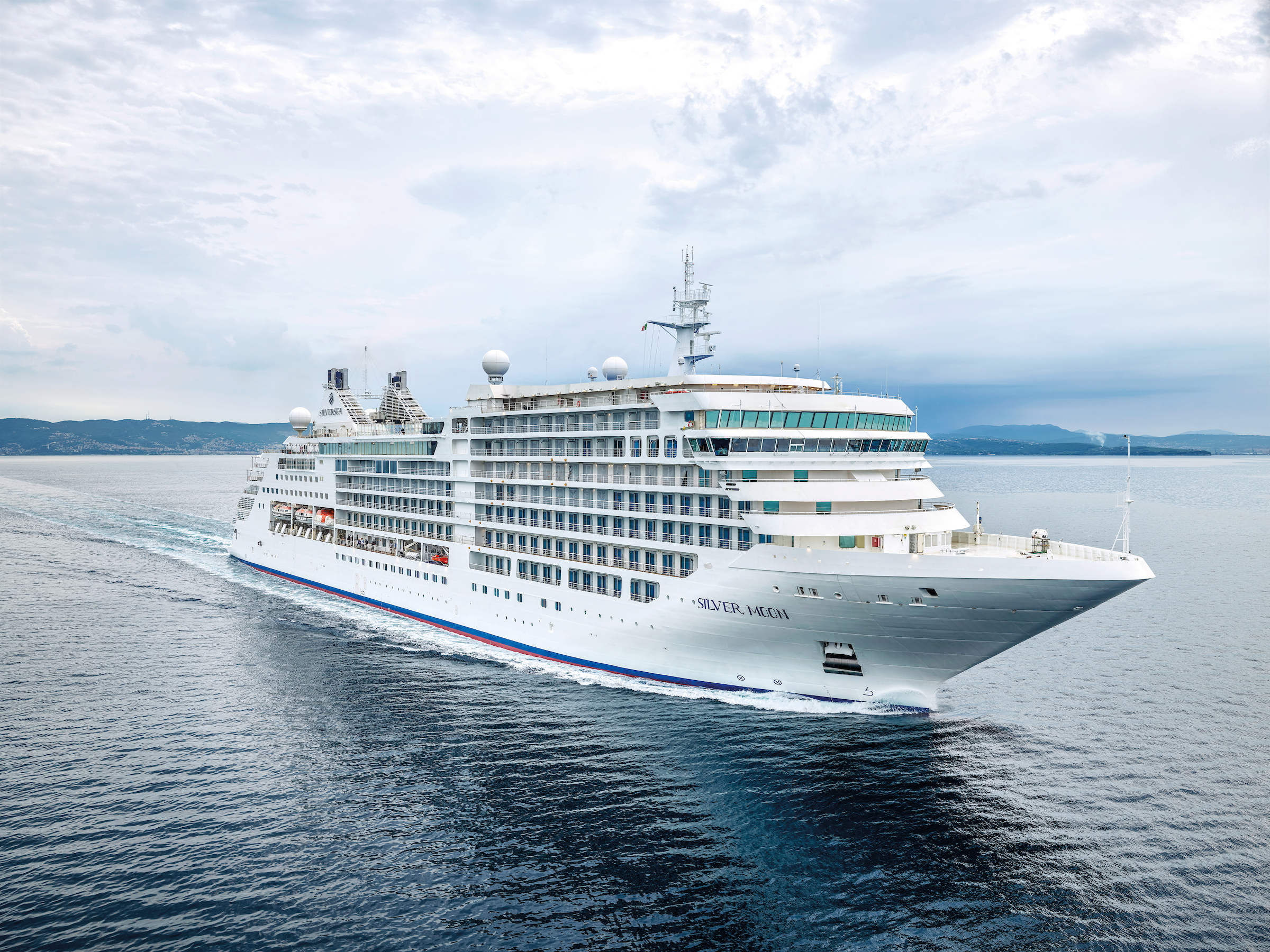
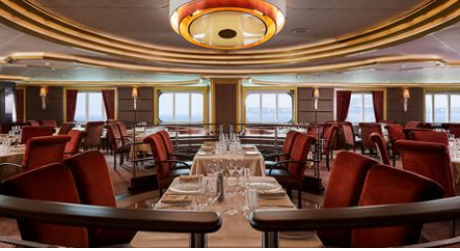

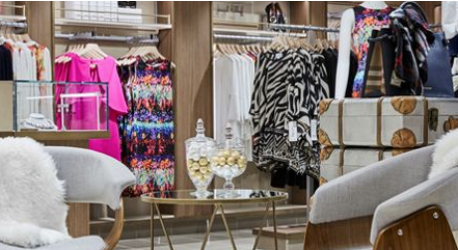
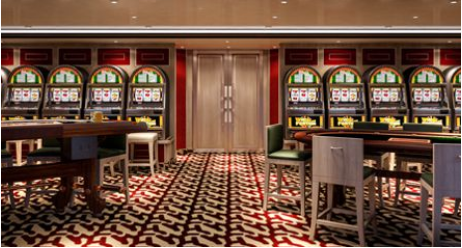
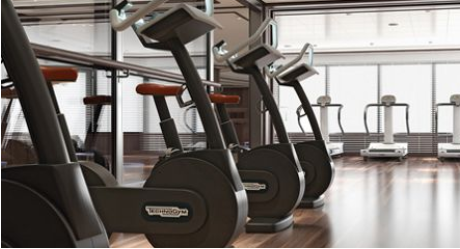
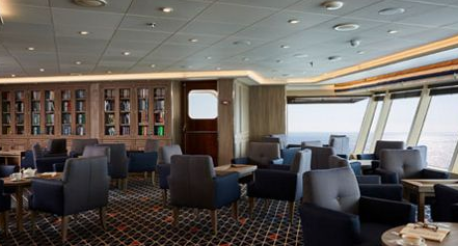
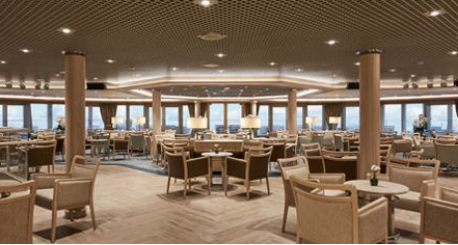
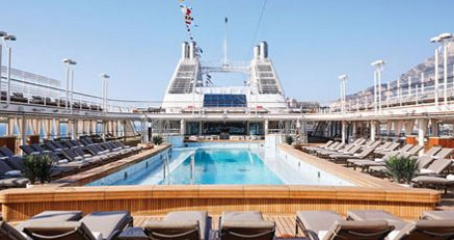
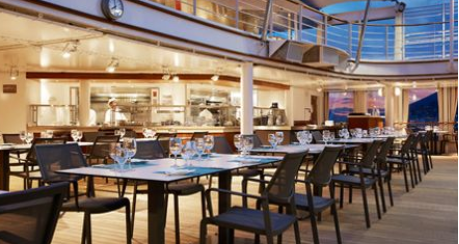
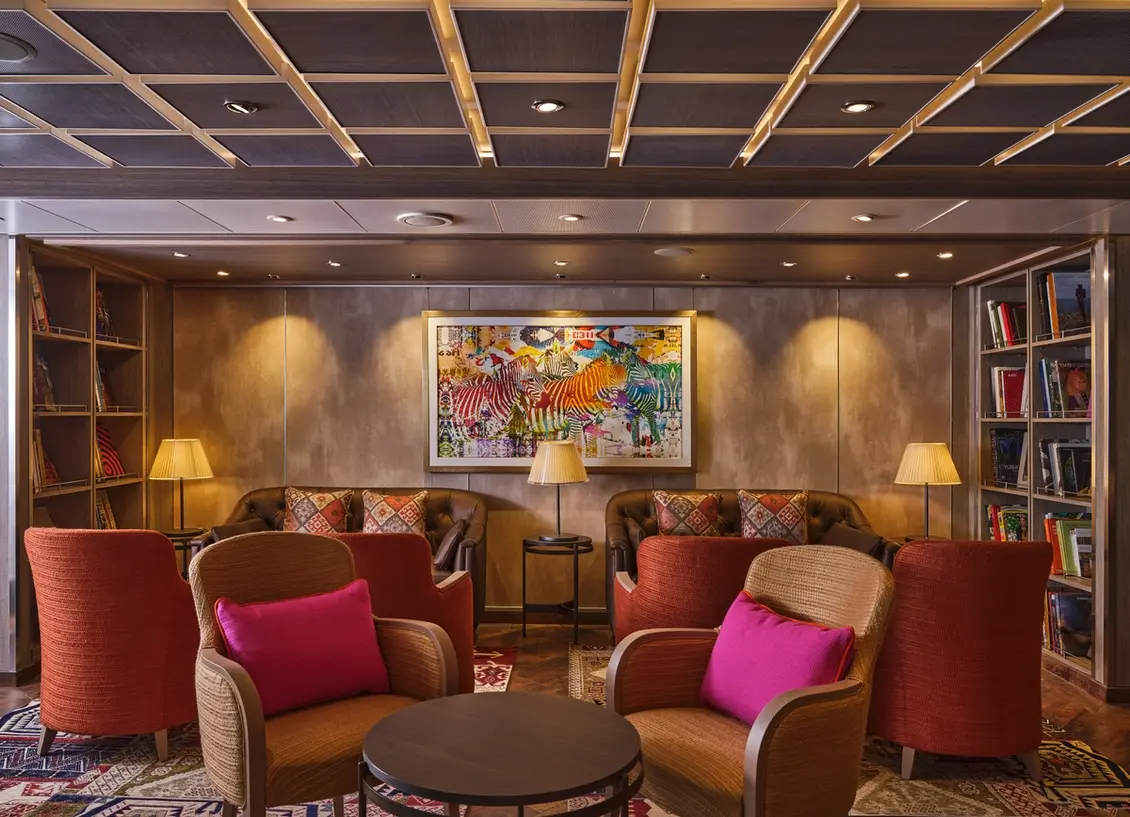
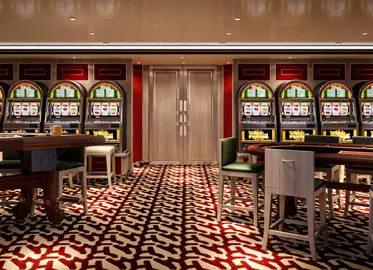
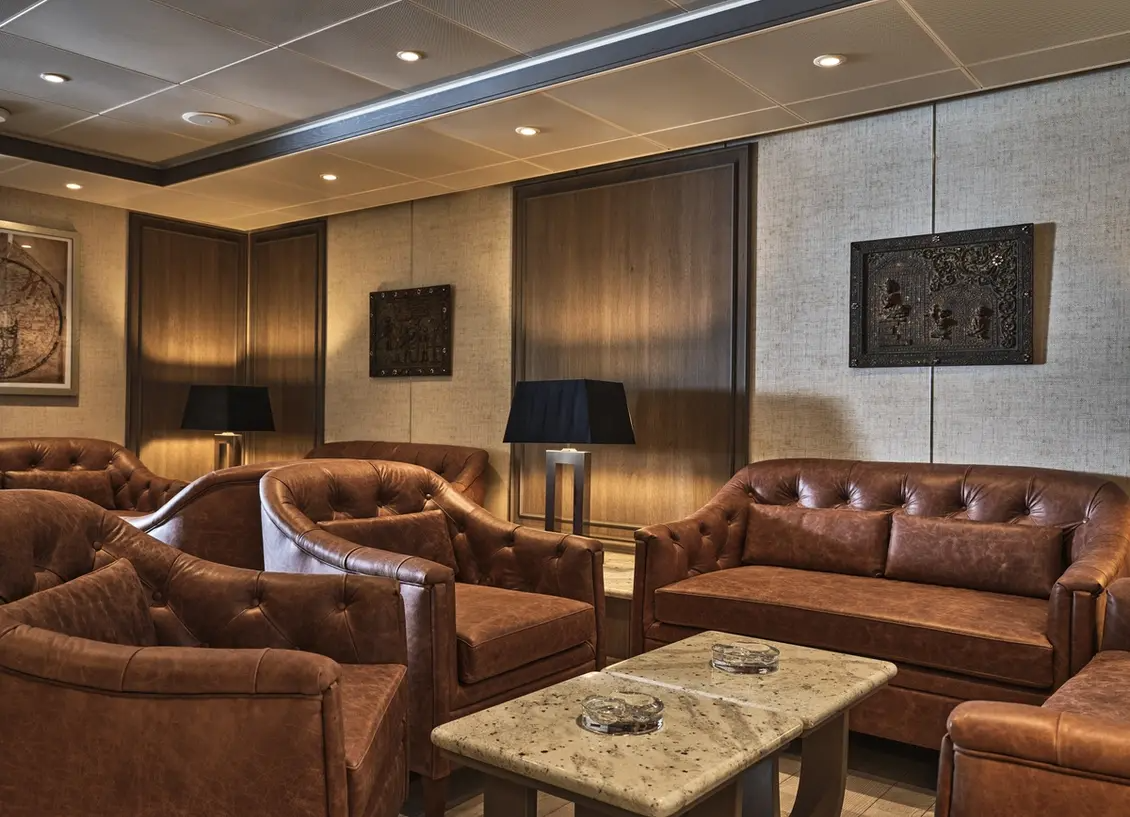
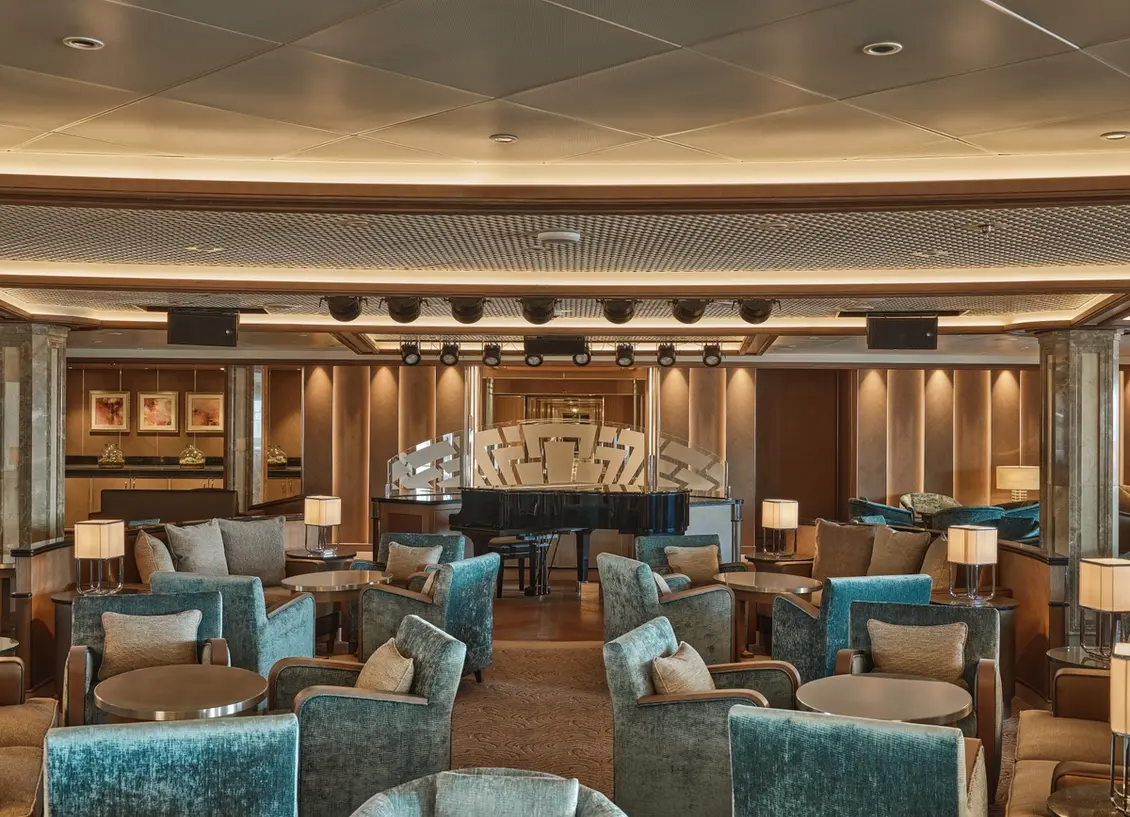
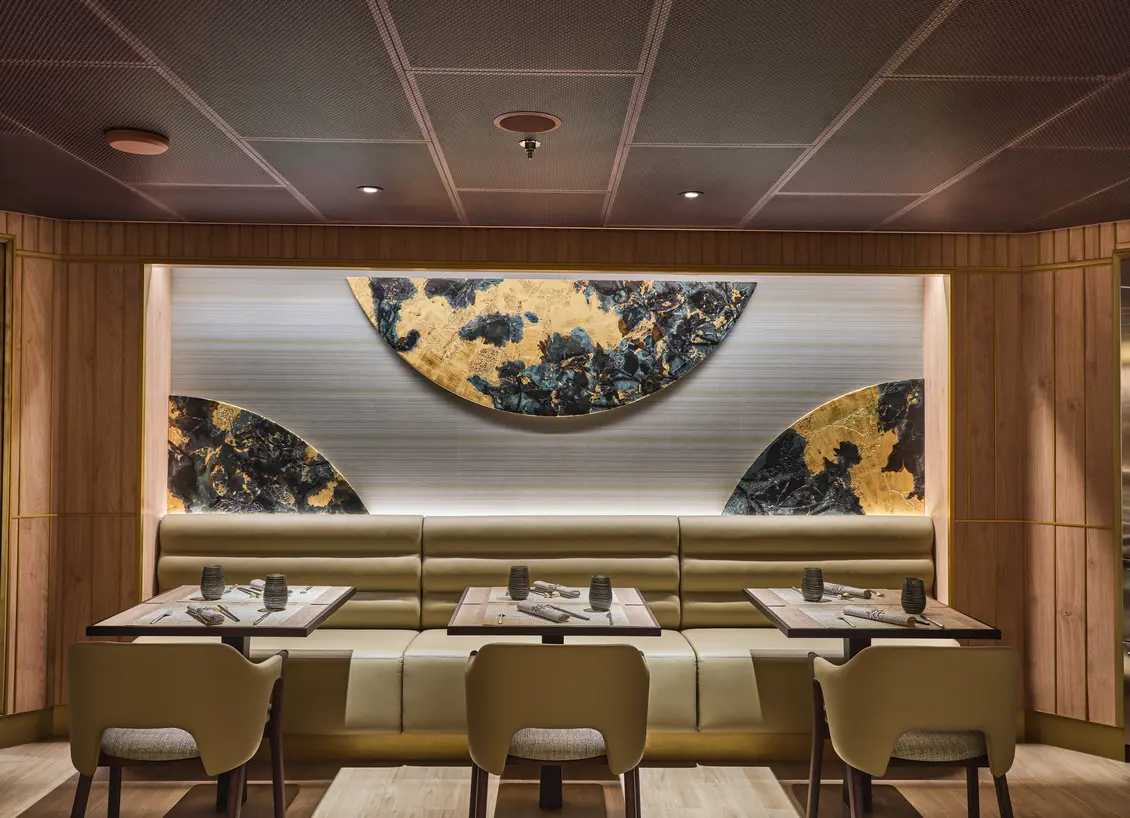
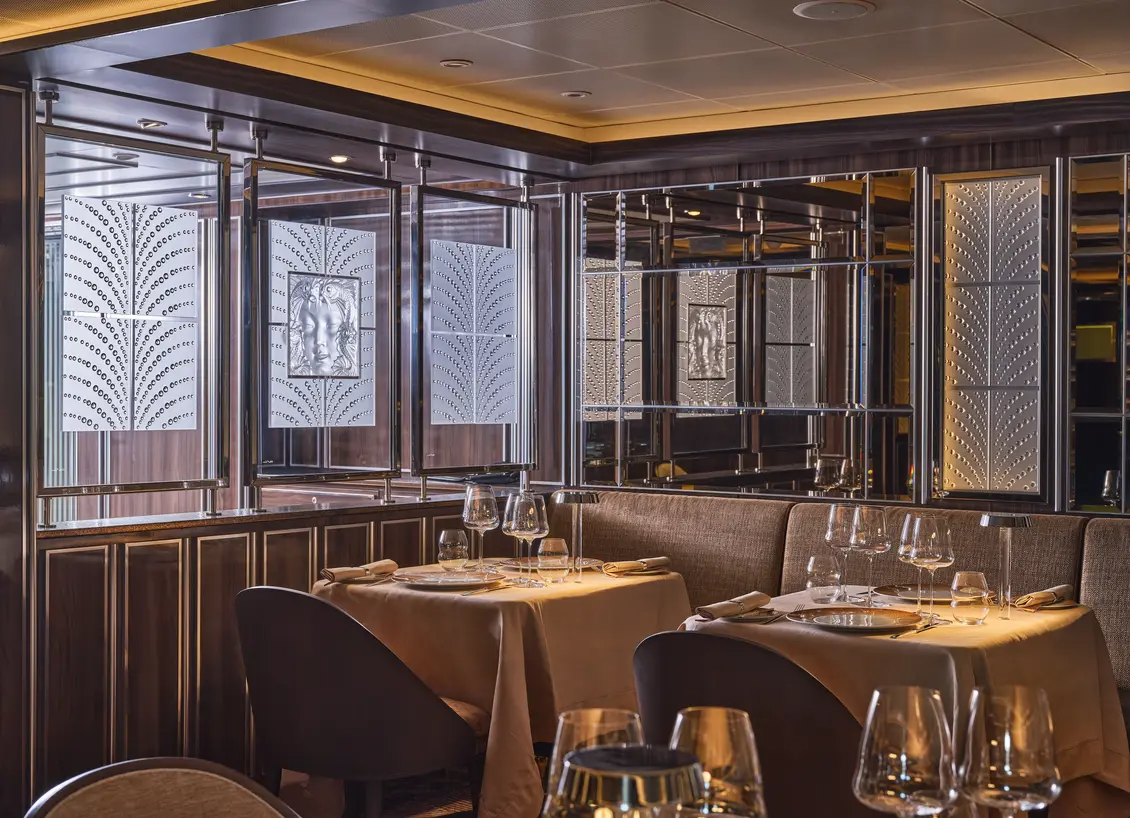
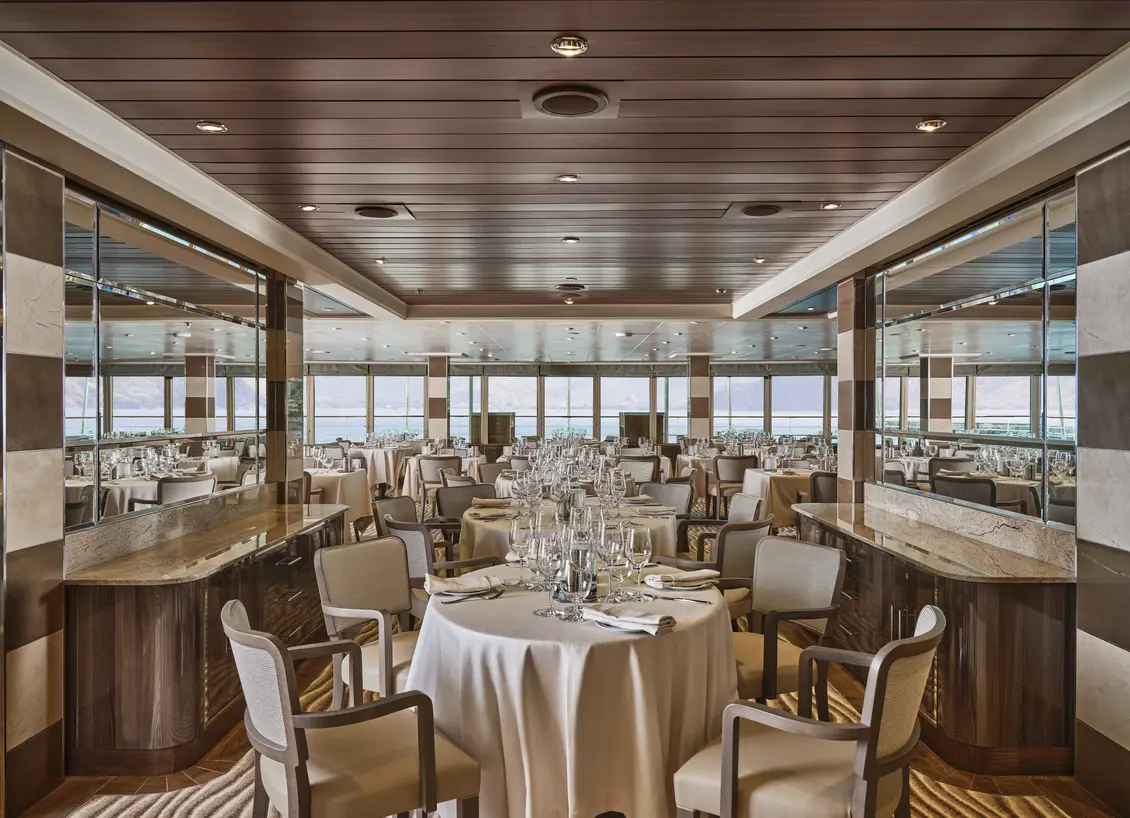
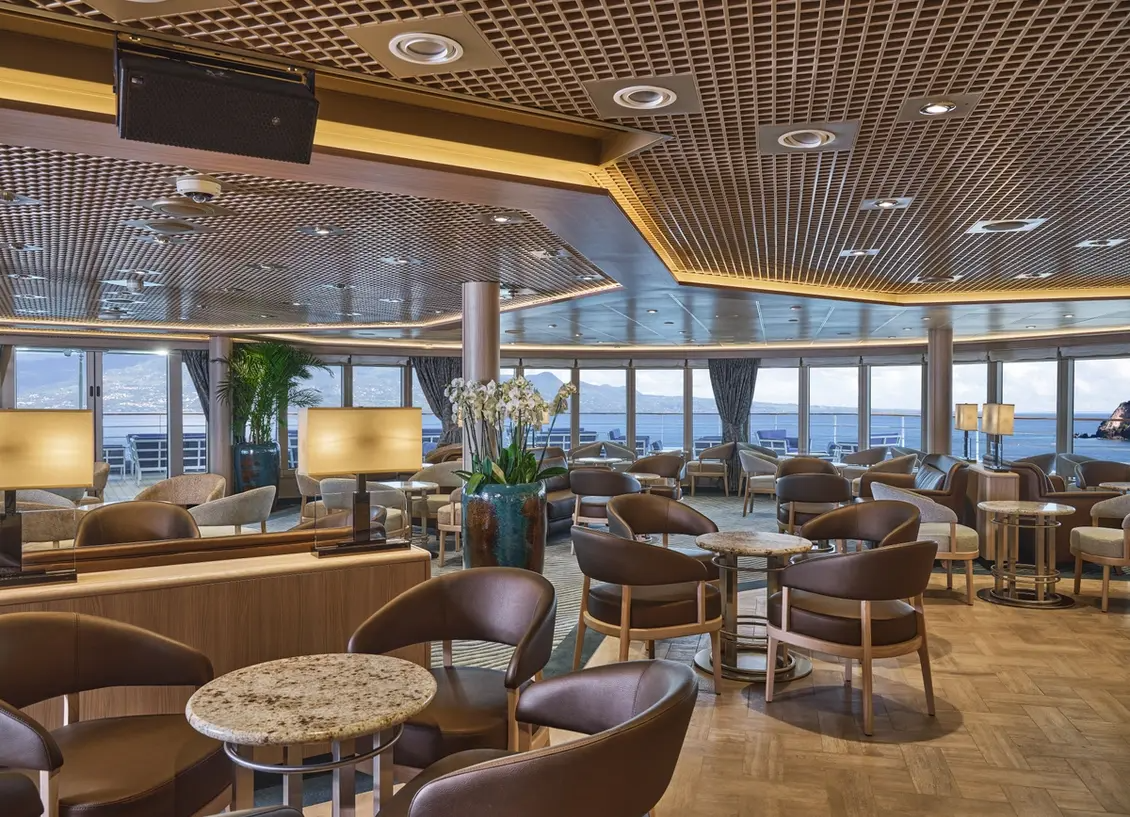
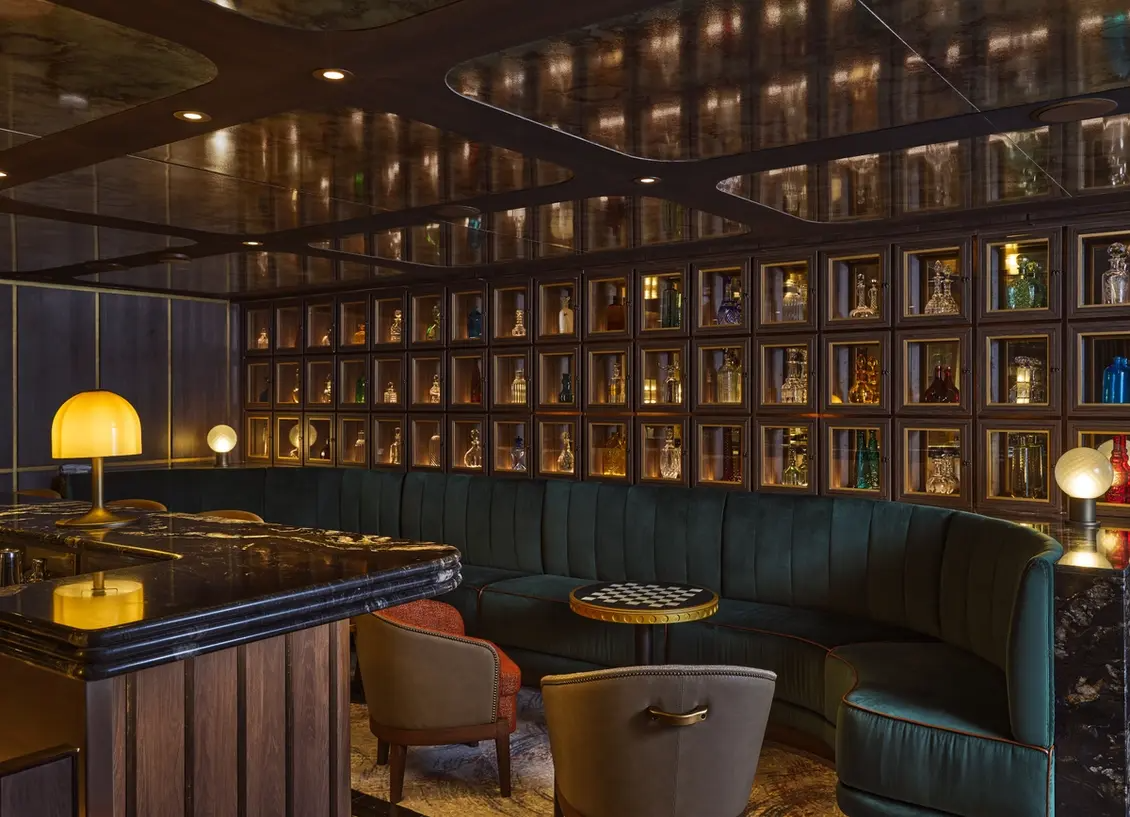
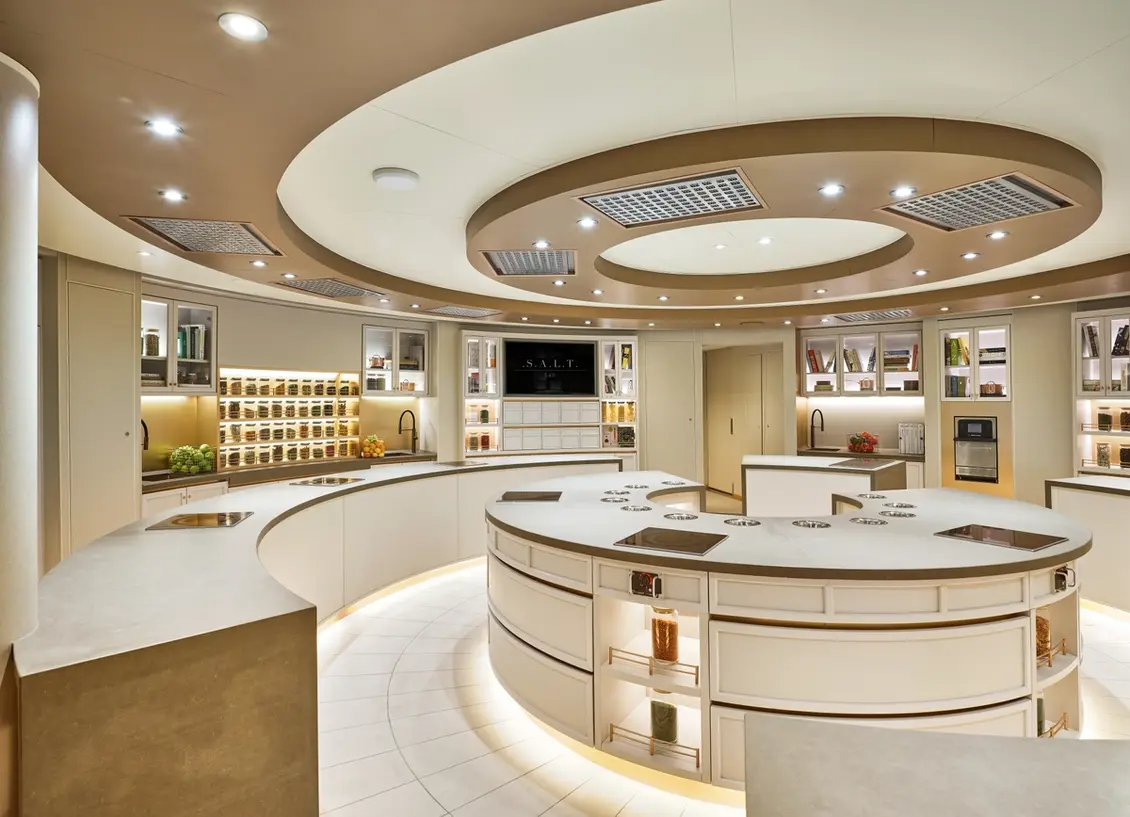
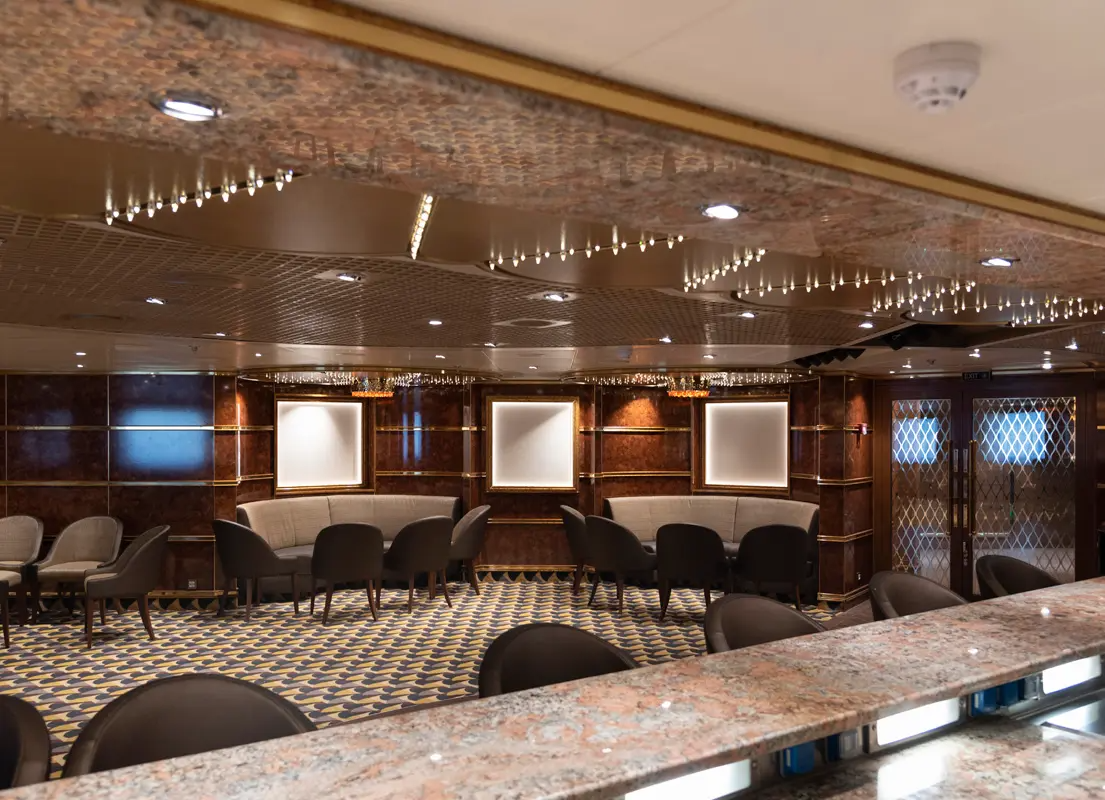
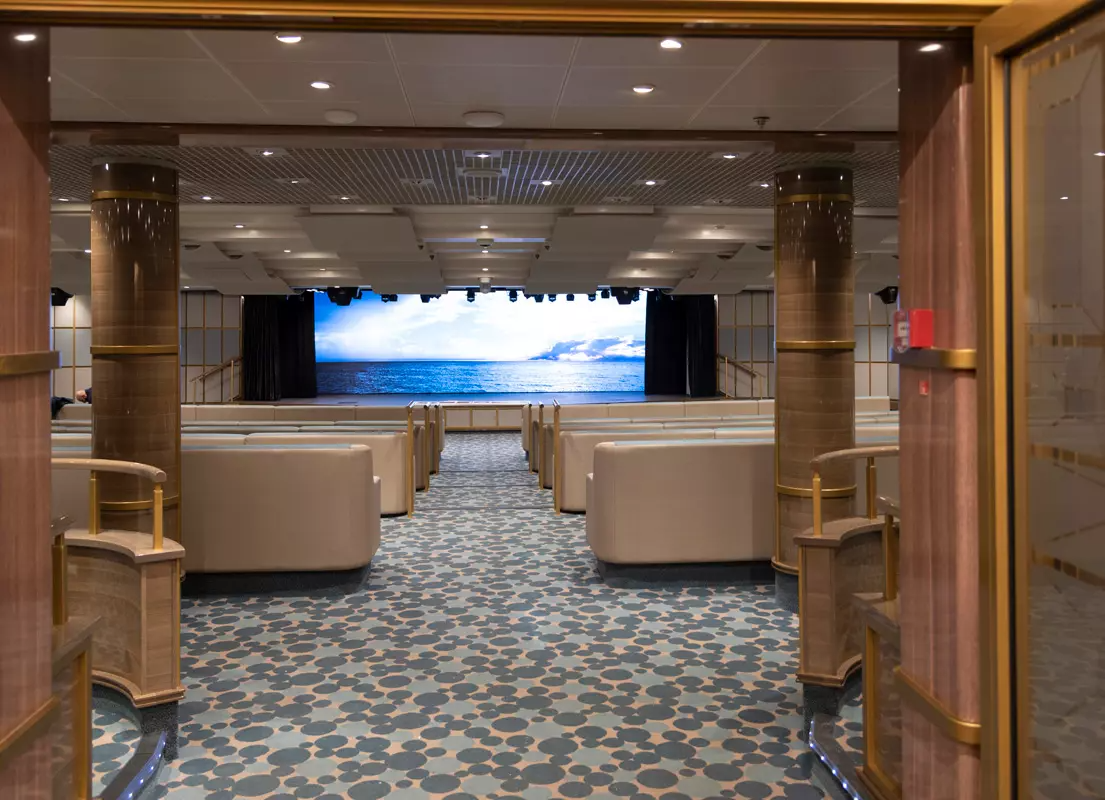
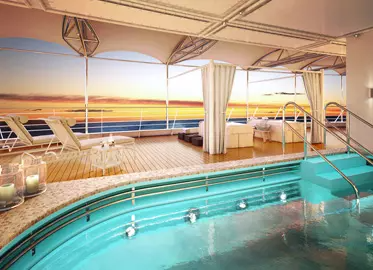
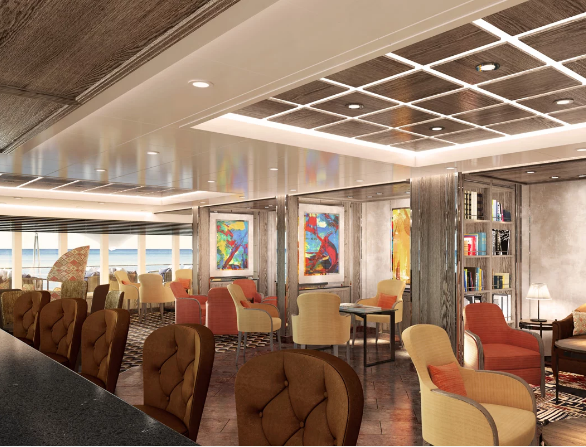
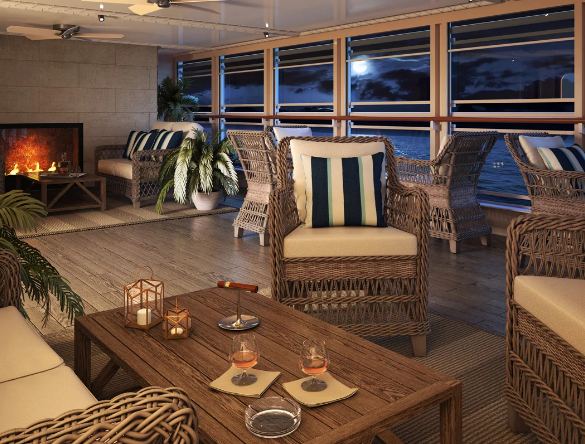
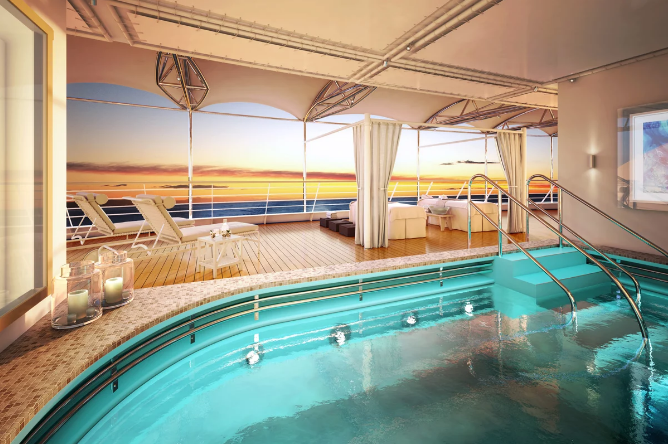
Building on the phenomenal success of Silver Muse, Silver Moon mirrors her sister ship and establishes a new era of Silversea. At 40,700 gross tons and with a capacity to accommodate 596 passengers on board, Silver Moon maintains the small-ship intimacy and spacious all-suite accommodation, which are the hallmarks of the Silversea experience. Silver Moon also features the all-new Sea And Land Taste (S.A.L.T.) programme – an immersive culinary concept that enables guests to travel deeper through a range of destination-based gastronomic experiences. Get ready for a new world of travel.
Boutique
Beauty Salon
Day Spa & Fitness Centre
Jacuzzi
Panoramic Lounge
Pool Deck
Spa
Swimming Pool
Whirlpool
Fitness Center
Jogging Track
Pool
Wellness Centre
Casino
Connoisseur Club
Connoisseur’s Corner
Observation Lounge
Panorama Lounge
Silver Note
Arts Cafe
Atlantide
Dolce
La Dame
La Terrazza
Spaccanapoli
The Grill
Venetian
Description
Building on the phenomenal success of Silver Muse, Silver Moon mirrors her sister ship and establishes a new era of Silversea. At 40,700 gross tons and with a capacity to accommodate 596 passengers on board, Silver Moon maintains the small-ship intimacy and spacious all-suite accommodation, which are the hallmarks of the Silversea experience. Silver Moon also features the all-new Sea And Land Taste (S.A.L.T.) programme – an immersive culinary concept that enables guests to travel deeper through a range of destination-based gastronomic experiences. Get ready for a new world of travel.
Other
Boutique
Relaxation
Beauty Salon
Day Spa & Fitness Centre
Jacuzzi
Panoramic Lounge
Pool Deck
Spa
Swimming Pool
Whirlpool
Fitness
Fitness Center
Jogging Track
Pool
Wellness Centre
Entertainment
Casino
Connoisseur Club
Connoisseur’s Corner
Observation Lounge
Panorama Lounge
Silver Note
Food and Drink
Arts Cafe
Atlantide
Dolce
La Dame
La Terrazza
Spaccanapoli
The Grill
Venetian
STATEROOMS
