

14-Day Dalmatian Gems, Malta & Southern France
- 4 Nov ‘28
- 14 nights
- Departing from Fusina (Venice)
- Seabourn Ovation

-
Balcony price from$14,799*/pp
-
Suite price from$24,599*/pp
YOUR ITINERARY
Fusina (Venice), Italy - Rovinj, Croatia - Vis - Valletta, Malta - Lipari, Italy - Salerno - Civitavecchia (Rome), Italy - Livorno (Florence/Pisa), Italy - Monte Carlo, Monaco - La Joliette (Marseille),France - Sete, France - Port Vendres, France - Barcelona, Spain
Nestled among the myriad islets of the Istrian coast in th...
Nestled among the myriad islets of the Istrian coast in the Gulf of Venice, the charming harbor of Rovinj is comprised of candy-colored buildings, fringed with marinas and dominated by the fairytale spire of the Cathedral of Saint Euphemia, modeled on St. Marks’ in Venice. The old town is a treasury of historic monuments – a 13th-century Romanesque baptistry, a baroque City Hall, and an 18th-century monastery – all tucked among cobbled streets that invite exploration. Known as the “Montmartre of Istria,” this is an artists’ colony with many galleries.
Vis
...Vis
Occupied successively by the Phoenicians, Greeks, Car...
Occupied successively by the Phoenicians, Greeks, Carthaginians, Romans, Arabs, French and British, Malta has been of strategic importance throughout history. A British Crown Colony until 1964, Malta received the George Cross for its valiant resistance to German occupation in WWII. The island’s rich heritage is reflected in the architecture of Valletta, the current capital, and Medina, the capital until 1565. In Valletta the Knights of St. John built such masterpieces as St. John’s Co-Cathedral and the Palace of the Grand Masters, along with the fortifications that guard the town’s magnificent harbors.
Lipari is the largest of the seven major islands ...
Lipari is the largest of the seven major islands making up the Aeolian Islands. They were originally named after Aeolus, the mythical god of wind who the ancients believed made his home in a cave here. Recently renamed the Lipari Islands, they were created by volcanic eruptions thousands of years ago and have a primitive rocky beauty accented by Mediterranean greenery. Their natural beauty and easy lifestyle have made the islands increasingly popular for those who wish to escape the modern world and its stresses. The crystal clear aqua-blue waters and the volcanic beaches are some of the most inviting in Italy. Many are inaccessible except by fishermens’ boats. An abundance of fish and shell fish makes for some very good restaurants specializing in seafood.
Originally built by Emperor Trajan who had a villa here, C...
Originally built by Emperor Trajan who had a villa here, Civitavecchia has flourished as a major port for Rome since the 13th century. Today it is an important ferry terminal and for many travelers the gateway to the Eternal City, Rome. The Renaissance fortifications that surround the harbor area were begun by Bramante and completed by Michelangelo in 1535.
Livorno is the gateway to the region of Tuscany, which as G...
Livorno is the gateway to the region of Tuscany, which as Goethe once observed, looks like Italy should. Fortunately for today’s visitor not much has changed in the two centuries since the German poet was himself a tourist in Toscana. The remarkable wealth of beauty here mellowed to a golden patina by history and tempered by the hand of man, awaits. Everywhere there is history, from the Etruscan stronghold of Fiesole, to the Roman colony of Volterra to the Renaissance splendor of Florence, Pisa, Sienna and San Gimignano. If the landscape evokes a sense of the familiar it is because the great masters have used it as a backdrop for their great works. Michelangelo and Leonardo da Vinci were archtypal Tuscans and Renaissance men who headed an extensive list of geniuses who lived, worked and created within a single period of time.
The Principality of Monaco is the epitome of Riviera chic. Th...
The Principality of Monaco is the epitome of Riviera chic. This tiny enclave of 370 acres surrounds a sheltered harbor that draws yachts from around the world to enjoy the beautiful scenery, mild weather and elegant casino. Glamorous Monte Carlo is one of Monaco’s four quarters, which also include La Condamine, the business district; Monaco-ville, the capital; and Fontvieille, an area built on reclaimed land. Ruled by Prince Albert II, Monaco has a population of over 32,000, of which about 16 percent are citizens, or Monégasques.
Marseille is the second largest city in France after Paris. ...
Marseille is the second largest city in France after Paris. It is also one of the oldest continuously inhabited cities in the Mediterranean. Cave paintings in the nearby Calanques are estimated to be 30,000 years old, and remains of brick habitations date from 6,000 BCE. The more recent history begins with a Hellenic port in about 600 BCE, some remains of which are on view at the city’s History Museum. It has been one of the world’s major seaports almost from its founding, and served as the main European terminus of the French colonial empire in Africa and the Far East. It is located in the Provence-Alpes-Cote d’Azur region and is the capital of the Bouches-du-Rhone department. On an island in the expansive bay of Marseille stands the prison of Chateau d’If made famous by the Alexandre Dumas novel “The Count of Monte Cristo.” The Vieux-Port with its atmospheric buildings and wharves is the area where visitors can search for the perfect example of the local specialty bouillabaisse, a rich fish stew containing at least three, and often more varieties of local fishes. Marseille’s newly renovated port at the venerable Joliette Docks is situated very close to the striking Cathédrale de la Major and the fascinating collections at the Museum of African, Oceanic and American Indian Arts.
The port town of Sete hugs the tiny Mont St. Clai...
The port town of Sete hugs the tiny Mont St. Clair, and is caught between the Mediterranean and the Bassin de Thau, a salt lake directly behind it. It is crisscrossed by numerous canals which link the lake to the sea, and connected by 12 bridges. Along the quay, renovated buildings provide a multitude of architectural details from the 18th and 19th centuries. The life of the town is found in its squares: Place Leon Blum, with its fountain and Wednesday morning flower market; Place Aristide, with its old fashioned bandstand; and Place de la Republique, with its huge retaining walls and vaulted loggias. Sete retains its historic purpose as a fishing boat haven for North African trade; the old harbor dates from the time of Louis XIV.
The gem of the Vermillion Coast, the chosen retreat of kings ...
The gem of the Vermillion Coast, the chosen retreat of kings past, the inspiration of great 20th-century artists, Collioure is nestled in a small, rocky bay, dwarfed by the Alberes Mountains. The village is perfectly integrated into the countryside; the church and the stone chateau are the color of the rocks, the beach and the mountains. The town has kept much of its medieval character, with the bay separated into halves by the 13th-century royal castle of the Kings of Mallorca. Between the castle and the sea is a bustling old town, full of cafes, shops and art galleries. Among the great artists who have congregated here are Matisse, Picasso, Braque, Dufy and Derain.
Barcelona, the capital of Catalonia, is said to have been...
Barcelona, the capital of Catalonia, is said to have been founded by the Phoenicians, and was once the rival of the powerful states of Venice and Genoa for control of the Mediterranean trade. Today, it is Spain’s second largest city and has long rivaled, even surpassed Madrid in industry and commerce. The medieval atmosphere of the Gothic Quarter and the elegant boulevards combine to make the city one of Europe’s most beautiful. Barcelona’s active cultural life and heritage brought forth such greats as the architect Antonio Gaudi, the painter Joan Miro, and Pablo Picasso, who spent his formative years here. Other famous native Catalan artists include cellist Pau Casals, surrealist Salvador Dali, and opera singers Montserrat Caballe and Josep Carreras. Barcelona accomplished a long-cherished goal with the opportunity to host the Olympics in 1992. This big event prompted a massive building program and created a focal point of the world’s attention.
YOUR SHIP - The Seabourn Ovation
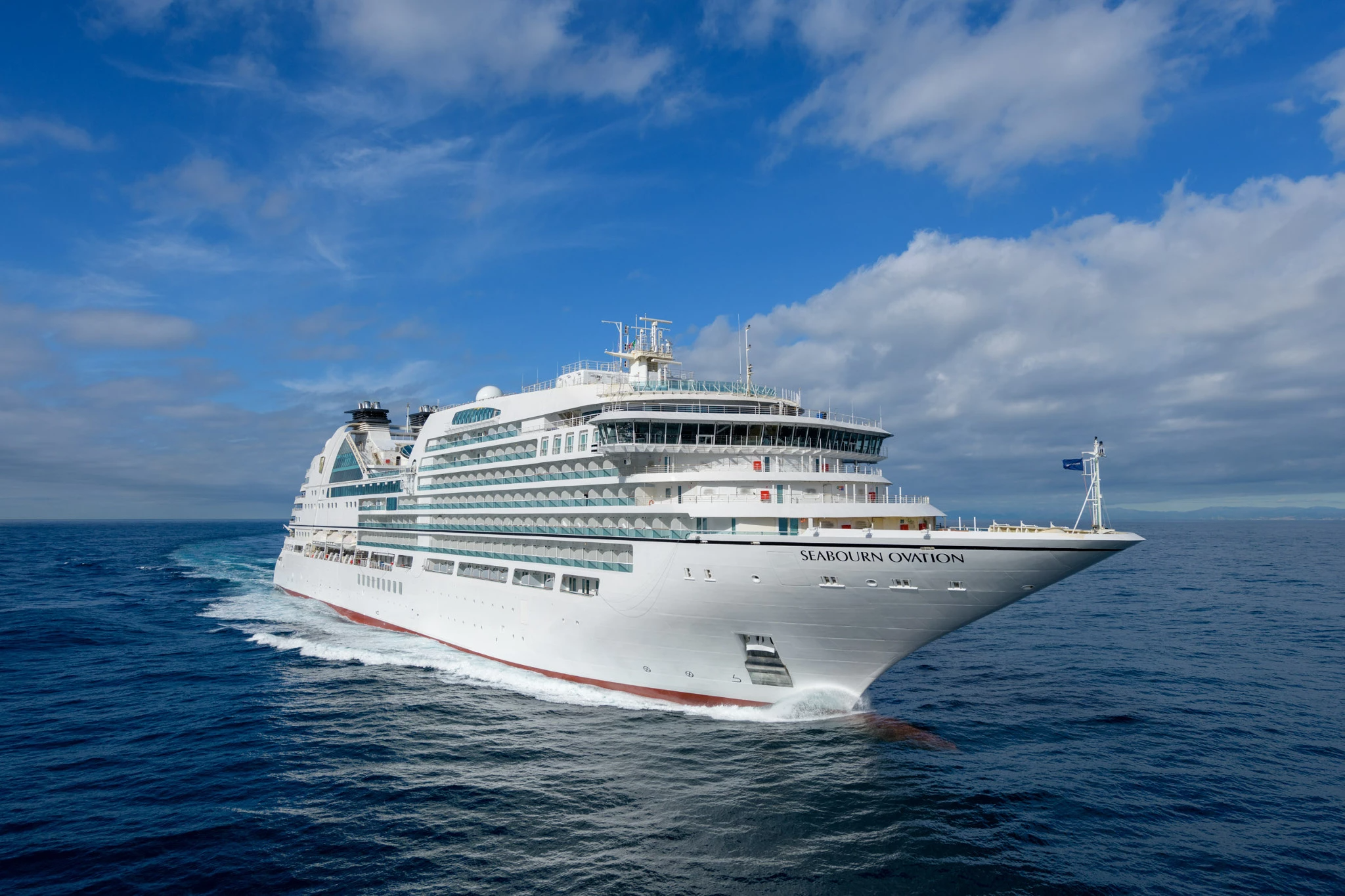
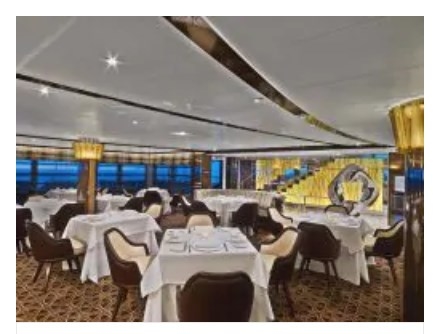
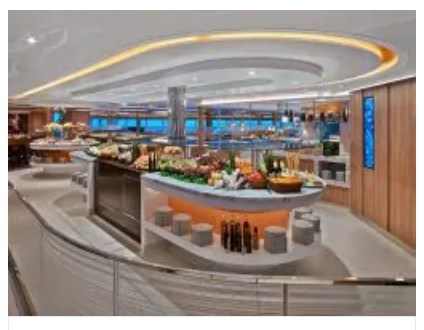


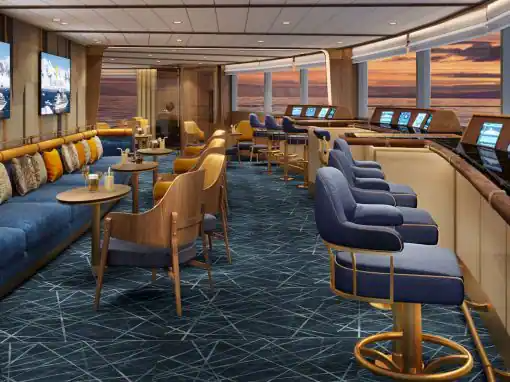
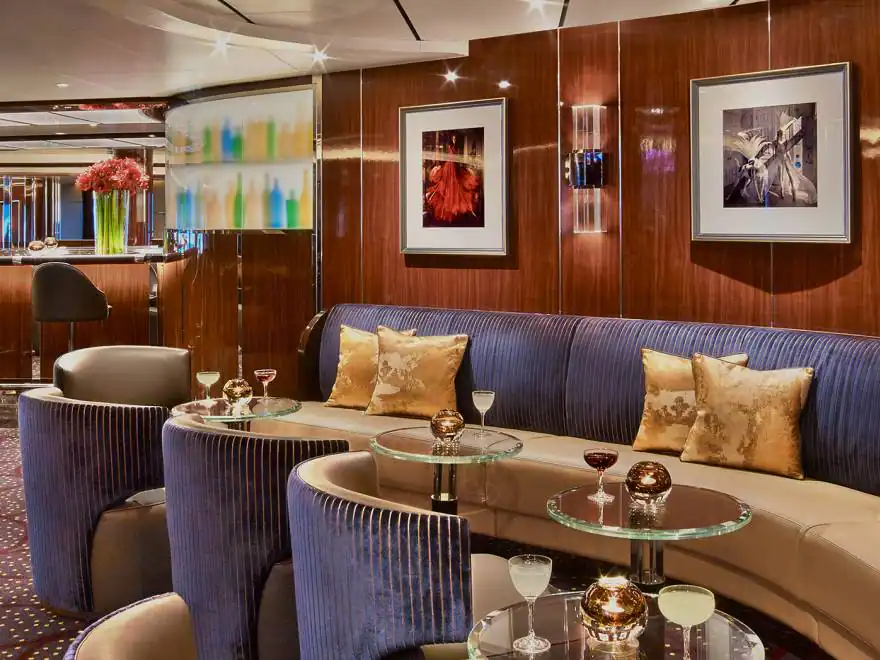
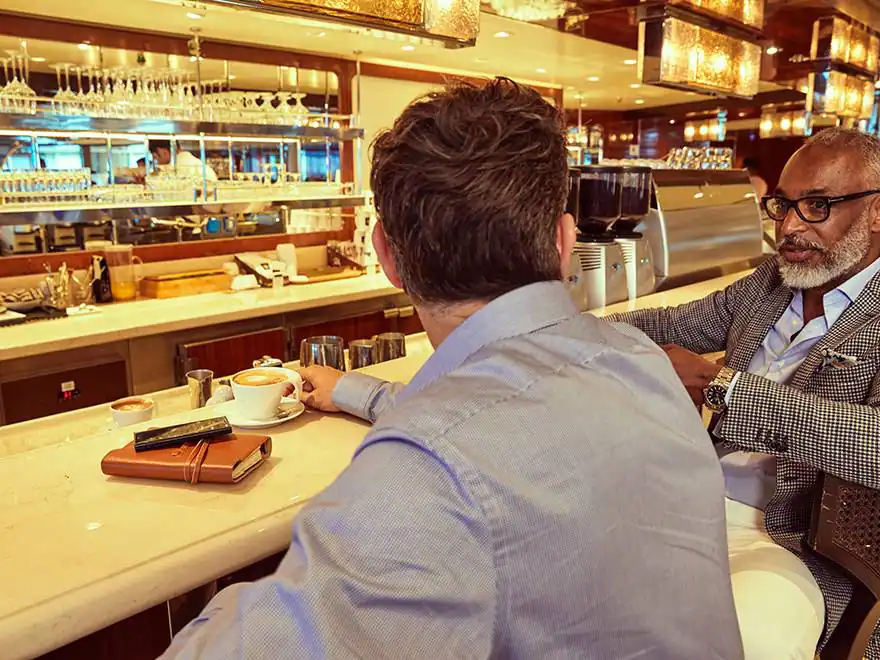
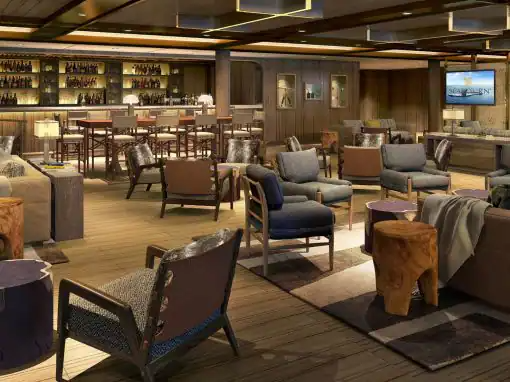
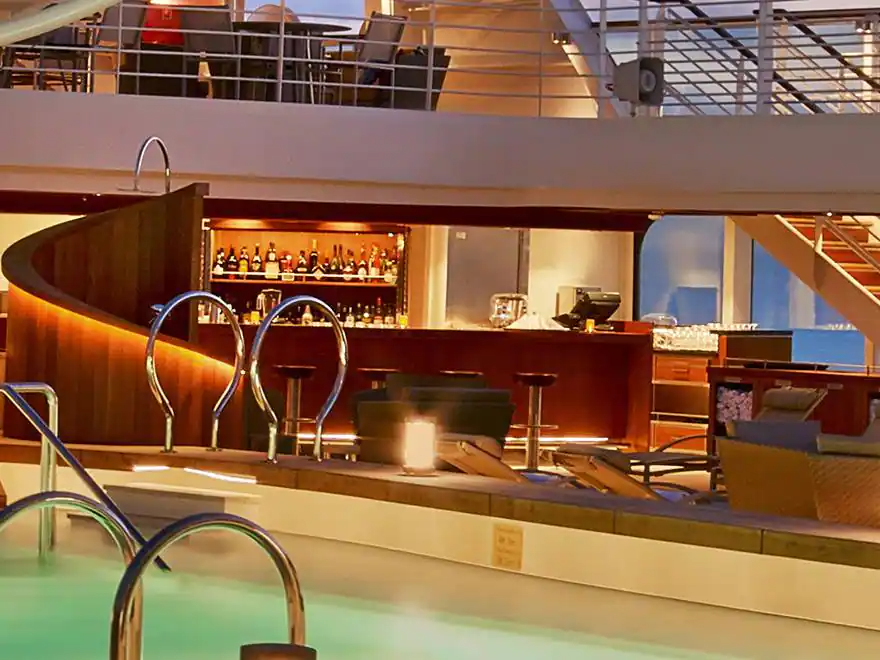
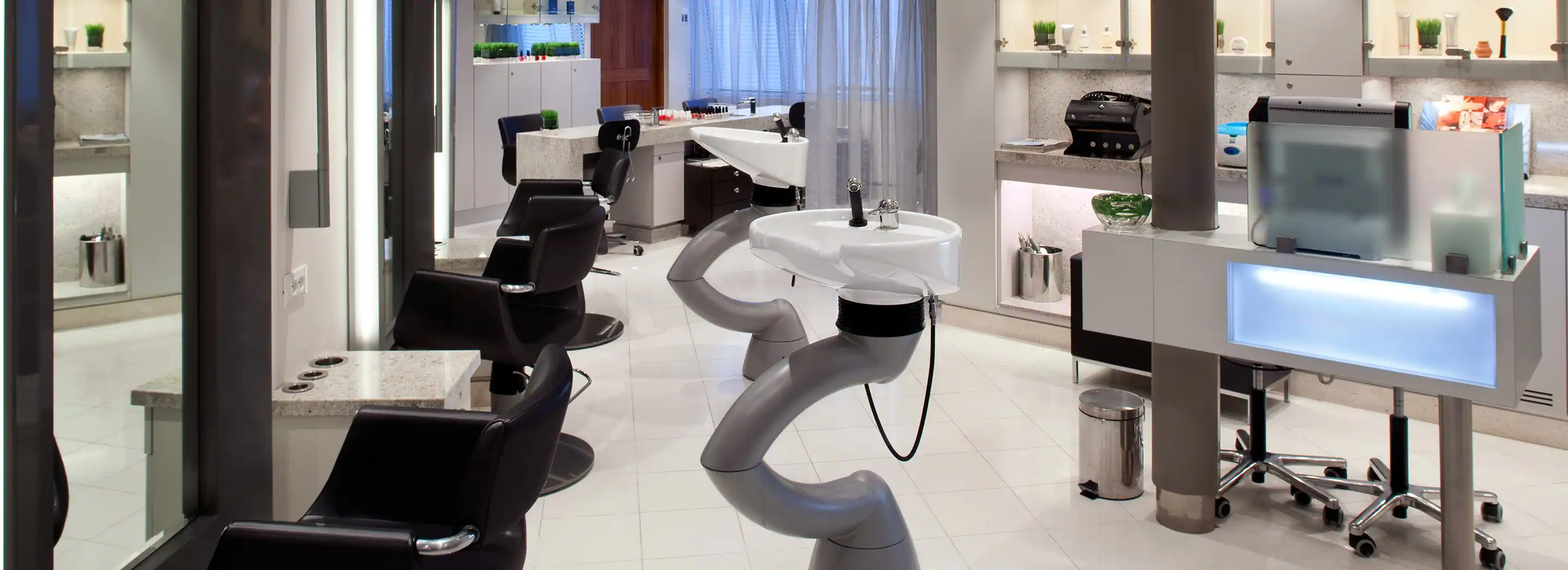
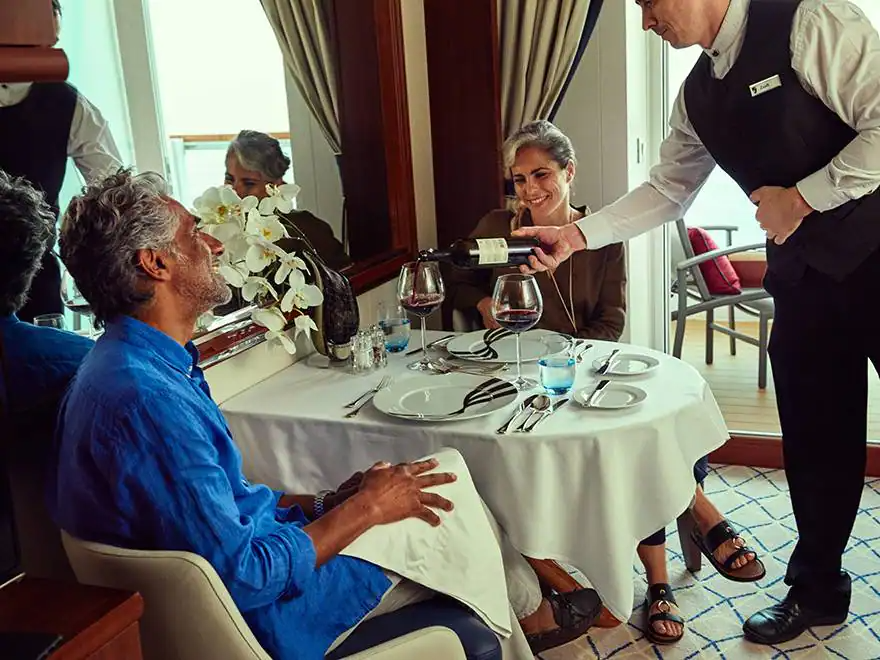
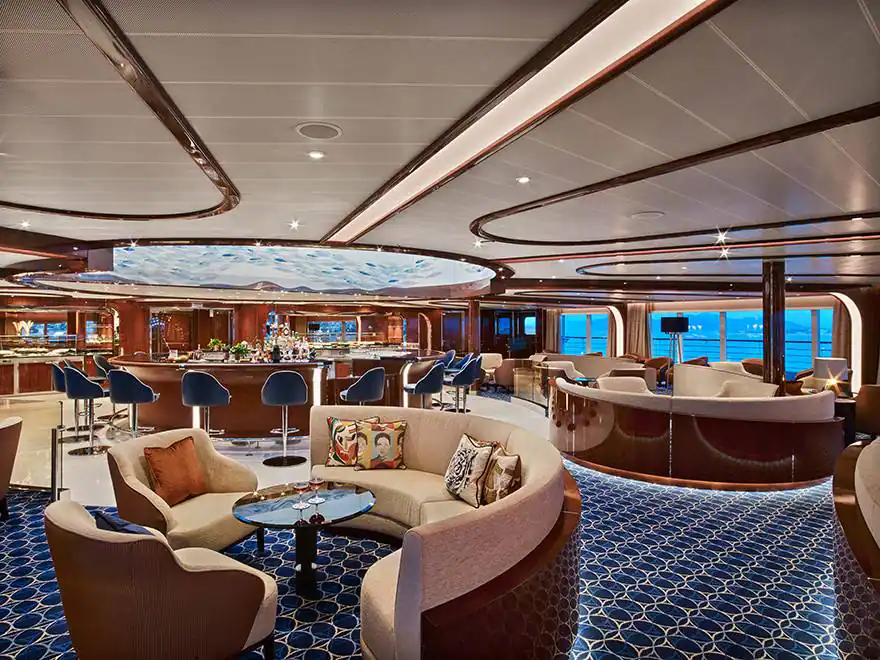
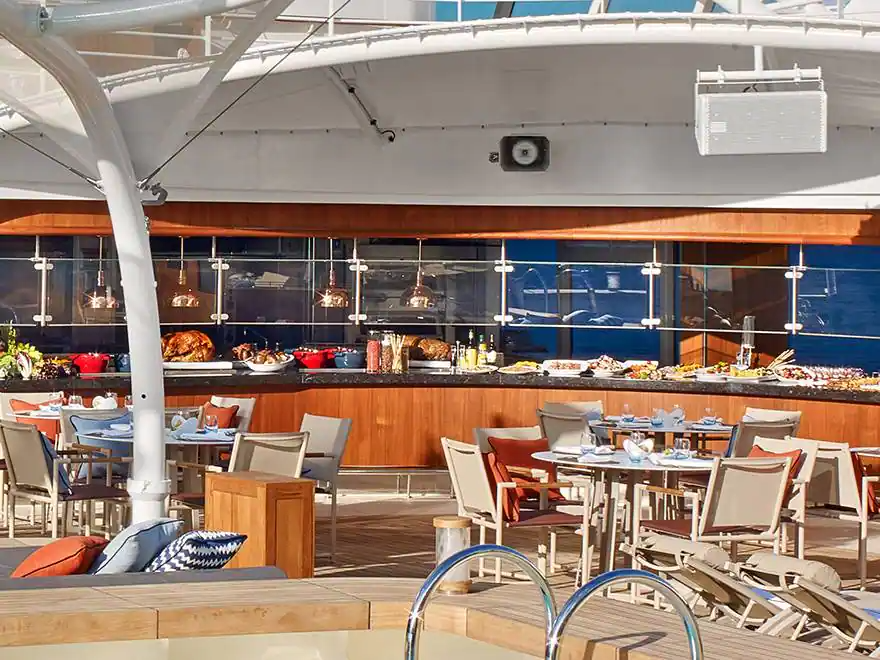
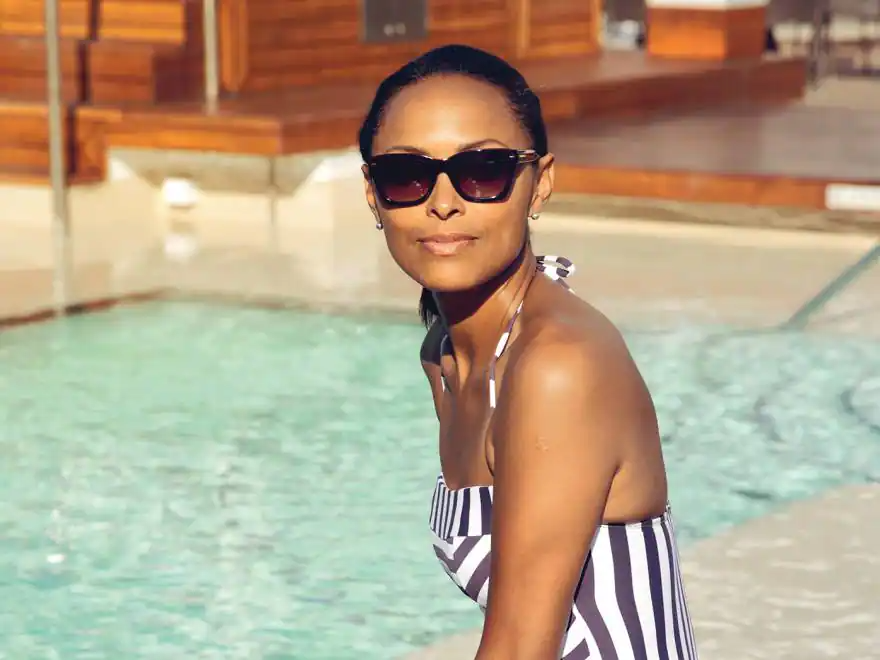
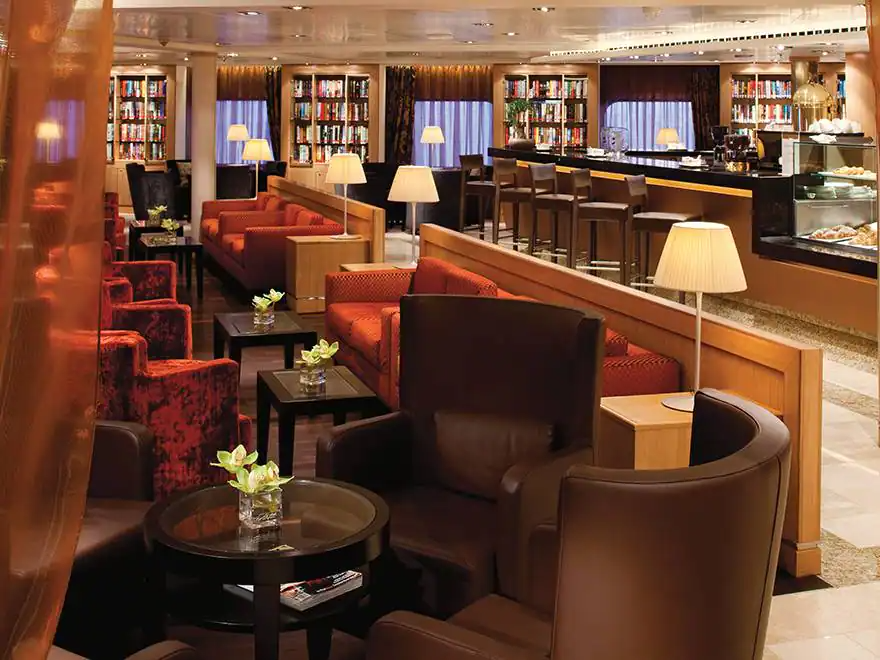
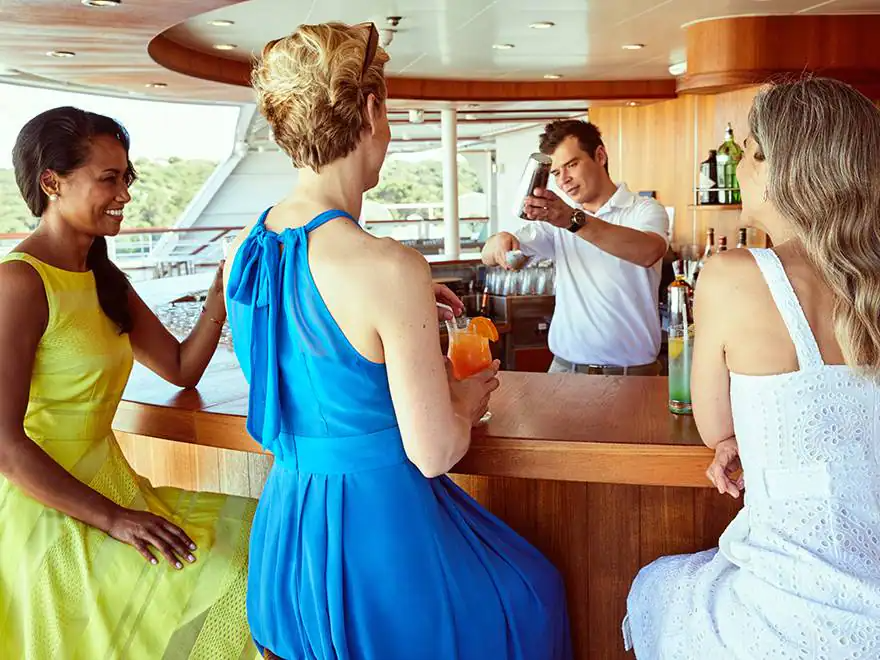
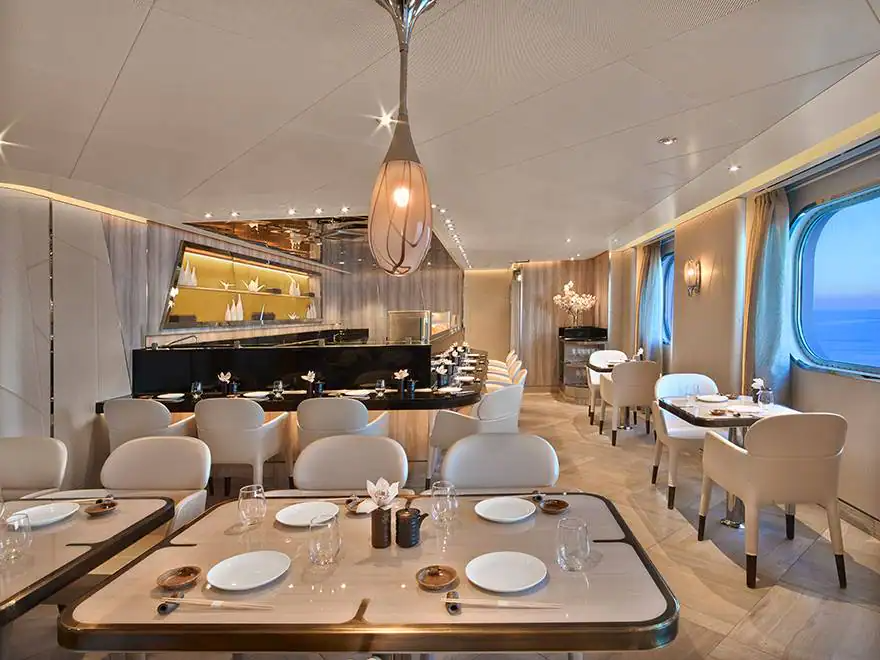
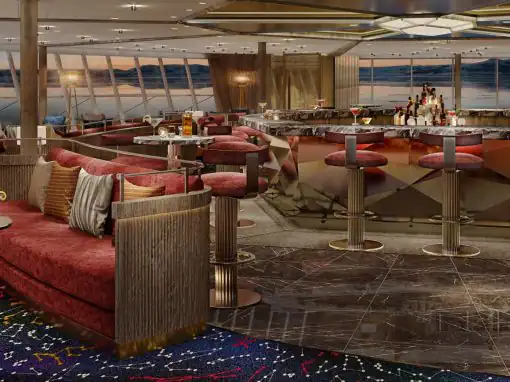
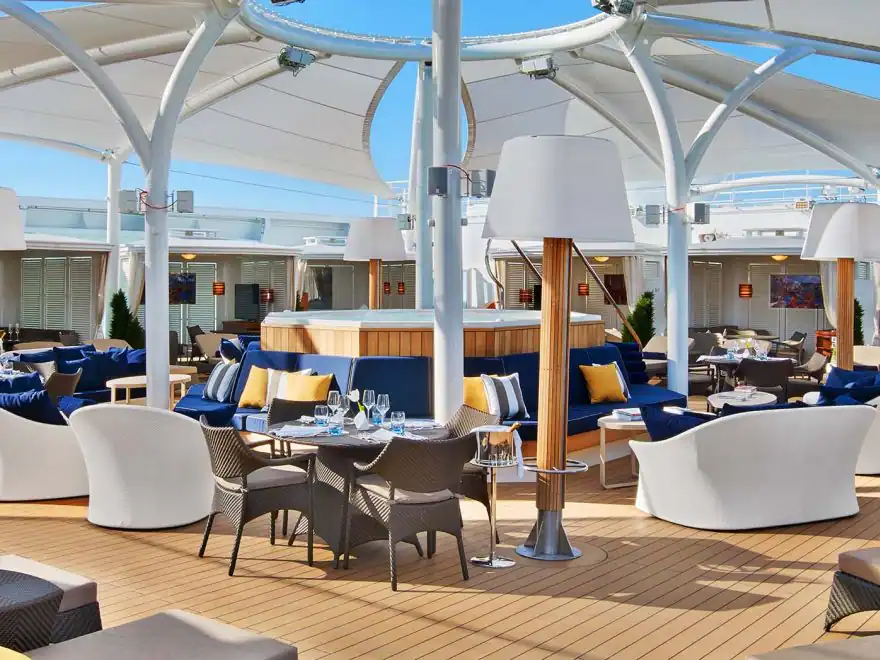
Introducing Seabourn Ovation, the sister-ship to the already prestigious Seabourn Encore. Seabourn Ovation represents another welcome stage in the evolution of small ship cruising, which Seabourn pioneered and has consistently expanded and enriched for all of our small ship cruises. Both ships will deliver a wealth of new concepts, a fresh vision and a host of illuminating ideas to delight the world’s most discerning travelers.
Coffee Bar
Mariners Patio Bar
Sky Bar
The Colonnade
Spa
The Retreat
Whirlpool
Card Room
Photo Gallery
Conference Room
Medical Centre
Observation Deck
Shops
The Terrace
Description
Introducing Seabourn Ovation, the sister-ship to the already prestigious Seabourn Encore. Seabourn Ovation represents another welcome stage in the evolution of small ship cruising, which Seabourn pioneered and has consistently expanded and enriched for all of our small ship cruises. Both ships will deliver a wealth of new concepts, a fresh vision and a host of illuminating ideas to delight the world’s most discerning travelers.
Food and Drink
Coffee Bar
Mariners Patio Bar
Sky Bar
The Colonnade
Relaxation
Spa
The Retreat
Whirlpool
Recreational
Card Room
Entertainment
Photo Gallery
Other
Conference Room
Medical Centre
Observation Deck
Shops
The Terrace
STATEROOMS

suite
