 Sign In

Your Guide to the World's Most Remote Expedition
There are few places left on Earth that can genuinely take your breath away. Antarctica is one of them.
This vast, frozen wilderness at the bottom of the world is a bucket-list destination unlike any other and for most Australians, the only practical way to experience it is by cruise ship. Not a resort holiday. Not a luxury liner loop. An Antarctica expedition cruise is a journey into one of the planet’s last untouched frontiers, where icebergs tower like cathedrals, whales breach beneath snowcapped peaks and penguins outnumber people by the thousands.
If you’ve ever wondered what it takes to get there, what you’ll actually do, or whether it’s the right cruise type for you, this guide will help you understand everything you need to know about cruising Antarctica.
What Is Cruising Antarctica?
There are many ways to explore the Antarctic Peninsula, Ross Sea or subantarctic islands onboard a cruise ship. Unlike traditional cruising, these voyages focus on immersive exploration through Zodiac landings, wildlife encounters, expert-led shore excursions and onboard lectures from glaciologists, marine biologists and naturalists.
Most Antarctic cruises are smaller ships offering a more intimate, environmentally responsible experience and carry between 100 and 200 passengers. Some luxury expedition vessels carry fewer than 100 guests and feature enhanced comfort, fine dining, and upgraded cabin categories but the focus always remains on the destination.
Where Do Antarctica Cruises Depart From?
South America – Ushuaia, Argentina
The most common starting point for Antarctica cruises is Ushuaia in South America, the southernmost city in the world, located in Argentine Tierra del Fuego. From here, ships cross the infamous Drake Passage, a roughly two-day journey through some of the world’s most dynamic seas before reaching the Antarctic Peninsula.
This route offers the shortest access to Antarctica and focuses on the Antarctic Peninsula, South Shetland Islands, and iconic sites like Deception Island, Paradise Bay and Lemaire Channel.
New Zealand – Dunedin or Bluff
For something more remote and less travelled, Antarctica cruises departing from New Zealand explore the Ross Sea region, often called “the last ocean.” These longer voyages (typically 3–4 weeks) visit historic explorer huts, subantarctic islands like Macquarie and Campbell Island and the towering Ross Ice Shelf.
This is a slower, deeper, more contemplative style of Antarctic exploration, ideal for those seeking solitude and serious expedition heritage.
Best Time to Cruise Antarctica
The Antarctic cruise season runs from November to March, during the austral summer when sea ice recedes and temperatures hover around 0°C. Each month offers a different experience.
There’s no single “best” time as it depends on what you want to see and experience. Speaking with a cruise specialist helps match your trip to your priorities.

Pristine snow and dramatic ice formations. Wildlife is just arriving, penguins are courting, and seals haul out on ice floes. Fewer ships, quieter landings.

Long daylight hours (nearly 24-hour sun). Penguin chicks hatch. Whales begin arriving. Warmer temperatures and more predictable weather make this the most popular time to visit.

Penguin chicks are fledging. Whale activity peaks; humpbacks, orcas and minke whales are commonly seen. Ice begins to break up, opening access to previously unreachable areas.
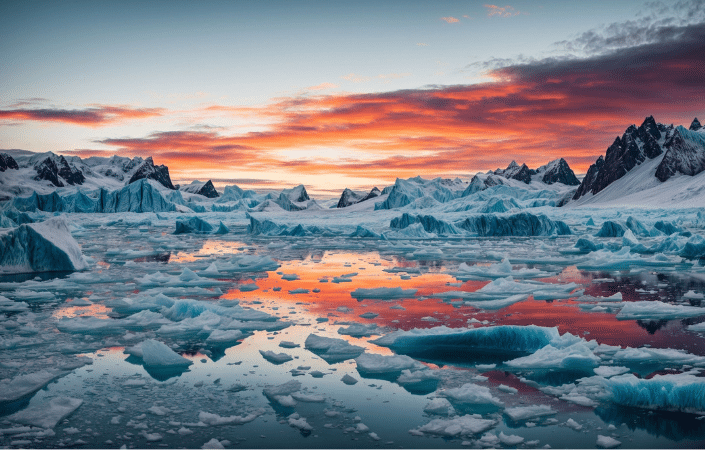
Fewer tourists. Wildlife is still abundant, but the season is winding down. You may encounter more sea ice and shorter days, but also dramatic light and a sense of solitude.
What You’ll Experience on an Antarctica Voyage
Zodiac Landings
Rigid inflatable boats (Zodiacs) shuttle passengers from ship to shore multiple times per voyage. Landings might include walking among penguin colonies, visiting research stations or simply standing in silence on the frozen continent.
Wildlife Encounters
Expect to see Gentoo, Adélie and Chinstrap penguins, Weddell and leopard seals and humpback, minke and orca whales. Wildlife is wild and protected, all landings follow strict environmental protocols.
Onboard Experts and Lectures
Expedition teams include scientists, historians and polar guides who lead shore excursions and deliver daily talks on glaciology, marine life, photography and Antarctic history.
Scenic Cruising Through Ice
Not all magic happens on land. Some of the most spectacular moments occur from the ship’s deck, navigating narrow channels, watching ice calve from glaciers or drifting silently among tabular icebergs the size of buildings.
What to Pack for an Antarctica Cruise
You don’t need to be a polar explorer, but you do need to be prepared. Most expedition operators provide a detailed packing list and many include a complimentary polar parka to keep.
Essentials include:
⚓︎ Waterproof outer layers (jacket and pants)
⚓︎ Insulating mid-layers (fleece or merino)
⚓︎ Warm base layers and thermals
⚓︎ Waterproof gloves and warm beanie
⚓︎ Sturdy, waterproof boots (some ships provide these)
⚓︎ Sunglasses and high-SPF sunscreen (the glare off ice and snow is intense)
⚓︎ Camera with spare batteries (cold drains them fast)
⚓︎ Seasickness medication for the Drake Passage
You won’t need formal wear. Shipboard life is relaxed and functional. Comfort and warmth win every time.
Who Should Cruise Antarctica?
An Antarctica cruise suits travellers who value immersion over entertainment and awe over activity.
It’s ideal if you:
⚓︎ Love nature, wildlife, and wide-open spaces
⚓︎ Are curious, patient and comfortable with unpredictability
⚓︎ Want to disconnect and be truly present
⚓︎ Can handle cold weather and basic physical activity (getting in and out of Zodiacs, walking on uneven terrain)
⚓︎ Are looking for something transformational, not transactional
You don’t need to be ultra-fit, but you do need to be mobile and adventurous in spirit. Antarctica rewards the open-minded.
Ships & Styles of Antarctic Cruising
Cruising Antarctica isn’t just a holiday, it’s a pilgrimage to the planet’s most pristine place. And getting it right matters.

This is the classic Antarctic expedition cruise style. Ships carry 100–200 passengers, offer up to twice-daily Zodiac landings, kayaking, camping or even polar plunges. The focus is on active exploration, education and respect for the environment.
We recommend: HX Expeditions and Viking
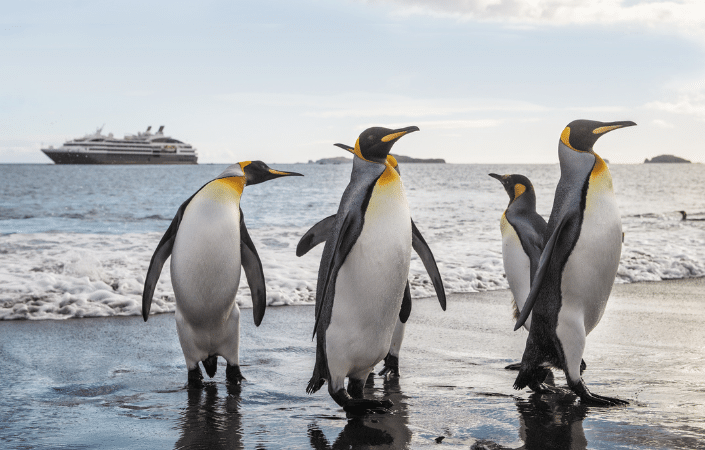
Think expedition with refinement: all-suite ships, gourmet dining, larger cabins and often lower passenger numbers. You’ll still do Zodiacs and shore landings, but return to marble bathrooms, premium spirits and curated wine lists.
We recommend: Ponant, and Scenic Discovery Yachts

A small number of voyages offer scenic Antarctic cruising without landings, typically aboard larger ships that sail close to the Antarctic Peninsula or subantarctic islands but don’t send passengers ashore. These are rare and generally less immersive, but can suit those with mobility concerns or who prefer observation from the comfort of the ship.
We recommend: Princess

Some expedition ships now offer dedicated solo offers, making Antarctica more accessible to single travellers without the inconvenience of paying a single supplement. Look for ships with strong expedition programs and inclusive solo pricing.
We recommend: Ponant and HX Expeditions
Ready to Start Planning?
From choosing the best departure port and season, to selecting the ship style and itinerary that suits your travel style, there’s real value in speaking with someone who knows the ice, the operators and what actually makes a voyage unforgettable.
Speak with cruise specialists who have been there. Crossed the Drake, stood among the penguins and helped hundreds of Australians turn this dream into a reality including sorting flights, insurance and pre- or post-cruise extensions.
If Antarctica’s calling, let’s talk. Because a journey this extraordinary deserves expert navigation.