

Cape Town to Mumbai
- 10 Nov ‘26
- 21 nights
- Departing from Cape Town
- Silver Muse

-
Suite price from$24,500*/pp
YOUR ITINERARY
Cape Town, South Africa - Port Elizabeth, South Africa - East London, South Africa - Durban, South Africa - Pointe des Gallettes, Reunion Island - Port Louis, Mauritius - Port Louis, Mauritius - Mahe, Seychelles - Cochin, India - Cochin, India - New Mangalore - Mumbai, India
Sprawling across endless, staggeringly blue coastline, and watch...
Sprawling across endless, staggeringly blue coastline, and watched over by the iconic plane of Table Mountain, Cape Town is without doubt one of the world’s most beautiful cities. A blend of spectacular mountain scenery, multiculturalism and relaxed ocean charm awaits in the Mother City, where you can venture out to rolling vineyards, dine in laid back sea suburbs, or spend days exploring cool urban culture. Cape Town’s natural splendour fully reveals itself as the cable car rears sharply to the top of Table Mountain.
From the summit, 3,500 feet above sea level, you can let the scale of the panoramic vistas of the city rolling down towards the ocean wash over you. Another heavenly perspective waits at the top of Lion’s Head’s tapering peak. A sharp hike and an early start is required, but the views of the morning sun painting Table Mountain honey-gold are some of Cape Town’s finest. Cape Town’s glorious sunshine and inviting blue rollers can be a little deceiving – these oceans are anything but warm at times, with nothing between the peninsula’s end and Antarctica’s icy chill. This cool water has upsides though, bringing a colony of adorably cute African penguins to Boulders Beach. Boarded walkways offer the perfect vantage point to see the cute creatures dipping into the sea and lounging in the sun. Nearby, journey to the end of Africa at the Cape of Good Hope, where you can stand at the bottom of this mighty continent, watching out over the merging waves of the Atlantic and Indian Oceans. Cape Town’s beauty is counterpointed by the ominous island form, which sits four miles offshore from the bustling restaurants and lazy seals of the lively V&A Waterfront. A living history lesson, you can sail in the ships that transported prisoners out to Robben Island, before a former prisoner tells of the traumas of life on this offshore prison. Your guide will show you the cramped cells, and render Mandela’s long walk to freedom in heartbreaking, visceral clarity.
Port Elizabeth is the third largest port and the fif...
Port Elizabeth is the third largest port and the fifth largest city in South Africa. The center is spread over steep hills overlooking Algoa Bay. Except for some interesting historical architecture, 21st-century Port Elizabeth, or PE as it is commonly known, has few attractions of note. To compensate, the town is surrounded by charming countryside; it bills itself as the Friendly City. Its origins go back to the site of Fort Frederick around which settlers from Britain established Port Elizabeth in 1820.
As South Africa’s only large river and sea port...
As South Africa’s only large river and sea port, East London is important for the export of citrus fruit, mineral ores and wool. A considerable amount of goods are imported here as well.
The first documented vessel to arrive in these waters was in 1688 while searching for survivors of a shipwreck. In 1848, a proclamation annexed the area to the Cape Colony. Today, East London serves as the area’s commercial centre and is a bustling town with a population of approximately 175,000.
The town’s small museum contains the world’s only surviving egg of the extinct dodo bird, as well as a mounted coelacanth caught near East London in 1938, a fish thought to be extinct.
The great natural harbor of Port Natal, on whose shor...
The great natural harbor of Port Natal, on whose shores the city of Durban now stands, was thought by early Portuguese navigators to be a lagoon at the mouth of a large river. They called the harbor Rio de Natal (Christmas River), as its discovery fell on Christmas Day in 1497. The name Durban was acquired in 1843 when Port Natal was renamed for Sir Benjamin D’Urban, the Cape governor who had ordered the British annexation of Natal.
Durban became a municipality in 1854 and a city in 1935. Today it is one of the principal cargo ports on the African continent, a center for industry and a major holiday resort. With a population of almost one million people, Durban is a bustling, subtropical city with a warm, more often hot and sultry climate that favors the luxuriant growth of trees and gardens. It is considered to be the Asian capital of South Africa with a massive Indian population.
While the downtown area is predominantly Muslim, Hindu Durban lies to the north of the city center. It was here in the Phoenix Park Settlement that Mahatma Gandhi set up his retreat center in 1903, from where moral support was drawn for the Indian demonstrations of 1913.
Durban’s 21st-century economy can largely be credited to the immense amount of cargo passing through its huge port, as well as to the thousands of Transvaal holiday makers who, since the 1930s, have turned the city’s beachfront into a popular playground.
Its most dominant landmark is the handsome Grey Street Mosque, the largest of its kind in the Southern Hemisphere.
Located about 480 miles east of Madagascar and 102 miles ...
Located about 480 miles east of Madagascar and 102 miles southwest of Mauritius, Réunion is the largest of the Mascarene Islands. The archipelago, consisting of Rodrigues, Mauritius and Réunion, was named The Mascarentes following its discovery in 1512 by the Portuguese navigator, Pedro de Mascarenhas. The French made the decision to settle Réunion in 1642, but no one actually lived here until four years later when the French governor of Fort Dauphin in Madagascar exiled a dozen mutineers to the island. In 1649, the king of France officially took possession of Réunion and renamed the island Colbert Bourbon. After the French Revolution, the island took back its original name.
Since 1946, Réunion has been administered by France as an Overseas Department, with St. Denis as its capital. Facilities here are comparable to any major town in metropolitan France. St. Denis straddles the mouth of the St. Denis River and sweeps upward into the flanks of la Montagne where modern apartment complexes and luxurious houses have replaced the shanty town of the post-war era.
Pointe des Galets is the principal port of Réunion, 30-minute by car from the small capital, St. Denis. The island is best known for the rugged beauty of its interior. Major attractions include the fascinating and still active volcano, Piton de la Fournaise, and three extinct craters known as cirques. Their forested slopes are dotted with isolated villages. Two thirds of the western part of Réunion are covered by mountain ranges, with the 9,200-foot-high Piton des Neiges the highest point on the island. The major source of income is from agriculture, mainly sugarcane, vanilla and the production of geranium oil used as a fixative in perfumes.
Located just off the east coast of Madagascar, Mauritius is fast...
Located just off the east coast of Madagascar, Mauritius is fast making a name for itself as the tropical paradise of the Indian Ocean. A volcanic island approximately 10 million years old, Mauritius is thought to be the peak of an enormous sunken volcanic chain stretching from the Seychelles to Réunion. In fact, volcanic lakes and inactive craters can be found scattered throughout the island.
Mauritius also boasts a unique marine environment. Surrounded by one of the largest unbroken coral reefs on the planet, conservationists are now campaigning to protect its white coral sand beaches and fragile ecosystem.
Though it can be found on the maps of early Arab mariners, Mauritius remained uninhabited until the end of the 16th century. The Portuguese became the first European visitors in 1510, however, they did not lay claim to the island. In 1598 Dutch colonists settled on the island, naming it after Prince Maurice of Nassau. The Dutch colonial period saw the development of thriving sugarcane plantations as well as the decimation of the ebony forests and the extinction of the dodo bird and other indigenous wildlife. Eventually abandoning their settlement in 1710, Mauritius lay unclaimed until the arrival of the French five years later.
Renaming the island Ile de France, the French continued the cultivation of sugar as well as indigo, cloves, nutmeg and other spices, retaining possession of the island until 1810 when it was ceded to Britain at the end of the Napoleonic Wars.
Now an independent republic, Mauritius is a vibrant cultural mix with impressive mountains, boundless sugarcane plantations and some of the most exquisite beaches and aquamarine lagoons in the Indian Ocean.
Located just off the east coast of Madagascar, Maur...
Located just off the east coast of Madagascar, Mauritius is fast making a name for itself as the tropical paradise of the Indian Ocean. A volcanic island approximately 10 million years old, Mauritius is thought to be the peak of an enormous sunken volcanic chain stretching from the Seychelles to Réunion. In fact, volcanic lakes and inactive craters can be found scattered throughout the island.
Mauritius also boasts a unique marine environment. Surrounded by one of the largest unbroken coral reefs on the planet, conservationists are now campaigning to protect its white coral sand beaches and fragile ecosystem.
Though it can be found on the maps of early Arab mariners, Mauritius remained uninhabited until the end of the 16th century. The Portuguese became the first European visitors in 1510, however, they did not lay claim to the island. In 1598 Dutch colonists settled on the island, naming it after Prince Maurice of Nassau. The Dutch colonial period saw the development of thriving sugarcane plantations as well as the decimation of the ebony forests and the extinction of the dodo bird and other indigenous wildlife. Eventually abandoning their settlement in 1710, Mauritius lay unclaimed until the arrival of the French five years later.
Renaming the island Ile de France, the French continued the cultivation of sugar as well as indigo, cloves, nutmeg and other spices, retaining possession of the island until 1810 when it was ceded to Britain at the end of the Napoleonic Wars.
Now an independent republic, Mauritius is a vibrant cultural mix with impressive mountains, boundless sugarcane plantations and some of the most exquisite beaches and aquamarine lagoons in the Indian Ocean.
Like jade-colored jewels in the Indian Ocean, the m...
Like jade-colored jewels in the Indian Ocean, the more than 100 Seychelles Islands are often regarded as the Garden of Eden. Lying just four degrees south of the equator, the Seychelles are some 1,000 miles from the nearest mainland Africa. Little more than 200 years ago, all 115 islands were uninhabited.Then in 1742 a French ship dispatched from Mauritius sailed into one of the small bays. Captain Lazare Picault was the first to explore these unnamed islands. He encountered breathtaking vistas of rugged mountains, lagoons, coral atolls, splendid beaches and secluded coves. After Picault sailed away, the islands remained untouched for the next 14 years. Then France took possession of the seven islands in the Mahé group. During an expedition Captain Morphey named them the Sechelles, in honor of Vicomte Moreau de Sechelles.This name was later anglicized to Seychelles.
The first settlers arrived at St. Anne’s Island in 1770; 15 years later the population of Mahé consisted of seven Europeans and 123 slaves. Today there are about 80,000 Seychellois, the majority of whom live on Mahé; the rest are scattered in small communities throughout the archipelago.The people are a fusion of three continents — Africa, Asia and Europe.This has created a unique culture and the use of three languages — Creole, French and English.
Mahé is the largest island in the archipelago and the location of the capital,Victoria. Ringed by steep, magnificent mountains, few capitals can claim a more beautiful backdrop.The town features a mixture of modern and indigenous architecture; it is the center of business and commerce thanks to the extensive port facilities. Noteworthy sites in Victoria are the museum, cathedral, government house, clock tower, botanical gardens and an open-air market.
A hodgepodge of cultures collide on the banks of t...
A hodgepodge of cultures collide on the banks of the estuary where Cochin carves out her home. Chinese fishing nets the size of skyscrapers, boxy Dutch architecture and pretty Portuguese palaces point to the blend of influence here, while the Raj era remnants, soaring spires of old-world mosques, and near-abandoned synagogues all add to the dense, varied tapestry of inspirations and imprints.
Founded by a prince in the 15th century, Cochin immediately became a favoured anchorage for sailors and traders from every far-flung corner – even taking nearby Kerala’s crown as the world’s first global port city. Now, fragrant spice markets cut the hot air with cardamom and clove, while antique stores groan beneath the weight of singing copper. Hit the backstreets of Fort Kochi for a deep and dreamy Ayurvedic massage, marvel at the Krishna murals that adorn the bedchamber walls of the Mattancherry Palace, or admire India’s one of the oldest European-built Christian churches – as you duck into the cool hues of St Francis. A day can easily meander past on a backwater cruise, spreading south from Cochin, and gliding down a lacy network of creeks, lagoons, lakes and rivers. Surrounded by swaying palms and rice paddies – you’ll experience rural India in her best dress. When daylight dwindles, taste the soft spicy kick of dal roti, followed by Firni – almonds, apricots, and sweet milk crushed with pastel green pistachios for a silky light finish.
A hodgepodge of cultures collide on the banks of the e...
A hodgepodge of cultures collide on the banks of the estuary where Cochin carves out her home. Chinese fishing nets the size of skyscrapers, boxy Dutch architecture and pretty Portuguese palaces point to the blend of influence here, while the Raj era remnants, soaring spires of old-world mosques, and near-abandoned synagogues all add to the dense, varied tapestry of inspirations and imprints.
Founded by a prince in the 15th century, Cochin immediately became a favoured anchorage for sailors and traders from every far-flung corner – even taking nearby Kerala’s crown as the world’s first global port city. Now, fragrant spice markets cut the hot air with cardamom and clove, while antique stores groan beneath the weight of singing copper. Hit the backstreets of Fort Kochi for a deep and dreamy Ayurvedic massage, marvel at the Krishna murals that adorn the bedchamber walls of the Mattancherry Palace, or admire India’s one of the oldest European-built Christian churches – as you duck into the cool hues of St Francis. A day can easily meander past on a backwater cruise, spreading south from Cochin, and gliding down a lacy network of creeks, lagoons, lakes and rivers. Surrounded by swaying palms and rice paddies – you’ll experience rural India in her best dress. When daylight dwindles, taste the soft spicy kick of dal roti, followed by Firni – almonds, apricots, and sweet milk crushed with pastel green pistachios for a silky light finish.
Pepper, ginger, coffee and cashew nuts flow through the impo...
Pepper, ginger, coffee and cashew nuts flow through the important Indian port of New Mangalore – a red-roofed town of many flavours. Taste freshly caught fish, smothered in taste-bud tantalising spice pastes, and visit stunning temples and spectacular pine-tree lined beaches – with plenty of space to relax and recharge. The whacks and whoops of make-shift cricket games echo from grassy clearings, while rickshaws flit through the streets, and incredible smells of cuisine drift out from kitchens. View less
India can be a thrillingly chaotic and stimulating place, but the Kadri Manjunath Temple is a tranquil oasis of serenity, and one of the country’s most beautiful temples dedicated to Lord Shiva. Trees and shrines intertwine, while the towers are embedded with golden deities. A little outside of the city, Kateel Shri Durgaparameshwari Temple is another beautiful site, nestled within the flow of the Nandin River. There is an unusually high congregation of Catholic worshipers in New Mangalore, and St. Aloysius Chapel is their colourful place of worship. Richly decorated inside, vibrant frescoes from the brush of Antonio Moscheni are lavished across the interior, rivalling some of Italy’s finest. Lazy waves roll ashore at New Mangalore’s tranquil beaches, where you can settle back and relax. Cool off with a dip in the waters, or bob on the surface in a leisurely boat. Enjoy wide panoramas of the sunset bouncing off waves where long-legged, wading birds tread carefully.
Mumbai, or Bombay as it is more commonly known, is Ind...
Mumbai, or Bombay as it is more commonly known, is India’s business capital. In the 500 years since its “discovery” by the Portuguese, Mumbai has been transformed from an aboriginal fishing village into a sprawling metropolis of some 14 million people. It is the money capital of India, a magnet for entrepreneurs, the home of India’s stock exchange, and headquarters for many national and international companies.
YOUR SHIP - The Silver Muse
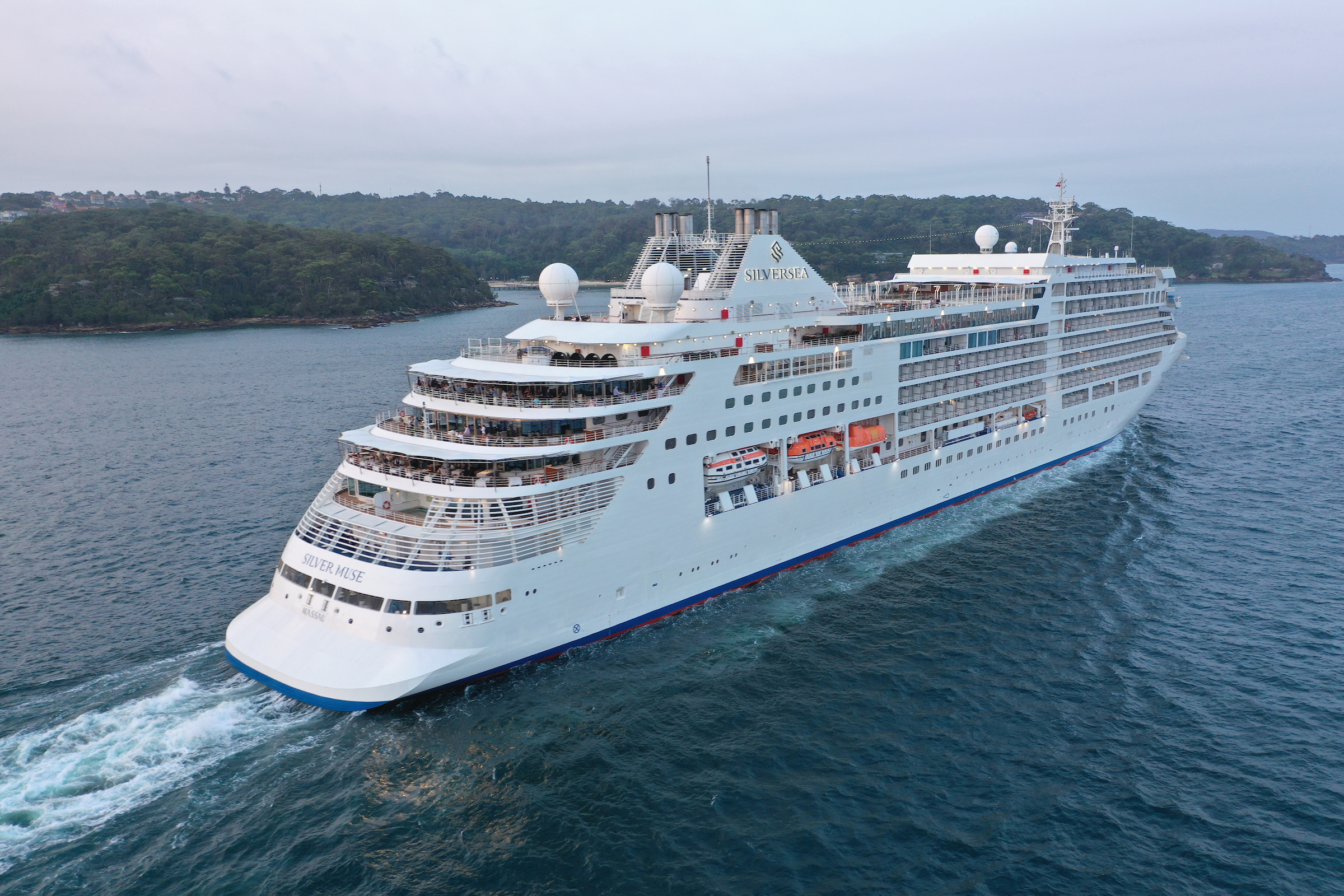
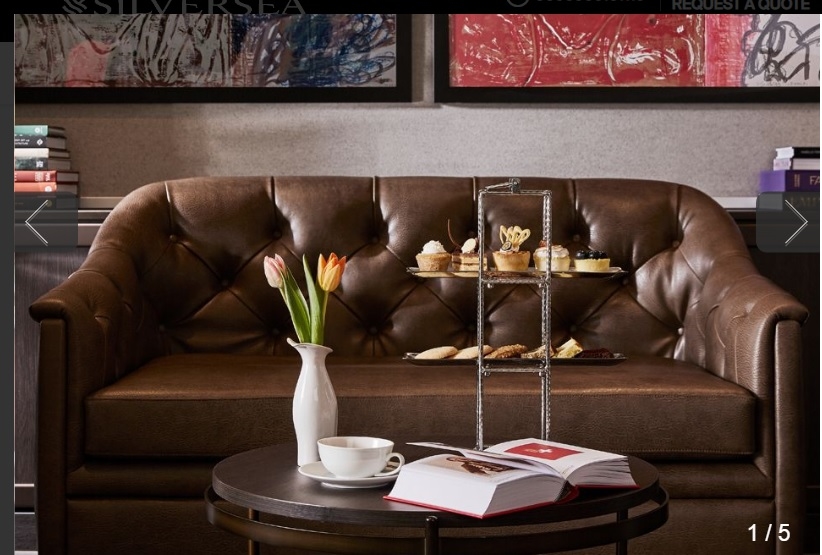
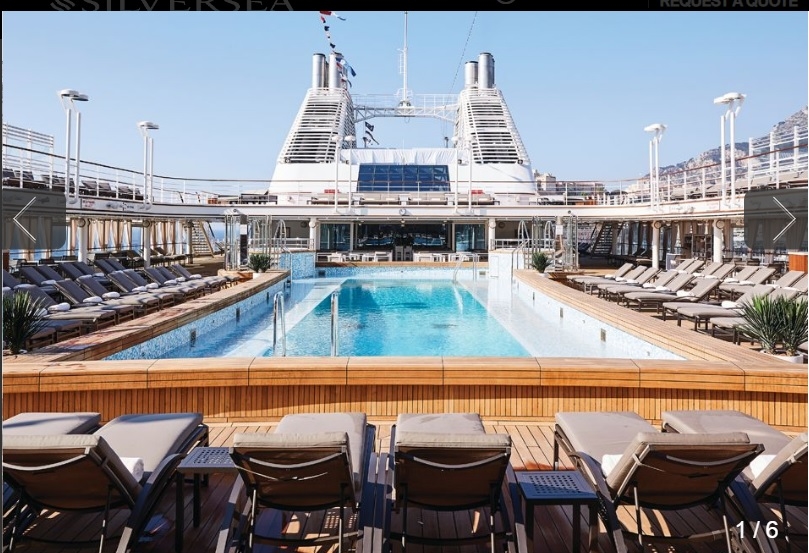
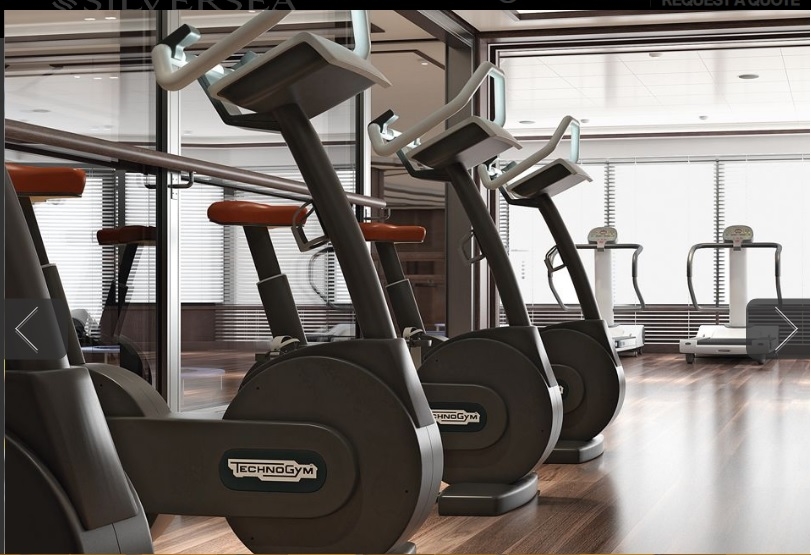
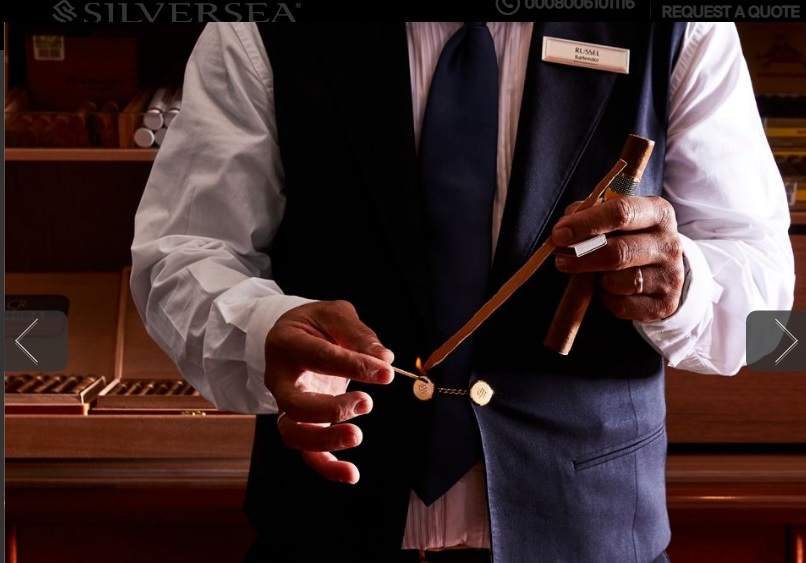
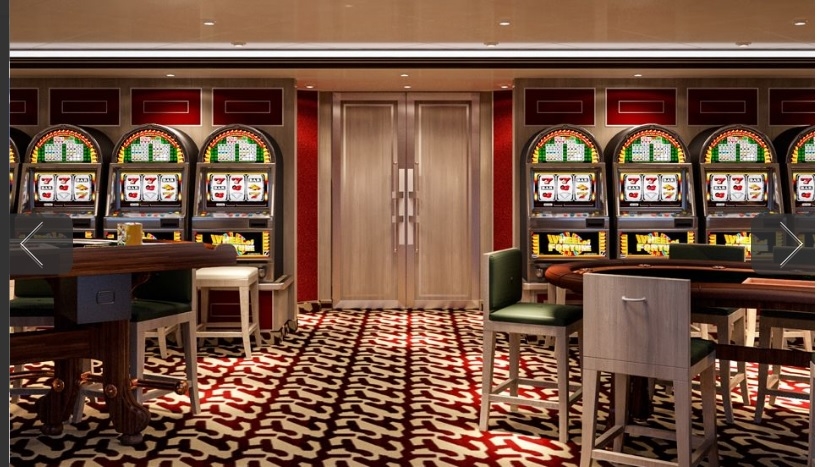
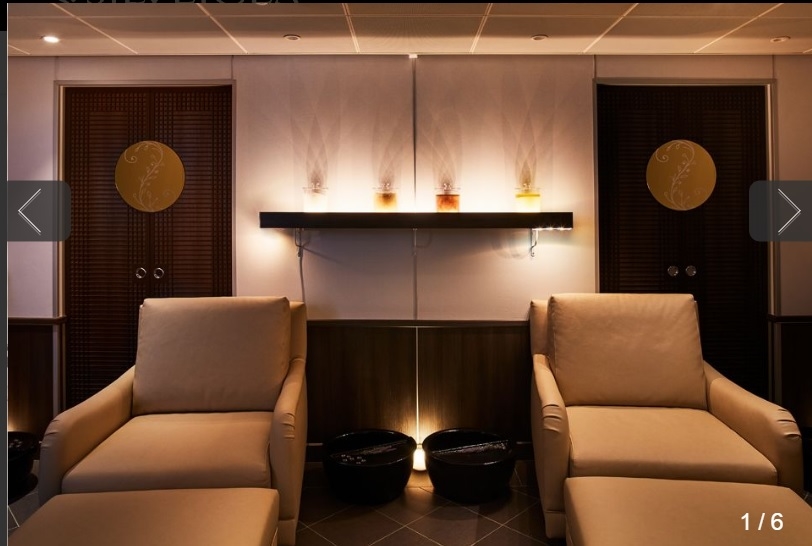
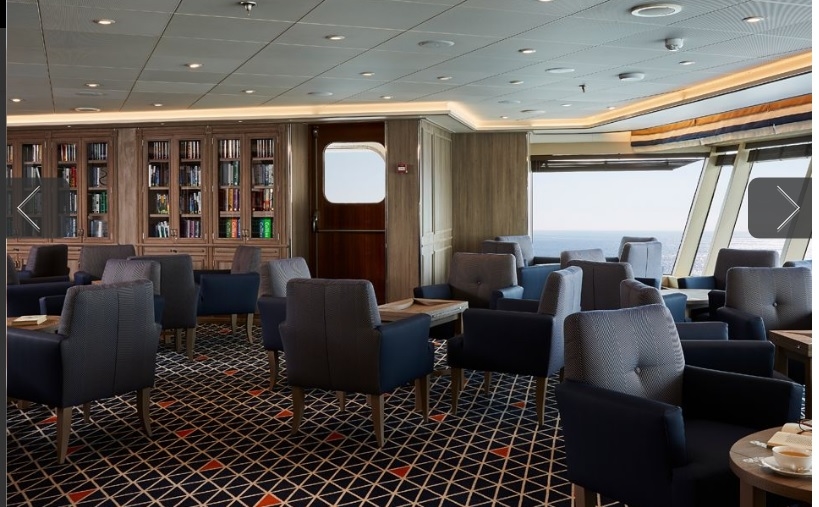
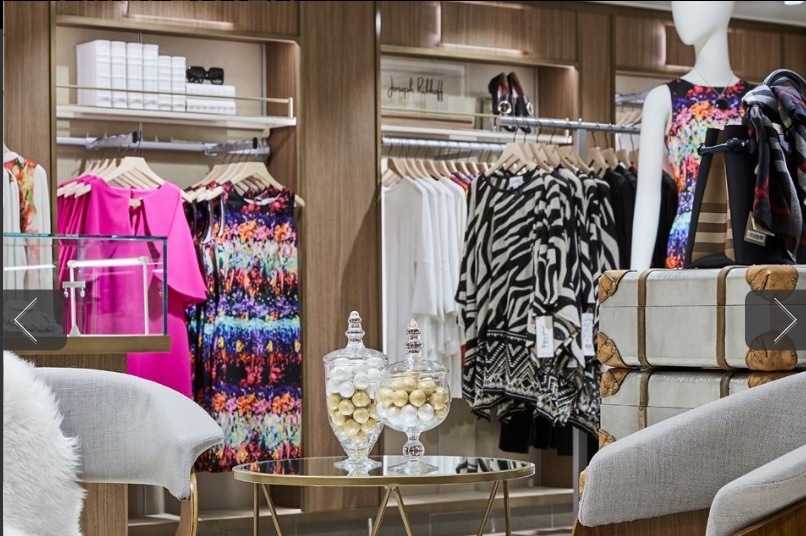
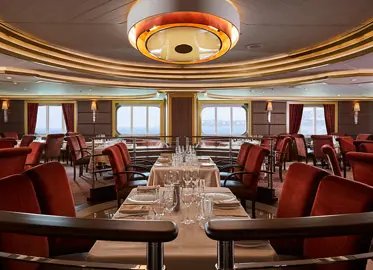
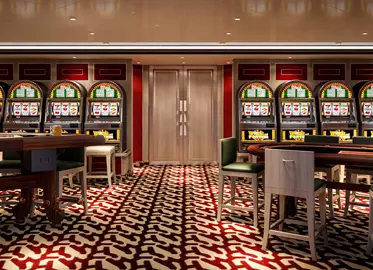
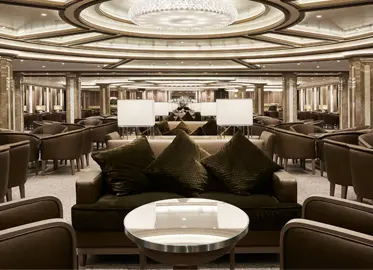
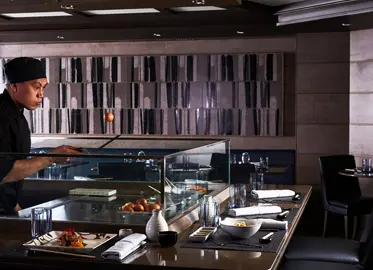
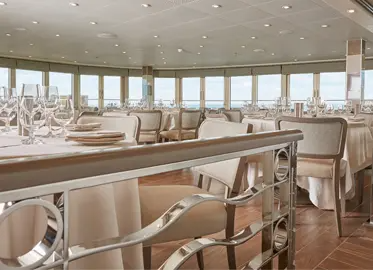
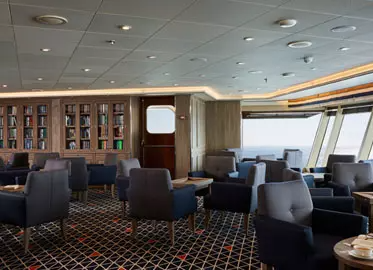
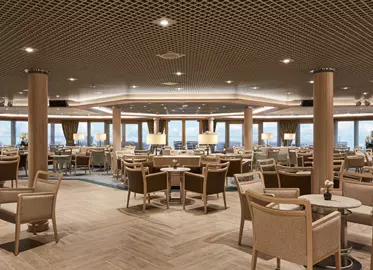
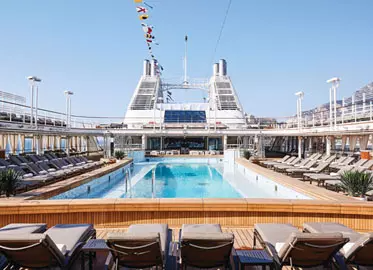
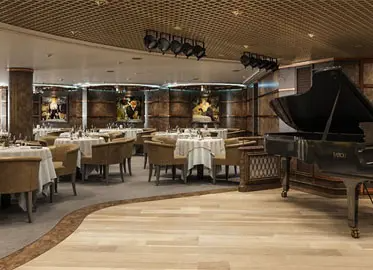
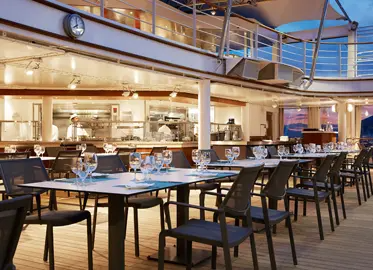
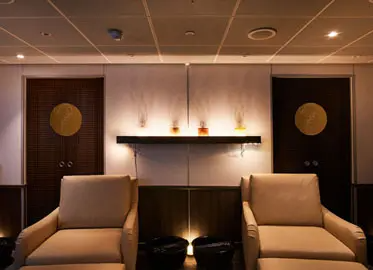
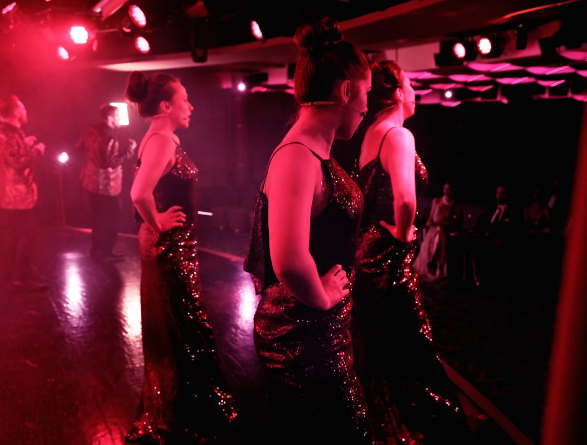
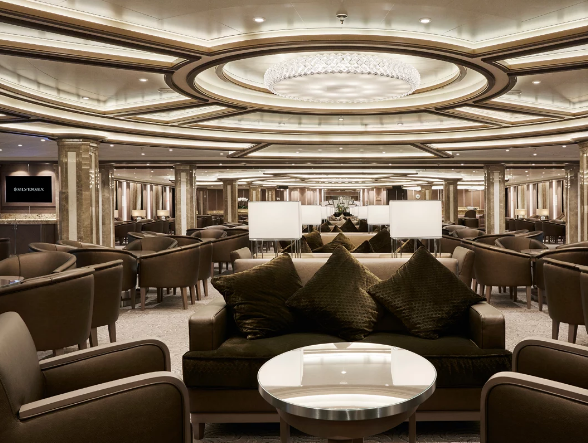
Silver Muse is without question an inspirational work of art. The best place between sea and sky, eight dining venues, spacious outdoor areas and up-to-the-minute technology makes her simply divine. Silversea Cruises is happy to present our new flagship, Silver Muse. Delivered in spring of 2017, the new ultra-luxury ship was built by Fincantieri and at 40,700 grt accommodates 596 guests. Representing an exciting evolution of Silver Spirit, Silver Muse redefines ultra-luxury ocean travel – enhancing the small-ship intimacy and spacious all-suite accommodations that are the hallmarks of the Silversea experience. The addition of Silver Muse expands Silversea’s fleet to nine ships, and once again significantly raises the bar in the ultra-luxury cruise market with a wealth of enhancements to the onboard experience, while satisfying the uncompromising requirements for comfort, service, and quality of the world’s most discerning travellers.
Beauty Salon
Day Spa & Fitness Centre
Jacuzzi
Panoramic Lounge
Pool Deck
Spa
Swimming Pool
Arts Cafe
Bar
Dolce
Grill
La Dame
La Terrazza
Spaccanapoli
The Grill
Venetian
Boutique
Conference Room
Observation Lounge
Reception
Fitness Center
Jogging Track
Pool
Wellness Centre
Card Room
Childrens Play Room
Library
Casino
Connoisseur Club
Connoisseur’s Corner
Observation Lounge
Panorama Lounge
Silver Note
Theatre
Description
Silver Muse is without question an inspirational work of art. The best place between sea and sky, eight dining venues, spacious outdoor areas and up-to-the-minute technology makes her simply divine. Silversea Cruises is happy to present our new flagship, Silver Muse. Delivered in spring of 2017, the new ultra-luxury ship was built by Fincantieri and at 40,700 grt accommodates 596 guests. Representing an exciting evolution of Silver Spirit, Silver Muse redefines ultra-luxury ocean travel – enhancing the small-ship intimacy and spacious all-suite accommodations that are the hallmarks of the Silversea experience. The addition of Silver Muse expands Silversea’s fleet to nine ships, and once again significantly raises the bar in the ultra-luxury cruise market with a wealth of enhancements to the onboard experience, while satisfying the uncompromising requirements for comfort, service, and quality of the world’s most discerning travellers.
Relaxation
Beauty Salon
Day Spa & Fitness Centre
Jacuzzi
Panoramic Lounge
Pool Deck
Spa
Swimming Pool
Food and Drink
Arts Cafe
Bar
Dolce
Grill
La Dame
La Terrazza
Spaccanapoli
The Grill
Venetian
Other
Boutique
Conference Room
Observation Lounge
Reception
Fitness
Fitness Center
Jogging Track
Pool
Wellness Centre
Recreational
Card Room
Childrens Play Room
Library
Entertainment
Casino
Connoisseur Club
Connoisseur’s Corner
Observation Lounge
Panorama Lounge
Silver Note
Theatre
STATEROOMS
