

Civitavecchia (Rome) to Southampton
- 8 May ‘26
- 19 nights
- Departing from Civitavecchia
- Silver Spirit

-
Suite price fromCall for price
YOUR ITINERARY
Civitavecchia - Livorno (Tuscany) - Valencia, Spain - Cartagena, Spain - Portimao, Portugal - Lisbon - Oporto (Leixoes), Portugal - Vigo - Santander - Bilbao, Spain - Bordeaux, France - Bordeaux, France - Bordeaux, France - Saint Malo (Brittany) - St. Peter Port, Guernsey - Southampton
All roads lead to Rome, and with good reason – this ...
All roads lead to Rome, and with good reason – this city is one of the world’s most thrilling, offering unmatched history along every street. An evocative, inspiring and utterly artistic capital of unrivalled cultural impact, Rome is a city of back-to-back landmarks, which will take you on an exhilarating journey through the ages. This may be one of the world’s oldest cities, but it’s well and truly lived in. The ruins are punctuated with murmuring cafes, and the outdoor seating of restaurants sprawls out across piazzas, enticing you to sample tangles of creamy pasta and crispy pizzas. Rome’s incredible Roman Forum is littered with the ruins of its ancient administrations, which have stood firm for 2,000 years, since the times when the area was the centre of the Western world. Few sites are more simultaneously beautiful and haunting than that of the storied Colosseum, which looms deep into Rome’s rich blue sky. Take a tour to learn details of the grisly goings-on within. The best way to experience Rome is to wander its streets, gelato in hand. There is a lot to see here – whether it’s the domed spectacle of the Pantheon, or the elaborate flowing waters and artistry of the Trevi Fountain. Vatican City is an astonishing, colossal display of Catholic grandeur, while the Spanish Steps – crowned by the Trinità dei Monti church – offer a beautiful spot to gather and soak up the lively atmosphere of this humming city. With so much on the to-do list, you’ll relish the breaks you take, enjoying simple pleasures like a strong espresso, or fresh pasta with tomato sauce and ripped basil.
There are few more elegant places to salute the suns...
There are few more elegant places to salute the sunset than Terrazza Mascagni, Livorno’s refined chessboard piazza. A historic port, and a beachy gateway to Tuscany, Livorno welcomes you ashore to explore this enchanted Italian region’s sun-soaked beauty, rich flavours and world-renowned fine art. Stay in Livorno to explore ‘Piccolo Venezia’, or ‘Little Venice’ – a quarter of the town that’s laced with canals, little marble bridges and plenty of tempting eateries. View less
With its bustling market, fortresses and iconic waterfront, there’s plenty to keep you busy here, but most will be tempted to venture inland to explore more of Tuscany’s many charms and artistic wonders. Test your nose, as you breathe in the subtleties of Tuscany’s vineyard-draped scenery, and visit wineries showcasing the best of the renowned flavours of the Bolgheri wine-growing area. Or head out to Prato, where you’ll find tightly-woven textile history. Pisa’s showpiece tower is within reach, as is Florence’s city of immense and imaginative renaissance beauty. Admire the delicate carving of Michelangelo’s masterpiece, the David statue, and note the provocative stance as he casts a dismissive glance towards Rome. Stand before the city’s majestic black and white cathedral – the Cathedral of Santa Maria del Fiore – with its colossal brick dome. The view down over Florence’s river and grand dome from Piazzale Michelangelo, meanwhile, is one of Italy’s finest. However you choose to spend your time in Tuscany, you’ll discover an artistic region, filled with beauty designed to appeal to every sense.
Valencia is Spain’s third largest city and capital...
Valencia is Spain’s third largest city and capital of the region. It was originally founded by the Romans on the banks of the river Turia in 138 BC. In 711 AD the Moors arrived and converted the area into a rich agricultural and industrial center, establishing ceramics, paper, silk and leather industries. Muslim rule was briefly interrupted in 1094 by the legendary Castillian knight, El Cid. Valencia boomed in the 15th and 16th centuries, becoming one of the strongest Mediterranean trading centers.
Valencia is a vibrant, friendly and chaotic city that boasts an outstanding fine arts museum and one of the most exciting nightlife scenes in Spain. The city center is about 3 miles inland from the coast. Plaza del Ayuntamiento marks the center of Valencia. Surrounded by flower stalls, it is also home to the town hall and the main post office. The cathedral was begun in the 13th century and finished in 1482. It has many architectural styles, including Gothic, Baroque and Romanesque. The octagonal bell-tower, called Miguelete, is one of the city’s landmarks. The small cathedral museum boasts a tabernacle made from 550 pounds of gold, silver, platinum, emeralds and sapphires. It also purports to be the home of the Holy Grail, the cup used by Christ at the Last Supper.
West of the cathedral is the oldest part of the city, known as El Carme. Situated across the river in the Jardines del Real is the Museo de Bellas Artes, the Fine Arts Museum. Works include those by El Greco, Goya and Velázquez.
On the crossroads of mighty cultures, this Murcian port has e...
On the crossroads of mighty cultures, this Murcian port has endless ancient stories to share. A valuable natural harbour attracted many civilisations to this sun-bathed, southeasterly setting – following its foundation by the Carthaginians in 227 BC. Blending the imprints left by countless cultures on this global junction, the presence of everyone from the Vandals to the Phoenicians and Moors can be felt as you explore, walking between ruins and celebrated modernist architecture along Calle Mayor. Cartagena is crowned by the soaring Castillo de la Concepcion – rise to the stout castle aboard a panoramic lift. Inside, look through reams of archaeological treasures, or admire the rolling views down over the port and across the waters. Watch out for the electric blue peacocks who strut flamboyantly. Cartagena’s emergence as a visitor destination coincided with a stunning discovery in 1988 – the bowl of a gloriously preserved Roman Theatre. Enter to sit among the grandiose ancient venue, so evocative, you can’t help but imagine the historic performances that have graced its stage. Wander the breezy waterfront, looking across the narrow strait towards Africa’s distant haze, and spotting gleaming warships. Cartagena’s perfect harbour means it has been one of Spain’s oldest strategic navy positions since the 16th century. Settle to enjoy the joys of tapas in lively bars – sampling crisped paella, squid and honeyed-aubergine. Easter’s Semana Santa festivities are typically lively here, as hooded processions, lavish floats and sombre fiery displays roll through the streets.
Located on the estuary of the Arade River, Portimao has made i...
Located on the estuary of the Arade River, Portimao has made its living from fishing since pre-Romans times. Today a sprawling port and a major sardine-canning centre, the town is also a base for the construction industries generated by the tourist boom.
Although summer is the busiest time of the year, the mild climate of the Algarve and many sunny winter days attract multinational tourists in all seasons, coming here to visit historical sites, playing golf, strolling along the river boulevard or exploring the many shopping opportunities. Stunning rock formations and warm seawaters make the beaches particularly alluring. The most beautiful on the entire coast is Praia da Rocha, the first one of several Algarve resort developments. Its wide expanse of sand is framed by jagged sea cliffs and the walls of an old fort that once protected the mouth of the Arade River.
From Portimao, explorations can be made along the coast all the way to Cape St. Vincent, Europe’s most westerly point, and inland to Lagos and Silves, once the residence and capital of the Moorish kings.
Lisbon, the capital of Portugal, is a city open to the sea a...
Lisbon, the capital of Portugal, is a city open to the sea and carefully planned with 18th-century elegance. Its founder is said to be the legendary Ulysses, but the theory of an original Phoenician settlement is probably more realistic. Known in Portugal as Lisboa, the city was inhabited by the Romans, Visigoths and, beginning in the 8th century, the Moors. Much of the 16th century was a period of great prosperity and overseas expansion for Portugal. Tragedy struck on All Saints’ Day in 1755 with a devastating earthquake that killed about 40,000 people. The destruction of Lisbon shocked the continent. As a result, the Baixa (lower city) emerged in a single phase of building, carried out in less than a decade by the royal minister, the Marques de Pombal. His carefully planned layout of a perfect neo-classical grid survived to this day and remains the heart of the city. Evidence of pre-quake Lisbon can still be seen in the Belém suburb and the old Moorish section of the Alfama that sprawls below the Castle of St. George.
Lisbon is a compact city on the banks of the Tagus River. Visitors find it easy to get around as many places of interest are in the vicinity of the central downtown area. There is a convenient bus and tram system and taxis are plentiful. Rossio Square, the heart of Lisbon since medieval times, is an ideal place to start exploring. After a fire destroyed parts of the historic neighborhood behind Rossio in 1988, many of the restored buildings emerged with modern interiors behind the original façades.
The city boasts a good many monuments and museums, such as the Jeronimos Monastery, Tower of Belém, the Royal Coach Museum and the Gulbenkian Museum. High above the Baixa is the Bairro Alto (upper city) with its teeming nightlife. The easiest way to connect between the two areas is via the public elevator designed by Gustave Eiffel.
Cruising up the Tagus River to the ship’s berth, you can already spot three of Lisbon’s famous landmarks: the Monument to the Discoveries, the Tower of Belém and the Statue of Christ, which welcomes visitors from its hilltop location high above Europe’s longest suspension bridge.
Lively, commercial Oporto is the second largest city in Portugal...
Lively, commercial Oporto is the second largest city in Portugal after Lisbon. Also called Porto for short, the word easily brings to mind the city’s most famous product – port wine.
Oporto’s strategic location on the north bank of the Douro River has accounted for the town’s importance since ancient times. The Romans built a fort here where their trading route crossed the Douro, and the Moors brought their own culture to the area. Oporto profited from provisioning crusaders en route to the Holy Land and enjoyed the riches from Portuguese maritime discoveries during the 15th and 16th centuries.
Located in in Galicia, in the northwest of Spain on ...
Located in in Galicia, in the northwest of Spain on the Portuguese border, Vigo is perhaps the country’s most underrated destination. Considered by many as “just’ an industrial fishing port (meaning the seafood rarely travels further than a mile to your plate), Vigo seduces everyone with its cuisine, landscape and warm Spanish welcomes. Like many of Galicia’s coastal towns, life in Vigo has been dictated by the ocean. View less
The city dates back to Roman times and Romanesque architecture such as the churches of Santa María de Castrelos, Santiago de Bembrive, San Salvador de Coruxo can be found all over the city. From the 16th-18th centuries it became alive with commercial trade and buccaneers looking for sunken treasure. The town still enjoys its status as having sunken treasure in its waters, and debates about who would own this if ever discovered periodically colour local conversations. The old town and fishermen’s quarter are worth exploring, although unfortunately with the port’s rapid expansion in the 20th century, many of the original fishermen’s houses were demolished. However, remnants of the city’s Medieval past are still visible and a trip along the Spanish-Portuguese border will reward you with the beautiful walled Medieval city of Tui and the Velansa Fortress. The 13th century fortress offers a splendid view of the fortified Cathedral of Tui on the opposite side of the River Miño. Mount Castro, a castle fortress actually in the city, commands a magnificent view of Vigo and the bay.
Northern Spain might not have the same allure as the Medi...
Northern Spain might not have the same allure as the Mediterranean end of the country, yet as every traveller knows, often the best places are those that are the least known. Enter Santander. With heritage hailing from the prehistoric, Roman and Middle ages, suffice to say that Santander’s roots stretch very far back. As one of Spain’s more important ports during the New World trading era, Santander enjoyed great wealth during the Middle Ages. View less King Alfonso 13th (1886-1941) made the city his summer residence, bringing about a further economic boom and laying the foundations for modern Santander: a popular summer resort that enjoys one of the most beautiful bay in Spain, a fantastic art and cultural hub (don’t miss the Centro Botin) and a great lust for la vida. Tragically, a two-day fire in 1941 destroyed much of the city, including almost all the medieval heritage. Thus, Santander is today a city of two faces. One: an elegant seaside resort with at least six urban beaches, fabulous restaurants and all the fun in the sun you can muster. The other: a city with 15,000-year-old prehistoric roots that are visible in the cave paintings at Altamira or Puente Viesgo. If travelling the 30-minutes to see the real things seems too far, make sure you head to the fabulous Prehistory and Archaeology Museum of Cantabria, for extensive displays that take you on an interactive journey through time. Alternatively, make like a local and head to El Sardinero beach for a boho beach vibe that rivals Barcelona.
Whether it’s the flow of its boundary pushing archi...
Whether it’s the flow of its boundary pushing architecture, delights of its finger food tapas, or sweeps of gorgeous shoreline nearby, Bilbao is a city that places a premium on aesthetics. The relentless drive to all things beautiful may be a reaction to the city’s industrial past, but it has led this Basque city to emerge as a new beacon of artistry. American architect Frank Gehry’s masterpiece of flowing metal is the shining standout here, a perfect harmony of smooth titanium and glass, and a thrilling piece in itself.
Inside the Guggenheim Museum Bilbao, world-class exhibitions are exhibited in the bright, expansive interior – which practically begs you to explore more. The city has gorgeous historical presence too. Casco Viejo – the medieval area – is its historic core, and home to the original seven streets and cathedral, dating back to the 14thcentury. Tall banks of coloured buildings rise either side as you walk, dwarfed by a tide of pretty facades, overflowing flower boxes, and intricate rail balconies. Plaza Nueva is Bilbao’s neoclassical square, with a procession of arches all around you. Morning flea markets regularly overtake it, offering opportunities to pick through piles of coins, dusty books and rusted antiques on the hunt for bargains, in this most elegant setting. The titanic Mercado de la Ribera market looms tall by the river. Explore to eat your way through an endless pile of Basque pintxos – the local take on tapas. Cocktail sticks will quickly stack up as you gorge on plump olives, organic cheeses, and feather thin slices of curled hams, while orbiting Europe’s largest covered market. Described as a perfect blend of beauty and function by UNESCO, the Vizcaya Bridge is an unusual but spectacular piece of industrial architecture. The world’s oldest, gigantic transporter crane is still in use today, swinging cars and passengers from one side of the gaping Nervion River’s mouth to the other.
The name alone conjures images of sun-ripened grape...
The name alone conjures images of sun-ripened grapes, splashes of refined flavour, and the joy of clinking glasses. Bordeaux is synonymous with quality and prestige, and the promise of endless opportunities to sample the city’s famous, full-bodied red wines makes a visit to this elegant French port city one to truly savour. Sprinkled with scenic, turret-adorned mansion castles, which stand above soil softened by the Atlantic and winding flow of the Garonne River, the vineyards of Bordeaux consistently produce revered wines, enjoyed right across the globe.
Explore France’s largest wine region, walking through vineyards where dusty clumps of grapes hang, before descending into cellars to see the painstaking processes that make this region a global wine centre. The acclaimed, sensory experience of Cité du Vin wine museum lets you put your own nose to the test, learning more about the craft involved in producing world class vintages. Brush up on your wine knowledge, with our blog [insert You’ll Fall in Love with Wine in Bordeaux]. Bordeaux itself is an intoxicating blend of old and new – a fact perfectly illustrated by the Water Mirror. This living art installation has reinvigorated one of the city’s most important historical sites, and it feels as though you’re walking on water, as you step through the cooling mist of Place De La Bourse. The moisture generates a glorious mirrored composition of the 300-year-old elegant palatial architecture in front of you. Water also flows freely from the magnificent Monument aux Girondins statue, where horses rear up to extol the values of the Girondin revolutionaries. Marche des Quais – the city’s lively fish market – is the spot to try this wine capital’s freshest lemon-drizzled oysters and juicy prawns.
The name alone conjures images of sun-ripened grapes, splashes ...
The name alone conjures images of sun-ripened grapes, splashes of refined flavour, and the joy of clinking glasses. Bordeaux is synonymous with quality and prestige, and the promise of endless opportunities to sample the city’s famous, full-bodied red wines makes a visit to this elegant French port city one to truly savour. Sprinkled with scenic, turret-adorned mansion castles, which stand above soil softened by the Atlantic and winding flow of the Garonne River, the vineyards of Bordeaux consistently produce revered wines, enjoyed right across the globe.
Explore France’s largest wine region, walking through vineyards where dusty clumps of grapes hang, before descending into cellars to see the painstaking processes that make this region a global wine centre. The acclaimed, sensory experience of Cité du Vin wine museum lets you put your own nose to the test, learning more about the craft involved in producing world class vintages. Brush up on your wine knowledge, with our blog [insert You’ll Fall in Love with Wine in Bordeaux]. Bordeaux itself is an intoxicating blend of old and new – a fact perfectly illustrated by the Water Mirror. This living art installation has reinvigorated one of the city’s most important historical sites, and it feels as though you’re walking on water, as you step through the cooling mist of Place De La Bourse. The moisture generates a glorious mirrored composition of the 300-year-old elegant palatial architecture in front of you. Water also flows freely from the magnificent Monument aux Girondins statue, where horses rear up to extol the values of the Girondin revolutionaries. Marche des Quais – the city’s lively fish market – is the spot to try this wine capital’s freshest lemon-drizzled oysters and juicy prawns.
The name alone conjures images of sun-ripened grapes, splashe...
The name alone conjures images of sun-ripened grapes, splashes of refined flavour, and the joy of clinking glasses. Bordeaux is synonymous with quality and prestige, and the promise of endless opportunities to sample the city’s famous, full-bodied red wines makes a visit to this elegant French port city one to truly savour. Sprinkled with scenic, turret-adorned mansion castles, which stand above soil softened by the Atlantic and winding flow of the Garonne River, the vineyards of Bordeaux consistently produce revered wines, enjoyed right across the globe.
Explore France’s largest wine region, walking through vineyards where dusty clumps of grapes hang, before descending into cellars to see the painstaking processes that make this region a global wine centre. The acclaimed, sensory experience of Cité du Vin wine museum lets you put your own nose to the test, learning more about the craft involved in producing world class vintages. Brush up on your wine knowledge, with our blog [insert You’ll Fall in Love with Wine in Bordeaux]. Bordeaux itself is an intoxicating blend of old and new – a fact perfectly illustrated by the Water Mirror. This living art installation has reinvigorated one of the city’s most important historical sites, and it feels as though you’re walking on water, as you step through the cooling mist of Place De La Bourse. The moisture generates a glorious mirrored composition of the 300-year-old elegant palatial architecture in front of you. Water also flows freely from the magnificent Monument aux Girondins statue, where horses rear up to extol the values of the Girondin revolutionaries. Marche des Quais – the city’s lively fish market – is the spot to try this wine capital’s freshest lemon-drizzled oysters and juicy prawns.
Ship sails flutter in the breeze, at the natural port ...
Ship sails flutter in the breeze, at the natural port of Saint-Malo – a historic and resilient walled city, which watches out over golden sands and island fortresses. Strung tenuously to the mainland, Saint Malo was the historic home of a rowdy mix of skilled sailors and new world explorers – as well as the plunderers who earned the place its ‘Pirate City’ title. Some of history’s great voyages have launched from here – including Jacques Cartier’s, which led to the settlement of New France and modern-day Quebec. View less
Founded by a Welsh monk, who made his way here in the 6th century, Saint Malo’s castle is forged from sheer granite, and its steep defensive ramparts arise defiantly. The atmospheric walled town turns its back to the mainland and gazes out longingly into the sea. Explore streets that breathe with maritime tales and medieval charm – restored from the intense damage sustained during the Second World War. Cathédrale de St Malo rises above the tight paths, offering views of the peppered islands and fortifications. Boatloads of fresh oysters and scallops are heaved ashore – savour them or grab savoury crepes galettes, stuffed with cheese and ham. Wash Saint Malo’s foods down with a Brittany cider, which challenges wine as the indulgence of choice in these parts. A highly tidal region, the pocket-sized islands of Petit Bé and Grand Bé join the mainland, and you can explore at leisure as the tide recedes. The incredible island of Mont Saint Michel also looms in the estuary of the Couesnon River nearby, hovering like a cinematic mirage above high tide’s waters. Elsewhere, Cap Fréhel’s lush green peninsula juts out from the emerald coast towards Jersey, tempting with rich coastal hiking trails.
Twenty-five square mile (40 sq km) Guernsey is the ...
Twenty-five square mile (40 sq km) Guernsey is the second largest of the Channel Islands, which lie in the English Channel west of the Cherbourg peninsula. Along with its sister island of Jersey, Guernsey has been a part of Britain since 1066, though retaining a culture entirely of its own.
Standing on a triangular peninsula formed at the place where...
Standing on a triangular peninsula formed at the place where the rivers Itchen and Test flow into an eight-mile inlet from the Solent, Southampton has figured in numerous stirring events and for centuries has been of strategic maritime importance. It was from here that the Pilgrim Fathers departed for America in the tiny Mayflower in 1620 and many great ocean liners, such as the Queen Mary and the Titanic have followed since. The image of the thousand-year-old city was greatly blemished by the bombing during World War II and postwar planning caused changes almost beyond recognition.
YOUR SHIP - The Silver Spirit
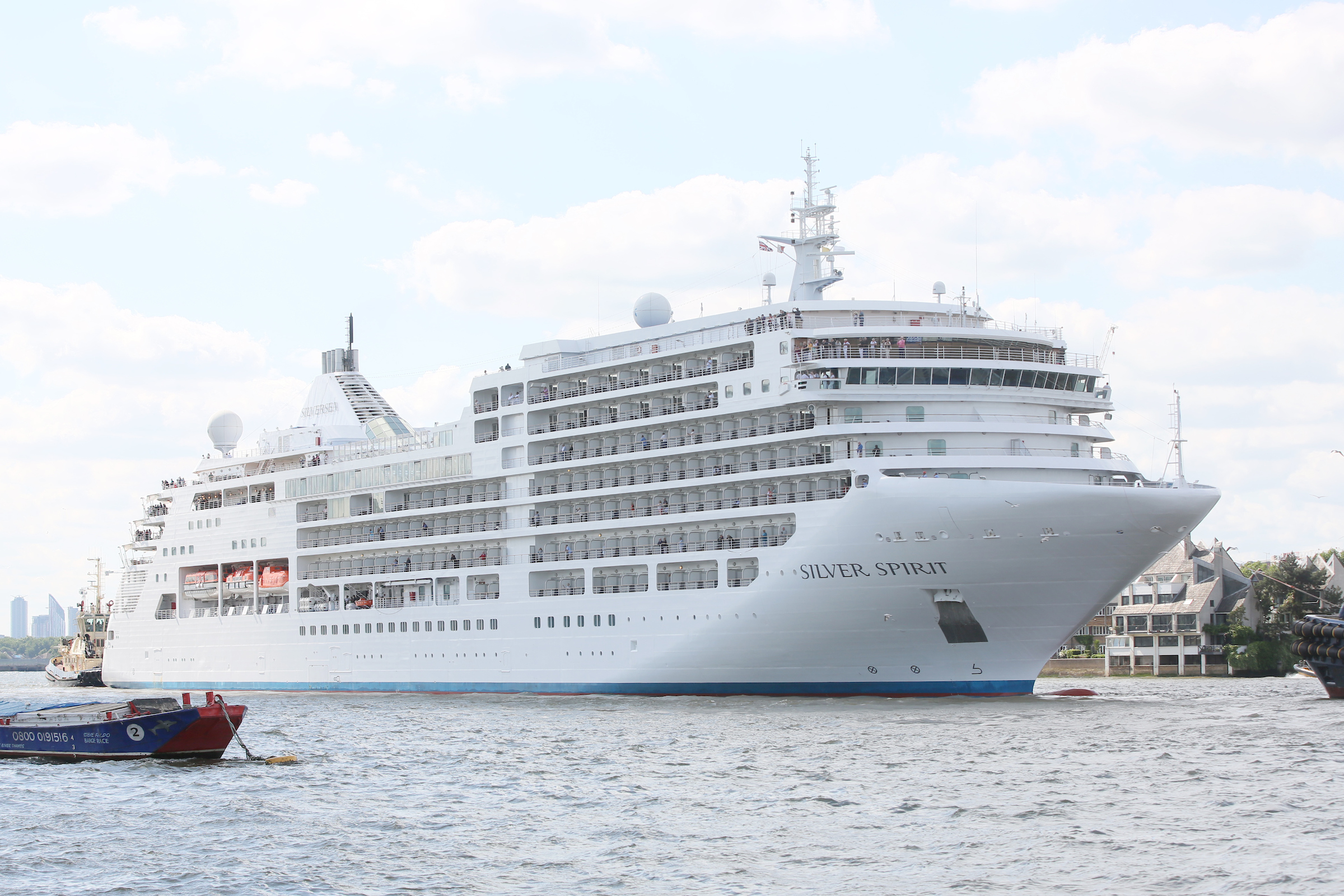
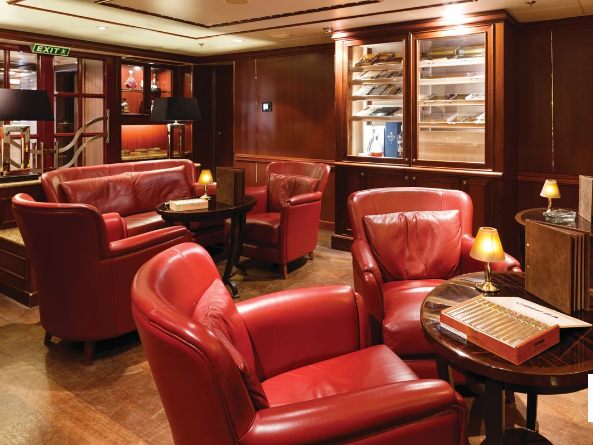
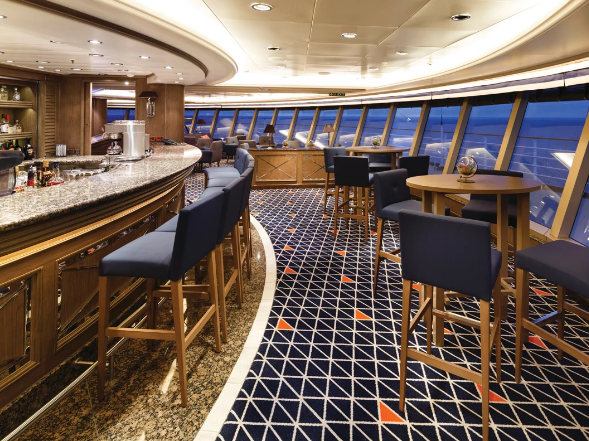
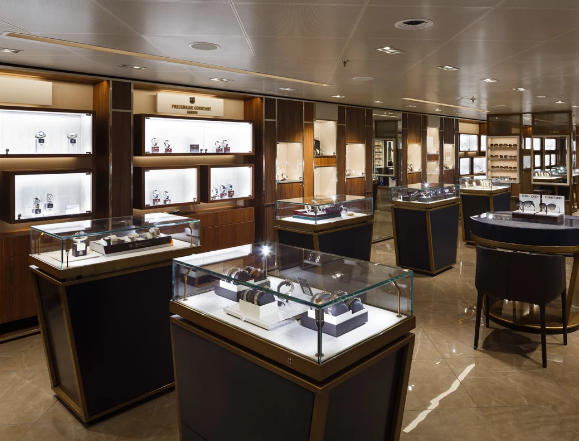
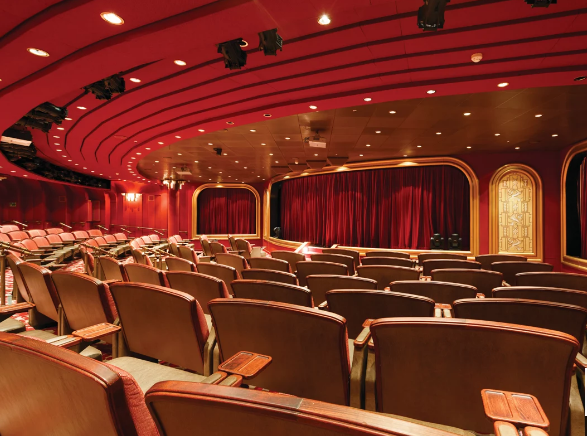
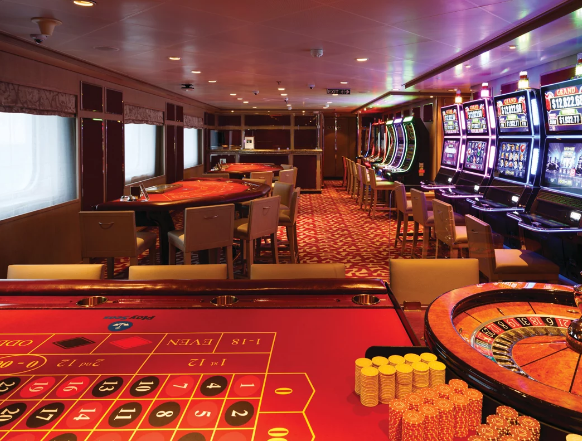
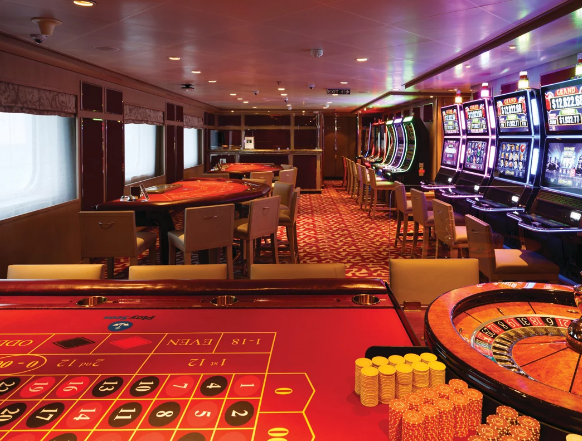

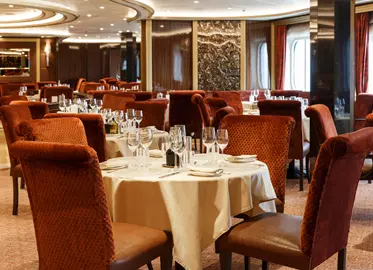
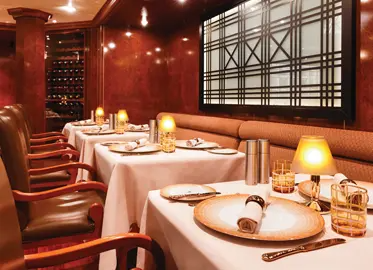
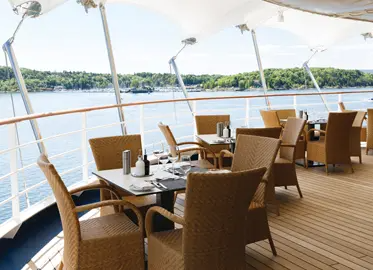
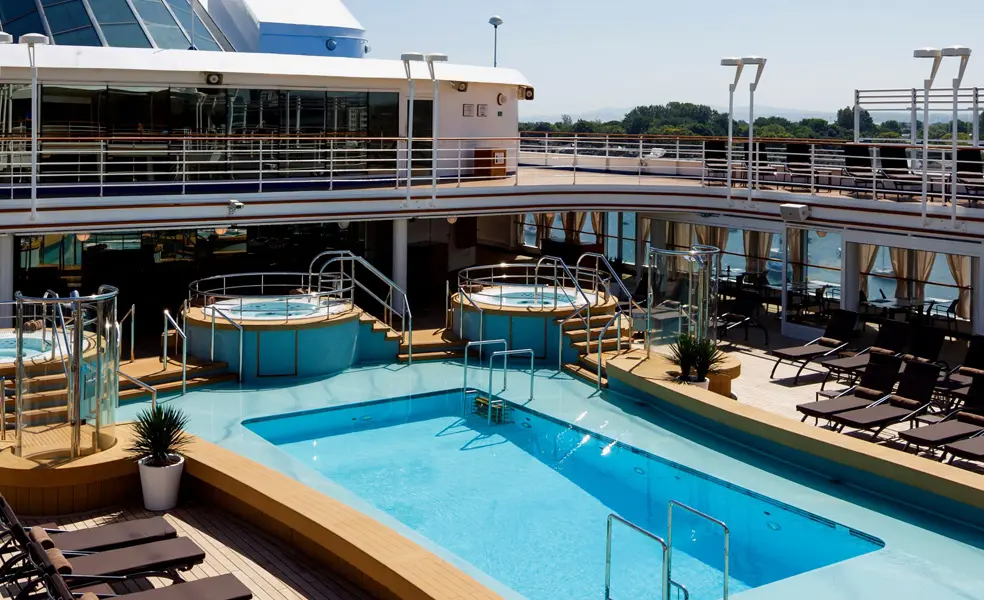
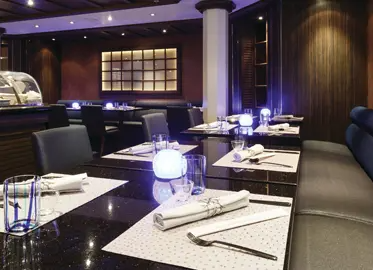
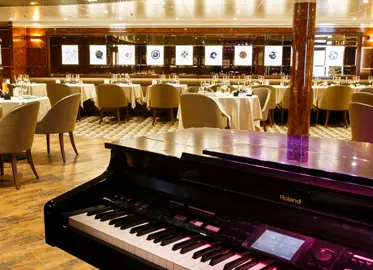
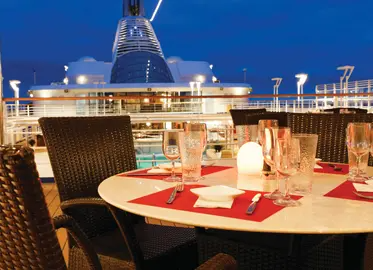
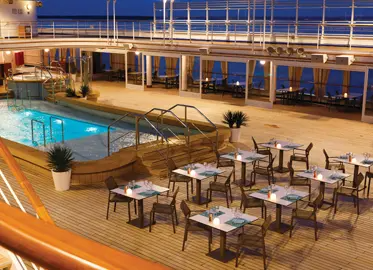
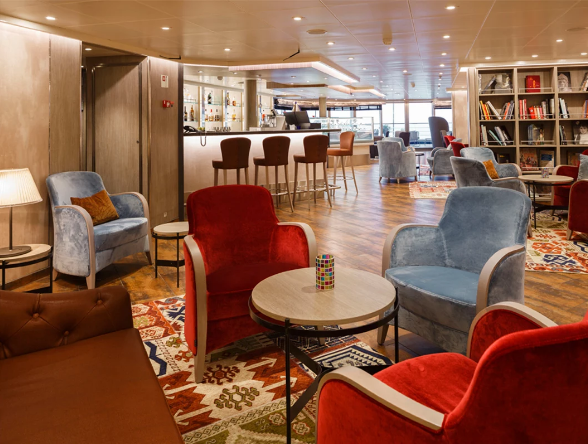
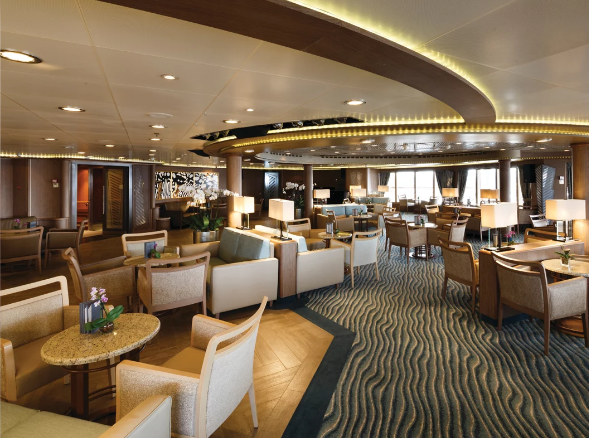
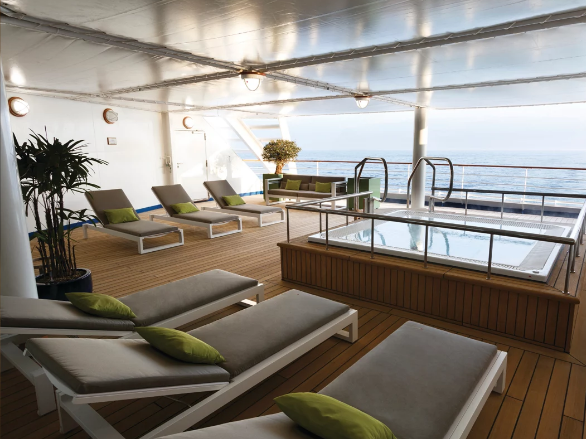
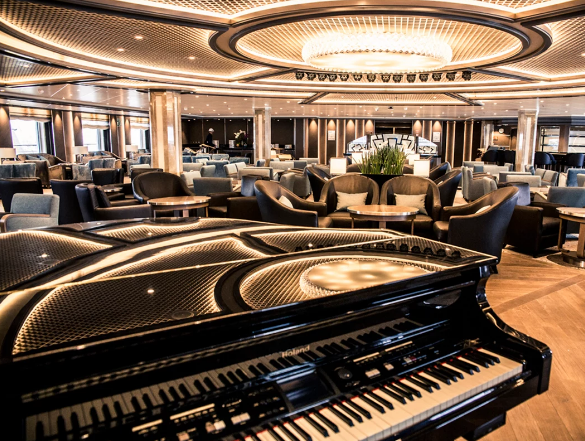
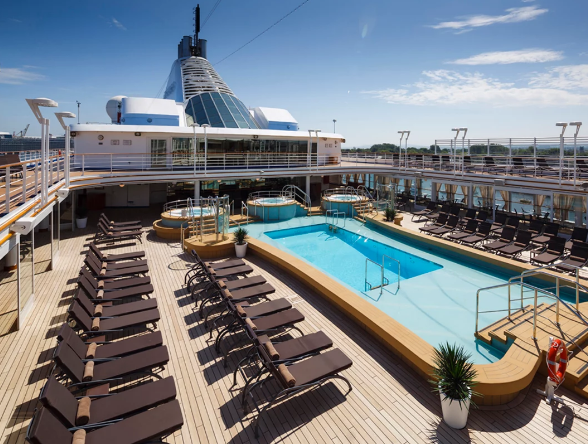
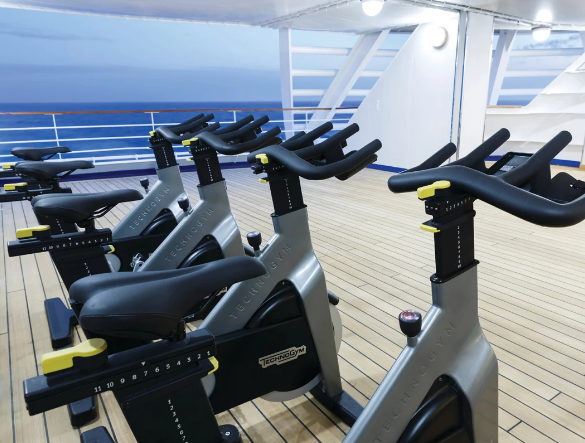
The all-new Silver Spirit has never looked better, nor felt cosier. Fully refurbished for a superlative onboard adventure, she retains our world famous standards of service and home away from home feel. With one of the highest space to guest ratios in the business and eight superlative luxury dining options, Silver Spirit offers its guests one of the most complete cruise experiences available. Spacious decks leave plenty of room for relaxation, yet the cosy niches make sure that there is something for everyone. Meet like-minded friends; enjoy first class dining and relax in what is possibly the best place between sea and sky.
Boutique
Concierge
Conference Room
Guest Relations Office
Reception
Shore Concierge
Beauty Salon
Spa
Swimming Pool
Whirlpool
Zagara Spa
Casino
Connoisseur’s Corner
Panorama Lounge
Silver Note
Fitness Ball
Fitness Center
Jogging Track
Card Room
Library
Main Pool
Tor’s Observation Library
Description
The all-new Silver Spirit has never looked better, nor felt cosier. Fully refurbished for a superlative onboard adventure, she retains our world famous standards of service and home away from home feel. With one of the highest space to guest ratios in the business and eight superlative luxury dining options, Silver Spirit offers its guests one of the most complete cruise experiences available. Spacious decks leave plenty of room for relaxation, yet the cosy niches make sure that there is something for everyone. Meet like-minded friends; enjoy first class dining and relax in what is possibly the best place between sea and sky.
Other
Boutique
Concierge
Conference Room
Guest Relations Office
Reception
Shore Concierge
Relaxation
Beauty Salon
Spa
Swimming Pool
Whirlpool
Zagara Spa
Entertainment
Casino
Connoisseur’s Corner
Panorama Lounge
Silver Note
Fitness
Fitness Ball
Fitness Center
Jogging Track
Recreational
Card Room
Library
Main Pool
Tor’s Observation Library
STATEROOMS
