
Atlantic Crossing & Iberian Peninsula
- 6 Nov ‘27
- 21 nights
- Departing from Barcelona
- Seabourn Ovation

-
Balcony price from$14,194*/pp
-
Suite price from$24,394*/pp
YOUR ITINERARY
Barcelona, Spain - Valencia, Spain - Cartagena, Spain - Motril, Spain - Melilla,Spanish Morocco, Spain - Cadiz (Seville), Spain - Leixoes (Porto), Portugal - Lisbon, Portugal - Funchal (Madeira), Portugal - St. John's, Antigua - Carambola Beach, Saint Kitts and Nevis - Trois Ilets, Martinique - Bridgetown, Barbados
Barcelona, the capital of Catalonia, is said to have be...
Barcelona, the capital of Catalonia, is said to have been founded by the Phoenicians, and was once the rival of the powerful states of Venice and Genoa for control of the Mediterranean trade. Today, it is Spain’s second largest city and has long rivaled, even surpassed Madrid in industry and commerce. The medieval atmosphere of the Gothic Quarter and the elegant boulevards combine to make the city one of Europe’s most beautiful. Barcelona’s active cultural life and heritage brought forth such greats as the architect Antonio Gaudi, the painter Joan Miro, and Pablo Picasso, who spent his formative years here. Other famous native Catalan artists include cellist Pau Casals, surrealist Salvador Dali, and opera singers Montserrat Caballe and Josep Carreras. Barcelona accomplished a long-cherished goal with the opportunity to host the Olympics in 1992. This big event prompted a massive building program and created a focal point of the world’s attention.
Valencia is located in the middle of Europe’s ...
Valencia is located in the middle of Europe’s most densely developed agricultural region. Originally a Greek settlement, the town was taken over by Romans in 138 BC and turned into a retirement town for old soldiers. The Moors controlled the land for 500 years, and this fertile plain, which today yields three to four crops, was considered to be heaven on earth. El Cid conquered Valencia for Spain in 1094, but it fell back into Moorish hands after his death. Incorporated into Spain in the 15th century, Valencia remains the nation’s breadbasket.
Founded by Carthaginians in the third century BC, this ancie...
Founded by Carthaginians in the third century BC, this ancient Mediterranean port city exemplifies the region’s tumultuous history. Romans, Visigoths, Castilians and Moors have all left their marks. Under King Philip II, Cartagena’s naturally deep, sheltered harbor was developed into the nation’s premier naval base, a position it still enjoys today. Ancient ramparts remain, as does a lighthouse erected in Moorish times.
This city of the Mediterranean coast is the second largest on t...
This city of the Mediterranean coast is the second largest on the so-called Costa Tropical. But for us it is the port from which to ascend the slopes of the snow-capped Sierra Nevada to the ethereal Moorish city of Granada and the astounding complex of the Alhambra, the most beautiful display of Islamic architecture in Europe. Dramatically sited overlooking the city, the walled series of halls, courts, gardens and colonnades drip with airy carving and elaborate decorative reliefs that embody the term Arabesque. The sprawling Generalife Gardens adjoining the fortress are a memorable site unto themselves. Elsewhere in Granada, the Capilla Real is a purely Spanish Gothic building, holding the marble tombs of the Reyes Catolicos Ferdinand and Isabella behind a gilded wrought-iron screen.
To taste the true flavor of this ancient port city...
To taste the true flavor of this ancient port city, one should stroll its seaside promenade, pausing to rest beneath the huge banyan trees. The narrow, winding streets of the old town fan out from the port, leading you to sunny, palm-lined plazas. Visit the Catedral Nueva (New Cathedral), begun in the early 1800s but not completed for 116 years. Its dramatic, golden dome rises over a striking interior. For those who enjoy people-watching as much as sightseeing, the seafood restaurants along the eastern edge of the port provide the ideal setting.
The commercial center of northern Portugal and hub of...
The commercial center of northern Portugal and hub of the port wine trade, Porto is a gracious, cosmopolitan city noted for its 12th century cathedral and medieval churches, picturesque narrow streets and wine lodges at Vila Nova de Gaia. It is clustered on hills overlooking a river, and is a northern European style city with granite church towers, narrow streets and hidden Baroque treasures.
The great period of “the Discoveries” accounted ...
The great period of “the Discoveries” accounted for phenomenal wealth brought back from India, Africa and Brazil by the great Portuguese navigators. Gold, jewels, ivory, porcelain and spices helped finance grand new buildings and impressive monuments in Lisbon, the country’s capital city. As you sail up the Tagus River, be on deck to admire Lisbon’s panorama and see some of the great monuments lining the river. Lisbon is one of Europe’s smallest capital cities but considered by many visitors to be one of the most likeable. Spread over a string of seven hills, the city offers a variety of faces, including a refreshing no-frills simplicity reflected in the people as they go unhurriedly through their day enjoying a hearty and delicious cuisine accompanied by the country’s excellent wines.
The Madeira Archipelago, consisting of the islands Mad...
The Madeira Archipelago, consisting of the islands Madeira, Porto Santo and Desertas, is situated in the Atlantic, about 400 miles from the African coast and 560 miles from Lisbon. Discovered by the Portuguese in 1419, Madeira, the largest of the islands, became of great importance to Portugal for its sugar production and later on for the cultivation of wine. The unusually temperate oceanic climate and extraordinary scenery had Northern Europeans flocking to Madeira as early as the 18th century to spend the winter months. The winning combination of high, rocky peaks, steep green ravines and waterfalls in the interior, with the flowering charm of Funchal still attracts nearly half a million visitors each year.
Antigua is blessed with an abundance of shining whit...
Antigua is blessed with an abundance of shining white beaches, and many of these have sprouted top-end resort hotels that engender golf courses and other amenities counted among the best in the Caribbean. A pleasant drive up through farms and tiny villages leads to the commanding fortress on Shirley Heights, from which you can survey the town and the harbor of Nelson’s Dockyard across the island. Once a carenage for British frigates, today it is an enclave of shops and restaurants.
A classic golden arc of sugary sand at South Friar...
A classic golden arc of sugary sand at South Friar’s Bay, Carambola is home to the island’s most luxurious beach clubs and restaurants. Umbrellas, loungers and optional water sports abound for those so inclined. Otherwise St. Kitts has other attractions, including a number of lovingly preserved plantation great houses, the UNESCO World Heritage Site of Brimstone Hill Fortress and a scenic narrow gauge sugarcane railway.
Les Trois-Îlets is a town on the Caribbean island of ...
Les Trois-Îlets is a town on the Caribbean island of Martinique. It’s known as the birthplace of Joséphine, Napoléon Bonaparte’s first wife. Her family’s sugar plantation is now the Pagerie Museum, with childhood mementos and a love letter from Napoléon. Nearby, exhibits at the Maison de la Canne detail how sugar cane shaped Martinique’s history. North, Pointe du Bout is a water-sports hub with boutiques and cafes.
Barbados has retained many of the trappings of its British colo...
Barbados has retained many of the trappings of its British colonial heritage. Judges and barristers wear proper robes and wigs, police don helmets styled after London bobbies and cricket remains a national passion. Barbados also has all the sporting appeal of the rest of the Caribbean, with pristine beaches, powerful surf and crystal clear waters. Brightly colored homes and hibiscus flowers mingle with mahogany trees and English churches dating back to the 17th century.
YOUR SHIP - The Seabourn Ovation
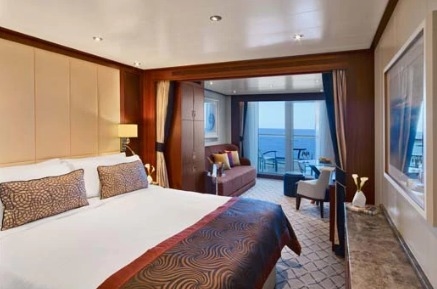
Introducing Seabourn Ovation, the sister-ship to the already prestigious Seabourn Encore. Seabourn Ovation represents another welcome stage in the evolution of small ship cruising, which Seabourn pioneered and has consistently expanded and enriched for all of our small ship cruises. Both ships will deliver a wealth of new concepts, a fresh vision and a host of illuminating ideas to delight the world’s most discerning travelers.
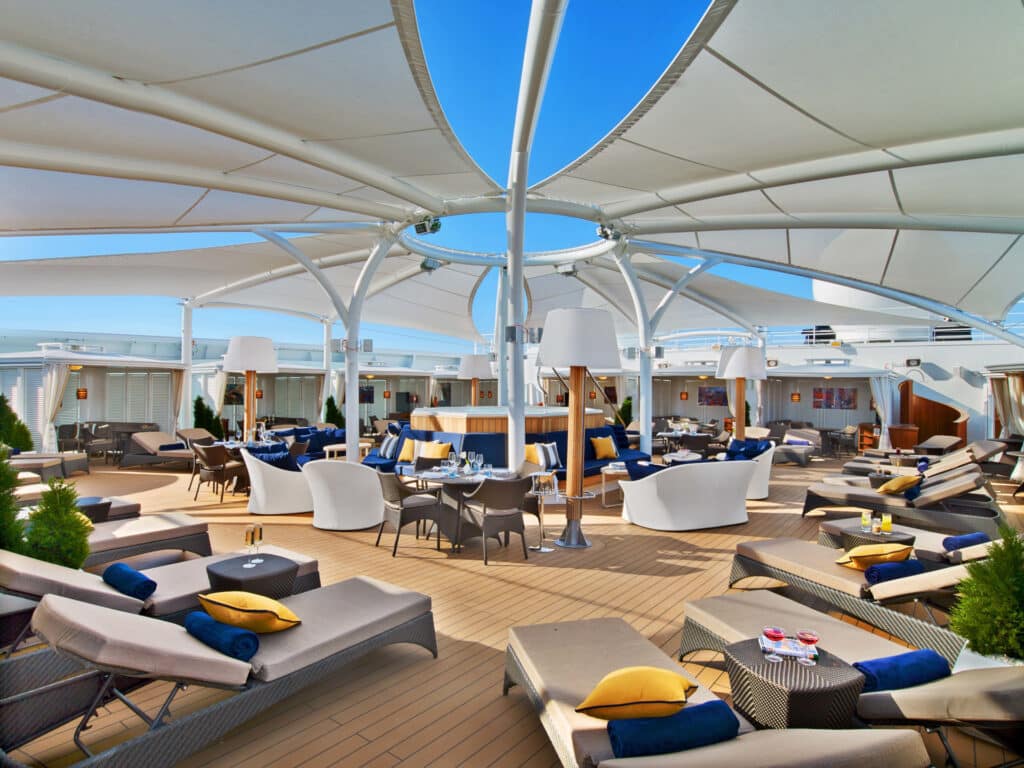

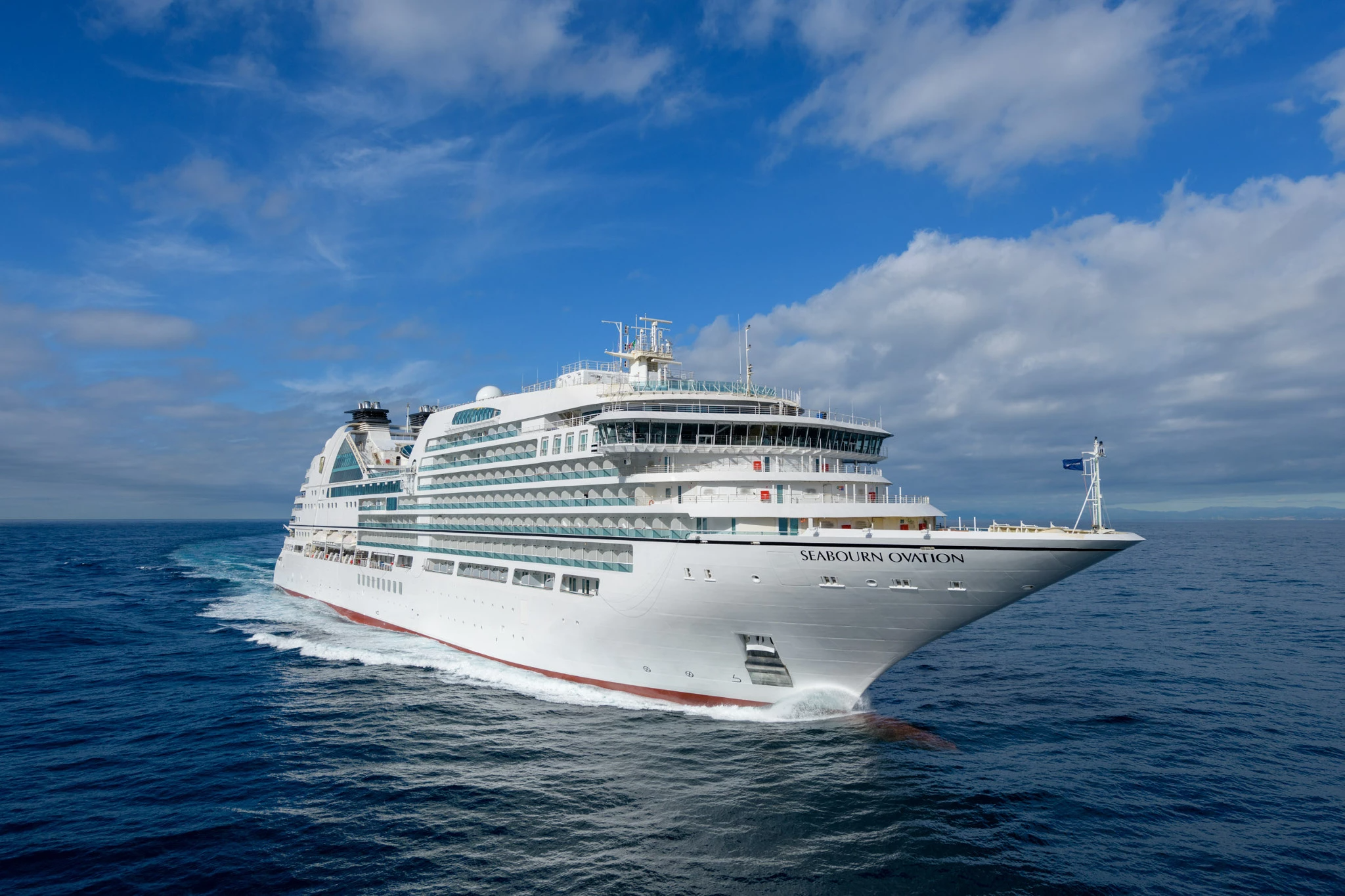


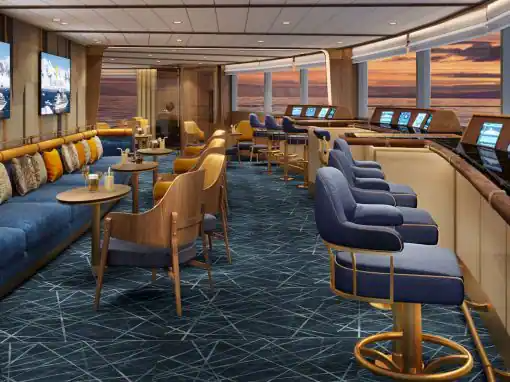
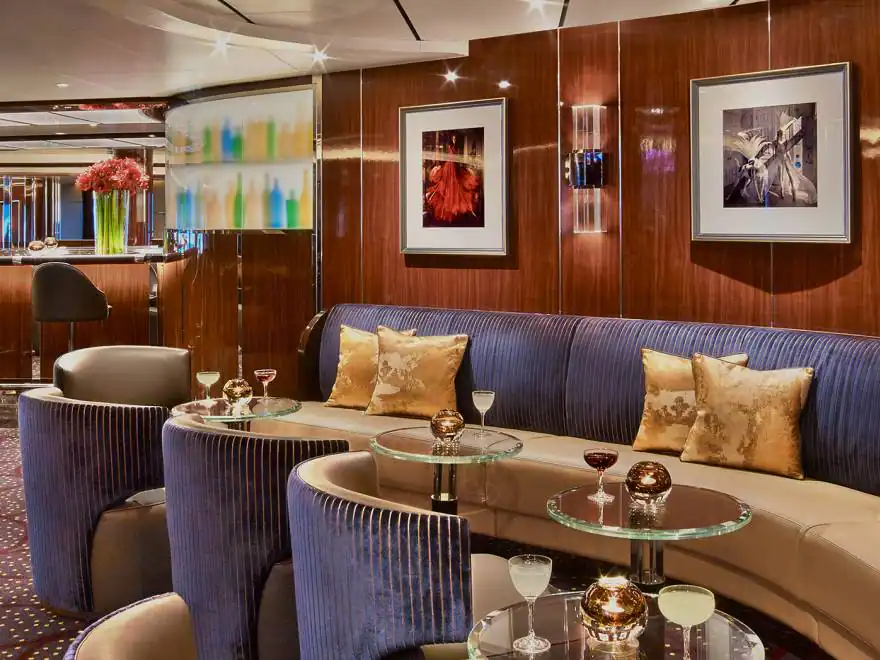
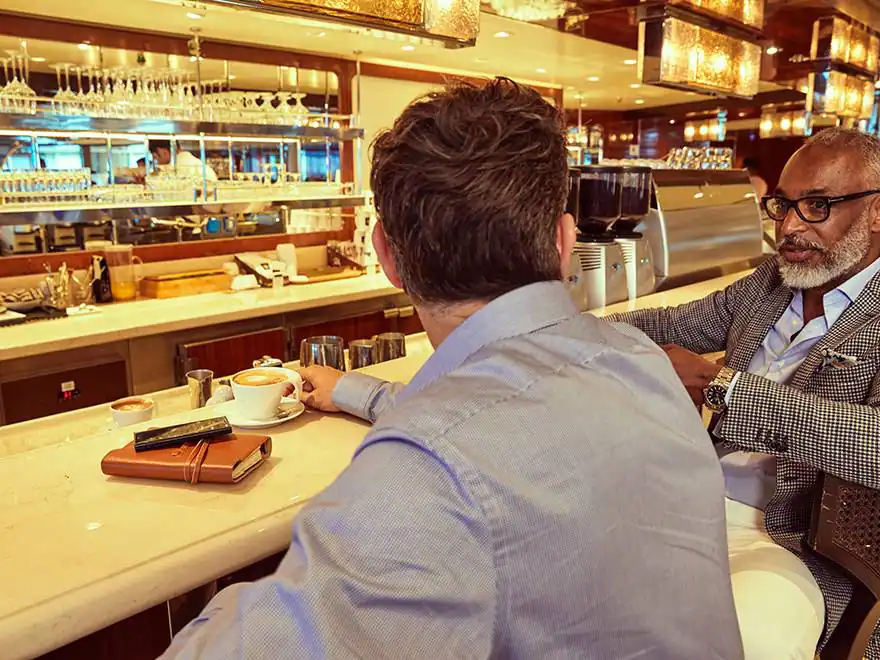
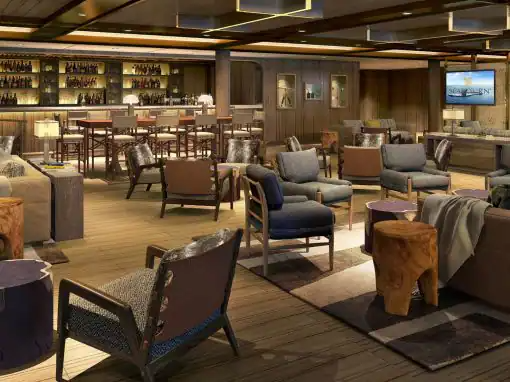
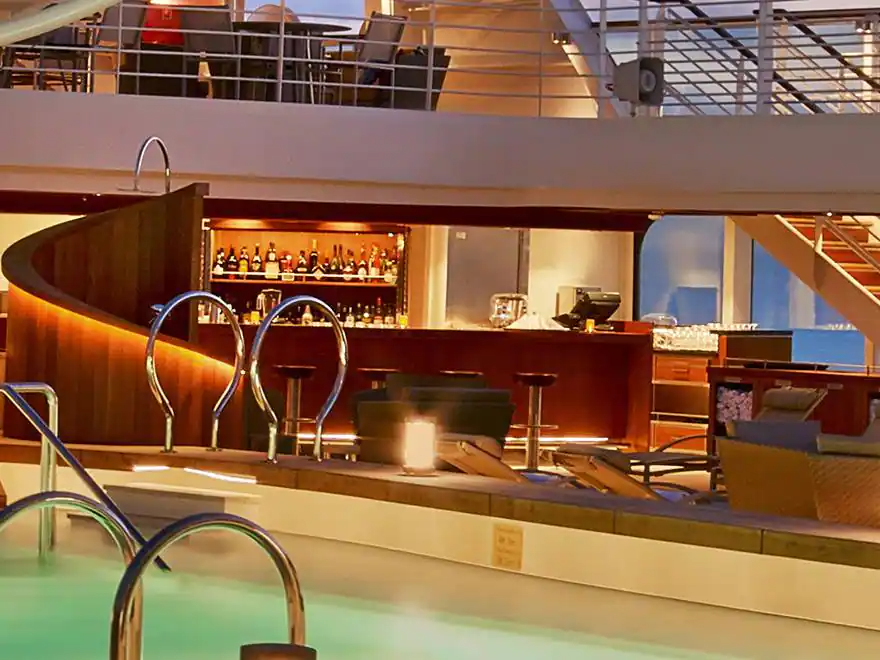

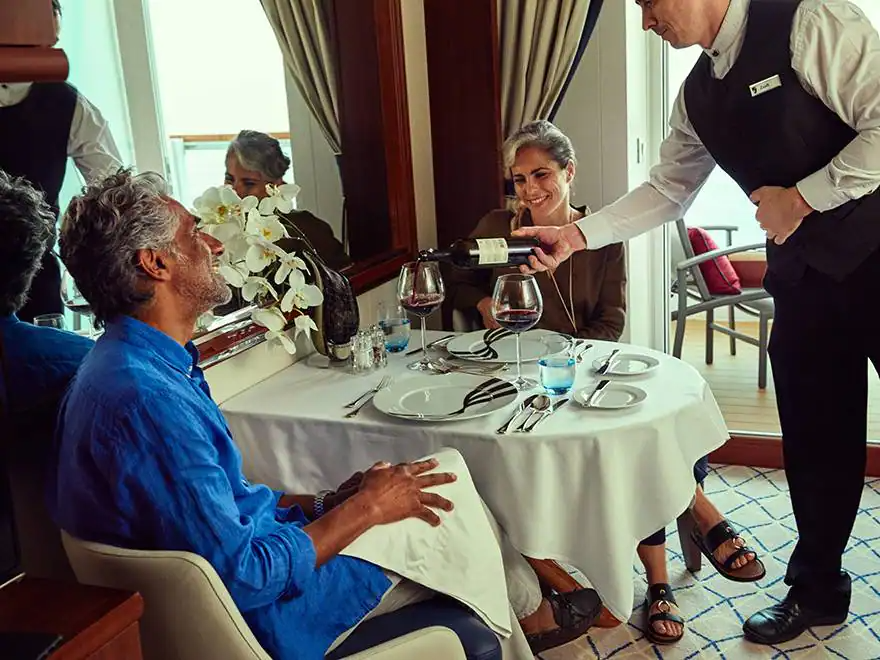
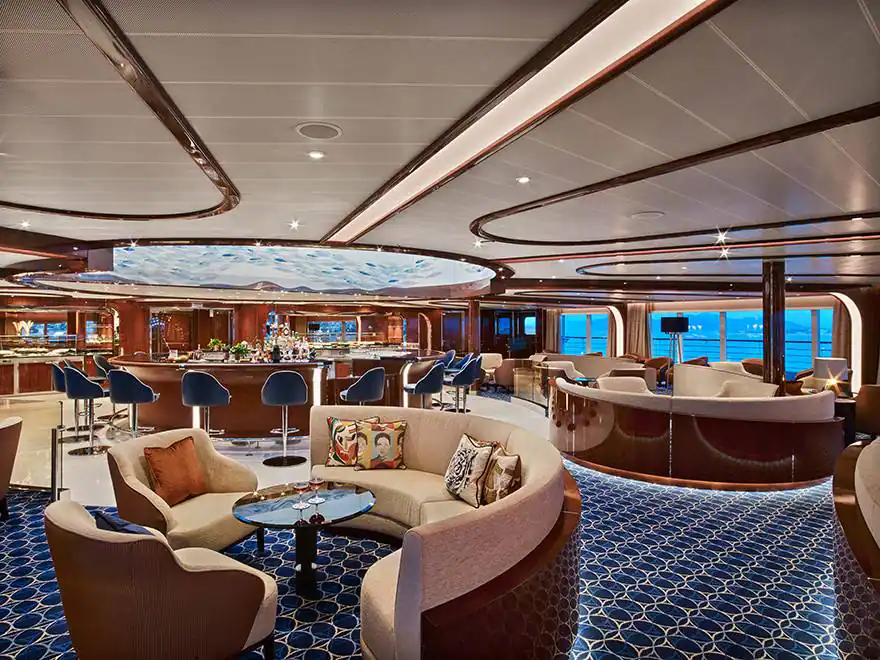
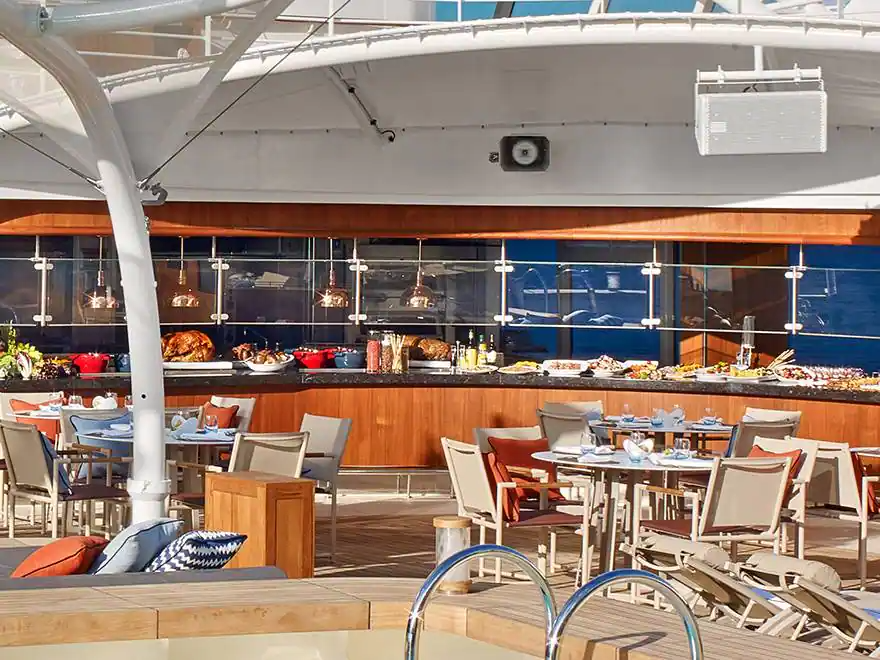

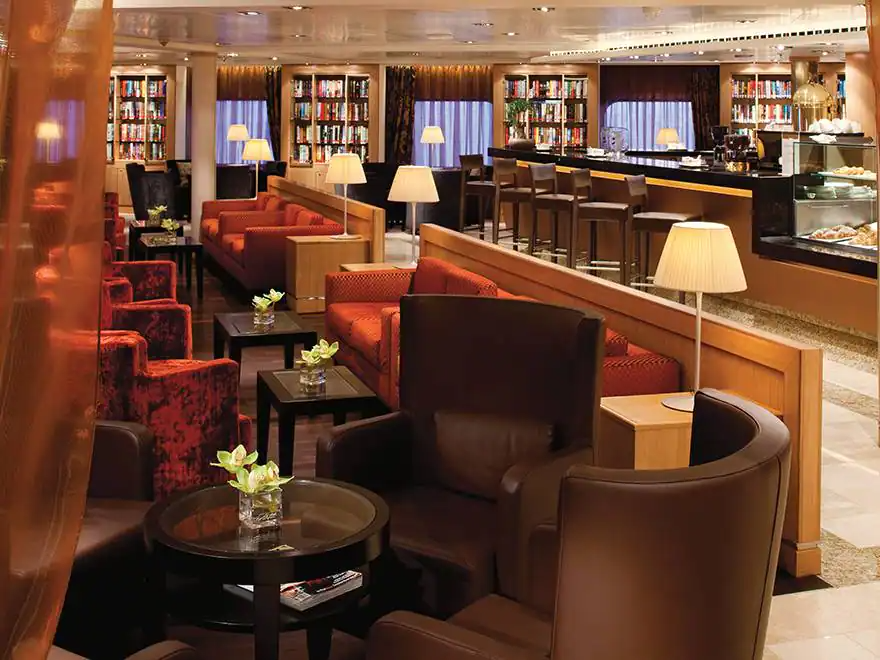
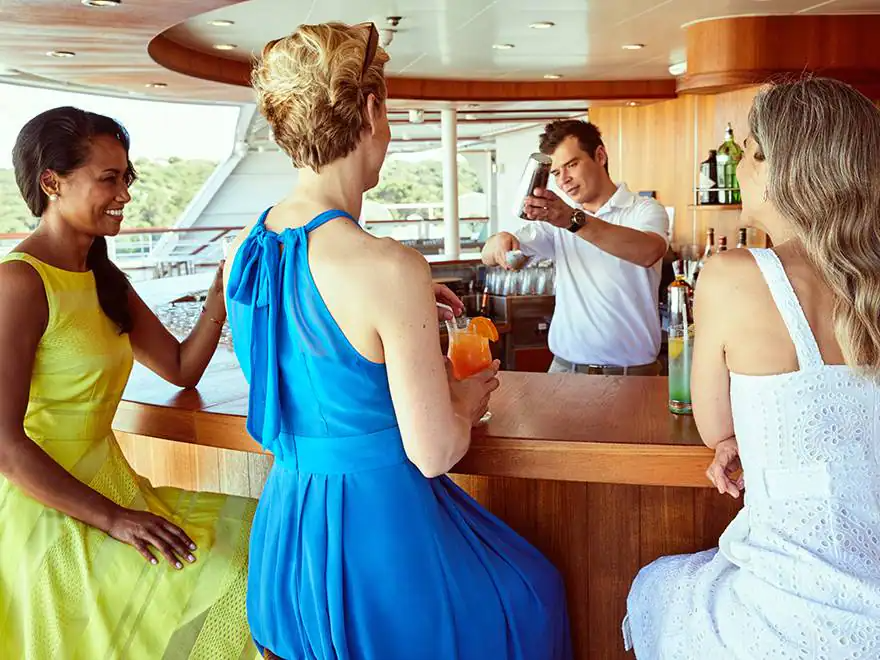
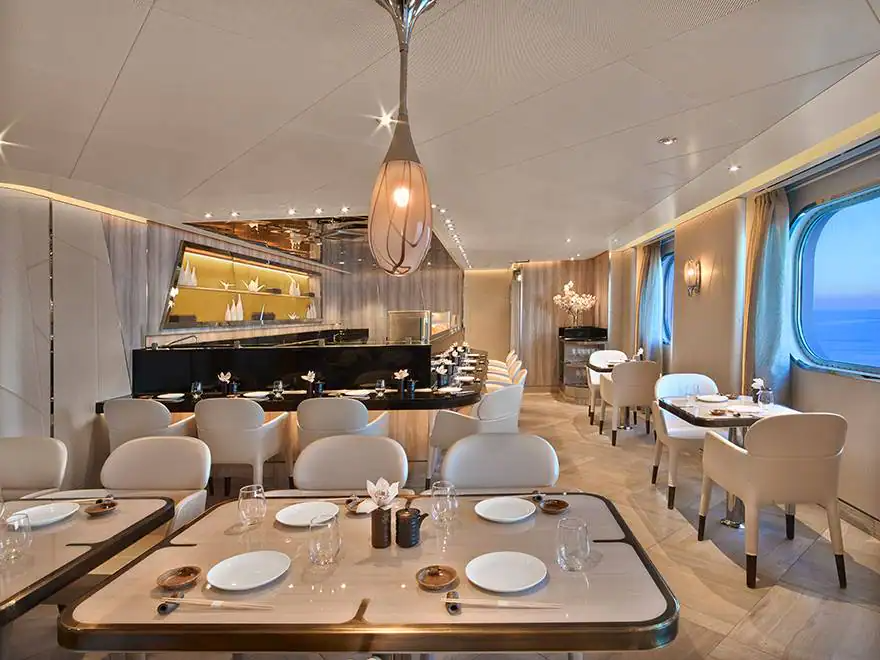
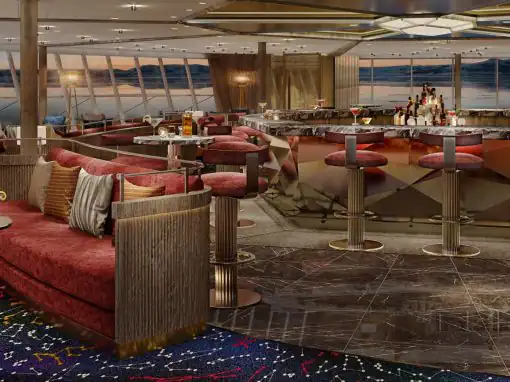
Introducing Seabourn Ovation, the sister-ship to the already prestigious Seabourn Encore. Seabourn Ovation represents another welcome stage in the evolution of small ship cruising, which Seabourn pioneered and has consistently expanded and enriched for all of our small ship cruises. Both ships will deliver a wealth of new concepts, a fresh vision and a host of illuminating ideas to delight the world’s most discerning travelers.
Coffee Bar
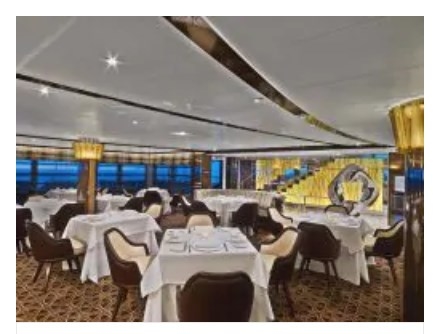
Dining Room
Mariners Patio Bar
Sky Bar
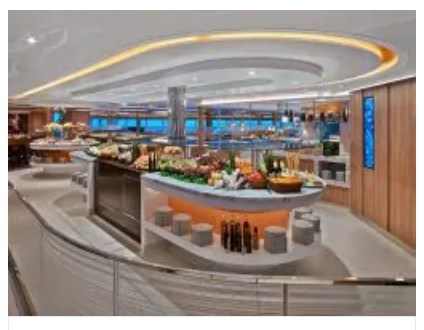
The Colonnade
Photo Gallery
Card Room
Spa
The Retreat
Whirlpool
Conference Room
Medical Centre
Observation Deck
Shops
The Terrace
Description
Introducing Seabourn Ovation, the sister-ship to the already prestigious Seabourn Encore. Seabourn Ovation represents another welcome stage in the evolution of small ship cruising, which Seabourn pioneered and has consistently expanded and enriched for all of our small ship cruises. Both ships will deliver a wealth of new concepts, a fresh vision and a host of illuminating ideas to delight the world’s most discerning travelers.
Food and Drink
Coffee Bar
Dining Room
Mariners Patio Bar
Sky Bar
The Colonnade
Entertainment
Photo Gallery
Recreational
Card Room
Relaxation
Spa
The Retreat
Whirlpool
Other
Conference Room
Medical Centre
Observation Deck
Shops
The Terrace
STATEROOMS
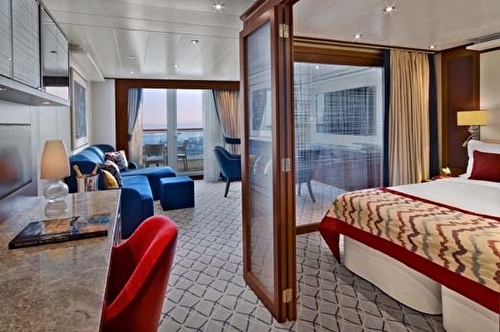
suite