

Jewels Of The British Isles
- 3 Jul ‘27
- 14 nights
- Departing from Dover (London)
- Seabourn Quest

-
Outside price from$15,999*/pp
-
Balcony price from$22,799*/pp
-
Suite price from$36,799*/pp
YOUR ITINERARY
Dover (London), England - Cowes, Isle of Wight, England, UK - Fowey, Cornwall, United Kingdom - Bantry, Ireland - Kinsale, Ireland - Holyhead, Wales, United Kingdom - Belfast, Northern Ireland - Oban, UK - Stornoway (Isle of Lewis), UK - Kirkwall - Dundee, Scotland - Leith (Edinburgh), UK - Dover (London), England
Crossing the English Channel from continental Europ...
Crossing the English Channel from continental Europe to Great Britain, the first view of England is the milky-white strip of land called the White Cliffs of Dover. As you get closer, the coastline unfolds before you in all its striking beauty. White chalk cliffs with streaks of black flint rise straight from the sea to a height of 350’ (110 m).
Numerous archaeological finds reveal people were present in the area during the Stone Age. Yet the first record of Dover is from Romans, who valued its close proximity to the mainland. A mere 21 miles (33 km) separate Dover from the closest point in France. A Roman-built lighthouse in the area is the tallest Roman structure still standing in Britain. The remains of a Roman villa with the only preserved Roman wall mural outside of Italy are another unique survivor from ancient times which make Dover one of a kind.
Cowes is an English seaport town and civil parish on the Isle ...
Cowes is an English seaport town and civil parish on the Isle of Wight. Cowes is located on the west bank of the estuary of the River Medina, facing the smaller town of East Cowes on the east bank. The two towns are linked by the Cowes Floating Bridge, a chain ferry.
Bantry Bay, framed by the Sheep’s Head Hills and the C...
Bantry Bay, framed by the Sheep’s Head Hills and the Caha Mountains, offers one of the Ireland’s most magnificent seascapes and picturesque harbors. As with other areas on Ireland’s south-west coast, Bantry claims an ancient connection to the sixth-century Saint Breandán the Navigator, who was, in Irish folklore, the first person to discover America.
A highlight of the area is stately Bantry House and Garden Estate. The magnificent garden is laid out in the Italian style over seven terraces. In addition to the many spirited Irish pubs are the Bantry Museum and the architecture of St. Brendan’s and St. Finbarr’s Churches. There are pristine, white-sand beaches, interspersed with jagged outcrops of rock and bordered by the verdant-green hills that make Ireland famous. County Cork is renowned for its megalithic stone circles and standing stones. Historic castles dot the landscape. The coastline of Cork is also home to basking sharks and fin, pilot, and minke whales.
Today the city of Holyhead is connected to the large Welsh i...
Today the city of Holyhead is connected to the large Welsh island of Anglesey by a causeway known locally as The Cobb, but until the mid-19th century, it was on its own separate Holy Island connected by a bridge. Its protected harbor and location adjacent to the Irish Sea made it an important port from Roman times. Its beautiful St. Cybi’s Church is in fact situated in the remains of a Roman three-walled fort, the Caer Gybi, facing the harbor. The harbor’s three-kilometer breakwater is the longest in the United Kingdom, and made the port a crucial safe haven in inclement weather for ships plying the busy routes to industrial Liverpool and Lancashire. Until the completion of the London to Liverpool railway, Holyhead held the Royal Mail contract for Dublin. Your ship docks today at a jetty that originally served a lucrative aluminum smelting operation, until the closing of a nuclear generating facility cut of the supply of inexpensive power. A waterfront Maritime Museum provides insights into Holyhead’s long history as a seaport. Visitors are welcomed at the picturesque South Stack Lighthouse, and at the adjacent RSPB nature reserve, which offers views of the sea cliffs and their abundant nesting populations of puffins, fulmars, razorbills, guillemots, gannets and other seabirds, as well as seals, dolphins and other wildlife. The Anglesey countryside also holds prehistoric dolmens including the Trefignath Burial Chamber, and a nostalgic old Welsh farmstead called Cyfellion Swtan that charmingly preserves the traditional lifestyle or rural Wales.
Belfast, Northern Ireland’s largest urban area is si...
Belfast, Northern Ireland’s largest urban area is situated on Ireland’s eastern coast. To the northwest, the city is flanked by hills, including Cavehill, thought to be Jonathan Swift’s inspiration for his novel, “Gulliver’s Travels.” Belfast’s location is ideal for the shipbuilding industry that once made it famous. The Titanic was built here in 1912, at the largest shipyard in the world. Until the Good Friday Agreement of 1998 was reached, the worst of Ireland’s “troubles” was experienced in Belfast, which suffered almost half the conflict’s resulting deaths. Since that time, however, Belfast’s city center has emerged into an attractive pedestrian-oriented environment with street musicians and the like, and a revitalized river front.
Oban is a small town on the west coast of Scotland. The site ...
Oban is a small town on the west coast of Scotland. The site began as a small fishing outpost and has been occupied as such for literally thousands of years. Rural in its roots, the modern-day village of Oban grew around the famed whisky distillery founded in 1794. Renowned for its 14-year-old malt whisky, the Oban distillery has become a tourist attraction, drawing many visitors to the area. The quiet, rural feel of Oban is responsible for the abundance of wildlife within the town boundaries. Here grey seals can be spotted swimming in the harbor or resting along the shore. A wide variety of land and seabirds are found throughout the area. On occasion dolphins and river otters also visit. A beautiful balance exists between this small town and the natural environment surrounding it, where the sounds of nature mingle with the melody of the streets.
Stornoway, on the Isle of Lewis in the Outer Hebrides, was foun...
Stornoway, on the Isle of Lewis in the Outer Hebrides, was founded by Vikings in the 9th century. But the Hebridean culture goes back much further, as testified by the circles of standing stones that are found on the island, and shards of pottery dated from at least 5,000 years in the past. There are remnants of various historic periods to be seen here, including traditional blackhouses, an ancient design, some of which were incredibly still in use into the 1970s. Lews Castle, which overlooks the town, is a more modern copy of a Tudor manse, which was built by a former owner of the island. Latta’s Mill, a 19th century overshot water mill, has been reconstructed and operates as an attraction. The main occupations on Lewis are fishing, farming, and production of Harris Tweed, a traditional cloth named for another nearby Hebrides isle.
Kirkwall is the largest town of Orkney, an archipelago...
Kirkwall is the largest town of Orkney, an archipelago to the north of mainland Scotland. The name Kirkwall comes from the Norse name Kirkjuvágr, which later changed to Kirkvoe, Kirkwaa and Kirkwall.
Scotland’s fourth largest city with a population...
Scotland’s fourth largest city with a population of 161,000 was once noted for jam, jute and journalists. It’s a busy seaport and is situated on the northern shore of the Tay with the Sidlaw Hills as a backdrop. It remains the marmalade capital of the world and still produces more than it’s share of newspaper writers.
Two miles distant from its ancient seaport of Leith lies Edi...
Two miles distant from its ancient seaport of Leith lies Edinburgh, Scotland’s national capital. The Scottish capital since the 15th century, Edinburgh is comprised of two distinct areas – the Old Town, dominated by a medieval fortress, and the neoclassical New Town, whose development from the 18th century onwards had a far-reaching influence on European urban planning. The harmonious juxtaposition of these two contrasting historic areas, each with many important buildings, is what gives the city its unique character.
Always favored by geography, Edinburgh is ideally situated on the Firth of Forth, an inlet from the North Sea, and built on extinct volcanoes surrounded by woods, rolling hills and lakes. On a clear day, there are glorious vistas from each of these hilltops. Looming above the city is the striking fairy tale castle built on the site of a 7th-century fortress. Towards the Middle Ages life within the fortress spilled onto the long ridge running to the foot of Arthur’s Seat, which crowns Holyrood Park. The city’s most legendary citizens are the arch Presbyterian John Knox and Mary Queen of Scots, who dominated the Edinburgh of the late 16th century. Edinburgh’s delightful city center is a joy to explore on foot. Every alley reveals impressive steeples, jagged, chimney-potted skylines, or lovely rotund domes.
Crossing the English Channel from continental Europe to Gre...
Crossing the English Channel from continental Europe to Great Britain, the first view of England is the milky-white strip of land called the White Cliffs of Dover. As you get closer, the coastline unfolds before you in all its striking beauty. White chalk cliffs with streaks of black flint rise straight from the sea to a height of 350’ (110 m).
Numerous archaeological finds reveal people were present in the area during the Stone Age. Yet the first record of Dover is from Romans, who valued its close proximity to the mainland. A mere 21 miles (33 km) separate Dover from the closest point in France. A Roman-built lighthouse in the area is the tallest Roman structure still standing in Britain. The remains of a Roman villa with the only preserved Roman wall mural outside of Italy are another unique survivor from ancient times which make Dover one of a kind.
YOUR SHIP - The Seabourn Quest
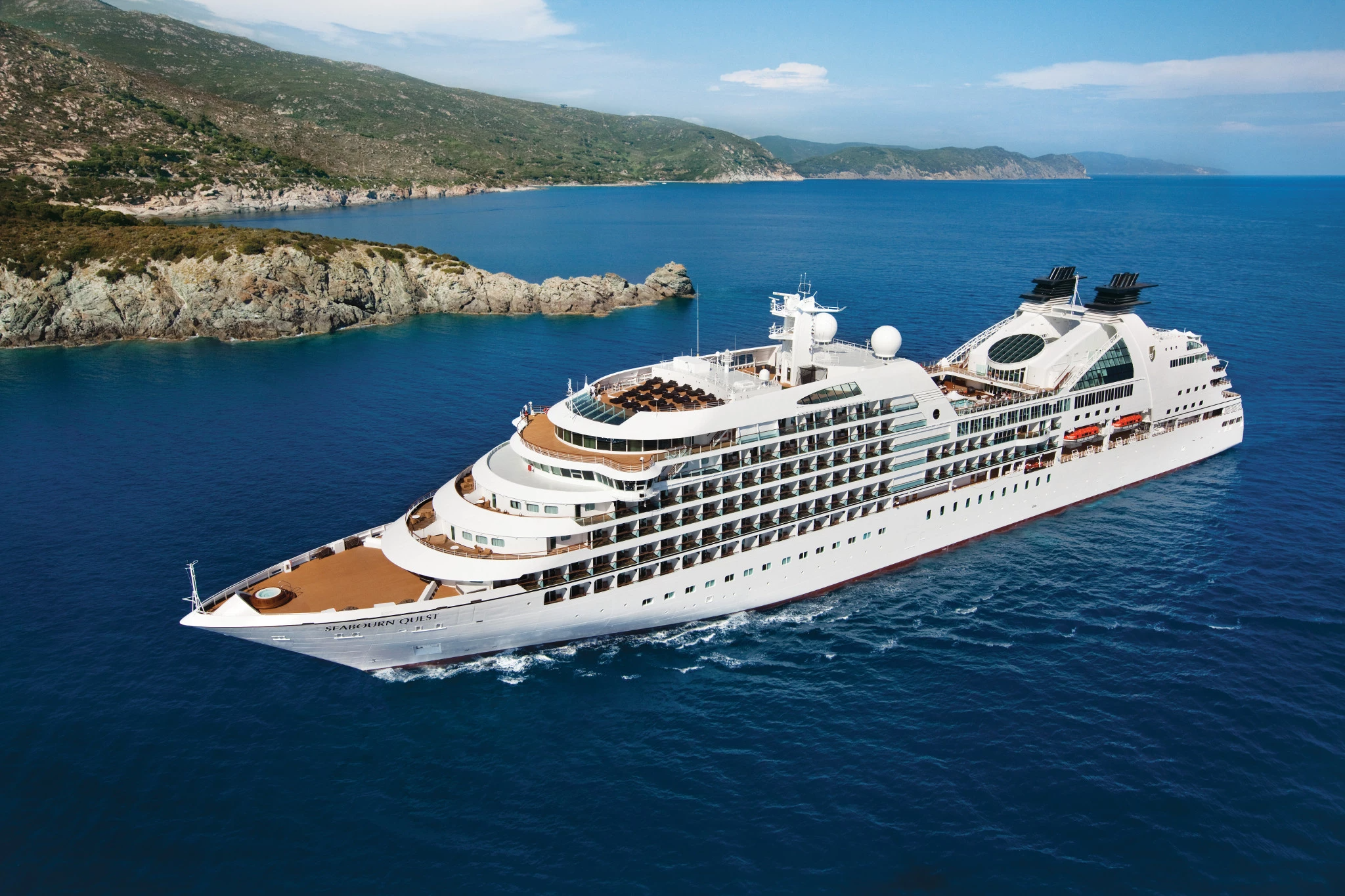
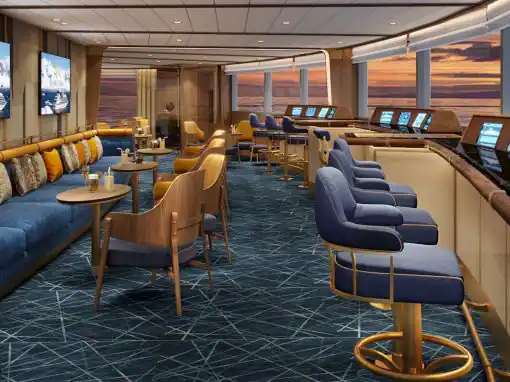
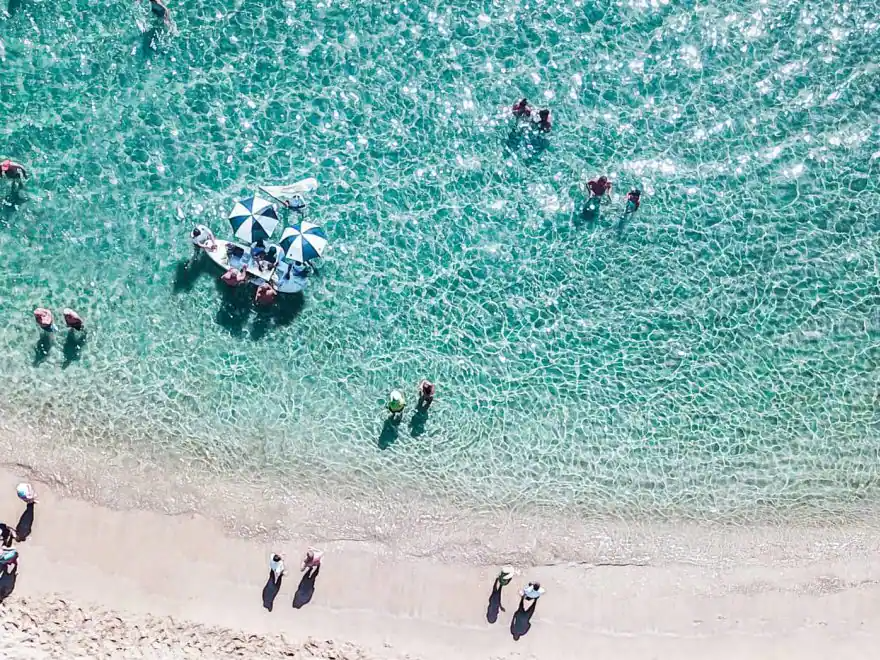
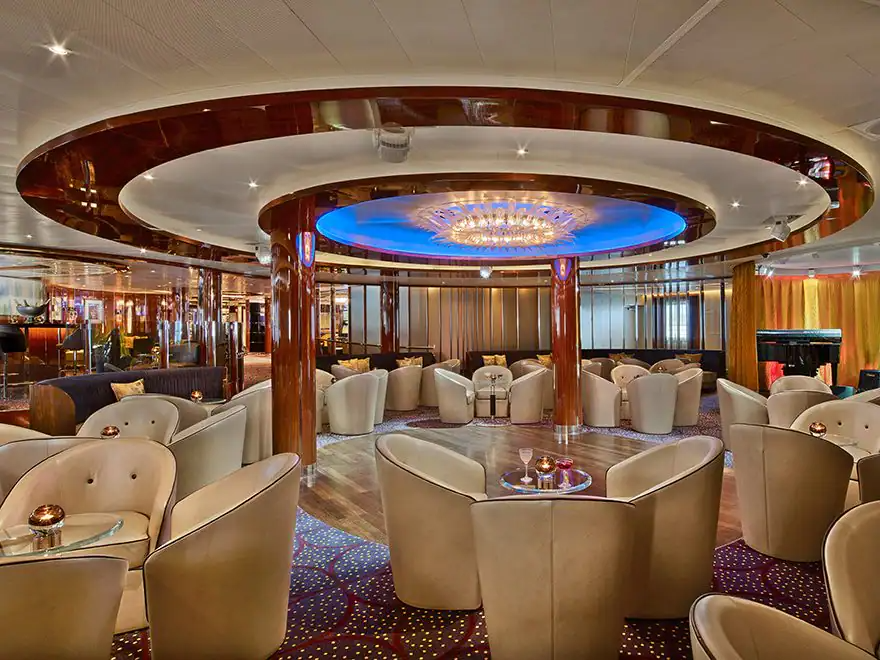
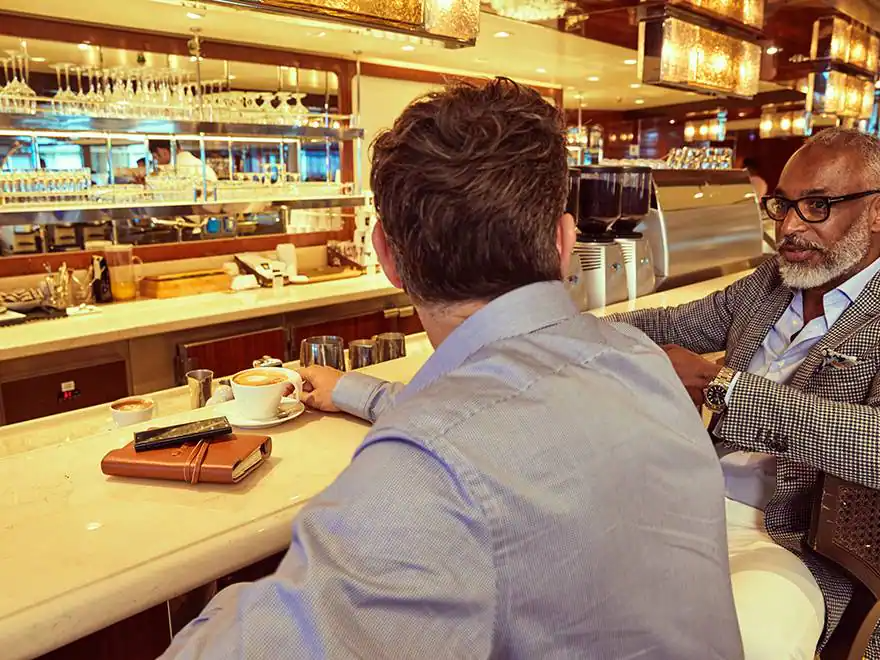
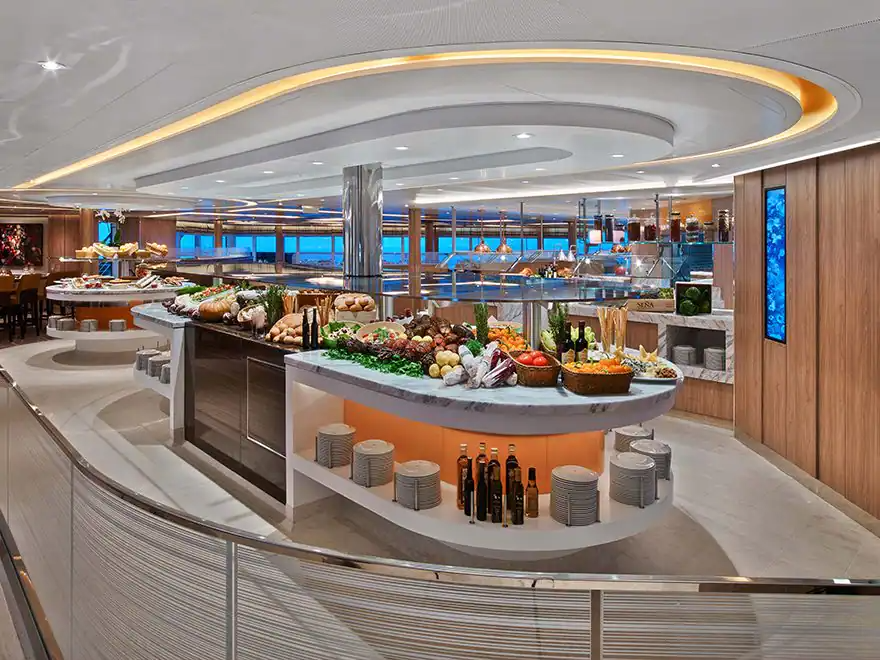
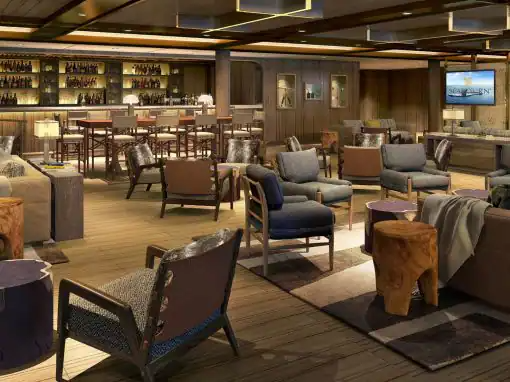

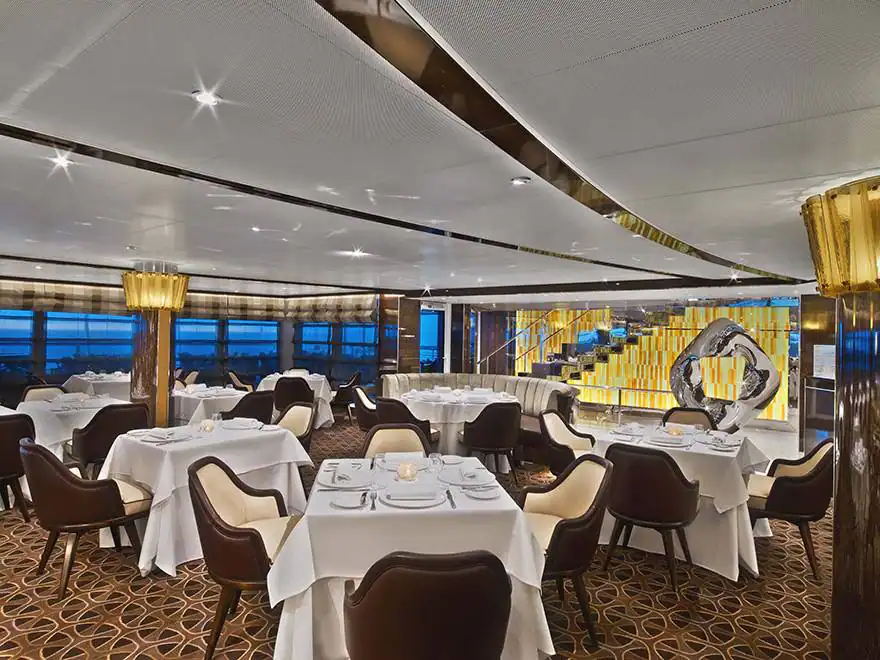

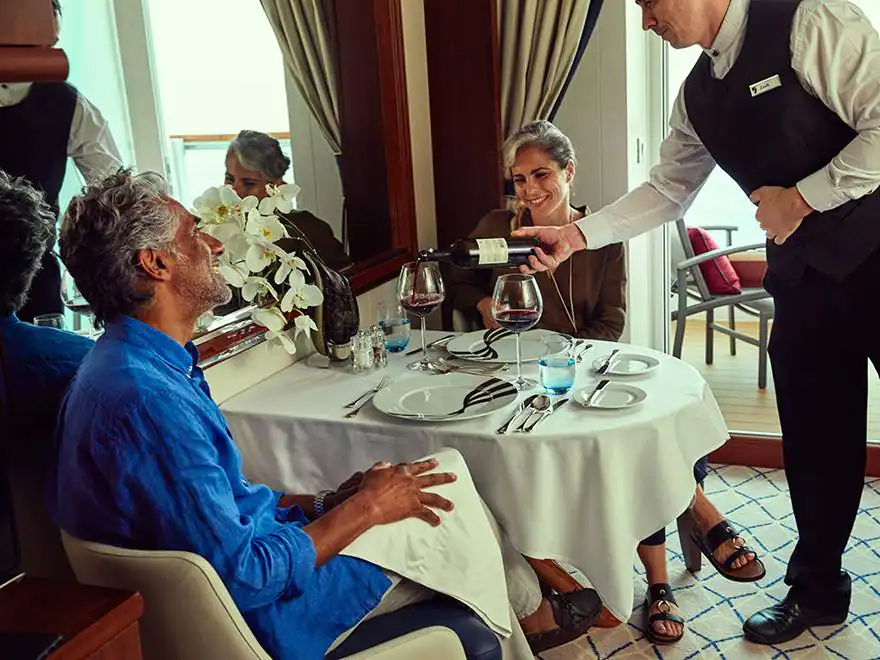
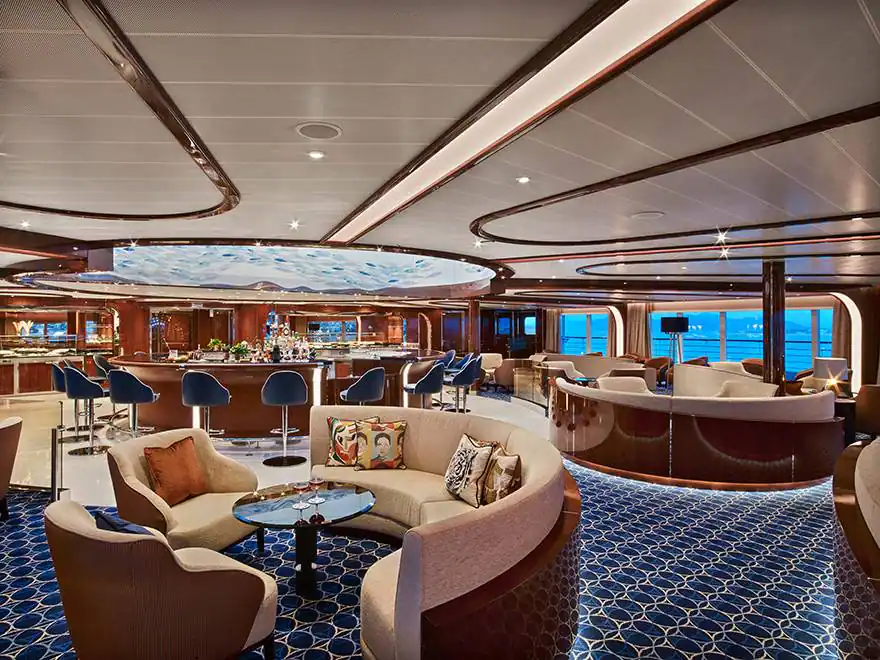
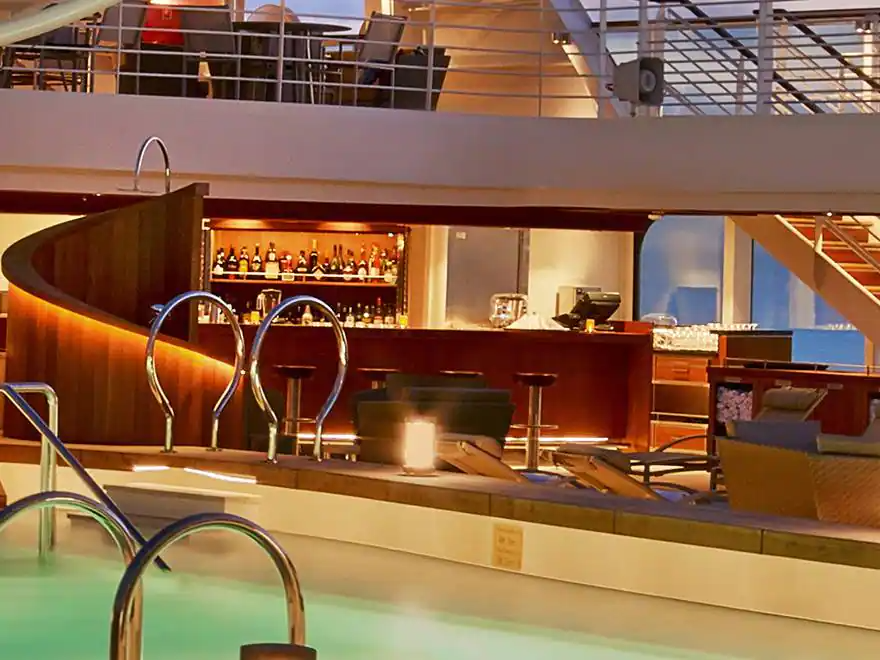

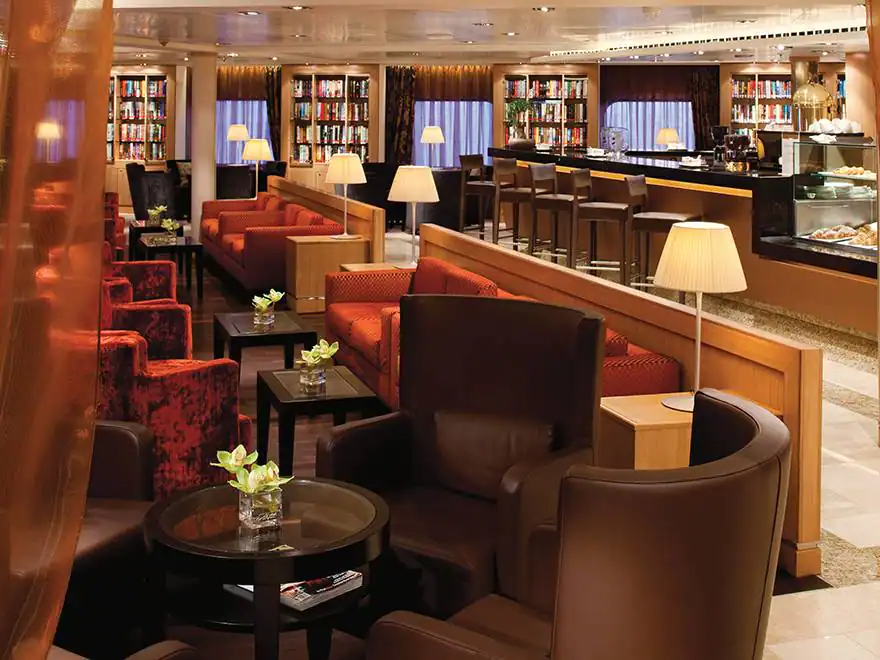
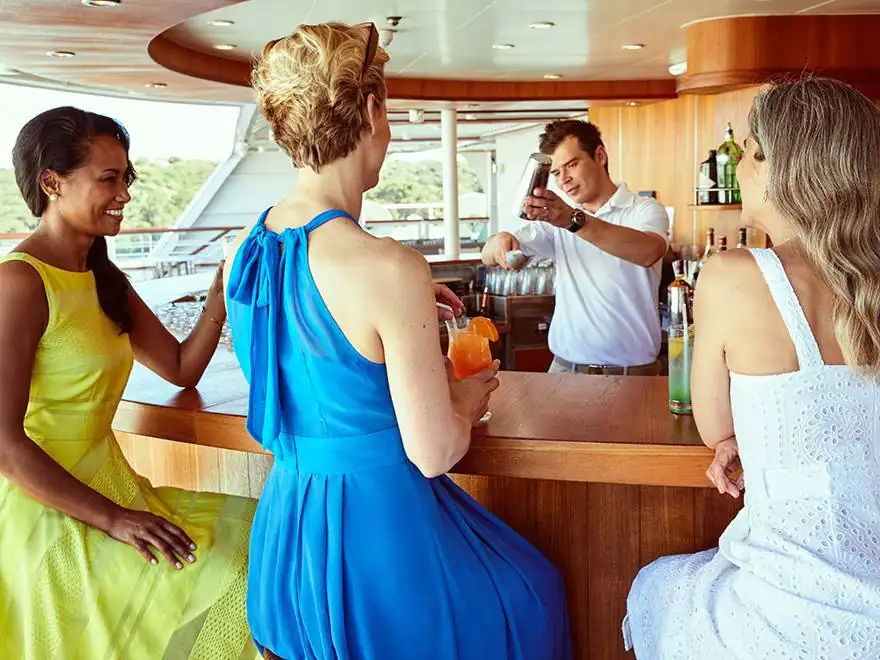
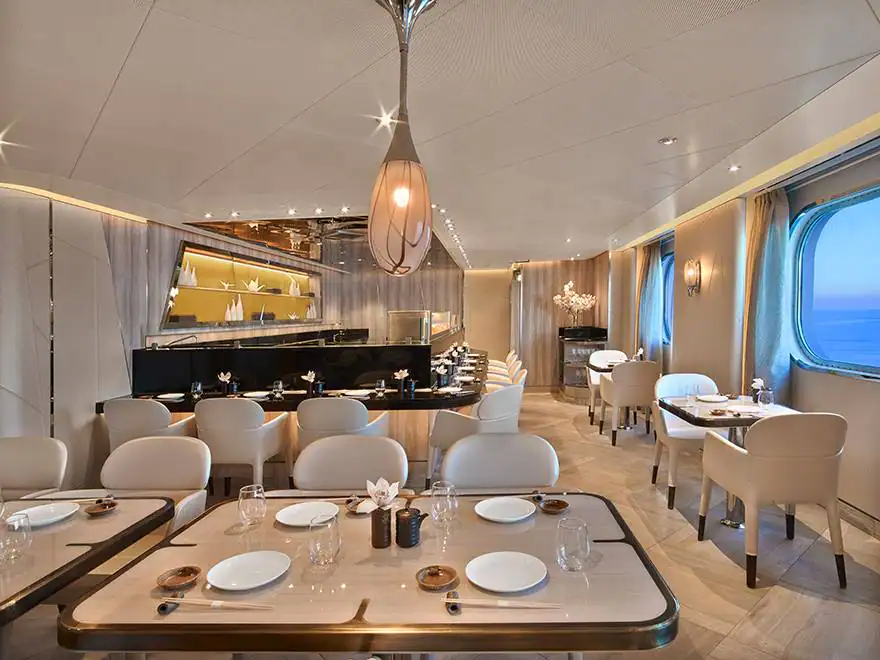
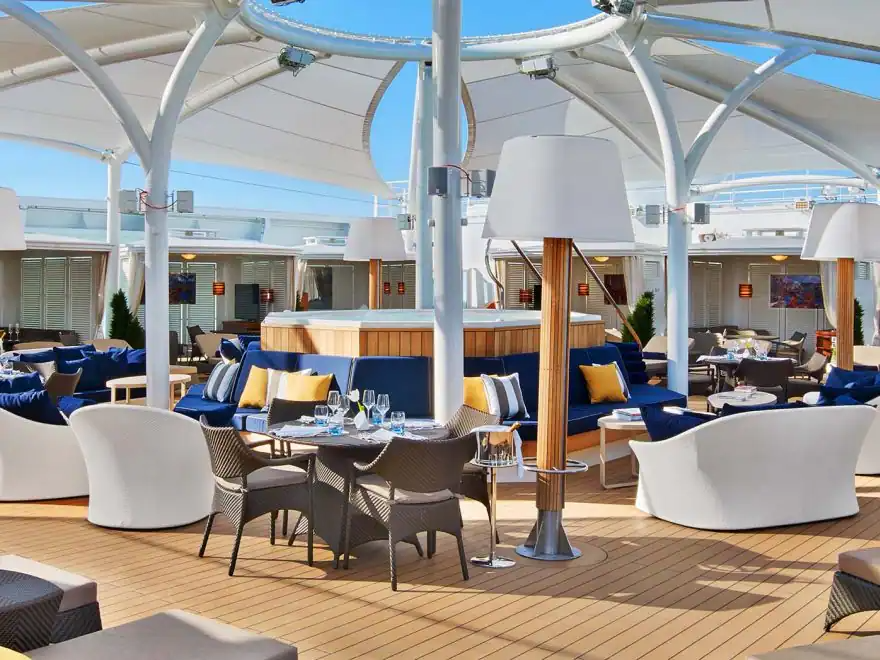



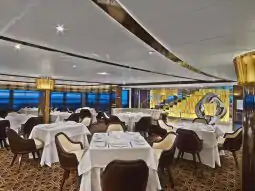
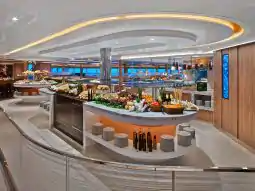



Seabourn Quest is the third iteration of the vessel design that has been called “a game-changer for the luxury segment.” True to her Seabourn bloodlines, wherever she sails around the world, Seabourn Quest carries with her a bevy of award-winning dining venues that are comparable to the finest restaurants to be found anywhere. Seabourn Quest offers a variety of dining options to suit every taste and every mood, with never an extra charge.
Fitness Center
Gym
Wellness Centre
Greenhouse Spa & Salon
Massage
Spa
Swimming Pool
Whirlpool
Bar
Mariners Patio Bar
Patio Grill
Patio Lounge
Sky Bar
The Colonnade
The Grill (burgers & hot dogs)
The Restaurant
The Restaurant 2
Internet Cafe
Casino
Entertainment Team
Gaming Club Casino
Theatre
9-hole Mini Golf
Card Room
Library
Water Sports Marina
Living Room
Shopping Gallery
Description
Seabourn Quest is the third iteration of the vessel design that has been called “a game-changer for the luxury segment.” True to her Seabourn bloodlines, wherever she sails around the world, Seabourn Quest carries with her a bevy of award-winning dining venues that are comparable to the finest restaurants to be found anywhere. Seabourn Quest offers a variety of dining options to suit every taste and every mood, with never an extra charge.
Fitness
Fitness Center
Gym
Wellness Centre
Relaxation
Greenhouse Spa & Salon
Massage
Spa
Swimming Pool
Whirlpool
Food and Drink
Bar
Mariners Patio Bar
Patio Grill
Patio Lounge
Sky Bar
The Colonnade
The Grill (burgers & hot dogs)
The Restaurant
The Restaurant 2
Technology
Internet Cafe
Entertainment
Casino
Entertainment Team
Gaming Club Casino
Theatre
Recreational
9-hole Mini Golf
Card Room
Library
Water Sports Marina
Other
Living Room
Shopping Gallery
STATEROOMS

suite

balcony
