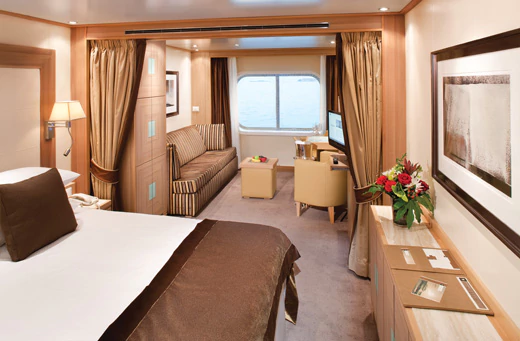

Scottish Isles & Icelandic Intrigue
- 31 Jul ‘27
- 14 nights
- Departing from Dover (London)
- Seabourn Quest

-
Outside price fromCall for price
-
Balcony price fromCall for price
-
Suite price fromCall for price
YOUR ITINERARY
Dover (London), England - Kirkwall - Seydisfjordur, Iceland - Husavik - Isafjordur, Iceland - Reykjavik, Iceland - Heimaey, Westman Islands, Iceland - Djupivogur, Iceland - Lerwick - Aberdeen, UK - Dover (London), England
Crossing the English Channel from continental Eur...
Crossing the English Channel from continental Europe to Great Britain, the first view of England is the milky-white strip of land called the White Cliffs of Dover. As you get closer, the coastline unfolds before you in all its striking beauty. White chalk cliffs with streaks of black flint rise straight from the sea to a height of 350’ (110 m).
Numerous archaeological finds reveal people were present in the area during the Stone Age. Yet the first record of Dover is from Romans, who valued its close proximity to the mainland. A mere 21 miles (33 km) separate Dover from the closest point in France. A Roman-built lighthouse in the area is the tallest Roman structure still standing in Britain. The remains of a Roman villa with the only preserved Roman wall mural outside of Italy are another unique survivor from ancient times which make Dover one of a kind.
Kirkwall is the largest town of Orkney, an archipelag...
Kirkwall is the largest town of Orkney, an archipelago to the north of mainland Scotland. The name Kirkwall comes from the Norse name Kirkjuvágr, which later changed to Kirkvoe, Kirkwaa and Kirkwall.
The remote town of Seydisfjördur is perched at the e...
The remote town of Seydisfjördur is perched at the end of a narrow twisting fjord in East Iceland. A very picturesque village of 700 people, it is known for its thriving arts scene and large number of resident artists. Tourism is on the rise as well, as its natural setting of mountains and waterfalls is simply breathtaking. Surrounded by impressive 1,085 meter (3,560’) tall snow-capped mountains, Seydisfjördur is home to the Technical Museum of Iceland and hosts populations of both eider ducks and Atlantic puffins. It was settled by Norwegian fishermen in 1848 and quickly became an important trading center between Iceland and Europe. It is known throughout Iceland for its colorful Norwegian-style wooden houses. The first telegraph cable connecting Iceland to Europe made landfall here in 1906. A large dam was constructed here in 1913, which produced power for the country’s first high voltage AC power plant, a revolutionary achievement for its time.
Like most Icelandic towns, this one on the northwest coast was...
Like most Icelandic towns, this one on the northwest coast was started by fisherman and whalers. The name means ice-fjord. It is a perfect place from which to explore the cultural and economic staples of Iceland. An excursion to Sudavik reveals a town started by whalers and nearly destroyed by an avalanche in 1995, now rebuilt out of the path of further slides. Its lovely church was donated by whalers, as well. The own also holds a center for the study of the indigenous arctic foxes. The Maritime Museum in Isafjordur illustrates the lifestyles of the early inhabitants, including many implements of their trades, and also a wall of accordions, one of the few forms of entertainment on bygone days. Another option is a boat ride to nearby Vigur island, a nesting site for many species of seabirds, including eider ducks, whose down is yet another example of local economy based on the surrounding seas.
Warmed by the Gulf Stream as well as by highly act...
Warmed by the Gulf Stream as well as by highly active thermal hot springs and volcanoes, Iceland is somewhat misnamed. While it is a stark and barren country with three huge areas of glaciers, one theory is that early Norsemen sought to mislead other potential settlers by giving a pleasant name to fierce, inhospitable Greenland, and a forbidding name to the imminently habitable Iceland. Irish monks and hermits established themselves here in the 8th century, but left a century later when the pagan Norsemen arrived. Europe’s first Parliament of General Assembly, the Althing, was established in the year 930 and still functions as the legislative body, although it was suspended by the Danes at the end of the 18th century and not reconvened until 1843. Reykjavik was the site picked by the island’s first permanent resident, Ingolfur Arnarson in 874, and is home to more than half of the island’s total population. The world’s northernmost capital, Reykjavik is proud of its virtual lack of air pollution. Both electrical power and home heating are derived from the geothermal activity on the island. The city’s large swimming pools are always warm, and in the countryside exotic fruits such as grapes and bananas are cultivated in greenhouses made cozy with the help of underground hot springs.
Djúpivogur is a very small, quaint town of some 456 peo...
Djúpivogur is a very small, quaint town of some 456 people, located in East Iceland in Berufjörður fjord. Towering, pyramid-shaped Mount Búlandstindur dominates the landscape, rising to 3,510’ (1,069 m). It is a place of unspoiled nature, with quiet lagoons and a tranquil harbor populated by colorful fishing boats. The area is well-known for the diversity of birdlife, especially in nearby Búlandsnes Bird Sanctuary where most of Iceland’s bird species can be observed.
Time seems to flow more slowly here, because the residents have chosen a much different lifestyle, enriched with opportunities to observe their natural surroundings. Djúpivogur is a creative community, displaying its local arts and crafts in workshops and galleries. The Eggs of Merry Bay, ‘Eggin í Gleðivík,’ is a large outdoor art installation by renowned Icelandic artist Sigurður Guðmundsson. It consists of 34 large sculpted stone eggs representing the 34 bird species found in the vicinity. Located only a kilometre from the town center, it makes an easy and pleasant stroll along the shore.
Lerwick, Britain’s most northerly town, and i...
Lerwick, Britain’s most northerly town, and is a small, bustling, cosmopolitan seaport with a population of over 7,000 people and fine architecture. Shetland Museum, located on Hay’s Dock, is an award- winning attraction. Discover the island’s many secrets through its exhibits, and take a look in the boat shed, where you can see demonstrations of traditional boat building. Also of interest is the stone-walled town hall, built in 1884, displaying an impressive array of beautifully intricate stained glass. Towering St. Magnus Cathedral, constructed in 1863, is likewise well worth a visit.
People have lived and prospered here since Neolithic times. The site of Clickimin Broch, a hollow-stone-walled structure, was a Late Bronze Age farmstead of the 7th century BCE. Historic Fort Charlotte, built in 1653, is a five-sided fortress, with cannon batteries pointing out to sea. The Shetland Textile Museum, with its fine weaving, and the quaint Crofters Museum will detail life in a much gentler time. The name Lerwick is derived from Norse and means ‘bay of clay.’
Located on the easternmost point of mainland Scotland, ...
Located on the easternmost point of mainland Scotland, Peterhead has always been linked to the sea. It was founded in the late 16th century as a fishing port, and its harbor dates from 1593. The folkloric nickname for the town is the Blue Toon, supposedly because local fishermen traditionally wore blue worsted stockings. Fishing is still an important industry, although the historically important whaling trade is gone. Scottish whalers plied the seas from Greenland deep into the Antarctic, and many place names in the South Atlantic recall the Scots’ intrepid exploration of the region. Falkland, McMurdo, Weddell, the South Shetland Islands, Scotia Sea and dozens more bespeak the heritage. They sought whale oil to lubricate the Industrial revolution back home. Today petroleum from offshore wells fuels the economy of Scotland’s northeast, and supports tens of thousands of jobs in the region. The Maritime Heritage Centre recounts the story up to the present. Aberdeen, called the Granite City, is Scotland’s third largest city. It is a place of majestic stone buildings, gothic-turreted and spired, hewn from the local stone so richly laced with mica that it glitters like silver in the sunlight. The University of Aberdeen was founded in 1495 and is still one of Britain’s finest. The city’s parks and gardens have consistently secured it a place in the annual Britain in Bloom awards. Whether you choose to explore the beautiful old city, the spectacular natural splendors of Aberdeenshire or the area’s many traditional whisky distilleries, you will doubtless find plenty to enchant you on Scotland’s northeastern coast.
Crossing the English Channel from continental Europe to ...
Crossing the English Channel from continental Europe to Great Britain, the first view of England is the milky-white strip of land called the White Cliffs of Dover. As you get closer, the coastline unfolds before you in all its striking beauty. White chalk cliffs with streaks of black flint rise straight from the sea to a height of 350’ (110 m).
Numerous archaeological finds reveal people were present in the area during the Stone Age. Yet the first record of Dover is from Romans, who valued its close proximity to the mainland. A mere 21 miles (33 km) separate Dover from the closest point in France. A Roman-built lighthouse in the area is the tallest Roman structure still standing in Britain. The remains of a Roman villa with the only preserved Roman wall mural outside of Italy are another unique survivor from ancient times which make Dover one of a kind.
YOUR SHIP - The Seabourn Quest
Seabourn Quest is the third iteration of the vessel design that has been called “a game-changer for the luxury segment.” True to her Seabourn bloodlines, wherever she sails around the world, Seabourn Quest carries with her a bevy of award-winning dining venues that are comparable to the finest restaurants to be found anywhere. Seabourn Quest offers a variety of dining options to suit every taste and every mood, with never an extra charge.
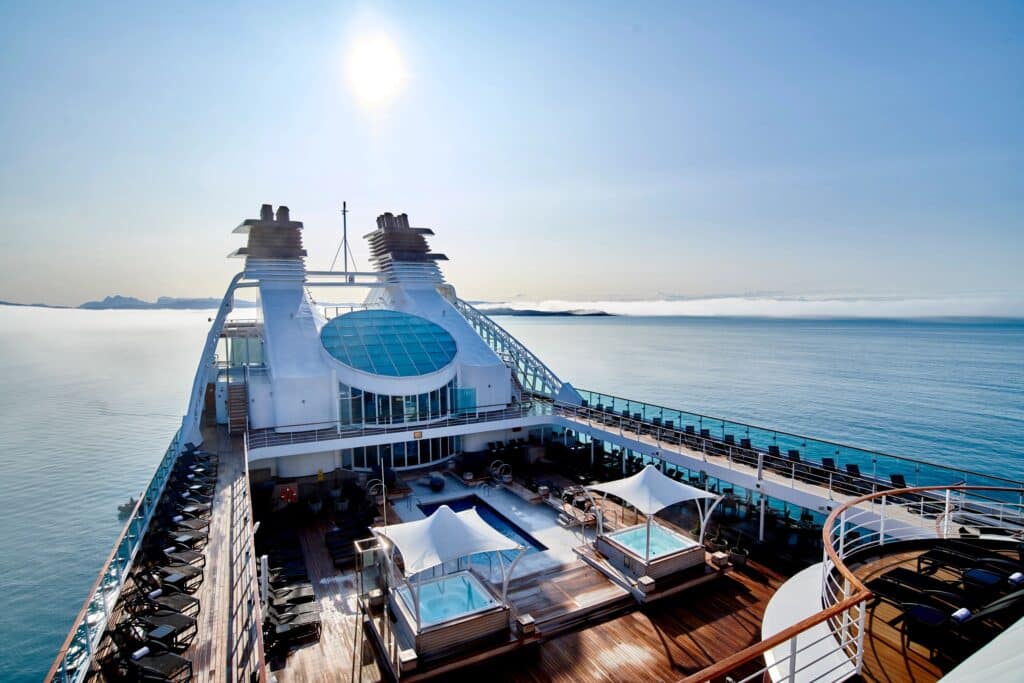
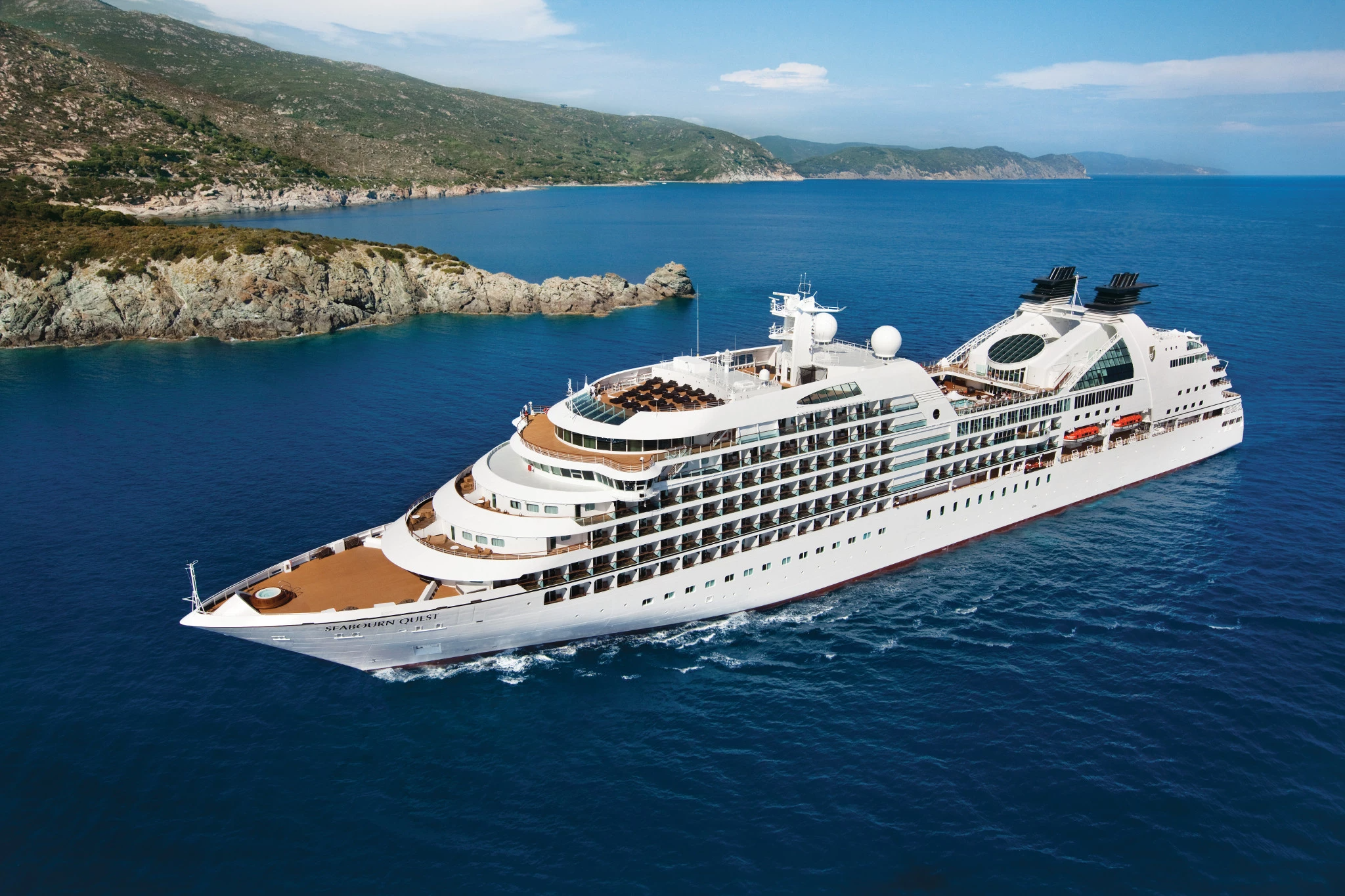



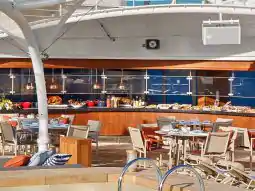
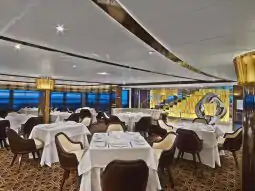
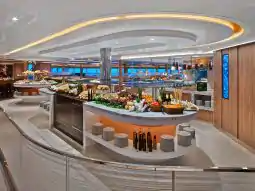
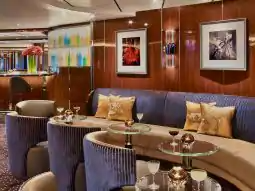


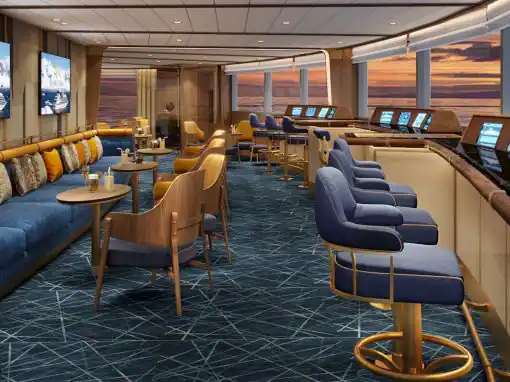
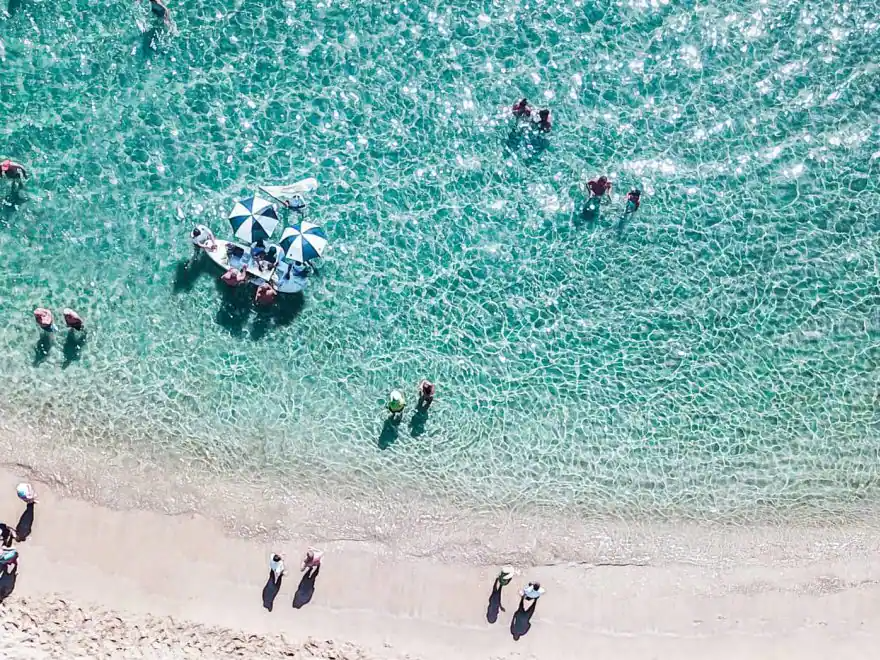
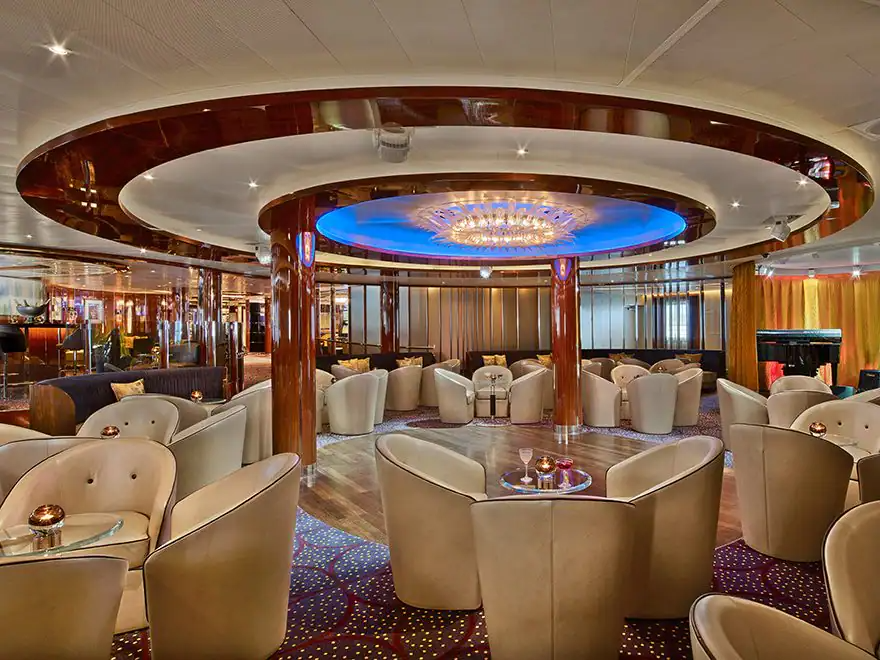
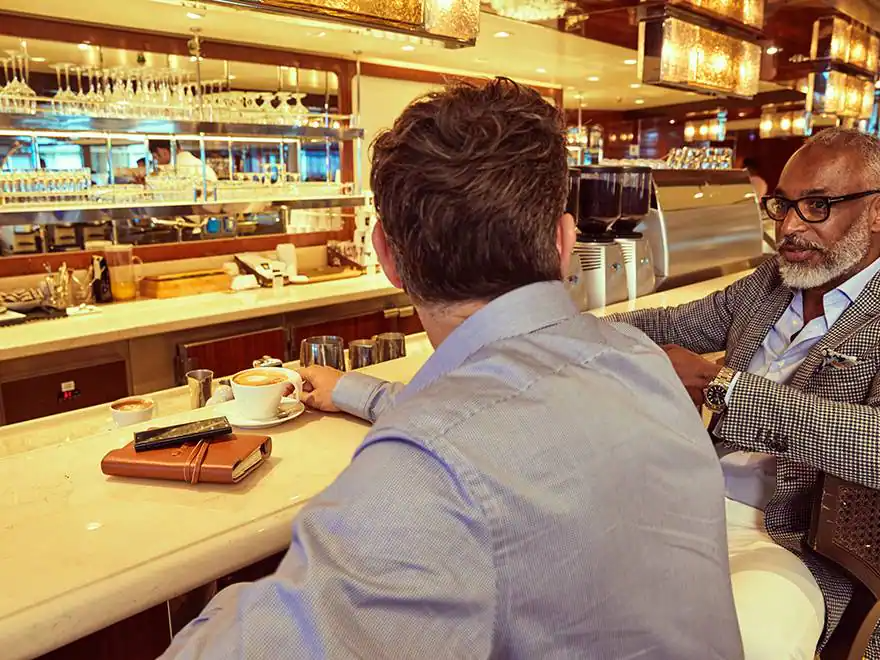
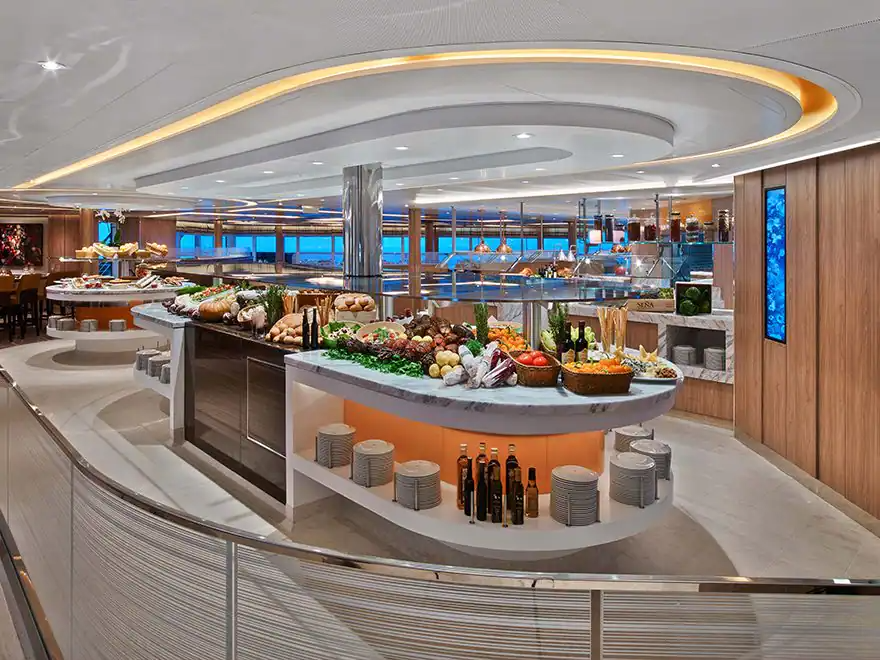
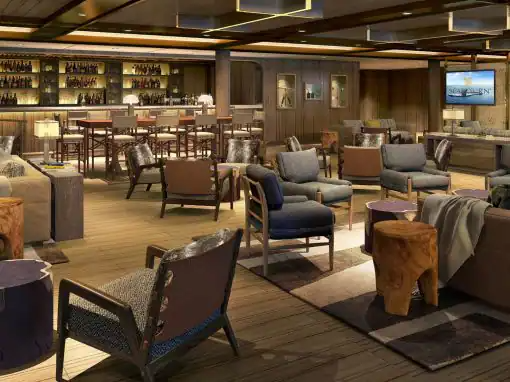

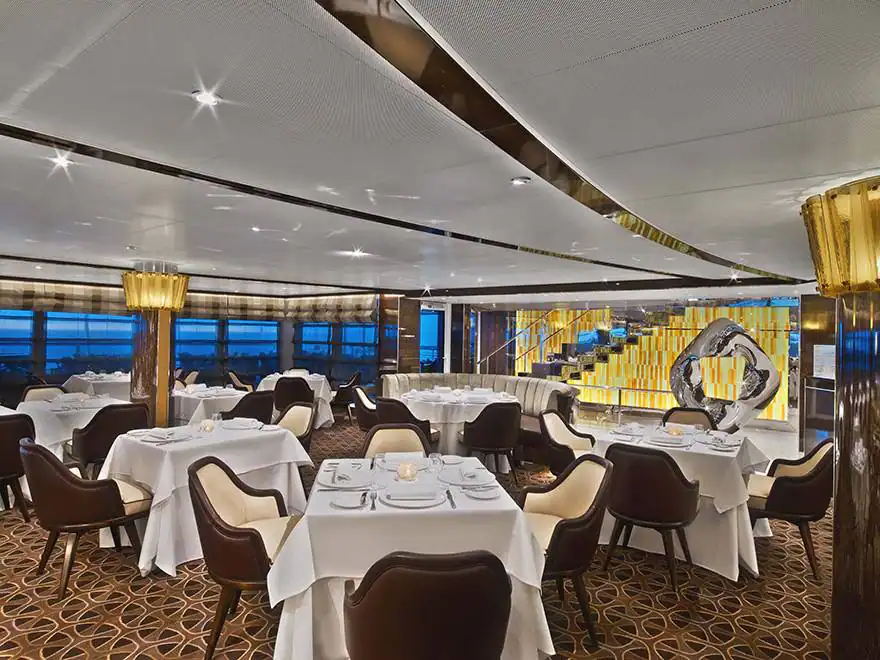
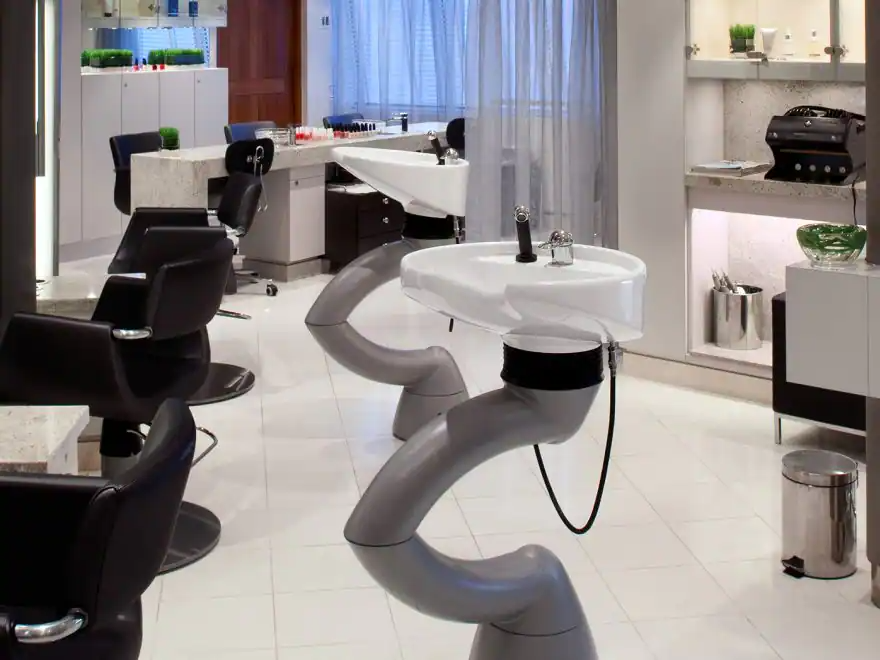
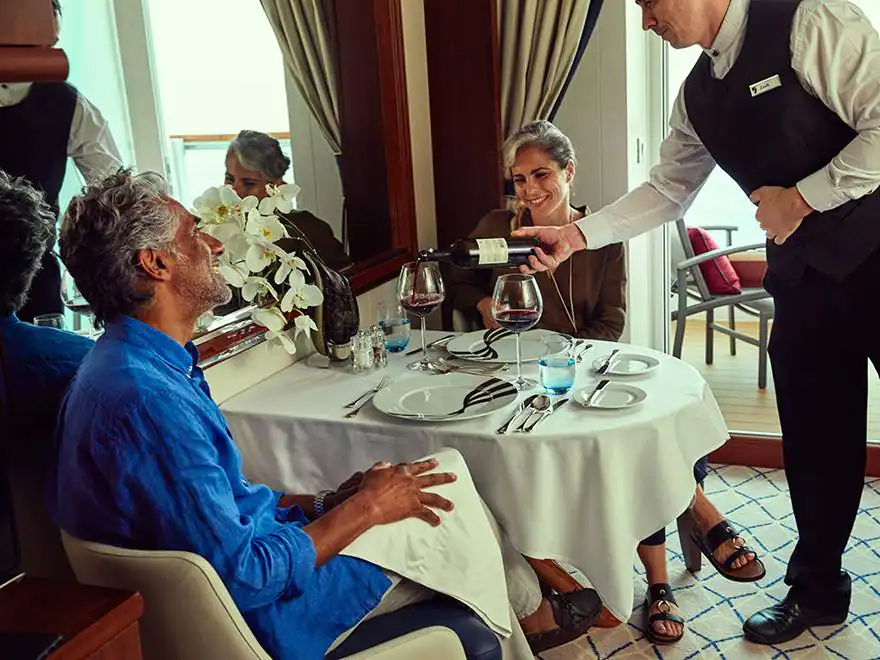
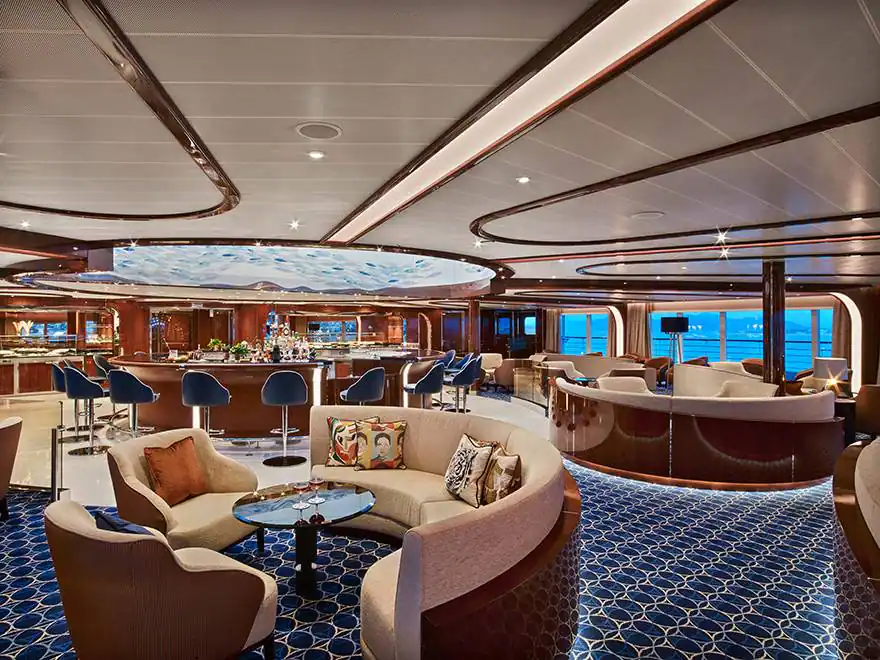
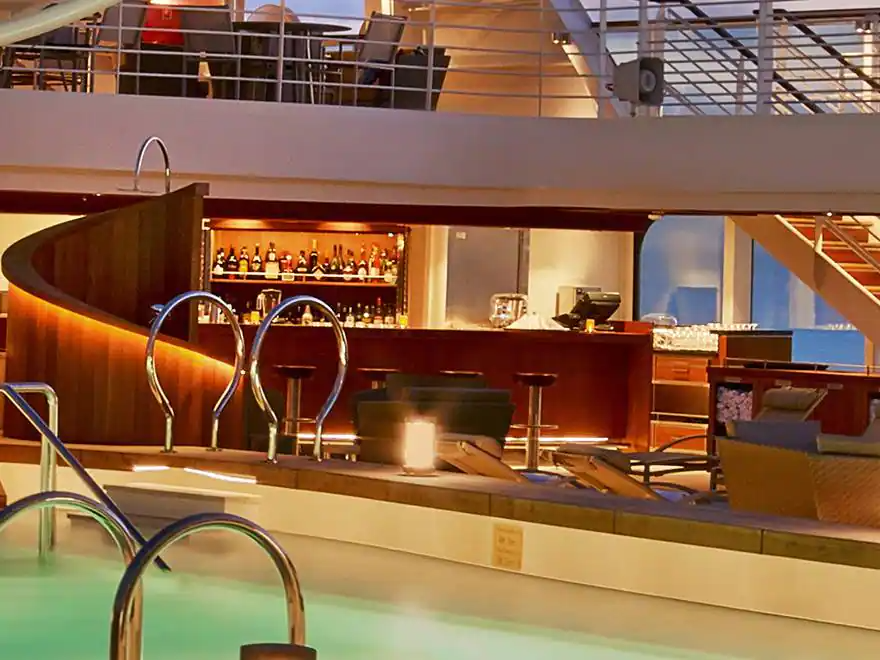

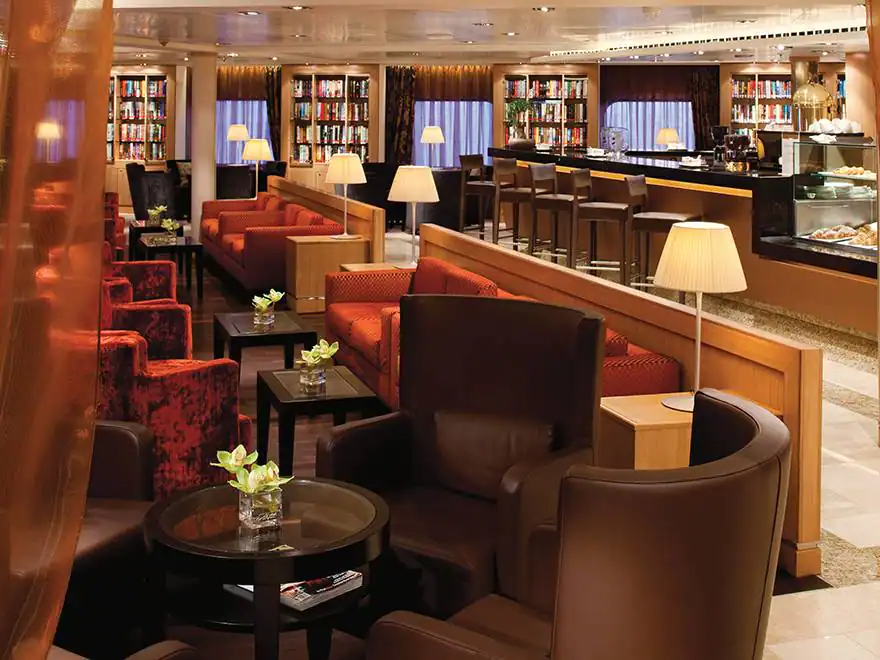
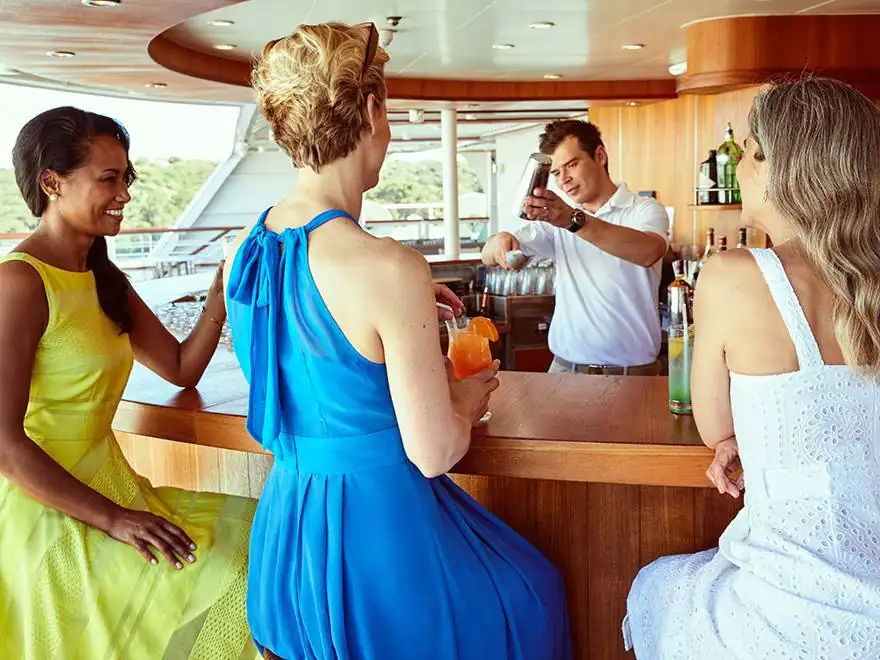
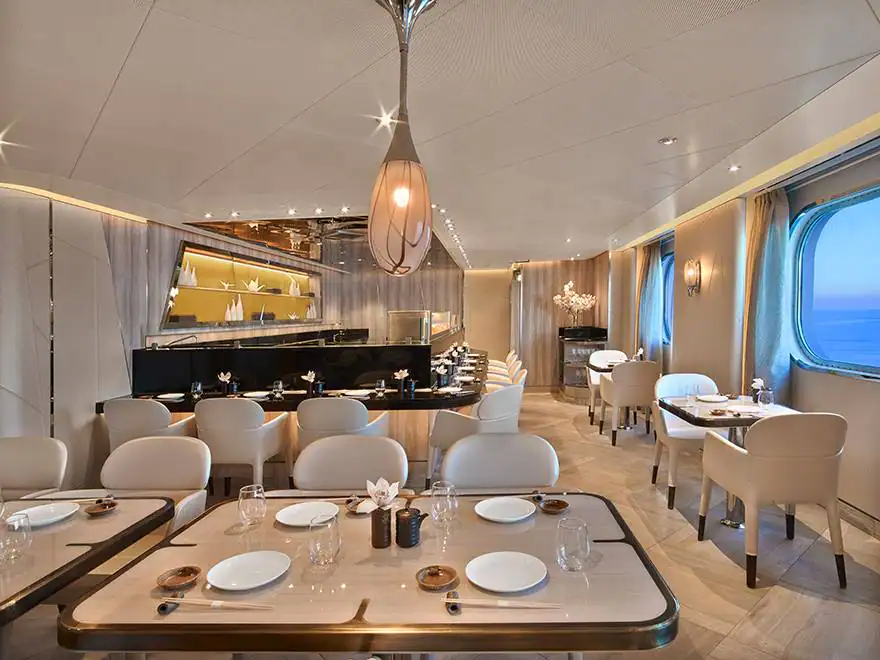
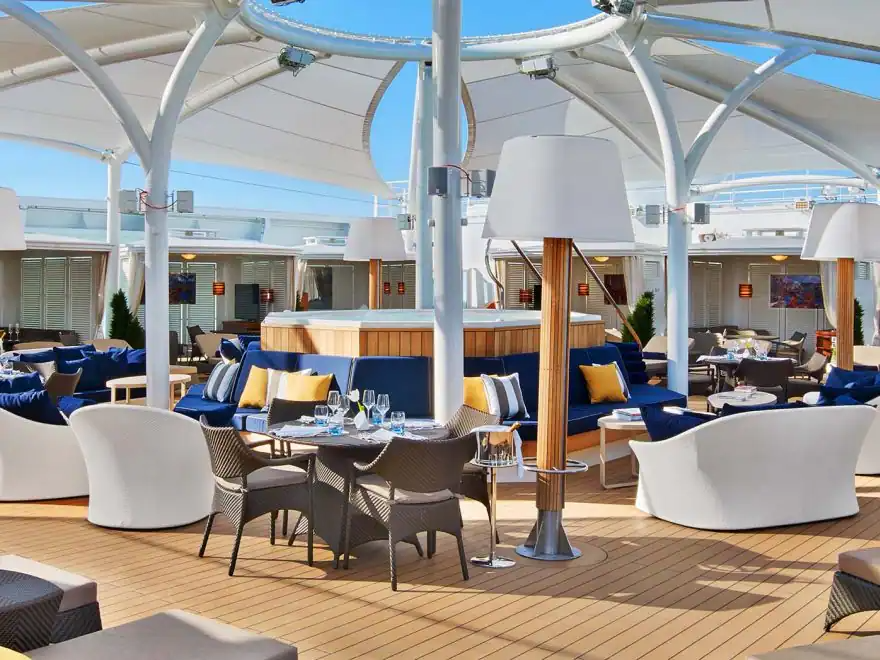
Seabourn Quest is the third iteration of the vessel design that has been called “a game-changer for the luxury segment.” True to her Seabourn bloodlines, wherever she sails around the world, Seabourn Quest carries with her a bevy of award-winning dining venues that are comparable to the finest restaurants to be found anywhere. Seabourn Quest offers a variety of dining options to suit every taste and every mood, with never an extra charge.
9-hole Mini Golf
Card Room
Library
Water Sports Marina
Casino
Entertainment Team
Gaming Club Casino
Theatre
Living Room
Shopping Gallery
Internet Cafe
Fitness Center
Gym
Wellness Centre
Greenhouse Spa & Salon
Massage
Spa
Swimming Pool
Whirlpool
Bar
Mariners Patio Bar
Patio Grill
Patio Lounge
Sky Bar
The Colonnade
The Grill (burgers & hot dogs)
The Restaurant
The Restaurant 2
Description
Seabourn Quest is the third iteration of the vessel design that has been called “a game-changer for the luxury segment.” True to her Seabourn bloodlines, wherever she sails around the world, Seabourn Quest carries with her a bevy of award-winning dining venues that are comparable to the finest restaurants to be found anywhere. Seabourn Quest offers a variety of dining options to suit every taste and every mood, with never an extra charge.
Recreational
9-hole Mini Golf
Card Room
Library
Water Sports Marina
Entertainment
Casino
Entertainment Team
Gaming Club Casino
Theatre
Other
Living Room
Shopping Gallery
Technology
Internet Cafe
Fitness
Fitness Center
Gym
Wellness Centre
Relaxation
Greenhouse Spa & Salon
Massage
Spa
Swimming Pool
Whirlpool
Food and Drink
Bar
Mariners Patio Bar
Patio Grill
Patio Lounge
Sky Bar
The Colonnade
The Grill (burgers & hot dogs)
The Restaurant
The Restaurant 2
STATEROOMS
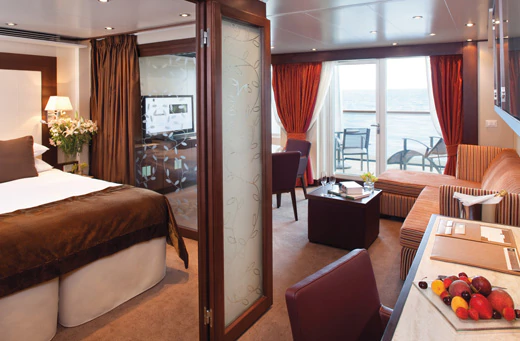
suite
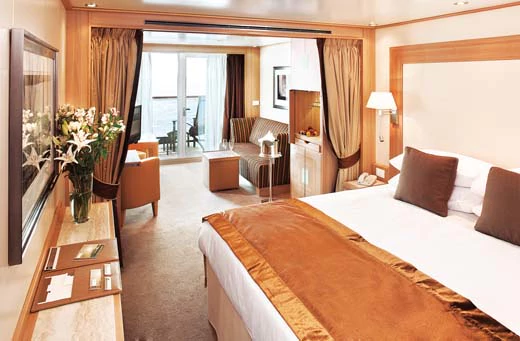
balcony