

Athens (Piraeus) to Singapore
- 17 Nov ‘26
- 33 nights
- Departing from Athens (Piraeus)
- Silver Muse

-
Suite price fromCall for price
YOUR ITINERARY
Athens (Piraeus), Greece - Heraklion, Crete, Greece - Suez Canal Transit - Sharm-el-Sheikh, Egypt - Safaga, Egypt - Salalah, Oman - Muscat, Oman - Mumbai, India - Mumbai, India - Cochin, India - Colombo, Sri Lanka - Colombo, Sri Lanka - Hambantota, Sri Lanka - Trincomalee, Sri Lanka - Phuket, Thailand - Phuket, Thailand - Langkawi - Penang, Malaysia - Port Klang - Singapore - Singapore
A city of legend, civilisation and enduring culture, Athens ...
A city of legend, civilisation and enduring culture, Athens is a majestic and magical urban sprawl. Extraordinary elegance and grace combine with grit and graft in Greece’s capital, where highways encase ruins from antiquity, and gleaming museums and galleries stand beside concrete sprayed with edgy street art. These contrasts enhance and elevate the wonders of this 2,500-year-old city, however, which can count notable contributions to philosophy, drama and democracy, among its global legacy. Piraeus’ giant port and naval base welcome you to the edge of the Athens’ urban area.
From there it’s a simple jaunt to the centre. The majestic ancient citadel of the Acropolis dominates an elevated platform and is a constant presence as you explore the city. The wonderful remains of the columned temple of the Parthenon – which date back to the 5th century BC – stand here, representing the pinnacle of classical architecture. The nearby Acropolis Museum adds context to your visit and frames the broad views from its giant glass windows. Or rise up Mount Lycabettus, to be rewarded with perhaps Athens’ best panorama of the Acropolis sitting high over the city on its grand stage. See the marble horseshoe of the Old Olympic Stadium, where the first modern Olympics were held in 1896, for more of the city’s enduring legacy. Elsewhere, golden beaches and temples stretch out along the coastline, should you wish to explore a little further afield. Coffee is an art form to the Greeks, and it’s an unwritten rule that coffee time must never be rushed. So prepare to settle down for a couple of hours and lose yourself in a good chat. Feeling hungry – try traditional souvlaki made with sauces handed from generation to generation.
It may not be the prettiest place in Crete, but Heraklio...
It may not be the prettiest place in Crete, but Heraklion’s patchwork of history, bustling activity and cultural intrigue makes it the perfect change of pace. This is certainly no sleepy island fishing village, and Greece’s fifth-largest city is adorned with a rich collection of quality museums, ancient ruins from antiquity, and a lively culture of its own. View less
A refreshing shift-up from the many quaint beach towns and fishing villages you’ll encounter in the Greek islands, Heraklion – also known as Iraklio – has great shopping, extraordinary history and is the ideal base for ventures to the archaeological treasures of Crete. Traded by the Arabic, Venetian and Ottoman empires over the years, Heraklion is a multi-layered place with fascinating tales to tell. The city’s impressive Venetian fortress, which waits over the gently rolling waves of the gleaming Mediterranean, welcomes you ashore. A stroll out along the seawall, alongside creaking fishing boats, will take you out to the squat fortifications that have stood since 1540. Climb to the top for views out across the water, back towards the city’s waterfront. The sun-roasted earth outside the city hides treasures from the realms of history, including the Bronze Age remnants of Europe’s oldest city, Knossos. A visit to the fantastic Archaeological Museum of Heraklion ties all of this history together and exhibits relics from the civilisations and eras of Crete’s past. Elsewhere, Daidalou’s pedestrianised paving is a charming stroll through Heraklion’s shops, with streets branching off to café-lined plazas and twinkling fountains. Stop to try local food – like fresh feta and olive sprinkled dakos mezze – all washed down with a sample of local raki brandy.
No information available
...No information available
With glorious, sun-bathed beaches, balmy seas, and...
With glorious, sun-bathed beaches, balmy seas, and the tempting shade of palm trees, Sharm El Sheik is Egypt’s laid-back leisure hotspot. This holiday city has blossomed from small fishing village roots to a global tourism centre, and it boasts exceptional dive sites, rich heritage and adrenaline-raising desert scenery among its many assets. The gorgeous waters of the Red Sea invite you to bathe, swim and dive in amongst incredible marine life, painted with every colour of the spectrum. View less
The Red Sea is famous for the world of life that thrives below its glittering surface, and you can snorkel among the swirling fish, or lounge at leisure on the soft sands of Egypt’s sun-drenched shores. Head out to find the treasured diving and snorkelling spots – swimming amid corals gently swaying in underwater currents. Angelfish, clownfish and gliding rays all inhabit the reefs here, along with a confetti of tiny red and yellow fish. Ras Mohammed National Park, which waits on a peninsular nearby, is renowned for having some of the best diving opportunities in the world. Back on land, explore lively Na’ama Bay, where humming restaurants, cafes and shisha bars are filled with holidaymakers. The bay’s golden beach is the original heart of Sharm El Sheikh’s tourism resort, and you can camp out here in a prime spot or settle into the luxury of a resort’s private sands. Encounter the massive El Mustafa Mosque with its marvellous domes and minaret rocketing up into the blue sky, impelling worshippers to pray. Wade into the market, to enjoy the challenge of securing a bargain – haggling is an essential part of the local culture here. Or, get your thrills by roaring across rolling biblical desert scenery, whipping up a wave of fine sand in your wake, as you storm the landscape in a 4X4.
The port city of Safaga is located on the western flank of the...
The port city of Safaga is located on the western flank of the Red Sea, across from the shores of Saudi Arabia. The dusty streets are for the most part quiet, save for the occasional truck or bus. Diving enthusiasts come to the few resort hotels located north of Safaga to enjoy one of the world’s best and relatively unspoiled locations for underwater exploration. Their number is steadily increasing. As a result, Safaga’s facilities are gradually improving.
For cruise vessels calling here, Safaga serves as the gateway to Luxor, which ranks among the most important destinations in Egypt, topping the list of must-see attractions. Guests who are not planning to take the excursion to Luxor will find very limited activities in Safaga itself, except for souvenir shopping at some tourist villages and diving and snorkeling tours at resort hotels. A half day trip to the resort of Hurghada is also an option.
Salalah is the capital of Dhofar Province, which is the...
Salalah is the capital of Dhofar Province, which is the southern region of the Sultanate of Oman. Green areas scattered across town give the city a tropical atmosphere and have earned it the name “Garden City.” It is a laid-back place with a few resort hotels dotting the sandy seashore.
The Dhofar region has been known for centuries for the production of frankincense. The narrow belt and the mountain range benefit from the southwest monsoon winds, which are an unusual feature for the Arabian Peninsula. The moisture-laden winds bring rain from the end of June to August. Heavy mists blanket the coast and mountains during these months, creating lush, green hillsides and cooler temperatures, the perfect environment for frankincense trees to grow. Behind the mountain range lies the hot desert, unaffected by the monsoon, and the domain of the hardy Bedouins and their camels.
Along the coast lie miles of deserted beaches, bordered by a brilliant blue sea. Other attractions around the countryside include ancient forts, archaeological sites, fishing villages and the tombs of prophets. But it is mainly the rugged landscape and the beaches that appeal to visitors with a penchant for unspoiled destinations. Indeed, Salalah has to be appreciated as an off-the-beaten-track location and for the uniqueness that marks the Dhofar region.
Surrounded by striking mountains on one side and soft sandy shor...
Surrounded by striking mountains on one side and soft sandy shores along the coast, Muscat was already a thriving port in ancient times. As the capital of modern Oman with wide avenues and architecture that features both contemporary and traditional design, parts of the city still retain their medieval appearance, including two ancient Portuguese forts flanking the rocky cove around which the city is built. During the 14th and 15th centuries, Muscat was an important outpost for the powerful kings of Hormuz. In the 16th century, the Portuguese took possession of Muscat, but lost their dominance in the Gulf when the city came again under Omani rule in 1650.
Since the mid-18th century, members of the Al-Busaidy dynasty have been the rulers of Oman. From the time of Sultan Qaboos Bin Said’s accession to the throne in 1970, the Sultanate has gone from an underdeveloped country to a modern state with imposing government buildings, hospitals, new roads, a university and a sport complex. Muscat’s picturesque old buildings still co-exist with modern commercial and residential quarters, giving the city an ambiance all its own. The seaside palace of His Majesty, Sultan Qaboos, offers a spectacular sight, as it stands between steep rocky hills.
Greater Muscat covers a huge area divided into three sections: the old port area, the main trading and residential area, and the modern Central Banking District. Sumptuous villas and deluxe hotels are part of an ongoing building boom. Strong development in tourism has gained Oman a new role as an intriguing, fascinating and safe destination.
Oman is full of treasures – from historic palaces and traditional buildings to captivating landscapes and gracious people. Its advent into modern age has managed beautifully to blend age-old mystique with a taste of the 21st century.
Mumbai, or Bombay as it is more commonly known, is...
Mumbai, or Bombay as it is more commonly known, is India’s business capital. In the 500 years since its “discovery” by the Portuguese, Mumbai has been transformed from an aboriginal fishing village into a sprawling metropolis of some 14 million people. It is the money capital of India, a magnet for entrepreneurs, the home of India’s stock exchange, and headquarters for many national and international companies.
Mumbai, or Bombay as it is more commonly known, is India...
Mumbai, or Bombay as it is more commonly known, is India’s business capital. In the 500 years since its “discovery” by the Portuguese, Mumbai has been transformed from an aboriginal fishing village into a sprawling metropolis of some 14 million people. It is the money capital of India, a magnet for entrepreneurs, the home of India’s stock exchange, and headquarters for many national and international companies.
A hodgepodge of cultures collide on the banks of the estuary wh...
A hodgepodge of cultures collide on the banks of the estuary where Cochin carves out her home. Chinese fishing nets the size of skyscrapers, boxy Dutch architecture and pretty Portuguese palaces point to the blend of influence here, while the Raj era remnants, soaring spires of old-world mosques, and near-abandoned synagogues all add to the dense, varied tapestry of inspirations and imprints.
Founded by a prince in the 15th century, Cochin immediately became a favoured anchorage for sailors and traders from every far-flung corner – even taking nearby Kerala’s crown as the world’s first global port city. Now, fragrant spice markets cut the hot air with cardamom and clove, while antique stores groan beneath the weight of singing copper. Hit the backstreets of Fort Kochi for a deep and dreamy Ayurvedic massage, marvel at the Krishna murals that adorn the bedchamber walls of the Mattancherry Palace, or admire India’s one of the oldest European-built Christian churches – as you duck into the cool hues of St Francis. A day can easily meander past on a backwater cruise, spreading south from Cochin, and gliding down a lacy network of creeks, lagoons, lakes and rivers. Surrounded by swaying palms and rice paddies – you’ll experience rural India in her best dress. When daylight dwindles, taste the soft spicy kick of dal roti, followed by Firni – almonds, apricots, and sweet milk crushed with pastel green pistachios for a silky light finish.
Perfumed flower garlands, colonial roots, and lavish af...
Perfumed flower garlands, colonial roots, and lavish afternoon teas welcome you to the former garden city of Colombo. Sri Lanka’s easy breezy city is certainly intoxicating, with its cinnamon dusted air, steaming cups of delicate ceylon, and sassy seaside charm. A place of full sensory immersion, explore tangled streets to sidestep frantic tuk-tuks and gaze in awe at grand colonial buildings turned heritage hotels. Cute cafes usher you inside for sweet lassi, and the walls are made for a pleasantly laxidasical pace of walking.
They’re perhaps most impressive on stormy days, when you can watch bruised clouds tumble and roil across the sea from this perfect vantage point. Back in the capital, stroll the ornate halls of the National Museum where gilded swords, studded masks, and rare artefacts from the ancient world and colonial times are gathered. Visit the Gangaramaya Temple, to walk among the orange-robed monks who glide between flora-strewn alters, or plunge into the chaos of Pettah – where market cries reach orchestral heights. An incredible gathering of carved Hindu gods decorate the colourful pyramid of the Captain’s Garden Kovil temple – the oldest Hindu temple in the city, which rises majestically from the surrounding railway tracks. Forever the dish of the day, crab is a must in Colombo. Sit down, tuck in your bib and use your hands to crack, scoop and suck out the soft white meat – especially delicious when smothered in lashings of garlic and fiery chilli.
Perfumed flower garlands, colonial roots, and lavish afternoo...
Perfumed flower garlands, colonial roots, and lavish afternoon teas welcome you to the former garden city of Colombo. Sri Lanka’s easy breezy city is certainly intoxicating, with its cinnamon dusted air, steaming cups of delicate ceylon, and sassy seaside charm. A place of full sensory immersion, explore tangled streets to sidestep frantic tuk-tuks and gaze in awe at grand colonial buildings turned heritage hotels. Cute cafes usher you inside for sweet lassi, and the walls are made for a pleasantly laxidasical pace of walking.
They’re perhaps most impressive on stormy days, when you can watch bruised clouds tumble and roil across the sea from this perfect vantage point. Back in the capital, stroll the ornate halls of the National Museum where gilded swords, studded masks, and rare artefacts from the ancient world and colonial times are gathered. Visit the Gangaramaya Temple, to walk among the orange-robed monks who glide between flora-strewn alters, or plunge into the chaos of Pettah – where market cries reach orchestral heights. An incredible gathering of carved Hindu gods decorate the colourful pyramid of the Captain’s Garden Kovil temple – the oldest Hindu temple in the city, which rises majestically from the surrounding railway tracks. Forever the dish of the day, crab is a must in Colombo. Sit down, tuck in your bib and use your hands to crack, scoop and suck out the soft white meat – especially delicious when smothered in lashings of garlic and fiery chilli.
Far to the south of Sri Lanka is the city of Hambantota ...
Far to the south of Sri Lanka is the city of Hambantota with a colorful and storied traditional Ruhuna past and great promise for the future. This gateway to Sri Lanka is rich in resources and since being upset by the 2004 Indian Ocean Tsunami, has put great emphasis on rebuilding and moving progressively into a central role in the development of the southern region of Sri Lanka. Traditionally an agricultural area, the region is also known for having some of the country’s most skilled jewelers and crafts people.
Built on a truly majestic natural harbour – on...
Built on a truly majestic natural harbour – one of the world’s largest – Trincomalee is a gateway to the deep historical interests of Sri Lanka. Richly cultural and historic, Trincomalee is surrounded by treasured sites, which hark back thousands of years – and hold unprecedented cultural value. Set on the eastern coast of Sri Lanka – on the peninsula that it shares its name with – venture inland to explore some of the world’s most majestic and evocative archaeological and holy sites. View less
Or, take it easy and lay back on Trincomalee’s plentiful, palm-lined beaches. Boat tours can take you out to cruise among dolphins and whales, or to the reefs of Pigeon Island. A swirl of colonial houses, temples and mosques line the multi-cultural streets of this fascinating destination. Live like a local and start the day with a steaming cup of Ceylon tea and buffalo curd for breakfast before heading out to visit extraordinary sites of ancient worship, as you explore Sri Lanka’s incredible UNESCO World Heritage Sites. Head inland to the jaw-dropping Golden Temple of Dambulla, a vast temple, dominated by a gleaming gold Buddha figure. The amazing Ancient City of Polonnaruwa dates back to the 12th century and is an unearthed treasure trove of ruins – famous for its meticulously thought out urban planning. Polonnaruwa was the second capital of Sri Lanka, and you can visit the first capital at the Sacred City of Anuradhapura – a place of immense value to the Buddhist faith. The Sirigiya Rock Fortress is a jaw-dropping collaboration between man and nature, and the incredible fortress sits perched above an almighty 200-metre high slab of rock.
Thailand’s only island province is connected ...
Thailand’s only island province is connected to the mainland by the Thep Krasettree Causeway. Known as the “Pearl of Thailand,” Phuket offers pristine beaches, lush vegetation, traditional villages and seascapes of huge limestone pillars that rise above the turquoise waters of Phang Nga Bay. With a land area of 215 square miles, Phuket Island is Thailand’s largest island and about the same size as Singapore. Arab and Indian navigators have called here since the end of the 9th century, while the first Europeans arrived in the 16th century.
Thailand’s only island province is connected to t...
Thailand’s only island province is connected to the mainland by the Thep Krasettree Causeway. Known as the “Pearl of Thailand,” Phuket offers pristine beaches, lush vegetation, traditional villages and seascapes of huge limestone pillars that rise above the turquoise waters of Phang Nga Bay. With a land area of 215 square miles, Phuket Island is Thailand’s largest island and about the same size as Singapore. Arab and Indian navigators have called here since the end of the 9th century, while the first Europeans arrived in the 16th century.
Langkawi is the main island in a group of 104 islan...
Langkawi is the main island in a group of 104 islands that comprise the Langkawi archipelago, which is located where the Straits of Melaka meet the waters of the Andaman Sea. Once a sanctuary for pirates, Langkawi Island was a well-kept secret until it was made a duty-free port in 1987. Since then, the construction of modern amenities has created an idyllic Malaysian getaway. Its natural beauty and intriguing past make Langkawi a treasure trove for visitors to discover. The name is coined from the Malay words Lang, a brown eagle, and Kawi, a local manganese stone.
Penang is the northern gateway to Malaysia and the country...
Penang is the northern gateway to Malaysia and the country’s oldest British settlement. To the tourist industry, Penang has been marketed for a long time as the “Pearl of the Orient.” When the British under Captain Francis Light took possession of Penang in 1786, they found the island covered in dense jungle and uninhabited, except for a handful of Malay fishermen and a few pirates. The small township, named Georgetown after George III (Prince of Wales), developed around the camp by the harbor. Many immigrants were attracted by the newly declared free port status and the island quickly became a cultural melting pot with an eclectic mix of races and religions in a unique blend of east and west. By 1789, Georgetown had a population of 5,000. By the end of the next decade, the population had doubled.
Towered over by the world’s most famous architectural ...
Towered over by the world’s most famous architectural siblings – the Petronas Twin Towers – Kuala Lumpur is a staggering melting pot of influences. These twin towers stand 451 metres over the city and bathe in bright lights as night’s cloak descends. The glittering skyline mingles with colonial architecture and ornate temples, which decorate lush hillsides around the city. Haggle your way through humming markets, visit cultural treasures and historic sites, and dive headfirst into this city, where tradition collides head-on with modernity.
Advanced, airy and elevated, Singapore is a spectacular, ...
Advanced, airy and elevated, Singapore is a spectacular, futuristic vision of utopian city life. A healthy population of almost six million call it home, but this is a city designed with space to breathe, and gorgeous outdoor parks, massive indoor greenhouses and beautiful recreational spaces spread between the City of Gardens’ skyscrapers and soaring structures. Once a quiet fishing village, now a glistening island city-state and an international beacon of science, education and technology. View less
Singapore is almost intimidatingly clean – and the hyper-efficient public transport system whips residents and visitors across the city’s neighbourhoods in a heartbeat. Glorious fountains and audacious skyscrapers loom up – nodding to traditional feng shui beliefs – and putting on dazzling illuminated displays after dark. The lush green botanical gardens are a spectacular UNESCO World Heritage Site, covering 52 hectares and decorated with impressive colourful orchids. Or breathe in more of the freshest air by heading up to wander the canopy strung bridges of MacRitchie Reservoir Park. Head for the iconic Marina Bay – a landmark of the city crowned by three interconnected towers, which watch out over island sprinkled waters. Jaunt between Little India and the atmospheric Chinatown in minutes, where beautiful temples – like the Chinese Thian Hock Keng Temple and Hindu Sri Mariamman Temple add rich cultural intrigue. Singapore’s cuisine is a mouthwatering fusion of its Indian, Chinese, Indonesian, and Malay influences, taking and enhancing the best of each. Enjoy dishes in towering restaurants, or toast the glowing skyline with the city’s eponymous gin-soaked cocktail – a Singapore Sling.
Advanced, airy and elevated, Singapore is a spectacul...
Advanced, airy and elevated, Singapore is a spectacular, futuristic vision of utopian city life. A healthy population of almost six million call it home, but this is a city designed with space to breathe, and gorgeous outdoor parks, massive indoor greenhouses and beautiful recreational spaces spread between the City of Gardens’ skyscrapers and soaring structures. Once a quiet fishing village, now a glistening island city-state and an international beacon of science, education and technology. View less
Singapore is almost intimidatingly clean – and the hyper-efficient public transport system whips residents and visitors across the city’s neighbourhoods in a heartbeat. Glorious fountains and audacious skyscrapers loom up – nodding to traditional feng shui beliefs – and putting on dazzling illuminated displays after dark. The lush green botanical gardens are a spectacular UNESCO World Heritage Site, covering 52 hectares and decorated with impressive colourful orchids. Or breathe in more of the freshest air by heading up to wander the canopy strung bridges of MacRitchie Reservoir Park. Head for the iconic Marina Bay – a landmark of the city crowned by three interconnected towers, which watch out over island sprinkled waters. Jaunt between Little India and the atmospheric Chinatown in minutes, where beautiful temples – like the Chinese Thian Hock Keng Temple and Hindu Sri Mariamman Temple add rich cultural intrigue. Singapore’s cuisine is a mouthwatering fusion of its Indian, Chinese, Indonesian, and Malay influences, taking and enhancing the best of each. Enjoy dishes in towering restaurants, or toast the glowing skyline with the city’s eponymous gin-soaked cocktail – a Singapore Sling.
YOUR SHIP - The Silver Muse
Silver Muse is without question an inspirational work of art. The best place between sea and sky, eight dining venues, spacious outdoor areas and up-to-the-minute technology makes her simply divine. Silver Muse marked a new era of ultra-luxury ocean travel for us – enhancing the small-ship intimacy and spacious all-suite accommodation that are our hallmarks but raising the bar in terms of luxury. Silver Muse offers a wealth of enhancements to the onboard experience while satisfying our uncompromising requirements for comfort, service, dining and quality of the world’s most discerning travellers.
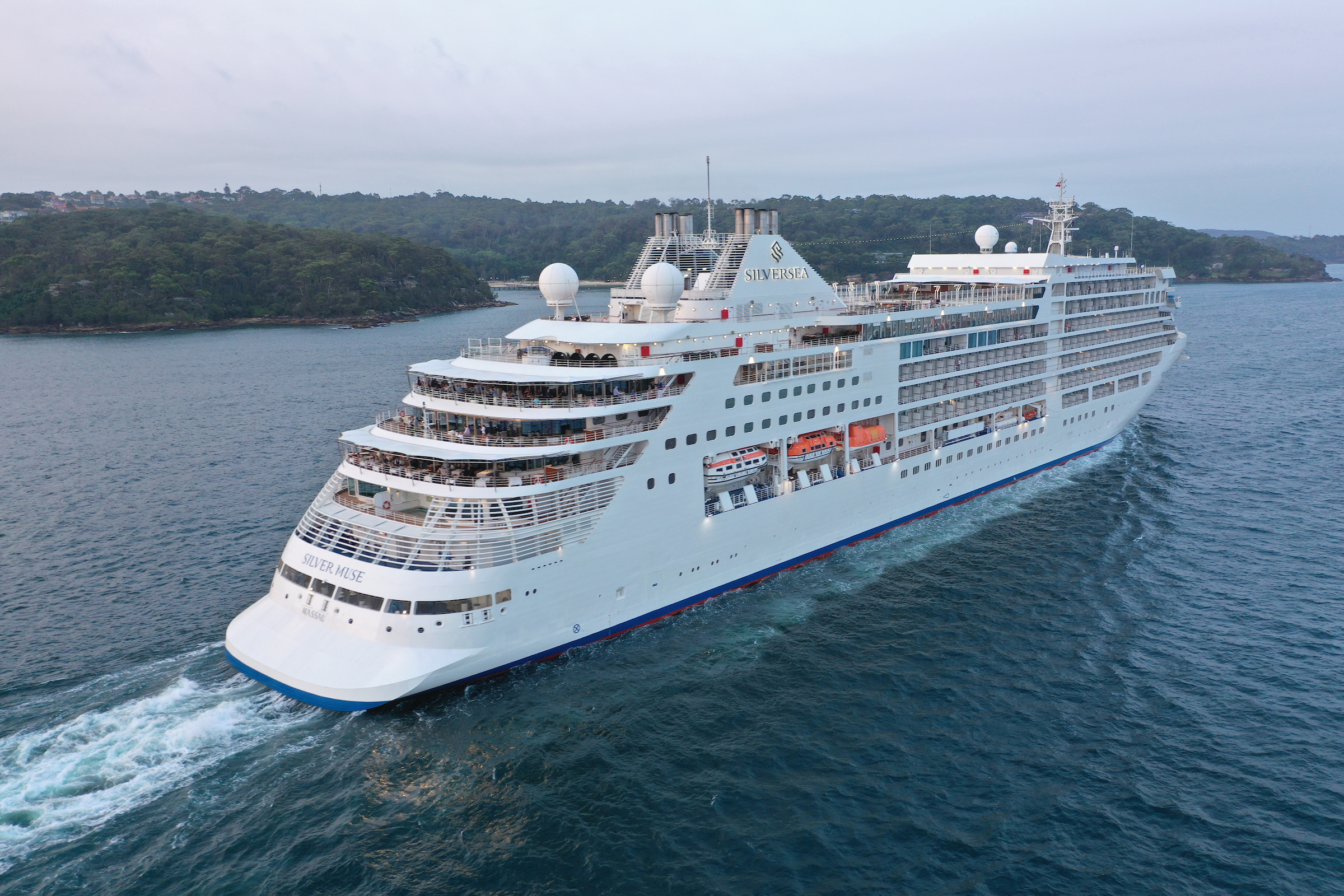
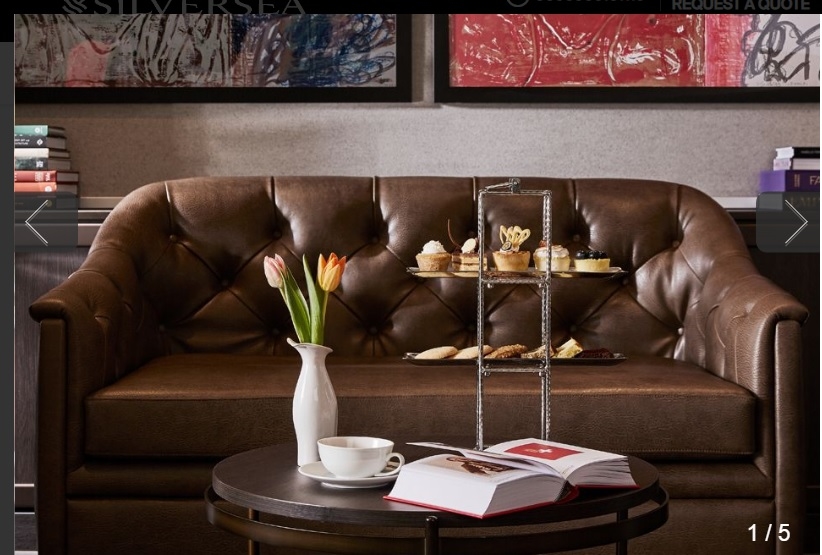
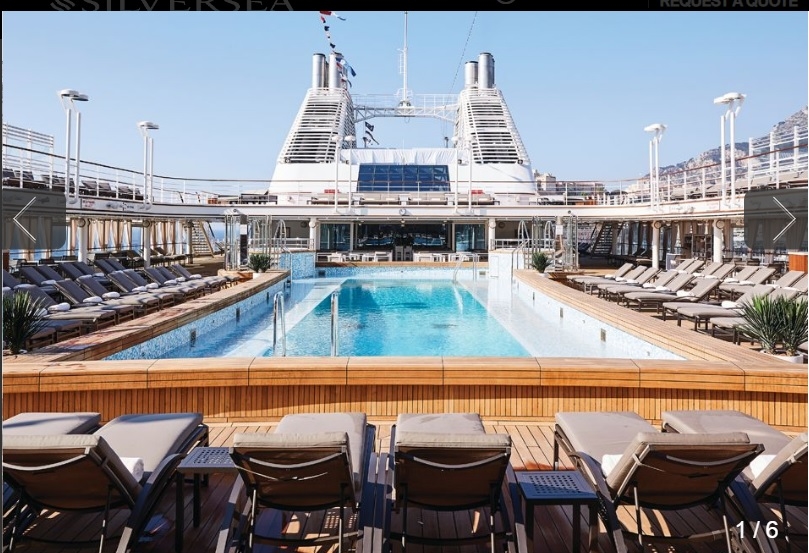
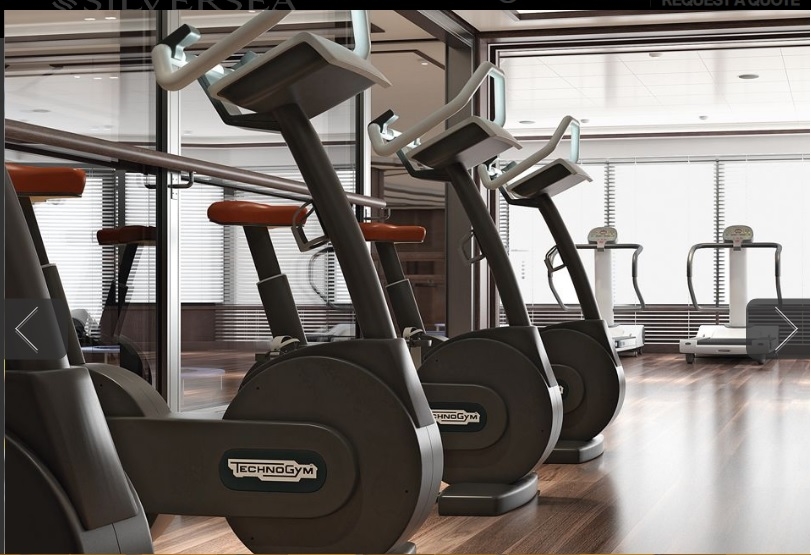
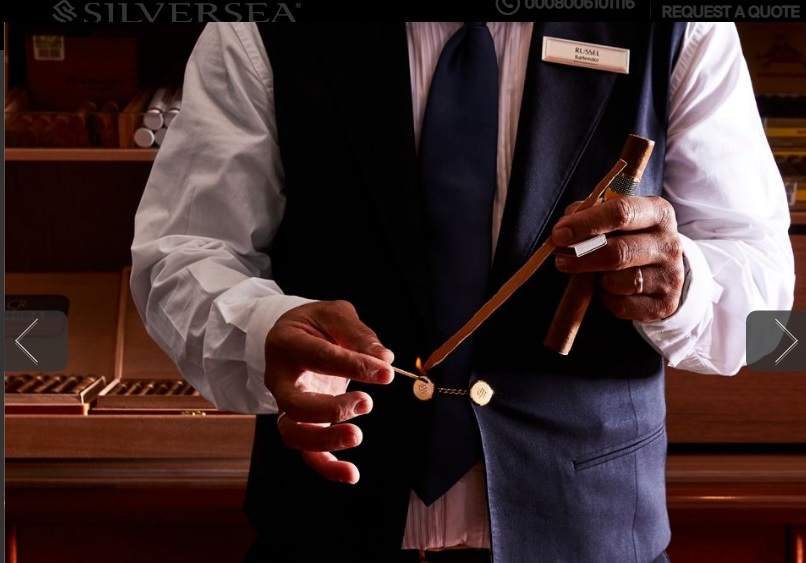
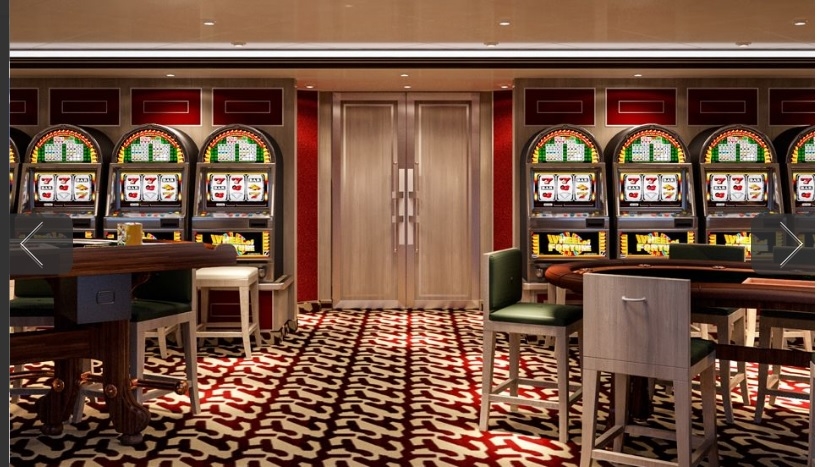
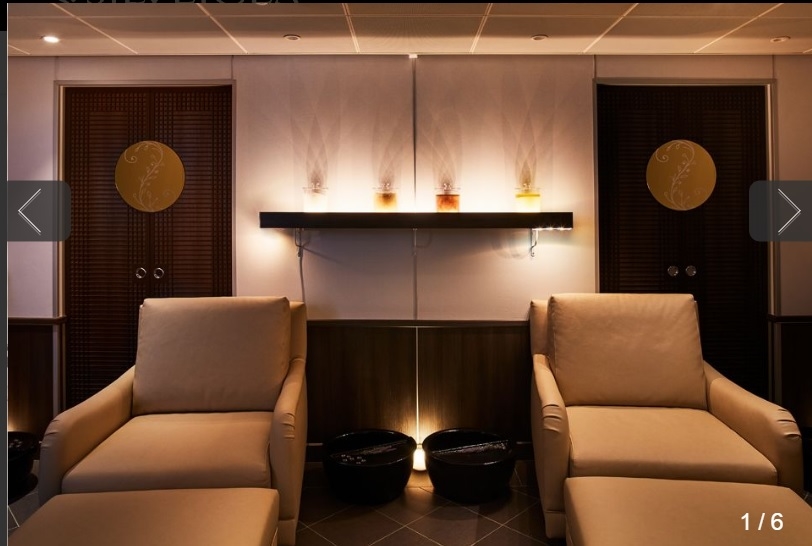
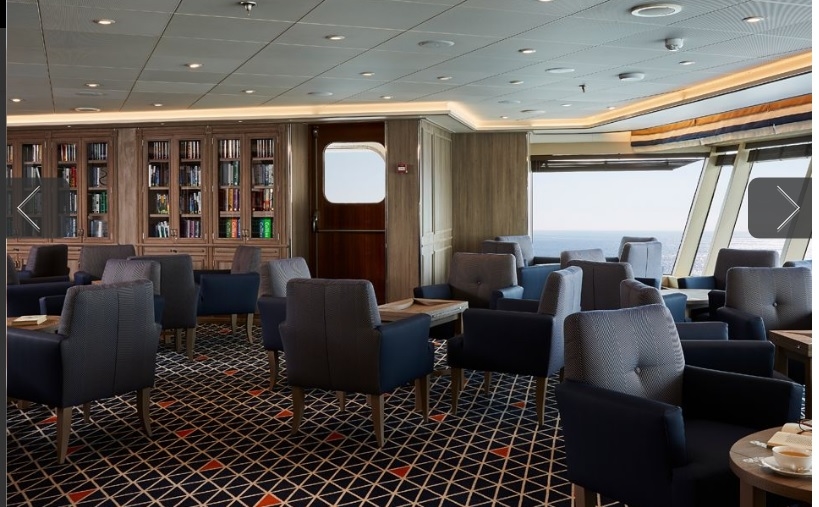
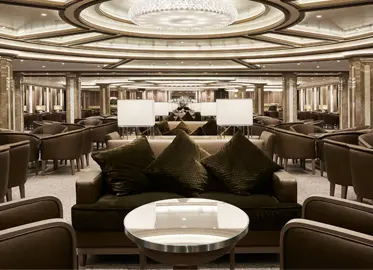
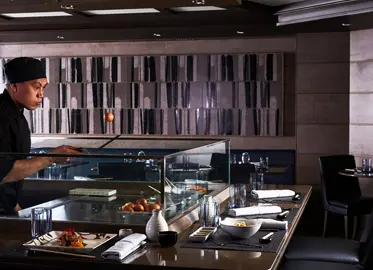
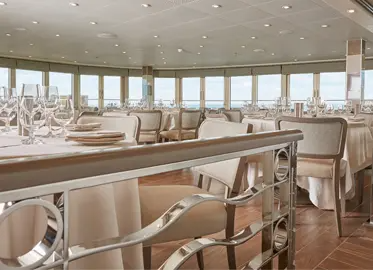
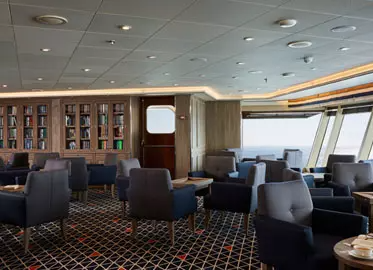
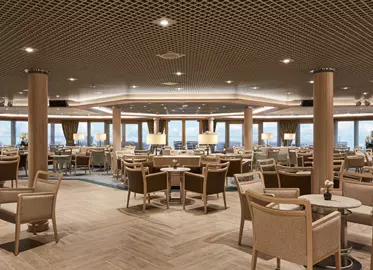
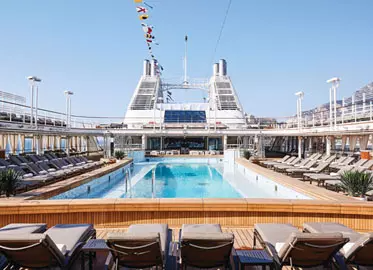
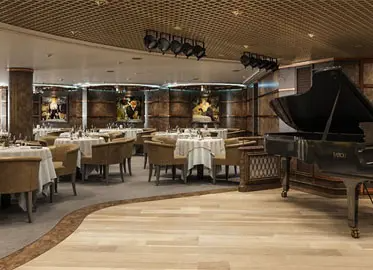
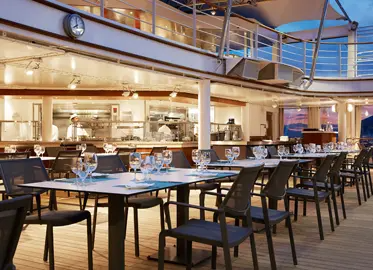
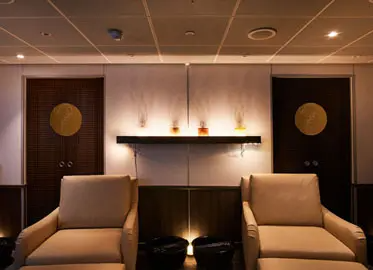
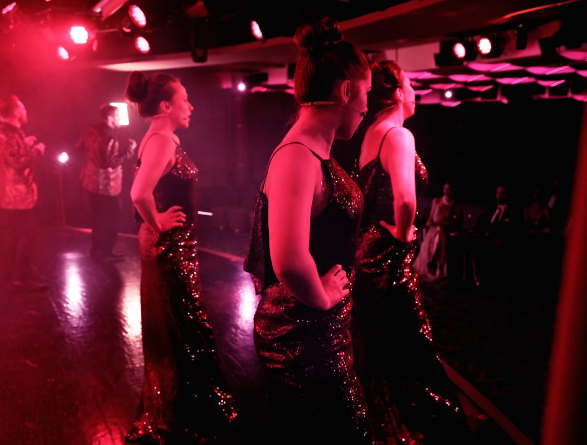
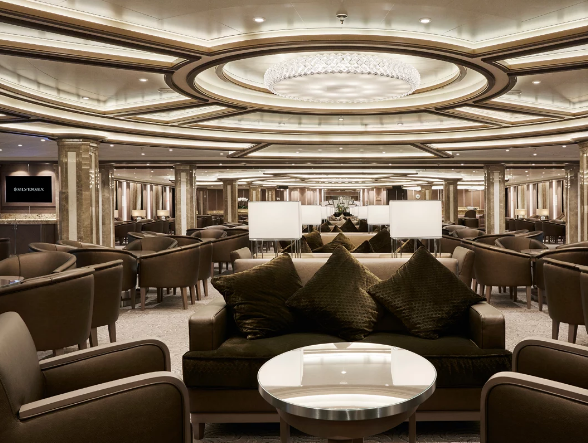
Silver Muse is without question an inspirational work of art. The best place between sea and sky, eight dining venues, spacious outdoor areas and up-to-the-minute technology makes her simply divine. Silver Muse marked a new era of ultra-luxury ocean travel for us – enhancing the small-ship intimacy and spacious all-suite accommodation that are our hallmarks but raising the bar in terms of luxury. Silver Muse offers a wealth of enhancements to the onboard experience while satisfying our uncompromising requirements for comfort, service, dining and quality of the world’s most discerning travellers.
Fitness Center
Jogging Track
Pool
Wellness Centre
Card Room
Childrens Play Room
Library
Arts Cafe
Bar
Dolce
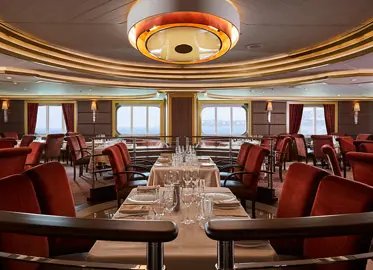
Grill
La Dame
La Terrazza
Spaccanapoli
The Grill
Venetian
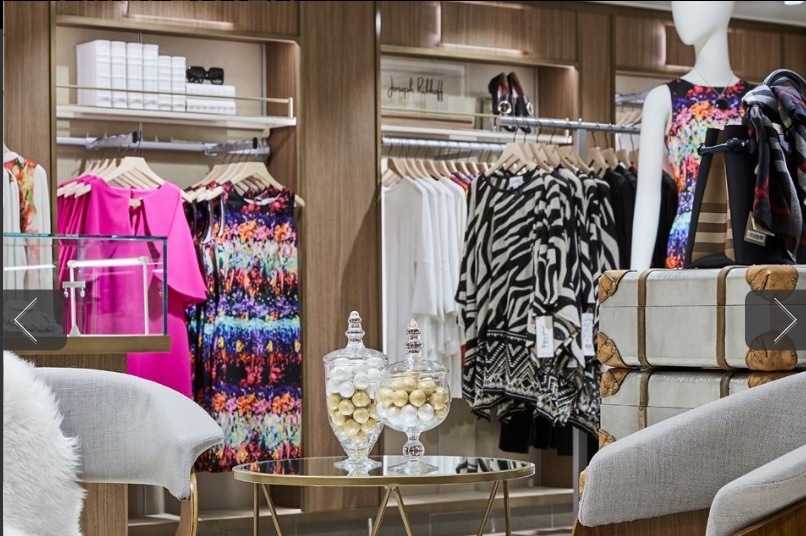
Boutique
Conference Room
Observation Lounge
Reception
Beauty Salon
Day Spa & Fitness Centre
Jacuzzi
Panoramic Lounge
Pool Deck
Spa
Swimming Pool
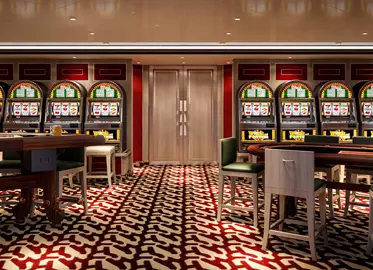
Casino
Connoisseur Club
Connoisseur’s Corner
Observation Lounge
Panorama Lounge
Silver Note
Theatre
Description
Silver Muse is without question an inspirational work of art. The best place between sea and sky, eight dining venues, spacious outdoor areas and up-to-the-minute technology makes her simply divine. Silver Muse marked a new era of ultra-luxury ocean travel for us – enhancing the small-ship intimacy and spacious all-suite accommodation that are our hallmarks but raising the bar in terms of luxury. Silver Muse offers a wealth of enhancements to the onboard experience while satisfying our uncompromising requirements for comfort, service, dining and quality of the world’s most discerning travellers.
Fitness
Fitness Center
Jogging Track
Pool
Wellness Centre
Recreational
Card Room
Childrens Play Room
Library
Food and Drink
Arts Cafe
Bar
Dolce
Grill
La Dame
La Terrazza
Spaccanapoli
The Grill
Venetian
Other
Boutique
Conference Room
Observation Lounge
Reception
Relaxation
Beauty Salon
Day Spa & Fitness Centre
Jacuzzi
Panoramic Lounge
Pool Deck
Spa
Swimming Pool
Entertainment
Casino
Connoisseur Club
Connoisseur’s Corner
Observation Lounge
Panorama Lounge
Silver Note
Theatre
STATEROOMS
